2027 Best AI Courses for Sales Enablement Teams With Certificates

Co-Founder and Chief Data Scientist
Sales enablement teams often face challenges in leveraging artificial intelligence tools effectively to boost performance and drive revenue growth. Many professionals lack tailored training that aligns AI capabilities with sales strategies, resulting in missed opportunities and inefficient workflows. This gap hinders teams from maximizing the benefits of AI-powered insights and automation in customer engagement and decision-making processes. The following article will review top AI courses designed specifically for sales enablement professionals, focusing on those that provide certification. It aims to guide learners in selecting programs that enhance skills, validate expertise, and support career advancement in this evolving field.
Key Things You Should Know
- Top AI courses for sales enablement in 2026 emphasize practical skills like predictive analytics and customer segmentation to boost sales performance by over 30% in pilot programs.
- Certification from recognized platforms enhances credibility; 72% of surveyed employers prefer candidates with formal AI sales enablement certificates for hiring in 2025.
- Most courses incorporate the latest 2024 AI tools integration, ensuring teams can leverage automation and personalization to increase lead conversion efficiently.
Advance Your Career with AI Online Courses
Artificial Intelligence: Implications for Business Strategy
This program provides an introduction to Artificial Intelligence and their implications for business strategy. Earn an official digital certificate.

Oxford Artificial Intelligence Programme
Explore this Oxford Artificial Intelligence programme offered in a flexible learning environment and explore topics like machine learning, automation, and robotics.

Implementing Agentic AI: Building Your Organizational Playbook
This online MIT Agentic AI course offers a practical approach to deploying AI agents in your organization, including a custom playbook. 3 weeks, exclusive launch price.

AI Adoption: Driving Business Value and Impact
This online MIT AI Adoption: Driving Business Value and Impact offers practical frameworks to close the gap between AI potential and business reality.

Artificial Intelligence in Pharma and Biotech
Discover the applications and limitations of artificial intelligence in pharma and biotech with this MIT online short course.

What are the best AI courses for sales enablement teams?
Top certified AI training programs for sales teams focus on practical skills such as CRM automation, predictive analytics, and conversational AI technologies to enhance client engagement and increase closing rates. Courses from prestigious institutions like Stanford Online and MIT Professional Education emphasize hands-on experience with platforms like Salesforce Einstein and AI-driven sales analytics software, equipping professionals with essential tools to optimize workflow.
Key features of the best AI courses for sales enablement professionals include:
- Training to leverage AI for lead qualification and personalized outreach at scale.
- Modules on interpreting AI-generated sales insights to improve pipeline management.
- Instruction on integrating AI chatbots and virtual assistants into sales processes.
- Certification validating both technical AI proficiency and sales enablement expertise.
- Case studies showcasing AI's impact on boosting win rates and customer retention.
For instance, Northwestern University's AI for Sales Enablement course merges data science fundamentals with CRM implementation to automate tasks, letting sales teams focus on strategy. LinkedIn Learning's Applied AI for Sales series offers concise lessons ideal for ongoing professional development. These programs reflect findings from the 2025 Salesforce State of Sales report, which found that high-performing teams use AI 2.8 times more than underperformers and credit AI with improving win rates.
Those exploring advanced career paths in this field may consider pursuing an artificial intelligence major for comprehensive foundational knowledge.
Advance Your Career with AI Online Courses
Artificial Intelligence: Implications for Business Strategy
This program provides an introduction to Artificial Intelligence and their implications for business strategy. Earn an official digital certificate.
Oxford Artificial Intelligence Programme
Explore this Oxford Artificial Intelligence programme offered in a flexible learning environment and explore topics like machine learning, automation, and robotics.
Implementing Agentic AI: Building Your Organizational Playbook
This online MIT Agentic AI course offers a practical approach to deploying AI agents in your organization, including a custom playbook. 3 weeks, exclusive launch price.
Which certificates matter for AI sales enablement jobs?
Certificates that matter for AI sales enablement certification programs for professionals emphasize both technical proficiency in AI tools and strategic application within sales processes. Employers prioritize certificates that prove the ability to leverage AI for lead generation, customer segmentation, predictive analytics, and sales automation. For example, professional certificates in AI for business, machine learning fundamentals tailored to sales, and data-driven sales strategies demonstrate practical skills sought by recruiters.
Key certificates include those offering comprehensive training on AI integration into CRM systems like Salesforce or HubSpot. Recognized certificates for AI sales enablement careers in the US often come from established platforms such as Coursera, Udacity, and edX. Coursera's 2025 Higher Education Impact Report notes that 52% of learners completing AI-related business certificates experienced positive career impacts within six months, underscoring their value.
Certificates confirming familiarity with AI-driven analytics and automation workflows are crucial because modern sales teams depend on these technologies to increase efficiency and accuracy. Examples include courses on AI-enabled customer insights, automated outreach pipelines, or AI-powered sales forecasting. Sales professionals holding certificates that combine foundational AI knowledge with domain-specific applications can expect enhanced job prospects and potential salary growth.
When choosing certificates, prioritize programs combining theoretical AI concepts with hands-on projects relevant to sales tasks. Practical experience with AI tools and data interpretation distinguishes candidates and addresses recruiters' questions about real-world problem-solving skills. For those considering related education paths, an engineering online degree can provide a strong technical foundation supporting AI sales enablement careers.
How do you choose an accredited AI training program?
Choosing accredited AI training programs for sales teams involves verifying that the institution is recognized by reputable accrediting bodies, such as those acknowledged by the U.S. Department of Education or the Council for Higher Education Accreditation. Accreditation assures that the curriculum aligns with academic and industry standards, enhancing the value of the certificate upon completion.
Review the syllabus to confirm it includes practical AI applications tailored to sales enablement, covering AI-driven analytics, prediction models, and automation tools. Look for programs incorporating case studies or simulations that demonstrate AI's impact on sales strategies. According to a 2025 McKinsey Global Survey, companies applying AI to sales playbooks experienced a 10-20% revenue increase and a 20-30% boost in ROI.
The best certified AI courses for sales enablement professionals also consider instructor credentials, prioritizing industry experts or researchers with proven experience. Flexibility through asynchronous learning or modular formats helps accommodate working professionals.
Certification recognized by leading employers or professional bodies, such as those linked to IBM, Microsoft, or Google, often carries greater industry value than unverified badges. Alumni outcomes, including job placement and career advancement linked to AI training, offer insight into program effectiveness and alignment with career goals.
For broader academic opportunities relevant to AI and data science, consider exploring masters in data science online programs, which provide valuable foundational knowledge applicable across industries.
Are online AI courses better than campus programs?
Online ai courses for sales enablement teams offer practical advantages over traditional campus classes by enabling professionals to immediately apply skills like AI-powered sales coaching while managing daily workloads. Gartner's 2024 State of Sales Analytics report highlights that sales teams using AI-driven conversation intelligence for coaching achieved 16% higher quota attainment and shortened new rep ramp-up time by 20%. Such data underscores the benefits of AI training programs versus traditional campus classes in driving measurable sales outcomes.
Campus programs usually emphasize theoretical AI foundations and broad concepts, but often lack updated sales-specific content. In contrast, online courses focus on targeted skills such as predictive analytics, AI-driven customer segmentation, and tools embedded in CRM platforms, linking certifications directly to improved job performance. These courses also offer flexible pacing, diverse instructors, and peer networks, making them highly adaptable for working professionals.
Additional benefits include asynchronous learning and realistic AI simulations that mimic live sales conversations, features rarely found in campus settings. However, students focused on deep theoretical AI research or academic AI careers may still prefer campus programs. For those balancing career advancement with education, exploring options like military friendly online electrical engineering degree programs can also provide pathways to combine technical knowledge with practical skills.
Overall, the growing demand for sales teams skilled in AI makes online courses an effective solution for quick, real-world impact in rapidly evolving markets.
What topics do AI sales enablement courses cover?
AI sales enablement courses cover essential topics to help professionals integrate artificial intelligence into sales workflows and boost team performance. Key areas include AI-driven content creation, where learners master automating and personalizing sales materials to fit specific buyer profiles. This often involves using machine learning models to tailor proposals and sales assets, enhancing engagement and relevance.
Data analytics and predictive modeling are crucial components. Trainees learn to analyze customer data for forecasting purchasing behavior and refining outreach strategies. This training also offers insights on CRM integration and interpreting AI-generated data to make informed decisions.
Sales automation technologies are another focus, teaching deployment of AI tools for lead scoring, pipeline management, and task automation. This reduces manual effort and increases operational efficiency. Courses also emphasize AI ethics and compliance, addressing privacy and data security concerns in sales contexts.
Natural language processing (NLP) skills help teams automate customer interactions, manage chatbots, and perform sentiment analysis, improving communication quality. Developing the ability to measure AI's impact on sales KPIs is also stressed to justify investments and improve strategies.
Forrester's 2024 B2B Sales Study highlights the benefits of AI for content, proposals, and asset personalization. Organizations using AI-driven personalization saw an 18% increase in proposal-to-close conversion rates and a 25% reduction in content production costs year over year.
What are the admission requirements for AI certificate programs?
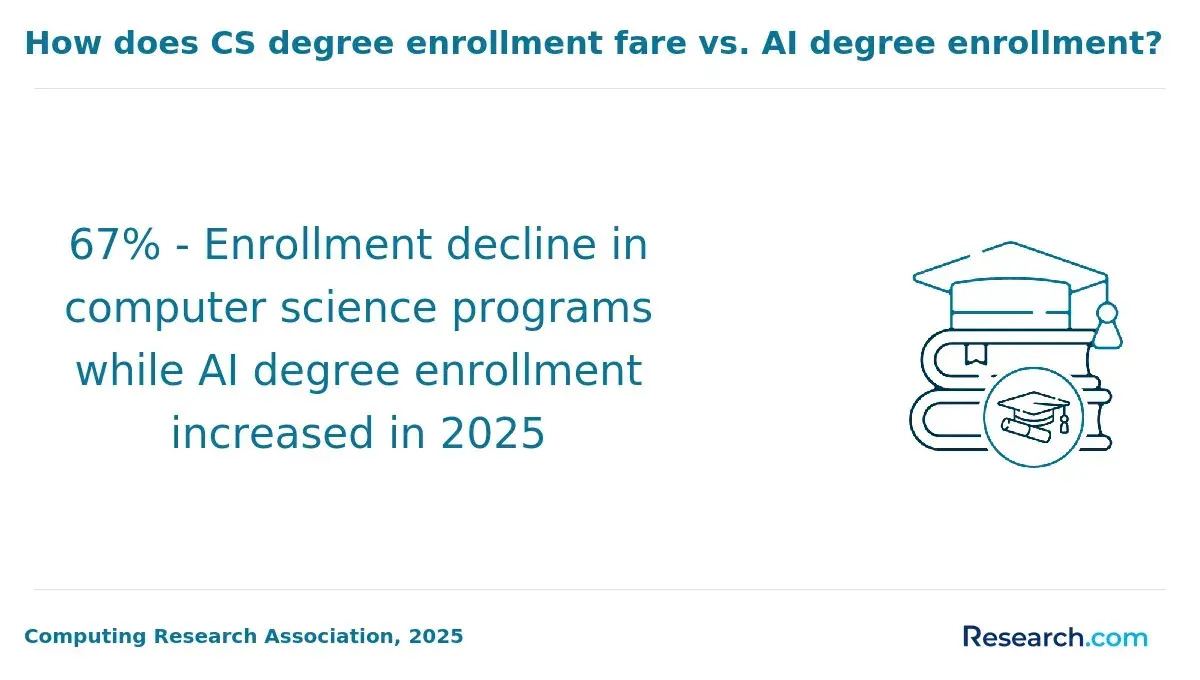
Admission requirements for AI certificate programs vary by institution and course level, but most require at least a high school diploma or equivalent. Candidates with backgrounds in business, sales, technology, or data analytics are often preferred. Advanced courses may expect prior experience with programming languages like Python or familiarity with data science fundamentals.
Applicants without a technical background can still qualify by demonstrating relevant work experience in sales enablement, marketing automation, or CRM management. Entry-level certificates focus on foundational training, while specialized programs targeting AI-augmented sales processes look for understanding of basic machine learning concepts or automation workflows.
Typical application materials include academic transcripts, resumes, and sometimes letters of recommendation. Personal statements outlining career goals and the motivation to learn AI in sales contexts are frequently required.
There is increased flexibility through asynchronous learning and modular course designs, helping working professionals balance job and study. Many universities and online platforms also offer preparatory courses to help students meet technical prerequisites.
The growing impact of AI in sales, demonstrated by the 2024 HubSpot State of Sales report showing automation saves 2.5 hours per rep daily and increases opportunities by 20% each quarter, influences admission criteria. Programs now prioritize candidates capable of applying AI tools directly to sales and automation workflows.
How long do AI certificate programs take to finish?
AI certificate programs for sales enablement professionals vary significantly in length, typically from a few weeks up to six months. Part-time foundational courses usually require 6 to 12 weeks to complete, allowing participants to maintain their work commitments. Bootcamp-style programs last 4 to 8 weeks but demand focused attention. More advanced certifications include modules on AI for sales operations, forecasting, and pipeline analytics, extending up to 4 to 6 months for comprehensive mastery.
Shorter programs focus on core concepts like data-driven sales strategies and basic AI tools, ideal for immediate use. Longer programs provide hands-on projects, advanced forecasting techniques, and CRM integration, essential for teams seeking to increase forecast accuracy and sales productivity. A Deloitte 2025 Sales Analytics Benchmarking Study revealed that organizations using AI-based forecasting tools achieved 95% accuracy and a 14% boost in sales productivity compared to traditional methods.
Factors influencing program length selection include the team's current skill level, desired expertise depth, and available study time. Beginners benefit from 2-3 month certificates offering foundational skills and practical case studies. Experienced professionals aiming for leadership might choose up to a six-month course with specialized modules. Many programs provide self-paced options enabling acceleration or extended learning based on individual needs.
Key considerations when selecting AI certification duration:
- Balancing immediate applicability with in-depth expertise
- Work-study balance for sales teams
- Scope of AI topics covered, such as pipeline analytics and forecasting
- Industry recognition and certificate credibility
How much do AI sales enablement courses cost?
AI sales enablement courses vary significantly in cost, depending on their level, format, and certification value. Basic introductory courses offered through online platforms generally range from $50 to $300. More comprehensive programs tailored for sales development representatives (SDRs), account executives (AEs), and customer success managers (CSMs) typically cost between $500 and $2,000. Premium courses from established institutions or vendor-backed certifications can exceed $2,500, often including live instruction, personalized coaching, and hands-on projects.
Subscription models offering access to multiple AI and sales enablement courses usually charge $20 to $100 per month. These are ideal for professionals seeking ongoing skill updates. Corporate training packages, negotiated per team member, might provide discounts for groups, reducing per-user expenses.
Certification holds strong industry value, signaling proficiency in AI-powered prospecting, CRM automation, and data-driven sales analytics. According to LinkedIn's 2025 Future of Skills report, sales roles featuring AI or automation skills enjoy a 33% higher applicant-to-hire conversion rate and 8-13% higher median salaries globally, highlighting the return on investment for such courses.
When choosing courses, consider factors like role relevance, instructor quality, and certificate recognition. Free trials or scholarships may help with upfront costs. Selecting programs focused on practical AI tools used by sales teams boosts immediate performance improvements.
What jobs can AI sales enablement certificates lead to?
AI sales enablement certifications open doors to specialized roles blending sales expertise with technology. Professionals with these credentials often pursue careers such as AI Sales Specialist, integrating AI tools into sales tactics to improve lead generation and client engagement. Sales Operations Analysts also benefit, analyzing AI-driven insights to optimize sales workflows and better predict revenue. Additionally, AI Sales Enablement Managers design AI-focused training programs that boost team effectiveness and technology adoption.
Organizations heavily investing in AI training see measurable gains. A sales enablement study by Brandon Hall Group reported a 24% increase in average deal size and a 19% decrease in sales cycle length after companies structured AI education for sales teams. This underscores the competitive advantage of AI knowledge in sales roles.
Certifications facilitate career advancement into tech-integrated positions such as Customer Success Manager, where AI helps tailor client solutions, or AI Integration Consultant, responsible for deploying AI platforms across sales units. Candidates typically need skills in AI-enhanced CRM, data analysis, and automation software to meet employer expectations.
- AI Sales Specialist: Optimizes sales strategies using AI tools.
- Sales Operations Analyst: Uses AI data to refine sales processes.
- AI Sales Enablement Manager: Develops AI training for sales teams.
- Customer Success Manager: Personalizes client engagement with AI.
- AI Integration Consultant: Oversees AI platform implementation.
Employers value measurable impacts from AI knowledge in improving sales outcomes, making certification a distinct advantage in competitive hiring environments.
What salary and job outlook do AI sales roles offer?
AI sales professionals benefit from competitive salaries with strong growth potential as companies expand their AI-driven sales strategies. Entry-level AI sales specialists typically earn around $70,000 annually, while experienced sales engineers and enablement managers can make between $110,000 and $150,000 or more, depending on the sector and location. This growth aligns with the increasing demand for experts skilled in AI tools to enhance sales processes and customer relationships.
The World Economic Forum's 2024 Future of Jobs Report projects that by 2028, 60% of sales roles will require advanced AI tool proficiency. However, only 28% of organizations currently offer formal AI training to sales teams, highlighting a skills gap that certified professionals can leverage.
Employers favor candidates with expertise in AI-enhanced CRM systems, predictive analytics, and sales automation. AI sales enablement roles in tech and finance often offer higher pay due to the complexity involved. Certifications focusing on practical AI applications in sales workflows, data analysis, and AI ethics improve career prospects and help professionals negotiate better salaries and promotions.
Other Things You Should Know About Artificial Intelligence
Key skills for understanding artificial intelligence include proficiency in programming languages such as Python, knowledge of machine learning algorithms, and a strong foundation in mathematics, especially linear algebra and statistics. Additionally, critical thinking and problem-solving abilities help interpret AI models and improve their applications in sales enablement contexts.
AI enhances sales enablement strategies by providing insights through predictive analytics, automating customer segmentation, and optimizing communication timing. This results in more informed decision-making and improved targeting, which ultimately increases sales effectiveness and efficiency.
Ethical concerns include data privacy, transparency in AI decision-making, and avoiding bias in algorithms that could affect fair treatment of customers. Sales teams must ensure AI systems comply with regulations and maintain ethical standards to build trust and protect sensitive customer information.
References
- AI Sales Enablement: A Complete Guide + Use Cases https://www.salesforce.com/sales/ai/ai-sales-enablement/
- AI Sales Enablement Platforms: The 2026 Guide https://www.mindtickle.com/blog/the-complete-guide-to-ai-in-sales-enablement-and-how-it-can-help-your-team-close-more-deals/
- AI in sales enablement: Bridging the intent-execution gap https://www.highspot.com/go-to-market-guide/enablement-leaders/ai-in-sales-enablement/
- AI sales enablement: Save time, automate, and empower reps https://www.salesenablementcollective.com/ai-and-sales-enablement-a-match-made-in-the-cloud/
- The Complete Guide To AI in Sales Enablement For Modern Teams https://www.fielo.com/blog/complete-guide-to-ai-in-sales-enablement
- How to launch and grow your sales enablement career https://www.spekit.com/blog/sales-enablement-career
- (25) Top AI Sales Jobs | Murray Resources https://murrayresources.com/25-top-ai-sales-jobs/
- University Degree vs AI Bootcamp: Which is Best Career Path? https://agilefever.com/university-degree-vs-ai-bootcamp-which-is-best/
- Professional AI Training: How to Choose the Right Program https://www.strategicaileader.com/professional-ai-training-how-to-choose-the-right-program/
- 11 Best AI Certifications in 2025 to Deepen Your Technical Knowledge | DigitalOcean https://www.digitalocean.com/resources/articles/ai-certifications