2027 Best AI Courses for Nonprofit Fundraising Teams

Co-Founder and Chief Data Scientist
Nonprofit fundraising teams often struggle to effectively leverage emerging technologies to maximize donor engagement and revenue. Limited technical expertise and time constraints hinder their ability to adopt artificial intelligence tools that could optimize campaigns and enhance donor insights. Without targeted training, these teams risk falling behind in an increasingly data-driven fundraising landscape.
This article examines the best AI courses designed specifically to equip nonprofit professionals with practical skills. It aims to guide readers toward accredited, flexible programs that empower fundraising teams to harness artificial intelligence confidently and improve their overall fundraising performance.
Key Things You Should Know
- AI courses for nonprofit fundraising increasingly emphasize practical skills in data analysis and donor engagement, with 72% of programs offering real-world project experience as of 2025.
- Training integrates ethical AI use and transparency, addressing donor trust concerns vital for fundraising success and compliance with evolving nonprofit regulations.
- Cost-effective, flexible online AI courses have surged by 45% since 2024, catering specifically to nonprofit teams seeking to improve fundraising efficiency without extensive technical backgrounds.
Advance Your Career with AI Online Courses
Artificial Intelligence: Implications for Business Strategy
This program provides an introduction to Artificial Intelligence and their implications for business strategy. Earn an official digital certificate.

Oxford Artificial Intelligence Programme
Explore this Oxford Artificial Intelligence programme offered in a flexible learning environment and explore topics like machine learning, automation, and robotics.

Implementing Agentic AI: Building Your Organizational Playbook
This online MIT Agentic AI course offers a practical approach to deploying AI agents in your organization, including a custom playbook. 3 weeks, exclusive launch price.

AI Adoption: Driving Business Value and Impact
This online MIT AI Adoption: Driving Business Value and Impact offers practical frameworks to close the gap between AI potential and business reality.

Artificial Intelligence in Pharma and Biotech
Discover the applications and limitations of artificial intelligence in pharma and biotech with this MIT online short course.

What are the best AI courses for nonprofit fundraising teams and how do they differ?
Top ai courses tailored for nonprofit fundraising professionals vary mainly in their focus areas, tools, and practical uses designed for fundraising challenges. Programs like "AI for Fundraising" emphasize data-driven donor segmentation, predictive giving models, and personalized communication strategies. These courses teach valuable skills such as automating donor outreach through AI-powered CRM systems and analyzing fundraising analytics effectively.
Broader training, including courses like "Applied AI in Social Impact", offers a wider perspective by instructing teams on deploying machine learning models for program evaluation and impact measurement beyond fundraising. These are ideal for nonprofits looking to integrate AI across multiple operations.
Specialized options, such as "Natural Language Processing for Fundraising", concentrate on AI communication tools that help fundraisers utilize chatbots and enhance grant proposals with AI-generated insights. When selecting the best ai training programs for nonprofit fundraising teams, it is crucial to find courses balancing technical understanding with practical fundraising applications. For instance, mastering donor likelihood scoring often proves more valuable than deep programming knowledge for fundraising staff.
According to Salesforce's 2024 Nonprofit Trends Report, nonprofits leveraging AI for fundraising are 25% more likely to exceed mission impact goals. Evaluating programs offering measurable ROI, real-world nonprofit datasets, case studies, and hands-on training with widely used fundraising tools is essential. Prospective learners can also explore an applied artificial intelligence degree for broader career opportunities in this field.
Advance Your Career with AI Online Courses
Artificial Intelligence: Implications for Business Strategy
This program provides an introduction to Artificial Intelligence and their implications for business strategy. Earn an official digital certificate.
Oxford Artificial Intelligence Programme
Explore this Oxford Artificial Intelligence programme offered in a flexible learning environment and explore topics like machine learning, automation, and robotics.
Implementing Agentic AI: Building Your Organizational Playbook
This online MIT Agentic AI course offers a practical approach to deploying AI agents in your organization, including a custom playbook. 3 weeks, exclusive launch price.
How can AI training specifically improve nonprofit fundraising, donor outreach, and campaign results?
AI training enhances nonprofit fundraising effectiveness by equipping teams with tools to optimize donor outreach and improve campaign results. Leveraging predictive analytics, fundraisers identify donors with higher giving potential, enabling focused engagement that reduces wasted effort and boosts efficiency. Personalized communication becomes possible through AI-driven segmentation, tailoring messages based on donor preferences, past behavior, and engagement, which significantly increases response rates.
Real-time campaign tracking and automated reporting provide actionable insights, allowing teams to quickly adjust strategies to improve conversion rates and overall funding. Monitoring donor retention is also improved by AI, which detects risk factors like declining engagement or donation frequency, leading to timely, customized re-engagement plans that strengthen supporter loyalty. These methods exemplify donor outreach strategies using artificial intelligence to deepen relationships and enhance outcomes.
Hands-on AI education empowers fundraisers to automate routine tasks such as data entry and thank-you letters, freeing time for strategic initiatives while promoting ethical AI use that protects donor data privacy. As highlighted in the AFP and BWF's "AI in Fundraising Benchmark Report," 85% of professionals confirm AI improves acquisition and retention efforts, underscoring the necessity of AI training for nonprofit teams aiming to maximize impact.
Prospective students interested in advancing their expertise may consider pursuing an AI degree to build the skills essential for leveraging these technologies in fundraising and beyond.
What types of AI programs are available for nonprofit fundraisers (short courses, certificates, degrees)?
Nonprofit fundraisers have access to various AI programs aimed at building skills efficiently. Online short courses in artificial intelligence for fundraising teams typically last from a few hours to several weeks and focus on foundational topics such as basic data analysis, AI-driven donor segmentation, and automated communications. These courses offer a practical way to quickly enhance AI literacy without heavy time or financial commitments.
More structured ai certificate programs for nonprofit fundraising professionals extend over several months, combining multiple modules covering AI ethics, machine learning applications, and predictive modeling for donor behavior. These certificates demonstrate validated skills to employers and often include hands-on projects relevant to nonprofit challenges like optimizing campaigns or improving donor retention through AI.
Degree programs in fields like data science or artificial intelligence require one to two years of full-time study. Although less common with a direct focus on fundraising, these degrees provide advanced expertise in AI algorithms, statistical modeling, and decision-making processes, suitable for leadership or technically specialized roles. For those interested in advanced study, exploring AI PhD programs can offer in-depth knowledge and career advancement opportunities.
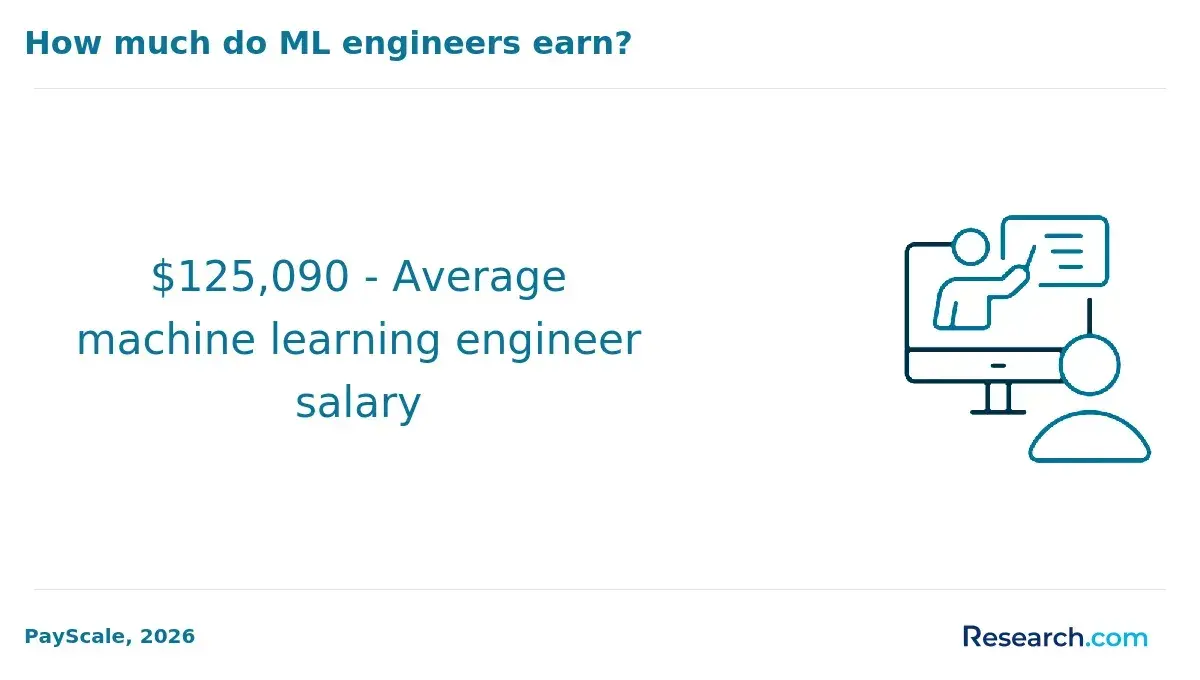
The 2024 Nonprofit Technology Enterprise Network survey found only 32% of nonprofit staff feel confident using AI tools at work. However, organizations offering formal AI training are 3.5 times more likely to see significant productivity gains. Selecting the appropriate training depends on goals, time availability, and the desired depth of expertise.
How do online AI courses for nonprofit fundraising compare with campus and hybrid options?
Online AI courses offer nonprofit fundraising teams greater flexibility than campus and hybrid training, allowing professionals to learn at their own pace without rigid schedules or commuting challenges. This flexibility benefits nonprofit professionals managing multiple priorities, making these courses highly accessible.
Campus programs often provide more direct instructor interaction and richer networking opportunities, which can enhance hands-on experience with AI tools. However, they tend to be more costly and less practical for smaller organizations or those with restricted travel budgets.
Hybrid nonprofit fundraising training combines online learning with occasional in-person sessions, offering structured guidance alongside flexibility. This approach suits teams seeking applied learning without full-time campus attendance.
From a content standpoint, online courses emphasize donor research, segmentation, and predictive analytics-key areas for improving fundraising success. A BWF and Staupell Analytics study revealed nonprofits using AI-driven predictive analytics for donor segmentation saw a 10-15% annual fundraising increase compared to peers not employing these models. This demonstrates the tangible benefits of mastering AI applications in fundraising.
When choosing among online ai courses versus campus and hybrid nonprofit fundraising training, organizations should weigh depth, cost, and interaction while considering practical use. Online learning excels in delivering cutting-edge AI techniques applicable to donor data analysis, supporting immediate impact and scalability. For those exploring advanced data-focused education, pursuing an online PhD in data science can further enhance expertise in this field.
Which accreditation and institutional quality standards matter when choosing AI training for nonprofits?
Accreditation and institutional quality standards play a crucial role in selecting AI training programs for nonprofit fundraising teams. In the U.S., regional accreditation from agencies like the Middle States Commission on Higher Education or the Higher Learning Commission ensures institutions meet strict academic and operational criteria.
Program-specific endorsements from respected technology or nonprofit organizations, such as certifications aligned with the Association for the Advancement of Artificial Intelligence (AAAI) or approvals from nonprofit professional groups, emphasize practical expertise and industry relevance.
Partnerships with technology leaders like Salesforce and Microsoft often shape curricula around platforms nonprofits actively use, improving the immediate usefulness of the training. Salesforce's "State of Nonprofit Marketing" report reveals nonprofits employing AI personalization experience up to 40% higher email click-through rates and 30% higher conversion rates, demonstrating the tangible benefits of AI skills.
Key considerations include faculty proficiency in nonprofit fundraising combined with AI applications and programs offering hands-on projects, client collaborations, or simulations focused on campaign personalization, data analysis, and content creation.
Transparency about graduation rates, job placement, and alumni success in nonprofit tech roles also helps gauge how effectively a program prepares students to implement AI strategies that boost fundraising outcomes.
What core AI skills and fundraising-focused topics do these courses typically cover?
Courses in artificial intelligence for fundraising focus on essential skills like machine learning fundamentals, natural language processing, and data analytics tailored to nonprofit needs. Participants learn AI-powered donor segmentation, predictive modeling, and sentiment analysis to enhance campaign targeting and boost donor retention. Training also covers automated content creation for grant writing, personalized communication via AI chatbots, and using AI insights to optimize donor engagement.
Practical challenges such as integrating AI tools with existing donor management systems and ensuring compliance with data privacy regulations like GDPR and HIPAA are addressed. AI-driven automation helps reduce administrative tasks like email drafting and report generation, improving efficiency. Microsoft's 2024 Work Trend Index highlights a 29% productivity gain among organizations using generative AI copilots for knowledge work, including fundraising-related communication.
Fundraising teams learn to interpret AI-generated data to identify high-value prospects and predict event outcomes. Ethical AI use, including bias mitigation and transparency, is emphasized to maintain donor trust. Many programs combine conceptual knowledge with hands-on training in popular AI platforms used in nonprofits, equipping teams to apply these tools effectively.
By leveraging these approaches, fundraising professionals can integrate AI into diverse campaigns, from community drives to large capital initiatives, improving both strategy and operations.
What are the usual admission requirements and tech prerequisites for AI courses for fundraisers?
Admission to AI courses designed for nonprofit fundraising teams often prioritizes foundational knowledge over advanced technical skills. Applicants typically need a bachelor's degree or equivalent experience in nonprofit management, marketing, or related areas. Practical fundraising experience can sometimes substitute formal education, reflecting diverse learner backgrounds. Basic computer literacy and familiarity with tools like spreadsheets or CRM software are common prerequisites, enabling students to engage effectively with AI concepts.
Technical requirements vary with course level. Introductory programs rarely require coding skills but expect proficiency in interpreting data and basic statistics. More advanced courses may recommend or require knowledge of programming languages such as Python or R, especially for AI model customization and analytics. Understanding cloud computing basics and data security principles is also beneficial for applying AI in fundraising.
Ethics and governance are essential components, given that 62% of nonprofits using AI lack formal policies despite 78% expressing concerns about donor privacy and bias. Many courses include modules addressing responsible AI use, data privacy laws, and bias mitigation strategies to help fundraisers navigate compliance and foster donor trust.
Prospective students should evaluate course content carefully to ensure it aligns with their skills and goals, balancing practical AI applications with ethics training to support effective and responsible use of AI tools in nonprofit fundraising.
How long do these AI programs take, and what tuition, fees, and funding options should nonprofits expect?
AI programs designed for nonprofit fundraising teams range widely in length and focus. Short, intensive workshops lasting 1 to 4 weeks emphasize hands-on tool use for rapid skill development. In contrast, longer courses spanning 3 to 6 months integrate foundational AI theory with data analytics and strategic fundraising techniques, offering deeper expertise.
Costs reflect program length and providers, typically between $500 and $2,500. University-affiliated boot camps or certificate programs may charge up to $5,000, reflecting advanced content and credentialing. Subsidized or free options are often available through nonprofit alliances or technology partners, which can be crucial for organizations with limited budgets.
Funding sources include organizational sponsorships, educational grants, and scholarships tailored to social sector participants. Employers may also cover tuition via professional development funds when justified with clear return on investment.
Measurable returns support these investments: a NetHope and Microsoft study found that every $1 spent on AI skills and tools generated a median $3.50 in operational and fundraising value within a year. Nonprofits selecting a course should consider time constraints, budget, and skill gaps, prioritizing those that offer practical fundraising-focused AI applications and explore available funding support.
What career paths, job roles, and advancement opportunities can AI skills unlock in nonprofit fundraising?
AI skills unlock diverse career opportunities within nonprofit fundraising, enabling professionals to advance in roles like fundraising data analyst and donor engagement specialist. These roles utilize AI-driven predictive analytics and machine learning to optimize campaigns and personalize outreach, boosting donor retention. Proficiency in AI also paves the way to positions such as development operations manager, where automation enhances efficiency in gift processing and grant tracking.
Fundraising professionals with AI competency are increasingly qualified for leadership roles focused on innovation and strategy. Chief development officers who understand AI can integrate predictive modeling in planning to drive revenue growth. Similarly, AI knowledge prepares staff for becoming training facilitators or digital transformation leads, advancing organizational learning and culture.
Key AI applications in fundraising include automated donor segmentation and sentiment analysis to evaluate communication effectiveness. Skills in natural language processing and data visualization are especially valuable for interpreting complex data and presenting insights. Many nonprofit job listings now include AI or data analytics as preferred qualifications, reflecting strong market demand.
Upskilling in AI reduces dependence on external consultants and fosters internal expertise, promoting organizational agility. According to the 2024 Nonprofit Leadership Impact Study by BoardSource, nonprofits with comprehensive AI training programs experienced 2.8 times greater fundraising growth year over year, highlighting AI's transformative impact on career growth and advancement opportunities in this sector.
Are there recognized certifications or microcredentials in AI for nonprofit fundraising professionals?
Recognized certifications and microcredentials in artificial intelligence tailored for nonprofit fundraising professionals are increasingly accessible and valuable. Several organizations provide targeted programs that blend fundraising strategies with ai tools and data analytics, customizing skills specifically for the nonprofit sector. Notable options include certificate programs focused on ai-driven donor analytics, predictive modeling, and campaign optimization.
Key credentials come from reputable institutions such as the Association of Fundraising Professionals (AFP) in partnership with ai training providers, alongside universities offering specialized ai modules for social impact. These microcredentials typically last between 4 to 12 weeks and emphasize practical skills like automating donor segmentation, impact reporting, and personalized outreach using ai.
Courses commonly integrate hands-on projects with popular ai platforms, helping fundraising teams convert theory into actionable results such as optimizing email campaigns or forecasting donor lifetime value. Earning certification demonstrates proficiency in applying ai ethically and effectively within fundraising operations, aligning with emerging industry standards.
By 2028, projections from The Giving USA Foundation and Lilly Family School of Philanthropy reveal that over 60% of midsize and large nonprofits will embed ai into at least three core fundraising processes. This trend highlights ai literacy as an essential skill set for development professionals.
Professionals seeking to advance should focus on programs that combine foundational ai concepts with specific nonprofit fundraising applications. Choosing credentials recognized in the field ensures practical relevance and improves job market competitiveness.
Other Things You Should Know About Artificial Intelligence
Nonprofit fundraising teams should focus on the "AI Ethics and Nonprofit Fundraising" course, which covers ethical AI use. Also consider "AI in Fundraising: Navigating Ethical Challenges" and "Responsible AI for Nonprofits" for comprehensive guidance on incorporating AI ethically.
Nonprofits should adopt robust cybersecurity measures, including encryption, secure access controls, and regular audits to protect sensitive donor information used by AI tools. Choosing AI platforms with strong compliance certifications and data protection protocols helps minimize risks. Staff training on data security best practices is also essential to prevent breaches and misuse.
Challenges include the upfront costs of AI tools, the need for technical expertise, and potential resistance from staff unfamiliar with AI technology. Data quality issues can limit AI effectiveness, as AI relies on accurate and well-organized datasets. Nonprofits must also manage the ongoing maintenance and updates of AI systems to keep them relevant and efficient.
Artificial intelligence is designed to augment and support fundraisers, not replace them. AI handles data analysis and routine tasks, allowing fundraisers to focus on relationship-building and strategic decision-making. Human intuition and empathy remain crucial in nonprofit fundraising, areas where AI cannot fully replicate human capabilities.
References
- Top In Demand AI Skills (2025) https://www.skillsoft.com/blog/essential-ai-skills-everyone-should-have
- Successfully Training Your Fundraising Team on AI: 3 Best Practices https://www.cfre.org/blogs/joshua-laborde/2024/01/17/successfully-training-your-fundraising-team-on-ai
- iDesign | News | Online Learning Nonprofit Launches New Initiative to Explore AI’s Role in the Future of Instructional Design and Quality Assurance https://www.idesignedu.org/latest-news/online-learning-nonprofit-launches-new-initiative-to-explore-ais-role-in-the-future-of-instructional-design-and-quality-assurance
- Ultimate Guide: How to Choose the Right AI Training Course to Boost Your Career - ONLC https://www.onlc.com/blog/how-to-choose-ai-training-courses/
- Courses in AI in Nonprofit Management, Grant Writing and Fundraising in Valencia, Spain https://ia.university/academic-programs/ai-nonprofit-management-grant-writing-fundraising-valencia-spain-ia-ai/
- Accreditation and AI: Ensuring Quality in an Era of Smart Learning https://www.qahe.org/article/accreditation-and-ai-ensuring-quality-in-an-era-of-smart-learning/
- AI for Nonprofit Fundraising: Trends & Use Cases | GoodUnited https://www.goodunited.io/blog/ai-for-nonprofit-fundraising
- Nonprofit Career Guide: Jobs, Skills & Career Paths https://momentivesoftware.com/blog/nonprofit-career-guide/
- AI Policies Every Online Institution Should Adopt Before 2027 https://iacde.org/uncategorized/ai-policies-every-online-institution-should-adopt-before-2027/
- AI Agents for Nonprofits: Complete Guide https://www.mindstudio.ai/blog/nonprofits