2027 Best Columbia Online AI Courses for Corporate Teams

Co-Founder and Chief Data Scientist
Companies increasingly face pressure to integrate AI skills within their teams to stay competitive. Many corporate groups struggle to find accessible programs that provide both foundational knowledge and practical application tailored to business needs. Without flexible, accredited options, skill gaps can delay digital transformation and innovation.
This challenge is especially acute for professionals pivoting from unrelated fields seeking credible AI credentials. This article reviews the best Columbia online AI courses designed specifically for corporate teams, highlighting flexible pathways that combine quality education and practical outcomes to empower organizations in advancing their AI capabilities efficiently.
Key Things You Should Know
- Columbia's 2026 online AI courses for corporate teams emphasize practical applications, with 72% of participants reporting improved workplace efficiency after completion.
- Courses integrate cutting-edge AI tools and ethics, reflecting 2024 data showing 65% of businesses prioritize responsible AI adoption in training programs.
- Flexible schedules and customized team modules accommodate corporate needs, with 58% of teams opting for bespoke curricula aligned with industry-specific challenges.
Advance Your Career with AI Online Courses
Artificial Intelligence: Implications for Business Strategy
This program provides an introduction to Artificial Intelligence and their implications for business strategy. Earn an official digital certificate.

Oxford Artificial Intelligence Programme
Explore this Oxford Artificial Intelligence programme offered in a flexible learning environment and explore topics like machine learning, automation, and robotics.

Implementing Agentic AI: Building Your Organizational Playbook
This online MIT Agentic AI course offers a practical approach to deploying AI agents in your organization, including a custom playbook. 3 weeks, exclusive launch price.

AI Adoption: Driving Business Value and Impact
This online MIT AI Adoption: Driving Business Value and Impact offers practical frameworks to close the gap between AI potential and business reality.

Artificial Intelligence in Pharma and Biotech
Discover the applications and limitations of artificial intelligence in pharma and biotech with this MIT online short course.

What are Columbia online AI courses for corporate teams?
Columbia online AI courses designed for corporate team skill development offer specialized training to help business professionals effectively use AI technologies. These programs cover practical topics such as AI fundamentals, natural language processing, computer vision, and ethical deployment, providing tools for teams to build machine learning models and implement data-driven strategies in real organizational settings.
Structured to fit busy schedules, Columbia University's online AI training programs for business professionals feature flexible, self-paced modules alongside live sessions led by faculty and industry experts. Participants benefit from case studies and team projects that emphasize collaboration and cross-departmental management of AI initiatives.
The rapid adoption of AI across industries-highlighted by a rise from 33% to 69% of organizations implementing AI per McKinsey's The State of AI in 2024-drives demand for corporate upskilling. These courses address how to integrate AI into existing workflows and tailor technologies to fields like finance, healthcare, and manufacturing.
Companies can choose from foundational to advanced courses, often with certification options and customizable learning paths aligned to organizational goals. For those considering broader tech education, a one year computer science degree may complement AI training by enhancing overall technical proficiency.
Advance Your Career with AI Online Courses
Artificial Intelligence: Implications for Business Strategy
This program provides an introduction to Artificial Intelligence and their implications for business strategy. Earn an official digital certificate.
Oxford Artificial Intelligence Programme
Explore this Oxford Artificial Intelligence programme offered in a flexible learning environment and explore topics like machine learning, automation, and robotics.
Implementing Agentic AI: Building Your Organizational Playbook
This online MIT Agentic AI course offers a practical approach to deploying AI agents in your organization, including a custom playbook. 3 weeks, exclusive launch price.
Are Columbia online AI courses accredited and employer-recognized?
Columbia online AI courses come with full accreditation from Columbia University, lending them significant weight with employers. This accreditation guarantees that the curriculum meets high academic standards and is regularly updated to reflect evolving AI technologies and trends. Such employer-recognized Columbia corporate AI training programs benefit from the involvement of leading AI researchers and emphasize practical, business-focused skills.
Courses typically provide hands-on experience in areas like machine learning models, data analytics frameworks, and natural language processing tools. These elements prepare corporate teams to deploy AI solutions effectively within their organizations. Given that 78% of companies use AI in at least one business function and 72% employ generative AI, investing in recognized AI training has become essential for workforce readiness.
Verifying the accreditation status of Columbia online AI courses on official university platforms or recognized academic bodies ensures legitimacy. Emphasizing course components such as AI ethics and automation that align with specific industry needs can help secure internal support for enrollment.
For professionals exploring affordable options, it's worth comparing credentials with alternatives like the cheapest engineering degree online to balance cost and value.
Completing Columbia's accredited AI courses provides credentials respected across various sectors, enhancing career growth and supporting successful AI integration within organizations.
Which Columbia AI course is best for corporate teams?
The best Columbia AI courses for corporate training include the "AI Strategy and Innovation" program from Columbia Business School Executive Education, tailored to equip business leaders with practical skills to drive AI transformation. This program emphasizes the strategic integration of AI technologies, focusing on challenges such as ethical considerations, data management, and cross-functional collaboration, making it particularly suitable for corporate teams aiming to leverage AI for competitive advantage.
Complementing this, Columbia's "Machine Learning for Professionals" course via the Data Science Institute offers hands-on experience in model building and data analytics, ensuring a balance between strategic and technical knowledge. These top Columbia artificial intelligence programs for business teams are customizable by industry and outcomes, addressing diverse needs from healthcare AI to financial modeling.
With the World Economic Forum projecting that 70% of employees will need reskilling by 2027 due to AI and automation, these courses provide timely, flexible learning options, including online formats for geographically dispersed teams. Corporate participants benefit from actionable frameworks that reduce the learning curve and enable immediate application to pilot AI initiatives with measurable impact.
For professionals considering advanced study, it is useful to explore AI PhD programs that deepen technical expertise and research capabilities, complementing Columbia's corporate offerings.
What skills do Columbia AI courses teach corporate learners?
Columbia online AI courses offer comprehensive corporate skill development by teaching a mix of technical expertise and strategic insights essential for modern workplaces. Participants gain core competencies in machine learning model development, data analysis, and natural language processing. These courses emphasize practical programming in Python and popular AI frameworks, preparing teams to integrate AI solutions effectively within existing business systems.
Columbia corporate training in artificial intelligence competencies also covers framing AI projects to tackle real-world challenges. This involves identifying relevant use cases, mitigating AI deployment risks, and ensuring ethical implementation, such as bias detection and fairness in automated systems. Learners walk away equipped to handle AI responsibly and compliantly.
Corporate learners benefit from instruction on how AI transforms workflows, focusing on automating repetitive tasks, enhancing decision-making, and improving customer interactions. According to Microsoft and LinkedIn's Work Trend Index 2024, workers using AI save about 1.75 hours daily, illustrating tangible productivity improvements from these skills.
Project management skills tailored to AI initiatives are included, guiding professionals on cross-functional coordination and effective communication with non-technical stakeholders. This facilitates leadership in AI adoption efforts and drives measurable business impact. For those curious about compensation in this field, see insights on how much do AI trainers make.
How do Columbia online AI courses compare with campus options?
Columbia's online AI courses closely mirror the rigor and faculty expertise found in their on-campus equivalents, making them well-suited for corporate teams seeking quality training. These online options offer crucial flexibility, accommodating professionals' busy schedules without compromising academic depth. While campus programs provide in-person networking, Columbia's online platforms engage learners through live sessions, group projects, and interactive tools that foster collaboration.
Curricula in online programs are frequently updated to keep pace with fast-evolving AI trends, contrasting with traditional courses that may experience delays due to academic calendars. This real-time relevance is vital for teams aiming to leverage generative AI's economic potential-McKinsey estimates it could unlock up to $340 billion annually in banking alone.
Practical learning differs between modes: campus students access physical labs, while online learners use cloud-based AI environments that better reflect modern work settings. Corporate groups often prefer these scalable, business-aligned cloud labs for hands-on training. Additionally, online offerings allow for customization, tailoring projects to specific industry challenges.
Costs for online courses typically remain lower, easing financial and logistical burdens. Overall, Columbia's online AI programs combine academic quality with flexibility, current content, practical cloud labs, and cost-efficiency-key advantages for corporate teams pursuing AI-driven productivity gains.
What are the admission requirements for Columbia AI courses?
Admission to Columbia AI courses demands a strong academic and professional background, reflecting the institution's high standards. For professional online AI programs aimed at corporate teams, applicants usually need a bachelor's degree in fields like computer science, engineering, mathematics, or statistics. However, relevant work experience in technology or data science can sometimes substitute for formal education if accompanied by demonstrated foundational knowledge.
Applicants typically submit transcripts and may be asked for a resume or CV detailing relevant experience. Advanced courses often require programming skills, especially in Python, familiarity with machine learning concepts, and data analysis tools. Specialized areas such as deep learning or natural language processing might expect proof of prior coursework or certificates.
The application process often includes writing a statement of purpose that outlines professional objectives and how AI training supports career goals within a corporate context. Letters of recommendation are also common, particularly for postgraduate certificate programs, to confirm readiness.
Corporations investing in AI training should review these admissions criteria carefully so employees can meet prerequisites or prepare accordingly. According to PWC, professionals with AI expertise earn a wage premium of about 56% over peers without such skills, emphasizing the strong ROI of corporate AI training.
How long do Columbia online AI courses take to complete?
Columbia's online artificial intelligence courses cater to varying depths and schedules, typically lasting from four to twelve weeks. Bootcamp-style options require about 20 to 40 total hours, ideal for rapid upskilling, while more comprehensive certificate programs or specializations can extend to three months or more than 100 hours. These deeper tracks cover essential topics such as machine learning, data analysis, and AI ethics.
The programs combine asynchronous learning with live sessions and projects, providing flexibility for working professionals. For instance, foundational courses might involve weekly 3-5 hour segments, whereas advanced options might demand 8-10 hours per week, including hands-on case studies. This structure supports various learning speeds without compromising content quality or practical skills.
Organizations investing in AI training-already at 73% according to IBM's Global AI Adoption Index 2024-benefit by aligning course length with strategic goals. Short-term courses efficiently serve quick reskilling needs, while longer programs help build internal AI capabilities vital for digital transformation leadership.
When selecting a program, consider the commitment level, project intensity, and certification value. Columbia's clear timelines aid corporate teams in planning training around project cycles and budgets to optimize learning without disrupting productivity.
How much do Columbia online AI courses cost for teams?
The pricing for Columbia online AI courses designed for corporate teams varies significantly based on course duration, content complexity, and customization. Generally, foundational courses lasting 4 to 6 weeks start at about $2,500 per participant. More advanced or specialized programs, especially those connected with Columbia's executive education, may exceed $5,000 per individual. Discounts are often available for groups larger than 10, with some courses offering tiered pricing based on team size.
Flexible pricing models are common, including flat fees for a certain number of licenses or subscription-based options for ongoing training. Such models benefit companies aiming to upskill employees continuously as AI technologies evolve. Custom cohort training with tailored content and direct instructor interaction can increase costs but better align with organizational objectives.
Business leaders increasingly value AI skills, a trend highlighted by a Microsoft and LinkedIn Work Trend Index, which found that 66% would not hire candidates lacking AI skills, while 71% would prefer less experienced candidates who possess them. Investing in Columbia's AI courses can be crucial for workforce readiness.
Hidden expenses like employee time and potential software subscription fees should also be considered. Organizations often negotiate volume discounts or bundled packages when training large teams. Comparing Columbia's offerings with alternatives on price and curriculum is advised to maximize return on investment.
What jobs can Columbia AI training support in business roles?
Columbia AI training equips professionals across various business roles with the skills needed to effectively leverage AI technologies. Data analysts use AI to convert large datasets into actionable insights, promoting better decision-making. Business strategists integrate AI-powered models into planning, boosting competitive advantage and adaptability. Marketing teams apply AI tools to enhance customer segmentation, automate campaigns, and personalize user experiences efficiently.
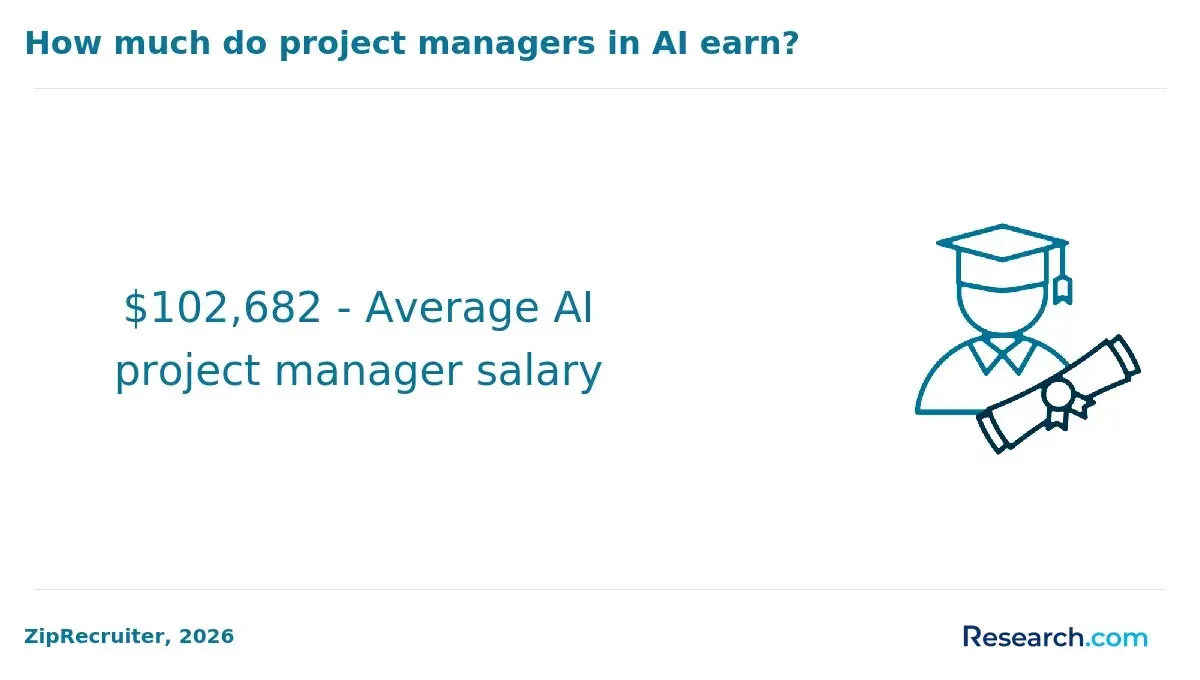
Project managers overseeing AI initiatives benefit from understanding technical requirements and performance metrics. Operations managers use AI for process automation, increasing efficiency while reducing errors in supply chains and logistics. Human resource specialists implement AI-driven recruitment and employee engagement analytics to identify talent and monitor workforce sentiment.
Customer service professionals use AI chatbots and virtual assistants to improve response times and interactions. Financial analysts apply AI in risk assessment, fraud detection, and predictive modeling. Columbia's structured corporate AI training builds both technical and strategic expertise for these roles.
Formal AI training programs increase employee confidence and productivity. According to Deloitte's 2025 State of Generative AI in the Enterprise, employees are 2.9 times more likely to feel confident using AI when supported by organized learning rather than informal approaches. This confidence leads to improved implementation and business outcomes.
What AI certifications pair well with Columbia corporate training?
Columbia corporate training in AI is best enhanced by certifications that emphasize practical skills, operational frameworks, and ethical considerations. Certificates like the Certified Artificial Intelligence Practitioner (CAIP) and the IBM AI Engineering Professional Certificate complement Columbia's courses by focusing on applying theoretical knowledge to real-world business challenges.
With only 38% of organizations reporting effective AI use at scale, according to Boston Consulting Group's The GenAI Divide: State of AI at Work 2025, the main challenge for corporate teams lies in operationalization. Certifications that cover deployment strategies, model management, and AI governance deliver immediate benefits. For instance, the CAIP certification offers practical workflows to integrate AI models into existing IT infrastructure, helping overcome common operational barriers.
Specialized certification tracks in natural language processing, computer vision, and machine learning engineering provide targeted expertise aligning with Columbia's broad foundational training. This approach allows teams to tailor their upskilling based on specific project needs.
Leadership-oriented credentials, such as the AI for Business Leaders certificate, add strategic value by teaching how to align AI initiatives with organizational goals and regulatory compliance, critical for scaling adoption beyond pilot projects.
Ultimately, AI certifications combining technical depth, operational skills, and business alignment effectively supplement Columbia corporate training, enhancing both individual capabilities and organizational AI integration.
Other Things You Should Know About Artificial Intelligence
Artificial intelligence is enhancing corporate teams by automating routine tasks, improving decision-making through data analytics, and enabling more personalized customer interactions. It supports strategic planning by identifying patterns and trends that humans might miss, thereby increasing overall operational efficiency.
Ethical considerations include ensuring transparency in AI algorithms, preventing bias in data sets, protecting user privacy, and maintaining accountability for automated decisions. Businesses must create guidelines that address these issues to build trust and comply with regulatory standards.
In 2027, Columbia offers several top online AI courses for corporate teams, including "AI Strategies for Business: Leveraging Data for Competitive Advantage" and "Machine Learning for Managers." These courses focus on practical applications, data-driven decision-making, and staying competitive in the evolving business landscape.
Success can be measured by tracking key performance indicators like increased productivity, cost savings, improved customer satisfaction, and the accuracy of AI-driven predictions. Establishing clear objectives and continuously monitoring outcomes allows teams to assess the impact of AI projects effectively.
References
- Free Course: Artificial Intelligence (AI) from Columbia University | Class Central https://www.classcentral.com/course/artificial-intelligence-columbia-university-artif-7230
- Best AI for Business Courses (2026) ranked by Bankers - Bankers By Day https://www.bankersbyday.com/ai-for-business-courses/
- The Best AI Training Courses for HR, Managers, and Employees in 2026 | Article | Lattice https://lattice.com/articles/ai-training-courses-for-every-team
- Columbia University AI Policy for Admissions https://gradpilot.com/ai-policies/columbia-university
- Best Online AI Courses and Certifications in 2025 https://www.upskillist.com/blog/online-ai-courses-certifications/
- Best AI Courses for Business Teams 2026 — 10 Programs Compared https://iternal.ai/best-ai-courses-for-business
- CLO Skills: Drive Corporate Learning with AI & LMS https://www.techclass.com/resources/learning-and-development-articles/essential-skills-for-modern-clos-driving-corporate-training-with-ai-and-lms
- ColumbiaX: Artificial Intelligence (AI) | edX https://www.edx.org/learn/artificial-intelligence/columbia-university-artificial-intelligence-ai
- Best AI Certifications to Boost Your Career in 2026 – Dataquest https://www.dataquest.io/blog/best-ai-certifications/
- Best AI Solutions for Corporate Training in 2026 (Ranked) | Go1 https://www.go1.com/blog/best-ai-solutions
- MastersInAI.org. (2025). 2025 AI Degree Report: The Landscape of AI Degrees in the United States. https://www.mastersinai.org/ai-degree-report