2027 Best Columbia Online AI Courses for Executives

Co-Founder and Chief Data Scientist
Executives from non-technical backgrounds often struggle to integrate artificial intelligence strategies into their business models effectively. The rapid evolution of AI technologies adds complexity, making it difficult to identify credible, flexible learning options that fit busy schedules. Without a clear pathway, leadership risks falling behind in competitive markets.
This gap underscores the need for accessible, accredited programs tailored for experienced professionals seeking to pivot into AI fields. This article evaluates Columbia's online AI courses designed specifically for executives, highlighting key features and outcomes to guide informed decisions and support successful career transitions.
Key Things You Should Know
- Columbia's online AI courses for executives integrate real-world applications, leveraging its Business School and Data Science Institute to enhance strategic and technical leadership skills.
- These programs offer flexible formats suited to busy professionals, with many courses updated in 2024 to reflect advances in machine learning, ethical AI, and generative AI technologies.
- Enrollment data shows a 20% increase in executive participation since 2023, reflecting growing demand for AI expertise to drive digital transformation in major industries.
Advance Your Career with AI Online Courses
Artificial Intelligence: Implications for Business Strategy
This program provides an introduction to Artificial Intelligence and their implications for business strategy. Earn an official digital certificate.

Oxford Artificial Intelligence Programme
Explore this Oxford Artificial Intelligence programme offered in a flexible learning environment and explore topics like machine learning, automation, and robotics.

Implementing Agentic AI: Building Your Organizational Playbook
This online MIT Agentic AI course offers a practical approach to deploying AI agents in your organization, including a custom playbook. 3 weeks, exclusive launch price.

AI Adoption: Driving Business Value and Impact
This online MIT AI Adoption: Driving Business Value and Impact offers practical frameworks to close the gap between AI potential and business reality.

Artificial Intelligence in Pharma and Biotech
Discover the applications and limitations of artificial intelligence in pharma and biotech with this MIT online short course.

How do Columbia's online AI programs for executives differ from traditional campus options?
Columbia's online executive ai courses compared to traditional campus programs reveal key differences centered on flexibility and career focus. Online offerings cater to busy professionals by providing asynchronous content combined with brief, intensive live sessions, allowing executives to manage learning alongside demanding work schedules. This adaptability is a distinct advantage over conventional campus programs that require fixed attendance and location commitments.
The curriculum leans toward strategic and managerial decision-making rather than purely technical skills. Emphasizing ai-driven business transformation, ethical considerations, and data governance, Columbia prepares leaders to integrate ai insights directly into corporate strategies. This approach equips executives to lead initiatives that drive innovation and ethical responsibility.
Interactive digital platforms support experiential learning through real-world case studies and simulations, simulating complex executive challenges. Networking remains strong via online peer collaboration and access to Columbia's extensive global alumni network, maintaining a robust sense of community in executive education.
Outcomes underscore the effectiveness of Columbia's approach: Business School Executive Education alumni report an average 19% compensation increase within 12 months, reflecting employer recognition of these enhanced leadership skills. Flexibility and career focus in Columbia's online ai executive education contribute significantly to this success.
Prospective students interested in combining technical and accelerated study options may also explore a computer science accelerated program for complementary skill development.
Advance Your Career with AI Online Courses
Artificial Intelligence: Implications for Business Strategy
This program provides an introduction to Artificial Intelligence and their implications for business strategy. Earn an official digital certificate.
Oxford Artificial Intelligence Programme
Explore this Oxford Artificial Intelligence programme offered in a flexible learning environment and explore topics like machine learning, automation, and robotics.
Implementing Agentic AI: Building Your Organizational Playbook
This online MIT Agentic AI course offers a practical approach to deploying AI agents in your organization, including a custom playbook. 3 weeks, exclusive launch price.
Which Columbia schools and institutes offer online AI courses specifically for executives?
Columbia University offers executive education in artificial intelligence primarily through Columbia Business School Executive Education and the Data Science Institute. Columbia Business School's online ai courses for executives emphasize AI's strategic role in leadership and decision-making, such as the AI Strategy course which helps senior leaders integrate AI technologies into corporate strategies. Meanwhile, the Data Science Institute provides more technical and applied AI programs that blend theory and practice for executives seeking a hands-on understanding.
For those interested in interdisciplinary applications, Columbia Engineering collaborates with other schools to offer AI courses focused on sectors like finance, healthcare, and supply chain management. These partnerships ensure programs cover AI ethics, governance, and real-world deployment of machine learning models, addressing diverse executive needs.
Enrollment in Columbia University executive online artificial intelligence programs has surged, growing by 38% year-over-year, reflecting broadening interest among decision-makers rather than strictly technical learners. Flexible scheduling options and access to leading faculty allow executives to gain actionable insights without disrupting professional commitments.
Prospective students should consider course duration, live versus asynchronous formats, and cohort size, all customizable to fit specific executive roles. For those exploring pathways to deepen AI expertise, exploring detailed degrees in AI can provide valuable guidance on affordable, reputable programs nationwide.
What types of Columbia online AI credentials can executives earn (certificates, exec ed, Master's)?
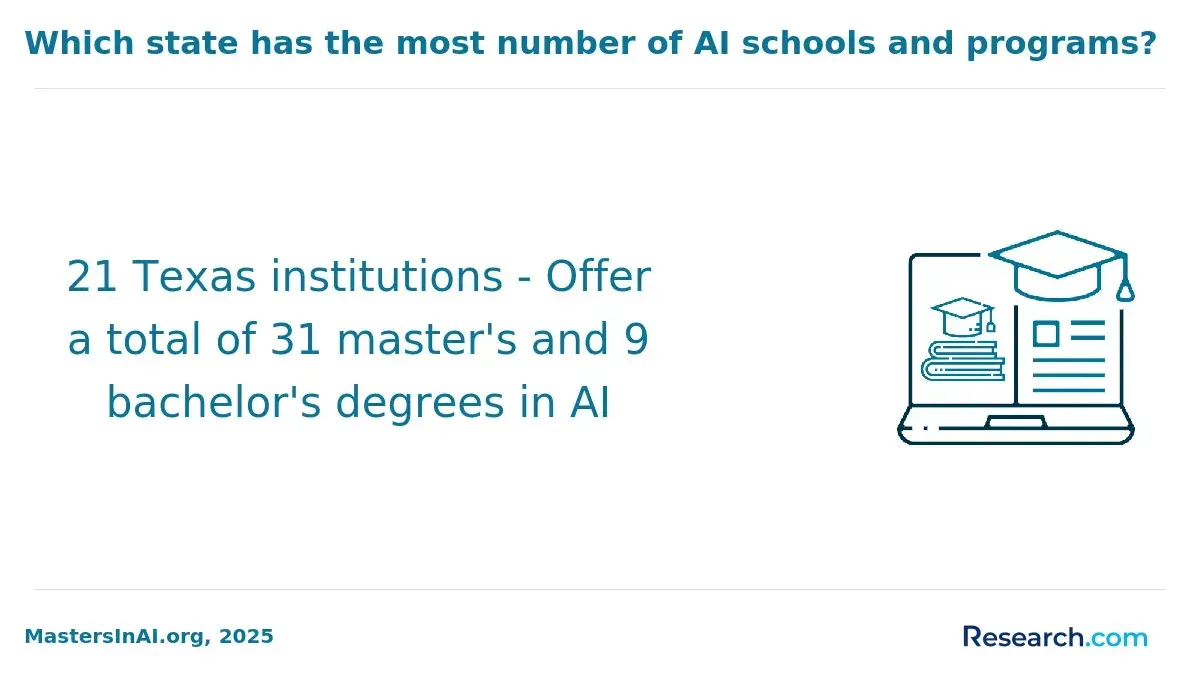
Columbia University provides executives with a variety of online artificial intelligence certificates for executives, executive education programs in Columbia artificial intelligence, and master's degrees tailored to diverse professional goals. Certificates offer targeted knowledge without the commitment of a degree. For instance, the AI for Business & Finance Certificate through CBS Executive Education, in partnership with Wall Street Prep, costs $5,000 and grants 65 CPE credits. This works out to roughly $77 per credit hour, making it more affordable than the $120 median hourly rate for similar U.S. finance-focused AI executive programs, according to DigitalDefynd's 2025 data.
Executive education programs focus on practical, sector-specific AI applications for busy professionals. These short-term, intensive courses enable executives to apply AI insights directly to strategic decisions, though they typically award fewer formal credits. On the other hand, Columbia's online Master of Science degrees blend technical and managerial training, preparing leaders to drive AI transformations.
When choosing among certificates, executive education, or master's credentials, professionals should weigh factors such as depth of study, time, and budget. Columbia's options allow tailored AI skill advancement aligned with career objectives.
For those interested in broadening their educational options, exploring online colleges for game design can also provide insights into affordable and flexible online learning environments that may complement AI studies.
What are the admission requirements for Columbia's online AI courses for working executives?
Columbia online AI course admission criteria for executives place strong emphasis on professional experience and academic preparedness, often requiring a bachelor's degree from an accredited institution. However, relevant work experience in technology, business, or data science can sometimes offset formal education gaps. Candidates should demonstrate strong analytical skills and familiarity with programming basics, as the courses build upon foundations in statistics, mathematics, or computer science.
Executives lacking a technical background are encouraged to complete preparatory or introductory AI courses. For example, Columbia Plus offers a free "AI for Business" course that has engaged over 30,000 professionals with a 62% completion rate, well above the typical 29% for similar MOOCs. This course acts as a practical foundation helping applicants meet readiness standards for Columbia's more intensive programs.
Application requirements for Columbia executive artificial intelligence programs include submitting a resume highlighting professional achievements and a motivation statement aligning career goals with AI expertise. Some programs also request letters of recommendation or evidence of leadership in AI-related projects. Time commitment is carefully assessed, as these courses are designed for full-time professionals.
Specific admission nuances vary by course, with some requiring prior knowledge of machine learning frameworks or programming languages like Python. Balance between technical preparation and professional intent is critical for success. For those interested in advanced study, Columbia's offerings may complement pathways including an online data science PhD.
What AI topics and skills do Columbia's executive-focused online curricula typically cover?
Columbia's executive-focused online AI programs cover essential topics for senior leaders integrating artificial intelligence into business strategy. Key areas include foundational AI concepts like machine learning, natural language processing, and computer vision, equipping executives with a clear understanding of AI capabilities and limits.
The curriculum emphasizes strategic AI applications such as data-driven decision-making, adoption frameworks, and ethical concerns including bias mitigation and regulatory compliance. Practical skills focus on designing AI initiatives that generate measurable value, managing project lifecycles, and promoting collaboration between technical teams and business units.
Risk management is also a priority, with guidance on navigating data privacy issues and aligning AI with governance standards. Leadership training addresses budgeting for AI investments and building organizational AI capabilities. For instance, Columbia's Business of AI program highlights that 84% of participants implemented at least one AI initiative within six months, and 41% managed AI budgets above $500,000 (Emeritus 2025 outcomes dashboard).
Courses also explore AI's impact on industry trends, competitive dynamics, and innovation strategies. Executives learn to assess emerging AI technologies and develop long-term roadmaps tailored to their companies' goals. This blend of technical knowledge, strategic insight, and leadership skills helps executives confidently lead AI transformation efforts.
How long do Columbia online AI courses for executives take to complete, and how are they scheduled?
Columbia offers online AI courses for executives that generally take between 6 and 12 weeks to complete, depending on the depth and structure of each program. These courses are built to accommodate busy professionals through a blend of asynchronous content and live sessions. Some programs release weekly modules on fixed days, allowing participants to move at their own pace within the week, while others schedule live webinars or office hours during evenings or weekends to fit executive schedules.
The course formats vary, often featuring modular and self-paced learning within defined timeframes. Some programs use a cohort model, enabling peer interaction and networking as participants progress together. Others offer fully self-directed pacing, providing flexibility but requiring strong self-motivation.
These scheduling options address time management concerns, enabling executives to acquire meaningful AI knowledge without disrupting their careers. The blend of interactive sessions, video lectures, and projects caters to diverse learning preferences.
According to data from DigitalDefynd's 2025 ranking, Columbia Business School stands out with four distinct AI-focused executive programs, surpassing the U.S. business school average of 1.8 offerings. This breadth lets executives select AI courses that align closely with their timing and educational goals, optimizing their learning experience.
How much do Columbia's online AI programs for executives cost, and what funding options exist?
Columbia's online AI programs for executives generally cost between $8,000 and $15,000, depending on the program's length and intensity. For instance, the Advanced Certificate in Artificial Intelligence or Machine Learning from Columbia's School of Professional Studies typically costs around $12,000, while shorter executive bootcamps start near $8,000. These prices reflect comprehensive curricula led by expert faculty, tailored to busy professionals.
Various funding options can help lower these costs. Many students use employer sponsorships or tuition reimbursement, especially when training aligns with company goals. Columbia also offers financial aid and flexible payment plans through its continuing education offices. Prospective students should contact program offices for current installment plans or need-based aid details.
A 2025 Gartner survey reports that executives who complete at least one structured AI or business executive program are 2.7 times more likely to earn promotions into AI-related profit and loss or transformation roles within two years. This data underscores the career value of Columbia's offerings and supports employer willingness to sponsor tuition for AI upskilling.
Professionals aiming to balance cost and career impact should consider programs with strong industry ties or Columbia's certificate offerings. Investigating scholarships related to leadership or technology advancement is also recommended.
Overall, Columbia's pricing aligns with high-quality executive education standards, with multiple funding paths available to reduce financial barriers for motivated learners.
What career outcomes can executives expect after completing Columbia's online AI coursework?
Executives who complete Columbia's online AI coursework gain valuable skills that enhance decision-making, strategic innovation, and operational efficiency. These graduates often move into leadership roles where they manage AI integration and data-driven strategies that drive digital transformation across sectors such as finance, consulting, and technology.
Specifically, the program equips learners to apply artificial intelligence for cost reduction, revenue growth, and improved productivity. For instance, finance professionals use AI to optimize risk assessment and automate routine tasks, boosting accuracy and team performance. Consulting leaders leverage AI insights to create scalable solutions tailored to complex client needs.
Research from BankersByDay's 2026 review highlights that Columbia's AI for Business & Finance program enables graduates to recoup tuition expenses within 8-12 months through productivity gains and AI-enabled cost savings. This rapid return on investment underscores the program's practical relevance and market alignment.
Career benefits include:
- Promotion to AI strategy or innovation officer roles
- Expanded leadership in cross-functional AI projects
- Recognition as thought leaders in data-driven decision-making
- Enhanced ability to lead digital transformation initiatives
- Greater negotiation power for salaries and leadership positions
The curriculum's blend of cutting-edge AI techniques and real-world business challenges prepares executives to confidently guide organizations through ongoing technological changes.
How do Columbia's online AI credentials compare with similar executive programs at other universities?
Columbia's online AI executive program offers a distinct advantage through its practical focus, enabling leaders to apply artificial intelligence directly in business settings. According to Fueler's "Best AI Courses for Professionals in the USA," 78% of Columbia alumni use generative AI weekly for strategic decisions or client engagements, with 36% incorporating AI into core revenue-generating activities. This hands-on approach surpasses the typical emphasis on theory found in many peer programs.
Executives across finance, healthcare, and retail sectors have leveraged Columbia-trained AI capabilities to optimize customer targeting, enhance risk modeling, and automate supply chain operations. Other universities may highlight machine learning theory or data science, but Columbia connects these with executive strategy and management, fostering faster operational integration and measurable business impact.
Key benefits include:
- Immediate application of AI tools in leadership roles
- Enhanced confidence in AI-driven decision-making
- Tangible transformation of organizational processes
Prospective students should prioritize programs with proven, actionable outcomes like Columbia's. The integration of artificial intelligence with executive responsibilities provides a practical edge over courses that remain abstract or disconnected from day-to-day business challenges.
How should executives choose the best Columbia online AI course for their leadership goals?
Executives seeking the best Columbia online AI course should align their choice with strategic goals and existing skill gaps. Decide if the focus is on AI fundamentals, leading AI-driven change, or integrating AI into business strategy. Practical courses that emphasize decision-making suit leaders pushing innovation, while technical overviews benefit those wanting a solid grasp of AI concepts without deep programming.
Consider faculty expertise and collaboration options. Programs led by Columbia professors with strong industry ties often include case studies and networking, vital for executive growth. Check course length and workload to match busy schedules.
Look for curriculum elements like ethics, governance, and AI risk management, especially important for responsible leadership. Executives in regulated sectors should prioritize courses covering compliance and AI policies.
Hands-on projects or simulations that apply AI tools in leadership scenarios enhance learning retention and practical readiness.
McKinsey's 2025 State of AI in Business report forecasts a 25% growth in senior roles needing advanced AI literacy through 2030. Executives with formal AI and business education earn 10-15% more, underscoring clear career benefits.
Inquire about alumni outcomes and peer cohorts to assess a course's real value in advancing leadership and career progression.
Other Things You Should Know About Artificial Intelligence
Columbia's 2027 online AI courses for executives are designed to be applicable across various industries, including finance, healthcare, and manufacturing. The curriculum is flexible and offers insights into how AI can transform business processes and decision-making across different sectors.
While having a computer science background can be helpful, it is not strictly necessary to learn artificial intelligence. Many executive AI courses focus on strategic understanding and application rather than deep technical skills. These programs often provide foundational knowledge and emphasize AI's business implications over coding.
Artificial intelligence regulation is still evolving globally. Governments and organizations are working on policies that address ethical use, transparency, and data privacy. Regulations typically focus on preventing bias in AI systems, ensuring accountability, and protecting personal data handled by AI applications.
Ethical considerations include fairness, transparency, privacy, and accountability. Developers must ensure AI systems do not reinforce biases or discriminate. Transparency around how AI decisions are made and safeguarding user data are critical to building trust and responsible AI deployment.
References
- Best online certificates for career growth | edX https://www.edx.org/certificates
- Ultimate Guide: How to Choose the Right AI Training Course to Boost Your Career - ONLC https://www.onlc.com/blog/how-to-choose-ai-training-courses/
- Columbia AI Finance Certificate Code | Wall Street Prep https://ryanoconnellfinance.com/available_programs/columbia-ai-finance-certificate-code/
- The Growing Impact of AI on Business https://www.columbiasouthern.edu/blog/blog-articles/2023/july/how-will-artificial-intelligence-change-business/
- Lead Market Transformation through AI-Driven Creativity with Columbia's CMO Program - Emeritus Online Courses https://emeritus.org/blog/b-lead-ai-powered-marketing-columbia-cmo-program/
- 50 Exec Ed Courses To Get Smart About AI - USA & Canada - Bluesky Thinking https://bluesky-thinking.com/50-exec-ed-courses-to-get-smart-about-ai-usa-canada/
- Columbia AI Certificate Program Review: Is the Finance Program Worth It? https://www.wallstreetprep.com/knowledge/columbia-ai-certificate-program-review-is-the-finance-program-worth-it/
- Columbia Business School Executive Education and Wall Street Prep Announce Collaboration, Launch Joint AI for Business & Finance Certificate Program https://www.prnewswire.com/news-releases/columbia-business-school-executive-education-and-wall-street-prep-announce-collaboration-launch-joint-ai-for-business--finance-certificate-program-302419228.html
- Choosing the Right AI Course for Business Leaders https://www.tsa-bildung.de/en/blog/choosing-the-right-ai-course-for-business-leaders
- The AI Boom In Executive Education: What You Can Study Right Now At The World's Top B-Schools https://poetsandquantsforexecs.com/exec-ed/the-ai-boom-in-executive-education-what-you-can-study-right-now-at-the-worlds-top-b-schools/