2027 Best AI Implementation Courses for Managers

Co-Founder and Chief Data Scientist
Managers from non-technical backgrounds often struggle to integrate artificial intelligence into their teams effectively. Without clear knowledge of AI fundamentals and implementation strategies, projects risk delays, wasted resources, or missed opportunities. This gap hampers leadership from making informed decisions, resulting in inefficient adoption and diminished competitive advantage. Navigating the complexities of AI requires targeted education that fits into busy professional schedules while providing practical, industry-relevant skills. This article explores top AI implementation courses designed specifically for managers, highlighting flexible, accredited programs that empower leaders to bridge knowledge gaps and drive successful AI integration within their organizations.
Key Things You Should Know
- AI implementation courses for managers in 2026 focus on practical decision-making, integrating AI ethics, and driving business transformation with a 45% average salary boost reported post-completion.
- Leading programs emphasize hands-on experience with AI tools and data strategies, responding to a 35% rise in demand for AI-literate management roles by 2025.
- Hybrid and online formats dominate, offering flexible access for U.S. professionals; enrollment surged by 60% from 2024 to 2025 due to growing AI adoption across industries.
Advance Your Career with AI Online Courses
Artificial Intelligence: Implications for Business Strategy
This program provides an introduction to Artificial Intelligence and their implications for business strategy. Earn an official digital certificate.

Oxford Artificial Intelligence Programme
Explore this Oxford Artificial Intelligence programme offered in a flexible learning environment and explore topics like machine learning, automation, and robotics.

Implementing Agentic AI: Building Your Organizational Playbook
This online MIT Agentic AI course offers a practical approach to deploying AI agents in your organization, including a custom playbook. 3 weeks, exclusive launch price.

AI Adoption: Driving Business Value and Impact
This online MIT AI Adoption: Driving Business Value and Impact offers practical frameworks to close the gap between AI potential and business reality.

Artificial Intelligence in Pharma and Biotech
Discover the applications and limitations of artificial intelligence in pharma and biotech with this MIT online short course.

What is an AI implementation course for managers, and who should consider enrolling?
AI implementation courses for managers in the US provide practical skills to lead artificial intelligence initiatives within organizations. These programs focus on identifying AI use cases, managing cross-functional teams, and addressing ethical and data privacy challenges. Managers responsible for digital transformation, innovation strategy, or technology adoption find this training especially valuable.
Functional leaders in marketing, finance, operations, or supply chain roles gain insights into how AI impacts their departments, enabling them to lead AI projects more effectively. Executives bridging technical teams and business goals also benefit from specialized AI education. Many view these as some of the best artificial intelligence training programs for business leaders aiming to enhance strategic decision-making.
A Salesforce survey of 14,000 workers and 2,000 IT leaders highlights a significant skills gap: 93% of business leaders consider generative AI critical, but only 10% of workers have extensive AI skills. This emphasizes the need for managers to foster AI literacy and build capability within their teams.
Courses cover strategies to overcome resistance to AI adoption while aligning projects with broader business objectives. For example, retail managers may implement AI-driven customer insight tools, while healthcare leaders focus on patient data analytics. Many find that applied artificial intelligence knowledge bridges the technical-business divide, enabling successful AI integration across industries.
Advance Your Career with AI Online Courses
Artificial Intelligence: Implications for Business Strategy
This program provides an introduction to Artificial Intelligence and their implications for business strategy. Earn an official digital certificate.
Oxford Artificial Intelligence Programme
Explore this Oxford Artificial Intelligence programme offered in a flexible learning environment and explore topics like machine learning, automation, and robotics.
Implementing Agentic AI: Building Your Organizational Playbook
This online MIT Agentic AI course offers a practical approach to deploying AI agents in your organization, including a custom playbook. 3 weeks, exclusive launch price.
How can AI implementation training help managers lead data-driven, AI-enabled teams?
AI implementation training equips managers with crucial skills to lead data-driven teams effectively. It enables them to interpret complex analytics, integrate AI tools into workflows, and make informed decisions that improve operational efficiency. Managers develop leadership skills for AI-enabled team management by understanding AI algorithms, identifying use cases, setting realistic goals, and optimizing resource allocation. For example, they can oversee machine learning deployments or automate routine tasks while maintaining quality.
Challenges include bridging gaps between technical teams and business objectives. This training enhances communication, allowing managers to translate AI capabilities into actionable strategies. It also raises awareness of ethical concerns and data privacy compliance, essential in regulated industries.
Practical AI knowledge fosters innovation and motivates teams when managers display confidence and literacy in AI concepts. This culture benefits team productivity and adaptability in fast-changing markets. According to LinkedIn's Global Future of Work Report, job posts mentioning "AI" or "GPT" rose 17% year-over-year, while job seeker searches for these terms grew 29%, highlighting the market demand for such competencies.
Organizations hiring managers skilled in AI gain higher project success rates and faster returns on technology investments. Training programs featuring hands-on experiences, like AI project simulations or data workshops, deliver leadership advantages beyond theory. For prospective learners seeking formal education, exploring online degrees in AI may provide a valuable pathway to acquire these skills.
What types of AI implementation courses are available for managers, and how do they differ?
AI implementation training programs for managers address diverse organizational roles and skill levels. Strategic courses focus on executive understanding, helping leaders align AI initiatives with business goals, assess ROI, and manage adoption. Such programs emphasize decision-making frameworks, risk management, and ethical considerations. For instance, McKinsey reports that organizations with high AI adoption are 1.6 times more likely to experience a 10% EBIT increase.
Technical overview courses are designed for non-technical managers needing a foundational grasp of AI concepts like machine learning, data infrastructure, and workflow integration without coding skills. These help managers communicate effectively with data scientists and oversee AI projects. Hands-on project management courses focus on managing AI lifecycles, vendor selection, resource allocation, and iterative deployment, often including tools for measuring performance and scaling models.
Differences in AI courses designed for management roles extend to specialization by industry-such as finance, healthcare, or manufacturing-and emerging technologies like natural language processing or computer vision. These courses may be self-paced for flexibility or cohort-based to provide mentorship and peer networking.
By choosing courses that fit their organizational needs and familiarity with AI, managers can better drive adoption and operational value while addressing oversight and strategic investment challenges. For those interested in expanding related skills, there are also valuable game design courses online that complement technical and managerial knowledge.
How do online AI implementation programs for managers compare with on-campus options?
Online AI implementation courses for managers offer flexibility and accessibility that on-campus programs often cannot match. These virtual programs allow busy professionals to balance work and study through asynchronous modules, live sessions, and peer collaboration tools that approximate real-time interaction. Such features address key benefits of online learning for AI implementation managers, including their ability to fit education into demanding schedules.
In contrast, on-campus programs provide immersive environments with direct faculty access and valuable networking opportunities that support complex problem-solving and leadership development. These often incorporate hands-on labs and workshops, which are beneficial for managers who learn best through experiential methods.
However, the success of AI training largely depends on curriculum relevance and leadership application rather than delivery format. According to BCG's "Mind the Tech Gap" report, only about 11% of companies realize significant financial gains from AI transformations, while nearly 70% of large projects fail due to weak implementation leadership. This highlights the need to select programs emphasizing leadership in digital change alongside technical AI skills.
Managers should seek courses with strong components in change management, cross-functional communication, case studies, mentorship, and real-world projects. For those interested in affordable options, exploring a range of computer science degrees may also provide relevant pathways to build AI expertise within organizational leadership.
What core topics and skills are typically covered in AI implementation courses for managers?
AI implementation courses for managers focus on bridging the gap between technical teams and strategic business goals. Key topics include machine learning, natural language processing, and data analytics, enabling managers to interpret AI output and understand its business implications without deep technical expertise.
These courses train managers to oversee AI project lifecycles, including problem identification, data strategy, model selection, and deployment frameworks. Managing cross-functional teams while balancing technical feasibility and organizational objectives is a core skill. Ethical concerns and risk management-such as data privacy, algorithmic bias, and regulatory compliance-are also emphasized.
Financial literacy related to AI investments equips managers to evaluate costs, forecast ROI, and measure AI-driven value, helping them justify projects to stakeholders through clear metrics and risk assessments. Change management skills support leading workforce adaptation and integrating AI into existing operations.
Practical skills like interpreting AI dashboards, setting KPIs, and collaborating with data scientists form essential course elements. Scenario-based learning covering AI successes and failures enhances problem-solving abilities.
According to PwC's 2024 Global CEO Survey, 69% of CEOs report their organizations lack essential AI and advanced analytics skills, with 60% citing this skills gap as a major barrier to value creation. These courses address this deficit, preparing managers for both strategic oversight and operational fluency in AI technologies to maintain competitiveness and foster innovation.
What admissions requirements and professional background do AI implementation programs expect from managers?
AI implementation programs for managers generally require a bachelor's degree in business, technology, engineering, or related fields. Candidates often need three to five years of experience in management, project leadership, or IT roles where technology adoption and decision-making intersect. Familiarity with data analytics, software development, or digital transformation initiatives is highly valued. Some programs may also expect prior coursework or certifications in AI fundamentals, data science, or machine learning to ensure a solid technical foundation.
Selection committees prioritize applicants who can effectively bridge the gap between technical teams and business goals. Practical leadership experience in digital change, especially managing AI pilot projects or automation in supply chains and customer service, offers a competitive edge.
Key skills include articulating AI's strategic value and ethical considerations, along with stakeholder management, budgeting AI initiatives, and risk assessment. Some programs request a statement of purpose detailing how AI integration aligns with career plans.
The 2024 Dice Tech Salary Report highlights that U.S. tech professionals with AI and machine learning skills earn about 18% more than peers without these abilities. This pay premium underscores the benefit of combining technical knowledge with leadership experience.
How long do AI implementation courses for managers take, and what do they cost?
Courses focused on artificial intelligence implementation for managers range widely in duration and depth. Short workshops lasting 2 to 5 days provide foundational knowledge, strategic decision-making skills, and practical case studies to quickly equip managers for AI projects. Longer programs, typically 8 to 16 weeks, are often part-time or online and include hands-on assignments, AI integration methods, and leadership training to oversee enterprise-wide AI efforts.
The cost reflects course length and content complexity. Entry-level workshops generally cost between $500 and $1,500, ideal for fast upskilling. More comprehensive certificate or professional programs fall between $2,000 and $10,000, offering a broader curriculum and greater support. Executive education options at prestigious universities may exceed $15,000, featuring personalized coaching and valuable networking opportunities.
Decision factors include your objectives, available time, and budget. Shorter courses work best for those needing to rapidly leverage AI in their teams, while longer, more expensive programs suit managers seeking to develop sustained skills in data analytics, ethics, and change management. The World Economic Forum's 2024 Future of Jobs report highlights that 51% of companies plan to invest in AI and big-data training for employees by 2027, underscoring growing demand for such expertise.
How can managers evaluate accreditation and program quality for AI-focused management training?
Managers evaluating AI-focused management training should prioritize programs with recognized accreditation, especially from regional agencies acknowledged by the U.S. Department of Education. Such accreditation confirms academic rigor and standards. When accreditation is missing, look for collaborations with industry leaders, expert instructors, or certifications endorsed by professional AI organizations. Program content must stay current, reflecting rapid advancements in AI tools, ethical considerations, and data governance alongside core management topics.
IBM's 2024 study highlights that 40% of the global workforce requires reskilling within three years, emphasizing the need for courses featuring recent case studies, hands-on projects, and real-world applications. Faculty expertise in AI implementation, business strategy, and technology leadership is critical for practical learning. Feedback from employers and alumni can provide insight into program relevance and graduate success.
- Program durations that fit professional schedules help balance work and study.
- Strong post-completion support, like mentorship, alumni networks, or career services, adds value.
- Clear, measurable learning objectives ensure skills gained are applicable to leading AI initiatives.
Flexibility in delivery-online, hybrid, or in-person-improves accessibility. This thorough evaluation approach helps managers select credible, actionable AI management education aligned with evolving workforce needs.
What career outcomes, job roles, and salary ranges can AI-trained managers expect?
Managers trained in artificial intelligence face growing opportunities as AI adoption expands rapidly across industries. Gartner's research projects that by 2026, 80% of large enterprises will have deployed generative AI models in production, a sharp rise from less than 5% in 2023. This transformation means managers will increasingly lead AI-augmented workflows and decision-making, increasing demand for AI-savvy leadership.
Key roles include AI project manager, AI product owner, data-driven operations manager, and AI strategy lead. These positions involve overseeing AI system implementation, aligning AI tools with business goals, and ensuring ethical AI use. In tech sectors, AI integration specialists coordinate teams to optimize AI solutions.
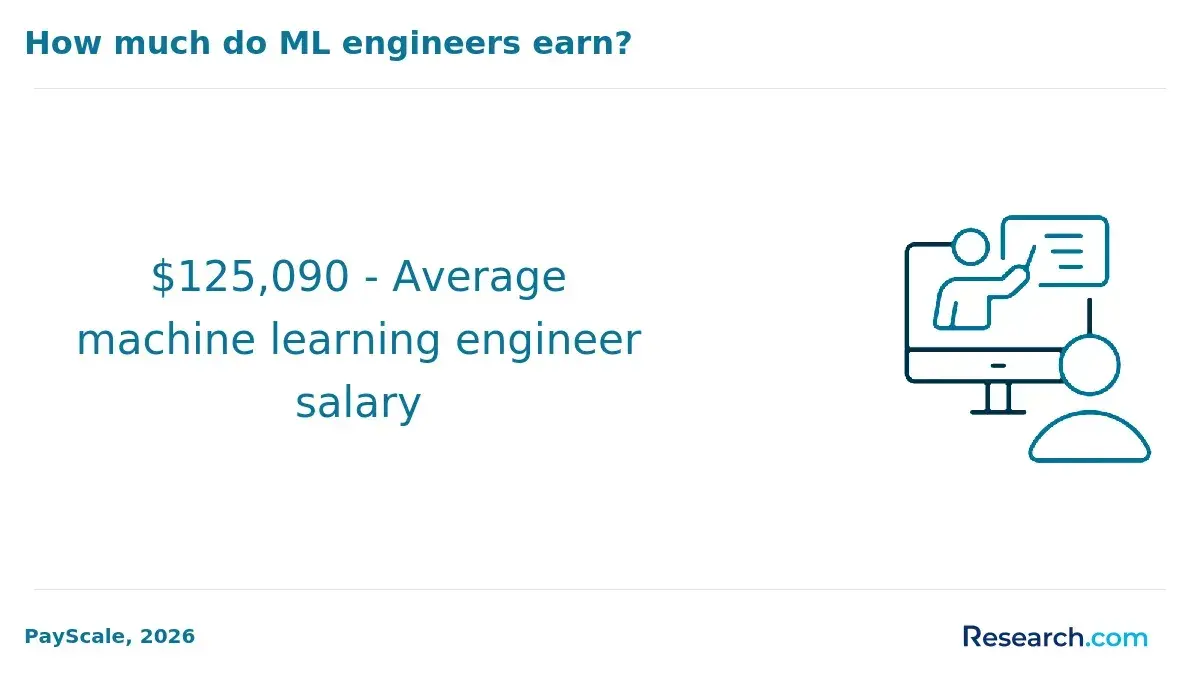
Salaries for AI-trained managers reflect this premium. Industry reports show AI project managers typically earn $110,000 to $160,000 annually. AI product owners in major firms can make $120,000 to $180,000, often with bonuses tied to AI success. Data-driven operations managers earn around $100,000 to $140,000 as AI analytics increase in importance.
Challenges for these managers include interpreting complex AI outputs, managing AI bias risks, and facilitating collaboration between data scientists and business teams. Familiarity with AI governance and ethical standards is increasingly vital. Understanding AI's strategic business impact provides a competitive edge in hiring and career growth.
Which industry certifications or credentials complement AI implementation courses for managers?
Industry certifications complement AI implementation courses for managers by enhancing their credibility and technical skills essential for leading projects. The Certified Artificial Intelligence Practitioner (CAIP) credential emphasizes practical AI integration and ethical considerations, making it highly relevant. Meanwhile, the Project Management Professional (PMP) certification provides managers with methodologies to effectively allocate resources and mitigate risks in AI-related initiatives.
Technical certifications such as Certified Data Scientist or machine learning programs help managers understand data-driven decision-making and algorithmic foundations, supporting informed leadership. Certifications in cloud computing platforms like AWS and Azure are also valuable, since most AI solutions deploy on these infrastructures.
Business-focused credentials like Six Sigma and Lean Management improve process optimization skills, critical when integrating AI tools to enhance productivity. For expertise in regulation and ethics, the Certified Information Systems Security Professional (CISSP) and courses on AI ethics prepare managers to address privacy and compliance challenges.
A Coursera for Business survey found that employees completing AI and data courses reported a 14 percentage point gain in confidence using AI at work and an 18-point rise in perceived productivity. This data highlights the benefits of combining AI courses with certifications that build management, technical, and ethical competencies.
Other Things You Should Know About Artificial Intelligence
Managers often encounter challenges such as resistance to change among employees, data privacy concerns, and the complexity of integrating AI systems with legacy technologies. Additionally, there can be difficulties in aligning AI initiatives with business goals and ensuring the ethical use of AI throughout operations.
In 2027, top AI implementation courses for managers include MIT Sloan's "Artificial Intelligence: Implications for Business Strategy," Stanford University's "AI and Innovation," and Harvard Business School's "Artificial Intelligence in Business: Creating Value with Machine Learning." These courses equip managers with strategic skills to navigate AI challenges.
Yes, managers without a technical background can lead AI projects effectively by focusing on strategic planning, change management, and cross-functional collaboration. Understanding AI concepts at a high level combined with strong project management skills is sufficient to drive successful AI adoption.
Ongoing education helps managers stay updated on rapidly evolving AI technologies and best practices. Continuous learning enables them to make informed decisions, adapt strategies as AI advances, and maintain a competitive edge in leveraging AI for business innovation.
References
- How Companies Use AI for Employee Training and Development https://www.liberateglobal.com/blogs/ai-employee-training-development
- Chief Artificial Intelligence Officer - e-Compliance Academy https://www.e-compliance.academy/chief-artificial-intelligence-officer-2/
- Top 25 Online Master’s In AI Programs for 2026 - Programs.com https://programs.com/programs/online-masters-in-ai/
- AI Product Manager: Role, Salary, Skills & Career Path Guide https://www.simpliaxis.com/resources/ai-product-manager-guide
- AI in Product Development: How AI is Revolutionizing the Development Process https://scaledagile.com/blog/ai-training-programs-employees/
- AI Training for Employees & Businesses: Why It’s Essential for Success https://www.teamland.com/post/why-corporate-ai-training-essential-for-businesses-and-professionals
- 4 Practical Steps To Empower Your Team With AI https://orrgroup.com/4-practical-steps-to-empower-your-team-with-ai/
- 5 AI Leadership Training Strategies You Need to Know About - Ervy â Training that actually gets completed https://www.ervy.ai/blog/5-ai-leadership-training-strategies
- AI Manager | Course for Digital Leadership https://executiveacademy.at/en/management-training/ai-manager
- What Topics are Covered in an Artificial Intelligence online Course? | H2K Infosys Blog https://www.h2kinfosys.com/blog/topics-covered-in-artificial-intelligence-course/