2027 Best AI Governance Courses for Biotech Strategy Teams

Co-Founder and Chief Data Scientist
Biotech strategy teams face increasing pressure to integrate advanced ai governance frameworks that ensure ethical use and regulatory compliance. Without proper training, teams risk mismanagement of sensitive data and flawed decision-making that could delay innovation or invite legal challenges. This challenge intensifies as ai technologies evolve rapidly, demanding updated knowledge and skills. Professionals transitioning from unrelated fields often struggle to find accessible, accredited courses tailored to the biotech sector's unique needs. This article presents carefully selected ai governance courses designed to equip biotech strategists with practical tools and insights, enabling effective oversight and informed decision-making in their organizations.
Key Things You Should Know
- In 2026, biotech strategy teams prioritize AI governance courses that integrate ethical frameworks with practical regulatory compliance, reflecting a 35% industry growth in AI adoption since 2024.
- Leading courses emphasize risk management for AI-driven biotech applications, addressing concerns raised by 2025 FDA guidelines on algorithm transparency and data security.
- Programs increasingly offer interdisciplinary training combining biotech, AI policy, and data analytics, meeting employer demand for professionals skilled in managing AI's impact on healthcare innovation.
Advance Your Career with AI Online Courses
Artificial Intelligence: Implications for Business Strategy
This program provides an introduction to Artificial Intelligence and their implications for business strategy. Earn an official digital certificate.

Oxford Artificial Intelligence Programme
Explore this Oxford Artificial Intelligence programme offered in a flexible learning environment and explore topics like machine learning, automation, and robotics.

Implementing Agentic AI: Building Your Organizational Playbook
This online MIT Agentic AI course offers a practical approach to deploying AI agents in your organization, including a custom playbook. 3 weeks, exclusive launch price.

AI Adoption: Driving Business Value and Impact
This online MIT AI Adoption: Driving Business Value and Impact offers practical frameworks to close the gap between AI potential and business reality.

Artificial Intelligence in Pharma and Biotech
Discover the applications and limitations of artificial intelligence in pharma and biotech with this MIT online short course.

What is AI governance in biotech, and why do strategy teams need specialized courses?
AI governance frameworks for biotech strategy teams establish policies and controls that ensure responsible development and deployment of AI within biotechnology. These frameworks are critical for managing key areas like drug development, genetic research, and patient diagnostics, where mistakes or ethical lapses can lead to serious consequences. Specialized courses on AI ethics and compliance in biotech prepare professionals to address data privacy, regulatory adherence, model transparency, and bias reduction comprehensively.
By 2025, 67% of enterprises prioritized AI governance above model capability, signaling a shift toward securing the integrity and reliability of AI tools in life sciences. For strategy teams, it is essential to understand auditing AI algorithms in clinical trials or aligning data practices with HIPAA requirements. This ensures AI applications remain fair, compliant, and effective.
Core topics in such specialized courses include risk assessment and mitigation for biotech innovation, ethical frameworks for handling sensitive biological data, regulatory navigation of FDA and international rules for AI diagnostics, and fostering communication between data scientists, legal, and biotech experts.
Without expertise in AI governance, biotech strategy teams risk model bias, intellectual property issues, or penalties. These courses help design AI strategies that balance innovation with accountability as the technology and regulations grow more complex. Professionals exploring applied AI degree jobs will find these skills increasingly valuable for advancing careers in the biotech sector.
For more information, explore applied AI degree jobs.
Advance Your Career with AI Online Courses
Artificial Intelligence: Implications for Business Strategy
This program provides an introduction to Artificial Intelligence and their implications for business strategy. Earn an official digital certificate.
Oxford Artificial Intelligence Programme
Explore this Oxford Artificial Intelligence programme offered in a flexible learning environment and explore topics like machine learning, automation, and robotics.
Implementing Agentic AI: Building Your Organizational Playbook
This online MIT Agentic AI course offers a practical approach to deploying AI agents in your organization, including a custom playbook. 3 weeks, exclusive launch price.
What types of AI governance courses are best for biotech strategy and compliance teams?
Courses tailored to biotech strategy and regulatory AI governance courses center on AI governance frameworks, risk management, and compliance specifically designed for biotech applications. These programs focus on how AI integrates with biotech workflows while ensuring adherence to data privacy, ethical AI deployment, and regulations such as FDA, EMA, and HIPAA. Such training empowers compliance teams to evaluate operational risks involving AI tools used in research, clinical studies, and manufacturing processes.
Core topics cover:
- AI model validation and transparency requirements
- Data integrity and privacy laws applicable to biotech data sets
- Ethical frameworks for AI-driven drug discovery and development
- Regulatory guidelines compliance (FDA, EMA, HIPAA)
- Risk mitigation strategies for AI implementation failures
Courses featuring case studies on AI usage in genomic analysis or biologics manufacturing help strategy teams grasp real-world compliance challenges. Hands-on modules with compliance simulation tools enable preparation for regulatory audits related to AI decision-making. More advanced training may address AI lifecycle governance, including ongoing monitoring and post-market performance assessments.
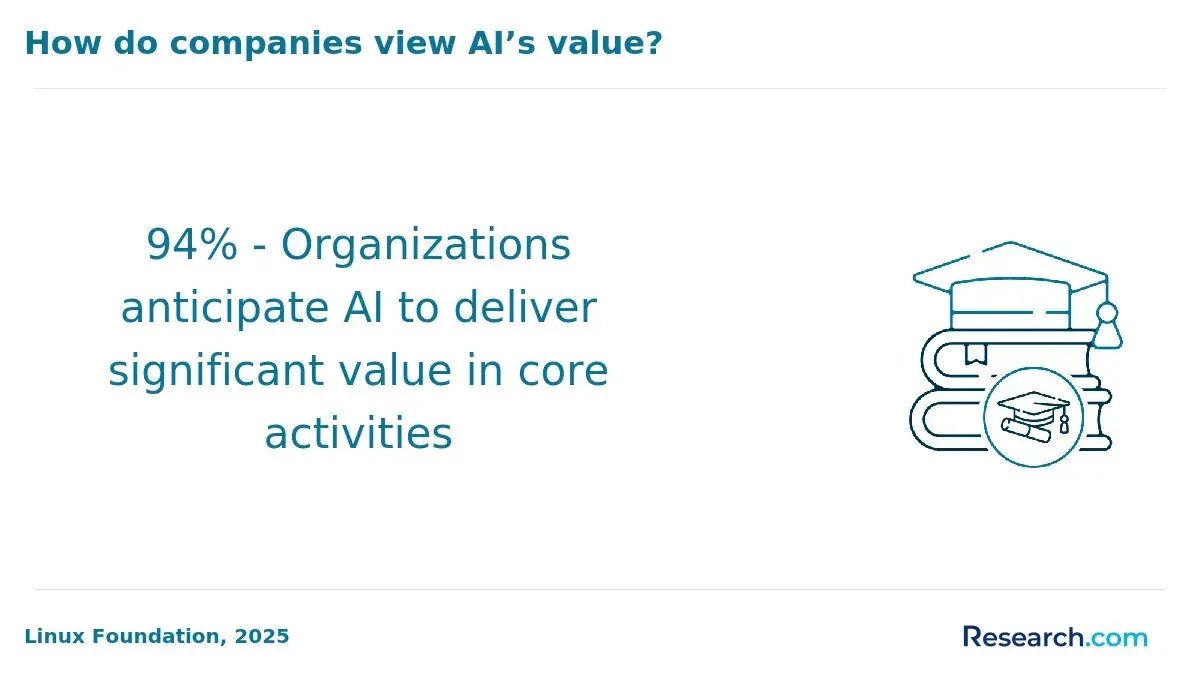
As of 2025, 73% of biotech companies reported adopting AI for operational tasks, highlighting the urgent need for AI governance training programs for biotech compliance teams. Programs blending legal, ethical, and technical governance elements give professionals the skills to navigate this evolving field responsibly and effectively.
Those seeking a strong foundation in related fields might explore affordable educational paths, such as the cheapest engineering degree online, which can complement biotech strategy and regulatory AI governance courses.
How can biotech professionals choose the best AI governance course for their career goals?
Biotech professionals seeking the best ai governance training for biotech professionals should select courses aligned with their career goals and regulatory duties. Focus on programs covering EU AI Act compliance, as 89% of enterprises remain unprepared for its August 2026 enforcement, according to Rotascale. Prioritize training that offers practical frameworks for risk management, ethical AI design, and regulatory reporting within biotech contexts.
Top criteria for biotech teams choosing an ai governance course include assessing curriculum depth in regulatory updates, data privacy in life sciences, transparency standards, and governance models tailored to biotech innovation. Courses with case studies from drug development, clinical trials, or medical devices provide actionable insights for daily operations.
Consider your role carefully:
- Regulatory affairs specialists should seek courses emphasizing legal frameworks and compliance enforcement.
- Data scientists or AI developers benefit from training focusing on algorithmic fairness and validation requirements in healthcare.
- Management teams need strategic governance courses combining policy with risk mitigation strategies.
Look for instructors with biotech and ai governance experience or ties to authoritative bodies like the FDA or European Commission. Also, check if certification is recognized by industry or professional associations to boost credentials.
Course format is important: flexible online options suit working professionals, while intensive workshops offer rapid expertise. Regular content updates help professionals keep pace in a fast-evolving field. Exploring online data science programs can also complement ai governance skills effectively.
What topics and skills are covered in leading AI governance courses for biotech applications?
Leading ai governance frameworks for biotech innovation courses cover essential topics to prepare strategy teams for responsible AI deployment in this specialized field. Key areas include regulatory compliance with FDA guidelines and data privacy laws such as HIPAA. Risk assessment methodologies help identify ethical, safety, and operational concerns in AI models used for drug discovery and genomics.
Emphasizing ethics and compliance in ai-driven biotech strategy, these courses highlight data governance, focusing on data quality, provenance, and bias mitigation. Effective governance is critical given the sensitivity of patient data and the complexity of biological information. Training also covers transparency and explainability to ensure clear communication of AI decision pathways to regulators and stakeholders.
Technical skills related to machine learning lifecycle management and deployment monitoring form another core component. Practical instruction includes audit trails, version control, and continuous performance evaluation, which maintain AI integrity in high-stakes biotech environments. With only 30% of organizations having deployed generative AI systems to production and a mere 13% managing multiple deployments, scalable governance frameworks are increasingly important.
Courses also address ethical issues such as consent models, fairness in algorithmic outcomes, and managing unintended consequences on patient health and public safety. These programs equip teams to integrate multidisciplinary perspectives from biology, ethics, and computer science. Examples include ensuring AI-assisted diagnostics remain within validated protocols and adapting governance for AI in personalized medicine.
Professionals seeking to enhance their expertise may consider an affordable online computer science degree to build foundational technical skills that complement biotech governance knowledge.
Which accredited U.S. universities and institutions offer AI governance programs relevant to biotech?
Several accredited U.S. universities offer specialized programs in artificial intelligence governance tailored for biotech strategy teams. Carnegie Mellon University's Master of Science in Artificial Intelligence and Innovation includes electives focused on governance, ethics, and regulation. Stanford University provides a certificate in AI Ethics and Society, addressing policy frameworks relevant to biotechnology challenges. The University of California, Berkeley's School of Information features interdisciplinary courses emphasizing AI governance in healthcare and biotech innovation.
Additional programs include MIT's Schwarzman College of Computing, integrating AI policy and governance for ethical management of biotech projects. Harvard Extension School offers a Professional Certificate in AI and Society, covering governance structures relevant for biotech professionals managing data privacy and regulatory concerns.
These programs focus on practical skills such as risk assessment, stakeholder engagement, and compliance strategies for rapid AI deployment in biotech. According to pacific.ai's 2025 survey, 45% of organizations identify pressure to ship quickly as their main governance challenge, rising to 56% among technical leaders, underlining the urgent need for governance expertise in this sector.
When choosing a program, prioritize curricula combining governance theory with applied case studies on AI in healthcare, data management, and regulatory policy. Enrollment flexibility and industry connections further enhance career outcomes for working professionals and graduates.
How do online AI governance programs for biotech compare with campus-based options?
Online AI governance programs for biotech strategy teams offer significant flexibility and easy accessibility, allowing professionals to pursue education without disrupting their careers or needing to relocate. These programs often provide up-to-date content that quickly responds to the rapidly evolving AI regulatory environment, which can be a challenge for campus programs due to slower curriculum revisions.
In contrast, campus-based courses deliver valuable hands-on collaboration and stronger networking opportunities. Access to lab facilities and in-person mentorship from experts in biomedical informatics or regulatory affairs deepens practical knowledge, benefiting those tasked with implementing complex AI governance frameworks.
Cost considerations are important as well. Online options generally feature lower tuition and eliminate expenses related to commuting and housing, making them more affordable. That said, campus programs sometimes offer scholarships or bundled resources that yield greater long-term value.
Both learning paths support critical industry needs. Research shows governed AI achieves an average ROI 3.2 times higher than ungoverned systems, according to rotascale.com. When choosing between formats, biotech strategists should weigh factors such as hands-on experience, networking, curriculum currency, and budget.
- Online programs: flexibility, rapid curriculum updates, cost efficiency
- Campus programs: experiential learning, expert mentorship, networking
- Evaluate your professional schedule, learning priorities, and finances
What are the typical admission requirements for AI governance certificates, master's, and short courses?
Admission criteria for ai governance programs differ by level but usually share essential requirements. Certificate applicants typically need a bachelor's degree or relevant experience, often 2-3 years in fields like biotechnology, data science, or ethics. A statement of purpose highlighting interest in ai governance and biotech strategy is commonly required.
Master's degrees generally require an undergraduate degree in areas such as computer science, bioengineering, or public policy, with competitive GPAs (around 3.0) and sometimes GRE scores. Many programs waive standardized tests if candidates show strong professional experience. Letters of recommendation focusing on analytical and ethical skills are standard. Applicants must demonstrate prior coursework or practical knowledge in ai, computational methods, or regulatory frameworks relevant to biotech.
Short courses and workshops have fewer formal barriers and focus on professionals aiming to enhance practical skills. These often mandate a basic understanding of ai concepts and governance fundamentals through preparatory materials and accept rolling enrollment.
Recent research from pacific.ai shows a growing emphasis on operational readiness, noting that while 75% of organizations have ai policies, only 54% maintain incident response playbooks. Thus, programs prioritize candidates familiar with compliance frameworks, risk management, and incident response planning to align policy with practical management skills.
How long do AI governance programs for biotech usually take, and what do they cost?
AI governance programs designed for biotech strategy teams typically last between 6 and 12 weeks. Shorter bootcamps, around 6 weeks, emphasize hands-on governance tools and immediate practical application. Longer certificate programs, lasting 3 months or more, delve into policy analysis and stakeholder engagement. These durations balance depth with time commitments, important for busy professionals.
Costs depend on the provider, program length, and content depth. Entry-level courses usually range from $2,000 to $5,000. Mid-tier certifications aimed at biotech specialists cost between $7,000 and $12,000, while advanced university-affiliated programs may exceed $15,000. Modular pricing options are often available, allowing teams to pay per segment to fit varied schedules and needs.
Many enterprises prioritize AI governance investments over model capability, reflecting the growing importance of compliance and ethical considerations in biotech. When selecting a program, look for those that include biotech-specific case studies, regulatory updates relevant to FDA or EMA frameworks, and practical risk management strategies.
Opportunity costs also matter: shorter programs minimize work disruption but may lack depth, whereas longer courses deliver comprehensive expertise but require employer support or flexible work arrangements. Accredited programs offering recognized certifications maximize ROI in this evolving field.
What careers, job titles, and industry roles can AI governance training unlock in biotech?
AI governance training equips professionals with skills vital for managing AI-driven innovation responsibly within biotech strategy teams. Key roles include AI compliance officers who ensure regulatory adherence, data governance specialists who create secure and ethical data frameworks, and AI ethics advisors who assess biases and ethical risks in AI algorithms.
Other important positions are AI risk managers focusing on operational vulnerabilities and biotech product strategists aligning AI projects with organizational goals under governance constraints. These experts tackle challenges like algorithm transparency, data privacy compliance, and reproducibility of AI models in clinical settings.
Experienced professionals such as clinical data managers or regulatory affairs analysts gain valuable insights from AI governance training, helping them interpret evolving AI regulations and establish robust audit trails. Effective integration of governance in drug discovery requires collaboration between AI governance experts and R&D leaders to balance innovation with compliance.
With 54% of organizations deploying AI agents by 2025 and 78% reporting inadequate governance, there is a growing need for specialists skilled in compliance monitoring, audit development, and policy implementation. This demand creates career opportunities in leadership roles overseeing AI system deployment in biotech.
Proficiency in governance frameworks enables biotech professionals to manage the entire AI lifecycle-from development and validation to post-market surveillance. Strategic planning in biotech often depends on governance expertise to anticipate regulatory shifts and design sustainable AI adoption strategies.
Are there recognized certifications or industry standards for AI governance in biotech and health data?
Certifications and industry standards for AI governance in biotech and health data are emerging but remain in development, reflecting the rapidly evolving nature of these fields. Frameworks like the IEEE's Ethically Aligned Design and the ISO/IEC 42001 standard provide foundational guidelines on risk management, transparency, and ethical use of health data rather than formal certifications.
Professional certifications such as the Certified AI Ethics Professional (CAIEP) and programs offered by organizations like ISACA and the ACM emphasize compliance with privacy laws, including HIPAA, data integrity, bias mitigation, and accountability in AI algorithms. These credentials address AI governance principles across industries, including biotech.
However, the scarcity of widely adopted biotech-specific certifications challenges teams managing sensitive health data. Many organizations combine AI governance training with regulatory knowledge from agencies like the FDA, ensuring compliance with legal frameworks while maintaining governance best practices.
With 87% of enterprises increasing AI investments, governance has become a top priority, fueling demand for certified expertise and driving specialized training programs for biotech strategy professionals.
Prospective students should seek certifications that balance technical AI governance skills with healthcare compliance and ethics. Coursework featuring case studies on clinical trials, genomics AI applications, and patient data management helps bridge theory and real-world challenges.
Other Things You Should Know About Artificial Intelligence
Ethical concerns in AI governance for biotech primarily involve data privacy, algorithmic bias, transparency, and accountability. Biotech companies must ensure AI systems protect sensitive health information and avoid discrimination in areas like treatment recommendations or clinical trials. Governance frameworks help establish ethical standards and monitor compliance to uphold public trust.
AI enhances decision-making in biotech by analyzing complex datasets faster and more accurately than traditional methods. It can identify patterns in genetic data, predict patient responses, and optimize R&D investments. Effective governance ensures these decisions are reliable, unbiased, and aligned with regulatory standards.
Yes, AI governance courses provide essential knowledge on relevant regulations such as HIPAA, FDA guidelines, and international frameworks. They teach professionals how to implement compliant AI systems, conduct risk assessments, and manage data responsibly, reducing the risk of legal penalties and ethical breaches.
Courses in 2027 like MIT's “AI Governance for Executive Leaders” and Stanford's “Interdisciplinary Strategies in Biotechnology” emphasize cross-sector collaboration. They prepare teams to integrate tech, legal, and ethical perspectives into biotech AI governance.
References
- Rotascale https://rotascale.com
- Strategic actions towards AI governance: Strategy and innovation | Inter-Parliamentary Union https://www.ipu.org/ai-guidelines/strategic-actions-towards-ai-governance-strategy-and-innovation
- AI Governance for Healthcare, Pharmaceuticals, & Biotech | ModelOp https://www.modelop.com/solutions/healthcare-pharmaceuticals-biotech
- An AI governance certification will boost your career | The Corporate Governance Institute https://www.thecorporategovernanceinstitute.com/insights/guides/an-ai-governance-certification-will-boost-your-career/
- Clario leads the way in responsible artificial intelligence with ISO 42001 certification, audited by Schellman | Clario https://clario.com/about/newsroom/clario-leads-the-way-in-responsible-artificial-intelligence-with-iso-42001-certification-audited-by-schellman/
- How to Get Your First AI Governance Job: A Career Guide https://governance.aicareer.pro/blog/landing-your-first-job-in-ai-governance
- AI Governance Professional Certification | CertiProf https://certiprof.com/products/ai-governance-certification-iso-42001
- AIGP training: AI GOVERNANCE PROFESSIONAL https://www.heliossalinger.com.au/training/iapp-certifications/aigp/
- Best AI Compliance Certification Guide 2025: Compare AICP, ISO, IAPP & ISACA https://www.exin.com/article/best-ai-certification-guide-2025/
- Decoding the EU AI Act’s Impact on Biotech | Tenthpin https://tenthpin.com/insights/blog/the-eu-ai-act-and-its-impact-on-life-sciences-companies