2027 Best AI Governance Courses for Healthcare Workflow Redesign Teams

Co-Founder and Chief Data Scientist
Healthcare teams face growing pressure to integrate AI governance frameworks that ensure ethical, compliant, and effective use of artificial intelligence in workflow redesign. Without proper training, these teams risk deploying biased algorithms or violating patient privacy regulations, potentially harming outcomes and trust. Academic and professional courses offer targeted education to bridge knowledge gaps for professionals transitioning from unrelated fields into AI governance. This article examines the best courses tailored for healthcare workflow redesign teams, highlighting flexible, accredited programs that equip learners with essential governance skills to lead safe and responsible AI integration.
Key Things You Should Know
- AI governance courses in 2026 emphasize ethical frameworks and regulatory compliance essential for healthcare workflow redesign, addressing growing concerns as 75% of U.S. hospitals integrate AI tools.
- Programs increasingly offer interdisciplinary training combining AI policy, clinical expertise, and data security to ensure safe, effective healthcare automation.
- Hands-on projects and case studies reflecting 2024-2025 advancements help professionals manage bias, transparency, and accountability in AI-driven healthcare systems.
Advance Your Career with AI Online Courses
Artificial Intelligence: Implications for Business Strategy
This program provides an introduction to Artificial Intelligence and their implications for business strategy. Earn an official digital certificate.

Oxford Artificial Intelligence Programme
Explore this Oxford Artificial Intelligence programme offered in a flexible learning environment and explore topics like machine learning, automation, and robotics.

Implementing Agentic AI: Building Your Organizational Playbook
This online MIT Agentic AI course offers a practical approach to deploying AI agents in your organization, including a custom playbook. 3 weeks, exclusive launch price.

AI Adoption: Driving Business Value and Impact
This online MIT AI Adoption: Driving Business Value and Impact offers practical frameworks to close the gap between AI potential and business reality.

Artificial Intelligence in Pharma and Biotech
Discover the applications and limitations of artificial intelligence in pharma and biotech with this MIT online short course.

What is AI governance in healthcare workflow redesign, and who should take these courses?
AI governance frameworks for healthcare workflow ensure ethical, transparent management of AI tools within clinical and administrative processes. These frameworks address risks related to bias, data privacy, patient safety, and regulatory compliance, helping healthcare teams integrate AI solutions without compromising care quality or workflow efficiency.
Healthcare teams AI governance training courses prepare multidisciplinary groups-such as clinical informaticists, project managers, IT specialists, and healthcare administrators-to align AI deployment with organizational goals and legal standards. Their expertise is crucial for evaluating AI algorithms used in patient scheduling or diagnostic support to ensure fairness and accuracy. Without proper governance knowledge, teams risk regulatory penalties and AI implementation failures.
A recent HIMSS global survey found that 98% of healthcare executives are using or plan to use AI within 1-3 years, yet only 37% have formal governance frameworks in place. This gap highlights the vital need for specialized education. Courses in AI governance teach how to develop policies for transparent oversight and ethical risk assessment, which safeguard patients and providers while maximizing AI benefits.
Professionals in healthcare transformation, health information management, clinical operations, or AI technology deployment will benefit from such training. Aspiring AI project leaders, healthcare data stewards, and compliance officers will find these courses essential. For those seeking accelerated pathways, the fastest way to get a computer science degree can support foundational knowledge for AI governance roles.
Advance Your Career with AI Online Courses
Artificial Intelligence: Implications for Business Strategy
This program provides an introduction to Artificial Intelligence and their implications for business strategy. Earn an official digital certificate.
Oxford Artificial Intelligence Programme
Explore this Oxford Artificial Intelligence programme offered in a flexible learning environment and explore topics like machine learning, automation, and robotics.
Implementing Agentic AI: Building Your Organizational Playbook
This online MIT Agentic AI course offers a practical approach to deploying AI agents in your organization, including a custom playbook. 3 weeks, exclusive launch price.
How can AI governance courses help healthcare workflow redesign teams manage risk and compliance?
AI governance courses provide healthcare workflow redesign teams with essential tools to manage risk and maintain compliance effectively. Focusing on compliance training for healthcare workflow redesign teams, these courses cover regulatory frameworks, ethical standards, and strategies to reduce risks related to AI integration in healthcare. Teams learn techniques to detect AI biases, address data privacy issues, and validate models before deploying AI solutions.
Emphasizing practical application, courses teach how to create transparent decision-making protocols and continuous monitoring systems that reduce adverse outcomes and enable swift responses to regulatory updates or AI malfunctions. Workflow teams trained in governance can routinely audit AI diagnostic tools to ensure adherence to Clinical Laboratory Improvement Amendments (CLIA) and Health Insurance Portability and Accountability Act (HIPAA) standards.
Research indicates that healthcare organizations with robust AI governance frameworks for healthcare risk management are significantly more likely to realize positive financial returns on AI initiatives and experience fewer compliance problems. Training also covers managing vendors and fostering cross-disciplinary communication, aligning workflows with both institutional policies and external regulations. This approach minimizes delays, reduces legal risks, and improves patient safety.
For professionals seeking to enhance their skills, exploring accredited programs like online mechanical engineering degrees can provide foundational training that supports AI governance expertise in healthcare and other technology-driven fields.
What types of AI governance courses are best for healthcare professionals and operations leaders?
The best AI governance courses for healthcare professionals center on regulatory compliance, ethical frameworks, risk management, and accountability tailored to clinical and operational workflows. A systematic review of 35 healthcare AI implementation frameworks between 2019 and 2024 found that 77% explicitly identified governance failures-such as inadequate oversight or unclear accountability-as a primary barrier to safe and effective AI deployment, highlighting the urgent need for solid governance education.
Effective programs cover key areas including:
- Regulatory standards like HIPAA and FDA guidelines for AI in healthcare
- Establishing governance structures assigning roles and responsibilities to healthcare leaders
- Ethical issues addressing bias mitigation and patient privacy
- Risk assessment focusing on AI's clinical decision support and workflow redesign impacts
- Data stewardship and audit trails to ensure trust and compliance
Courses tailored for healthcare operations leaders often include case studies illustrating failures and successes. They address practical questions such as who is accountable if AI-driven decisions cause harm, how to oversee evolving AI systems, and which metrics effectively monitor AI performance.
AI governance training for healthcare professionals increasingly blends theory with hands-on tools to proactively manage risks, optimize workflows, and maintain compliance. Combining this with AI ethics and compliance courses for healthcare operations leaders supports safer, more transparent deployment.
For those interested in cybersecurity aspects within healthcare AI, exploring affordable education options like cybersecurity degrees can complement governance training and broaden skill sets.
What prerequisites and professional backgrounds are typically required for AI governance training in healthcare?
AI governance training in healthcare demands that candidates have a solid foundation in healthcare, data science, information technology, or related disciplines. Professionals with backgrounds in medicine, nursing, healthcare administration, public health, biomedical engineering, or health informatics are well-positioned to navigate the interdisciplinary challenges involved. Healthcare clinical or administrative experience is especially valuable, providing essential insight into workflow complexities and regulatory environments.
Technical prerequisites typically include familiarity with data analytics, machine learning basics, or an understanding of AI concepts. A strong grasp of healthcare regulations such as HIPAA, along with data privacy and ethical standards, is often expected. Practical experience managing projects or compliance within health systems enhances readiness for applying governance frameworks and risk assessment methodologies. These are critical professional backgrounds for AI governance teams in healthcare, aiming to align technology with compliance and patient safety.
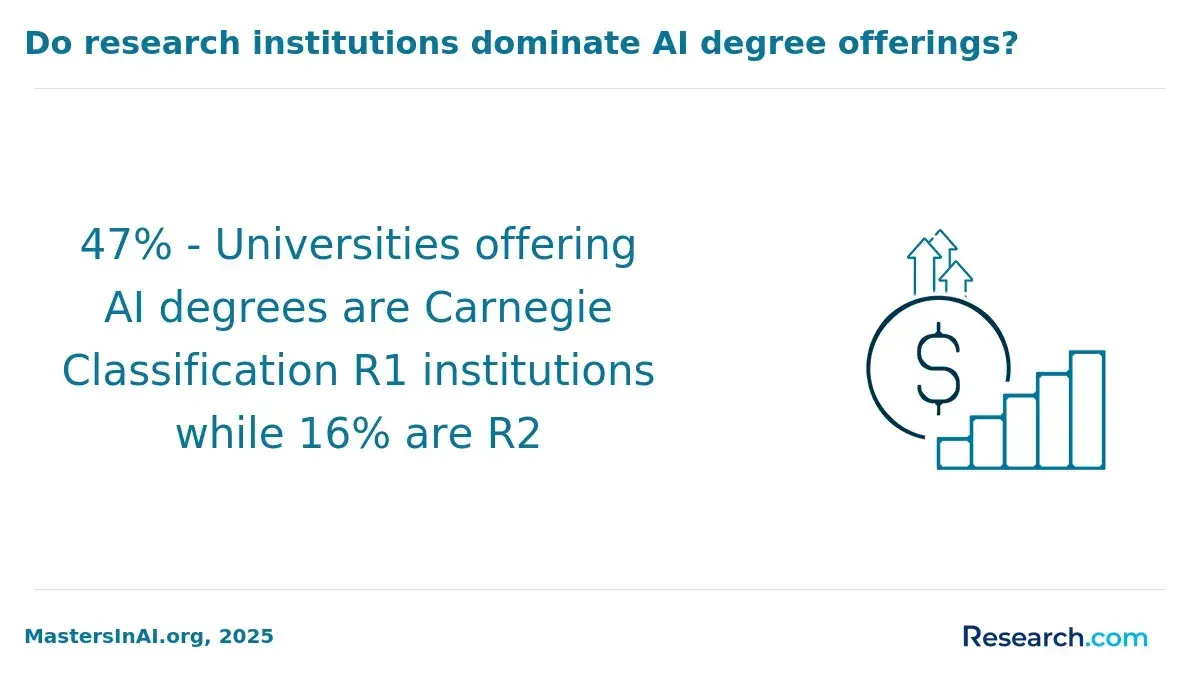
Leadership or executive AI governance courses may require prior management experience or health policy knowledge to connect AI implementations to organizational strategy and quality assurance. Some programs also recommend proficiency in programming languages like Python or R. The growing importance of this field is reflected in a 2025 market analysis by Top University, noting a 64% enrollment increase in AI governance and strategy courses for health leaders, outpacing general digital health programs by more than twofold.
- Healthcare clinical or administrative experience
- Basic to intermediate knowledge of AI or data science
- Understanding of healthcare regulations and ethical standards
- Leadership or project management skills for advanced courses
For those seeking to deepen their expertise, pursuing a masters in data analytics can provide strong analytical skills essential for effective AI governance in healthcare settings.
How do online AI governance programs compare to campus-based options for healthcare teams?
Online AI governance programs offer flexibility and accessibility that benefit healthcare professionals managing clinical or administrative roles. These programs enable learners to balance work and education through asynchronous modules or scheduled live sessions, reducing disruptions. Campus-based programs, however, excel in providing hands-on experiences, in-person networking, and direct faculty mentorship, which are crucial for students new to AI concepts or those seeking immersive learning environments.
Evidence from the Healthcare AI Governance and Information Security Certificate at Danville Area Community College supports the effectiveness of online formats. Over 70% of its 2024 graduates secured roles with formal AI oversight responsibilities within 12 months, demonstrating tangible career benefits from online credentials.
Healthcare teams should weigh their priorities when selecting a program format:
- Online programs suit working clinicians and managers aiming for targeted knowledge with minimal work interruption.
- Campus options favor those needing collaborative projects and face-to-face interaction.
- Hybrid models blend online theory with occasional on-site workshops, balancing convenience and engagement.
Practical considerations include reliable technical infrastructure and employer support for learning time. Cost differences also matter; online courses typically lower commuting and housing expenses. Campus programs often offer structured schedules and immediate access to institutional resources.
Online AI governance courses now rival campus-based options in rigor and career impact, making them a viable choice for healthcare professionals pursuing leadership roles in AI governance.
What core topics and competencies do leading AI governance courses for healthcare workflows cover?
AI governance courses for healthcare workflow redesign focus on ensuring safe, ethical, and effective deployment of AI tools in clinical settings. A primary emphasis is on bias detection and mitigation, crucial since over 60% of AI-related safety incidents result from governance issues rather than algorithmic faults. Students gain skills in conducting bias audits, analyzing demographic data disparities, and applying fairness metrics to protect vulnerable patient populations.
These programs train students in clinical risk management frameworks tailored for AI, including real-time model monitoring and escalation protocols for decision support systems. Practical activities often involve creating incident response plans and integrating AI oversight within quality assurance processes.
Regulatory compliance is a key component, covering HIPAA, FDA software as a medical device guidelines, and data privacy laws to align governance policies with healthcare standards. Ethical aspects such as transparency and obtaining patient consent for AI-driven decisions are also addressed to promote responsible communication.
Technical foundations include AI model validation, interpretability, and explainability tactics like SHAP values, helping clinicians and patients build trust in AI outputs.
Leadership and change management modules prepare learners for interdisciplinary collaboration among data scientists, clinicians, and administrators, supporting healthcare workflow redesign with governance as a priority.
How long do AI governance programs usually take, and what do they cost for healthcare organizations?
AI governance programs designed for healthcare workflow redesign typically span 4 to 12 weeks, allowing professionals to build essential expertise at varying depths. Shorter courses of 4 to 6 weeks focus on fundamentals such as ethics, compliance, and data privacy regulations. More extensive programs lasting 8 to 12 weeks incorporate detailed training on data governance, interoperability, security protocols, and case studies that highlight real-world applications.
The cost range for these programs varies significantly based on provider, curriculum, and delivery method. Basic online courses usually cost between $500 and $1,500. More specialized certificate programs featuring instructor support and hands-on projects for healthcare teams are priced between $3,000 and $8,000 per participant. Customized institutional training for entire health systems can exceed $10,000, reflecting tailored instruction addressing specific compliance and workflow challenges.
Healthcare organizations should consider that a recent HIMSS AI in Healthcare research brief reports 52% of health systems delay or limit AI use due to data governance and security concerns. This highlights the critical importance of comprehensive training focused on these areas.
Key considerations when choosing a program include:
- Whether the curriculum addresses interoperability and U.S. healthcare regulatory compliance
- The experience level of instructors in clinical AI deployment
- Emphasis on practical skills for policy implementation and security risk mitigation
- Availability of team-based learning to support consistent governance standards
Which accreditations, institutional approvals, or quality standards matter for AI governance courses?
Accreditations and institutional approvals play a critical role in assessing AI governance courses, particularly for healthcare workflow redesign teams seeking credible education. Accreditation from recognized bodies such as the Accreditation Council for Business Schools and Programs (ACBSP) or regional accreditors like the Middle States Commission on Higher Education confirms that courses meet rigorous academic standards. Additionally, affiliations with respected medical schools or healthcare systems provide institutional credibility by linking coursework to real-world clinical environments.
Programs that integrate AI governance with quality improvement frameworks and Lean methodologies carry significant value. Evidence from a 2024 cross-institutional survey highlights that AI projects co-led by quality improvement or Lean teams have a 41% higher success rate moving from pilot to full deployment compared to those led solely by IT or data science groups. Hence, students should prioritize courses covering healthcare quality standards like Lean Six Sigma or the Institute for Healthcare Improvement (IHI) models alongside governance topics.
Prospective students should look for programs partnering with hospitals or healthcare agencies that offer certifications recognized in quality improvement. Verified credentials in both AI ethics and healthcare quality demonstrate graduate readiness to lead complex governance projects that balance technical and clinical operational goals. For a comprehensive approach, explore Research.com to identify programs meeting these accreditation and quality criteria.
What career paths, job roles, and leadership opportunities can AI governance training unlock in healthcare?
AI governance training in healthcare opens diverse career opportunities focused on the ethical, legal, and operational management of AI tools. Professionals often become AI compliance officers, healthcare data governance analysts, or risk management specialists, overseeing AI systems to ensure alignment with regulations such as the EU AI Act and ISO/IEC 42001. Demand for this expertise has surged by 55% year-over-year in regions like the EU and North America, reflecting the growing importance of compliance and safety standards.
Leadership roles include Chief AI Officer and Director of Clinical AI Strategy, who guide organizational policies and collaborate across clinical, IT, and compliance teams to foster responsible AI use. AI ethics consultants also assist providers in safeguarding patient rights and data privacy amid increasing regulatory scrutiny.
Training also prepares professionals for interdisciplinary careers involving clinical informatics, healthcare IT project management, and digital transformation leadership, focusing on AI workflows that enhance care delivery while addressing bias and transparency concerns. For example, AI governance experts may lead efforts to redesign patient triage processes to comply with emerging risk management frameworks.
Emerging roles, such as AI audit specialists, conduct independent evaluations of AI systems against standards like ISO/IEC 42001 or NIST AI RMF, helping organizations document compliance and limit liability.
Overall, AI governance skills position healthcare professionals as key contributors to safe, ethical, and effective AI integration across operational and strategic domains.
Are there industry certifications or professional credentials related to AI governance in healthcare workflows?
Industry certifications and professional credentials in AI governance tailored for healthcare workflows are increasingly vital. Key options include the Certified Artificial Intelligence Governance Professional (CAIGP) and courses from the Health Information Management Systems Society (HIMSS). These programs center on ethical, regulatory, and operational challenges faced in clinical AI deployment.
They focus on continuous learning, risk management, and compliance, crucial given that only 29% of hospitals using AI have formal post-deployment monitoring, despite 74% experiencing performance drift issues with AI models. This gap highlights the importance of structured governance education.
Many credentials incorporate MLOps principles-covering model deployment, monitoring, and retraining-to ensure AI reliability in healthcare. Other emphases include HIPAA compliance, algorithmic transparency, and bias mitigation, addressing the unique regulatory and ethical pressures in clinical settings.
Prospective professionals should look for programs blending technical skills with governance frameworks, such as certificates in clinical data science governance or AI ethics available through universities or professional organizations. Such credentials equip learners to implement lifecycle governance effectively and manage risks shown by recent studies.
These certifications support healthcare teams in building trust with AI systems, enhancing patient safety, and aligning with evolving regulatory demands, thereby addressing pervasive knowledge gaps in AI lifecycle governance across U.S. clinical institutions.
Other Things You Should Know About Artificial Intelligence
Ethical concerns in artificial intelligence for healthcare include patient privacy, data security, and the potential for bias in algorithms. Ensuring transparency in AI decision-making processes is critical to maintain trust. Healthcare teams must address these issues to avoid disparities and protect patient rights when implementing AI solutions.
Artificial intelligence can enhance patient safety by improving diagnostic accuracy, predicting adverse events, and automating routine tasks to reduce human error. However, improper AI implementation or flawed data can introduce new risks. Proper governance ensures that AI tools are validated, monitored, and integrated safely into clinical workflows.
Integration challenges include compatibility with existing electronic health records, data standardization issues, and resistance from healthcare professionals unfamiliar with AI technologies. Moreover, regulatory compliance and managing the cost of AI solutions are significant hurdles. Effective training and governance frameworks help overcome these barriers.
In AI-driven healthcare workflow redesign, healthcare professionals are essential for ensuring that AI integration prioritizes patient safety, regulatory compliance, and ethical considerations. They bring clinical expertise to decision-making processes, validating AI recommendations, and adapting new workflows to enhance patient care quality.
References
- AI Governance in Higher Education: A course design exploring regulatory, ethical and practical considerations https://arxiv.org/html/2509.06176v2
- AI governance | IAPP https://iapp.org/ai-governance
- AI Governance https://jpsys.com/ai-governance/
- AI Governance Certifications HUB - AI Governance Library, Articles, Ressources https://aigouvernance.com/certifications/
- Building AI Governance That Balances Innovation and Patient https://wendyhortonca.com/building-ai-governance-that-balances-innovation-and-patient-safety-in-modern-healthcare/
- AI Governance: Maximizing Benefit and Minimizing Harm for Patients, Providers, and Health Systems https://www.ihi.org/library/blog/ai-governance-maximizing-benefit-and-minimizing-harm-patients-providers-and-health
- New Use of Artificial Intelligence Accreditation Policy and Procedures - Middle States Commission on Higher Education https://www.msche.org/2025/07/02/new-use-of-artificial-intelligence-accreditation-policy-and-procedures/
- GenAI in Healthcare Training | Safe AI Use in Healthcare | Skills for Health https://www.skillsforhealth.org.uk/products/elearning/gen-ai-healthcare-training/
- AI Governance Professional Certification | CertiProf https://certiprof.com/products/ai-governance-certification-iso-42001
- AI Governance, Risk and Compliance for Clinical Teams https://dashealth.com/blog/ai-governance-risk-compliance-clinical-teams/