2027 Best AI Governance Courses for CRE Research Teams

Co-Founder and Chief Data Scientist
Corporate real estate (CRE) research teams face growing pressure to manage the ethical, regulatory, and operational risks of integrating artificial intelligence technologies. Missteps in AI governance can lead to compliance failures, data privacy issues, and flawed decision-making, jeopardizing strategic initiatives. Many professionals need tailored education that bridges domain expertise with AI governance principles. This article outlines top courses that equip CRE researchers with practical knowledge and frameworks to implement responsible AI strategies. It aims to help readers identify flexible, accredited programs designed to support career pivots into AI governance roles within the CRE industry.
Key Things You Should Know
- AI governance courses increasingly emphasize ethics, risk mitigation, and regulatory compliance, reflecting a 35% rise in demand from CRE research teams focused on responsible AI use in 2025.
- Top programs blend technical AI knowledge with legal frameworks, enhancing decision-making skills vital for CRE professionals managing AI-driven data and property analytics.
- Nearly 60% of surveyed CRE firms in 2025 prefer candidates trained in AI governance, highlighting its growing importance across the U.S. real estate industry.
Advance Your Career with AI Online Courses
Artificial Intelligence: Implications for Business Strategy
This program provides an introduction to Artificial Intelligence and their implications for business strategy. Earn an official digital certificate.

Oxford Artificial Intelligence Programme
Explore this Oxford Artificial Intelligence programme offered in a flexible learning environment and explore topics like machine learning, automation, and robotics.

Implementing Agentic AI: Building Your Organizational Playbook
This online MIT Agentic AI course offers a practical approach to deploying AI agents in your organization, including a custom playbook. 3 weeks, exclusive launch price.

AI Adoption: Driving Business Value and Impact
This online MIT AI Adoption: Driving Business Value and Impact offers practical frameworks to close the gap between AI potential and business reality.

Artificial Intelligence in Pharma and Biotech
Discover the applications and limitations of artificial intelligence in pharma and biotech with this MIT online short course.

What is AI governance in commercial real estate research, and why does it matter now?
AI governance frameworks for commercial real estate research teams establish policies and practices that ensure ethical, transparent, and compliant use of AI in analyzing market trends, property valuations, and investment decisions. As CRE research teams increasingly depend on AI-driven tools, effective governance becomes vital to prevent biases, errors, or legal issues that could undermine research accuracy and business success.
In CRE data management, AI governance plays a critical role in protecting sensitive financial and tenant information. It sets clear standards for data privacy, model accuracy, and accountability by requiring regular audits of AI outputs and validation against real-world data. Transparency is also emphasized, with explanations of AI recommendations needed to build trust among investors and stakeholders.
Research professionals must develop skills in AI bias mitigation, data security regulations like GDPR, and the ethical considerations of automated valuations. They should also understand the regulatory landscape for AI deployment in real estate finance. Integrating these governance skills helps ensure AI tools enhance research reliability and maintain stakeholder confidence.
According to LinkedIn's workplace learning insights, AI-related job postings have grown substantially, highlighting the need for CRE experts to gain AI governance expertise alongside technical knowledge. Those interested in pursuing education in this space may also explore options through accredited programs; for instance, the data science major ranking offers guidance on affordable programs for building relevant skills.
Advance Your Career with AI Online Courses
Artificial Intelligence: Implications for Business Strategy
This program provides an introduction to Artificial Intelligence and their implications for business strategy. Earn an official digital certificate.
Oxford Artificial Intelligence Programme
Explore this Oxford Artificial Intelligence programme offered in a flexible learning environment and explore topics like machine learning, automation, and robotics.
Implementing Agentic AI: Building Your Organizational Playbook
This online MIT Agentic AI course offers a practical approach to deploying AI agents in your organization, including a custom playbook. 3 weeks, exclusive launch price.
What types of AI governance courses are best for CRE research teams?
Effective AI governance training tailored for CRE research teams prioritizes practical frameworks merging regulatory compliance with organizational risk management. These courses combine modules on ethical AI use, data privacy, model transparency, and bias mitigation specific to commercial real estate contexts. Emphasis on sector-specific regulations, including property data protection laws and emerging federal guidelines on AI in finance, ensures teams maintain compliance without hindering innovation.
Many AI compliance courses for commercial real estate research include hands-on labs using real estate data models to teach auditing of algorithmic decisions and monitoring for unintended outcomes. Teams also gain skills in systemic risk assessment, a growing priority as 71% of global financial institutions plan to increase AI risk, compliance, and governance hiring within 12-18 months, according to EY's 2024 Global AI in Financial Services Survey.
Look for programs that address the intersection of AI and financial risk, such as credit scoring and predictive maintenance, which enhance analytical rigor. Case studies on AI failure modes in asset valuation or leasing processes help highlight governance challenges and preventive strategies.
Specialized content often covers collaboration among AI governance officers, data scientists, compliance personnel, and legal advisors-essential for managing multidisciplinary risks in CRE teams. Others focus on building internal policies and reporting procedures to improve audit readiness and regulatory transparency. For those exploring educational investments linked to AI and technology, comparing options can be as critical as understanding AI governance; for example, reviewing mechanical engineering degree online cost insights may provide perspective on education affordability within STEM fields.
How do you choose a reputable, accredited AI governance program in the U.S.?
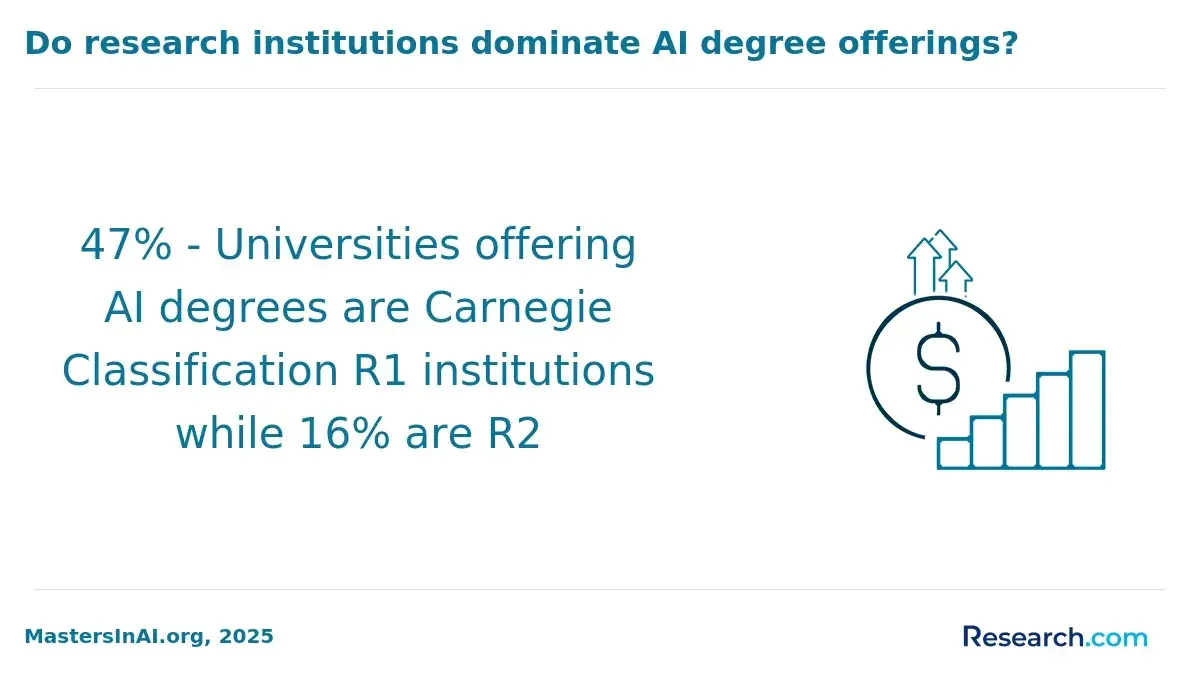
Choosing reputable accredited AI governance programs in the U.S. involves verifying institutional accreditation from recognized bodies like the Middle States Commission on Higher Education or the Higher Learning Commission. Such credentials ensure the program meets established quality standards and enhances recognition among employers.
The best AI governance certification courses for U.S. research teams typically offer comprehensive curricula that cover AI ethics, risk management, compliance frameworks, and policy development. Focus on programs addressing real-world challenges such as algorithmic bias and regulatory compliance to build practical skills essential for decision-makers and CRE research teams.
Faculty expertise and industry ties are crucial indicators of program quality. Look for professors with published research and active involvement in AI governance organizations, as well as partnerships with tech firms or government bodies that can support internships and job placements. Program outcomes and alumni success also matter; Glassdoor reports average base salaries for AI Governance Managers around USD 167,000 with total compensation often exceeding USD 200,000 including bonuses and stock options.
Flexible delivery options, including part-time, online, or hybrid formats, help accommodate working professionals without sacrificing program depth or interaction. Prospective students may also explore online cyber security degrees as related fields complementing AI governance expertise.
What curriculum topics should top AI governance courses for CRE teams cover?
Effective AI governance training topics for commercial real estate teams should address compliance with key regulations like the EU AI Act and relevant U.S. sectoral rules. Courses focusing on bias mitigation and fairness auditing are essential, as unchecked AI models may introduce investment risks and damage reputations. These topics form critical parts of the best AI governance training topics for commercial real estate teams, ensuring professionals can identify and manage ethical challenges.
Risk management strategies specific to the sector include data security, model transparency, and explainability. Given stringent privacy mandates, secure data handling under evolving AI regulations is vital. Additionally, integrating AI with traditional CRE valuation and portfolio management methods enhances decision-making while maintaining governance integrity, an important aspect of essential curriculum areas in AI governance courses for CRE professionals.
Ethical frameworks tailored to CRE applications encourage responsible use in tenant screening and automated property management. Practical case studies on AI successes and failures ground theoretical knowledge in real-world contexts. McKinsey estimates over USD 9 trillion in global corporate revenue is exposed to AI-focused regulations, highlighting the urgency for CRE teams to develop AI governance skills that address legal and financial risks.
Training should also cover how to develop and monitor AI governance policies, including stakeholder communication and regular compliance reviews. Emerging topics like AI audit trails and explainable AI tools help maintain accountability. For those interested in related fields, exploring an online cyber security degree for veterans can provide complementary expertise in safeguarding AI-powered systems.
How do online AI governance courses compare with campus or hybrid options?
Online AI governance courses provide flexible, accessible training tailored to working professionals and remote learners, focusing on governance, risk, and compliance. This targeted approach helps learners gain relevant skills without the time and expense of in-person classes. According to PwC's 2024 Global AI Jobs Barometer, individuals trained in AI governance roles earn a 25% wage premium over peers lacking such specialization.
Campus or hybrid programs offer broader academic benefits like direct faculty interaction, peer networking, and hands-on labs, but come with higher tuition and logistical challenges such as commuting and fixed schedules. These formats suit students seeking comprehensive credentials often required for senior positions, blending flexibility with personal engagement.
Consider these factors when choosing a format:
- Online courses prioritize concise, up-to-date content aligned with industry standards.
- Hybrid models support in-depth academic exposure and formal accreditation.
- Employers value targeted training in real-world AI policy, ethical considerations, and risk mitigation.
Online education stands out for practical, scalable, and cost-effective skill acquisition, continually updated to reflect regulatory shifts and enterprise needs. This makes it a compelling path for many seeking specialized AI governance expertise.
What are the typical admission requirements and prerequisites for AI governance training?
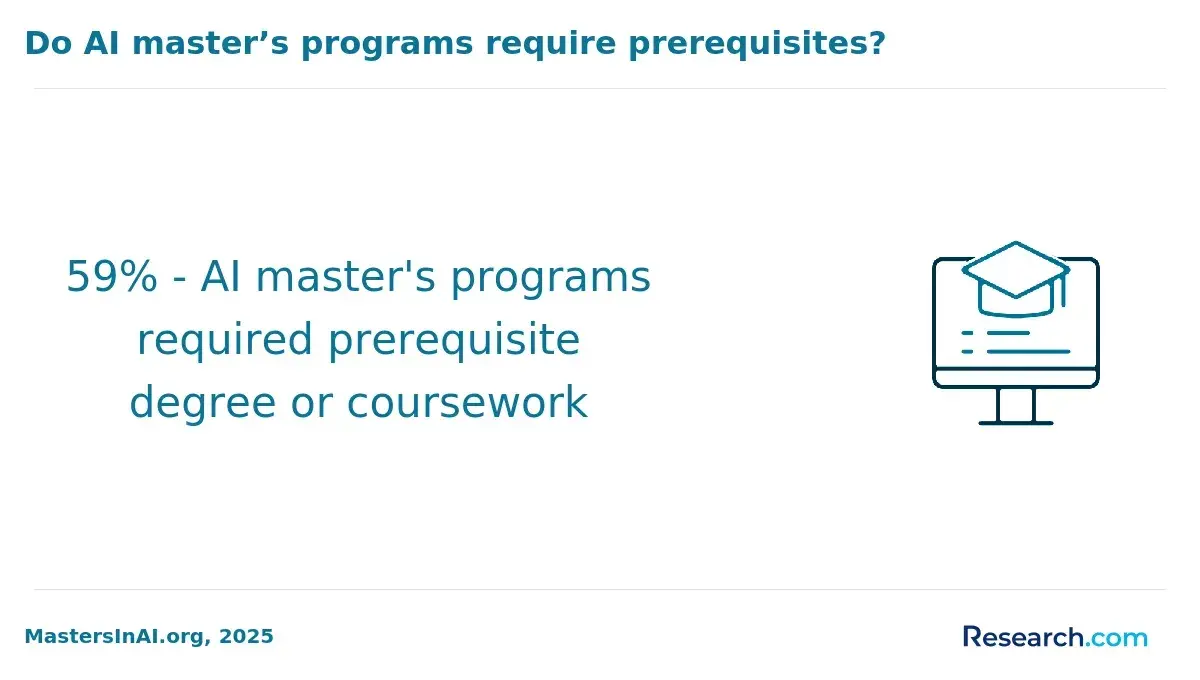
Admission requirements for AI governance training vary by program level and focus but generally include a foundational understanding of artificial intelligence concepts and governance principles. Most programs expect candidates to hold a bachelor's degree in related fields such as computer science, data science, law, business, or public policy. Prior experience working with AI systems, data management, or regulatory compliance is often preferred to ensure engagement with complex governance challenges.
Advanced certifications or executive courses typically require proficiency in risk management, ethics, or cybersecurity frameworks. Many expect several years of professional experience managing AI projects or participating in compliance efforts. Knowledge of data privacy laws such as GDPR or CCPA is highly recommended, reflecting the critical legal and ethical aspects of governance training.
Introductory or self-paced online courses usually have minimal prerequisites but benefit from basic technical skills or familiarity with AI terminology. Candidates without a technical background may be encouraged to complete preliminary AI or data literacy training modules.
The growing demand for qualified AI governance specialists is supported by IBM's Global AI Adoption Index, which reports that while 61% of enterprises have adopted or pilot AI governance frameworks, only 24% consider their governance mature. Institutions may also assess candidates through interviews or written statements emphasizing ethical reasoning and strategic thinking.
- Bachelor's degree in related discipline
- Experience with AI systems or regulatory compliance
- Knowledge of data privacy laws (GDPR, CCPA)
- Proficiency in ethics and risk management frameworks
- Strong ethical reasoning and strategic skills
How long do AI governance programs take, and what do they typically cost?
AI governance programs vary in length from a few weeks to six months, depending on their depth and delivery format. Shorter courses typically last 4 to 8 weeks and focus on foundational topics such as AI ethics, risk management, and emerging regulatory frameworks. More extensive programs, often lasting up to six months, offer practical workshops, case studies, and policy design tailored specifically for real estate and financial sectors.
Costs differ significantly based on program prestige, length, and included resources. Basic online courses may start near $500, while certificate or professional development options from universities or industry organizations often range from $2,000 to $7,000. Executive-level programs with intensive study and expert mentorship can exceed $10,000.
For organizations, selecting AI governance training that balances affordability with a robust curriculum is crucial. For instance, some university certificates offer targeted modules on risk governance and compliance within a 3-month period at roughly $4,000, making them suitable for mid-career professionals.
KPMG's Responsible AI survey highlights a critical gap: although 73% of financial institutions use generative AI in decision-making or customer-facing roles, only 35% have responsible AI controls in place. This emphasizes the need for timely, thorough AI governance education, especially in CRE research teams.
Programs that include practical tools for designing, auditing, and enforcing AI policies, along with sector-specific regulatory updates and scenario analyses, help teams navigate the evolving AI governance landscape effectively.
Which careers and job roles can AI governance training open in CRE and beyond?
AI governance training opens diverse career paths within commercial real estate (CRE) and beyond, helping firms manage the growing risks tied to artificial intelligence systems. Key roles include AI risk managers who oversee compliance and prevent costly AI failures, which Boston Consulting Group estimates can lead to financial losses between USD 50 million and USD 300 million. Ensuring robust governance is therefore essential for sustainable AI adoption.
Other important positions include AI compliance officers, focusing on legal and ethical standards like data privacy and algorithmic fairness. CRE technology analysts use AI governance expertise to integrate safe AI tools for property valuation, tenant management, and market forecasting. Project managers with AI governance skills guide cross-functional teams in developing AI systems aligned with risk frameworks.
Career opportunities extend beyond CRE to regulatory consultants who assist firms with federal and state AI policies. Data scientists and machine learning engineers specializing in AI explainability and auditability also benefit. Internal auditors with AI governance training monitor AI systems continuously to avoid unethical or unauthorized use.
This training prepares professionals to handle challenges such as detecting bias in data sets, promoting transparency in AI-driven decisions, and managing ethical risks. With such high stakes, employers prioritize candidates able to balance innovation with governance safeguards, making AI governance expertise a valuable asset in today's job market.
What salary ranges and advancement opportunities exist for AI governance specialists?
AI governance specialists in the U.S. earn between $80,000 and $150,000 annually, depending on experience, education, and sector. Entry-level roles typically start at $80,000 to $95,000, with mid-career professionals earning $100,000 to $125,000. Senior positions, especially those involving leadership in AI ethics and compliance, can pay above $140,000. Holding specialized certifications, like the Artificial Intelligence Governance Professional (AIGP) credential, significantly boosts career advancement and salary potential.
Career paths in AI governance often advance from compliance analysts and risk managers to roles such as AI ethics officers, policy advisors, and chief AI officers. The AIGP certification has gained rapid adoption, with over 5,000 certificants worldwide in its first year, enhancing credibility and opening doors to senior and cross-functional leadership roles.
Professionals build expertise in data privacy laws, AI risk assessment, and audit processes to progress further. Merging governance knowledge with AI technical skills enables transitions into product management or AI strategy roles, which typically offer higher pay and influence. Practical experience combined with certifications remains essential, especially for jobs in regulated fields like finance, healthcare, and government.
- Entry-level salary: $80,000-$95,000
- Mid-career salary: $100,000-$125,000
- Senior roles: Above $140,000
Are there recognized AI governance certifications or standards relevant to CRE research?
AI governance certifications and standards play a critical role for commercial real estate (CRE) research teams as AI adoption expands in the sector. These certifications emphasize ethical AI use, risk management, and compliance, tackling challenges such as data privacy, model transparency, and bias mitigation.
Key credentials include the Certified AI Governance Professional (CAIGP) and the AI Risk Management Framework (AI RMF) by NIST, which offer structured governance approaches to ensure teams comply with policies and regulations impacting AI applications. CRE professionals benefit most from short, modular courses focused on practical skills rather than lengthy degree programs. Deloitte's 2024 Human Capital Trends report reveals organizations prioritizing modular, role-specific AI and governance training are 63% more likely to experience positive business impacts from AI.
Practical coursework typically integrates theoretical knowledge with CRE-specific case studies and covers international standards like ISO/IEC AI guidelines as well as frameworks from the Partnership on AI. These targeted programs support swift implementation of necessary controls and foster ethical AI deployment in real estate decision-making.
Employers increasingly value certifications centered on AI risk assessment, auditing, and governance strategies tailored to CRE workflows. Such credentials empower researchers to effectively navigate evolving federal and state AI regulations, ensuring compliance and accountability within the industry.
Other Things You Should Know About Artificial Intelligence
In 2027, CRE research teams can benefit from several AI governance courses, such as the AI Governance Certificate by Oxford University and the AI for Real Estate Program by MIT, focusing on ethical AI usage and regulatory compliance.
Artificial intelligence enhances data accuracy by automating data collection and analysis, reducing human errors. AI algorithms can detect anomalies, validate datasets, and integrate multiple data sources to provide more reliable insights. This improves forecasting and decision-making for commercial real estate researchers.
Teams often contend with unclear regulatory frameworks and rapidly evolving AI technologies, complicating governance efforts. Managing data privacy and security, ensuring compliance, and aligning AI systems with ethical standards are common hurdles. Effective training and cross-functional collaboration are essential to overcome these challenges.
Artificial intelligence supports faster, data-driven decisions by analyzing large datasets and identifying trends. It enables predictive analytics for market behavior, risk assessment, and asset management. This leads to more informed investment strategies and operational efficiencies in commercial real estate.
References
- AI Governance Professional Certification | CertiProf https://certiprof.com/products/ai-governance-certification-iso-42001
- A collection of AI Governance research ideas https://www.markusanderljung.com/blog/a-collection-of-ai-governance-research-ideas-2024
- AI Global Governance Summer School (3rd Edition) Brussels 26-30 May 2026 https://www.globalgovernance.eu/ggi-education/aigg
- Data & AI Governance | Level 4 Funded Programme | iO-Sphere https://io-sphere.io/apprenticeships/data-ai-governance
- AI governance and risk risk management | Protecht Academy https://www.protechtgroup.com/en-us/academy/ai-governance-and-risk-management
- An AI governance certification will boost your career | The Corporate Governance Institute https://www.thecorporategovernanceinstitute.com/insights/guides/an-ai-governance-certification-will-boost-your-career/
- Market Analysis of 146 AI Governance Job Postings https://axialsearch.com/insights/ai-governance-jobs/
- 8 Job Roles That Will Revolutionise AI in Africa: Navigating the Future | CTU Training Solutions https://ctutraining.ac.za/8-job-roles-that-will-revolutionise-ai-in-africa-navigating-the-future/
- Real Estate’s Big Gains From AI | Morgan Stanley https://www.morganstanley.com/insights/articles/ai-in-real-estate-2025
- AI Governance Specialist Salary & Rates Guide | Clicks IT Recruitment https://clicks.com.au/job-salary/ai-governance-specialist/