2027 Best AI Agent Courses for Knowledge Management

Co-Founder and Chief Data Scientist
Many professionals face difficulty managing vast amounts of unstructured data and extracting meaningful insights efficiently. This challenge impedes decision-making and reduces productivity in fast-paced work environments. The rapid evolution of AI agents designed for knowledge management offers solutions but requires specialized skills to implement effectively. Identifying high-quality courses tailored to building expertise in these technologies can be overwhelming, especially for those without a technical background. This article examines top AI agent courses focused on knowledge management, detailing accessible, accredited programs to help learners bridge the skills gap and advance their careers in the AI industry.
Key Things You Should Know
- AI agent courses for knowledge management in 2026 focus on integrating natural language processing and automation to enhance organizational learning efficiency by over 40%.
- Top programs emphasize practical skills in AI tool development, with 65% of graduates securing roles in tech-driven knowledge management within six months.
- Emerging curricula prioritize ethical AI use and data privacy, reflecting 2025 regulatory updates crucial for responsible knowledge handling in corporate environments.
Advance Your Career with AI Online Courses
Artificial Intelligence: Implications for Business Strategy
This program provides an introduction to Artificial Intelligence and their implications for business strategy. Earn an official digital certificate.

Oxford Artificial Intelligence Programme
Explore this Oxford Artificial Intelligence programme offered in a flexible learning environment and explore topics like machine learning, automation, and robotics.

Implementing Agentic AI: Building Your Organizational Playbook
This online MIT Agentic AI course offers a practical approach to deploying AI agents in your organization, including a custom playbook. 3 weeks, exclusive launch price.

AI Adoption: Driving Business Value and Impact
This online MIT AI Adoption: Driving Business Value and Impact offers practical frameworks to close the gap between AI potential and business reality.

Artificial Intelligence in Pharma and Biotech
Discover the applications and limitations of artificial intelligence in pharma and biotech with this MIT online short course.

What are AI agent courses for knowledge management?
AI agent training programs for knowledge management teach students to design and implement intelligent software agents that improve how organizations handle information. These courses emphasize AI-driven tools for capturing, organizing, retrieving, and updating vast knowledge efficiently, often focusing on natural language processing, machine learning, and automation. Learners develop skills to build agents that automate tasks such as document classification, search optimization, and data synthesis, enabling faster and more accurate decision-making.
Courses on implementing AI agents in knowledge management systems commonly cover integrating generative AI models and AI APIs, reflecting the rapid adoption predicted by Gartner, where 80% of enterprises will use generative AI by 2025. Practical examples include creating AI chatbots for intranet knowledge access and automating report generation from raw data. This education prepares professionals to address challenges like maintaining data accuracy across diverse sources, ensuring privacy compliance, and integrating AI tools with existing platforms.
Graduates typically pursue roles such as knowledge engineers, AI solution architects, and digital transformation specialists. For those looking to enter this field, pursuing a 2 year computer science degree online can provide a valuable foundation alongside AI agent courses.
Advance Your Career with AI Online Courses
Artificial Intelligence: Implications for Business Strategy
This program provides an introduction to Artificial Intelligence and their implications for business strategy. Earn an official digital certificate.
Oxford Artificial Intelligence Programme
Explore this Oxford Artificial Intelligence programme offered in a flexible learning environment and explore topics like machine learning, automation, and robotics.
Implementing Agentic AI: Building Your Organizational Playbook
This online MIT Agentic AI course offers a practical approach to deploying AI agents in your organization, including a custom playbook. 3 weeks, exclusive launch price.
Which AI agent courses offer the best knowledge management training?
Top ai agent courses for knowledge management emphasize automating workflows, optimizing data retrieval, and enhancing decision-making through practical applications. Leading programs blend theory with hands-on projects using agentic AI tools such as conversational agents, autonomous knowledge bots, and AI orchestration platforms. These programs represent some of the best ai agent courses for knowledge management available today.
Specialized certifications from institutions like Stanford's AI Lab and MIT Professional Education focus on knowledge graph construction, semantic search, and reinforcement learning tailored to knowledge systems. Platforms like Coursera and edX offer courses that include modules on integrating AI agents into enterprise knowledge management, a key skill for digitizing organizational information infrastructures.
Bootcamps from providers like DataCamp and Udacity train professionals to build AI agents that automate repetitive research tasks and provide actionable insights from large datasets, aligning with the surge in demand for agentic AI expertise. In fact, LinkedIn Economic Graph reports that job postings mentioning "AI agents" or "agentic AI" grew over 350% between Q1 2024 and Q1 2025, especially in knowledge-intensive automation roles.
Important skills covered include:
- Designing multi-agent architectures for complex knowledge tasks
- Using natural language processing to improve information accessibility
- Implementing AI workflows for continuous learning and adaptation
- Evaluating agent performance and knowledge accuracy
For individuals seeking top knowledge management training with ai agents, selecting courses with up-to-date curricula, practical labs, and mentorship is essential. Certification in these areas can boost careers in knowledge management, data science, and AI operations.
Many prospective students also explore related fields, such as mechanical engineering. Exploring online mechanical engineering degrees can complement AI expertise with strong technical foundations.
What admission requirements do AI agent courses usually have?
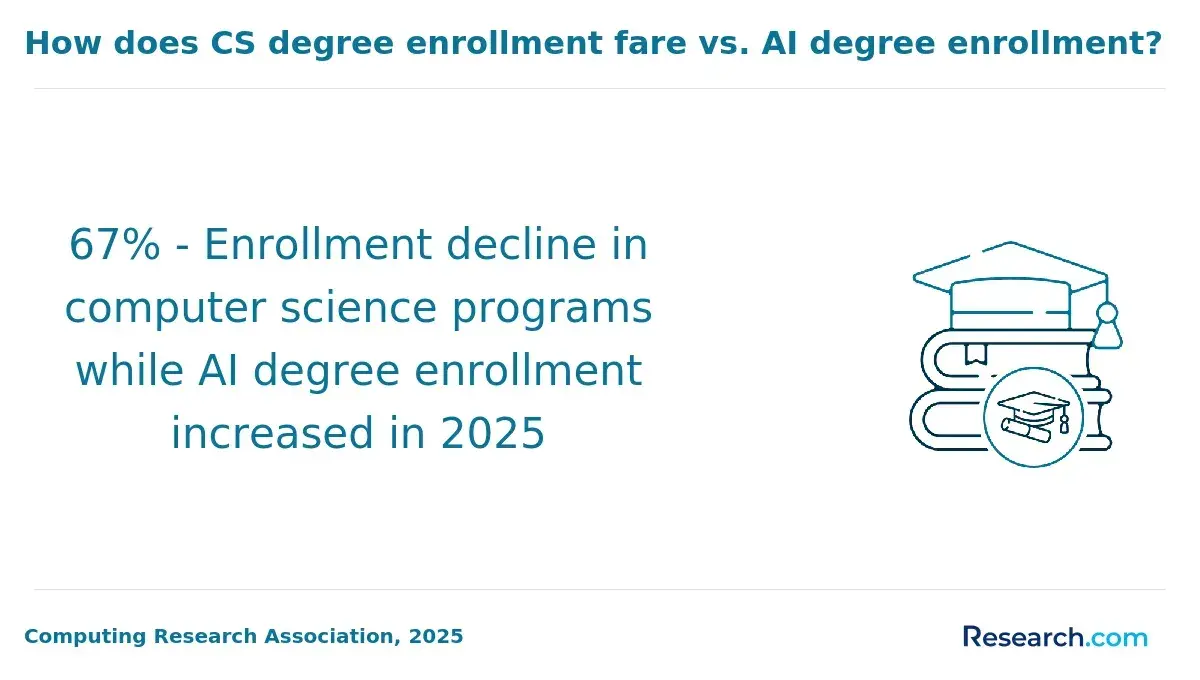
Admission requirements for AI agent courses in knowledge management vary by program level and institution but generally demand a background in computer science, data analytics, or related areas. Most undergraduate-level programs expect applicants to have completed high school with coursework in mathematics and basic programming. Graduate programs usually require a bachelor's degree in a STEM field or equivalent professional experience.
For knowledge management AI course enrollment requirements, proficiency in programming languages like Python or Java and understanding basic machine learning concepts are often necessary. Some courses may ask for standardized test scores such as the GRE, though this is becoming less common. Practical experience through internships or projects involving data handling or automation greatly strengthens applications.
Professional or certificate courses aimed at working individuals often prioritize relevant work experience and familiarity with organizational knowledge workflows over formal education. Employers supporting certification in AI agents report a 22-30% boost in productivity and a 3-5% revenue increase in knowledge tasks, according to McKinsey Global Institute.
Applicants should prepare transcripts, recommendation letters, and statements of purpose explaining how AI agent mastery aligns with career goals. Some programs include problem-solving assessments or interviews. Prospective students should carefully review specific program criteria and costs, which may be compared through resources such as the cyber security online degree cost listings to aid budgeting decisions.
Are online AI agent courses better than campus programs?
Online AI agent courses offer flexibility and accessibility unmatched by traditional campus programs, especially important in fast-changing fields like knowledge management. Learners can study at their own pace while balancing work and life commitments, often applying new skills immediately with practical modules focused on real-world AI tools for tasks like knowledge retrieval and automation.
Campus programs generally provide stronger theoretical foundations and networking opportunities but tend to update more slowly and may lack the latest industry practices. With 63% of large enterprises adopting autonomous or semi-autonomous AI agents, staying current with new technologies and platforms is critical. Many of the best online AI agent courses for knowledge management update their curricula frequently to meet these evolving needs.
Specialized online tracks and micro-credentials enable learners to focus on targeted enterprise applications such as employee support chatbots or document classification, unlike broader campus degrees that may require lengthy prerequisites. Additionally, online programs reduce costs by eliminating relocation and commuting expenses. Still, campus courses often excel in hands-on group projects and mentorship, valued for complex problem-solving.
Prospective students comparing campus vs online AI agent training programs should assess their career goals and learning preferences. For those seeking immediate practical knowledge, online options tend to offer a more agile learning path. For insights into related career paths, see what is an AI trainer.
What topics are covered in AI agent knowledge management courses?
AI agent knowledge management courses explore key concepts needed to create autonomous systems that manage information efficiently. They cover intelligent agent architecture, decision-making algorithms, and methods for knowledge representation. Students gain hands-on experience with knowledge acquisition techniques, including symbolic and logic-based approaches, as well as machine learning models that help agents update knowledge dynamically.
Courses emphasize designing multi-agent systems and enable communication protocols for better coordination. Natural language processing skills are developed to allow agents to understand and generate human language, essential for virtual assistants and chatbots. Practical lessons often focus on problem-solving strategies, planning algorithms, and reinforcement learning to enhance real-time agent performance.
Security and ethics are vital components, addressing data privacy, bias mitigation, and transparency in decision-making. Programs also teach knowledge extraction from unstructured data, semantic reasoning, and ontology design to organize domain knowledge effectively.
Applications taught include customer support automation, intelligent recommendation engines, and enterprise knowledge management, showing how theoretical skills translate into real business solutions. Notably, enrollments in AI agent courses have surged dramatically, reflecting a growing industry demand for professionals skilled in advanced, autonomous knowledge-driven systems.
Which credentials matter for AI agent and knowledge management roles?
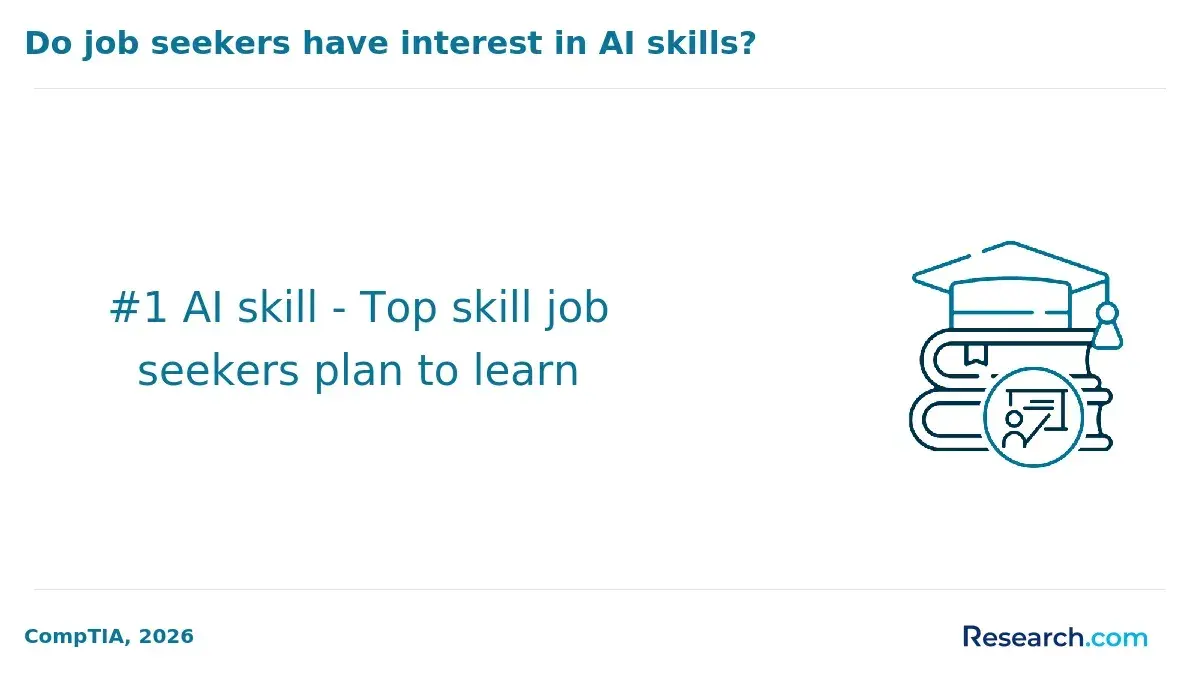
Credentials emphasizing hands-on expertise with agent-based systems, orchestration techniques, and knowledge representation frameworks are vital for AI agent and knowledge management roles. Certifications or courses focused on Large Language Models (LLMs), multi-agent architectures, and knowledge graph construction stand out. Skills in Python programming combined with experience in AI orchestration platforms or workflow automation tools significantly enhance employability.
While advanced degrees in computer science or data science with an emphasis on machine learning and natural language processing build foundational knowledge, practical credentials often carry more weight in hiring decisions. Specialized training in prompt engineering, multi-modal AI systems, or reinforcement learning agents further demonstrates capability in managing complex AI workflows.
Industry-recognized certifications from platforms offering tailored curricula, such as advanced LLM deployment or autonomous system design, serve as key differentiators. Employers particularly value project-based learning that integrates multiple AI components into unified solutions. Additionally, knowledge management roles benefit from credentials in ontology engineering and semantic data models, which support effective information retrieval and AI knowledge bases.
Compensation data highlights the premium placed on these skills. Professionals with AI agent and orchestration expertise earn median salaries near $180,000 in the U.S., about 45-50% higher than median software engineer salaries, according to the Levels.fyi 2024 Compensation Report. This underscores the importance of credentials directly tied to AI agent development and knowledge management over broad, generic AI qualifications.
How long do AI agent courses take and what do they cost?
AI agent courses commonly span from one to three months, with durations between 4 and 12 weeks depending on course depth and intensity. Short programs, lasting about a month, emphasize practical skills like building and deploying AI agents using popular frameworks. More comprehensive options extend to 12 weeks and cover foundational theory alongside advanced tools such as LangChain, LangGraph, and AutoGen. These longer courses suit professionals aiming for deep expertise in agent orchestration and ecosystem integration.
Tuition varies widely based on provider and format:
- Entry-level online bootcamps or workshops usually range from $300 to $1,200, offering flexible schedules ideal for working professionals and students.
- University-affiliated certification programs may cost between $1,500 and $4,000, reflecting in-depth content and often personalized instruction.
- Free and open-source resources are plentiful but typically require strong self-motivation and discipline.
For budget-conscious learners, blending free materials with affordable micro-courses can build competence without significant investment. Those pursuing career shifts or roles in AI knowledge management should prioritize courses integrating hands-on projects and covering trends in AI agent ecosystems and orchestration tooling.
Expect to invest several hundred to several thousand dollars and a time commitment of one to three months. Selecting a course aligned with the fast-paced development of AI agent toolkits ensures up-to-date skills essential for the evolving field.
What jobs can AI agent and knowledge management training lead to?
Training in AI agent and knowledge management opens pathways to specialized roles that optimize organizational information flow and decision-making. Common job titles include knowledge manager, AI solutions architect, data analyst focused on knowledge graphs, and digital transformation consultant. These professionals leverage AI to automate tasks such as search, content generation, and summarization, resulting in significant productivity gains.
Knowledge managers curate and maintain critical business information using AI tools to ensure efficient access for teams. AI solutions architects develop intelligent agents that support knowledge workers in retrieving and synthesizing data, streamlining workflows. Data analysts combine AI with knowledge management techniques to extract insights from unstructured datasets.
Key industries hiring these professionals include finance, healthcare, and technology, where AI agents reduce manual document review and cross-referencing time. For example, corporate researchers and compliance specialists benefit from AI-driven automation. Field studies from Boston Consulting Group and Harvard/Stanford/Wharton report that generative AI agents can save knowledge workers 30-50% of the time spent on information retrieval and synthesis.
- Proficiency with AI agent frameworks
- Natural language processing skills
- Experience with enterprise content management platforms
These qualifications boost employability, as roles often require collaboration between IT and business units to customize AI solutions addressing organizational knowledge challenges.
What salaries do AI agent and knowledge management professionals earn?
AI agent and knowledge management professionals in the U.S. earn between $85,000 and $150,000 annually, influenced by experience, industry, and role complexity. Entry-level roles like AI knowledge analysts typically start near $85,000, while experts managing large-scale AI deployments or advanced governance often exceed $140,000. Industries such as financial services and technology tend to offer the highest salaries due to the critical nature of data management and risk mitigation.
Key factors impacting salaries include:
- Experience with AI governance frameworks and risk assessment
- Proficiency in designing knowledge management systems integrated with AI agents
- Expertise in mitigating AI hallucinations and enforcing oversight controls
- Industry demand for professionals navigating data governance challenges in AI
According to the PwC 2024 AI Business Survey, 73% of organizations piloting AI agents reported moderate to high concerns about governance, hallucinations, and uncontrolled autonomous actions. Professionals specializing in governance and trust command premium salaries, reflecting a market emphasis on these safeguards.
Candidates combining technical AI skills with governance insight fill a critical niche by addressing regulatory compliance, ethical AI use, and system transparency. Focusing career growth on both AI technology and knowledge management governance is vital to maximize earning potential.
How do you choose a reputable AI agent course provider?
Choosing a reputable AI agent course provider involves careful evaluation of accreditation, partnerships, and course content. Accreditation confirms adherence to educational standards, while collaborations with industry leaders like AI research labs or enterprise software companies enhance course credibility and practical relevance in knowledge management.
Course content should cover current and emerging trends, such as agentic systems and knowledge operating layers. Gartner predicts AI copilots will be integrated into 70% of knowledge workers' workflows by 2026, making it crucial for curricula to blend theory with hands-on projects using real-world platforms or datasets. Specialized modules tailored to sectors like finance or healthcare provide additional value.
Instructor expertise is another key factor. Look for instructors with active research, published work, or patents related to AI agents. Student reviews and career outcomes also offer insights into the course's impact.
Flexible learning formats featuring live sessions, mentorship, and forums support practical exposure and accommodate working professionals. Clear, transparent pricing with refund policies signals professionalism and trustworthiness.
Key evaluation points include:
- Verified accreditation and industry partnerships
- Updated, hands-on curriculum aligned with future trends
- Experienced instructors with proven expertise
- Supportive, flexible learning environments
- Transparent pricing and refund policies
Prioritize providers combining these factors to prepare effectively for a future where AI agents transform knowledge management workflows.
Other Things You Should Know About Artificial Intelligence
Essential skills for working with AI tools in 2027 include data literacy, programming knowledge, and understanding of machine learning principles. Familiarity with specific AI tools, staying updated on AI advancements, and problem-solving abilities are also crucial to effectively manage AI systems for knowledge management.
AI enhances knowledge management by automating the organization, retrieval, and analysis of large volumes of data. It can identify relevant information faster and with greater accuracy than manual methods. This transformation allows businesses to improve decision-making, streamline workflows, and increase operational efficiency by converting unstructured data into actionable insights.
Yes, there are significant ethical concerns surrounding AI in knowledge management. These include bias in AI algorithms, privacy issues, and the potential for misuse of sensitive information. Responsible AI deployment requires transparency, fairness, and adherence to data protection regulations to mitigate these risks.
References
- AI Agents: The Next Evolution in Knowledge Work https://insightfulai.co.uk/ai-agents-the-next-evolution-in-knowledge-work/
- 8 best AI agent builders you need to try in 2026 https://www.gumloop.com/blog/best-ai-agent-builder
- Artificial Intelligence (AI) for Knowledge Management | APQC https://www.apqc.org/resource-library/resource-collection/artificial-intelligence-ai-knowledge-management
- AI knowledge management | Konverso https://www.konverso.ai/knowledge-management-ai-agents
- AI Agents in Education: Transforming Admission Processes https://exei.ai/blog/ai-agents-in-education-how-ai-agents-are-transforming-admission-process/
- Expert Guide on Implementing an AI-based Knowledge Management System https://www.instinctools.com/blog/ai-knowledge-management/
- 10 Best AI Tools for Knowledge Management in Large Enterprises (2026) | TTMS https://ttms.com/10-best-ai-tools-for-knowledge-management-in-large-enterprises-2025/
- The Importance of Knowledge Management in Agentic AI Projects for Technical Support - PeopleCert’s Tool Vendor Accreditation https://atv.peoplecert.org/the-importance-of-knowledge-management-in-agentic-ai-projects-for-technical-support/
- The ultimate guide to knowledge management for your Service Agent https://www.intercom.com/blog/guide-customer-service-knowledge-management-ai/
- AI Agents Academy - AI Agent Online Training & Certification https://agentacademy.ai/