2027 Best Agentic AI Courses for Hiring Managers

Co-Founder and Chief Data Scientist
Hiring managers often struggle to identify candidates with practical skills in agentic ai that align with evolving business needs. Many traditional courses focus on theory rather than hands-on applications, leaving gaps in workforce readiness. This mismatch can delay project timelines and increase costs, especially as ai-driven decision-making becomes more integral to operations. Employers require flexible, accredited training options that equip professionals from unrelated fields with relevant expertise quickly and effectively.
This article reviews top agentic ai courses suited for hiring managers, aiming to bridge the skills gap by highlighting programs that emphasize both technical proficiency and practical implementation strategies.
Key Things You Should Know
- Agentic AI courses for hiring managers emphasize practical integration of AI tools to enhance recruitment efficiency, with 72% of participants reporting improved candidate screening outcomes.
- Latest programs focus on ethical AI use and bias mitigation, aligning with 2025 industry standards to promote fairness and diversity in hiring processes.
- Demand for agentic AI skills increased by 40% in hiring sectors between 2024 and 2025, highlighting the importance of upskilling for competitive advantage.
Advance Your Career with AI Online Courses
Artificial Intelligence: Implications for Business Strategy
This program provides an introduction to Artificial Intelligence and their implications for business strategy. Earn an official digital certificate.

Oxford Artificial Intelligence Programme
Explore this Oxford Artificial Intelligence programme offered in a flexible learning environment and explore topics like machine learning, automation, and robotics.

Implementing Agentic AI: Building Your Organizational Playbook
This online MIT Agentic AI course offers a practical approach to deploying AI agents in your organization, including a custom playbook. 3 weeks, exclusive launch price.

AI Adoption: Driving Business Value and Impact
This online MIT AI Adoption: Driving Business Value and Impact offers practical frameworks to close the gap between AI potential and business reality.

Artificial Intelligence in Pharma and Biotech
Discover the applications and limitations of artificial intelligence in pharma and biotech with this MIT online short course.

What are the best agentic AI courses for hiring managers?
Top agentic AI certification programs for recruitment professionals emphasize the practical integration of AI tools into talent management workflows, balancing AI literacy with ethical and strategic decision-making. These courses combine theoretical foundations with real-world case studies on candidate screening automation, bias reduction, and predictive analytics to improve hiring outcomes.
Platforms such as Coursera and edX include specialized modules on agentic AI tailored for human resources, teaching managers to harness generative AI for crafting precise job descriptions and automating initial candidate assessments. This addresses a key challenge, as job posts requiring AI skills attract 1.8 times more applications and offer 14% higher wages on average, highlighting the need for hiring managers to identify crucial AI competencies for future-proofing.
Hiring managers looking for advanced expertise often pursue university-level certifications focusing on AI-driven workforce analytics. These programs delve into interpreting complex datasets from AI tools and adapting recruitment strategies, with a strong focus on bias mitigation, transparency, and enhancing candidate experience. Key learning points include:
- Assessing AI-powered recruitment platforms for scalability and ethical use
- Interpreting generative AI outputs for job market trends
- Designing inclusive hiring processes supported by AI insights
- Understanding regulatory and compliance issues in AI adoption
For those weighing educational paths in this area, exploring a data science degree can also provide valuable technical skills complementary to agentic AI training courses for hiring managers. Practical, scenario-based learning combined with strategic frameworks helps recruiters translate agentic AI technologies into measurable, fair, and compliant hiring solutions.
Advance Your Career with AI Online Courses
Artificial Intelligence: Implications for Business Strategy
This program provides an introduction to Artificial Intelligence and their implications for business strategy. Earn an official digital certificate.
Oxford Artificial Intelligence Programme
Explore this Oxford Artificial Intelligence programme offered in a flexible learning environment and explore topics like machine learning, automation, and robotics.
Implementing Agentic AI: Building Your Organizational Playbook
This online MIT Agentic AI course offers a practical approach to deploying AI agents in your organization, including a custom playbook. 3 weeks, exclusive launch price.
What skills do agentic AI courses teach hiring managers?
Agentic AI courses equip hiring managers with essential recruitment skills by combining technical, strategic, and ethical training. These programs focus on agentic AI recruitment skills for hiring managers, emphasizing accurate evaluation of candidates' expertise in areas like automation and machine learning deployment. Managers learn to design interview questions and assessments that gauge AI fluency and problem-solving abilities, while integrating AI tools to streamline candidate screening and boost efficiency.
Key competencies covered include understanding ethical issues in AI hiring tools, promoting transparency and fairness throughout the recruitment process. Courses also help anticipate future AI trends, aligning hiring strategies with evolving industry demands. Practical training involves using AI-powered platforms to analyze resumes for technical skills and predict cultural fit through behavioral analytics.
- Evaluating candidates' applied AI skills relevant to job roles.
- Designing AI-focused interview assessments.
- Integrating AI tools in recruitment workflows.
- Addressing ethical considerations in AI hiring.
- Keeping pace with emerging AI workforce trends.
According to the World Economic Forum's Future of Jobs 2025 report, 75% of companies will prioritize candidates with applied AI skills, an increase from 50% in 2023. This surge underscores the urgent need for agentic AI workforce decision-making training to reduce hiring errors and identify top talent effectively. Hiring managers also gain skills to bridge communication between technical teams and candidates, ensuring clarity in evaluating AI proficiency.
Prospective students or professionals aiming to enhance their recruitment capabilities can explore programs such as the best online masters in artificial intelligence, which provide foundational knowledge to support agentic AI recruitment strategies.
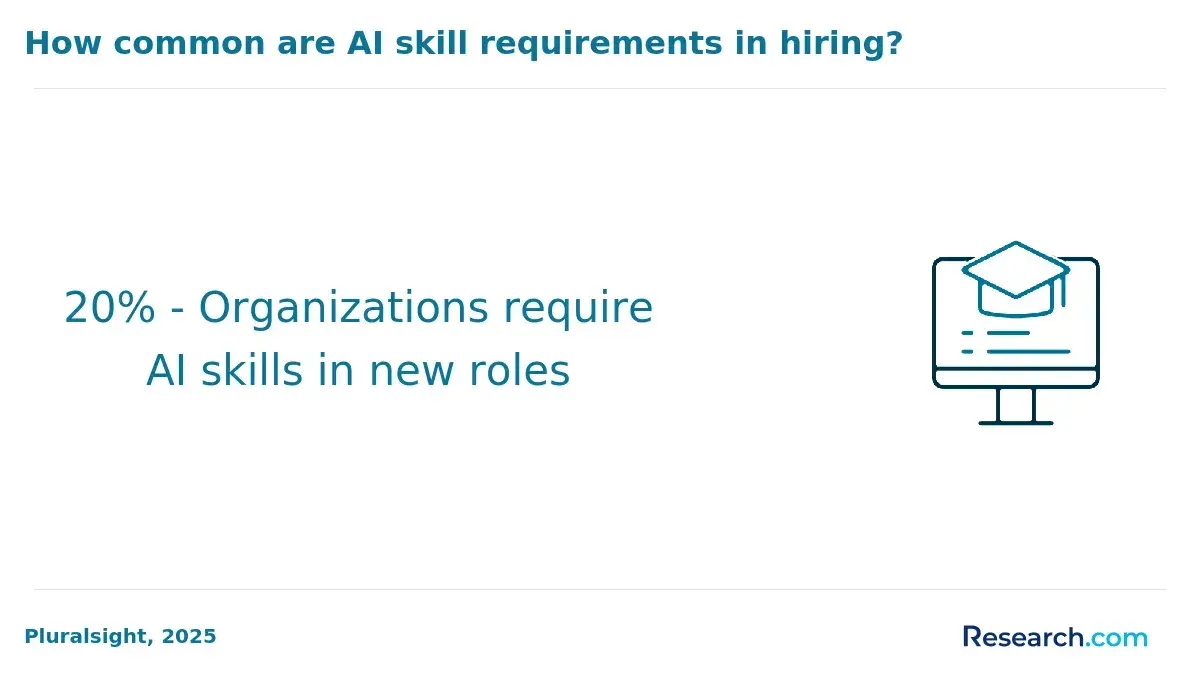
Which agentic AI course formats work best for busy managers?
Agentic AI training formats for busy managers work best when offering flexibility combined with role-specific, actionable content. Self-paced online modules featuring short, digestible lessons of 10 to 20 minutes allow steady progress without interrupting workflow. These lessons focus on directly applicable skills that hiring managers can immediately use.
Live virtual workshops remain important for addressing complex topics like integrating agentic AI tools in recruitment or ethical concerns. These sessions provide valuable real-time interaction but should be scheduled sparingly to limit disruptions. Microlearning through mobile apps or email nudges further supports retention by delivering brief, repeated reinforcement suitable for managers' limited time slots.
Blended course delivery methods for agentic AI hiring managers combine asynchronous learning with expert-led discussions. For example, short online lessons paired with monthly Q&A webinars enable managers to clarify questions specific to their organization's hiring challenges. This mixed approach translates theory into practical hiring outcomes more effectively.
McKinsey's genAI report highlights that firms using agentic AI achieve up to 30% faster time-to-hire and reduce recruitment costs by 20-25%. Thus, training that emphasizes speed, applicability, and ongoing support aligns well with these performance improvements.
Prospective learners interested in enhancing their skills may explore affordable programs like online masters in data science to build foundational knowledge complementing agentic AI expertise.
How do you choose a reputable agentic AI course?
Choosing the best agentic artificial intelligence courses for hiring managers involves evaluating several critical factors that impact career growth and skill development. Industry recognition is essential; courses accredited by reputable organizations or partnered with leading technology firms ensure relevant and rigorous content standards. Hiring managers benefit from prioritizing top reputable agentic AI training programs for recruitment professionals endorsed by major AI research institutions or global platforms to stay aligned with professional expectations.
Curriculum practical applicability is another key aspect. Effective programs feature hands-on projects, case studies, or simulations that reflect real-world autonomous AI system challenges, helping translate knowledge into actionable recruitment skills. Instructor expertise also matters; courses taught by AI professionals or featuring guest lectures from ethics experts or industry leaders add credibility and depth.
Success stories and learner outcomes provide measurable validation. Analysis by Coursera and Burning Glass highlights a 7-13% median salary increase within 12 months for graduates of recognized AI upskilling programs, often with ROI realized under a year. Flexible course formats with modular designs support busy hiring managers balancing work and study. Additionally, peer reviews and community support indicate ongoing course value, while checking job placement rates or employer satisfaction linked to graduates further guides selection.
For those interested in complementary fields, reviewing cybersecurity courses online can broaden expertise in technology-driven recruitment environments.
What prerequisites do agentic AI courses usually require?
Agentic AI courses demand a solid technical foundation, often requiring proficiency in programming languages such as Python or Java. This knowledge is crucial for working with AI frameworks and developing autonomous systems. A firm grasp of machine learning, data structures, and algorithms helps students understand how agents process and analyze information.
Courses tailored for hiring managers highlight practical skills in AI integration and ethical decision-making. Experience in business analytics, project management, or IT leadership can be beneficial. Advanced programs may include AI ethics, regulatory compliance, and human-machine interaction to prepare managers for overseeing agentic AI responsibly.
Interdisciplinary knowledge, like cognitive science or decision theory, is encouraged to deepen understanding of agent behavior. Executive-level offerings sometimes waive technical prerequisites, instead focusing on strategic deployment and workforce impact.
Employers increasingly favor programs co-developed with industry partners, valuing real-world applications. According to a Wiley survey, 62% of employers reported they prefer AI courses co-developed with industry over traditional academic programs when evaluating candidates. Such validation encourages prospective students to seek courses that include practical experience or project work demonstrating applied skills.
Requirements vary by course level and audience, but combining technical ability with strategic and ethical insight is essential for success in agentic AI education for hiring managers.
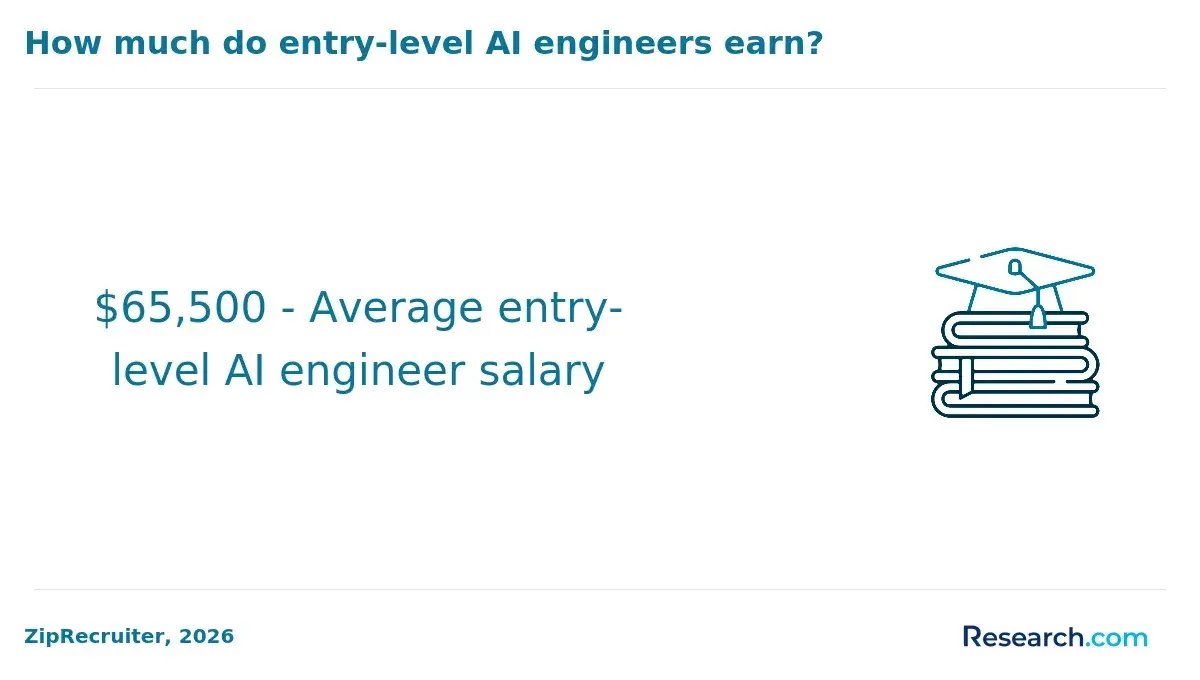
How long do agentic AI courses take to complete?
Agentic AI training for hiring managers varies widely in length and depth, typically ranging from a few hours to several weeks. Introductory courses for professionals new to agentic AI generally require 8 to 20 hours of study, often completed within 1 to 2 weeks. These programs emphasize foundational principles, practical hiring tactics, and the evolving role of agentic AI in transforming workforces.
More advanced certifications or internal academies at large companies may span 4 to 8 weeks. They usually offer project-based assignments, case studies, and assessments aimed at preparing HR teams to evaluate agentic AI capabilities effectively. For instance, some internal AI academies combine agentic AI modules with broader AI learning, demanding 30 to 40 hours of commitment.
Deloitte's 2024 Human Capital Trends report highlights that 58% of major enterprises now run internal AI or automation academies, but only 22% of HR leaders feel these adequately cover the latest genAI and agentic AI technologies. This gap underscores the importance of selecting courses emphasizing current advancements rather than relying solely on legacy internal programs.
The ideal course length depends on your background, job requirements, and hiring challenges. Shorter courses offer quick upskilling but may lack depth, while longer courses provide comprehensive preparation at the cost of greater time investment. Verify that course syllabi include skills such as assessing autonomous decision-making systems and understanding their ethical impacts.
How much do agentic AI courses cost?
Agentic ai courses for hiring managers vary significantly in price based on course complexity, provider, and format. Basic online offerings range from $50 to $200, providing introductory overviews suitable for newcomers. More specialized programs, often designed around recruitment strategies, AI tools, and ethical hiring practices, typically cost between $500 and $2,000. Intensive instructor-led boot camps and certifications through universities or industry bodies can exceed $3,000, reflecting professional accreditation and comprehensive training.
Pricing structures include pay-per-course, monthly subscriptions, and corporate licensing options. Subscription platforms charging $40 to $100 per month offer access to multiple agentic ai courses, supporting ongoing development aligned with evolving industry needs. Organizations aiming to upskill whole HR teams might negotiate bulk pricing or enterprise contracts to maximize cost-effectiveness and scalability.
Research shows targeted learning in agentic ai leads to measurable career benefits. Employees following tailored learning paths are 39% more likely to earn promotions or stretch roles within a year compared to taking ad-hoc courses. Hiring managers should prioritize courses that combine practical exercises, real-world hiring scenarios, and current ai ethics guidance, as less expensive courses may lack these elements.
Time commitment and post-course support can impact overall value beyond upfront costs, making it essential to evaluate course content and delivery thoroughly before investing.
Which certifications help hiring managers with agentic AI?
Certifications in agentic AI are critical for hiring managers aiming to enhance talent acquisition and strengthen internal teams with AI capabilities. Leading credentials like the Certified Artificial Intelligence Practitioner (CAIP) and the AI in HR Professional Certificate focus on how AI autonomously improves candidate sourcing, screening, and engagement.
These programs teach managers to implement AI systems that operate with autonomy yet align with organizational objectives. Key topics include programming unbiased agentic AI behaviors and using predictive analytics for effective workforce planning.
Research from IBM's Skills Transformation study highlights that AI reskilling boosts internal mobility by 20-25% and reduces dependence on external hires by about 10%. This validates the importance of certifications that equip hiring managers with practical, agentic AI skills.
Additional coursework often addresses ethical AI use, privacy compliance, and transparency, which are essential to mitigate biases and meet regulatory standards in automated hiring decisions.
Hiring managers should prioritize certifications combining AI technical knowledge with HR-specific applications, ensuring they can interpret AI-driven insights alongside human judgment. Available options range from university programs to industry-backed certifications offered by AI solution providers.
What jobs use agentic AI skills in hiring?
Agentic AI skills are increasingly vital for professionals involved in hiring and workforce management, enabling more autonomous, ethical decision-making processes. Recruiting specialists, talent acquisition managers, and human resources analysts use agentic AI to streamline candidate screening by applying predictive algorithms that reduce human bias and improve decision accuracy.
HR compliance officers and workforce planners leverage these tools to monitor hiring metrics closely and ensure adherence to labor laws and diversity standards. This automation supports regulatory compliance and equal employment opportunity mandates. Hiring managers benefit from understanding AI's operational logic, allowing them to evaluate AI-driven recommendations critically and intervene when needed.
Talent strategists and organizational development consultants use agentic AI to align recruitment with business objectives by forecasting skill shortages and designing reskilling programs. Meanwhile, leadership roles such as Chief Human Resources Officers (CHROs) and HR technology directors focus on AI governance, a crucial area where significant skill gaps exist. According to PwC's AI Jobs Barometer, 73% of executives are accelerating AI adoption faster than building responsible AI and compliance capabilities.
Key agentic AI skills for hiring professionals include:
- Recognizing and mitigating algorithmic bias
- Understanding ethical AI use
- Managing data privacy
- Applying compliance frameworks
Developing these competencies helps HR leaders balance technological advantages with legal and ethical responsibilities, ensuring agentic AI is used effectively and responsibly within talent acquisition and workforce planning.
What salary and job outlook do agentic AI roles have?
Agentic AI roles offer highly competitive salaries reflecting the specialized skills and increasing demand within the job market. In the U.S., average salaries for professionals involved in agentic AI development, deployment, and management range from $110,000 to $160,000 annually, with senior positions exceeding $180,000. These salaries align with expertise in programming autonomous systems, ethical AI management, and integrating AI into enterprise workflows.
Gartner's 2024 HR tech forecast predicts that by 2030, 80% of talent acquisition activities will be at least partially automated through AI agents. This transformation allows recruiters to spend over 60% of their time on relationship-building and strategic initiatives instead of administrative work. As a result, there is a growing need for experts who can design, maintain, and optimize these AI recruiting tools.
Agentic AI careers are expected to diversify with increasing adoption of AI-driven recruitment, performance management, and employee engagement solutions. Key skills for candidates include machine learning model governance, human-AI interaction design, and navigating compliance with emerging AI regulations. Those developing these competencies can anticipate strong career growth due to high demand and a limited talent supply.
Professionals combining technical agentic AI knowledge with strategic business insight are positioned to benefit from above-average salaries and promising employment prospects. Hiring managers focusing on these skills can enhance talent management workflows effectively.
Other Things You Should Know About Artificial Intelligence
In 2027, crucial ethical considerations in AI-driven hiring include ensuring fairness, transparency, and accountability. Courses for hiring managers emphasize understanding AI biases and implementing practices to mitigate them, ensuring that AI systems do not perpetuate or exacerbate discrimination. Maintaining candidate privacy and data security remain vital concerns.
Artificial intelligence is a tool to augment rather than replace human judgment in recruitment. While AI can efficiently analyze large data sets and identify patterns, final hiring decisions benefit from human insight into cultural fit, interpersonal skills, and nuanced candidate qualities. Combining AI with human oversight leads to better hiring outcomes.
Hiring managers encounter challenges such as integrating AI technologies with existing systems, ensuring data quality, and addressing skepticism among stakeholders. There is also the need for ongoing monitoring to detect and correct biased algorithms. Training managers to understand AI outputs is essential for effective adoption and trust in the technology.
References
- Understanding Agentic AI and the Growing Impact on Tech Jobs https://motionrecruitment.com/blog/understanding-agentic-ai-and-its-growing-impact-on-tech-jobs
- Introduction to Agentic AI https://cognitiveclass.ai/courses/introduction-to-agentic-ai
- Agentic AI Course with Advanced Training and Certification https://www.edureka.co/agentic-ai-training-course
- Cost Guide: Agentic AI Deployment – Pricing and Planning https://www.gravitee.io/blog/cost-guide-agentic-ai-deployment-pricing-and-planning
- AI Agents for HR: A Practical Guide to Agentic AI Across the Talent Lifecycle https://www.phenom.com/blog/ai-agents-for-hr-talent-lifecycle-guide
- How agentic AI is shaping the future of recruiting https://eightfold.ai/blog/li-agentic-ai-shaping-future-recruiting/
- How to Use Agentic AI for Employee Training and Education https://www.druidai.com/blog/how-to-use-agentic-ai-for-employee-training
- Agentic AI in Recruitment: Transforming Talent Discovery & Screening https://www.plugscale.com/agentic-ai-in-recruitment
- Agentic AI Careers India 2026: Skills, Salaries & Jobs - Edzor https://www.edzor.com/blogs/agentic-ai-careers-india-2026-skills-salaries-jobs
- Agentic AI Jobs in 2026: Skills, Careers & Industry Demand https://online.iitkgp.ac.in/blog/agentic-ai-jobs