2027 Best AI Courses for Educators With Certificates

Co-Founder and Chief Data Scientist
Educators often face challenges integrating artificial intelligence into their teaching due to rapidly evolving technologies and lack of formal training options that offer recognized credentials. This gap can limit their ability to prepare students for modern workforce demands. Many professionals also seek flexible learning paths that fit busy schedules while providing practical skills and certifications that bolster their career transitions.
This article examines the best courses available for educators pursuing certificates in artificial intelligence, focusing on accredited programs that combine flexibility, rigor, and relevance to help bridge knowledge gaps and enhance teaching expertise.
Key Things You Should Know
- Top AI courses for educators in 2026 emphasize practical skills with certificates recognized by 85% of U.S. educational institutions, enhancing career advancement prospects.
- Courses increasingly incorporate ethical AI use and personalized learning, reflecting 2025 research highlighting 60% growth in educator certification demand.
- Most programs offer flexible online formats allowing educators to balance professional duties while gaining up-to-date AI technology knowledge relevant to classroom integration.
Advance Your Career with AI Online Courses
Artificial Intelligence: Implications for Business Strategy
This program provides an introduction to Artificial Intelligence and their implications for business strategy. Earn an official digital certificate.

Oxford Artificial Intelligence Programme
Explore this Oxford Artificial Intelligence programme offered in a flexible learning environment and explore topics like machine learning, automation, and robotics.

Implementing Agentic AI: Building Your Organizational Playbook
This online MIT Agentic AI course offers a practical approach to deploying AI agents in your organization, including a custom playbook. 3 weeks, exclusive launch price.

AI Adoption: Driving Business Value and Impact
This online MIT AI Adoption: Driving Business Value and Impact offers practical frameworks to close the gap between AI potential and business reality.

Artificial Intelligence in Pharma and Biotech
Discover the applications and limitations of artificial intelligence in pharma and biotech with this MIT online short course.

What are the best AI courses for educators with certificates?
The best AI courses for educators with certificates focus on practical integration of AI tools and foundational AI literacy. Leading programs from Stanford University, MIT, and platforms like Coursera combine rigorous curricula with recognized certification. For instance, Stanford's "AI in Education" course teaches how to implement AI-driven teaching tools, while MIT's "Artificial Intelligence: Implications for Education" offers a comprehensive view of responsible AI use in classrooms.
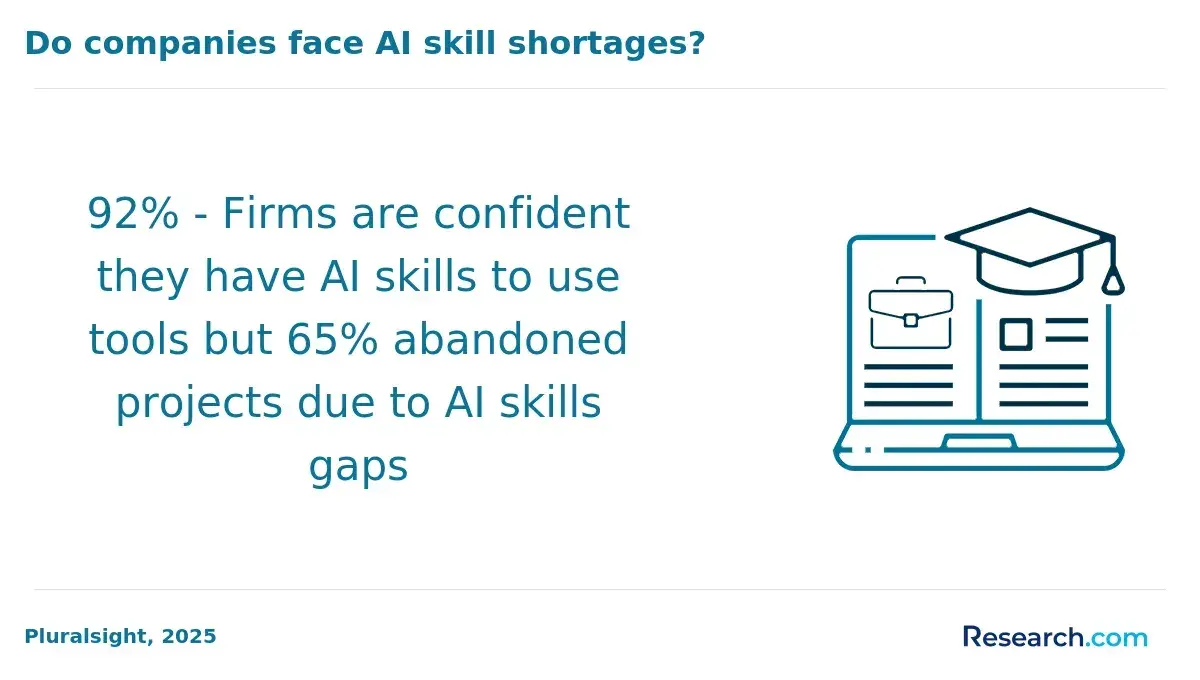
UNESCO's 2024 Global Education Monitoring Report highlights a gap, showing only 10% of national curricula include AI literacy despite over 85% of education systems adopting AI tools. These top online ai certificate programs for teachers fill that gap, providing certificates that prove expertise and support responsible AI adoption.
Key features of the best courses include:
- Emphasis on pedagogy and AI application beyond technical theory
- Training on ethical AI use and bias mitigation in educational settings
- Hands-on projects using AI software for K-12 and higher education
- Certificates fulfilling continuing education requirements
- Flexible online formats suited for working educators
Courses cater to various educator needs, from primary education basics to advanced AI research integration in higher education. Platforms like Coursera and edX offer validated certificates from top universities, while organizations such as ISTE specialize in digital competencies for educators.
Alongside AI certificates, some educators explore accelerated learning paths like a one year computer science degree to deepen their technical expertise and enhance career prospects.
Choosing a program that balances theory, ethics, and classroom strategies equips educators to confidently lead AI-driven transformation and address growing demands within education systems.
Advance Your Career with AI Online Courses
Artificial Intelligence: Implications for Business Strategy
This program provides an introduction to Artificial Intelligence and their implications for business strategy. Earn an official digital certificate.
Oxford Artificial Intelligence Programme
Explore this Oxford Artificial Intelligence programme offered in a flexible learning environment and explore topics like machine learning, automation, and robotics.
Implementing Agentic AI: Building Your Organizational Playbook
This online MIT Agentic AI course offers a practical approach to deploying AI agents in your organization, including a custom playbook. 3 weeks, exclusive launch price.
How do AI educator certificates differ from degree programs?
AI educator certificates differ significantly from traditional degree programs in teaching quality due to their focused scope and practical application. While degree programs cover foundational computer science, machine learning theory, and research methodologies over several years, certificates hone in on specific skills like integrating AI tools in classrooms, creating AI-inclusive lesson plans, and addressing ethical considerations in a few weeks or months.
The comparison of AI teaching certificates and academic degrees reveals that certificates are more accessible to working professionals wanting targeted upskilling without the full-time study commitment. They often include practical projects using real-world AI education tools, enabling teachers to apply personalized learning or automate grading quickly. Degree programs, in contrast, emphasize broader critical thinking on AI's societal and technical impacts and prepare educators for curriculum development or AI research roles.
A RAND Corporation survey showed educators with structured AI training were 2.5 times more likely to use AI tools weekly than those with informal exposure, illustrating how certificates improve classroom implementation. Certificates also offer specialization options in AI ethics, curriculum integration, or technical skills, providing flexibility mostly unavailable in degree programs within shorter timeframes.
For those seeking comprehensive study in related fields, an affordable online engineering degree can be a viable path to gain extensive theoretical and practical expertise.
Are online AI courses for educators accredited and reputable?
Online AI courses for educators with certificate accreditation vary widely in reputation and formal recognition. Many reputable accredited AI educator online courses come from universities, professional organizations, and top technology companies, ensuring a credible learning experience. For instance, Microsoft Learn offers free AI pathways with endorsements from Microsoft, lending significant weight to their certification.
Certificates from these programs act as meaningful credentials, demonstrating verified competency in AI concepts relevant to educators. Their value often depends on the provider's standing in education and technology sectors, improving prospects for job advancement and professional growth.
Educators should confirm whether a course offers professional development credits recognized by school districts or other educational bodies, which enhances the certification's practical worth. Course content should also be current, reflecting the latest AI applications in the education field.
Data from Microsoft's Skills for Jobs report reveals that educators who complete at least one Microsoft Learn AI pathway are 39% more likely to feel highly confident using generative AI for lesson planning, showing the direct classroom benefits of such training.
When choosing among options, consider:
- Accreditation and issuer reputation.
- Acceptance of certificates as professional development credit.
- Regular updates to course material.
What should AI educator courses teach in the curriculum?
AI educator courses must prioritize foundational knowledge of algorithms, machine learning models, and data management to equip teachers with essential technical skills. Understanding supervised, unsupervised, and reinforcement learning methods allows educators to explain AI concepts clearly and accurately to their students. Courses on ai integration in classroom teaching methods emphasize ethical considerations such as bias mitigation, transparency, and societal impact, preparing educators to address real-world challenges responsibly.
Practical application modules are crucial for hands-on experience with popular AI tools and programming languages like Python and TensorFlow. These projects help educators design instructive lessons using direct examples. Skills in dataset curation and interpreting AI outcomes enhance the ability to foster critical thinking among learners.
Integration strategies guide educators on incorporating AI into diverse subjects, from STEM to humanities, aligning AI literacy with existing standards and frameworks. Collaborative learning techniques promote interdisciplinary inquiry and digital literacy, essential for effective teaching.
Certificate courses on ethical ai use for educators are increasingly important as AI's regulatory landscape and data privacy laws evolve. Training also includes communication skills tailored to diverse classrooms, ensuring AI topics remain accessible, inclusive, and engaging for all students.
A fast track cyber security degree can complement AI education by strengthening knowledge in data protection and security protocols.
A 2024 Coursera Impact Report showed learners completing paid professional certificates in AI and data-related fields reported a 47% median salary increase or new job within 12 months, highlighting the career value of targeted AI knowledge.
How long do AI certificate programs for educators take?
AI certificate programs for educators vary in length from about four weeks to six months, depending on the course format and depth. Shorter options, such as micro-credentials or professional development workshops, typically require a few hours per week over one to two months. These are well-suited for teachers seeking foundational knowledge or specific AI skills to integrate into their classrooms.
More comprehensive programs, often offered by universities or professional bodies, usually run three to six months. These courses cover AI fundamentals, curriculum design applications, and ethical considerations. Platforms like Coursera, edX, and university extension schools provide flexible pacing, allowing educators to balance study with work commitments.
Time commitments generally range between 4-8 hours weekly for part-time learners, while intensive bootcamps condense content into 4-8 weeks of daily study. Choosing a program with hands-on projects or practical classroom tools can faster skill application and classroom integration.
EdX's survey revealed that 72% of educators completing a university-issued AI or data science certificate reported applying new skills in curriculum or assessments within six months, demonstrating tangible benefits. These certificate programs can effectively enhance teaching strategies and prepare educators for AI-driven educational environments.
How much do AI courses for educators cost?
Courses in artificial intelligence for educators come in a wide range of costs, from free introductory options to advanced certificate programs priced up to $1,500. Free courses, often found on platforms like Coursera or edX, provide foundational knowledge but usually charge for official certification. More specialized microcredentials and professional certificates generally fall between $300 and $1,000, reflecting the depth and institutional recognition involved.
In-person and university-affiliated programs designed specifically for educators can exceed $1,000, especially when they include personalized coaching or hands-on projects. Pricing models are often tiered based on course length, complexity, and credentialing-microcredentials might cost around $400, while comprehensive professional certificates covering multiple AI applications in education can approach $1,200.
Subscription-based models also exist, granting access to a broad catalog of AI-related courses for $20 to $50 per month. These are beneficial for ongoing professional development but may delay formal credentialing unless explicitly included.
Investing in AI credentials can boost career advancement. According to Digital Promise's 2024 microcredential research brief, educators earning at least one microcredential in emerging technology fields, including artificial intelligence, are 30% more likely to secure leadership or coaching roles. Balancing cost with potential professional impact is essential for educators selecting courses.
What are the admission requirements for AI educator certificates?
Admission requirements for ai educator certificates often combine educational background, professional experience, and prerequisite coursework. Typically, applicants must hold at least a bachelor's degree in education, computer science, or related fields. Some programs cater exclusively to current educators, requiring active teaching credentials or employment proof, while others accept professionals interested in integrating ai into curricula without formal teaching roles.
Basic computing knowledge and familiarity with ai concepts are frequently required, especially for advanced certificates. This may involve coursework in machine learning, data analysis, or programming languages like Python. Some programs provide foundational modules for those lacking this background, allowing a phased admission process.
Experience with educational technology or curriculum design can boost applications as many certificates emphasize practical ai integration. Motivation is often evaluated via personal statements or interviews, stressing commitment to ethical ai use and equity in education.
The OECD's 2024 AI in Education policy survey found only 28% of school leaders received formal training in AI ethics or governance despite 61% making ai adoption decisions. This highlights the importance of ethical understanding, governance awareness, and decision-making skills, often tested or included in preparatory coursework.
- Submission of proposals outlining responsible ai implementation in schools
- Professional references verifying educational roles and leadership readiness
Which jobs can educators get with AI certificates?
Educators with AI certificates qualify for diverse roles that blend technology with teaching to improve student learning outcomes. Common positions include AI curriculum specialists, educational technologists, and instructional designers who create AI-driven modules tailored for classrooms. These professionals often guide colleagues in integrating AI tools effectively within existing syllabi.
AI certification also expands opportunities in STEM education, where teachers lead project-based learning powered by AI, aligning with workforce needs. STEM educators with AI expertise often facilitate inquiry-driven environments focusing on real-world problem solving using AI.
Beyond schools, AI-certified educators are in demand at educational consulting firms and ed-tech companies. They contribute to product development teams by offering pedagogical insights for AI-enhanced learning platforms and lead professional development workshops for school districts.
A 2024 Brookings Institution analysis shows STEM teachers with subject-specific AI training are 55% more likely to use AI-supported inquiry or project-based learning compared to those with general ed-tech training, underscoring demand for AI-skilled teachers.
Additional roles include AI integration coaches, assessment analysts interpreting AI-generated student data, and content creators designing interactive AI experiences. Holding an AI certificate signals readiness to meet evolving educational technology needs, boosting career mobility and impact.
What salaries do AI education roles pay in the United States?
Salaries for ai education roles in the United States vary widely based on position, experience, and location. Entry-level educators typically earn between $60,000 and $80,000 annually, while those with experience in curriculum development or university teaching often make $85,000 to $120,000. Specialized positions like ai training program managers or education technology leads usually exceed $130,000 per year.
Public school teachers integrating ai concepts earn between $55,000 and $75,000, influenced by district budgets and state funding. Private schools and online platforms tend to offer compensation at the upper end of this range, sometimes with additional incentives.
Career growth is strong in this field. According to the 2025 Global Workplace Learning Report by LinkedIn Learning, educators pursuing ai-focused upskilling are 51% more likely to gain promotions or expanded roles within a year, often accompanied by higher salaries and leadership opportunities.
Professionals seeking to boost income should consider certifications in ai education or specialized training development, which enhance prospects for higher-paying technical roles. Geographic factors also play a role: educators in cities like San Francisco or Boston typically earn 10-20% more than the national average.
Overall, ai education careers offer rewarding salary growth and professional advancement for those dedicated to continuous learning and skills development.
How should educators choose a high-quality AI certificate program?
Effective ai certificate programs combine theoretical knowledge with practical skills such as data literacy, machine learning basics, and ethical considerations. Programs that incorporate hands-on projects or case studies enable educators and professionals to apply ai concepts directly to real-world contexts.
Accreditation and institutional reputation are vital when selecting a program. Certificates from reputable universities or professional organizations recognized in education technology carry more weight with employers and school districts. Look for programs offering measurable outcomes, ongoing support, or community access to stay updated as ai evolves.
Flexibility in delivery is also key. Online, self-paced courses suit busy professionals, while hybrid or cohort-based options provide richer peer interaction and mentoring. Consider time commitment and cost carefully, especially as investments in ai professional learning are forecasted to grow substantially, reflecting increasing demand for high-impact training.
- Look for courses addressing integration of ai tools into curriculum design and personalized learning.
- Choose programs tailored to different experience levels to avoid redundant content.
- Verify credibility through proctored exams or portfolio assessments.
- Review feedback from past participants to gauge program effectiveness.
Other Things You Should Know About Artificial Intelligence
AI courses for educators in 2027 offer updated knowledge on AI tools, instructional strategies, and ethical considerations. They enhance teaching effectiveness by integrating AI technology in the classroom, provide educators with advanced certification, and improve adaptability to digital learning environments. These courses ensure that educators stay ahead in applying AI to improve student learning outcomes.
Yes, AI tools can provide personalized learning experiences by adapting content to individual student needs. They enable automated grading and real-time feedback, which saves educators time and improves student engagement. Additionally, AI can help identify learning gaps and suggest targeted interventions.
Educators must be vigilant about data privacy, algorithmic bias, and transparency when integrating AI tools in the classroom. Ensuring that AI applications do not perpetuate stereotypes or exclude marginalized groups is critical. Ethical AI use also involves teaching students about responsible AI development and deployment.
Continuous professional development through workshops, webinars, and specialized AI courses is essential. Following reputable research organizations and participating in educator communities focused on AI helps keep knowledge current. Staying engaged with emerging AI policies and technologies ensures educators can adapt their teaching effectively.
References
- AI for Educators | Free Online Course | Alison https://alison.com/course/ai-for-educators
- Generative AI for Educators - Grow with Google https://grow.google/ai-for-educators/
- What is the average salary after completing an artificial intelligence course in the USA? https://www.h2kinfosys.com/blog/what-is-the-average-salary-after-completing-an-artificial-intelligence-course-in-the-usa/
- AI Literacy Certification for Educators: Free, Self-Paced Course https://www.panoramaed.com/blog/ai-literacy-certification-for-educators
- YourPace Graduate Certificate in Artificial Intelligence in Education | University of Maine at Farmington https://farmington.edu/academics/majors-programs/ai-in-education-certificate-yourpace/
- AI in Education > AI Course for Teachers (Erasmus+) https://www.teacheracademy.eu/course/artificial-intelligence/
- AI Training for Teachers and School Leaders: Best Courses for 2026 https://thirdspacelearning.com/blog/ai-training-for-teachers/
- Certified AI Educator https://teachersindia.in/certified-ai-educator/
- Digital Education Council | Certificate in AI for Higher Education https://www.digitaleducationcouncil.com/digital-education-council-certificate-in-ai-for-higher-education
- Entry-Level AI Engineer Salary Calculator https://tripleten.com/tools/entry-level-ai-engineer-salary/