2027 Best AI Governance Courses for CIOs

Co-Founder and Chief Data Scientist
Chief information officers face increasing pressure to ensure ethical, transparent use of artificial intelligence within their organizations. Risks like biased algorithms, regulatory noncompliance, and damage to brand reputation create urgent challenges. Many CIOs lack structured guidance on managing these risks while fostering innovation. Identifying credible, flexible courses that provide actionable governance strategies is critical for career advancement and successful AI integration.
This article highlights top AI governance courses designed for CIOs seeking to lead responsible AI initiatives. It aims to equip readers with insights to select programs that balance technical knowledge and ethical leadership in a rapidly evolving field.
Key Things You Should Know
- By 2026, 68% of CIOs prioritize AI governance education to mitigate ethical risks and ensure regulatory compliance in rapidly evolving AI environments.
- Leading courses emphasize data privacy, algorithmic accountability, and strategic decision-making, aligning with updated guidelines from the U.S. National Institute of Standards and Technology (NIST) 2025 framework.
- Investing in AI governance training correlates with a 25% increase in successful AI project deployments and reduced compliance penalties across Fortune 500 companies.
Advance Your Career with AI Online Courses
Artificial Intelligence: Implications for Business Strategy
This program provides an introduction to Artificial Intelligence and their implications for business strategy. Earn an official digital certificate.

Oxford Artificial Intelligence Programme
Explore this Oxford Artificial Intelligence programme offered in a flexible learning environment and explore topics like machine learning, automation, and robotics.

Implementing Agentic AI: Building Your Organizational Playbook
This online MIT Agentic AI course offers a practical approach to deploying AI agents in your organization, including a custom playbook. 3 weeks, exclusive launch price.

AI Adoption: Driving Business Value and Impact
This online MIT AI Adoption: Driving Business Value and Impact offers practical frameworks to close the gap between AI potential and business reality.

Artificial Intelligence in Pharma and Biotech
Discover the applications and limitations of artificial intelligence in pharma and biotech with this MIT online short course.

What are AI governance courses for CIOs?
AI governance courses for CIOs equip Chief Information Officers with the expertise to responsibly implement and manage artificial intelligence within organizations. These enterprise AI governance certification courses emphasize frameworks addressing ethical AI deployment, risk management, and compliance with evolving regulations, while aligning AI initiatives with business goals. Key challenges covered include bias mitigation, data privacy, transparency, and accountability.
Designed for leadership roles, these training programs blend technical knowledge with strategic oversight. CIOs learn to interpret AI audit results, develop ethics policies, and manage AI projects through complex environments. Such ai governance training programs for CIOs prepare leaders to guide teams in building AI solutions that satisfy both innovation and regulatory demands.
According to NASCIO's 2026 Priority Technologies ranking, AI remains the top technology focus for U.S. state CIOs for a second year, highlighting a pressing need for governance skills to protect organizational value and ensure compliance.
Practical learning outcomes include:
- Implementing AI governance frameworks respecting ethical, legal, and social considerations.
- Integrating AI oversight within enterprise risk management.
- Leading cross-functional teams to align AI projects with organizational objectives.
- Ensuring transparency and explainability in AI decision-making.
For professionals considering pathways into AI-related roles, pursuing a 2 year bachelor degree computer science can serve as a strong foundational step.
Advance Your Career with AI Online Courses
Artificial Intelligence: Implications for Business Strategy
This program provides an introduction to Artificial Intelligence and their implications for business strategy. Earn an official digital certificate.
Oxford Artificial Intelligence Programme
Explore this Oxford Artificial Intelligence programme offered in a flexible learning environment and explore topics like machine learning, automation, and robotics.
Implementing Agentic AI: Building Your Organizational Playbook
This online MIT Agentic AI course offers a practical approach to deploying AI agents in your organization, including a custom playbook. 3 weeks, exclusive launch price.
What should CIOs look for in accredited AI governance programs?
CIOs seeking accredited AI governance certification standards for CIOs should focus on programs that comprehensively cover risk management, compliance, and ethical frameworks. Effective training addresses data privacy and bias mitigation, helping leaders implement controls aligned with regulatory requirements. Practical case studies and scenario-based learning translate theory into strategies for anticipating operational challenges.
Cross-functional skills are essential in comprehensive accredited AI governance training programs. Successful AI governance depends on collaboration among IT, legal, and business units. Programs highlighting communication skills and adaptable governance frameworks, along with stakeholder engagement and governing body roles, enhance CIOs' effectiveness.
Metrics and performance measurement are crucial to quantify AI governance impact. According to Gartner's CIO Agenda 2026 briefing, enterprises with formal AI governance frameworks reduce AI-related incidents and compliance issues by up to 50%. Measuring these results supports a strong business case for investment.
Technical governance topics like AI model validation, explainability, and audit trails prepare CIOs for regulatory audits and risk reduction. Practical experience with AI lifecycle management tools is particularly valuable.
For professionals seeking education pathways, exploring options such as the cheapest engineering degree programs can provide foundational knowledge helpful in AI governance roles.
Which online and campus options suit CIOs best?
For CIOs seeking formal AI governance education, options include both online AI governance courses for CIOs and campus-based programs that cater to different professional needs. Online courses offer flexibility essential for busy executives, featuring asynchronous lectures, case discussions, and virtual seminars on compliance, ethics, and risk management. Campus-based artificial intelligence governance programs for chief information officers provide immersive experiences with direct faculty access and peer networking, often including hands-on workshops.
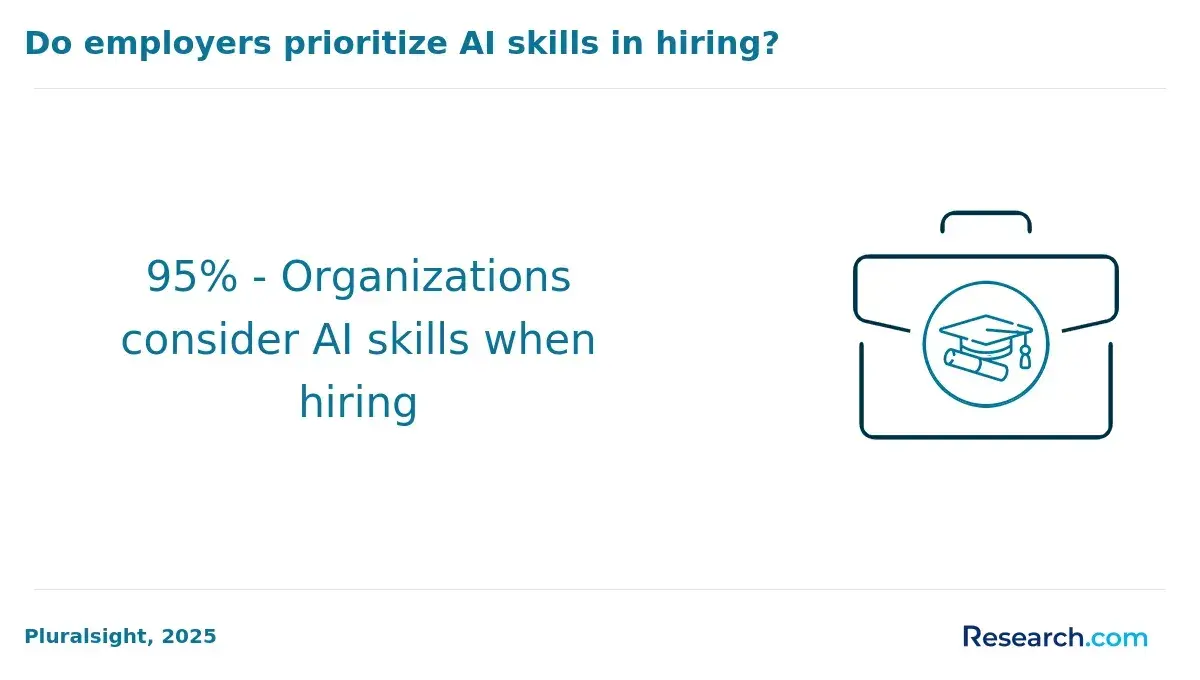
Many schools offer hybrid models, blending online convenience with in-person sessions to balance engagement and flexibility. The demand for AI and machine learning certifications has grown sharply, from 17% in 2022 to 35% in 2024, highlighting the importance of up-to-date, industry-relevant curricula. CIOs should prioritize courses covering regulatory frameworks, algorithmic accountability, and organizational impacts.
Effective programs typically include:
- Case studies on AI ethics and governance frameworks
- Guidance on aligning AI strategy with compliance mandates
- Collaboration tools for ongoing peer and expert consultation
- Modular learning paths for varied experience levels
Professional certificates from reputable business schools emphasize digital risk and governance, while intensive bootcamps simulate AI policy challenges. Those researching educational paths might also consider exploring cybersecurity programs, which often complement AI governance knowledge.
What topics are covered in AI governance coursework?
AI governance risk management frameworks are essential for CIOs to handle the complex challenges of deploying AI responsibly. Coursework typically addresses ethical considerations in AI governance training, emphasizing fairness, transparency, accountability, and bias mitigation to prevent harm and uphold trust.
Regulatory compliance is a major focus, covering global AI laws and sector-specific rules such as the EU AI Act and the U.S. Algorithmic Accountability Act. These frameworks prioritize risk management and audit trails as foundational elements to meet evolving legal demands.
Risk management modules teach proactive strategies for identifying potential vulnerabilities in AI systems, from safety and privacy concerns to operational issues. Training also includes incident response planning and continuous monitoring to maintain system resilience.
Data governance and quality control feature prominently, with lessons on data stewardship, lineage, and lifecycle management to ensure unbiased, reliable inputs. Courses also explore AI explainability and interpretability tools, helping CIOs justify AI-driven decisions to stakeholders and regulators.
According to the ITU Academy, over 60 countries have introduced or updated AI-related regulations, increasing compliance requirements for organizations without structured governance. This trend highlights why advanced understanding of AI governance remains crucial.
Professionals seeking insights into AI career pathways can explore opportunities such as AI trainer jobs, which combine technical expertise with leadership in ethical AI deployment.
What admission requirements apply to CIO-level learners?
CIO-level candidates aiming to enroll in AI governance courses typically need senior leadership experience, such as serving as a Chief Information Officer, Chief Technology Officer, or equivalent roles. Practical expertise in technology investment management or digital transformation leadership is often required. Many programs set a minimum leadership tenure of five to ten years to ensure participants can effectively relate AI governance principles to complex organizational challenges.
Applications generally include a resume and a statement of purpose detailing the applicant's AI upskilling goals and how they intend to leverage this knowledge in governance contexts. Recommendations from senior executives or board members may also be requested to confirm leadership capabilities and strategic impact.
Prerequisite knowledge often covers areas like data security, compliance, and ethical AI use. Some courses provide preparatory materials or assessments to equalize foundational understanding across learners.
Costs for executive AI programs range widely, from about US$2,000 to over US$10,000 per participant, according to the Emeritus C-Suite AI programs survey. More than 70% of executives anticipate a positive return on investment within 12 to 18 months, highlighting the value of these courses for CIOs seeking measurable impact.
How long do AI governance courses take to complete?
AI governance courses for CIOs vary widely in duration, from a few hours to several months, depending on their scope and delivery. Executive-level short courses typically span 4 to 12 hours, offering strategic insights tailored for professionals with limited time. In contrast, more comprehensive certifications and university-affiliated programs last between 4 to 12 weeks, combining live instruction, case studies, and assessments to deepen knowledge in AI policy, ethics, and risk management.
Flexible pacing options are common, allowing busy executives to complete programs within 1 to 3 months. For instance, a 6-week modular format with weekly sessions blends synchronous and asynchronous learning effectively. Alternatively, immersive bootcamps and multi-day workshops condense essential content into 2 to 5 days, requiring significant focused time but delivering intensive training.
CIOs should evaluate course length relative to their goals and availability. Short courses are ideal for updating governance frameworks and compliance, while longer programs cultivate advanced skills in AI strategy integration and stakeholder management. A market review by Iternal AI reports a rapid expansion in AI governance education, with offerings for senior leaders tripling between 2022 and 2025.
How much do AI governance courses for CIOs cost?
AI governance courses for CIOs vary significantly in cost depending on their provider, format, and credential level. Entry-level online options typically start near $500, making them accessible for professionals gaining foundational knowledge. More comprehensive certificate programs or university-backed trainings range between $1,500 and $5,000, while executive-level workshops tailored for senior leaders often exceed $7,000.
Pricing models also depend on course format: self-paced classes usually cost less than live instructor-led sessions, which offer more interaction and networking. Subscription platforms charging $100 to $300 monthly can provide economical access to multiple AI governance courses.
Many CIOs pursuing recognized AI certifications face higher costs but gain career advantages. Studies by CIO.com show certified technology leaders see salary increases averaging 10-20% compared to non-certified peers, highlighting the value of accredited credentials.
Key topics to look for include AI ethics, risk management, compliance, and governance strategy-areas essential for executive responsibilities. Additionally, corporate-sponsored training or tuition reimbursement may lower out-of-pocket expenses.
- Costs range from $500 to $7,000 depending on course depth and format
- Self-paced courses are generally more affordable than live sessions
- Certified CIOs report salary bumps of 10-20%
- Focus on curriculum addressing ethics, risk, and compliance
Investing in AI governance education offers CIOs enhanced expertise and improved market value.
Which certifications support AI governance roles for CIOs?
Certifications crucial for CIOs involved in artificial intelligence governance target key areas such as compliance, ethics, risk management, and regulatory alignment. Distinguished credentials include the Certified Artificial Intelligence Governance Professional (CAIGP) and Certified AI Risk and Assurance Leader (CAIRAL).
These programs cover ethical AI deployment frameworks, risk assessment, and accountability mechanisms vital for executive decision-making. While CAIGP focuses on governance aligned with organizational strategy, CAIRAL emphasizes AI-specific risk mitigation.
Additional important certifications like the Certified Information Privacy Professional (CIPP) incorporate AI governance modules to ensure privacy law compliance within AI systems. CIOs operating in regulated industries benefit from credentials like the AI Ethics and Compliance Certificate, which offers practical tools for navigating sector-specific regulations in areas such as financial services, healthcare, and public administration.
According to recent ITU data, sectors with the most stringent AI governance requirements include finance, healthcare, and public services. These fields demonstrate strong demand for specialized AI governance training, reflecting the complexity of regulatory and reporting obligations CIOs face.
Broader management certifications, such as those offered by the Project Management Institute with AI specialties, add governance perspectives that help CIOs oversee AI initiatives while maintaining compliance. Choosing certifications that blend technical expertise with ethical and regulatory knowledge empowers CIOs to implement robust AI governance frameworks and respond effectively to industry pressures.
What jobs use AI governance training for CIOs?
Training in AI governance is critical for leaders responsible for integrating artificial intelligence ethically and effectively within organizations. Chief Information Officers remain key participants due to their role in aligning IT strategies with business objectives and ensuring regulatory compliance.
Growth in demand for this knowledge now also targets Chief AI Officers, a role expanding rapidly as organizations seek specialized AI leadership. According to the Udemy Certified Chief AI Officer Program overview 2025, thousands of executives pursue focused governance and strategy tracks to prepare for these positions.
Other executives who benefit significantly from AI governance training include:
- Chief Technology Officers (CTOs), who oversee ethical and secure AI infrastructure integration.
- Chief Data Officers (CDOs), managing data ethics, privacy, and compliance essential for trusted AI systems.
- Risk Officers and Compliance Managers, responsible for monitoring AI risks such as bias, transparency, and legal issues.
- Product Managers and AI Program Leads, charged with launching AI products that adhere to governance and ethical standards.
These roles face challenges like conducting fairness audits and addressing algorithmic bias amid evolving AI regulations. Effective training offers practical case studies on policy development, risk mitigation, and stakeholder engagement to enhance organizational AI governance frameworks.
What salary and job outlook apply to AI governance roles?
AI governance roles are increasingly vital as organizations prioritize responsible management of AI systems. Salaries in this field range from $120,000 to $180,000 annually for typical positions in the United States, with senior AI governance specialists and CIOs earning over $200,000. Compensation varies by factors such as organization size, industry sector, and location.
Demand for AI governance expertise is expected to grow sharply through 2028. According to the 2026 CIO guide on AI innovation and data governance, CIOs in data-focused enterprises will treat AI governance as a core skill alongside cybersecurity and cloud strategy. Governance leaders will be essential for ethical AI use, regulatory compliance, and risk reduction in business operations.
Key skills to boost career prospects include:
- Implementing AI risk frameworks
- Managing cross-functional AI ethics committees
- Aligning governance with enterprise data policies
- Expertise in AI-related regulations like GDPR and the Algorithmic Accountability Act
Roles vary from AI governance officers to chief AI ethics officers, each influencing salary and responsibilities. Integrating AI governance with IT governance, focusing on transparency, bias mitigation, and data privacy, offers expanding career opportunities. Professionals enhancing their skills through targeted AI governance courses will benefit from stronger employability and salary growth.
Other Things You Should Know About Artificial Intelligence
Ethical considerations within AI governance include preventing bias, ensuring fairness, maintaining transparency, and protecting user autonomy. Effective governance frameworks address these issues by setting standards for ethical AI development and deployment, promoting responsible use, and mitigating harms that may arise from automated decision-making.
CIOs can stay current by engaging with industry forums, attending conferences, subscribing to AI governance journals, and participating in professional development courses. Following updates from regulatory bodies and standards organizations also helps CIOs align their strategies with evolving compliance and ethical standards.
Key challenges include managing the complexity of AI systems, balancing innovation with risk mitigation, and ensuring cross-functional collaboration between legal, technical, and business teams. Additionally, rapidly evolving technology and regulatory environments make it difficult to develop static governance policies that remain effective over time.
References
- What Does AI Governance Cost? Budgets by Org Size https://governance.aicareer.pro/blog/the-costs-of-ai-governance
- AI Governance Career: Important Roles, Skills & Salary Trends (2025) - Tech Jacks Solutions https://techjacksolutions.com/ai-governance-career-roles-skills-salary/
- An AI governance certification will boost your career | The Corporate Governance Institute https://www.thecorporategovernanceinstitute.com/insights/guides/an-ai-governance-certification-will-boost-your-career/
- Salary and Jobs Report 2025-26: Privacy, AI Governance and Digital Responsibility | IAPP https://iapp.org/resources/article/salary-survey-summary
- Online vs. On-Campus: Which Mode of Learning Is Best for You? https://www.onlinemastersdegrees.org/student-resources/which-mode-of-learning-is-best/
- CIOs look to sharpen AI governance despite uncertainties https://www.cio.com/article/3595801/cios-look-to-sharpen-ai-governance-despite-uncertainties.html
- Entry Requirements – Forward College https://forward-college.eu/entry-requirements/
- EU AI Act Readiness Checklist for CIOs and CISOs | Intelance https://www.intelance.co.uk/eu-ai-act-readiness-checklist/
- Online Community College https://campus.edu/online-community-college
- AI Governance Mastery Series https://cgi.org.uk/qualifications-training/training-courses/ai-governance-mastery-series/