2027 Best LinkedIn Learning AI Courses With Certificates

Co-Founder and Chief Data Scientist
Many professionals with unrelated undergraduate degrees face challenges breaking into the AI field due to rapidly evolving skills requirements and the need for credible certification. Traditional education paths often demand extensive time and financial commitments, creating barriers for career changers seeking flexibility. Without structured guidance, selecting quality courses that truly enhance employability remains confusing.
This article presents a curated list of top LinkedIn Learning AI courses offering certificates, focusing on practical, accessible learning. It aims to help readers identify programs that build relevant expertise efficiently while boosting credentials for a successful transition into the AI industry.
Key Things You Should Know
- LinkedIn Learning's 2026 AI courses offer industry-relevant skills with certificates that boost employability, reflecting a 35% rise in AI job postings in the U.S. since 2024.
- Courses cover practical topics like machine learning, data ethics, and AI integration, suited for diverse learners including professionals and recent graduates pursuing AI careers.
- Certified AI trainings on LinkedIn Learning align with current market demands, addressing talent gaps highlighted by 2025 workforce reports forecasting 1.2 million new AI roles.
Advance Your Career with AI Online Courses
Artificial Intelligence: Implications for Business Strategy
This program provides an introduction to Artificial Intelligence and their implications for business strategy. Earn an official digital certificate.

Oxford Artificial Intelligence Programme
Explore this Oxford Artificial Intelligence programme offered in a flexible learning environment and explore topics like machine learning, automation, and robotics.

Implementing Agentic AI: Building Your Organizational Playbook
This online MIT Agentic AI course offers a practical approach to deploying AI agents in your organization, including a custom playbook. 3 weeks, exclusive launch price.

AI Adoption: Driving Business Value and Impact
This online MIT AI Adoption: Driving Business Value and Impact offers practical frameworks to close the gap between AI potential and business reality.

Artificial Intelligence in Pharma and Biotech
Discover the applications and limitations of artificial intelligence in pharma and biotech with this MIT online short course.

What are the best LinkedIn Learning AI courses with certificates for beginners and career switchers?
The best LinkedIn Learning courses for artificial intelligence beginners provide a solid foundation without requiring prior coding experience. For example, "Artificial Intelligence Foundations: Machine Learning" covers core concepts with clear explanations and practical applications. This course is especially useful for those transitioning from non-technical roles. Another valuable option is "Artificial Intelligence for Business Leaders," which presents AI strategically for professionals targeting managerial or executive positions, focusing on industry transformation without deep technical details.
Career switchers aiming to build hands-on coding skills should consider "Python for Data Science Essential Training," which develops programming abilities alongside AI applications in data analysis. Additionally, courses like "Deep Learning: Face Recognition" offer practical examples to help learners understand neural networks through applied learning.
LinkedIn Learning's certification boosts credibility and validates proficiency, which is crucial as professionals with AI skills on their LinkedIn profiles experience a 33% higher recruiter contact rate. Those interested in enhancing their qualifications might explore an accelerated computer science degree online to complement these courses and further career opportunities.
Overall, selecting top LinkedIn Learning AI certification courses for career switchers that balance theory and practical skills helps learners meet employer expectations and accelerate their career transitions effectively.
Advance Your Career with AI Online Courses
Artificial Intelligence: Implications for Business Strategy
This program provides an introduction to Artificial Intelligence and their implications for business strategy. Earn an official digital certificate.
Oxford Artificial Intelligence Programme
Explore this Oxford Artificial Intelligence programme offered in a flexible learning environment and explore topics like machine learning, automation, and robotics.
Implementing Agentic AI: Building Your Organizational Playbook
This online MIT Agentic AI course offers a practical approach to deploying AI agents in your organization, including a custom playbook. 3 weeks, exclusive launch price.
How do LinkedIn Learning AI certificates compare to college AI degrees and bootcamps?
LinkedIn Learning AI certificates offer a practical and flexible alternative to traditional college degrees and bootcamps. Unlike college degrees, which often take four years and emphasize theoretical knowledge, LinkedIn Learning focuses on targeted skill acquisition through shorter courses that often include hands-on AI projects. This project-based approach has led to a 24% higher completion rate than purely lecture-based tech courses, making it ideal for building portfolios demonstrating immediate job readiness.
Bootcamps typically sit between degrees and LinkedIn Learning in time and intensity, lasting weeks or months with immersive, cohort-based instruction. While bootcamps can be expensive and less flexible, LinkedIn Learning's self-paced format allows professionals balancing work or other commitments to gradually enhance their skills without large upfront costs. This makes it an appealing choice when comparing bootcamp certificates and LinkedIn Learning AI credentials.
For early-career professionals or those changing fields, LinkedIn Learning certificates accelerate entry into AI roles by teaching specific tools such as Python, TensorFlow, or natural language processing. For example, a certified project creating a chatbot or predictive model may impress employers more than a generic degree. However, these certificates lack the academic rigor of college degrees, which remain valuable for advanced AI research or specialized fields like computer vision and reinforcement learning.
Combining LinkedIn Learning certificates with bootcamp experience or academic credentials can maximize practical and theoretical expertise. Those interested might also explore the cheapest online master's in artificial intelligence for more comprehensive study options.
Which LinkedIn Learning AI courses best align with in-demand AI and machine learning jobs?
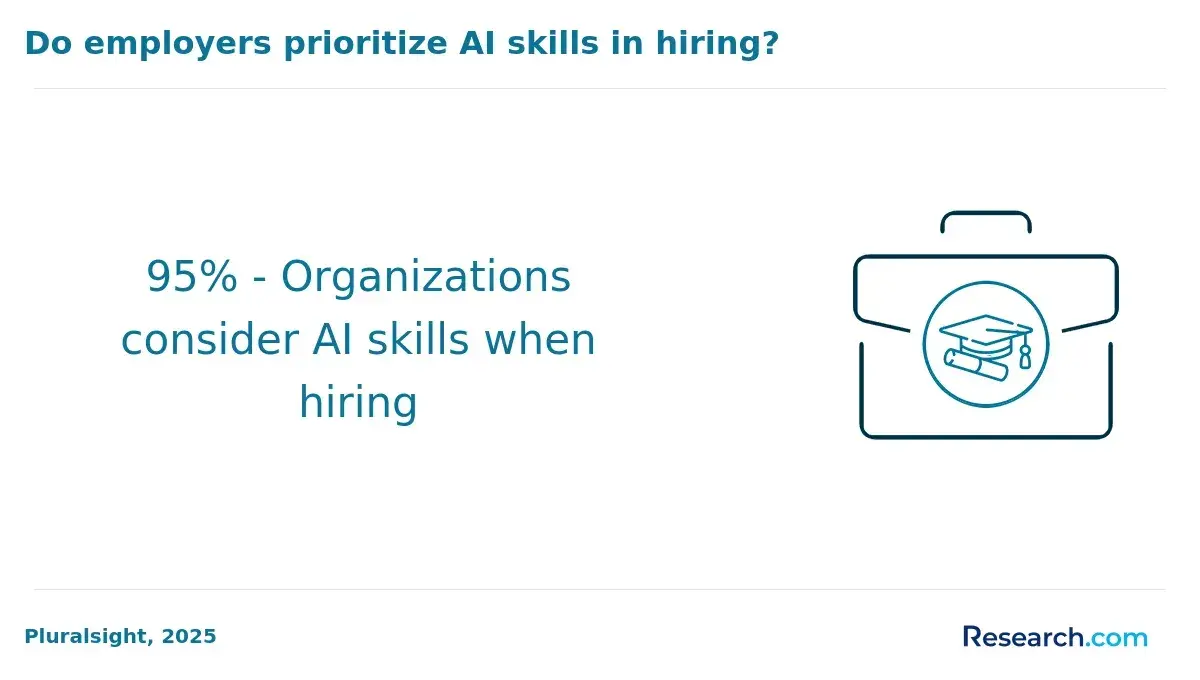
LinkedIn Learning AI courses for top machine learning careers emphasize practical skills in machine learning, deep learning, data science, and generative AI to meet employer demands. These programs prepare learners for roles including machine learning engineer, AI data analyst, and AI product manager. The best LinkedIn Learning certificates for AI and machine learning jobs equip students with foundational algorithms and modern techniques like natural language processing, computer vision, and reinforcement learning.
Key courses include:
- "Machine Learning and AI Foundations: Recommendations" for mastering e-commerce and content platform recommendation systems.
- "Deep Learning: Face Recognition" focusing on neural networks and computer vision, relevant for biometric security roles.
- "Generative AI Foundations" addressing expertise in GPT models and diffusion techniques, essential for content creation and AI research careers.
Enrollments in generative AI courses surged over 160% year-over-year, highlighting industry demand for advanced AI skills. LinkedIn Learning's hands-on projects and real-world cases foster practical job readiness across sectors like technology, healthcare, finance, and marketing. For those interested in combining AI skills with creative industries, exploring game design online can complement AI expertise with interactive media development capabilities.
What AI fundamentals and tools do top LinkedIn Learning AI courses typically cover?
Top LinkedIn Learning AI courses cover core concepts and practical applications crucial for developing effective AI solutions. These programs include foundational topics such as machine learning algorithms, neural networks, and natural language processing. Students learn about supervised and unsupervised learning, classification, regression, and clustering techniques, using essential tools and technologies covered in top LinkedIn Learning AI courses like Python, TensorFlow, and PyTorch to build hands-on experience.
Key topics also extend to data preprocessing, feature engineering, model evaluation metrics, and the ethical concerns surrounding AI deployment. Hands-on projects using real-world datasets prepare learners to apply their skills in areas such as chatbots, recommendation systems, and image recognition. Many courses incorporate cloud platforms like AWS and Azure to teach AI model deployment, reflecting current industry trends.
The demand for beginner-friendly AI fundamentals courses remains strong, with over 9 million global enrollments between 2022 and 2024, according to Class Central MOOCWatch. For professionals seeking growth, these courses address challenges like data imbalance, algorithm bias, and scalability to ensure robust AI applications across healthcare, finance, and marketing sectors.
For U.S. veterans considering career transitions, programs like a veteran friendly online cybersecurity degree may complement AI skills, broadening job opportunities in technology fields.
How long do popular LinkedIn Learning AI certificate paths take and how much do they cost?
LinkedIn Learning AI certificate paths typically require between 6 and 20 hours of study, depending on course complexity and learner pace. Foundational courses designed for business or non-technical professionals usually take 6 to 10 hours, while more advanced programs targeting technical roles or data science may extend up to 20 hours. This range offers flexibility for learners at different levels and schedules.
The platform uses a subscription model with a monthly fee of about $39.99 and an annual plan near $299.88, granting unlimited access to all courses. This structure is cost-effective for those pursuing multiple certificates or complementary skills, as certification is included at no extra charge. Compared to platforms charging per course, this model supports broader learning without additional fees.
Most knowledge workers recognize AI skills as essential, yet many feel undertrained according to the Microsoft Work Trend Index. Business-focused certificates provide a quick upskill, meeting urgent workplace demands. Prospective students should consider their goals and availability: beginners can start with shorter, foundational courses, while experienced learners can explore comprehensive paths within one subscription.
How can LinkedIn Learning AI certificates strengthen applications to U.S. AI degree or graduate programs?
LinkedIn Learning AI certificates offer verified proof of key technical skills that can enhance applications to U.S. AI degree or graduate programs. Admissions committees increasingly value candidates who pair formal education with practical, current expertise in areas like machine learning (ML) and data science. Such certificates demonstrate a commitment to continuous learning in fast-evolving fields.
For instance, completing courses on machine learning algorithms, neural networks, or data analysis provides tangible evidence of hands-on experience. This practical knowledge helps candidates stand out beyond traditional transcripts. The demand for ML skills on LinkedIn has grown 15-fold since 2016, appearing in over 40% of AI-related job postings, signaling their importance in both academic and professional contexts. Admissions officers often view these certificates as indicators of preparedness for advanced study or research, especially when combined with relevant projects or work experience.
Additionally, these certificates address admissions questions about readiness for challenging AI coursework or practical problem-solving abilities. They are especially helpful for applicants lacking formal AI degrees by validating independently acquired knowledge or online training.
Working professionals can use LinkedIn Learning AI certificates to highlight career pivots or skill upgrades, increasing their competitiveness for graduate programs requiring both theoretical and applied expertise. Prospective students should focus on courses that align closely with their target program's curriculum to maximize the certificates' impact.
Which LinkedIn Learning AI courses are most useful for software engineers, data analysts, and business professionals?
LinkedIn Learning provides practical AI courses designed for software engineers, data analysts, and business professionals, emphasizing real-world use of AI tools like ChatGPT and Copilot. Software engineers can develop hands-on skills through courses such as "AI for Software Engineering" and "Using Generative AI with GitHub Copilot," focusing on AI-assisted coding, debugging, and automation workflows to speed up code generation and reduce errors.
Data analysts gain from courses like "Data Science and AI Foundations" and "Applying AI Techniques to Business Data," which cover data preparation, machine learning deployment, and natural language processing. These skills help analysts build predictive models and automate data classification, addressing everyday challenges in managing large datasets.
Business professionals benefit from learning how to integrate AI-driven automation and conversational agents like ChatGPT into sales, marketing, and customer service. Courses such as "Leveraging AI for Business Strategy" and "Generative AI in the Workplace" focus on boosting decision-making, optimizing operations, and enhancing customer experience.
A recent McKinsey Global Survey on AI reports that 71% of organizations use generative AI tools in at least one business function, up from 55% previously. This data highlights the growing importance of acquiring AI skills applicable to evolving industry demands. Selecting courses with a clear emphasis on applying AI tools ensures learners gain relevant, actionable expertise efficiently.
How do LinkedIn Learning AI courses integrate with professional certifications from Microsoft, AWS, or Google?
LinkedIn Learning AI courses are designed to integrate seamlessly with professional certification programs from major providers such as Microsoft, AWS, and Google. These courses cover essential skills and exam objectives for certifications like Microsoft Certified: Azure AI Engineer Associate, AWS Certified Machine Learning - Specialty, and Google Cloud Professional Machine Learning Engineer. This approach ensures learners gain both practical abilities and theoretical knowledge to improve their exam readiness.
Courses like AI Fundamentals and Advanced Machine Learning emphasize cloud-specific tools such as Azure Cognitive Services and AWS SageMaker, which are key in practical AI deployment. This focus enables students to understand real-world applications beyond conceptual learning.
Regular collaboration between LinkedIn Learning and certification bodies helps keep course content up to date with evolving exam requirements. Many courses include hands-on labs, exam tips, and step-by-step walkthroughs to enhance exam preparation.
- Microsoft certifications target AI model development, data handling, and ethical AI frameworks.
- AWS focuses on scalable machine learning deployment and real-time inference.
- Google highlights AI pipeline automation and cloud platform integration.
With Gartner Forecast projecting increased AI-assisted enterprise applications, professionals benefit from LinkedIn Learning courses that blend certification preparation with relevant job skills in MLOps and AI workflows, accelerating career advancement in cloud AI environments.
What AI salaries, career paths, and job outlook can learners realistically expect after upskilling?
Job postings in the U.S. that demand skills in artificial intelligence and generative AI offer salaries roughly 18% higher than similar roles without these capabilities, according to data from Indeed Hiring Lab. This reflects strong demand for expertise in machine learning, natural language processing, and computer vision.
Typical career paths include AI engineer, data scientist, machine learning engineer, and AI researcher. Proficiency in Python and AI frameworks like TensorFlow or PyTorch is often essential, along with a solid grasp of AI algorithms and data analysis techniques.
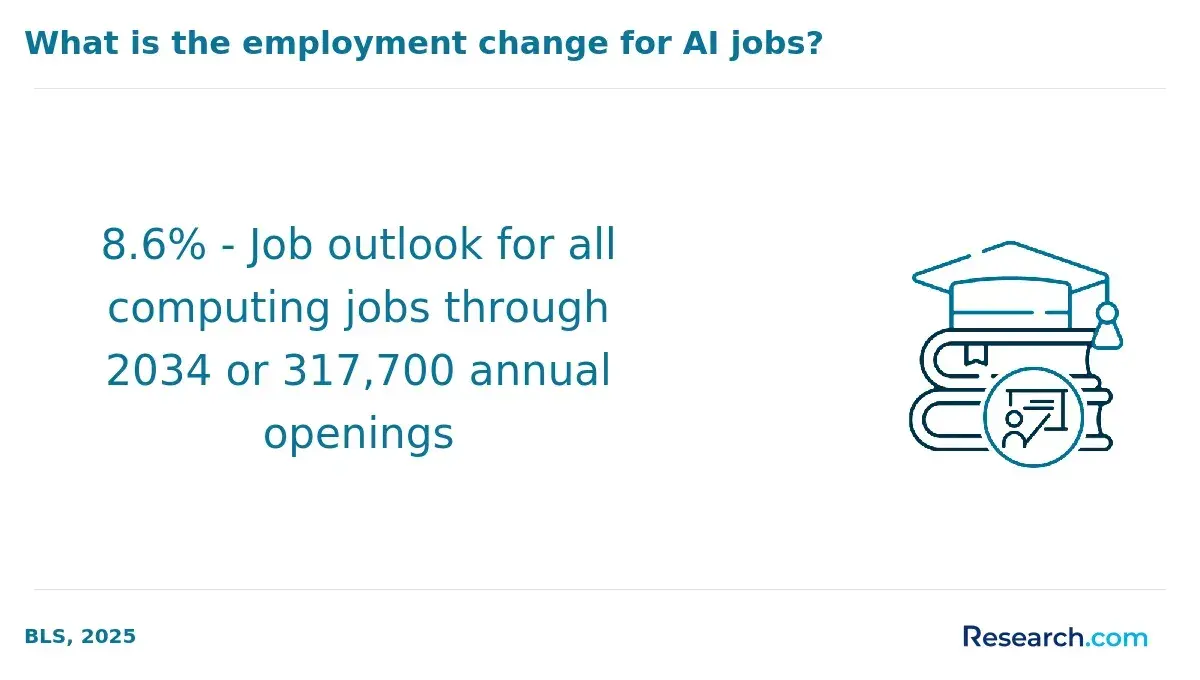
The U.S. Bureau of Labor Statistics projects a 22% growth in computer and information research jobs from 2022 to 2032, far exceeding the average rate. This growth is fueled by AI adoption across industries such as healthcare, finance, automotive, and technology. Salary ranges illustrate this demand:
- AI engineers earn between $110,000 and $160,000 annually, depending on experience and location.
- Data scientists specializing in AI often command salaries above $120,000 per year.
- Entry-level AI roles start around $80,000, with rapid growth as skills develop.
Learners should focus on reputable certifications, practical project experience, and staying current with AI advancements. Developing and deploying AI models and automation solutions enhances employability and salary negotiation power.
How should learners choose reputable LinkedIn Learning AI courses and avoid low-value options?
When selecting LinkedIn Learning AI courses, focus on those offering certificates recognized by employers or within your industry. Certificates specifying skills like machine learning or natural language processing provide tangible career benefits. Examine instructor credentials and course reviews to ensure experienced professionals lead the classes, which increases credibility.
Prioritize structured learning paths over individual courses to ensure thorough skill development and practical application. According to the LinkedIn Learning Skills Transformation Report, 84% of learners completing AI or data skills paths applied their knowledge on the job within six months. Transparent course content is crucial-look for detailed syllabi listing programming languages, tools like Python or TensorFlow, and real-world projects.
Avoid courses that focus mainly on theory without applied components, as these often lack immediate job relevance. Additionally, verify that course content is regularly updated to keep pace with fast-evolving AI trends and technologies. Learner feedback is a valuable resource for gauging a course's impact on career advancement and salary growth.
Key factors include:
- Verified certificates with explicit skill outlines
- Qualified instructors with proven AI experience
- Comprehensive, structured learning paths
- Applied projects and practical tools
- Up-to-date curriculum reflecting current AI developments
Other Things You Should Know About Artificial Intelligence
In 2027, top LinkedIn Learning AI courses with certificates include "AI Foundations: Machine Learning," "Deep Learning with TensorFlow and Keras," and "Natural Language Processing with Python." These courses provide comprehensive knowledge and practical skills, making them valuable for both beginners and advanced AI enthusiasts.
Artificial intelligence can automate repetitive and routine tasks, which may lead to job displacement in some sectors. However, it also creates new roles that require managing, developing, and interpreting AI systems. Many experts suggest that AI will augment human work rather than completely replace it.
AI algorithms learn primarily through methods such as supervised learning, unsupervised learning, and reinforcement learning. They analyze large data sets to identify patterns and improve their performance over time. This learning process helps AI systems make predictions, classify data, or make decisions.
Industries like healthcare, finance, manufacturing, and retail greatly benefit from artificial intelligence. AI improves diagnostics, fraud detection, supply chain management, and customer service. Its ability to process vast amounts of data enables businesses to enhance efficiency and innovation across various sectors.
References
- Microsoft and LinkedIn Learning Join Forces in Advancing AI Skills | ESPC https://espc.tech/learning-hub/blog/microsoft-and-linkedin-learning-join-forces-in-advancing-ai-skills/
- Best AI Courses to Take in 2026 https://applybuddy.co.uk/best-ai-courses-to-take-in-2026/
- Best AI Certifications to Boost Your Career in 2026 – Dataquest https://www.dataquest.io/blog/best-ai-certifications/
- AI vs Gen Z: How AI has changed the career pathway for junior developers https://stackoverflow.blog/2025/12/26/ai-vs-gen-z/
- Ultimate Guide: How to Choose the Right AI Training Course to Boost Your Career - ONLC https://www.onlc.com/blog/how-to-choose-ai-training-courses/
- 16 Artificial Intelligence Career Paths https://www.calmu.edu/news/artificial-intelligence-career-paths
- Top 26 Careers in AI and Machine Learning: Roles, Salaries, Skills, and 2026 Outlook - AscendurePro https://ascendurepro.com/careers-in-ai-and-machine-learning/
- University Degree vs AI Bootcamp: Which is Best Career Path? https://agilefever.com/university-degree-vs-ai-bootcamp-which-is-best/
- LinkedIn Learning Pricing 2026: Costs, Discounts & Free Access https://www.outx.ai/blog/linkedin-learning-individual
- 10 Top LinkedIn Learning AI Courses to Build Skills in 2025 | DigitalOcean https://www.digitalocean.com/resources/articles/linkedin-learning-ai-courses