2027 Best AI Courses for Architects

Co-Founder and Chief Data Scientist
Architects with backgrounds outside technology often face challenges adapting to the rapidly evolving field of artificial intelligence. Many seek ways to integrate AI skills into their design processes but struggle to find flexible, accredited courses suited for career pivots. The gap between architectural expertise and AI knowledge limits access to emerging opportunities and innovation in the profession.
This article examines top AI courses that cater specifically to professionals transitioning from unrelated fields. It aims to guide readers toward programs that balance practical learning with academic rigor, enabling a smooth shift into artificial intelligence within architectural contexts.
Key Things You Should Know
- Top AI courses for architects in 2026 focus on integrating machine learning with building design, enhancing efficiency by up to 40% according to industry reports from 2025.
- Programs increasingly emphasize hands-on experience with generative design tools and data-driven urban planning, reflecting a 35% rise in AI adoption among architectural firms nationwide.
- Accredited courses often include collaboration with tech companies, offering real-world projects and certifications valued in the U.S. job market for architecture professionals.
Advance Your Career with AI Online Courses
Artificial Intelligence: Implications for Business Strategy
This program provides an introduction to Artificial Intelligence and their implications for business strategy. Earn an official digital certificate.

Oxford Artificial Intelligence Programme
Explore this Oxford Artificial Intelligence programme offered in a flexible learning environment and explore topics like machine learning, automation, and robotics.

Implementing Agentic AI: Building Your Organizational Playbook
This online MIT Agentic AI course offers a practical approach to deploying AI agents in your organization, including a custom playbook. 3 weeks, exclusive launch price.

AI Adoption: Driving Business Value and Impact
This online MIT AI Adoption: Driving Business Value and Impact offers practical frameworks to close the gap between AI potential and business reality.

Artificial Intelligence in Pharma and Biotech
Discover the applications and limitations of artificial intelligence in pharma and biotech with this MIT online short course.

What are the best AI courses for architects and who are they right for?
Top AI certification programs for architectural professionals emphasize integrating machine learning, generative design, and data-driven workflows into architectural practice. Programs like MIT's "Artificial Intelligence: Implications for Architecture" and Stanford's "AI in Design and Construction" provide comprehensive training on optimizing spatial planning and sustainability. These courses benefit practicing architects aiming to boost productivity and graduates entering innovative design fields.
For those seeking hands-on skill development, courses teaching software such as Rhino with Grasshopper and AI plugins enable practical experience with automation and generative algorithms. Platforms like Coursera and edX offer specialized modules on AI applications in building information modeling (BIM) and energy-efficient design, targeting students and professionals updating traditional methods.
Emerging courses from Columbia University focus on AI's role in urban planning and environmental analysis, ideal for architects working on large-scale projects. More technical programs cover neural networks for architecture, attracting graduates with programming backgrounds interested in developing custom AI tools.
According to a McKinsey report, architects and engineers using AI and data-driven design see productivity gains of up to 35% in conceptual design and documentation. Choosing the best AI courses for architects in the US involves considering your background and goals: workflow integration favors software training, while those targeting research or tool development should pursue university-level AI and architecture programs with technical depth.
Those evaluating options may also consult rankings like the affordable data science degree listings to balance cost and quality.
Advance Your Career with AI Online Courses
Artificial Intelligence: Implications for Business Strategy
This program provides an introduction to Artificial Intelligence and their implications for business strategy. Earn an official digital certificate.
Oxford Artificial Intelligence Programme
Explore this Oxford Artificial Intelligence programme offered in a flexible learning environment and explore topics like machine learning, automation, and robotics.
Implementing Agentic AI: Building Your Organizational Playbook
This online MIT Agentic AI course offers a practical approach to deploying AI agents in your organization, including a custom playbook. 3 weeks, exclusive launch price.
How can learning artificial intelligence benefit an architecture career and skill set?
Learning artificial intelligence directly enhances an architect's career and skill set by enabling automation, improving design efficiency, and fostering innovation. AI tools streamline repetitive tasks such as drafting, modeling, and project management, allowing architects to focus on complex design decisions and client engagement.
For instance, AI-driven generative design algorithms enable quick exploration of multiple alternatives based on constraints, optimizing building performance and aesthetics simultaneously.
Artificial intelligence skills to advance an architecture career include integrating smart building technologies and data analytics, responding to rising demand for sustainable and responsive environments. AI-driven software improves collaboration by enabling seamless data integration across architectural, engineering, and construction workflows, increasing competitiveness and adaptability in the job market.
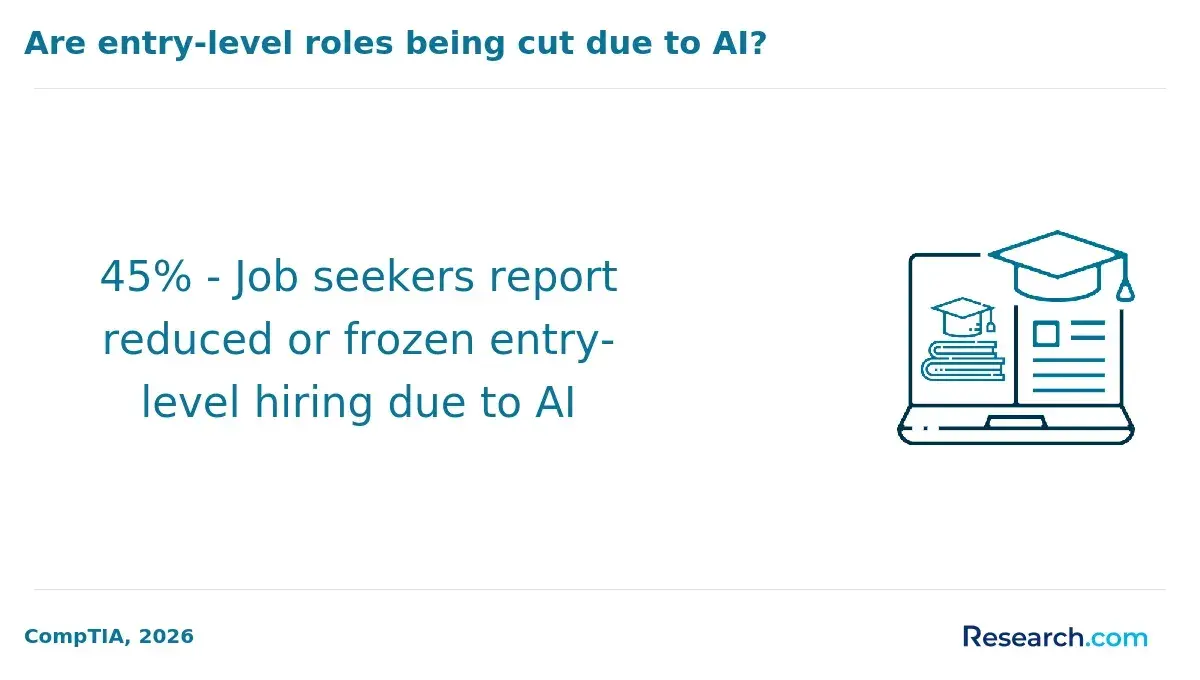
Job postings mentioning AI in architecture, engineering, and construction surged over 60% between 2022 and 2024, signaling strong industry demand. Architects without AI skills risk falling behind as roles like computational designer, BIM specialist, and project automation consultant grow. Many professionals turn to mastering AI-powered CAD tools, machine learning basics, and data visualization to gain an edge.
Real-world AI applications in architecture include optimizing building energy use and predictive maintenance models. Understanding AI's potentials and challenges, such as data privacy and algorithmic bias, prepares architects to address ethical concerns increasingly relevant in their practice.
Prospective students can explore the best online AI degree programs to build these valuable skills and advance their careers effectively.
What types of AI courses are available for architects, from short courses to degrees?
Architects looking to advance their careers with AI education can explore various options tailored to different experience levels and goals. Short courses, which may last from a few hours to several weeks, emphasize practical skills such as AI-driven design tools, BIM automation, and generative design techniques. These are especially helpful for early-career professionals or those seeking quick integration of AI tools into their workflows.
Certificate programs typically span 3 to 6 months and offer in-depth knowledge, covering machine learning basics, data analysis, and AI ethics specifically for architecture and construction.
Many universities and professional organizations provide these certificates, allowing architects to earn recognized credentials without pursuing full degrees. Such programs are a popular choice among professionals interested in AI courses for architects with certification options.
At the graduate level, specialized master's degrees combine AI, computational design, and architecture, focusing on advanced algorithms, research, and interdisciplinary collaboration. These degrees prepare architects for leadership roles by merging technical AI expertise with sustainable design principles.
Flexible online platforms also offer modular courses with hands-on projects that address real-world challenges like energy modeling and structural optimization. For those exploring options in data-driven design, online masters data science programs can provide valuable insights and skills.
With AEC professionals who possess AI or machine learning skills earning on average 18-25% higher salaries than their peers, investing in AI education at any level enhances competitiveness in the evolving architectural field.
How do online AI courses for architects compare with on-campus and hybrid options?
Online AI courses versus on-campus architecture programs each offer unique advantages for students. Online options provide flexibility and accessibility, allowing working professionals to progress at their own pace and revisit materials, critical for mastering complex AI tools like generative design software. Conversely, on-campus programs emphasize hands-on workshops, studios, and face-to-face mentorship, appealing to those who prefer structured, immersive learning environments.
Hybrid learning benefits AI education for architecture by combining scheduled in-person sessions with online modules. This approach supports real-time application of AI concepts in studio work while maintaining some flexibility, although commuting requirements may limit enrollment to local students.
Studies from Autodesk and TestFit reveal AI generative design can reduce early-stage feasibility and massing studies from weeks to hours, cutting design cycles by up to 90%. Online courses often adapt quickly to incorporate such advancements, unlike traditional programs with fixed syllabi.
Practical experience with AI-assisted workflows is vital. Online courses offer cloud-based design tools accessible anywhere, enabling realistic project simulations. On-campus labs provide enhanced technical support but may face scheduling constraints.
Prospective students should reflect on their learning style and career goals. For those interested in how to become an AI trainer with no experience, exploring flexible online options can be advantageous. Those seeking balanced interaction might prefer hybrid formats, while immersive peer-driven environments favor on-campus studies.
Architecture professionals seeking to formalize their computational and AI skills within a structured credential should also evaluate whether a computer science accelerated program can efficiently build the programming and algorithmic foundations that increasingly underpin advanced AI-driven design workflows in modern architectural practice.
What core AI topics and tools do architects typically study in these courses?
Architects studying artificial intelligence focus on key areas such as machine learning algorithms, generative design, computer vision, and natural language processing. These skills enable architects to analyze large datasets related to building performance, materials, and environmental factors, supporting data-driven decisions. Generative design tools help create thousands of optimized design options tailored to cost, sustainability, and structural needs.
Computer vision training teaches models to interpret visual inputs like satellite images and on-site photos, aiding real-time site monitoring and automated analysis. Natural language processing streamlines documentation and communication through AI-powered assistants and chatbots.
Courses often include practical use of software like Python for scripting machine learning models, TensorFlow and PyTorch for deep learning, and Rhino's Grasshopper combined with AI plugins for parametric design. Learning about cloud computing and data management is essential for handling large computations and collaborative projects efficiently.
Ethical considerations and data privacy play a crucial role, especially regarding transparency in AI decisions and protecting client information. Case studies on integrating AI with BIM (Building Information Modeling) and digital twins offer hands-on experience with modern architectural workflows.
According to the Royal Institute of British Architects (RIBA), 51% of UK firms currently use AI tools, with 29% planning to adopt them soon. This trend highlights the value of mastering artificial intelligence to stay competitive in architecture.
What prerequisites and application requirements do AI programs for architects usually have?
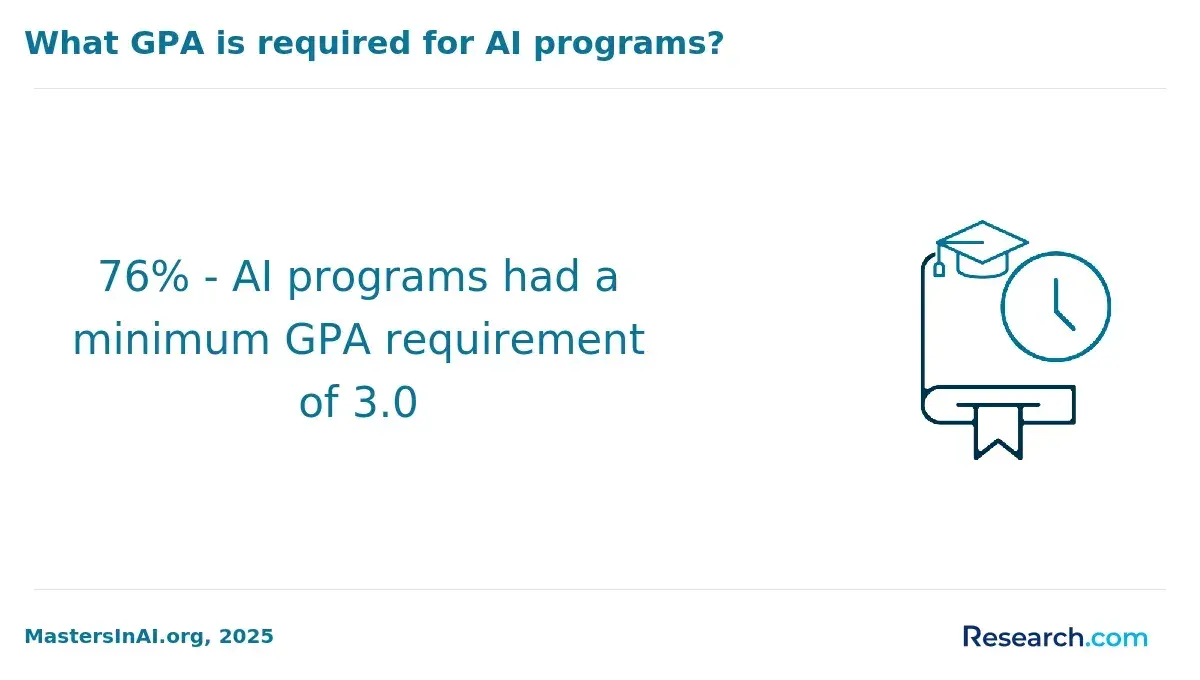
AI programs for architects generally require a bachelor's degree in architecture, architectural engineering, or a related discipline. Strong applicants often have experience or coursework in computational design, programming languages like Python or JavaScript, and data analysis. Proficiency in CAD software, BIM platforms, or foundational machine learning can be essential for advanced tracks.
Typical application components include academic transcripts, a design portfolio, letters of recommendation, and a statement of purpose expressing interest in AI's role in architectural workflows. Some programs targeting research or development may also require professional or research experience in AI-related projects.
Programs differ based on focus: introductory courses may accept those with limited programming knowledge by providing preparatory modules, while advanced certifications expect prior coding and data science skills. Institutions sometimes offer bootcamps or bridge courses to help architects transition into AI-enhanced design roles.
Firms integrating AI tools often secure 12-15% more projects and report up to 20% higher profitability on those projects, according to a Deloitte global study. Staying competitive means aligning skills with evolving industry demands.
How much do AI courses for architects cost, and what funding options exist?
The cost of AI courses for architects varies significantly depending on course format and provider. Entry-level online courses generally range from $200 to $1,000, ideal for professionals gaining foundational skills. More extensive certificate programs or university-affiliated courses can cost between $2,000 and $8,000, while intensive bootcamps or multi-month specialized training often surpass $10,000, reflecting comprehensive curricula and mentorship.
Financial aid options are essential for many prospective students and include federal aid like Pell Grants for accredited programs, employer sponsorships or tuition reimbursement—especially common in architecture firms facing an AI skills shortage—and scholarships from professional organizations. Some bootcamps offer flexible payment plans or income-share agreements to reduce upfront costs.
More than 70% of large AEC firms report difficulty hiring architects skilled in both architecture and AI, ranking this gap among their top three challenges. Highlighting the career value of AI skills can encourage employer support.
Prospective students should also consider free or low-cost introductory resources to build foundational knowledge before investing in costly programs and compare course content, credential recognition, and networking opportunities to maximize value.
How can architects evaluate accreditation, software training, and portfolio fit in AI programs?
Accreditation remains a top priority for architects choosing AI education programs. Ensure the program is accredited by trusted bodies like the National Architectural Accrediting Board (NAAB) or regional authorities. This safeguards educational quality and can be essential for licensure pathways.
Training in industry-standard AI software tools is vital. Look for programs offering hands-on experience with platforms such as Autodesk Revit, Rhino with Grasshopper, and AI-driven design tools like Spacemaker or TestFit. Practical projects involving these applications build skills that architects can immediately apply in professional settings.
Portfolio development is another critical factor. Opt for courses requiring project work that showcases generative design models, performance simulations, or AI-enhanced visualizations. Such portfolios clearly demonstrate your applied competencies to potential employers or clients.
Many architects pursuing AI upskilling prefer short online courses or micro-credentials, which 64% identified as their primary learning path in the 2024 Coursera Skills Report. These flexible formats offer targeted learning without the extensive time or financial commitment of traditional degrees, often including modular software training aligned with current architectural workflows.
When evaluating programs, ask:
- Is the course accredited by a recognized body?
- Which AI design tools are covered?
- Do portfolio projects align with my career goals?
- Does the structure support flexible, paced learning?
What AI-related job roles, salaries, and career paths can architects pursue after training?
Architects with expertise in artificial intelligence can fill specialized roles like AI design consultant, computational designer, BIM specialist with AI integration, and urban data analyst. These positions combine design knowledge with technology, using AI to improve workflows, increase sustainability, and tailor design solutions.
Salaries vary widely: entry-level AI-focused architecture jobs start around $70,000 annually, while experienced professionals in AI-driven project management or innovation leadership can earn over $130,000. This reflects the rising demand for AI skills in architecture and AEC industries.
Hands-on experience with AI-driven parametric modeling, generative design, and predictive analytics significantly boosts employability. Employers seek candidates proficient in established AI platforms and those familiar with emerging technologies. Building foundational skills in data science and machine learning enhances competitiveness in this evolving field.
What is the long-term demand for AI skills in architecture and the built environment?
The demand for AI skills in architecture and the built environment is set to grow, even as automation advances. By 2030, up to 45% of tasks in architecture and engineering could be automated or enhanced by AI, primarily in routine tasks like drafting and compliance checks. Despite this, the need for skilled architects will increase alongside the rising complexity of projects and the focus on sustainable design.
AI proficiency will become crucial for professionals aiming to improve efficiency and drive innovation, especially in:
- Using generative design tools to quickly create multiple alternatives
- Optimizing energy efficiency and conducting environmental impact assessments
- Applying AI-powered simulation and visualization for stakeholder engagement
- Automating data analysis in urban planning and infrastructure projects
For students and professionals, developing skills in AI tools combined with traditional architecture knowledge offers a competitive edge. Experience with machine learning algorithms and generative design platforms prepares graduates for future roles.
Employers value candidates who can interpret and apply AI-driven insights effectively, highlighting the importance of knowledge in AI, data science, and design thinking.
Mastering AI is essential for career growth in architecture. Staying current with emerging AI technologies ensures professionals remain relevant and can contribute strategically to their organizations.
Other Things You Should Know About Artificial Intelligence
Artificial intelligence automates routine design tasks, enabling architects to focus on creative problem-solving. AI-driven generative design tools explore countless design alternatives quickly, optimizing for factors like materials, cost, and energy efficiency. This leads to more innovative and sustainable architectural solutions.
Architects must address issues such as data privacy, algorithmic bias, and transparency when integrating artificial intelligence. Ensuring that AI-generated designs do not perpetuate social inequalities or harm communities is crucial. Ethical frameworks and regulations are evolving to guide responsible AI use within architecture.
Yes, many AI courses designed for architects require no advanced programming knowledge. These programs often emphasize practical AI applications relevant to architecture, such as BIM integration and computational design. Beginners can progressively build technical skills alongside architectural expertise.
In 2027, architects aiming to integrate AI for sustainability should consider courses focusing on sustainable building design through AI platforms such as Autodesk's Revit with AI enhancements, and the MIT AI for Sustainable Futures course. These emphasize energy efficiency and the integration of eco-friendly technologies in construction projects.
References
- 7 Best AI Architecture Tools: A Buyer’s Guide - Piaxis https://piaxis.ai/ai-architecture-tools/
- Artificial Intelligence: the unreliable outlier driving the future of architecture https://www.riba.org/work/insights-and-resources/future-business-of-architecture/artificial-intelligence-the-unreliable-outlier-driving-the-future-of-architecture/
- Top 16 AI Tools for Architects in 2025 https://blog.chaos.com/ai-tools-for-architects
- AI-Powered Architecture Careers 2025: Which Role Fits You? | askCraig https://askcraig.ai/articles/architecture/ai-powered-architect-careers
- Master in AI for Architecture and Business Innovation - IAAC https://iaac.net/masters/master-in-ai-for-architecture-and-business-innovation/
- Building Tomorrow: How AI and Digitalisation Are Reshaping Jobs, Skills and Opportunities in the Built Environment https://thesustainabletimes.com/building-tomorrow-how-ai-and-digitalisation-are-reshaping-jobs-skills-and-opportunities-in-the-built-environment/
- Online vs Campus Artificial Intelligence Degree Programs: Complete Comparison https://hakia.com/compare/artificial-intelligence-online-vs-campus/
- AI pricing: how much does AI cost in 2025? | Future Processing https://www.future-processing.com/blog/ai-pricing-is-ai-expensive/
- AI Architecture - IASA Global https://www.iasaglobal.org/ai-architecture/
- 15 Must-Take Architecture Courses to Advance Your Skills|ArchiVinci https://www.archivinci.com/blogs/architecture-courses-to-advance-your-skills