2027 Best AI Governance Courses for SEO Professionals

Co-Founder and Chief Data Scientist
Marketing professionals often face challenges integrating ethical and effective AI practices into their SEO strategies. Companies rely on AI tools, but without proper governance knowledge, risks of bias, data misuse, and regulatory noncompliance increase. This gap hinders both performance and trust. SEO specialists must understand AI governance frameworks to navigate evolving legal and ethical standards while optimizing digital content responsibly.
The article explores top AI governance courses tailored for SEO professionals seeking to enhance their expertise. It aims to guide readers toward accredited, flexible programs that support a strategic and compliant approach to AI-driven SEO.
Key Things You Should Know
- AI governance courses for SEO professionals focus on ethical AI use, ensuring compliance with evolving regulations like the EU AI Act effective from 2025.
- By 2026, over 60% of SEO roles require knowledge in AI tools and governance to optimize search performance responsibly.
- Leading programs integrate data privacy, algorithmic transparency, and bias mitigation, preparing students for the growing demand in AI-driven digital marketing.
Advance Your Career with AI Online Courses
Artificial Intelligence: Implications for Business Strategy
This program provides an introduction to Artificial Intelligence and their implications for business strategy. Earn an official digital certificate.

Oxford Artificial Intelligence Programme
Explore this Oxford Artificial Intelligence programme offered in a flexible learning environment and explore topics like machine learning, automation, and robotics.

Implementing Agentic AI: Building Your Organizational Playbook
This online MIT Agentic AI course offers a practical approach to deploying AI agents in your organization, including a custom playbook. 3 weeks, exclusive launch price.

AI Adoption: Driving Business Value and Impact
This online MIT AI Adoption: Driving Business Value and Impact offers practical frameworks to close the gap between AI potential and business reality.

Artificial Intelligence in Pharma and Biotech
Discover the applications and limitations of artificial intelligence in pharma and biotech with this MIT online short course.

What Are AI Governance Courses for SEO Professionals?
AI governance training for SEO professionals focuses on the frameworks, policies, and ethical guidelines necessary for responsible AI use within search engine optimization. These courses emphasize integrating AI tools while ensuring compliance with privacy laws, avoiding bias, and aligning AI decisions with user trust and brand integrity. Professionals benefit from guidance on addressing risks like algorithmic transparency, data security, and the long-term effects of automation on search rankings and content quality.
The best AI policy courses for SEO experts cover essential topics, including:
- Creating AI usage policies tailored for SEO workflows
- Handling ethical challenges in automated content creation and link-building
- Ensuring transparency and accountability in AI-driven analytics
- Adhering to regulations impacting AI applications in digital marketing
SEO professionals learn to evaluate how AI-powered tools collect and manage user data to prevent violations of regulations like GDPR or CCPA, thus avoiding penalties and reputational harm. They also develop skills to identify AI bias distorting search results or unfairly targeting demographics.
A Deloitte survey revealed that 94% of business and tech leaders view AI as critical to success over the next five years, yet only 22% have established responsible AI policies. This gap underlines the urgent need for AI governance education in digital marketing roles.
For those interested in applied knowledge, exploring applied artificial intelligence can further expand expertise beyond governance frameworks.
Advance Your Career with AI Online Courses
Artificial Intelligence: Implications for Business Strategy
This program provides an introduction to Artificial Intelligence and their implications for business strategy. Earn an official digital certificate.
Oxford Artificial Intelligence Programme
Explore this Oxford Artificial Intelligence programme offered in a flexible learning environment and explore topics like machine learning, automation, and robotics.
Implementing Agentic AI: Building Your Organizational Playbook
This online MIT Agentic AI course offers a practical approach to deploying AI agents in your organization, including a custom playbook. 3 weeks, exclusive launch price.
Why Do SEO Professionals Need AI Governance Training?
SEO professionals increasingly require AI governance courses for SEO professionals in the US to effectively manage the growing role of artificial intelligence in digital marketing. As AI transforms search algorithms, content generation, and data analysis, governance training is essential for compliance, ethical use, and reducing risks tied to biased or non-transparent AI systems.
LinkedIn's Jobs on the Rise report highlights an 87% year-over-year global increase in AI governance and compliance specialist roles, with 28% linked closely to marketing and digital fields. This trend directly impacts SEO experts who need artificial intelligence compliance training for SEO experts to stay competitive and adhere to evolving standards.
Key benefits of AI governance training include:
- Ensuring compliance with data privacy laws and AI regulations to avoid penalties and reputational harm.
- Promoting transparency in AI-powered SEO tools to maintain trust with search engines and users.
- Mitigating algorithmic bias that can affect keyword targeting and ranking performance.
- Establishing review frameworks for AI-generated SEO content to meet accuracy and ethical guidelines.
For example, SEO teams using AI content generators must set up checks to avoid misinformation or plagiarism. Governance training equips professionals with skills to audit AI outputs and align them with brand and regulatory requirements. Those without this expertise risk ineffective or penalized SEO strategies.
To advance knowledge in this area, considering programs like online engineering degrees can provide valuable technical foundations that complement AI governance skills. Ultimately, this training enables SEO specialists to use AI responsibly, optimize results, and respond to rapid shifts in digital regulations and ethics.
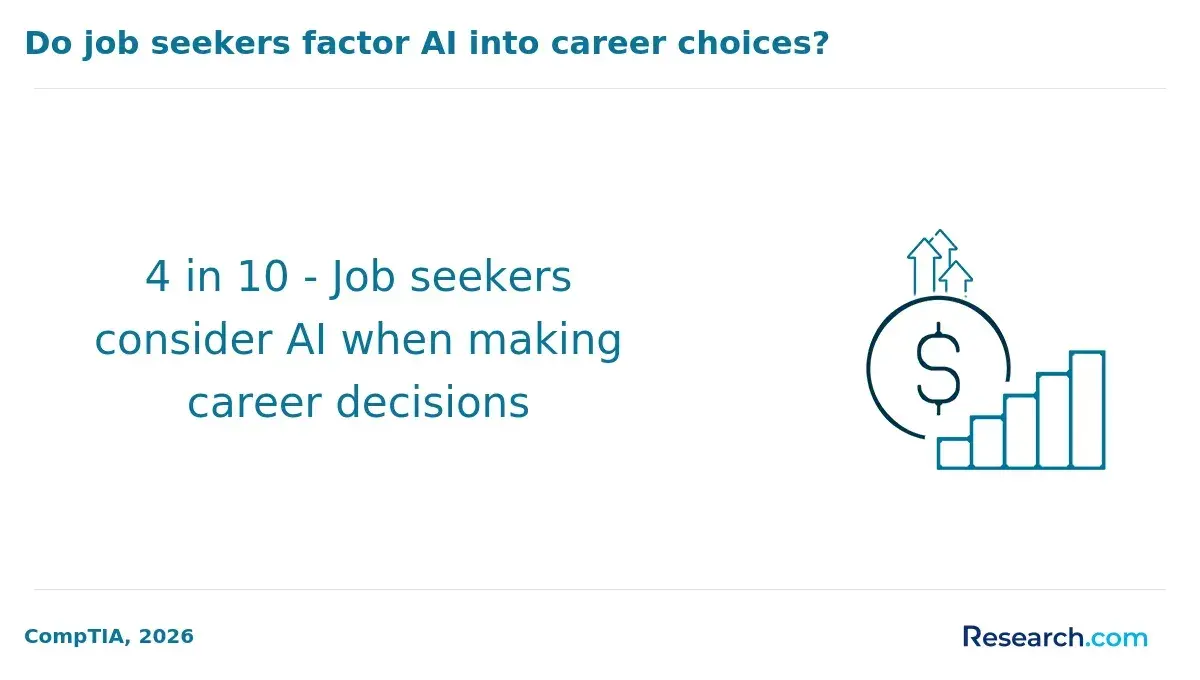
Which AI Governance Skills Matter Most in SEO?
The number of national AI policy instruments worldwide more than doubled between 2021 and 2024, growing from approximately 300 to over 700, according to the OECD AI Policy Observatory. This rapid expansion underscores the importance of AI governance frameworks for SEO professionals, who must navigate complex regulatory requirements affecting AI tools' use in search optimization.
Key skills in artificial intelligence governance for search optimization include expertise in regulatory compliance, risk assessment, and mitigation. SEO professionals need to evaluate how AI-generated content impacts data privacy, user trust, and search engine guidelines to avoid penalties and maintain ethical standards.
Transparency and explainability are also vital, enabling specialists to clearly demonstrate how AI influences decisions like keyword selection and ranking predictions. Additionally, strong data governance skills help manage data quality, security, and bias-critical for successfully running SEO campaigns within legal boundaries such as GDPR.
Continuous learning is necessary to keep pace with evolving AI governance frameworks and industry standards. Tracking updates from sources like the OECD and other watchdog organizations ensures ongoing compliance and optimization of AI use.
For those pursuing education in related fields, consider exploring programs such as a video game design degree, which often incorporates AI principles relevant to SEO technologies and digital marketing.
- Regulatory compliance expertise
- Risk assessment and mitigation
- Transparency and explainability of AI
- Data governance and security
- Ongoing monitoring of AI policies
What Degree or Certificate Path Fits AI Governance Training?
Degree and certificate paths that fit ai governance training typically blend ethics, technology, and business acumen. Ideal options include interdisciplinary bachelor's or master's degrees in data science, computer science with ai ethics, information systems, or public policy focused on technology regulation. These programs provide foundational knowledge of artificial intelligence frameworks alongside governance principles. When considering the best degree options for ai governance training in seo, look for curricula that integrate digital marketing insights with governance strategies.
For professionals, ai governance certification programs for seo professionals offer practical, targeted credentials. Certificates in AI ethics, AI policy, or digital governance emphasize compliance, risk management, and ethical AI deployment. These programs are especially valuable for marketers and digital strategists aiming to combine AI expertise with SEO and digital marketing skills.
Relevant certificate programs often cover:
- principles of responsible AI and ethical frameworks
- legal and regulatory aspects of AI governance
- data privacy and algorithmic accountability
- AI risk assessment and mitigation strategies
According to Robert Half's Technology Salary Guide, U.S. ai ethics and governance professionals earn a median salary near $155,000. Roles blending AI and digital marketing skills command 10-20% salary premiums over comparable marketing roles without AI expertise. Prospective students should evaluate programs for up-to-date AI legislation, case studies, and applied projects. Courses often provide collaboration opportunities with AI developers and legal experts, enhancing readiness for evolving industry demands.
Short courses can complement degrees for ongoing skill development. For career prospects, see insights for AI trainers.
Are Online AI Governance Courses Better Than Campus Programs?
Job postings related to artificial intelligence have surged 3.5 times faster than others since 2022, according to PwC's 2024 Global AI Jobs Barometer. Yet only about 13% of employees currently have relevant AI skills, creating a significant gap that online AI governance courses are well-positioned to fill. These courses offer flexible, fast-paced learning tailored for SEO professionals who need to quickly adapt to evolving AI technologies in marketing and digital analytics.
Unlike traditional campus programs, which often require long commitments and fixed schedules, online courses allow working professionals to maintain their roles while acquiring practical AI governance knowledge. Many providers continuously update their curricula to address emerging AI risks, ethical considerations, and compliance issues-topics essential for managing algorithmic impacts and consumer data protection in SEO.
On the other hand, campus programs deliver stronger theoretical foundations and academic networking opportunities but may lack the immediate applicability valued by SEO specialists. When deciding on a course, consider whether it offers:
- Regular curriculum updates aligned with current AI governance frameworks
- Practical SEO applications like algorithm transparency and data privacy
- Flexible pacing and modular formats to fit professional schedules
Online training delivers scalable, cost-effective pathways for SEO professionals aiming to close the AI skills gap rapidly while staying aligned with ongoing industry demands.
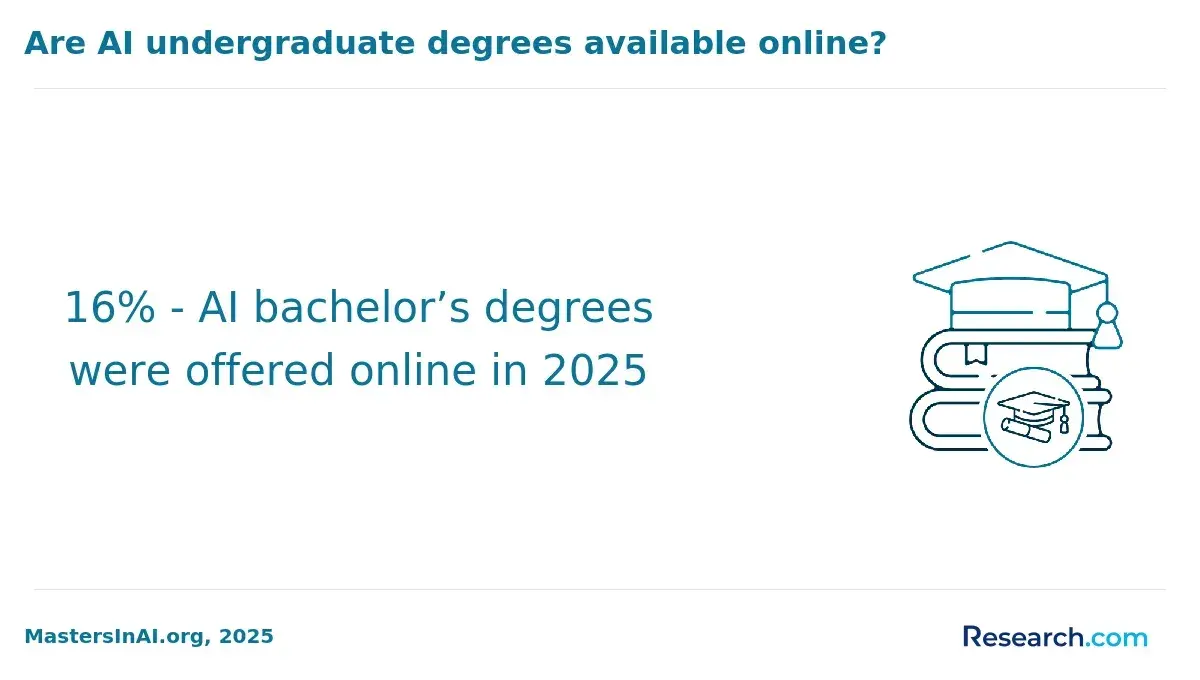
What Topics Are Covered in AI Governance Coursework?
AI governance coursework addresses critical skills for SEO professionals adapting to a digital environment shaped by artificial intelligence. Key topics include ethical frameworks emphasizing transparency, fairness, and accountability in automated decision-making processes. Students gain expertise in complying with data privacy regulations such as GDPR and CCPA to responsibly manage user data within AI-powered SEO strategies.
Risk assessment training focuses on identifying and mitigating biases in AI models that affect search algorithms and personalized content. Learners explore techniques to interpret AI model outcomes, enabling clear communication with stakeholders and adherence to emerging regulatory standards.
Technical instruction covers fundamentals of machine learning, natural language processing, and the integration of AI tools into SEO workflows. This supports tasks like keyword analysis, predictive analytics, and automated content creation while maintaining quality and user trust.
Ongoing governance frameworks teach continuous monitoring of AI systems to prevent unintended consequences like algorithmic bias or data misuse. Leadership components prepare students to guide AI ethics committees or compliance groups, ensuring alignment between AI initiatives and organizational values.
The World Economic Forum's 2024 Future of Jobs report highlights that 86% of surveyed firms plan to train employees on AI within five years, dedicating 9-13% of training budgets to AI and big-data skills. This trend reflects the growing need for proficiency in AI governance as a vital part of career growth.
What Are the Admission Requirements for AI Governance Programs?
Admission requirements for AI governance programs typically emphasize candidates with backgrounds in technology, business, law, or related disciplines. Most programs expect applicants to hold a bachelor's degree from an accredited institution, preferably in fields like computer science, information technology, business administration, law, or public policy. Advanced programs may also require relevant work experience, especially in compliance, data security, or digital marketing roles.
Applicants usually submit transcripts, letters of recommendation, and a statement of purpose outlining their interest in AI governance and its application to SEO or broader marketing functions. Having foundational knowledge of AI concepts or prior coursework in machine learning and data ethics improves admission prospects. Proficiency in programming languages such as Python or familiarity with AI frameworks is often recommended or required.
Professional certifications like CIPP (Certified Information Privacy Professional) or digital marketing credentials help applicants stand out by combining governance expertise with marketing skills. Some institutions also provide prerequisite courses or boot camps to address knowledge gaps.
A 2024 Gartner marketing technology survey found 63% of marketing leaders use generative AI for content creation, but only 37% implement formal governance frameworks. This gap signifies the growing value of AI governance skills within SEO and marketing teams. Prospective students should carefully review each program's admissions page and consult advisors to clarify expectations on prior skills, compliance knowledge, and writing abilities.
How Long Do AI Governance Courses Take and What Do They Cost?
AI governance courses vary widely, from short workshops lasting 4 to 8 hours to extensive programs that span 6 to 12 weeks. For professionals in digital marketing and SEO, shorter courses offer essential frameworks and compliance guidelines in formats convenient for a day or weekend. More comprehensive courses deliver deeper knowledge on ethical AI use, risk mitigation, and regulatory frameworks, often including hands-on projects. This range provides flexibility to match individual schedules and professional goals.
Costs differ based on course length and depth. Online introductory options typically start between $200 and $400, suitable for foundational knowledge. Advanced certificate programs from reputable institutions usually range from $1,000 to $3,000 and cover strategies relevant to managing AI within customer-facing digital content. University-affiliated or professional body programs can exceed $5,000, reflecting the comprehensive curriculum and credential value. The IBM Global AI Adoption Index 2024 reveals that organizations with formal AI governance are 2.6 times more likely to achieve transformative benefits, highlighting the importance of investing in quality governance education.
When selecting a course, consider:
- Duration that fits your availability and urgency
- Cost relative to credential recognition and content depth
- Practical guidance relevant to SEO and customer content
- Reputation of the provider or instructors
Such courses position SEO professionals to effectively navigate AI governance challenges and enhance digital marketing success.
What Jobs Can You Get With AI Governance Training?
AI governance training equips professionals to manage the responsible, ethical, and compliant deployment of artificial intelligence technologies. Key roles include AI compliance officers who ensure AI systems meet legal standards and internal policies. Privacy analysts assess data risks within AI frameworks, addressing challenges emphasized by Cisco's 2024 Data Privacy Benchmark Study, which revealed that 48% of organizations experienced AI-related privacy incidents recently. This highlights the critical need for experts protecting consumer data, especially as 94% of customers hesitate to engage with companies lacking strong data protections.
Risk managers use AI governance frameworks to identify and reduce operational threats like biased algorithms and security gaps. Ethics advisors help organizations develop AI policies that promote transparency and prevent discriminatory outcomes. SEO professionals can pursue roles as AI content auditors or AI quality specialists, evaluating machine-generated content for accuracy, compliance, and ethical standards to meet evolving search engine criteria.
Other positions such as AI policy analysts monitor regulatory changes, while AI strategy consultants assist businesses in integrating governance into AI-driven marketing. These roles require strong backgrounds in AI ethics, data privacy, and regulatory knowledge. Practical experience with compliance tools and governance models enhances career opportunities across sectors including technology, finance, healthcare, and digital marketing.
What Certifications Help SEO Professionals Work in AI Governance?
Certifications that equip SEO professionals to manage AI governance emphasize ethics, policy, and regulatory compliance alongside technical skills. Key credentials include specialized AI governance certificates focusing on responsible AI use, bias mitigation, and transparency standards. Notable programs, such as the IBM AI Ethics Certificate and the University of Toronto's AI Governance Professional Certification, highlight ethical design principles and policy frameworks essential for marketers using AI-driven SEO tools.
Additional certifications in data ethics and privacy-like the Certified Information Privacy Professional (CIPP) or IEEE courses on ethical algorithm design-help SEO specialists address the legal and social impacts of AI deployment in marketing. These qualifications prepare professionals for regulatory shifts affecting keyword strategies, personalized content, and consumer data handling.
While technical certifications-such as Google's Professional Machine Learning Engineer or Microsoft's AI Fundamentals-are not governance-specific, they offer foundational knowledge. This background enables SEO experts to critically assess AI systems and collaborate with developers on ethical customizations.
- Increasing demand for AI ethics and governance training is evident in enrollment trends; Coursera's 2024 Global Skills Report shows a 440% rise from 2022.
- Marketing and business learners form a growing segment interested in integrating responsible AI practices.
SEO professionals should seek certifications balancing ethical, legal, and technical domains to address the multifaceted challenges AI governance presents in marketing strategies.
Other Things You Should Know About Artificial Intelligence
Ethics is a fundamental component of artificial intelligence governance. It ensures that AI systems operate transparently, fairly, and without bias, protecting user privacy and preventing harm. Incorporating ethical principles helps organizations maintain public trust and comply with legal standards.
Yes, AI governance can significantly influence SEO strategies by guiding the responsible use of AI tools in content creation and data analysis. Proper governance helps avoid manipulative practices and ensures compliance with search engine guidelines, promoting sustainable SEO performance.
Data privacy is a critical aspect of AI governance, especially as AI systems rely heavily on large datasets. Effective governance frameworks establish rules for data collection, storage, and usage to protect user information and comply with regulations like GDPR and CCPA.
The best AI governance courses for SEO professionals in 2027 focus on integrating AI ethics, data privacy, and regulatory compliance. Courses from renowned institutions like Stanford University, MIT, and Coursera offer comprehensive insights into AI implementation and governance tailored for SEO, helping professionals optimize and secure digital strategies.
References
- An AI governance certification will boost your career | The Corporate Governance Institute https://www.thecorporategovernanceinstitute.com/insights/guides/an-ai-governance-certification-will-boost-your-career/
- Open Positions | GovAI https://www.governance.ai/opportunities
- Frontier AI Governance Course | BlueDot Impact https://bluedot.org/courses/ai-governance
- AIGP: Artificial Intelligence Governance Professional | IAPP https://iapp.org/certify/aigp
- AI Governance Course — Free · EU AI Act & NIST | Ethicalogic https://ethicalogic.com/ai-governance-course/
- GRC Careers | Governance, Risk, Compliance & AI Governance Careers https://www.ai-governance-jobs.com/
- Visible https://www.datacamp.com/courses/artificial-intelligence-governance
- AI Governance Mastery Series https://cgi.org.uk/qualifications-training/training-courses/ai-governance-mastery-series/
- How to Get Your First AI Governance Job: A Career Guide https://governance.aicareer.pro/blog/landing-your-first-job-in-ai-governance
- AI for SEO: Your Guide for 2026 https://www.salesforce.com/marketing/ai/seo-guide/