2027 Best AI Strategy Courses for Supplier Risk Management Teams

Co-Founder and Chief Data Scientist
Supplier risk management teams often face challenges in identifying and mitigating risks quickly due to vast data and complex supply chains. Inefficient risk analysis can lead to costly disruptions, compliance failures, and damage to brand reputation. Many professionals lack targeted skills to harness ai tools that enhance predictive analytics and automate risk assessments. This gap impedes timely decision-making and reduces competitive advantage. This article examines the best ai strategy courses designed to equip supplier risk management teams with practical knowledge, advanced techniques, and flexible learning formats to address these challenges effectively and improve organizational resilience.
Key Things You Should Know
- AI strategy courses for supplier risk management emphasize predictive analytics to mitigate disruptions, with 68% of companies reporting improved supply chain resilience by 2025.
- Curricula integrate ethical AI use and regulatory compliance, addressing rising concerns of data privacy in supplier evaluations across U.S. industries.
- Practical training often includes real-time risk assessment tools, enhancing team decision-making efficiency by up to 40%, crucial in volatile global markets.
Advance Your Career with AI Online Courses
Artificial Intelligence: Implications for Business Strategy
This program provides an introduction to Artificial Intelligence and their implications for business strategy. Earn an official digital certificate.

Oxford Artificial Intelligence Programme
Explore this Oxford Artificial Intelligence programme offered in a flexible learning environment and explore topics like machine learning, automation, and robotics.

Implementing Agentic AI: Building Your Organizational Playbook
This online MIT Agentic AI course offers a practical approach to deploying AI agents in your organization, including a custom playbook. 3 weeks, exclusive launch price.

AI Adoption: Driving Business Value and Impact
This online MIT AI Adoption: Driving Business Value and Impact offers practical frameworks to close the gap between AI potential and business reality.

Artificial Intelligence in Pharma and Biotech
Discover the applications and limitations of artificial intelligence in pharma and biotech with this MIT online short course.

What is an AI strategy course for supplier risk management teams and who should take it?
AI strategy courses for supplier risk management professionals equip teams with skills to integrate artificial intelligence tools into supply chain risk identification, assessment, and mitigation. These programs emphasize AI-driven analytics, machine learning models, and automation techniques to anticipate supplier disruptions, assess vendor reliability, and improve decision-making. Coursework typically covers data integration, predictive analytics, risk scoring algorithms, and scenario planning using real-world case studies tailored for supplier relations.
Such ai training programs designed for supplier risk teams are vital for procurement managers, supply chain analysts, risk officers, and IT specialists focused on supplier evaluation and risk reduction. Mid-career professionals leading digital transformation initiatives also gain value as AI adoption becomes crucial. With Gartner projecting that by 2026, more than 80% of supply chain organizations will use AI-enabled applications-a sixfold increase since 2022-lack of AI expertise could hinder effective supplier risk management.
Participants learn to detect early warning signals of supplier failures, perform automated compliance checks, and optimize supplier networks for resilience. Techniques include natural language processing to analyze contracts and social media sentiment analysis to monitor supplier reputations. The curriculum also addresses challenges like data quality, integration barriers, and ethical considerations in AI use.
Teams aiming to reduce supply chain volatility and strengthen risk governance should pursue these courses. To explore foundational education, consider reviewing the best universities for data science undergraduate programs, which often underpin advanced AI strategy learning.
Advance Your Career with AI Online Courses
Artificial Intelligence: Implications for Business Strategy
This program provides an introduction to Artificial Intelligence and their implications for business strategy. Earn an official digital certificate.
Oxford Artificial Intelligence Programme
Explore this Oxford Artificial Intelligence programme offered in a flexible learning environment and explore topics like machine learning, automation, and robotics.
Implementing Agentic AI: Building Your Organizational Playbook
This online MIT Agentic AI course offers a practical approach to deploying AI agents in your organization, including a custom playbook. 3 weeks, exclusive launch price.
How can AI strategy training improve supplier risk identification, monitoring, and mitigation?
AI-driven supplier risk identification techniques empower risk management teams to enhance how they detect and address supplier vulnerabilities early. By leveraging machine learning algorithms and predictive analytics, professionals can forecast disruptions stemming from financial instability, compliance issues, or geopolitical risks, helping reduce costly operational delays.
Strategic AI training for supply risk monitoring and mitigation teaches teams to automate continuous data analysis from sources such as social media, news outlets, and financial reports. This real-time intelligence enables proactive risk management through AI-powered alerts that monitor shifts in supplier risk profiles, supporting faster decisions and contingency strategies.
Mitigation efforts improve as AI strategy education enables professionals to simulate risk scenarios and optimize responses, balancing cost, quality, and risk through approaches like supplier diversification, contract revisions, or inventory buffering. These skills directly contribute to decreased disruptions, sometimes by up to 30%, and faster risk detection times, shrinking weeks-long processes to mere days.
With 74% of chief procurement officers planning increased investment in AI by 2025, the demand for trained professionals is growing. Those seeking to build such expertise might find related opportunities by exploring a mechanical engineering program online, which often integrates AI-focused coursework and analytics training to support advanced career paths.
Which types of AI strategy courses are best for supplier risk management professionals?
ai strategy courses for supplier risk management professionals that emphasize practical application and data-driven decision-making offer significant value. These programs focus on predictive analytics, machine learning integration, and risk identification frameworks, enabling faster and more effective responses to supply disruptions. Incorporating scenario analysis and simulation helps anticipate cascading impacts across multi-tier suppliers, enhancing strategic planning.
Hands-on training with AI platforms and real datasets is essential, allowing learners to apply techniques such as natural language processing to analyze unstructured data for emerging supplier risks. Specialized programs on AI-driven supply chain visibility enable continuous monitoring, anomaly detection, and dynamic risk assessment.
Highlighting the metrics and ROI of AI investments, Everstream Analytics reports up to 30% lower disruption impact costs and 35-40% faster risk detection and response times for companies using AI-driven supplier risk management compared to traditional methods. Courses spotlighting these outcomes add urgency and context to the learning experience.
The best training programs in ai strategy for risk mitigation also cover compliance, ethical AI use, and data governance to prepare professionals for regulatory challenges while building trust in AI systems. For those exploring related educational paths, consider exploring affordable cybersecurity programs that complement risk management skills.
What core topics and tools do AI strategy courses for supplier risk management cover?
AI strategy courses for supplier risk management focus on essential skills like risk detection, assessment, and mitigation using advanced technologies. Core topics include data analytics for supplier performance monitoring and predictive analytics tools in AI strategy for supplier risk, enabling students to anticipate supply disruptions effectively. Natural language processing methods also help analyze supplier communications and market signals to reveal hidden risks.
Training emphasizes proficiency with AI-driven risk assessment methods for supplier management, including machine learning algorithms that enhance risk sensing beyond traditional approaches. Students gain hands-on experience with tools like Python frameworks (TensorFlow, scikit-learn), cloud-based AI platforms, and specialized software for real-time supplier risk visualization.
Practical learning involves case studies showcasing how companies use AI-powered scenario analysis to develop contingency plans. For instance, generative AI is applied to stress-test supplier networks under fluctuating demand and disruption scenarios, helping supply chain teams prepare for geopolitical, financial, or operational risks.
According to a major industry survey, 76% of supply chain leaders pilot or scale AI and generative AI applications, ranking supplier risk sensing high among strategic priorities. Such trends highlight the growing demand for AI competency, favoring courses with actionable AI strategies over theoretical concepts.
For those interested in further technical education, consider exploring an online electrical engineering degree for military veterans, which can complement AI skills in risk management roles.
How do online AI strategy programs compare with campus-based options for working professionals?
Online ai strategy programs provide working professionals with flexibility that campus-based options often lack. Through asynchronous lectures, learners can study at their own pace and revisit complex topics, ideal for those balancing full-time jobs. For instance, a procurement manager can access coursework beyond typical business hours, unlike fixed campus schedules.
Campus programs offer direct interaction with faculty and peers, encouraging deeper discussion and immediate feedback. These settings benefit those seeking intensive networking or hands-on projects, such as those in supplier risk management. Additionally, campus courses may provide access to specialized institutional resources like labs and software, enhancing practical skills.
Despite these differences, both program types struggle to bridge the ai skills gap. The McKinsey Global AI Survey 2024 reveals only 12% of supply-chain and procurement professionals feel "very prepared" to use ai and analytics, even though 71% of companies report implementing ai use cases in supply chain management. This underscores the urgent need for industry-relevant education.
When choosing between formats, consider:
- Preferred learning intensity and style
- Opportunities for networking
- Access to experiential learning
Hybrid models combining online flexibility with occasional on-campus sessions are increasingly popular as they address diverse learning needs effectively.
What admission requirements and prior experience do these AI strategy courses typically expect?
AI strategy courses for supplier risk management typically require a foundational knowledge of supply chain principles and risk assessment. Applicants usually need a bachelor's degree in business, engineering, information technology, or a similar field. Additionally, many programs expect 2-3 years of professional experience in procurement, supply chain management, or risk analysis to ensure participants can effectively understand AI applications in these areas.
Some advanced courses require familiarity with data analytics or programming languages such as Python or R, enabling learners to engage with AI algorithms more deeply. For those without technical backgrounds, preparatory modules or recommended online resources help build skills in statistics and coding. Executive-level programs may waive technical prerequisites but expect leadership experience in supplier risk roles and strategic decision-making abilities.
Admission may involve interviews or assessments to evaluate analytical thinking and problem-solving skills relevant to AI use in supply chains. Successful candidates often have working knowledge of enterprise resource planning (ERP) systems, risk mitigation frameworks, and reporting tools.
Experts highlight that supply chain and procurement professionals with AI or advanced analytics skills earn on average a 9-13% higher salary globally than those without, with risk management roles commanding the highest premiums, according to the World Economic Forum's Future of Jobs Report 2025.
How long do AI strategy programs for supplier risk management take and what do they cost?
AI strategy programs for supplier risk management vary widely in length and depth, lasting from 4 weeks to 6 months. Shorter courses typically focus on foundational skills such as AI applications in risk identification and basic supplier analytics. Longer offerings provide advanced training on machine learning models, natural language processing for contract analysis, and hands-on experience with real-world data.
Costs also differ based on the provider and program complexity. Entry-level online courses range from $1,000 to $3,000, targeting individuals or teams seeking skill enhancement without long time commitments. More comprehensive certificate and professional programs cost between $5,000 and $15,000, often including live instruction, personalized coaching, and industry-specific case studies. Executive education and university-affiliated bootcamps usually exceed $15,000 and focus on leadership roles managing supplier risk with AI-driven strategies.
Industry trends show strong growth in AI-driven supplier risk management-68% of global organizations plan to increase investments by 2026, with 27% expecting over 25% budget growth, according to KPMG.
When selecting a program, prospective students should evaluate duration, cost, and curriculum relevance, ensuring it covers practical AI risk assessment tools, integration with existing supplier management systems, and scalability for enterprise use.
How can learners evaluate accreditation, instructor expertise, and program quality in this niche?
Learners focused on ai strategy courses for supplier risk management should first verify the institution's accreditation status. Regional or national accreditation confirms the program meets foundational educational standards. Look also for industry-specific endorsements from bodies like the Institute for Supply Management (ISM) or the Risk Management Society (RIMS), which demonstrate curriculum relevance to supplier risk challenges.
Instructor expertise is essential. Review educators' professional backgrounds, especially those with hands-on experience applying ai in supply chain risk. Instructors involved in projects or research on detecting supplier disruptions with ai algorithms offer actionable knowledge grounded in real-world practice. Faculty contributing to recent industry reports or case studies highlight ongoing engagement with evolving trends.
High-quality programs typically include modules on predictive analytics, machine learning implementation, and integrating risk sensing technology. Hands-on projects or simulations addressing real-world supplier risk scenarios further strengthen learning outcomes.
Data from BCG reveals organizations utilizing ai-based supplier risk sensing detect potential failures up to 200 days earlier on average than traditional methods. This underscores the value of programs teaching advanced ai techniques with measurable impact.
Prospective students should also check course feedback, success rates in applying ai tools, and potential partnerships with technology firms providing enriched case study access. Combining solid accreditation with expert instructors and proven program quality ensures robust preparation for managing supplier risk through ai.
What careers, job roles, and advancement opportunities follow AI strategy training in supplier risk?
Careers in supplier risk management increasingly rely on artificial intelligence strategy training, opening roles such as supplier risk analyst, AI compliance officer, and supply chain data scientist. These positions emphasize using advanced analytics and AI to assess supplier performance, regulatory compliance, and potential disruptions. Professionals develop expertise in data integration, predictive modeling, and compliance frameworks to navigate complex supplier networks effectively.
Advancement paths include senior roles like head of supplier risk or director of AI-driven supply chain strategies. Skilled professionals often lead interdisciplinary teams to design supplier risk policies and deploy automated monitoring aligned with evolving ESG and regulatory demands.
Regulatory and ESG pressures are fueling growth in this field. According to the PwC Global Risk Survey 2024, 79% of companies affected by new supply-chain due-diligence and ESG regulations are investing in advanced analytics or AI for supplier compliance monitoring. This trend increases demand for specialists proficient in real-time tracking of sustainability, risk exposure, and compliance violations.
Consulting opportunities also arise, supporting organizations with AI risk frameworks and complex regulatory challenges. Roles often require collaboration with legal and sustainability teams, focusing on data privacy, ethical AI use, and transparency in supplier analytics.
Certifications in AI risk management and ESG analytics, along with skills in popular AI platforms like machine learning and NLP for contract analysis, enhance career prospects and credibility in this evolving domain.
What salary ranges and job outlook can AI-skilled supplier risk professionals expect?
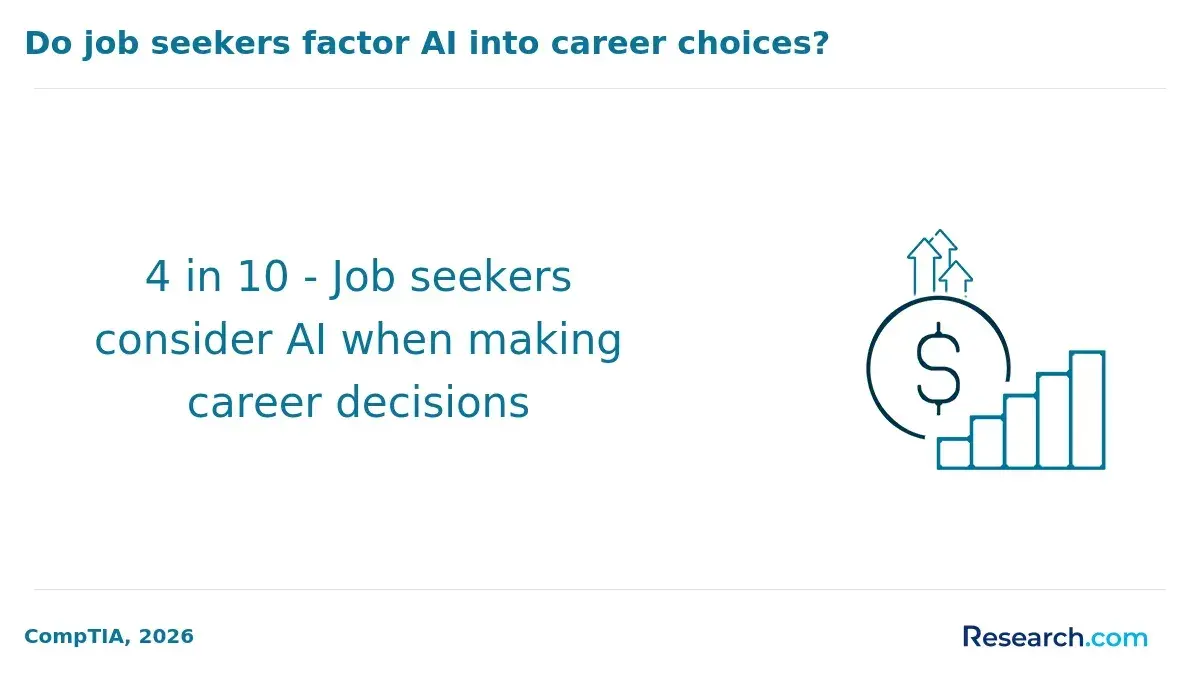
AI-skilled supplier risk professionals in the U.S. earn salaries typically ranging from $85,000 to over $140,000 annually, influenced by experience, location, and industry. Entry-level roles usually start near $85,000, especially for those with foundational AI and supply chain knowledge. Mid-level professionals with demonstrated AI strategy and risk mitigation capabilities often see salaries between $110,000 and $130,000, while senior roles that combine AI expertise with leadership in supplier risk management can surpass $140,000.
The demand for these experts is growing rapidly due to AI's increasing adoption in procurement and supply management. Data from the Institute for Supply Management shows a 60% rise in registrations for AI-focused supply management training and certification, highlighting the market's need for qualified candidates able to apply AI tools to forecast, analyze, and minimize supplier risks.
Key skills sought by employers include:
- Integrating AI analytics into supplier evaluation processes
- Using machine learning models to predict supply chain disruptions
- Developing AI-driven policies to reduce procurement risks
Obtaining formal certification or completing specialized AI strategy courses can significantly improve job prospects and salary potential. Professionals skilled in both supply chain risk and AI are increasingly essential across manufacturing, retail, and technology industries.
Other Things You Should Know About Artificial Intelligence
Common challenges include data quality issues, integration with existing systems, and ensuring transparency of AI decision-making processes. Organizations often struggle with aligning AI outputs to business goals and managing the ethical use of AI in evaluating suppliers. Additionally, securing stakeholder buy-in and upskilling staff to work effectively alongside AI tools can slow adoption.
While artificial intelligence provides data-driven insights and predictive analytics, it does not fully replace human judgment in supplier risk decisions. Human expertise remains crucial for interpreting nuanced supplier behavior, ethical considerations, and contextual factors that AI may not fully capture. AI serves best as a decision support tool rather than a substitute for skilled risk managers.
Explainability is vital for building trust in AI-driven supplier risk assessments. Transparent models allow risk managers to understand how AI arrives at specific conclusions and justify decisions to stakeholders. This clarity supports regulatory compliance, helps identify errors, and ensures AI recommendations are actionable and ethically sound.
References
- Artificial Intelligence (AI) inProcurement and Supply Chain Management https://kcacademyuk.com/course/artificial-intelligence-ai-in-procurement-and-supply-chain-management
- Professional AI Training: How to Choose the Right Program https://www.strategicaileader.com/professional-ai-training-how-to-choose-the-right-program/
- Best supplier risk management tools for 2026 https://optro.ai/blog/supplier-risk-management-tools
- How AI transforms supplier risk management - Everstream Analytics https://www.everstream.ai/articles/how-ai-transforms-supplier-risk-management/
- AI Governance Salaries 2026: $65K to $400K+ (20 Roles) https://techjacksolutions.com/ai-governance-salary-data/
- Every Job in Procurement and Supply Chain, Ranked by AI Risk | LightSource https://lightsource.ai/blog/every-procurement-supply-chain-job-ranked-by-ai-risk
- AI Essentials & Vendor Risk Management - Compliance Education Institute https://compliance-edu.com/ai-essentials-vendor-risk-management/
- AI-Powered Supplier Risk Management: A Game Changer | GEP Blog https://www.gep.com/blog/technology/ai-transforming-supplier-risk-management
- The Key Types of AI and Their Roles in Supply Chain Risk Management - Z2Data https://www.z2data.com/insights/the-key-types-of-ai-and-their-roles-in-supply-chain-risk-management
- AI in Supply Chain Risk Assessment: A Systematic Literature Review and Bibliometric Analysis https://arxiv.org/html/2401.10895v4