2027 Best AI Governance in Regulated Industries Courses Online

Co-Founder and Chief Data Scientist
Regulated industries increasingly face complex challenges in managing AI systems that must comply with strict legal and ethical standards. Poor governance can lead to costly penalties, data breaches, or biased decision-making, damaging trust and operational stability. Professionals transitioning into AI roles need a clear understanding of regulatory frameworks and best practices to ensure compliance and responsible deployment of AI technologies. This article explores top online courses specializing in AI governance, focusing on how they prepare learners to navigate regulatory demands and apply governance frameworks effectively in highly regulated sectors.
Key Things You Should Know
- AI governance courses in 2026 emphasize regulatory compliance, addressing frameworks such as GDPR and the U.S. Algorithmic Accountability Act to prepare students for evolving legal landscapes.
- Programs increasingly integrate ethics, bias mitigation, and risk management training, reflecting industry demand as 78% of executives prioritize trustworthy AI deployment.
- Hands-on labs using real-world datasets boost practical skills; 65% of courses now require capstone projects or internships aligned with regulated sectors like healthcare and finance.
Advance Your Career with AI Online Courses
Artificial Intelligence: Implications for Business Strategy
This program provides an introduction to Artificial Intelligence and their implications for business strategy. Earn an official digital certificate.

Oxford Artificial Intelligence Programme
Explore this Oxford Artificial Intelligence programme offered in a flexible learning environment and explore topics like machine learning, automation, and robotics.

Implementing Agentic AI: Building Your Organizational Playbook
This online MIT Agentic AI course offers a practical approach to deploying AI agents in your organization, including a custom playbook. 3 weeks, exclusive launch price.

AI Adoption: Driving Business Value and Impact
This online MIT AI Adoption: Driving Business Value and Impact offers practical frameworks to close the gap between AI potential and business reality.

Artificial Intelligence in Pharma and Biotech
Discover the applications and limitations of artificial intelligence in pharma and biotech with this MIT online short course.

What is AI governance in regulated industries, and why do professionals need specialized training?
AI governance frameworks for regulated industries focus on ensuring artificial intelligence systems meet strict legal, ethical, and safety standards in sectors like healthcare, finance, and energy. These sectors face demanding regulations to protect consumers and critical infrastructure, making thorough AI governance essential to manage risks such as bias, privacy breaches, and operational failures.
Recent data reveals the urgency of specialized training in AI compliance and risk management. A 2024 World Economic Forum survey of 1,200 global executives found that 72% experienced at least one significant AI-related compliance incident or regulatory warning in the last three years, while 41% identified insufficient AI governance skills as a major internal risk.
- Interpret and apply complex regulations such as GDPR and SEC guidelines
- Assess AI risks including algorithmic transparency and bias mitigation
- Develop governance policies aligned with compliance mandates and organizational goals
- Implement monitoring and audit tools to detect early compliance failures
- Communicate effectively with regulators and stakeholders
Professionals equipped with these skills support organizations in avoiding costly penalties and reputational damage. Those interested in advancing in this field can benefit from pursuing an online computer science degree to gain the necessary expertise and stay current with evolving AI governance frameworks for regulated industries.
Advance Your Career with AI Online Courses
Artificial Intelligence: Implications for Business Strategy
This program provides an introduction to Artificial Intelligence and their implications for business strategy. Earn an official digital certificate.
Oxford Artificial Intelligence Programme
Explore this Oxford Artificial Intelligence programme offered in a flexible learning environment and explore topics like machine learning, automation, and robotics.
Implementing Agentic AI: Building Your Organizational Playbook
This online MIT Agentic AI course offers a practical approach to deploying AI agents in your organization, including a custom playbook. 3 weeks, exclusive launch price.
What are the best online AI governance courses specifically focused on regulated industries?
Top online AI governance courses for regulated industries focus on compliance, ethics, and risk management across sectors like healthcare, finance, and government. These programs address critical issues such as data privacy under HIPAA, managing algorithmic bias, and meeting FDA or SEC standards.
Leading programs include the University of Oxford's "AI Governance and Regulation," which centers on policy frameworks, and MIT's "Responsible AI in Regulated Environments," emphasizing ethical deployment and audit processes. The Healthcare Compliance Association offers a tailored course on AI compliance in healthcare, highlighting patient data security and algorithm validation. Financial experts may find Wharton's "AI Risk Management in Financial Services" valuable, combining regulatory knowledge with operational risk assessment designed for AI systems.
Interest in top AI governance training programs focused on compliance in regulated sectors is rising sharply. LinkedIn's 2024 Global Future of Work Report shows job postings mentioning "AI governance" increased by 323% year-over-year, particularly within financial services, healthcare, and government. This demand reflects the need for education tailored to specific regulatory landscapes.
Students and professionals should prioritize courses featuring practical case studies, regulatory compliance tools, and frameworks like the EU's AI Act or the U.S. Algorithmic Accountability Act. Certification often leads to careers in compliance, risk analysis, or AI ethics roles in regulated environments.
Those interested in broader STEM fields may also consider programs like a mechanical engineering degree to complement their expertise in AI governance.
How do online AI governance programs compare with campus-based options for working professionals?
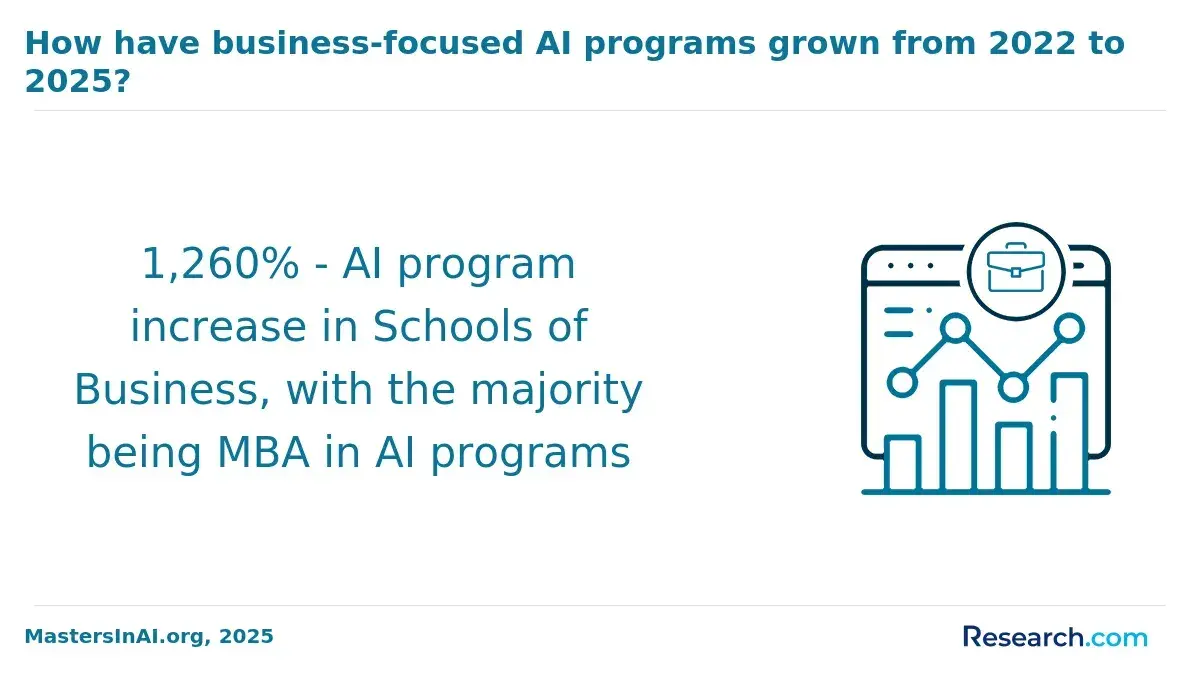
AI governance online courses for regulated industries offer flexibility that suits working professionals balancing education with demanding careers. These programs often provide asynchronous coursework, enabling students to progress at their own pace without relocating or altering work schedules, unlike campus-based options requiring fixed attendance. Many online courses incorporate live virtual sessions, discussion forums, and access to industry experts, fostering engagement similar to in-person settings.
Campus-based programs typically offer richer face-to-face networking, on-site workshops, and direct university career services, which can benefit professionals aiming for sectors like financial services or pharma. According to the 2024 Robert Half Technology Salary Guide, these fields report median compensations around $205,000 with top decile salaries exceeding $300,000. Choosing the best format depends on how well it supports career advancement and employer recognition.
Comparing campus-based and online AI governance programs for professionals should include accreditation, curriculum relevance, and connections to regulated industries. Online courses focused on regulatory bodies and practical case studies provide immediately applicable skills. Conversely, campus options may emphasize research-oriented learning valuable for theoretical roles.
Those seeking more information might explore online data science programs for further AI governance education paths.
What degrees, certificates, or microcredentials prepare you for AI governance roles in regulated sectors?
Degrees in AI governance for regulated industries often blend technology, policy, and ethics, including master's programs focused on AI ethics, data science with compliance, or technology policy. These programs cover areas like risk management, regulatory frameworks, and ethical AI deployment, preparing students for complex environments.
Certificates and microcredentials for AI compliance roles are frequently offered by universities and professional organizations. Notable certifications in AI ethics come from institutions like MIT or Stanford, while specialized programs target compliance governance in healthcare, finance, or government sectors, emphasizing regulations such as HIPAA, GDPR, or SEC rules.
Microcredentials provide skill-specific training in topics like AI audit methodologies, bias mitigation, and accountability. Platforms like Coursera and edX partner with universities to offer stackable credentials designed for professionals needing rapid upskilling to fill urgent skill gaps.
Practical skills such as interpreting AI models for compliance, designing transparent AI systems, and risk assessments are key components. IBM's Global AI Adoption Index highlights that 58% of organizations in regulated industries cite lack of in-house AI governance expertise as a major barrier. Additionally, 64% plan to increase spending on AI governance training within two years.
Students should also consider the cost of computer science degree when choosing programs, balancing affordability with comprehensive education that integrates regulatory knowledge and technical AI expertise.
What core topics and skills are covered in AI governance courses for regulated industries?
AI governance courses for regulated industries cover critical areas like regulatory frameworks, including the EU AI Act, GDPR, and HIPAA, plus sector-specific standards that affect AI deployment. These programs train students in risk management strategies to identify and reduce harms linked to biased algorithms, privacy breaches, and operational failures in fields such as finance and healthcare.
Students learn ethical AI principles emphasizing transparency, accountability, and fairness, and how to incorporate these into AI lifecycle management. Courses also address continuous monitoring and auditing to ensure compliance and validate AI performance.
With regulatory oversight increasing-as highlighted by DLA Piper's 2024 AI Regulation Global Survey, where 76% of financial institutions and 69% of healthcare organizations predict more AI inspections by 2026-students gain skills in preparing organizations for regulatory responses. This includes mastering documentation standards, report preparation, and stakeholder communications.
Additional modules may explore cross-jurisdictional challenges and governance in multinational contexts. Technical competencies often include using algorithm explainability tools and data governance platforms to support compliance efforts.
Overall, students and professionals aiming for leadership in AI governance build interdisciplinary expertise blending legal knowledge, ethics, risk management, and practical application suited for regulated industries.
How can you verify accreditation, institutional quality, and industry recognition for AI governance programs?
Verifying accreditation and institutional quality is essential when selecting AI governance programs to ensure alignment with professional and industry standards. Confirm that the program holds accreditation from recognized U.S. agencies like those listed by the Council for Higher Education Accreditation (CHEA) or the U.S. Department of Education. Regional accreditation confirms baseline educational quality, while specialized accreditations in technology or ethics enhance credibility.
Assess curricula for compliance with current regulatory frameworks and standards such as those from NIST or ISO focused on AI risk management. Programs affiliated with prominent regulatory bodies or associations like IEEE or AI Ethics Consortiums generally offer content updated to reflect real-world governance challenges.
Look for industry recognition demonstrated by endorsements, alumni career outcomes, and faculty expertise. Reviewing graduate employment data or LinkedIn profiles helps verify the program's effectiveness in preparing students for roles in regulated sectors. Strong programs often feature practical case studies or simulations based on sectors like healthcare, finance, or defense.
Consider also third-party rankings, independent reviews, and collaborations with research centers to further confirm institutional quality. McKinsey's State of AI report highlights that companies with mature AI risk-management and governance practices are 1.6 times more likely to report AI initiatives adding at least 20% to EBIT, and 3 times less likely to report major AI-related losses or compliance failures, emphasizing the value of accredited and industry-recognized education in AI governance.
What are the typical admission requirements and time commitments for online AI governance study?
Admission to online AI governance courses in regulated industries generally requires a bachelor's degree in computer science, information technology, business, law, or compliance. Alternatively, candidates with significant professional experience in risk management, data privacy, or regulatory compliance may also qualify. Prerequisites typically include foundational knowledge of AI principles, data governance, and relevant regulatory frameworks. Application materials often encompass a resume, letters of recommendation, and a statement of purpose outlining the student's interest in AI governance.
Time commitment varies: certificate programs usually last 3 to 6 months with 5 to 10 hours of weekly study, while diploma or master's programs may extend 12 to 24 months, requiring 10 to 15 hours per week. Many programs offer flexible scheduling to accommodate working professionals.
Programs geared toward practical skills often follow standards like ISO/IEC 42001 for AI governance. According to a 2024 survey by the International Association of Privacy Professionals (IAPP), only 28% of highly regulated companies have implemented formal AI governance frameworks, though 71% plan to do so by 2026. This highlights the growing demand for expertise in this field.
Prospective students should seek courses with real-world case studies, compliance scenarios, and capstone projects demonstrating mastery. These elements prepare learners for evolving industry and regulatory challenges in AI governance.
How much do AI governance courses cost, and what financial aid or employer funding is available?
AI governance courses vary significantly in cost depending on format, provider, and length. Self-paced options on platforms like Coursera or edX often provide free access to materials but charge between $50 and $200 for certificates or graded assignments. More extensive programs, such as professional certificates or bootcamps for regulated industries, usually range from several hundred to a few thousand dollars. Customized in-house training can exceed $5,000 per participant due to expert instruction and tailored content.
Financial aid opportunities are widely available through online platforms. Coursera and edX offer need-based scholarships and financial aid that can reduce costs by up to 90%. Many academic institutions provide grants or payment plans to ease upfront expenses. Employer funding remains a crucial resource, especially as regulated industries experience growing demand for AI governance training. According to the 2024 Coursera Global Skills Report, enterprise enrollments in AI governance, ethics, and policy increased by 421% over two years, with over half of this growth driven by these industries. Companies frequently reimburse tuition when courses align with job responsibilities or compliance requirements.
Learners should explore employer-sponsored tuition reimbursement and professional development budgets. Early financial aid applications are essential, as approval must often be secured before course start dates.
What careers can AI governance training in regulated industries lead to, and what salaries are typical?
Careers in AI governance within regulated industries focus on ethical, compliant, and secure use of AI technologies. Roles commonly include AI compliance officers, risk analysts, ethics specialists, data privacy managers, and AI policy advisors. These professionals help organizations avoid costly regulatory fines, biased AI outcomes, and security breaches. For example, a Capgemini Research Institute study reports that a major AI governance failure can cost companies an average of $9.9 million per incident. This is notably higher than the typical annual spend on AI governance training, which remains under $500,000, highlighting the value of skilled experts in this area.
Salary ranges vary widely depending on experience and role. Entry-level positions such as compliance analysts usually earn between $80,000 and $100,000 annually. Senior professionals, including AI governance managers or chief compliance officers in large firms, can expect salaries from $120,000 to $150,000 or more. Expertise in regulatory frameworks like GDPR, HIPAA, or financial compliance further increases earning potential.
AI governance roles demand a combination of technical skills, legal knowledge, and ethical awareness. Opportunities exist across sectors like healthcare, finance, and technology, where data regulation and AI accountability are critical. Increasing regulatory oversight ensures that demand for governance specialists remains strong and career prospects stable.
How is employer demand and job growth evolving for AI governance roles in regulated industries?
Demand for AI governance roles in regulated sectors is rapidly growing as companies face complex compliance and ethical challenges. Gartner forecasts that by 2027, 30% of chief risk officer and chief compliance officer positions will explicitly require AI governance skills, up from under 5% recently. This surge highlights the importance of AI oversight in industries like finance, healthcare, and energy, where regulatory scrutiny is intensifying.
Organizations seek professionals skilled in AI ethics, transparency, and risk mitigation to develop and implement governance frameworks. Roles include AI risk analysts, compliance managers, and policy advisors focused on responsible AI application. Candidates benefit from expertise in data privacy impact assessments, model validation, and regulatory reporting, alongside practical experience with AI governance technologies.
Those targeting these careers should consider courses emphasizing AI regulation, compliance strategies, and ethical implications, while staying informed about domestic and international regulatory trends. Certifications in AI ethics and governance further enhance employability.
- AI governance roles are expanding from advisory to executive leadership levels.
- Finance and healthcare industries lead hiring for these positions.
- Specialized certifications boost career opportunities.
Other Things You Should Know About Artificial Intelligence
In 2027, ethical principles are incorporated into AI governance frameworks for regulated industries by developing guidelines focused on transparency, accountability, and fairness. These guidelines ensure AI systems comply with ethical standards and protect stakeholders' interests, offering a foundation for building trust and adherence to both local and international regulations.
Explainability is crucial for AI governance because it allows stakeholders to understand how AI systems make decisions. In regulated industries, explainable AI supports regulatory compliance, aids auditing processes, and reduces risks associated with opaque algorithms. Clear explanations enhance accountability and facilitate corrective actions when needed.
Yes, AI governance programs often cover global regulatory standards such as GDPR, HIPAA, and others relevant to specific sectors. Training in these programs equips professionals to design AI systems that comply with multiple jurisdictions. This global perspective is vital for industries operating across borders.
Key challenges include balancing innovation with regulatory compliance, ensuring data privacy, and managing complex approval processes. Additionally, professionals must address evolving regulations and align AI technologies with ethical standards. Continuous monitoring and updating governance frameworks are necessary to handle these obstacles effectively.
References
- AI Governance Micro-Credential https://www.hfma.org/education-events/micro-credentialing/ai-governance-micro-credential/
- Trustworthy AI and Governance https://www.hh.se/english/education/courses/trustworthy-ai-and-governance.html
- An AI governance certification will boost your career | The Corporate Governance Institute https://www.thecorporategovernanceinstitute.com/insights/guides/an-ai-governance-certification-will-boost-your-career/
- Data & AI Governance | Level 4 Funded Programme | iO-Sphere https://io-sphere.io/apprenticeships/data-ai-governance
- AI Governance Course: What to Look For - The Case HQ Online https://thecasehq.com/ai-governance-course-what-to-look-for/
- What Does AI Governance Cost? Budgets by Org Size https://governance.aicareer.pro/blog/the-costs-of-ai-governance
- AI Governance Professional Certification | CertiProf https://certiprof.com/products/ai-governance-certification-iso-42001
- Global AI Governance Overview: Understanding Regulatory Requirements Across Global Jurisdictions https://arxiv.org/html/2512.02046v1
- Free AI training for all, as government and industry programme expands to provide 10 million workers with key AI skills by 2030 https://www.gov.uk/government/news/free-ai-training-for-all-as-government-and-industry-programme-expands-to-provide-10-million-workers-with-key-ai-skills-by-2030
- Redefining "Proactive QA" in the AI Era: a student-driven policy model within international AI Governance frameworks https://www.eua.eu/publications/conference-papers/redefining-proactive-qa-in-the-ai-era-a-student-driven-policy-model-within-international-ai-governance-frameworks.html