2027 Best AI Courses for Software Engineers With Certificates

Co-Founder and Chief Data Scientist
Many software engineers with degrees in unrelated fields face difficulties transitioning into artificial intelligence roles due to the rapid evolution and specialization in the industry. Gaining relevant skills and recognized certifications can be time-consuming and overwhelming without proper guidance.
Professionals often struggle to find courses that balance flexibility with accreditation, crucial for career advancement in this competitive market. As such, this article explores the best artificial intelligence courses available for software engineers, focusing on programs that offer certificates. It aims to help readers identify flexible, credible learning paths that enhance employability and technical expertise in artificial intelligence.
Key Things You Should Know
- Top AI courses for software engineers in 2026 emphasize hands-on projects and real-world applications, with 75% of programs offering verified certificates recognized by tech employers.
- Most courses integrate the latest AI tools like GPT-5 and TensorFlow 3, reflecting the 2025 advancements in machine learning and deep learning techniques effective for software development.
- Demand for AI skills grew 40% from 2024 to 2025 in U.S. tech jobs, making certified AI education crucial for career advancement and salary growth in software engineering roles.
Advance Your Career with AI Online Courses
Artificial Intelligence: Implications for Business Strategy
This program provides an introduction to Artificial Intelligence and their implications for business strategy. Earn an official digital certificate.

Oxford Artificial Intelligence Programme
Explore this Oxford Artificial Intelligence programme offered in a flexible learning environment and explore topics like machine learning, automation, and robotics.

Implementing Agentic AI: Building Your Organizational Playbook
This online MIT Agentic AI course offers a practical approach to deploying AI agents in your organization, including a custom playbook. 3 weeks, exclusive launch price.

AI Adoption: Driving Business Value and Impact
This online MIT AI Adoption: Driving Business Value and Impact offers practical frameworks to close the gap between AI potential and business reality.

Artificial Intelligence in Pharma and Biotech
Discover the applications and limitations of artificial intelligence in pharma and biotech with this MIT online short course.

What makes an AI course valuable for software engineers seeking a recognized certificate?
A valuable AI certification course for software engineers must deliver comprehensive, current content aligned with industry standards. Recognized AI training programs with certification emphasize practical skills such as machine learning algorithms, data processing, and deploying AI models so participants can apply knowledge to real-world projects. Certificates from accredited institutions or industry leaders carry significant weight in the job market.
Courses that include hands-on projects, like building and optimizing neural networks using frameworks such as TensorFlow or PyTorch, demonstrate practical competence beyond theory. Frequent updates reflecting technological advancements prepare engineers for the dynamic field.
Transparent assessment methods and formal exams verify genuine skill mastery, enhancing certificate credibility. Programs partnered with leading tech companies or universities often provide verifiable digital credentials, boosting trustworthiness.
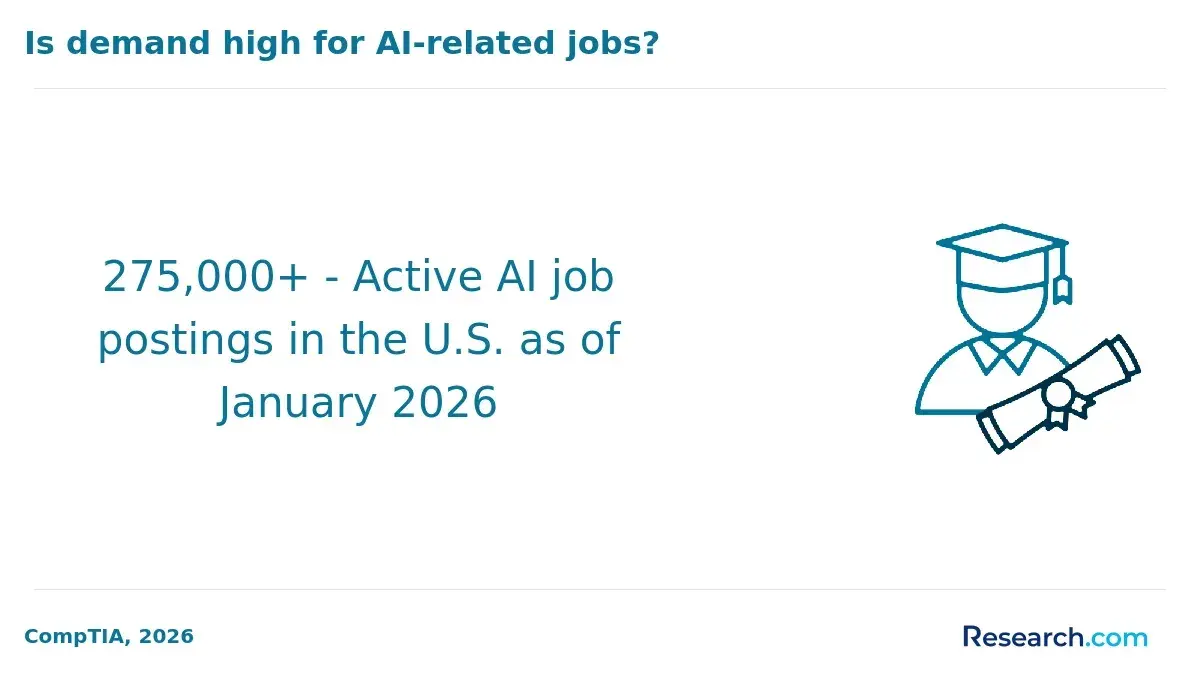
Relevance to employment trends is crucial: the US Bureau of Labor Statistics projects jobs for AI/ML engineers will nearly triple from 2024 to 2027, with a shortage exceeding 700,000 workers. Prioritizing certifications favored by employers improves hiring prospects. Soft skills, including problem-solving in AI contexts and ethics, are also essential components that prepare engineers for leadership roles.
Accessibility matters for professionals balancing work and study. Flexible formats such as part-time, online, or bootcamp styles help avoid career disruption. Clear alignment between course outcomes and certificate benefits aids candidates in selecting the right training. For those considering accelerated options, a one year computer science degree may complement specialized AI certification courses for software engineers.
Advance Your Career with AI Online Courses
Artificial Intelligence: Implications for Business Strategy
This program provides an introduction to Artificial Intelligence and their implications for business strategy. Earn an official digital certificate.
Oxford Artificial Intelligence Programme
Explore this Oxford Artificial Intelligence programme offered in a flexible learning environment and explore topics like machine learning, automation, and robotics.
Implementing Agentic AI: Building Your Organizational Playbook
This online MIT Agentic AI course offers a practical approach to deploying AI agents in your organization, including a custom playbook. 3 weeks, exclusive launch price.
How do AI certificate courses differ from full degrees and nano-programs for engineers?
AI certificate courses focus on targeted skills and practical knowledge over a shorter timeframe compared to full degrees and nano-programs. Unlike degrees that provide comprehensive theoretical training across several years, certificate programs concentrate on applied competencies in specific AI fields such as machine learning algorithms, natural language processing, or computer vision. This allows engineers to rapidly gain relevant abilities tailored to industry needs without committing to a full curriculum.
In terms of differences between nano-programs and AI certificate courses for engineers, nano-programs are generally more modular and project-based, often combining multiple micro-credentials and capstone projects. Certificate courses, by contrast, offer standalone credentials that emphasize mastery of discrete skills, validated through exams or project submissions.
These distinctions are important for engineers when choosing educational paths. Certificate courses provide flexibility and fast upskilling, ideal for immediate job impact. Full degrees require more extensive time and foundational study, often necessary for research and advanced roles. Nano-programs strike a balance by blending depth with hands-on experience aligned with employer needs.
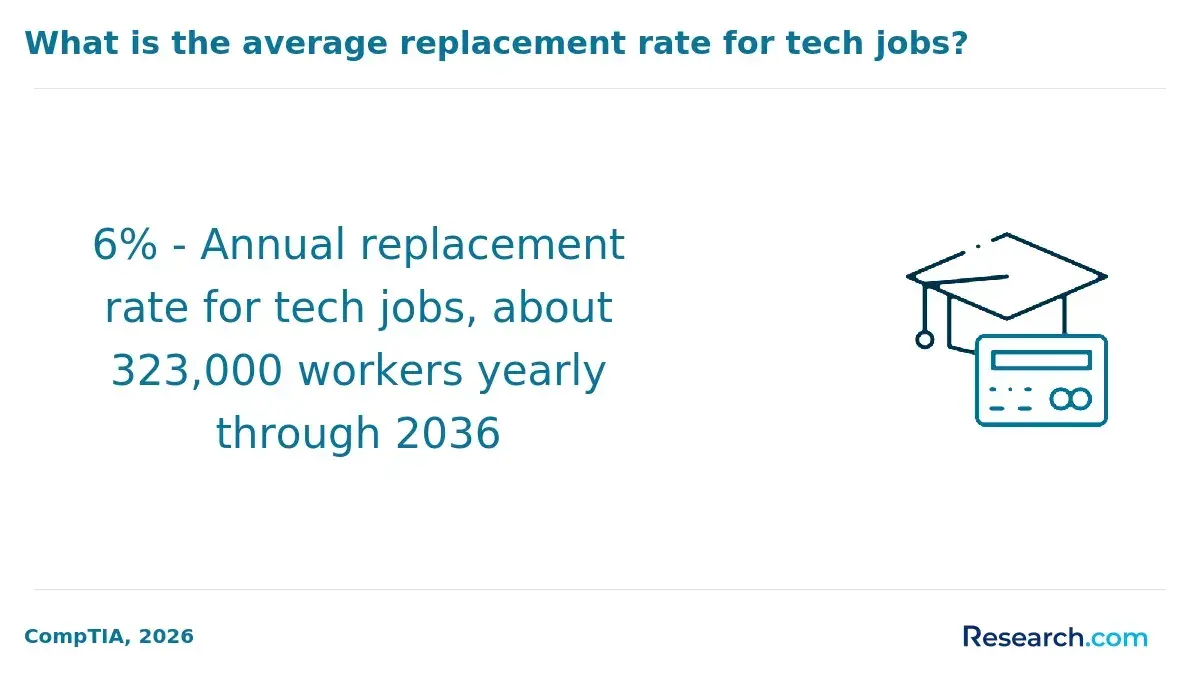
Between 2022 and 2024, certification candidates pursuing AI and machine learning credentials doubled from 17% to 35%, making this area the second most sought-after specialty. Such trends reflect growing industry demand for concise, skill-focused credentials that bridge knowledge gaps efficiently.
Prospective students interested in comparing options should also explore AI degree offerings to understand comprehensive educational investments available in the market.
Which types of institutions offer the best AI certificates for software engineers?
Top AI certificates for software engineers come from three main sources: leading universities, large technology firms, and specialized online education platforms. Universities such as MIT and Stanford offer certifications blending theoretical foundations with practical applications, making them among the best universities offering AI certificates for software engineers. These programs provide rigorous coursework recognized globally by employers.
Tech companies like Google, Microsoft, and IBM focus on industry-relevant skills, including machine learning frameworks and AI model deployment. Their certificates emphasize hands-on experience, aimed at quickly boosting professionals' job readiness.
According to Google's workforce survey, 75% of workers who completed an online professional certificate reported positive career outcomes within six months.
Online platforms like Coursera, edX, and Udacity host AI certification for software developers, often in partnership with universities or tech companies. These platforms offer flexible pacing and project-based learning, ideal for working professionals balancing busy schedules.
Software engineers interested in such options may also explore an online cybersecurity degree as a related pathway to enhance technical skills.
When selecting the best AI certificate, consider curriculum depth, practical experience, credential value, and time commitment. University certifications suit those pursuing comprehensive knowledge, while platform and industry certificates are best for rapid skill development and career advancement.
How can software engineers evaluate accreditation and credibility of AI certificate programs?
Software engineers assessing how software engineers assess AI certificate program accreditation should first verify institutional accreditation through recognized bodies such as the Middle States Commission on Higher Education or ABET. Programs affiliated with accredited colleges generally hold higher credibility.
Evaluating the expertise of instructors is also crucial; those with research publications or demonstrated experience in deep learning and large language models (LLMs) indicate a more reliable curriculum. Contributions to frameworks like TensorFlow or PyTorch further enhance trustworthiness.
Curriculum relevance to current industry standards is a vital factor. Effective programs focus on hands-on projects that cover model training, data ethics, and deployment, often incorporating transformer-based architectures that drive rapid market growth from $21 billion to over $360 billion by 2030.
Transparency about learner outcomes—such as internship opportunities, employer partnerships, and alumni career progression—can demonstrate a program's value.
When evaluating the credibility of AI certificate programs for software engineers, it is important to avoid certificates lacking clear syllabi or verifiable reviews. Programs offering stackable credentials with third-party validation, like endorsements from IEEE or ACM, tend to provide lasting professional benefits.
Those exploring related fields may also find useful information on cybersecurity programs online for veterans.
What core AI topics and tools should the best courses for engineers cover?
Top ai courses for software engineers offer a thorough foundation in machine learning, covering supervised, unsupervised, and reinforcement learning methods essential for developing modern systems. They focus on deep learning architectures such as convolutional neural networks (CNNs) and transformers, which drive progress in vision and natural language processing.
Practical skills are emphasized through projects using frameworks like TensorFlow, PyTorch, and Hugging Face's Transformers library. Proficiency in Python programming, data preprocessing, feature engineering, and model evaluation metrics is also integral.
Deployment training includes model serving and cloud integration with platforms like AWS and Azure, plus ethics in AI development, highlighting fairness and bias mitigation. Real-world scenarios such as predictive maintenance and conversational AI foster a better grasp of domain-specific challenges.
Demand for expertise in generative AI and large language models (LLMs) is booming, with enrollment surging to 3.5 million on platforms like Coursera and Udemy post-ChatGPT, according to Validated Insights.
Advanced topics now cover prompt engineering, fine-tuning LLMs, and multimodal AI to keep skills current. These include:
- Machine learning fundamentals
- Deep learning architectures (CNNs, transformers)
- Hands-on projects with key AI frameworks
- Cloud deployment and operational skills
- Ethical AI practices
- Generative AI and LLM engineering
How do online, hybrid, and campus AI certificate programs compare for working engineers?
Online, hybrid, and campus AI certificate programs each offer unique benefits for working engineers. Online courses provide flexibility with asynchronous content, ideal for those balancing full-time roles and personal commitments, though they may lack real-time interaction.
Hybrid programs blend online theory with in-person labs or seminars, combining flexibility with valuable hands-on experience. This suits professionals who can attend occasional campus sessions but need mostly remote learning.
Campus-based programs deliver immersive, structured environments with face-to-face collaboration, networking, and specialized lab access, which benefits engineers pursuing deep technical skills in areas like computer vision and natural language processing.
Specialization plays a crucial role. Enterprises implementing MLOps are 3-4 times more likely to scale AI projects successfully, according to a Gartner research note on AI engineering maturity. Certificate programs focusing on MLOps, vision, or NLP that include practical projects and use current industry tools offer greater career value. Engineers should prioritize curricula with real-world applications, especially when aiming for roles emphasizing production-ready AI systems.
Key factors to consider are:
- Flexibility for scheduling and learning pace
- Hands-on experience with relevant tools and labs
- Opportunities for networking and mentoring
Choosing a program aligned with your workflow and career goals ensures maximized benefits from your AI education journey.
What are typical admission requirements and prerequisites for AI certificates in the U.S.?
Admission requirements for AI certificates in the U.S. typically demand a bachelor's degree in computer science, engineering, mathematics, or related STEM fields. In some cases, equivalent work experience in software development or data science can substitute formal education. Foundational skills in programming languages like Python and strong knowledge of calculus, linear algebra, and statistics are essential prerequisites.
Many programs—especially those from platforms such as Coursera and edX—expect applicants to be familiar with machine learning concepts, data structures, and algorithms. These courses often list prerequisite modules or recommend introductory learning to build this foundation.
Project-based certificates have shown strong alignment with career advancement; the 2024 Coursera Outcomes Report found 77% of learners applying these certificates used their new skills on the job within six months. Candidates should demonstrate both academic or experiential technical grounding and readiness for hands-on assignments to meet typical admission standards for AI certificate programs.
How long do AI certificate programs take, and what do they typically cost?
AI certificate programs vary in length and cost, typically ranging from 3 to 9 months depending on the format and depth of content. Part-time or self-paced courses usually take between 6 and 9 months, ideal for working professionals balancing study with employment. Full-time immersive options can be finished in as little as 3 to 4 months.
The curriculum often differs for beginners versus experienced engineers, with foundational topics covered in longer programs and advanced skills focusing on specialization.
Costs also fluctuate significantly based on the provider and delivery style. Online certificates through universities or platforms like Coursera and edX often cost between $2,000 and $5,000, while intensive bootcamps or professional diplomas may range from $7,000 to $15,000. Many programs offer payment plans or income share agreements to reduce upfront expenses.
Prospective students should consider their background when selecting a program. Career switchers without machine learning experience will benefit from comprehensive programs including fundamentals. Skills in generative AI or large language models are especially valuable, with data showing candidates listing these competencies receive 1.5 to 2.3 times more recruiter outreach.
Common certificate curriculum includes supervised learning, neural networks, natural language processing, AI ethics, and software engineering best practices. Hands-on projects are often incorporated to improve job readiness but may extend program duration.
What AI and machine learning roles can software engineers pursue with these certificates?
Software engineers holding AI and machine learning certificates qualify for varied roles, including machine learning engineer, data scientist, AI software developer, and AI research analyst. These positions involve designing predictive models, creating algorithms for natural language processing, and deploying computer vision systems in practical settings.
The certificates provide expertise in full machine learning workflows such as data preprocessing, training, evaluation, and deployment. For instance, machine learning engineers build scalable models for production environments, while data scientists focus on extracting insights from complex datasets. Additionally, certificates open doors to specialized roles like AI ethics analyst and AI product manager, where technical knowledge supports ethical guidance and business strategy.
Key responsibilities often include work with reinforcement learning, deep learning, and automated decision-making systems. A 2024 Burning Glass Institute study found that short-cycle tech credentials typically cost under $1,000 and can boost annual earnings by $7,000-$12,000 in the first year, offering a strong near-term return on investment compared to traditional master's degrees.
Targeted certificates accelerate advancement into higher-paying roles such as AI systems engineer, research engineer, and algorithm developer, which are crucial in the expanding AI economy.
How do AI certificates impact salary potential and long-term job outlook for engineers?
AI certificates significantly boost salary potential for software engineers by validating expertise in machine learning frameworks, neural networks, and data-driven problem-solving. Certified professionals often earn 15% to 25% more than their non-certified counterparts, highlighting employers' readiness to invest in verifiable skills.
This credential enhances employability within competitive job markets and opens doors to higher-level roles such as AI developer, data scientist, or machine learning engineer.
Industry growth projections support strong career prospects for certified AI engineers. IDC estimates global AI spending will reach $500 billion by 2027, growing at a 27% compound annual growth rate from 2023. As software engineering remains among the fastest-growing AI application sectors, continuous certification ensures engineers remain competitive and relevant.
Maintaining certification with ongoing learning and renewal is essential to adapt to evolving AI methodologies. Employers favor professionals who stay updated, which protects earning potential and career advancement.
Other Things You Should Know About Artificial Intelligence
In 2027, notable AI courses for software engineers include Stanford University's Professional Certificate in Artificial Intelligence, Coursera's Deep Learning Specialization by Andrew Ng, and edX's MicroMasters in Artificial Intelligence from Columbia University, all offering valuable certifications.
Having prior programming experience is highly recommended before beginning artificial intelligence courses, especially for software engineers. Understanding languages like Python or Java aids in grasping AI libraries and frameworks efficiently. However, some beginner-friendly courses provide foundational coding tutorials for those new to programming.
Mathematics, particularly linear algebra, calculus, probability, and statistics, forms the foundation of many AI algorithms. A solid grasp of these areas is crucial for understanding model training, optimization, and evaluation. Most AI certificate programs include math refreshers or prerequisites to prepare students for technical material.
Yes, artificial intelligence certificates can be valuable for software engineers aiming to transition into emerging roles such as data scientist, machine learning engineer, or AI specialist. These credentials demonstrate relevant skills and knowledge to employers and can accelerate career growth in AI-driven fields. They also help validate expertise beyond traditional software development.
References
- Top 10 AI certifications and courses for 2025 https://www.techtarget.com/whatis/feature/10-top-artificial-intelligence-certifications-and-courses
- AI certificates | edX https://www.edx.org/certificates/ai-certificates
- Machine Learning/AI Engineer | Codecademy https://www.codecademy.com/learn/paths/machine-learning-engineer
- Software Engineering Certifications — redShift Recruiting https://www.redshiftrecruiting.com/software-engineering-certifications
- 11 Best AI Certifications in 2025 to Deepen Your Technical Knowledge | DigitalOcean https://www.digitalocean.com/resources/articles/ai-certifications
- qa.com | Top 10 Must Have AI Certifications in 2026 https://www.qa.com/browse/certifications/ai-certifications/
- AI Careers: Roles, Salaries, and Certifications to Get You Hired - ONLC https://www.onlc.com/blog/ai-careers-roles-salaries-certifications/
- Which Course do you recommend after AI For Everyone? https://community.deeplearning.ai/t/which-course-do-you-recommend-after-ai-for-everyone/834556
- 12 Best AI Tools for Engineers in 2026 | Flowcase https://www.flowcase.com/blog/12-best-ai-tools-for-engineers
- Why AI Is A Massive Job-Creation Technology, Despite What You Think JOSH BERSIN https://joshbersin.com/2026/03/why-ai-is-a-massive-job-creation-technology-despite-what-you-think/