2027 Best AI Strategy Courses for Healthcare Executives

Co-Founder and Chief Data Scientist
Healthcare executives face mounting challenges integrating artificial intelligence into their organizations. Limited expertise and rapidly evolving technology can stall strategic initiatives, risking competitive disadvantage. Many leaders struggle to identify trustworthy educational paths that balance flexibility with rigorous, practical knowledge. This gap complicates efforts to implement AI-driven patient care and operational improvements effectively.
Recognizing these obstacles, this article highlights the top AI strategy courses tailored for healthcare executives. It aims to guide professionals toward accredited, adaptable programs that empower informed decision-making and successful transitions into AI-enabled leadership roles.
Key Things You Should Know
- Healthcare executives increasingly prioritize AI strategy courses that integrate ethical, regulatory, and operational aspects to meet 2025's evolving health tech landscape.
- By 2025, 67% of healthcare leaders report improved decision-making after completing specialized AI courses tailored to their sector's needs and challenges.
- Top programs emphasize data governance, patient privacy, and AI-driven clinical workflow optimization, reflecting the push for compliance and efficiency in healthcare management.
Advance Your Career with AI Online Courses
Artificial Intelligence: Implications for Business Strategy
This program provides an introduction to Artificial Intelligence and their implications for business strategy. Earn an official digital certificate.

Oxford Artificial Intelligence Programme
Explore this Oxford Artificial Intelligence programme offered in a flexible learning environment and explore topics like machine learning, automation, and robotics.

Implementing Agentic AI: Building Your Organizational Playbook
This online MIT Agentic AI course offers a practical approach to deploying AI agents in your organization, including a custom playbook. 3 weeks, exclusive launch price.

AI Adoption: Driving Business Value and Impact
This online MIT AI Adoption: Driving Business Value and Impact offers practical frameworks to close the gap between AI potential and business reality.

Artificial Intelligence in Pharma and Biotech
Discover the applications and limitations of artificial intelligence in pharma and biotech with this MIT online short course.

What is an AI strategy course for healthcare executives and who should enroll?
An AI strategy course for healthcare executives is a specialized program that equips leaders with the knowledge to integrate artificial intelligence effectively within health systems. These courses cover AI fundamentals, data governance, ethical considerations, and operational implementation tailored to healthcare.
Participants learn to critically evaluate AI technologies, develop roadmaps, and manage teams to deploy solutions that enhance patient outcomes and operational efficiency.
Healthcare professionals such as hospital CEOs, CIOs, chief medical officers, and strategy directors should consider enrolling in the best AI training programs for healthcare leaders. Those responsible for innovation, digital transformation, or clinical informatics also benefit by bridging the gap between technical possibilities and strategic priorities.
For example, leveraging machine learning for predictive analytics or automating administrative workflows increases leadership impact across healthcare settings.
Health systems that are AI-ready are projected to achieve up to 50% higher operating margins by 2030, driven by productivity gains and optimized care pathways, according to McKinsey & Company. This underscores the urgency for executives to view AI integration as a critical strategy rather than just a technology upgrade.
Enrolling in these programs prepares leaders to identify practical opportunities, mitigate risks like bias and data privacy, and foster a culture receptive to AI innovation.
For those exploring educational options, the data science master US ranking offers insight into affordable programs that blend AI strategy with healthcare expertise.
Advance Your Career with AI Online Courses
Artificial Intelligence: Implications for Business Strategy
This program provides an introduction to Artificial Intelligence and their implications for business strategy. Earn an official digital certificate.
Oxford Artificial Intelligence Programme
Explore this Oxford Artificial Intelligence programme offered in a flexible learning environment and explore topics like machine learning, automation, and robotics.
Implementing Agentic AI: Building Your Organizational Playbook
This online MIT Agentic AI course offers a practical approach to deploying AI agents in your organization, including a custom playbook. 3 weeks, exclusive launch price.
How can AI strategy training help healthcare executives drive clinical and business outcomes?
AI strategy training for healthcare leaders equips executives with the skills needed to integrate artificial intelligence into clinical workflows and business operations, improving patient outcomes and organizational efficiency. This training helps leaders deploy AI-driven predictive analytics to anticipate patient risks, optimize resources, and reduce diagnostic errors. For example, AI-powered decision support systems assist clinicians in choosing personalized treatment plans based on patient genetics and histories, enhancing care quality.
Improving clinical and business outcomes with AI education also involves mastering data-driven insights to boost operational efficiency, streamline billing, and detect fraud. Healthcare executives develop proficiency in managing AI investments aligned with institutional goals while addressing ethical use, compliance, and privacy concerns. Such training enhances collaboration between leaders and data scientists to ensure AI tools meet clinical needs without disrupting workflows.
With healthcare AI spending expected to reach USD 148.4 billion by 2029 at nearly 48.1% annual growth, prioritizing strategic education is essential to stay competitive. Training addresses challenges like workforce resistance, integration complexity, and outcome measurement. Leaders learn to set performance benchmarks and quantitatively evaluate AI project ROI to improve accountability.
Prospective students seeking to advance in this field may explore online degrees in AI that provide focused education on these critical skills.
What types of AI strategy programs exist for healthcare leaders, and which is right for me?
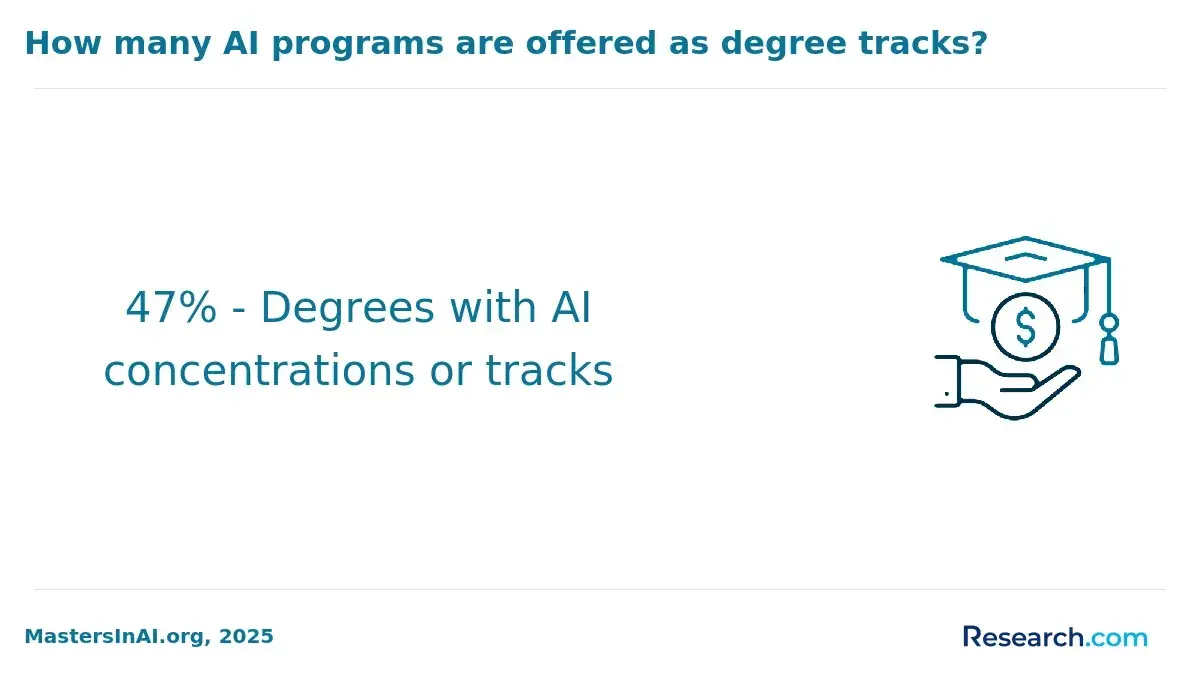
AI strategy programs for healthcare executives typically come in three formats: certificate courses, executive education workshops, and comprehensive degree programs. Certificate courses deliver targeted skills such as data analytics, AI integration, and regulatory knowledge, suited for leaders wanting quick, practical upskilling without a lengthy commitment. These courses align well with healthcare executive artificial intelligence training programs seeking efficiency.
Executive education workshops are short, immersive sessions-often one to two weeks-focusing on leadership, change management, and strategic decision-making in AI projects. These workshops equip executives to lead transformative initiatives with measurable results.
Comprehensive degree programs, including MBAs or master's degrees specializing in AI, span one to two years. They offer in-depth knowledge combining technology, business strategy, and healthcare operations, preparing leaders for complex AI transformations across organizations.
Choosing the right pathway depends on your career goals and time. For immediate, practical gains, certificate courses tailored to healthcare challenges are effective. If you aim to influence policy or lead broad AI initiatives, workshops or degrees provide broader frameworks and valuable networks. For those exploring related fields, a game design degree offers insights into emerging digital technologies.
According to a 2024 Executive Education Futures study cited by EY, 72% of organizations reported positive ROI within 18 months after sponsoring senior leaders in AI and digital transformation programs, highlighting the clear benefits of investing in AI strategy courses for healthcare leaders.
How do online AI strategy courses for healthcare executives compare with on-campus options?
Online AI strategy courses versus on-campus healthcare executive programs each offer distinct advantages. Online courses provide flexibility for busy leaders, allowing them to learn remotely and often at their own pace. This format suits executives who need to balance demanding schedules while upskilling. Additionally, online programs often feature interactive simulations and virtual clinics, reflecting real-world healthcare environments and supporting diverse faculty and peer engagement from various regions.
Comparative benefits of online and in-person AI strategy training for healthcare leaders include immediate face-to-face mentorship and networking opportunities unique to on-campus programs. These in-person courses often incorporate immersive experiences in dedicated health innovation labs, which help executives develop hands-on expertise that can be challenging to replicate online.
When deciding between formats, consider your availability, preference for digital or in-person interaction, access to AI tools, and networking priorities. Both methods prepare healthcare executives to navigate the growing investments in AI expected by 2025, with over 80% of U.S. health systems planning to increase or maintain funding.
For those exploring options, a related area of study is the data analytics master's degree, which complements AI skills with advanced data management and analysis techniques valuable in healthcare strategy.
What should I look for in accreditation and institutional quality for AI in healthcare programs?
Accreditation plays a vital role in selecting healthcare AI programs, ensuring academic rigor and relevance. Seek programs accredited by recognized bodies such as the Commission on Accreditation of Healthcare Management Education (CAHME) or regional accreditors like the Higher Learning Commission (HLC). These accreditations confirm high educational standards and can facilitate professional certification.
Faculty expertise is another crucial factor. Favor programs with instructors experienced in healthcare AI through clinical practice, research, or leadership roles. Faculty involved in AI policy development or clinical AI tool deployment bring practical insights. Partnerships with healthcare providers or technology firms often provide real-world projects that enhance applied learning.
Comprehensive curricula cover AI fundamentals, data ethics, healthcare informatics, and regulatory frameworks including HIPAA compliance. They also tackle executive challenges in AI implementation and governance. This is vital since only 19% of healthcare executives feel "very prepared" to lead AI initiatives, despite 75% recognizing AI's strategic importance within three years.
Consider outcomes such as graduate employment rates in healthcare AI roles or leadership to assess program effectiveness. Institutions that support lifelong learning with alumni events or executive forums further aid professional growth and network building.
What core topics and skills are covered in leading AI strategy courses for healthcare executives?
AI strategy courses for healthcare executives cover critical topics that support informed decisions and effective management of AI-driven change. Key areas include data governance with a focus on HIPAA compliance and patient privacy, along with AI fundamentals such as machine learning models, natural language processing, and predictive analytics that enhance diagnostics and patient care.
Strategy development teaches how to align AI initiatives with organizational goals while addressing resource allocation, risk, and ethical considerations. Workflow redesign emphasizes integrating AI automation to reduce administrative burdens and improve clinical operations. According to a 2024 McKinsey Health Institute analysis, AI-enabled automation and workflow redesign could save USD 200-360 billion annually in the U.S.
Financial modeling and ROI assessment help justify AI investments, using case studies from various healthcare settings. Leadership modules prepare executives for change management, fostering collaboration between IT and clinical teams. Many courses include hands-on projects analyzing real healthcare datasets to develop skills in interpreting AI outputs for strategic decisions.
Additional practical topics involve regulatory pathways for AI tools and frameworks for ongoing AI performance evaluation. Patient-centric AI applications are also explored to ensure technology adoption improves care quality. These courses provide healthcare leaders with comprehensive expertise to implement AI responsibly and optimize outcomes across diverse care environments.
What are typical admission requirements and applicant profiles for executive AI strategy programs?
Executive AI strategy programs in healthcare generally require applicants to have 5 to 10 years of senior management experience, especially in roles overseeing strategy, innovation, or digital transformation. A bachelor's degree is typically the minimum, often in health sciences, business administration, engineering, or computer science. Many programs prefer candidates with advanced degrees like an MBA or MHA to prepare for complex interdisciplinary material.
Applicants are expected to demonstrate practical knowledge of integrating AI solutions within healthcare organizations, including familiarity with regulatory frameworks and healthcare workflows. Leadership in adopting technology that meets compliance and ethical standards is vital. Notably, the number of FDA-cleared AI/ML-enabled medical devices has exceeded 950, more than doubling since 2022, emphasizing the growing regulatory challenges executives must manage.
Typical profiles include healthcare executives from hospitals, insurers, biotech, and regulatory agencies. Some programs require essays or interviews to evaluate strategic thinking about AI-driven innovation. Technical skills requirements vary: some cohorts emphasize clinicians with tech fluency, others prioritize executives with strong business skills plus AI coursework. Candidates without direct AI experience may still excel by showing strategic leadership and the ability to connect clinical, technical, and business perspectives.
- Minimum 5-10 years in executive healthcare roles
- Bachelor's degree required; advanced degrees preferred
- Knowledge of FDA AI/ML device regulations
- Leadership in technology adoption and compliance
- Essay or interview assessments in many programs
How long do AI strategy programs for healthcare executives take, and what do they cost?
AI strategy programs for healthcare executives vary in length and depth, typically lasting from a few days to six months. Short intensive workshops and certificate courses often span three to five days, focusing on foundational concepts and practical applications. Longer part-time executive programs combine online modules with live sessions over three to six months, enabling professionals to manage work and study simultaneously.
Costs differ significantly based on the program format and provider. Workshops generally range from $1,500 to $5,000, while extended executive programs may cost between $7,000 and $20,000. These longer programs often include personalized coaching, case studies, and industry-specific projects. Some universities offer reduced rates for alumni or corporate partnerships.
Healthcare executives should choose programs aligned with their schedules and goals. For instance, a hospital administrator might opt for a five-day course around $3,000 to gain rapid AI integration insights. In contrast, a chief medical officer may prefer a six-month program near $15,000 covering policy, ethics, and governance.
A recent survey highlights that 60% of patients accept AI-augmented care if recommended by clinicians, but only 34% trust providers to use AI responsibly without stricter governance. This stresses the need for programs emphasizing ethical frameworks and transparency, which can increase duration and cost but build essential trust in clinical settings.
What career outcomes, roles, and salary ranges can follow AI strategy training in healthcare?
Healthcare professionals trained in AI strategy are positioned to pursue leadership roles such as healthcare AI strategist, chief AI officer, clinical informatics director, and healthcare data innovation manager. These executives focus on designing and deploying AI-driven solutions that enhance patient outcomes and streamline operations. A report by HIMSS and Accenture highlights that 69% of health organizations identify lack of executive AI literacy and strategy as a major obstacle to expanding AI beyond initial pilots.
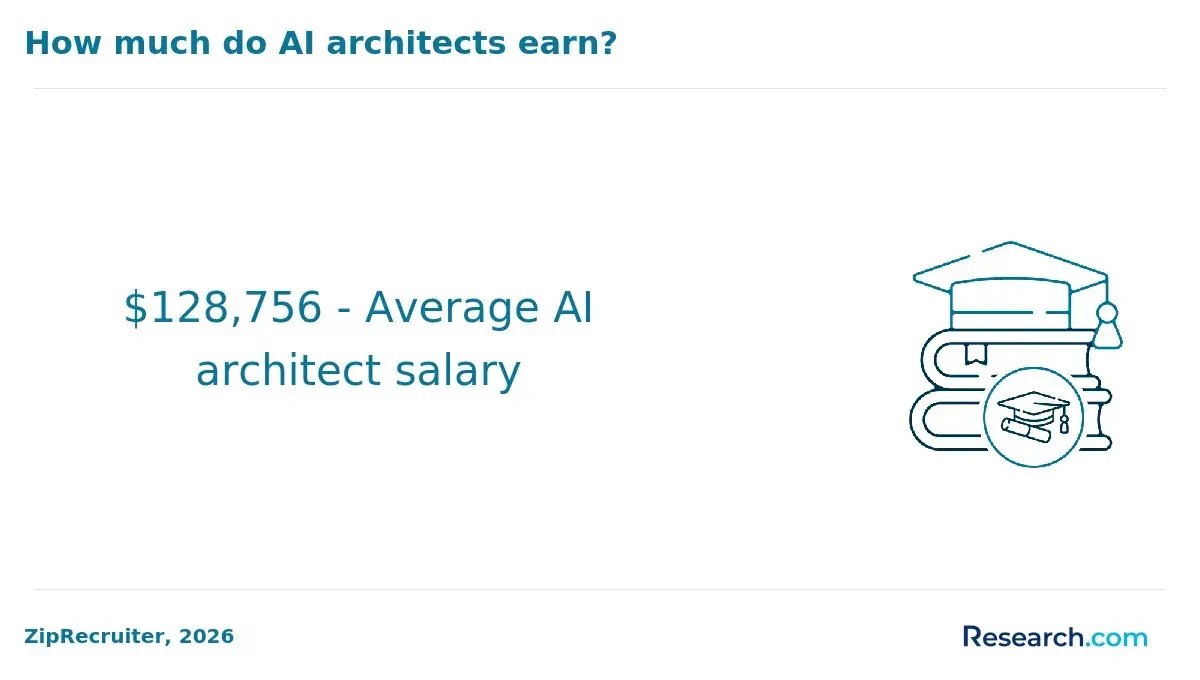
Those skilled in AI strategy typically manage project pipelines, lead cross-disciplinary AI teams, and ensure the ethical use of algorithms in healthcare settings. Annual salaries for these roles usually range from $120,000 to $250,000, with chief AI officers at large hospital systems earning near the top of this scale and AI strategy consultants earning between $100,000 and $150,000.
Graduates can also transition into related positions such as healthcare technology policy advisor or innovation consultant, influencing AI adoption policies and improving patient care models. This demonstrates the increasing demand for leaders who merge clinical insight with AI expertise to address challenges like data governance and organizational integration.
Career advancement depends on the ability to translate AI concepts into measurable business outcomes, such as cost reduction, improved patient safety, and personalized care. Healthcare executives who master AI strategy are well positioned to drive system-wide transformation and secure a competitive edge.
How is demand for AI-literate healthcare executives evolving, and what is the job outlook?
Demand for AI-literate healthcare executives is rapidly growing as artificial intelligence integrates deeper into healthcare systems. A 2024 BCG survey found that 62% of top-performing health systems use AI at scale across clinical, operational, and financial domains, compared to just 18% of average performers. This demonstrates a strong need for leaders skilled in applying AI strategically to improve patient outcomes, operational efficiency, and financial results.
Healthcare organizations increasingly seek executives who can manage AI technologies, enable data-driven decisions, and ensure compliance with regulatory and ethical standards. Roles like chief AI officers, digital transformation leads, and innovation directors are becoming common. Candidates with expertise in AI deployment, healthcare informatics, and change management have better job prospects.
Key skills include interpreting AI-generated insights, managing vendor partnerships, and coordinating cross-department integrations. AI impacts diverse areas such as predictive analytics, workflow automation, and revenue cycle management.
Salary growth reflects these demands; healthcare executives with AI expertise often earn 15-25% more than traditional leaders. Employers value hands-on AI platform experience and executive education in AI strategy.
For those aiming to lead in healthcare, investing in AI-focused executive courses can enhance job security and career advancement in this fast-evolving field.
Other Things You Should Know About Artificial Intelligence
Healthcare executives must consider patient privacy, data security, and bias mitigation when deploying artificial intelligence solutions. Ethical AI use involves ensuring algorithms do not reinforce disparities and that decisions remain transparent and explainable to both providers and patients.
Artificial intelligence can enhance decision-making by providing predictive analytics and real-time insights, enabling more informed clinical and operational choices. It helps identify trends in patient data and resource allocation, streamlining workflows and improving outcomes.
Common challenges include data quality and interoperability issues, resistance to change among staff, and the need for specialized skills to interpret AI outputs. Additionally, regulatory compliance and maintaining patient trust are critical factors during AI integration.
In 2027, AI strategy courses for healthcare executives often cover AI integration in healthcare systems, ethical and legal aspects, data analytics, and strategic decision-making. These courses emphasize practical applications, use cases, and the development of strategies for successful AI implementation in healthcare settings.
References
- Leveraging AI for Strategic Decision-Making in Healthcare Operations | AJHCS https://ajhcs.org/articles/Leveraging-AI-for-Strategic-Decision-Making-in-Healthcare-Operations
- AI Careers: Roles, Salaries, and Certifications to Get You Hired - ONLC https://www.onlc.com/blog/ai-careers-roles-salaries-certifications/
- Data literacy is still low as AI transform workplace https://ev-search.com/data-literacy-is-still-low-as-ai-transform-workplace
- AI career paths: 2026 job guide https://www.pluralsight.com/resources/blog/ai-and-data/ai-career-guide-2025
- What does AI mean for the future of healthcare jobs? https://www.worldhealthexpo.com/insights/medical-technology/what-does-ai-mean-for-the-future-of-healthcare-jobs-
- Digital, Data & AI https://www.hec.edu/en/executive-education/our-programs-individuals/management-topics/digital-data-ai
- A CFO’s Guide to AI Strategy https://www.hfma.org/technology/artificial-intelligence/62985/
- My Account / Create Account https://www.practicematch.com/healthcare/articles/the-future-of-healthcare-jobs-how-ai-is-reshaping-skill-requirements.cfm
- AI Careers for Clinicians: The Complete 2026 Guide to Healthcare AI Roles | BiteLabs https://bitelabs.io/news/art-ai-careers-clinicians
- An Overview of AI Tools in Healthcare + 10 Top Solutions https://arcadia.io/resources/ai-tools-in-healthcare