2027 Best AI Courses for Travel Industry Professionals

Co-Founder and Chief Data Scientist
Travel industry professionals often face challenges integrating emerging technologies to enhance customer experiences and optimize operations. Many lack specialized training in Artificial Intelligence, limiting their ability to leverage data-driven insights and automation effectively. As competition intensifies, adopting AI tools becomes critical for maintaining a competitive edge and meeting evolving market demands. This creates a pressing need for accessible, flexible learning options tailored to industry-specific applications.
The article explores top AI courses designed for travel professionals. It highlights programs that provide practical knowledge and skills, enabling career pivots and strategic growth through accredited, adaptable education paths.
Key Things You Should Know
- AI courses tailored for travel professionals emphasize data analytics, automation, and customer experience, reflecting a 42% increase in AI adoption across travel companies since 2024.
- Programs integrating real-world travel industry case studies improve practical skills and prepare 65% of students for AI-related roles within 12 months of completion.
- Leading courses often combine machine learning basics with hospitality-focused applications, addressing a projected 25% annual growth in AI job openings by 2027.
Advance Your Career with AI Online Courses
Artificial Intelligence: Implications for Business Strategy
This program provides an introduction to Artificial Intelligence and their implications for business strategy. Earn an official digital certificate.

Oxford Artificial Intelligence Programme
Explore this Oxford Artificial Intelligence programme offered in a flexible learning environment and explore topics like machine learning, automation, and robotics.

Implementing Agentic AI: Building Your Organizational Playbook
This online MIT Agentic AI course offers a practical approach to deploying AI agents in your organization, including a custom playbook. 3 weeks, exclusive launch price.

AI Adoption: Driving Business Value and Impact
This online MIT AI Adoption: Driving Business Value and Impact offers practical frameworks to close the gap between AI potential and business reality.

Artificial Intelligence in Pharma and Biotech
Discover the applications and limitations of artificial intelligence in pharma and biotech with this MIT online short course.

What are the best AI courses for travel industry professionals and who are they right for?
The best ai courses for travel industry professionals blend machine learning, data analytics, and natural language processing with travel-specific applications. These programs are designed for mid-level managers, data analysts, and technology strategists who want to leverage AI for better customer experience, operational efficiency, and revenue growth. For instance, courses addressing generative AI use cases in personalization and dynamic pricing help professionals quickly adapt to market changes by harnessing AI-driven insights.
Top artificial intelligence training for travel experts is offered by platforms such as Coursera, edX, and specialized travel tech academies. These focus on practical AI tools including chatbot development and demand forecasting, suited for those with some technical background seeking actionable skills without heavy programming. On the other hand, more technical courses covering Python, TensorFlow, and advanced AI models cater to data scientists moving into travel analytics roles.
Important elements within these programs include:
- AI's influence on supply chain optimization and predictive maintenance
- AI-based customer segmentation and sentiment analysis
- Automation in booking and customer support systems
McKinsey estimates generative AI could add $90 billion to $170 billion annually to the global travel sector, representing up to 9% of industry revenues. This highlights the significant impact AI expertise can have for professionals prioritizing innovation and competitive advantage.
Those interested in advancing their AI career in related fields might consider an accelerated computer science degree to build foundational knowledge quickly and efficiently.
Advance Your Career with AI Online Courses
Artificial Intelligence: Implications for Business Strategy
This program provides an introduction to Artificial Intelligence and their implications for business strategy. Earn an official digital certificate.
Oxford Artificial Intelligence Programme
Explore this Oxford Artificial Intelligence programme offered in a flexible learning environment and explore topics like machine learning, automation, and robotics.
Implementing Agentic AI: Building Your Organizational Playbook
This online MIT Agentic AI course offers a practical approach to deploying AI agents in your organization, including a custom playbook. 3 weeks, exclusive launch price.
How can AI skills transform careers in the hospitality and travel industry?
AI skills are revolutionizing the hospitality and travel industry by enabling professionals to optimize operations, enhance experiences, and increase revenue. Mastery of AI allows workers to implement data-driven decision-making, automate routine tasks, and personalize services efficiently. For example, AI-driven customer service innovations in travel include chatbots that handle booking inquiries 24/7, freeing human agents for complex issues. Predictive analytics improve demand forecasting, helping hotels and airlines adjust pricing to maximize profitability.
Travel professionals with AI expertise can design targeted marketing campaigns using customer segmentation algorithms, boosting both customer retention and acquisition rates. Operational efficiency is improved as AI streamlines supply chain logistics and automates inventory management in hospitality.
A 2024 McKinsey survey found that 65% of travel companies increased AI adoption since 2020; those using advanced AI applications reported about 15% higher EBIT than competitors. Job roles enhanced by these skills range from revenue managers and data analysts to innovation strategists familiar with machine learning and natural language processing, who lead digital transformation initiatives.
Career advancement through AI skills in hospitality offers practical tools to meet evolving market demands and secure higher-paying positions. Prospective professionals can explore degrees in AI online to build competencies essential for this dynamic field.
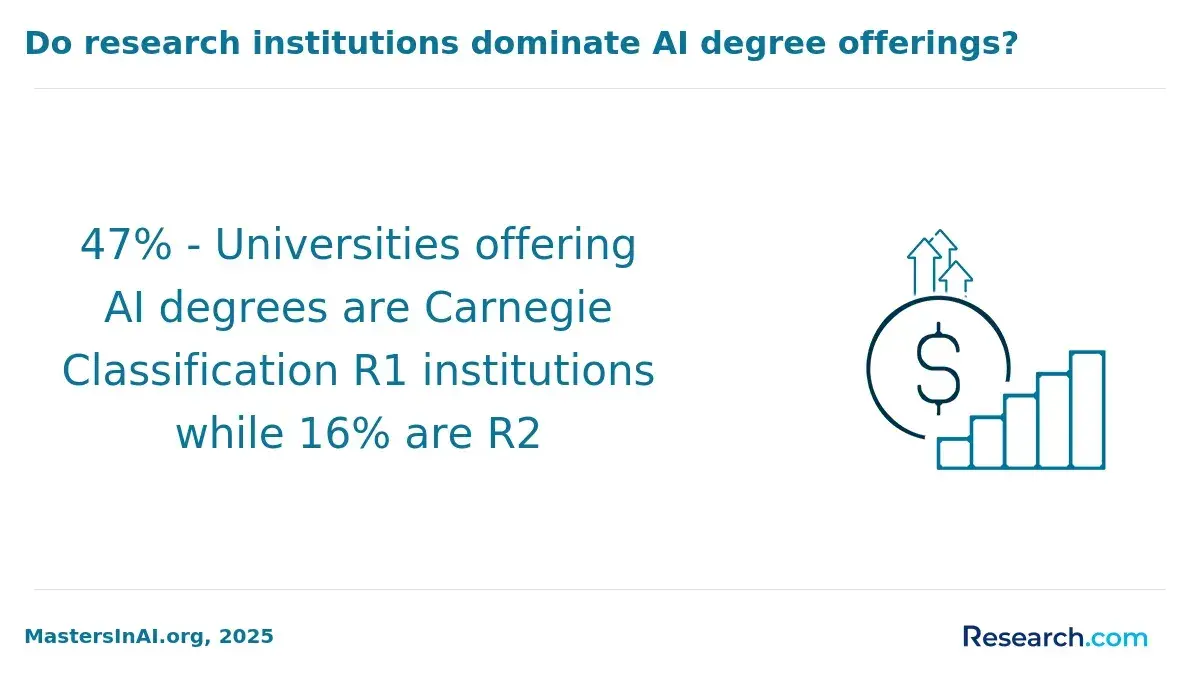
What types of AI learning paths exist for travel professionals, from short courses to degrees?
AI courses for travel industry professionals vary widely, from brief, targeted classes to full academic degrees. Short courses typically last hours to weeks and teach foundational AI concepts like machine learning basics, natural language processing, and data analytics tailored to travel operations. These options are ideal for busy professionals aiming to enhance skills quickly to improve AI-driven customer service or dynamic pricing strategies.
Certificate programs, usually over several months, provide deeper insights into AI tools focusing on predictive analytics for demand forecasting and personalized marketing algorithms specifically for travel. For those seeking advanced expertise, bachelor's or master's degrees in data science, computer science, or AI offer electives or projects concentrated on travel technology applications. These programs cover sophisticated AI approaches such as deep learning and reinforcement learning, preparing graduates to build innovative travel platforms or chatbots.
Many universities offer specialized tracks that combine AI with hospitality or tourism management, aligning technical skills with industry needs. According to LinkedIn's 2025 Workplace Learning Report, AI-related skills are among the most in-demand worldwide, with training content on AI growing over 160% year-over-year. This urgency reflects the value of structured artificial intelligence learning paths for travel careers, whether for rapid upskilling or career transition.
Individuals interested in more advanced studies can explore resources on online AI PhD programs to find reputable opportunities that fit their goals.
Which AI travel courses are offered online versus on campus, and how do formats compare?
AI travel courses come in online and on-campus formats, each designed to fit different learner needs and schedules. Online ai travel industry courses comparison reveals that online programs offer flexibility and quicker access to current tools, ideal for working professionals who want to upskill without pausing their careers. Platforms like Coursera and edX provide specialized AI-driven customer experience and personalization training, featuring video lectures, interactive projects, and discussion forums that reflect real-world travel tech applications.
Campus versus online travel AI course formats differ notably: on-campus programs, often part of university degrees in travel or hospitality management, provide hands-on experience with labs and collaborative projects emphasizing AI algorithms and data analytics for travel. These courses may include intensive modules on predictive modeling for travel demand and itinerary optimization. They offer structured guidance and strong networking but may update less frequently than online offerings.
Research from McKinsey highlights that using AI-driven personalization in travel can boost conversion rates by 10-15% and increase ancillary revenue per customer by up to 30%, underscoring the value of mastering these skills. Students should assess their professional commitments and goals to select the right format. For those interested in deeper academic credentials and industry connections, on-campus options work well, while online courses suit those prioritizing flexibility and immediate skill application. Exploring data analytics masters programs can also enhance one's expertise in this evolving field.
How can travel professionals evaluate accreditation and quality when choosing AI programs?
Evaluating ai programs requires confirming accreditation by reputable organizations such as ABET, AACSB, or regional bodies recognized by the U.S. Department of Education. Accreditation verifies that programs meet standards in curriculum quality, faculty credentials, and student support. Prospective students should also examine faculty experience, especially if instructors have expertise in travel technology or ai applications in revenue management.
Quality course content aligns with current industry trends and technologies. Programs that include hands-on projects with real-world data-like demand forecasting and dynamic pricing-offer practical experience. According to Intellias, applying ai and machine learning to dynamic pricing can boost revenue per available room or seat by 5-10% through better demand forecasting and price optimization, emphasizing the value of such skills.
Certifications from recognized bodies like IEEE or training in popular machine learning platforms enhance credibility. Ensuring programs regularly update curricula to reflect evolving ai tools helps keep knowledge current in this rapidly changing sector.
What AI topics and tools should a high-quality travel industry course curriculum include?
A high-quality travel industry course in artificial intelligence must balance technical foundations with industry-specific applications. Key subjects include machine learning, natural language processing, and computer vision. These technologies support AI-powered customer relationship management systems that enable personalized travel offers and streamlined booking. Equally important is teaching AI algorithms for demand forecasting, which help optimize pricing and inventory management.
Incorporating AI marketing tools such as targeted advertising, predictive analytics, and automated content generation is vital. Studies show that AI-driven marketing can reduce customer acquisition costs by up to 50% and improve ROI by 10-20% through enhanced targeting and automation. Practical experience with platforms like TensorFlow for modeling, IBM Watson for conversational AI, and Tableau for data visualization equips students to solve real-world problems.
Travel professionals benefit from combining AI insights with domain expertise in areas such as route planning, customer segmentation, and loyalty management. Hands-on projects, simulations, and case studies-like chatbot deployment and dynamic pricing engines-reinforce learning. Ethical considerations and data privacy issues must also be addressed to prepare graduates for responsible AI use.
By developing skills in recommendation systems and sentiment analysis of traveler reviews, students gain relevant competencies. This comprehensive approach ensures immediate workplace relevance and prepares learners to meet evolving industry demands.
What are typical admission requirements and recommended experience for AI courses in travel?
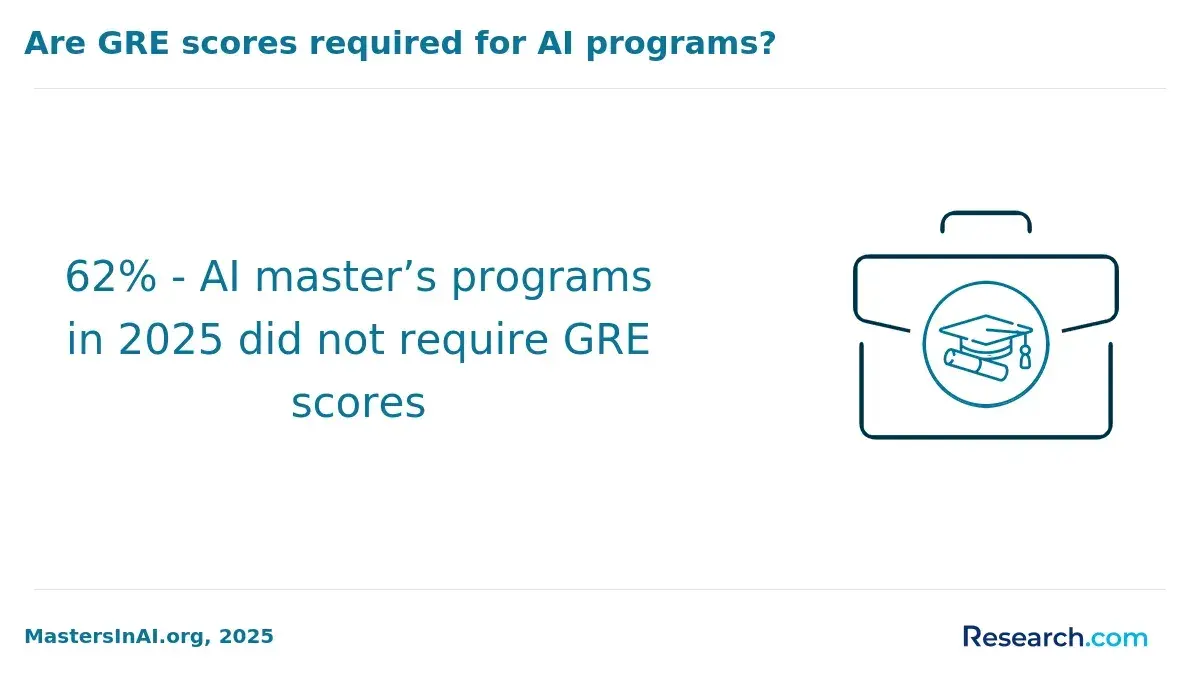
Admission to AI courses for travel industry professionals typically requires a bachelor's degree in business, computer science, engineering, or related fields. Foundational knowledge in data analytics, programming languages like Python or R, and basic statistics is often expected. Some programs ask for prior coursework or experience in machine learning or AI fundamentals, while advanced courses may require coding assessments, standardized tests, or project submissions.
Recommended experience includes 1-3 years in travel operations, customer service, or roles involving automation and AI applications. Candidates with backgrounds in travel technology, supply chain management, or hospitality analytics adapt more easily to the curriculum. Practical knowledge of AI platforms such as TensorFlow, Azure AI, or IBM Watson enhances candidacy and learning outcomes.
McKinsey research highlights that automating routine travel operations with AI can boost productivity by 20-30%, emphasizing the benefit of aligning prior experience with operational efficiency and automation.
How long do AI programs for travel professionals take, and what do they typically cost?
AI programs designed for travel industry professionals vary from short courses lasting 4 to 8 weeks to more comprehensive certificate programs extending up to 6 months. Shorter options focus on practical AI applications, such as customer service chatbots and predictive analytics, while longer courses cover foundational AI concepts, data science, and integration with travel management systems.
Costs depend on program length, provider reputation, and curriculum scope. Many online short courses range from $300 to $700, suitable for working professionals seeking targeted skills promptly. More extensive certificate programs typically cost between $1,500 and $5,000, combining theoretical content with hands-on projects. For instance, a 12-week AI for travel management course with instructor support averages around $2,000.
Employers are increasingly valuing generative AI skills, with a 250% year-over-year increase in related job postings, especially in customer-facing and operations roles, according to LinkedIn Talent Insights for 2025. These positions usually offer salaries that are 12-25% higher than non-AI roles, making education in this field a worthwhile investment.
When choosing programs, consider:
- Flexibility and modular payment options
- Industry-specific modules and certification credibility
- Practical projects like AI-driven itinerary optimization or personalized marketing
- Financial aid or employer sponsorship availability
What AI-focused job roles, salaries, and career paths are available in the travel industry?
The travel industry features a variety of AI-focused roles, each with unique career trajectories and salary prospects. AI data analysts interpret travel data to improve customer experiences, earning about $75,000 annually. AI specialists and machine learning engineers develop personalized travel recommendation algorithms, typically making between $95,000 and $120,000. AI product managers oversee AI applications in booking and customer service systems, with salaries ranging from $110,000 to $130,000. AI integration consultants assist travel firms in adopting AI tools, earning close to $90,000.
Career growth often involves progressing from technical roles, like AI data analyst, to strategic positions such as AI product manager or innovation lead. Travel companies increasingly value travel-specific AI expertise since general AI knowledge alone is less competitive.
For those transitioning from marketing or operations, foundational AI courses tailored to travel data analytics are recommended. Technical professionals should pursue advanced machine learning and AI integration training to access higher salaries and leadership roles within travel technology firms.
Are there industry-recognized AI certifications for travel professionals and how do they help?
AI certifications for travel professionals are becoming essential credentials that validate practical skills in applying AI to travel industry challenges. These include personalization, dynamic pricing, and automated support. Programs like the Certified Artificial Intelligence Practitioner (CAIP) and certificates from reputable institutions cover both foundational AI concepts and travel-specific applications. Such credentials boost credibility by demonstrating expertise in AI-driven tools now shaping the travel sector.
Certifications help bridge the gap between theoretical AI knowledge and real-world skills. For instance, professionals learn to implement machine learning for demand forecasting or use natural language processing for travel chatbots, improving operational efficiency. This measurable proficiency increasingly meets employer demands and supports career growth.
According to McKinsey's report Future Trends: What's Next for AI in Travel & Why Learning Now Matters, by 2030 over 70% of travel interactions will be influenced by AI. This underscores the urgent need for travel workers to earn specialized certifications, aligning their skillsets with industry evolution.
Employers favor candidates with certifications linking AI knowledge to travel. These credentials help new graduates showcase applicable skills and empower certified professionals to lead technological innovation and customer engagement strategies within travel organizations.
When selecting certifications, consider curriculum relevance, hands-on training, and industry recognition to ensure meaningful career advancement.
Other Things You Should Know About Artificial Intelligence
While prior programming knowledge can be helpful, it is not always required to start learning artificial intelligence in the travel industry. Many courses are designed to introduce fundamental AI concepts with minimal coding, using user-friendly tools and platforms. However, advancing to more technical roles may eventually require skills in languages like Python or R.
Notable AI courses for travel industry professionals in 2027 include "AI for Tourism Professionals" by edX, which focuses on customer service optimization, and "AI Applications in Travel" by Coursera, providing insights into market analysis and operational efficiency.
Travel professionals should be aware of privacy concerns, data security, and potential biases in AI algorithms when deploying artificial intelligence solutions. Ensuring transparent data usage and avoiding discrimination in automated decisions are critical. Adhering to industry regulations and ethical standards helps maintain trust with customers and stakeholders.
Small travel businesses can benefit significantly from artificial intelligence by using affordable AI-driven tools for marketing automation, customer service, and operational efficiency. Many AI applications scale to fit smaller operations, allowing these businesses to compete with larger firms. Cloud-based AI services reduce upfront costs and technical barriers for smaller enterprises.
References
- Choosing an AI Travel Tool for Your Business: A Buyer’s Guide https://navan.com/blog/ai-travel-tool-buyers-guide
- AI and Travel https://www.oxfordhomestudy.com/courses/ai-courses-online/ai-and-travel
- Careers in Artificial Intelligence (and how to get them) | Major Players https://www.majorplayers.co/en/insights/careers-in-artificial-intelligence-and-how-to-get-them
- Professional AI Training: How to Choose the Right Program https://www.strategicaileader.com/professional-ai-training-how-to-choose-the-right-program/
- AI Training for Tourism Professionals | Workshops & Courses https://tourismainetwork.com/training/
- AI in Tourism: Top Use Cases You Need To Know https://smartdev.com/ai-use-cases-in-tourism/
- How to Use AI in Today’s Travel Industry: A Practical Guide - Nuitée https://nuitee.com/insights/how-to-use-ai-in-todays-travel-industry-a-practical-guide
- 2026 Comparison: How to Identify the Best AI Training https://educasium.com/en/blog/meilleure-formation-ia-comparatif-2026