2027 Best AI Courses for Local Government Teams

Co-Founder and Chief Data Scientist
Local government teams often face challenges managing vast amounts of data while maintaining efficient public services. Many lack specialized skills to integrate emerging technologies, hindering the adoption of automation and data-driven decision-making. This gap slows innovation and impacts service quality, frustrating both employees and residents. Upskilling through targeted education can bridge this divide, enabling staff to leverage artificial intelligence tools effectively.
This article outlines top accredited AI courses tailored for local government professionals, focusing on flexible learning designed to equip teams with practical expertise to improve community outcomes and operational efficiency.
Key Things You Should Know
- Local government teams increasingly adopt AI courses focusing on practical applications, with 72% of municipalities reporting improved service efficiency post-training in 2025.
- Emerging courses emphasize ethical AI use and data privacy, addressing rising concerns among 68% of local officials about citizen data security.
- Tailored programs include budget-conscious options and partnerships with universities, helping smaller communities access quality ai education amid limited funding.
Advance Your Career with AI Online Courses
Artificial Intelligence: Implications for Business Strategy
This program provides an introduction to Artificial Intelligence and their implications for business strategy. Earn an official digital certificate.

Oxford Artificial Intelligence Programme
Explore this Oxford Artificial Intelligence programme offered in a flexible learning environment and explore topics like machine learning, automation, and robotics.

Implementing Agentic AI: Building Your Organizational Playbook
This online MIT Agentic AI course offers a practical approach to deploying AI agents in your organization, including a custom playbook. 3 weeks, exclusive launch price.

AI Adoption: Driving Business Value and Impact
This online MIT AI Adoption: Driving Business Value and Impact offers practical frameworks to close the gap between AI potential and business reality.

Artificial Intelligence in Pharma and Biotech
Discover the applications and limitations of artificial intelligence in pharma and biotech with this MIT online short course.

What makes an AI course valuable for local government teams and public sector work?
AI training programs for local government professionals must deliver practical skills tailored specifically for public sector teams. These courses focus on ethical AI use, data privacy, and transparency in decision-making-critical areas for government employees. For example, training staff on AI-driven workflow automation can boost efficiency in service delivery while ensuring compliance with regulations.
Key components include hands-on work with datasets common to government contexts, such as demographic or geographic information systems data. Local governments also benefit from learning about accountability mechanisms to prevent biases in algorithmic decisions, fostering fairness and equity across diverse communities.
A 2024 National Association of Counties (NACo) survey found 63% of U.S. county governments are experimenting with or deploying AI tools, yet only 19% of staff have formal AI training. This gap emphasizes the need for accessible, role-specific courses-like data analysis for urban planners or predictive analytics for emergency management-that empower local teams with actionable knowledge.
Effective courses also highlight citizen engagement, showing how AI can enhance communication and responsiveness to public concerns. Including case studies from other local governments and offering ongoing support through forums or follow-up workshops ensures learners stay current with evolving challenges.
For those exploring broader opportunities, pursuing AI degrees provides a strong foundation relevant to many public sector roles and beyond.
Advance Your Career with AI Online Courses
Artificial Intelligence: Implications for Business Strategy
This program provides an introduction to Artificial Intelligence and their implications for business strategy. Earn an official digital certificate.
Oxford Artificial Intelligence Programme
Explore this Oxford Artificial Intelligence programme offered in a flexible learning environment and explore topics like machine learning, automation, and robotics.
Implementing Agentic AI: Building Your Organizational Playbook
This online MIT Agentic AI course offers a practical approach to deploying AI agents in your organization, including a custom playbook. 3 weeks, exclusive launch price.
Which types of AI skills do local government staff need to learn first?
Local government staff benefit most from prioritizing foundational skills in data literacy and basic AI tool operation. These competencies include understanding data collection, cleaning, and analysis, which help employees identify biases or errors early. This knowledge is vital for public sector AI initiatives that rely on diverse datasets like census information and service requests, reducing the risk of project failure or public mistrust. Such a foundation supports essential AI training for local public sector teams aiming to enhance data-driven decision-making.
Developing applied machine learning skills next allows teams to choose suitable models and critically evaluate outcomes. Familiarity with supervised and unsupervised learning techniques empowers local government AI skill development efforts, enabling predictive analytics for resource allocation or identifying high-need service areas. Gaining these skills builds internal capacity to manage AI projects independently instead of relying solely on external vendors.
Ethical considerations are equally important, including knowledge of privacy laws, transparency, and reducing algorithmic bias. Training in explainability techniques improves accountability by helping officials interpret and communicate model decisions to the public. A 2024 OECD report highlights that civil servants with formal AI training are 2.4 times more likely to report successful project outcomes than those learning informally, emphasizing the value of structured learning pathways.
Practical courses on AI-enabled decision support and workflow automation are highly useful, enabling staff to integrate AI solutions within government processes effectively. For those interested in advancing their skills, programs like the cheapest online mechanical engineering degree can provide a strong STEM foundation supporting public sector AI applications.
How do you evaluate and compare the best AI courses for local government teams?
Evaluating and comparing AI training for municipal staff requires focusing on relevance to government operations, practical outcomes, and learner engagement tailored to public sector challenges. Quality courses emphasize data privacy, ethical AI use, and process automation, which are essential for officials handling sensitive citizen data and meeting compliance standards. Effective curricula include case studies and examples specific to local government contexts instead of generic business scenarios.
Impact on workflows is a critical measure. A 2024 U.S. General Services Administration (GSA) poll found that 71% of federal employees who completed a basic AI literacy course changed at least one workflow within three months. This demonstrates the value of courses that enable rapid, measurable improvements.
- Course format and accessibility: online, instructor-led, or hybrid to fit diverse schedules and tech skills
- Technical depth: foundational literacy for non-technical staff versus advanced training for IT and data teams
- Interactivity and hands-on practice: simulations or projects that enhance real-world application
- Support and resources: follow-up coaching, community forums, or refresher modules
Assess instructors' credentials and program recognition from respected government or industry bodies. Ensure course content is regularly updated to reflect evolving AI regulations and technologies. For staff seeking broader data skills, exploring an online data science masters can further enhance capabilities within local government teams.
What AI course formats work best for busy public employees (online, hybrid, in-person)?
Online and hybrid AI training for government teams offers the flexibility public employees need to balance demanding schedules. Self-paced modules and live webinars outside peak hours allow staff to learn without interrupting daily duties. Hybrid formats combine virtual lessons with occasional in-person sessions, providing hands-on experience and valuable peer interaction. These formats are especially effective when focused on practical AI applications such as automating reports or data analysis that can be applied immediately in local government roles.
In-person training can be immersive but often conflicts with public-sector employees' tight schedules, leading to lower attendance. Many government workers juggle multiple responsibilities, making fixed-location courses less feasible. Effective programs integrate AI education with workflow improvements, as a 2024 Gartner survey found agencies combining training with process redesign were 3.5 times more likely to boost productivity by at least 10%.
The best AI course formats for busy public employees include on-demand tutorials paired with interactive case studies or simulations relevant to policy and communications. Modular content enables targeted skill development tailored to job-specific AI uses.
Those interested in expanding their skills might consider the fastest way to get a cybersecurity degree online as a complementary pathway in digital and AI-related fields.
What topics and tools should a high-quality AI curriculum for local government include?
A high-quality artificial intelligence curriculum for local government teams should cover key technical and practical areas to develop relevant skills. Core topics include machine learning fundamentals, data science techniques, and natural language processing, which help analyze civic data and automate routine tasks efficiently. Ethical AI use, privacy regulations, and bias mitigation are also essential to ensure compliance and build community trust.
Hands-on training with tools such as Python, TensorFlow, and open-source data visualization libraries prepares learners for practical applications. Specialized courses addressing data management and integration challenges with legacy government systems enhance real-world readiness. Combining geographic information systems (GIS) with AI supports improved decision-making in urban planning and public safety.
Developing expertise in robotic process automation (RPA) can streamline administrative workflows, while AI-driven citizen engagement platforms foster better public service delivery. Including case studies of AI deployments in local government provides valuable insights on achievable outcomes and common obstacles.
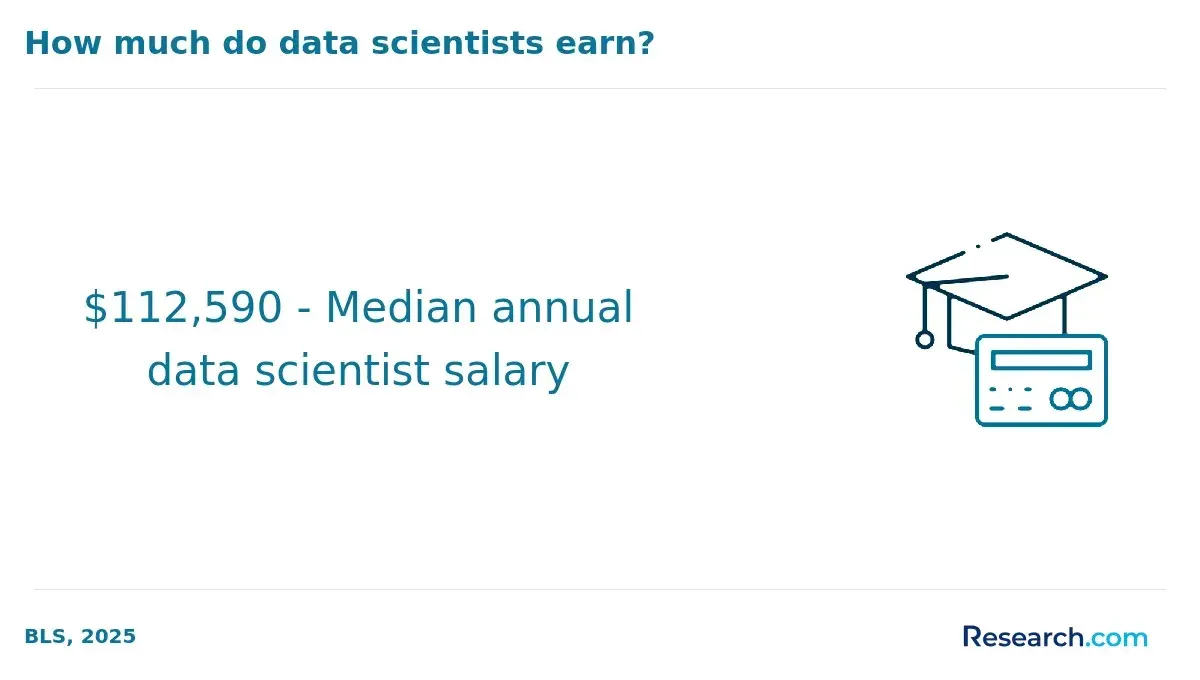
The U.S. Bureau of Labor Statistics projects a 35% growth in employment for data scientists and related roles between 2022 and 2032, with a median pay of $108,020. Emphasizing practical data science skills such as statistical analysis, predictive modeling, and dashboard creation will equip government IT teams to meet future challenges and workforce demands.
Are there accredited universities or recognized providers offering AI training for public agencies?
Accredited universities and recognized providers offer specialized AI training tailored for public agencies. Institutions like Carnegie Mellon University, the Massachusetts Institute of Technology, and Stanford University deliver professional certificates and degree programs focused on AI in governance, ethics, and public policy. These include key modules on AI strategy, risk management, and ethical considerations designed for government decision-makers.
Organizations such as the Government Technology Agency (GovTech) and the National Academy of Public Administration provide accredited workshops and online courses emphasizing responsible AI use in public services. Their curricula focus on regulatory compliance, transparency, and accountability, developed in collaboration with public-sector stakeholders.
Courses in AI ethics and governance demonstrate measurable impact. A survey by the UK's Centre for Data Ethics and Innovation (CDEI) found public-sector bodies with formal AI ethics training were 39% less likely to report AI-related complaints or incidents. This highlights the importance of accredited ethical AI education in reducing risks and fostering trust.
Programs range from short certificate courses lasting 6-12 weeks to comprehensive postgraduate degrees. Prospective students should seek interdisciplinary curricula combining technical AI skills with public-sector case studies and compliance content, preparing teams for both implementation and oversight challenges.
Choosing accredited programs ensures agencies meet standards set by professional associations, improving career advancement and institutional accountability.
How long do AI courses for local government typically take, and what do they cost?
AI courses designed for local government teams usually span from a few hours up to several weeks, depending on the scope and format. Short workshops often last 4 to 8 hours and cover foundational AI concepts and practical applications like data management and citizen engagement tools. More in-depth programs range between 2 to 6 weeks, providing instruction on machine learning techniques, AI ethics, and integration with existing government IT systems.
Costs vary widely, with many no-cost and budget-friendly options available from organizations focused on public service. For example, InnovateUS reported over 30,000 U.S. public servants completed its free digital and AI skills courses, with 82% affirming that the training improved service delivery at no extra cost. This demonstrates that accessible, effective AI education is possible without significant budget impact.
Paid options range from $200 for one-day sessions to $2,000+ for multi-week certifications. Pricing depends on course provider, specialization level, and whether materials or ongoing support are included. Subscription-based platforms can provide ongoing learning at a fixed monthly rate, which is often cost-efficient for teams training multiple staff members.
Local governments should align training choices with team needs and budgets. Frontline staff benefit from shorter introductory courses for AI awareness, while technical roles require longer programs covering data analytics and ethical concerns. Combining free resources with targeted paid courses helps build AI capacity effectively and economically.
What are the typical career paths and job roles after completing AI training in government?
Government professionals completing artificial intelligence training often move into roles focused on data management, analytics, and technology integration within federal, state, or local agencies. Common career paths include AI policy advisors, data scientists, machine learning engineers, and AI project managers. These positions apply AI practically to improve public services, support regulatory compliance, and boost operational efficiency.
Key responsibilities vary by role:
- AI policy advisors develop frameworks ensuring ethical and transparent AI use.
- Data scientists analyze large datasets to inform decisions in areas like public safety and healthcare.
- Machine learning engineers design algorithms to automate tasks, detect fraud, and optimize resources.
- AI project managers coordinate AI-driven initiatives between stakeholders and technical teams.
Career advancement requires building domain expertise alongside AI skills, such as cybersecurity or public administration. Hands-on experience through workshops and in-person bootcamps plays a crucial role; the 2024 NASCIO survey found 54% of state CIO offices rate in-person AI and data bootcamps as the most effective method for AI readiness, compared to 23% for self-paced e-learning.
Emerging roles include AI ethics officers and digital transformation consultants, addressing challenges around innovation, privacy, algorithmic fairness, and budget management in public sector AI projects.
How does AI education affect salary potential and promotion opportunities in local government?
AI education significantly enhances salary potential and promotion opportunities within local government by equipping employees with skills that boost operational efficiency and innovation. Employees who complete AI training often lead projects integrating AI solutions, becoming essential to agency modernization efforts. A Deloitte survey found organizations with structured digital and AI learning pathways were 1.8 times more likely to scale AI projects beyond pilot stages, highlighting the value of AI education in creating impactful roles.
Professionals skilled in AI can command higher salaries due to their ability to automate routine tasks, analyze complex datasets, and improve public service delivery. For instance, city planners using AI-driven data analysis may qualify for roles overseeing smart city initiatives, leading to elevated pay grades. Likewise, IT specialists who develop or manage AI tools are critical assets, often benefiting from accelerated promotion cycles.
Promotion decisions frequently favor applicants demonstrating mastery of emerging technologies. Many governments reward employees who earn AI certifications or complete courses with leadership roles, addressing skill gaps and preventing stagnation in legacy positions. To remain competitive, employees should pursue continuous AI education targeted to their specific job functions.
What certifications, ethics standards, and legal considerations apply to AI use in local government?
Local government teams working with artificial intelligence must meet stringent certifications, ethical standards, and legal requirements to ensure responsible deployment. Key credentials include the Certified Artificial Intelligence Practitioner (CAIP) and the AI Ethics Certification from organizations like the Institute of Electrical and Electronics Engineers (IEEE), which confirm proficiency in ethical and compliant AI management.
Ethical frameworks emphasize transparency, fairness, accountability, and privacy. The IEEE's Ethically Aligned Design guides agencies to minimize bias, promote explainability, and protect citizen data rights. U.S. federal policies, such as the AI Bill of Rights, further reinforce protections against discrimination and unauthorized data use.
Legal compliance involves adhering to laws like the General Data Protection Regulation (GDPR), California Consumer Privacy Act, and the Freedom of Information Act (FOIA), which governs public data access. Effective data governance, routine audits, and clear documentation of AI decision-making processes are essential practices.
Studies, including the IBM Global AI Adoption in the Enterprise report, highlight a 36% higher return on investment for organizations prioritizing certified AI training and ethical standards. This shows the strategic benefit of formal education programs that integrate recognized certifications and legal compliance.
Practical steps for local teams involve choosing certified courses covering ethical modules, consulting legal experts for policy alignment, and maintaining ongoing education to keep pace with evolving AI regulations and standards.
Other Things You Should Know About Artificial Intelligence
In 2027, top AI courses for local government teams include "AI for Public Service" by Oxford University, "Data-Driven Decision-Making" from Stanford Online, and "Machine Learning for Public Policy" by edX. These courses focus on practical AI applications for improved public sector efficiency and efficacy.
Yes, AI can enhance decision-making by providing data-driven insights that highlight patterns and forecast outcomes. Local governments can use AI tools to simulate scenarios, prioritize projects, and identify inefficiencies, leading to more informed and objective decisions. However, human oversight remains essential to interpret results and ensure alignment with public values.
Common challenges include limited technical expertise among staff, concerns over data privacy and security, and the need for clear governance around AI use. Additionally, integrating AI solutions with existing legacy systems and managing change resistance from employees can complicate adoption. Addressing these issues requires comprehensive training and a strategic approach to deployment.
Local government teams can stay current by participating in professional development programs, subscribing to sector-specific AI research publications, and joining relevant conferences or webinars. Collaborating with academic institutions and technology partners also provides access to the latest AI tools and best practices tailored to public administration. Continuous learning is key to leveraging emerging AI capabilities effectively.
References
- 10 ideas for a roadmap of responsible AI in local government - LOTI https://loti.london/blog/10-ideas-for-a-roadmap-of-responsible-ai-in-local-government/
- Artificial Intelligence Ethics Framework for the Intelligence Community https://www.intelligence.gov/ai/ai-ethics-framework
- Ethics in Local Government: Considerations for the Use of Generative AI https://mme.org/ethics-in-local-government-considerations-for-the-use-of-generative-ai/
- AI for Government and Public Sector Training in Poland https://www.nobleprog.pl/en/ai-for-government-and-public-sector-training
- Artificial intelligence resources for the public sector https://www.gov.uk/government/collections/artificial-intelligence-resources-for-the-public-sector
- Best AI Training Platforms for Employees (2026) Compared https://www.goodhabitz.com/resources/blog/best-ai-training-for-employees
- AI for Public Sector Leaders: Strategy, Governance & Action https://publicsectornetwork.com/training/ai-for-public-sector-leaders-strategy-governance-action-australia-new-zealand-2026/
- 8 Best AI Courses to Train Employees & Boost Efficiency - David Hooi https://davidhooi.com/8-best-ai-courses-to-train-employees-boost-efficiency/
- ReSPA KMP | AI and digital transformation in government https://kmp.respaweb.eu/trainings/102/ai-and-digital-transformation-in-governmentrn
- Ethical AI & data privacy best practices | Governance guide for 2026 https://www.trustcloud.ai/ai/boost-trust-with-powerful-ethical-ai-and-data-privacy-practices/