2027 Best AI Strategy Courses for Industrial Leaders

Co-Founder and Chief Data Scientist
Industrial leaders face growing pressure to integrate AI into complex operations while managing legacy systems and workforce skills gaps. Without targeted knowledge, decision-makers risk costly missteps in adopting AI strategies that deliver measurable impact. This challenge intensifies as industries shift toward automation and data-driven innovation.
Understanding which AI strategy courses provide relevant, flexible education tailored for professionals transitioning from unrelated fields is essential. This article reviews top programs designed to equip industrial leaders with practical expertise in AI integration, helping them make informed decisions and drive effective digital transformation within their organizations.
Key Things You Should Know
- Top AI strategy courses in 2026 emphasize practical industrial applications, with 68% of programs offering hands-on projects tied to manufacturing and supply chain optimization.
- Courses increasingly integrate ethics and governance, reflecting regulatory demands; 72% of industrial leaders consider these topics essential for strategic AI adoption.
- Data from 2024 shows a 45% wage growth for graduates who complete specialized AI strategy courses, highlighting strong industry demand and career advancement opportunities.
Advance Your Career with AI Online Courses
Artificial Intelligence: Implications for Business Strategy
This program provides an introduction to Artificial Intelligence and their implications for business strategy. Earn an official digital certificate.

Oxford Artificial Intelligence Programme
Explore this Oxford Artificial Intelligence programme offered in a flexible learning environment and explore topics like machine learning, automation, and robotics.

Implementing Agentic AI: Building Your Organizational Playbook
This online MIT Agentic AI course offers a practical approach to deploying AI agents in your organization, including a custom playbook. 3 weeks, exclusive launch price.

AI Adoption: Driving Business Value and Impact
This online MIT AI Adoption: Driving Business Value and Impact offers practical frameworks to close the gap between AI potential and business reality.

Artificial Intelligence in Pharma and Biotech
Discover the applications and limitations of artificial intelligence in pharma and biotech with this MIT online short course.

What is an AI strategy course for industrial leaders and who should enroll?
AI strategy courses for industrial leaders are designed to help executives and senior managers integrate artificial intelligence into core business operations and strategic planning. These programs emphasize understanding AI technologies, evaluating their impact on industry processes, managing AI-driven projects, and aligning AI initiatives with organizational goals.
Industrial leaders learning artificial intelligence strategy gain the skills to assess opportunities, mitigate risks, and drive innovation in manufacturing, supply chain management, and operational functions. These courses are particularly valuable for:
- CEOs, COOs, and senior managers leading digital transformation in industrial sectors.
- Product and operations managers overseeing AI adoption in workflows and production lines.
- Business strategists aiming to leverage AI for competitive advantage.
- Technical leads needing a strategic overview beyond coding and development.
With 78% of organizations using AI, up from 55% the previous year, according to McKinsey's The State of AI in 2024, proficiency in AI strategy has become crucial for industrial leaders to stay competitive and foster growth. Topics typically cover AI fundamentals, ethics, data governance, change management, and case studies on quality control, predictive maintenance, and supply chain optimization.
Courses vary from brief workshops to extensive programs with project work tailored to industry challenges. Leaders aiming to improve efficiency or innovate product lines will find these courses vital for gaining actionable frameworks and tools essential in today's AI-accelerated industrial landscape. For those curious about career returns, the applied artificial intelligence salary information can provide helpful insights.
Advance Your Career with AI Online Courses
Artificial Intelligence: Implications for Business Strategy
This program provides an introduction to Artificial Intelligence and their implications for business strategy. Earn an official digital certificate.
Oxford Artificial Intelligence Programme
Explore this Oxford Artificial Intelligence programme offered in a flexible learning environment and explore topics like machine learning, automation, and robotics.
Implementing Agentic AI: Building Your Organizational Playbook
This online MIT Agentic AI course offers a practical approach to deploying AI agents in your organization, including a custom playbook. 3 weeks, exclusive launch price.
How do AI strategy courses prepare industrial leaders to drive digital transformation?
AI strategy courses for industrial digital transformation leaders provide crucial skills to integrate AI technologies effectively within existing operations. These courses teach leaders how to align AI tools with business goals to optimize processes, reduce costs, and improve decision-making. Participants gain experience assessing AI readiness, selecting suitable technologies, and managing implementation challenges.
Preparing industrial leaders with artificial intelligence strategy skills involves addressing key challenges such as data governance, ethics, and workforce adaptation. Leaders learn to develop strategic roadmaps prioritizing AI initiatives based on impact and feasibility, alongside practical frameworks to measure project success and manage organizational change.
Structured programs like MIT xPRO's AI Strategy and Leadership Program, which spans 12 weeks, offer a thorough exploration of AI concepts through case studies and hands-on exercises. Such extensive courses help leaders internalize knowledge and apply it strategically to foster innovation in areas like manufacturing automation, predictive maintenance, and supply chain optimization.
These programs also emphasize collaboration across technical teams, executives, and frontline workers to ensure AI initiatives gain broad support. Graduates become well-equipped to lead digital transformation initiatives and maintain a competitive advantage in AI-driven markets.
Professionals interested in further technical education may explore online mechanical engineering degrees to complement their AI strategy expertise.
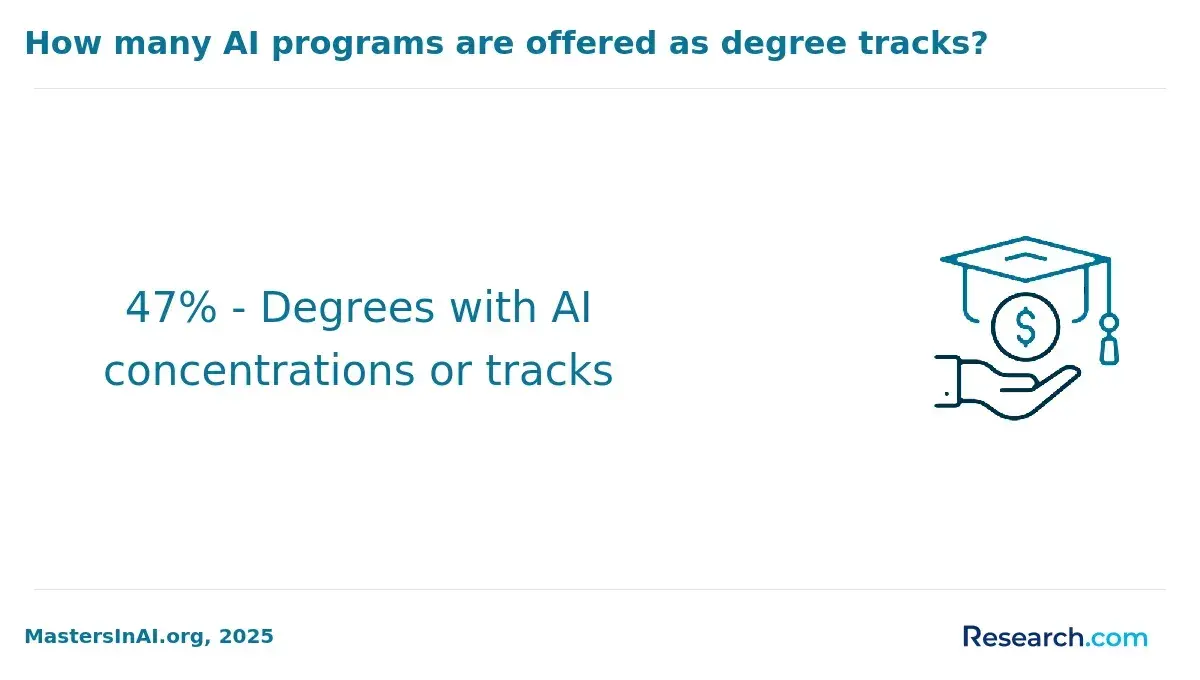
Which are the best AI strategy programs for industrial leaders in the United States?
The best AI strategy programs for industrial leaders in the United States offer a blend of practical leadership and technical skills designed for complex operational challenges. Notable programs include MIT Sloan's executive education, which integrates AI into business models to enhance innovation, and Stanford's AI strategy courses emphasizing applications in manufacturing and supply chain transformation.
The University of Pennsylvania's Wharton School combines AI insights with organizational change management, critical for leaders managing large teams and diverse stakeholders. Leaders seeking top AI strategy courses for industrial executives in the US should prioritize offerings that address risks of AI investments, ethical frameworks, and AI fluency across teams.
According to the 2024 Work Trend Index, 71% of respondents preferred managers who effectively use AI, highlighting the importance of AI strategy competence in leadership. Key program features include:
- Case studies on AI deployment in industrial settings.
- Hands-on projects involving data-driven decision-making.
- Modules on AI governance and regulatory compliance.
- Collaborations with technology experts and AI vendors.
Flexible formats such as part-time or hybrid delivery enable professionals to upskill without interrupting careers. Pricing varies, but robust programs offer measurable returns through improved operations and AI adoption. Prospective students should carefully evaluate content, instructor expertise, and alumni impact. For those considering advanced credentials, a PhD in AI online can provide deep technical and strategic expertise to further leadership capacity.
What types of AI strategy credentials exist, from short courses to graduate degrees?
AI strategy credentials cover a wide range, from brief short courses to comprehensive graduate degrees, tailored to various professional goals and schedules. Short courses, lasting hours to weeks, target foundational topics like AI governance, ethical deployment, and business integration. These are ideal for executives seeking rapid upskilling or focused knowledge without deep technical training.
Institutions such as MIT Sloan and Stanford's continuing education provide certificates in AI strategy or leadership, combining case studies with practical frameworks. Such graduate degrees and short courses in AI strategy help professionals build essential competence quickly. For industrial leaders, AI strategy certification programs offer vendor-neutral or cloud provider-linked credentials that validate strategic implementation and risk management skills.
These programs often require exams and cover managing generative AI projects, meeting a growing demand since only 38% of organizations with generative AI policies had fully communicated them companywide, according to Deloitte's State of Generative AI in the Enterprise. Graduate degree programs like a master's in AI strategy or AI management deliver a holistic education combining technical AI literacy, strategy formulation, and leadership.
Schools with strong AI research centers emphasize policy, data ethics, and innovation management. These degrees suit those targeting senior roles aligning AI initiatives with corporate objectives and regulations. Hybrid options such as executive MBAs with AI strategy concentrations blend business fundamentals and AI impact studies, ideal for mid-career professionals.
Choosing the right credential depends on experience, knowledge depth, and time capacity. To explore advanced options, consider researching analytics master's programs that integrate data skills with AI strategy.
How do online AI strategy programs compare with on-campus and hybrid options?
Online AI strategy programs offer the flexibility that many working professionals in the United States need, particularly those in leadership or executive roles. These remote programs allow students to balance full-time jobs with graduate-level coursework, making them a practical alternative to traditional on-campus or hybrid formats. They can also reduce overall education costs by eliminating expenses such as commuting, campus fees, relocation, or temporary housing.
As a result, online AI strategy programs have become an increasingly attractive option for professionals seeking to advance their skills without interrupting their careers. On-campus programs provide valuable face-to-face networking and collaborative experiences that can be crucial for leadership development. Hybrid formats blend online learning with some in-person elements but may still require significant on-site attendance, limiting convenience for working leaders.
Key factors to consider include:
- Online tuition typically costs 20-30% less than traditional programs.
- Greater time flexibility for professionals with demanding schedules.
- Variation in networking and mentorship quality and availability.
- Access to state-of-the-art AI tools and real-world industry projects.
Prospective students should evaluate if the critical learning outcomes-such as applying AI strategically in industrial settings-are effectively delivered through online platforms, many of which incorporate live sessions, group discussions, and case studies to enhance engagement.
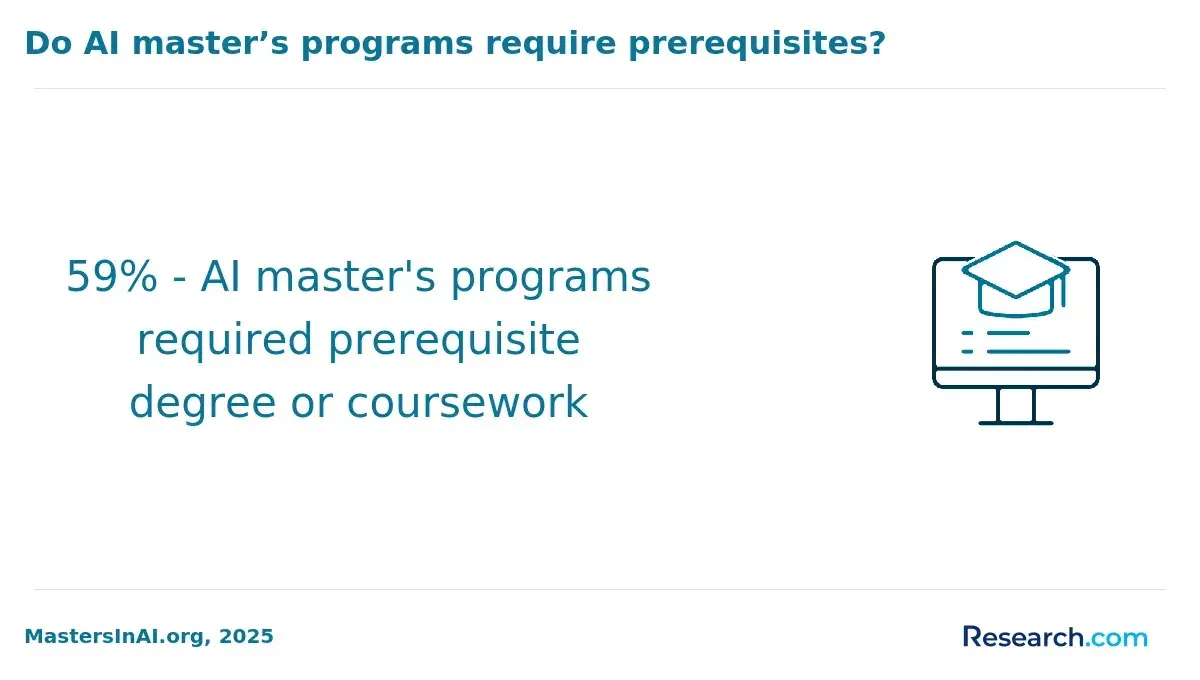
What coursework and skills are typically covered in AI strategy curricula for industry?
AI strategy programs for industry leaders develop practical skills to drive organizational transformation. The coursework centers on AI fundamentals such as machine learning models, data analytics, and algorithm design, highlighting real-world applications across industries. Leaders acquire the ability to assess AI readiness, pinpoint relevant use cases, and create strategic frameworks aligning AI efforts with business objectives.
Key competencies include technology evaluation, ethical AI deployment, and risk management. These curricula stress data-driven decision-making to boost efficiency and innovation. Common topics include automation in manufacturing, supply chain optimization, and predictive maintenance using AI-powered tools. Addressing workforce disruption is essential, with the World Economic Forum reporting that 44% of workers' skills will be disrupted within five years.
Consequently, programs integrate change management and talent reskilling strategies to ease transitions. Case studies on AI implementation challenges in sectors like energy, logistics, and finance are frequently presented. Participants also develop communication skills to bridge technical teams and executives. Practical projects often use tools such as Python, TensorFlow, or cloud-based AI platforms.
- AI fundamentals and industrial use cases
- Ethical and governance considerations
- Workforce impact and change management
- Risk assessment and operational optimization
- Hands-on applications and project management
What admission requirements and professional experience do AI strategy programs expect?
Admission requirements for AI strategy programs typically demand a bachelor's degree from an accredited institution, with many favoring candidates who have backgrounds in computer science, engineering, data science, or management. Executive-focused programs may accept professionals holding diverse academic degrees if they demonstrate relevant experience managing technology or innovation projects.
Work experience expectations vary: full-time degrees often look for 1-3 years in relevant roles, while executive certificates and part-time programs generally require 5+ years in leadership positions within tech-driven industries. Valued experience includes managing cross-functional teams, leading digital transformation, or applying data analytics.
Reflecting industry trends, companies integrating AI into business functions continue to grow-McKinsey reports 72% adoption in at least one function. Applicants may need to submit a statement of purpose explaining their strategic use of AI, alongside letters of recommendation that attest to leadership and technical skills. While GRE or GMAT scores are less common in specialized AI strategy programs, some competitive degrees might still require them.
Key questions for applicants to consider include:
- Do I have hands-on experience implementing AI or digital initiatives?
- Can I demonstrate strategic thinking in technology adoption?
- Am I ready to engage with interdisciplinary topics combining business and AI?
Meeting these criteria helps ensure candidates stay current with fast-evolving AI adoption trends in industry and leadership.
How much do AI strategy programs cost, and what financial aid options are available?
AI strategy programs vary widely in cost and depth, ranging from free introductory courses offered by companies like Google to advanced executive education priced between $2,000 and $10,000. These higher-tier programs, often provided by top universities or private institutions, deliver comprehensive curricula tailored for professionals seeking significant career advancement.
Financial aid options differ significantly among providers. Common supports include scholarships aimed at underrepresented groups and early-career professionals, employer-sponsored tuition reimbursement programs, and flexible payment methods like income-share agreements and installment plans. Federal student aid is less typical unless the course is part of a formal degree track.
Prospective students should consider several factors to manage costs effectively:
- Check eligibility for corporate partnerships to reduce tuition expenses.
- Examine whether career coaching or certification fees are included in program pricing.
- Investigate employer benefits that might cover part or all tuition costs.
With 86% of business leaders expecting AI to become mainstream soon, choosing a credible and cost-effective program with recognized credentials can accelerate career growth. Researching specific financial aid policies and employer incentives beforehand is crucial for making informed investments in AI education.
What careers, leadership roles, and industries can AI strategy training lead to?
AI strategy training equips professionals to lead innovation and integrate AI technologies into diverse business sectors. Graduates often move into executive roles such as Chief AI Officer, AI Program Manager, or Director of Data Strategy, overseeing AI adoption and transformation efforts. Key industries benefiting from AI strategy expertise include manufacturing, healthcare, finance, retail, and logistics.
In manufacturing, AI experts optimize supply chains and automate production, while healthcare leaders enhance diagnostics and patient care through AI. Financial firms use AI for risk assessment and fraud detection, and retail leverages AI-driven customer insights to improve marketing and inventory management.
Emerging roles like AI product managers, AI ethics officers, and AI consultants demand skills in both technical AI and organizational change management. These professionals also contribute to policy development and regulatory compliance as AI governance grows more complex.
According to PwC's 2024 AI Jobs Barometer, workers skilled in AI strategy can earn up to a 25% wage premium, reflecting high demand for leaders who translate AI innovations into competitive advantage. Prospective students should combine AI fundamentals with leadership, ethics, and industry-specific knowledge to address operational and market challenges and drive AI-enabled growth.
Harvard's AI courses page highlights rising interest in executive training, underscoring the value of acquiring interdisciplinary skills in this expanding field.
What is the salary outlook and long-term demand for industrial leaders with AI expertise?
Industrial leaders with AI expertise earn significantly higher salaries than their non-AI peers. Median salaries for roles such as AI strategy managers or directors in the United States range from $140,000 to $200,000 annually, with senior leaders at major manufacturing and supply chain companies often exceeding this.
The growing shift from pilot projects to full-scale AI deployment is driving sustained demand for professionals skilled in both technical and strategic aspects of AI. Only 30% of organizations have moved their generative AI initiatives beyond initial phases, highlighting the importance of leaders who can scale these efforts successfully. Effective AI strategy courses build skills in execution, business acumen, and change management.
Organizations in manufacturing, logistics, energy, and automotive sectors seek leaders who can:
- Convert AI technologies into measurable operational gains
- Manage cross-functional teams deploying AI at scale
- Address regulatory and ethical challenges related to AI adoption
Early-career professionals should focus on programs emphasizing practical AI strategy and implementation frameworks, while senior managers benefit from integrating AI with digital transformation and sustainability goals. This combination of advanced training and industry demand validates the importance of AI expertise for future industrial leadership.
Other Things You Should Know About Artificial Intelligence
Implementing artificial intelligence in industrial environments often faces challenges such as data quality issues, integration with existing systems, and the need for skilled personnel. Additionally, concerns about security, scalability, and aligning AI initiatives with business objectives can slow adoption. Addressing these challenges requires strategic planning and ongoing evaluation.
Artificial intelligence enhances decision-making by providing predictive analytics, real-time insights, and automation of routine tasks. This allows industrial leaders to make more informed, data-driven decisions, improving efficiency and reducing risks. However, AI outputs should complement human judgment, not replace it entirely.
In 2027, top AI strategy courses for industrial leaders focusing on ethical considerations include MIT's "AI Ethics and Policy," Stanford University's "Responsible AI Leadership," and Oxford's "AI Governance." These courses emphasize analyzing AI's social impact, managing biases, and developing sustainable AI practices.
Artificial intelligence in the industrial sector is expected to advance with improvements in machine learning models, increased automation, and greater integration of AI with Internet of Things (IoT) devices. This evolution will lead to smarter supply chains, enhanced predictive maintenance, and more efficient resource management, driving competitive advantage.
References
- Artificial Intelligence https://www.getsmarter.com/products/subject/artificial-intelligence
- The Growing Demand for AI Skills and Expertise in the Job Market https://www.utsa.edu/pace/news/growing-demand-for-ai-skills-and-expertise-in-the-job-market.html
- Inside the AI Curriculum: The Skills You'll Use on the Job | IWU https://www.indwes.edu/articles/2025/12/inside-ai-curriculum-skills-youll-use-job
- AI pricing: how much does AI cost in 2025? | Future Processing https://www.future-processing.com/blog/ai-pricing-is-ai-expensive/
- Scholarships for AI and Machine Learning | 2026 UPDATED List https://abroadin.com/blog/scholarships-for-ai/
- Best Online AI Degrees: 2025 Rankings & Program Directory - MastersInAI.org https://www.mastersinai.org/degrees/online-artificial-intelligence-degrees/
- 16 Artificial Intelligence Career Paths https://www.calmu.edu/news/artificial-intelligence-career-paths
- Digital, Data & AI https://www.hec.edu/en/executive-education/our-programs-individuals/management-topics/digital-data-ai