2027 Best AI Agent Courses for Marketing Automation

Co-Founder and Chief Data Scientist
Many marketing professionals struggle to integrate AI agents into their automation workflows due to a lack of targeted education and practical training. The rapid evolution of AI technologies leaves little time to identify credible courses that balance technical depth and real-world application. Without proper knowledge, marketers risk inefficient campaigns and missed growth opportunities.
This article examines the best AI agent courses designed for marketing automation, focusing on flexible, accredited programs suitable for professionals transitioning from unrelated fields. It aims to help readers select courses that build relevant skills to drive automated marketing strategies effectively and advance their careers in AI-driven industries.
Key Things You Should Know
- In 2026, best AI agent courses for marketing automation focus on integrating AI-driven analytics, boosting campaign efficiency by up to 45%, as reported in 2025 industry studies.
- Top courses emphasize practical skills with AI tools like natural language processing and predictive modeling, essential for generating personalized marketing strategies.
- Certification in AI marketing automation improves job prospects, with U.S. demand for AI marketing specialists projected to grow 34% through 2029.
Advance Your Career with AI Online Courses
Artificial Intelligence: Implications for Business Strategy
This program provides an introduction to Artificial Intelligence and their implications for business strategy. Earn an official digital certificate.

Oxford Artificial Intelligence Programme
Explore this Oxford Artificial Intelligence programme offered in a flexible learning environment and explore topics like machine learning, automation, and robotics.

Implementing Agentic AI: Building Your Organizational Playbook
This online MIT Agentic AI course offers a practical approach to deploying AI agents in your organization, including a custom playbook. 3 weeks, exclusive launch price.

AI Adoption: Driving Business Value and Impact
This online MIT AI Adoption: Driving Business Value and Impact offers practical frameworks to close the gap between AI potential and business reality.

Artificial Intelligence in Pharma and Biotech
Discover the applications and limitations of artificial intelligence in pharma and biotech with this MIT online short course.

What are the best AI agent courses for marketing automation and who are they right for?
The best ai agent courses for marketing automation beginners emphasize practical skills such as machine learning integration, natural language processing, and data-driven campaign optimization. Top artificial intelligence marketing automation training programs balance foundational AI knowledge with applied marketing strategies, enabling students to design, deploy, and manage AI tools that enhance customer engagement and increase ROI. Recognized platforms like Coursera and edX offer modules on AI-powered content generation, predictive analytics, and chatbot development tailored specifically for marketing roles.
These courses cater to a wide range of learners including marketing professionals aiming to upskill in AI-driven automation, recent graduates seeking careers in digital marketing or product management, and data analysts or software developers transitioning toward marketing-focused AI applications.
- Hands-on projects often utilize tools like TensorFlow, IBM Watson, or Google's Vertex AI.
- Students build automated email campaigns, personalized recommendation engines, and real-time customer interaction agents.
- Courses typically address ethical AI use and data privacy to ensure compliance with marketing regulations.
Salesforce's 2024 State of Marketing report reveals that 60% of marketers already use generative AI, with another 22% planning adoption within 12 months, reflecting strong demand for skilled professionals who can implement AI seamlessly in marketing ecosystems. For those considering further education, pursuing a degree in AI can open diverse career paths in this evolving field.
Advance Your Career with AI Online Courses
Artificial Intelligence: Implications for Business Strategy
This program provides an introduction to Artificial Intelligence and their implications for business strategy. Earn an official digital certificate.
Oxford Artificial Intelligence Programme
Explore this Oxford Artificial Intelligence programme offered in a flexible learning environment and explore topics like machine learning, automation, and robotics.
Implementing Agentic AI: Building Your Organizational Playbook
This online MIT Agentic AI course offers a practical approach to deploying AI agents in your organization, including a custom playbook. 3 weeks, exclusive launch price.
How do AI agent courses for marketing automation work and what skills will I learn?
AI agent courses in marketing automation teach how to design and deploy intelligent systems that streamline key marketing tasks without continuous human oversight. These programs emphasize programming foundational AI algorithms and mastering key marketing automation techniques taught in AI agent training, such as customer segmentation, real-time content delivery, and predictive performance tracking.
Students typically gain hands-on experience with natural language processing to automate customer interactions and sentiment analysis for social media monitoring. Another focus is integrating AI with popular CRM and marketing tools like HubSpot or Salesforce. Courses also cover data analysis and visualization techniques needed to interpret AI outputs and inform marketing decisions effectively.
Ethical considerations and bias mitigation in AI-driven marketing receive strong emphasis, ensuring responsible deployment of automated agents. Many programs include case studies and projects simulating email campaigns, chatbot development, and ad targeting strategies. Given that 40% of marketing tasks are forecasted to be automated by 2029, mastering these skills is vital for staying competitive.
For working professionals or students interested in expanding their skillset, understanding how AI agent courses enhance marketing automation skills can be a significant career booster. Those exploring education pathways may also consider related fields such as an online mechanical engineering degree, which shares a focus on automation and technology-driven solutions.
Which accredited universities and platforms offer reputable AI agent marketing automation programs?
Several top accredited universities for AI marketing automation offer specialized programs that equip students with skills in machine learning, natural language processing, and customer journey orchestration. Notable schools like Stanford University and Massachusetts Institute of Technology (MIT) design courses within their computer science and business programs to address these critical areas. These programs emphasize practical knowledge essential for building effective AI agents in marketing automation.
In addition to universities, the best platforms offering AI agent marketing automation courses include Coursera and edX, which collaborate with prestigious institutions to provide accessible certifications. For example, the University of Illinois offers a Marketing Analytics specialization on Coursera featuring modules on AI-driven automation. Similarly, edX's MicroMasters programs offer in-depth expertise from schools like Columbia University, allowing professionals to advance without enrolling full-time.
According to McKinsey's global survey, companies leveraging advanced AI for personalized marketing can increase ROI by up to 30%, highlighting the importance of mastering these technologies. Prospective students should prioritize programs with hands-on projects covering AI-based customer segmentation, dynamic content delivery, and automated campaign management. Verified accreditation and positive reviews further validate program quality.
Working professionals interested in expanding their digital skills might explore an online game development degree as a complementary pathway within the broader digital technology landscape.
What admission requirements and prior experience do AI agent marketing automation courses expect?
Courses in ai agent marketing automation often require foundational marketing principles and basic programming skills, particularly in Python or JavaScript. Many programs expect familiarity with data analytics tools and cloud-based marketing platforms. Typical prerequisites include a bachelor's degree or relevant professional experience in marketing, business analytics, computer science, or related fields.
Some courses welcome beginners without formal education but usually require completion of preparatory modules covering machine learning basics, coding fundamentals, and digital marketing concepts. For those pursuing advanced programs or professional certificates, prior knowledge of AI algorithms, data manipulation, and CRM systems is essential to handle complex subjects like natural language processing and automation workflows. These required skills for ai agent marketing automation training ensure students remain competitive in evolving roles.
Admission assessments often include skills tests or prerequisite course certifications, with some university-backed classes mandating completion of introductory AI or marketing data analysis courses. Working professionals typically need relevant job experience, especially in digital marketing or software development, with practical familiarity using project management tools and marketing automation software such as HubSpot or Marketo.
Coursera reported a growth of over 230% year-over-year in enrollments for its AI-for-marketing courses, highlighting expanding access to beginner-friendly options alongside rigorous prerequisites for specialized courses.
Prospective students interested in combining computer science knowledge with marketing may benefit from pursuing a computer science online degree, which supports strong technical foundations for AI marketing automation careers.
How do online, hybrid, and campus-based AI agent programs compare for marketing professionals?
Online, hybrid, and campus-based ai agent programs offer varying benefits based on career objectives, learning style, and availability. Online formats provide flexibility for marketing professionals who want to balance work and study while focusing on skills like marketing automation workflows and ai-driven content generation without relocating.
Hybrid programs blend online courses with in-person sessions, supporting hands-on learning and networking. This approach suits those needing practical experience with tools such as predictive analytics platforms and customer segmentation AI models.
Campus-based programs provide immersive environments with direct faculty access and peer collaboration. They cater to newcomers or those seeking in-depth foundational education in ai for marketing automation, often featuring advanced labs and mentorship opportunities.
Key factors for choosing a program include time, cost, and the desired expertise level. According to WBS Coding School's 2026 market analysis, junior AI automation specialists in Germany earn between €48,000 and €60,000 annually, with higher freelance rates for senior consultants. This evidence highlights strong career returns from advanced training, regardless of delivery mode.
For career acceleration, hybrid or campus programs may offer better networking and project involvement, while online options maximize accessibility for working professionals. Focus on curricula emphasizing practical ai applications tailored for marketing automation to enhance job market competitiveness.
What core courses and hands-on projects are included in AI agent marketing automation curricula?
AI agent marketing automation programs emphasize core skills in machine learning fundamentals, natural language processing (NLP), and data analytics to build efficient marketing workflows. Students develop expertise in predictive modeling for customer behavior forecasting and audience segmentation. Courses also cover marketing automation tools such as HubSpot, Marketo, and custom Python scripts, enabling hands-on experience with campaign automation.
Practical projects are key, requiring learners to create AI agents for automated email campaigns, chatbots, or social media scheduling. For example, students might develop AI-powered email systems that personalize subject lines and send times based on user data, enhancing engagement. Another project may involve building chatbots that qualify leads by integrating NLP with CRM systems.
Performance evaluation techniques like A/B testing and KPI analysis help students assess campaign success and areas for improvement. According to Enrich Labs' 2026 AI marketing automation guide, brands leveraging AI-driven email automation see up to 3× higher click-through rates compared to traditional methods.
Additional curriculum topics often include ethical AI deployment, data privacy compliance, and strategies for scaling AI solutions within enterprises. Coding proficiency in Python or R, along with familiarity with cloud platforms facilitating AI deployment, equips graduates to handle both technical and strategic marketing automation challenges.
How long do AI agent courses for marketing automation take and what do they cost?
AI agent courses for marketing automation vary significantly in duration and depth, ranging from 4-week bootcamps to 6-month certificate programs. Shorter courses, typically for working professionals, emphasize practical skills such as automating email campaigns and social media ads, requiring 20 to 40 hours of study. Longer courses, often tied to universities or professional certifications, offer in-depth learning about AI algorithms, data analytics, and CRM integration, with over 100 hours of coursework.
Costs reflect this range, from $300 to $1,000 for entry-level courses designed for quick skill acquisition, up to $2,000 to $6,000 for advanced, accredited programs aimed at preparing students for roles like AI marketing strategist. Free or low-cost options exist but may lack formal certification or employer recognition.
Prospective students should evaluate their time availability and career goals carefully. According to LinkedIn's Jobs on the Rise data, roles such as "Marketing Automation Specialist" and "AI Marketing Strategist" have grown by more than 20% year-over-year, highlighting the value of certifications and hands-on experience with AI marketing tools.
Blended learning models that combine on-demand video lessons with live virtual sessions provide more interaction and often span 3 to 6 months. Employer-sponsored programs can reduce costs but usually require completion commitments.
What marketing roles and career paths can AI agent skills in automation prepare me for?
AI agent skills in automation open doors to diverse marketing roles that emphasize efficiency and data-driven strategies. Key career opportunities include marketing automation specialists who design automated email campaigns, lead nurturing workflows, and customer segmentation. Marketing operations managers streamline processes by integrating CRM systems with AI tools, while digital marketing analysts use AI-driven automation to deliver real-time insights and optimize ad spend through programmatic buying and performance analysis.
Content strategists enhance audience engagement by automating content personalization and distribution. Product marketers accelerate product launches and automate gathering feedback from sales and support teams. Social media managers rely on AI bots for scheduling, monitoring, and instantly responding to customer interactions across platforms.
These positions often demand strong technical skills, including proficiency with AI frameworks and marketing platforms like HubSpot, Marketo, or Salesforce Pardot. Project-based learning is crucial-according to a 2025 industry survey cited by WBS Coding School, over 70% of learners who completed at least one real automation project during their AI course applied these workflows in their jobs within three months.
Hands-on experience in AI agent-driven workflows leads to higher productivity and faster business outcomes, benefiting careers across digital marketing, campaign management, and customer experience. Professionals who master these skills are well-positioned for the evolving demands of marketing roles driven by automation technologies.
What salary ranges and job outlook can graduates with AI agent marketing skills expect?
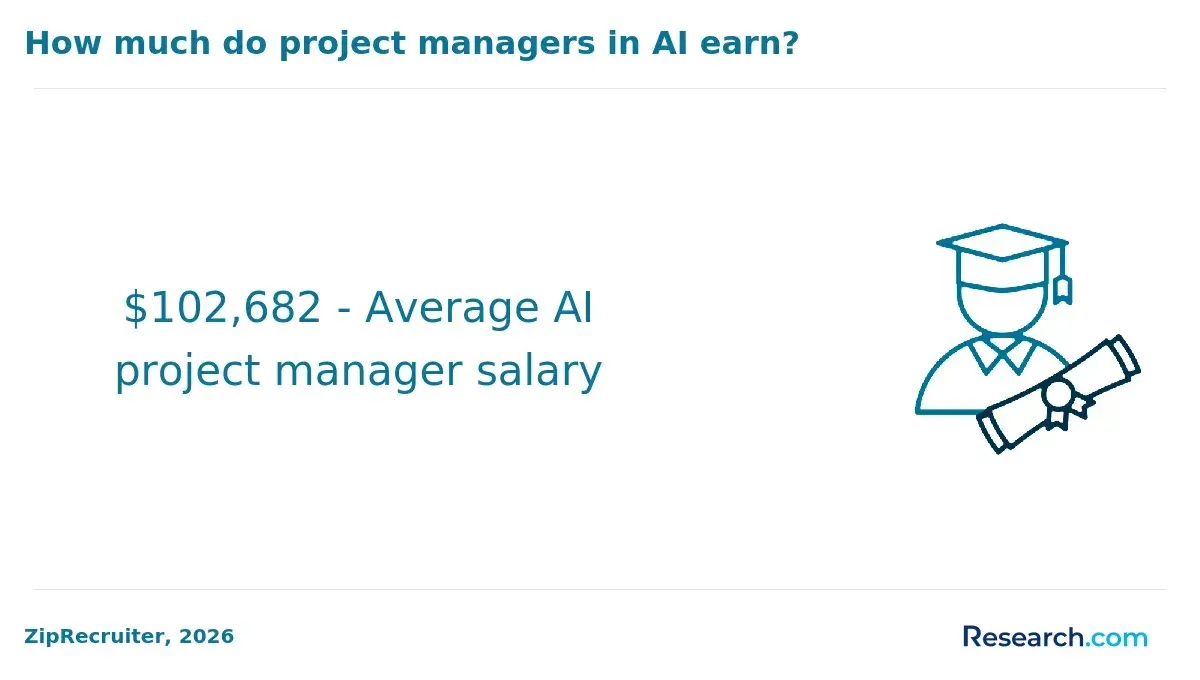
Graduates with skills in ai agent marketing can expect competitive salaries and strong job growth fueled by the rising demand for automation expertise. Entry-level salaries typically range from $65,000 to $85,000 annually in the U.S., with mid-level positions earning between $90,000 and $120,000. Senior roles, which involve advanced ai-driven marketing strategies, often pay over $130,000 due to the technical and strategic skills required.
The World Economic Forum's 2025 outlook projects that ai and automation will create 69 million new jobs worldwide by 2029, reshaping marketing and administrative roles significantly. Opportunities will expand for professionals adept at integrating ai agents into campaign management, customer segmentation, and predictive analytics.
Key roles benefiting from these skills include ai marketing strategists, automation consultants, and data-driven campaign managers. These positions combine ai proficiency with marketing insight to optimize ROI and personalize customer engagement. Understanding data privacy and ethical concerns further enhances a candidate's value.
Professionals are shifting from repetitive tasks toward jobs requiring AI tool oversight, interpretation, and customization skills. Familiarity with popular ai platforms and programming languages boosts employability and earning potential.
Ongoing education and upskilling are essential for staying current with rapidly evolving ai technologies in marketing. This proactive learning approach helps graduates leverage career advancement and salary growth linked to ai marketing automation.
Are there industry-recognized certifications for AI agents and marketing automation, and are they required?
Certifications exist for AI agents and marketing automation but are not mandatory for entering or advancing in marketing careers. Programs like HubSpot's Marketing Automation Certification, Google's Analytics and Ads certifications with AI components, and IBM's AI Engineering Professional Certificate formally validate skills, helping professionals prove expertise in applying AI tools to optimize marketing workflows.
Employers often prioritize demonstrable experience and successful projects over certifications. Still, in competitive fields or specialized roles involving AI integration, recognized certifications provide an advantage by confirming proficiency with specific platforms and methodologies.
Options vary widely, focusing on marketing automation software such as Marketo or Salesforce Pardot, or on AI fundamentals and advanced machine learning applied to marketing data. Selecting certifications aligned with career goals and preferred platforms is key.
Udemy's 2025 report on "AI & Automation in Digital Marketing" reveals that over 60% of students who complete an AI marketing course within 30 days pursue a more advanced course within six months, highlighting rapid skill stacking and ongoing education.
- Balance pursuing certification with hands-on experience.
- Use certifications to boost credibility.
- Focus on applying AI knowledge effectively to real-world marketing challenges.
Other Things You Should Know About Artificial Intelligence
Ethical concerns in AI-driven marketing automation primarily include data privacy, transparency, and potential bias in algorithms. Marketers must ensure that consumer data is collected and used in compliance with privacy laws like GDPR and CCPA. Additionally, AI systems should be designed to avoid biased decision-making that could unfairly target or exclude certain groups.
While AI marketing automation can handle many repetitive and data-driven tasks efficiently, it cannot fully replace human marketers. Creative strategy, emotional intelligence, and nuanced decision-making remain areas where humans excel. AI tools are best viewed as augmenting human capabilities rather than substituting them completely.
AI improves marketing automation through machine learning, where algorithms analyze large datasets to identify patterns and customer behavior trends. Over time, these algorithms adjust their predictions and recommendations to enhance campaign targeting, personalization, and efficiency. Continuous feedback loops and updated training data are essential for this learning process.
In 2027, industries like healthcare, finance, and manufacturing significantly benefit from AI automation. In healthcare, AI enhances diagnostics and patient management. Finance uses AI for fraud detection and trading. Manufacturing adopts AI for predictive maintenance and quality control, showcasing a wide impact beyond marketing.
References
- Build and Deploy AI Agents to Automate Your Go-to-Market Strategy by Ashley Gross on Maven https://maven.com/ai-workforce-alliance/ai-agents-to-automate-your-go-to-market-strategy
- AI Agents & Workflow Automation https://www.uprighted.com/courses/ai-agents-workflow-automation
- Free AI Marketing Tools for Students: Complete 2026 Guide https://planetarylabour.com/articles/ai-gtm-automation-students
- AI in Marketing Career Path: Skills, Strategy & Roadmap to Future-Proof Growth https://cxl.com/b2b-marketing-career-guide/ai-in-marketing-career-guide/
- Best AI Agents Courses That Actually Deliver https://extuitive.com/articles/best-ai-agents-courses
- AI Agents and Automation Course | CIM https://www.cim.co.uk/learn-develop/training-development/training-courses/ai-agents-and-automation/
- The AI Strategy Job Market in 2026: Analysis of 1,859 Postings https://axialsearch.com/insights/ai-strategy-jobs/
- Top Career Opportunities in AI Digital Marketing https://www.aipowereddigital.marketing/blog/top-career-opportunities-in-ai-digital-marketing
- 10 AI Skills You Need in Today’s Job Market https://www.salesforce.com/artificial-intelligence/ai-skills/
- AI agent for marketing: Applications and use cases, capabilities and benefits https://www.leewayhertz.com/ai-agent-for-marketing/