2027 Best AI Courses for In-House Counsel Using Generative AI

Co-Founder and Chief Data Scientist
In-house counsel face increasing pressure to integrate generative AI tools into legal workflows efficiently and ethically. Without targeted training, professionals risk misinterpreting AI outputs, undermining compliance, or missing opportunities to enhance productivity.
Navigating complex AI landscapes demands upskilling that bridges legal expertise with technical understanding. This challenge intensifies as organizations adopt AI-driven solutions that transform contract review, risk assessment, and litigation strategy.
This article evaluates top AI courses designed specifically for in-house counsel, focusing on practical skills in generative AI application. It aims to guide legal professionals toward effective, accredited educational paths for informed adoption and career growth.
Key Things You Should Know
- In 2026, AI courses tailored for in-house counsel emphasize practical skills in generative AI to enhance contract review, litigation strategy, and compliance automation.
- Recent studies show over 60% of legal professionals engaging in AI training report improved efficiency and risk management within their organizations.
- Top programs incorporate real-world case studies and updated 2025 regulatory requirements, addressing ethical and privacy concerns vital for contemporary legal practice.
Advance Your Career with AI Online Courses
Artificial Intelligence: Implications for Business Strategy
This program provides an introduction to Artificial Intelligence and their implications for business strategy. Earn an official digital certificate.

Oxford Artificial Intelligence Programme
Explore this Oxford Artificial Intelligence programme offered in a flexible learning environment and explore topics like machine learning, automation, and robotics.

Implementing Agentic AI: Building Your Organizational Playbook
This online MIT Agentic AI course offers a practical approach to deploying AI agents in your organization, including a custom playbook. 3 weeks, exclusive launch price.

AI Adoption: Driving Business Value and Impact
This online MIT AI Adoption: Driving Business Value and Impact offers practical frameworks to close the gap between AI potential and business reality.

Artificial Intelligence in Pharma and Biotech
Discover the applications and limitations of artificial intelligence in pharma and biotech with this MIT online short course.

What makes an AI course specifically valuable for in-house counsel using generative AI tools?
An AI course tailored for in-house counsel using generative AI tools should focus on practical skills relevant to legal workflows. Counsel must learn to evaluate, deploy, and oversee AI-powered contract review, document automation, and legal research while meeting ethical and regulatory standards. These courses bridge technical AI understanding with legal expertise, clarifying AI's capabilities and limitations in corporate law contexts.
Effective generative AI applications for legal departments include support for due diligence, risk assessments, and predictive analytics that enhance decision-making. Key training areas cover data privacy, bias mitigation, and managing AI-generated content to protect client confidentiality and reduce legal risk. For instance, prompt engineering helps counsel improve AI output accuracy.
Challenges such as firm resistance to AI adoption, critical interpretation of AI-generated results, and developing governance frameworks aligned with corporate policies are addressed through scenario-based exercises or case studies. This hands-on approach builds real-world problem-solving skills.
With 77% of corporate legal departments anticipating AI's major operational impact soon but only 28% currently AI proficient, there is an urgent need for courses that build both technical fluency and strategic insight.
In-house lawyers empowered by comprehensive AI education can lead digital transformation, ensure compliance, and deliver higher-value legal services efficiently. For those interested in expanding their knowledge, exploring artificial intelligence career paths offers valuable insights.
Advance Your Career with AI Online Courses
Artificial Intelligence: Implications for Business Strategy
This program provides an introduction to Artificial Intelligence and their implications for business strategy. Earn an official digital certificate.
Oxford Artificial Intelligence Programme
Explore this Oxford Artificial Intelligence programme offered in a flexible learning environment and explore topics like machine learning, automation, and robotics.
Implementing Agentic AI: Building Your Organizational Playbook
This online MIT Agentic AI course offers a practical approach to deploying AI agents in your organization, including a custom playbook. 3 weeks, exclusive launch price.
Which types of AI and generative AI programs are best suited to in-house legal teams?
Legal teams increasingly rely on AI-powered legal research and document automation tools for in-house counsel to improve efficiency and accuracy. Contract review platforms with generative AI capabilities assist in drafting, negotiating, and summarizing contracts, while also automatically spotting risk factors. Document automation further speeds up the production of complex legal documents by adapting templates to jurisdictional or policy requirements, reducing errors and saving time.
Regulatory compliance software using generative AI continuously monitors legal changes, alerting teams to new requirements or risks in fast-evolving environments. Knowledge management systems enhance internal research by synthesizing case law, precedents, and company records into concise reports, enabling quick insights without manual database searches. Natural language processing supports voice-to-text note-taking and instant query responses during meetings or negotiations.
Adoption of generative AI contract analysis software tailored to corporate legal teams has surged, with nearly half of corporate legal departments piloting or using these tools and projections suggesting over 70% usage soon. Effective training programs cover tool selection, ethical issues, and joint human-AI workflows, improving decision-making and aligning technology with business goals and compliance needs.
For those interested in advancing their expertise in this area, pursuing an online artificial intelligence degree can provide valuable skills applicable in legal technology and beyond.
How can in-house counsel evaluate whether an AI course or certificate is properly accredited?
In-house counsel evaluating how to verify accreditation of AI legal courses should ensure the program is recognized by a legitimate educational authority or professional body. Proper accreditation confirms that the curriculum meets industry standards and equips students with practical skills relevant to legal practice.
Ideal courses are those affiliated with ABA-accredited law schools, recognized continuing legal education (CLE) providers, or reputable universities offering programs tailored for legal professionals in AI.
Key criteria for recognizing accredited AI certificates for in-house counsel include a syllabus covering current legal challenges such as data privacy, ethics, and AI risk management.
Qualified instructors with expertise in both AI and law further validate a program's credibility.
Prospective students should seek transparent learning outcomes aligned with essential AI competencies to bridge skill gaps identified by general counsel, notably data & AI literacy as highlighted in the Association of Corporate Counsel's Law Department Management Benchmarking Report.
Ask if the course provides recognized certifications counting toward mandatory CLE or professional development credits, as these add significant value for career advancement. Avoid certificates from generic technical platforms lacking a legal focus or endorsements by legal education entities.
Those interested in advanced credentials might explore options such as an online PhD in artificial intelligence USA programs, which offer rigorous accreditation and specialized knowledge.
What core topics and skills should AI courses for in-house counsel cover in the curriculum?
AI courses designed for in-house counsel focus on essential topics that align with corporate legal teams' everyday tasks and the evolving challenges posed by generative AI. Core areas include fundamentals of AI and machine learning, allowing legal professionals to understand how generative models function and apply in legal risk management.
- Data privacy and compliance with regulations such as GDPR and CCPA to mitigate risks of handling sensitive data in AI systems.
- Contract analysis automation for efficient document review, extraction, and risk detection in agreements.
- Intellectual property issues concerning AI-generated content and legal ownership implications.
- Ethical considerations and bias mitigation to safeguard impartial legal advice.
- Hands-on training with AI tools tailored to legal workflows like drafting assistants and legal research automation.
- Risk management and liability factors related to deploying AI within corporate legal departments.
Targeted AI education dramatically impacts career growth. Short, micro-credential or bootcamp-style programs tailored for busy in-house counsel have shown a median 21% salary increase within 12 months, surpassing traditional multi-year degrees' 8%, as reported by the 2024 Global Skills Report by Coursera and Burning Glass Institute. This underscores the importance of generative AI skills for corporate lawyers to stay competitive.
Prospective students seeking career advancement can explore supplemental paths such as a cybersecurity degree online for veterans, integrating security knowledge with AI applications in legal risk management.
How do online, hybrid, and on-campus AI programs compare for full-time legal professionals?
Legal professionals seeking advanced education in ai must balance flexibility, networking, and hands-on learning. Online programs provide maximum flexibility, allowing legal counsel to study at their own pace without disrupting work commitments. However, these programs may limit opportunities for real-time interaction and practical experience necessary for mastering generative ai tools in legal contexts.
Hybrid programs blend online learning with occasional in-person sessions, offering a balanced approach. This format supports networking with peers and faculty while accommodating busy schedules. Legal teams especially benefit from workshops on ai-driven contract analysis and compliance automation, where direct application and discussion enrich understanding of ai's role in legal tasks.
On-campus programs offer immersive experiences, including extensive faculty access, labs, and peer collaboration. These suit professionals seeking intensive mentoring and accelerated learning. While time commitments are substantial, on-campus options often feature simulation labs and live projects crucial for mastering ai in litigation and regulatory workflows.
Enrollment in university executive education programs focused on ai for business and law rose by 73% between 2021 and 2024. Legal and compliance professionals constituted the fastest-growing segment, reflecting rising demand for ai expertise accessible through multiple formats.
- Online programs offer flexible scheduling.
- Hybrid programs balance convenience with hands-on practice.
- On-campus programs provide immersive, accelerative learning.
Legal counsel should align program choice with workload, networking needs, and the necessity for practical ai skills. Hybrid programs often strike the best balance, supporting ongoing professional duties while fostering essential skill development and peer engagement.
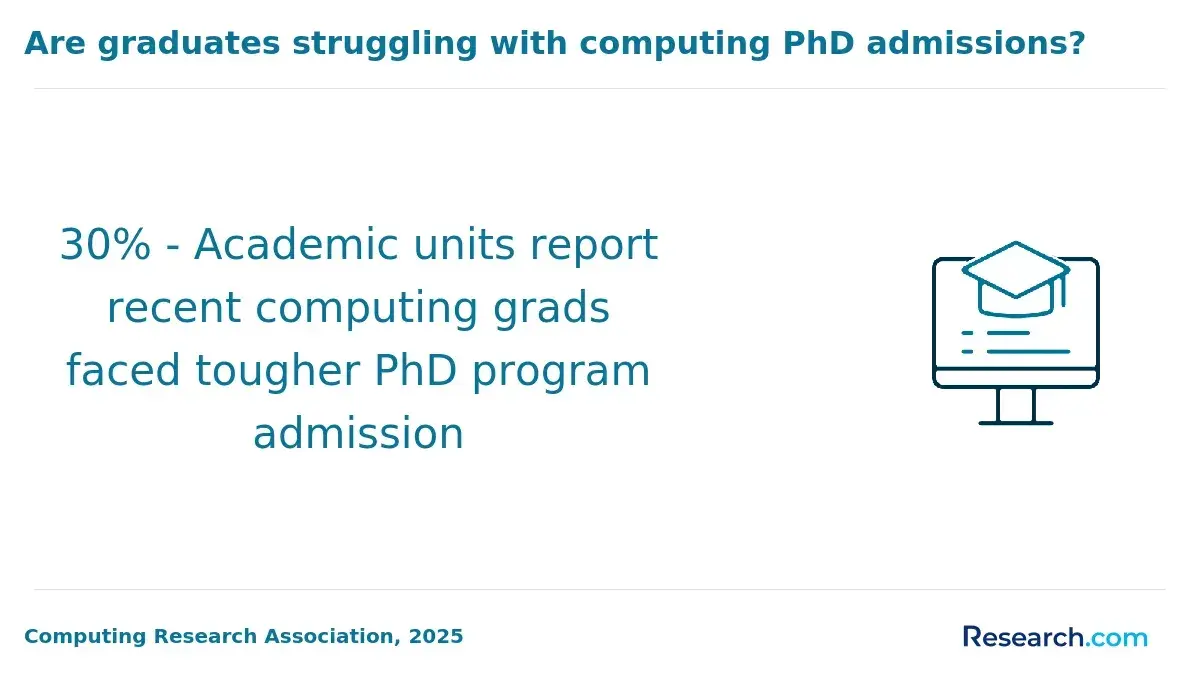
What are typical admission requirements and prior technical knowledge needed for these AI programs?
Admission requirements for ai courses designed for in-house counsel generally prioritize legal expertise over advanced technical skills. Most programs expect applicants to hold a law degree or possess significant legal experience, focusing on integrating ai tools into legal workflows rather than building ai systems.
Some advanced courses may require a basic understanding of technology concepts such as data privacy, cybersecurity, or algorithmic decision-making to address ai ethics and regulatory issues effectively.
Entry-level and on-demand courses offered by bar associations and legal groups typically have minimal prerequisites, making them accessible for lawyers aiming to build foundational ai literacy. For instance, continuing legal education (CLE) programs focused on ai now account for a growing share of technology CLE offerings, reflecting increased demand.
Mid-level and specialized programs often expect familiarity with practical ai applications like natural language processing or contract analysis platforms. Candidates should demonstrate the ability to critically interpret ai outputs and understand generative ai's limitations within legal contexts. Courses aimed at technical professionals transitioning into legal departments may request introductory knowledge of programming or data science basics.
In-house counsel without coding skills still benefit from ai education offerings that emphasize practical implementation and risk management rather than system design. Prospective students should review individual course details, but a strong legal background combined with a willingness to learn relevant technology concepts is typically sufficient.
How long do AI courses for in-house counsel usually take, and what do they cost?
AI courses for in-house counsel range from brief workshops lasting 2-4 hours to intensive programs spanning several weeks. Most foundational programs are designed to be completed within 8 to 20 hours and are offered as self-paced online modules or live interactive sessions. Advanced courses that provide hands-on experience with legal-specific AI tools can extend from one week to three months, depending on the depth and interactivity involved.
Costs vary notably, influenced by course duration, provider prestige, and included resources. Entry-level programs typically cost between $300 and $1,000, making them accessible for legal teams aiming to quickly upskill. More comprehensive certifications or bootcamps may range from $1,500 to $5,000, especially when they include personalized coaching, real-world projects, or proprietary AI tools designed for contract analysis and negotiation.
Structured training in legal AI tools delivers measurable efficiency gains. Deloitte Legal's 2024 Global In-House Legal Technology Survey found that departments investing in such training reduced average contract review time by 35-45%, versus only 12% when AI tools were used without formal instruction. This highlights the importance of courses focusing on practical application rather than theory alone.
In-house counsel should weigh duration, cost, and practical relevance to their practice areas when selecting courses. Shorter modules may fit demanding schedules, while longer programs support teams pursuing transformational AI integration. Bundled training packages offering ongoing support and updates often provide the best long-term value.
What career benefits can in-house counsel expect after completing a generative AI course?
Generative AI training enables in-house counsel to improve legal department efficiency by automating tasks such as contract review, due diligence, and e-discovery, significantly reducing turnaround times. This expertise allows counsel to oversee AI tools accurately, ensuring compliance with evolving regulatory requirements.
In addition, counsel skilled in generative AI can better manage legal risks by drafting governance policies and contributing to AI ethics frameworks. By late 2024, over half of large corporate legal departments had established formal AI governance policies or steering committees, underscoring the growing importance of knowledgeable legal professionals in this area (ACC & Gartner, "2024 In-House Legal Technology & Governance Survey").
The ability to work effectively with IT and data science teams is another key benefit, facilitating cross-functional collaboration to integrate AI solutions that align with legal and business goals. This collaboration strengthens counsel's role in technology adoption decisions.
Career advantages include increased employability and advancement opportunities in emerging roles focusing on AI policy, compliance leadership, and legal innovation.
In-house counsel completing a generative AI course gain the ability to:
- Streamline legal workflows through AI tool management
- Shape and implement AI governance and compliance strategies
- Collaborate effectively with technical teams on AI projects
- Increase strategic value within the company's broader digital transformation
- Open pathways to advanced, AI-focused legal roles
What salaries, promotion opportunities, and job outlook exist for lawyers skilled in generative AI?
Lawyers with expertise in generative ai enjoy notable salary benefits and faster promotion paths. These professionals often command salaries toward the top of the legal pay scale due to their ability to cut legal expenses and boost department productivity. For instance, general counsel and legal managers who understand generative ai report average salary increases of 10-15% compared to peers without these skills.
Promotion prospects frequently arise from demonstrating generative ai's impact. In-house counsel leading ai adoption initiatives are commonly advanced to senior roles such as director of legal operations or chief legal technology officer. These roles use ai to achieve cost savings, mitigate risks, and align legal functions with overall company strategies.
The job outlook for lawyers trained in generative ai is strong, driven by rising demand for data-driven legal methods. According to the Thomson Reuters Institute's "2024 State of Corporate Legal Departments," legal teams with formal ai education achieved a 9.2% average reduction in outside counsel spend, compared with 3.5% for teams using ai without structured training. This illustrates significant organizational value placed on lawyers with formal generative ai knowledge.
Career advancement is best supported by structured learning focused on contract automation, predictive analytics, or compliance powered by generative ai. Key skills include the ability to apply and communicate ai tools effectively to stakeholders, essential for future-proofing legal positions.
How should in-house counsel choose a reputable AI program while managing ethical and compliance risks?
In-house counsel should focus on AI courses that balance practical skills with a strong foundation in ethics and compliance. Programs integrating data privacy laws, regulatory compliance, and bias mitigation prepare legal professionals to manage risks effectively. Courses led by experts with recognized credentials or affiliations to reputable institutions enhance learning quality and credibility.
Look for offerings that include case studies or simulations reflecting real-world challenges, such as GDPR and HIPAA compliance. This approach ensures applicable strategies rather than abstract concepts. Also, prioritize courses that provide ongoing updates or continuing education, keeping pace with evolving AI regulations.
Ethical AI use guidance is essential, covering transparency, accountability, and protocols for mitigating unintended outcomes. Comprehensive AI governance content supports counsel in developing corporate policies aligned with the latest legal standards.
Accredited and endorsed programs by respected legal or technology organizations boost professional standing. Certifications that demonstrate expertise in both compliance and AI enhance career advancement opportunities. Notably, 68% of in-house counsel who completed AI or legaltech-focused courses reported promotion or expanded responsibilities within 12 months, according to Legal Operators & UpLevel Ops.
Other Things You Should Know About Artificial Intelligence
In 2027, in-house counsel should consider ethical issues such as data privacy, potential biases in AI algorithms, and the impact on their role's human discretion. Ensuring AI compliance with legal standards and maintaining client confidentiality remain critical factors.
Generative AI enhances legal decision-making by automating document review, drafting, and predictive analytics, which can improve efficiency and accuracy. However, it should be used as a support tool rather than a sole decision-maker, with human oversight essential to interpret AI-generated results responsibly.
Generative AI can produce plausible but incorrect or misleading information, and it may not fully understand complex legal nuances. Users should validate AI outputs carefully and avoid overreliance, recognizing that AI tools are best used to augment rather than replace professional judgment.
Yes, using generative AI involves risks such as unauthorized data access and inadvertent leaks of confidential information. Legal teams need to implement strict access controls, encryption, and vendor assessments to ensure that AI platforms comply with corporate and regulatory security standards.
References
- The Impact AI Will Have (and Is Having) on In-House Counsel - ALFA International https://www.alfainternational.com/publications_news/the-impact-ai-will-have-and-is-having-on-in-house-counsel/
- Free AI Upskilling Resources for Lawyers https://www.scaleupcounsel.com/candidate-resources/global-infrastructure-legal-ai-education
- What Should I Look for in an In-House Legal Software Solution? https://www.harvey.ai/blog/in-house-legal-software-solution
- The AI Skills Every Attorney Needs: Think, Prompt, Win https://mylawcle.com/products/the-ai-skills-every-attorney-needs-think-prompt-win/
- AI for Legal Professionals Course | Graduate School USA https://www.graduateschool.edu/courses/ai-for-legal-professionals-course
- Artificial Intelligence Degree Admission Requirements: What You Need https://hakia.com/degrees/artificial-intelligence/admission-requirements/
- LegalTech News | Top 10 Predictions for the Legal Technology Job Market in 2025 https://trulegal.ai/insights/legaltech-news-top-10-predictions-2025
- AI Tools for Lawyers: A Practical Guide https://pro.bloomberglaw.com/insights/technology/ai-in-legal-practice-explained/
- Info Extraction Research - Legal AI Benchmarking https://www.legalbenchmarks.ai/research/phase-1-research
- AI and Junior Lawyers’ Salaries: Why Pay Keeps Rising https://mtsoln.com/blog/ai-news-727/the-ai-shift-if-ai-is-coming-for-junior-lawyers-jobs-why-does-their-pay-keep-going-up-4868