2027 Best AI Ethics Courses for Compliance Professionals

Co-Founder and Chief Data Scientist
Compliance professionals face increasing challenges as organizations adopt artificial intelligence technologies without clear ethical guidelines. Risk of bias, privacy violations, and regulatory breaches can lead to costly legal consequences and reputational damage. These issues demand a deep understanding of AI ethics tailored for compliance roles. However, many current training options lack practical application or alignment with evolving laws.
This article presents top ethics courses designed specifically for compliance experts navigating AI integration. It aims to equip readers with actionable knowledge and skills to ensure responsible AI deployment and maintain regulatory compliance in complex professional environments.
Key Things You Should Know
- Compliance professionals must understand AI ethics frameworks to manage risks, as 78% of U.S. firms report increased regulatory scrutiny in 2025.
- Top AI ethics courses integrate case studies on bias, transparency, and accountability, with 65% offering certification recognized by industry bodies.
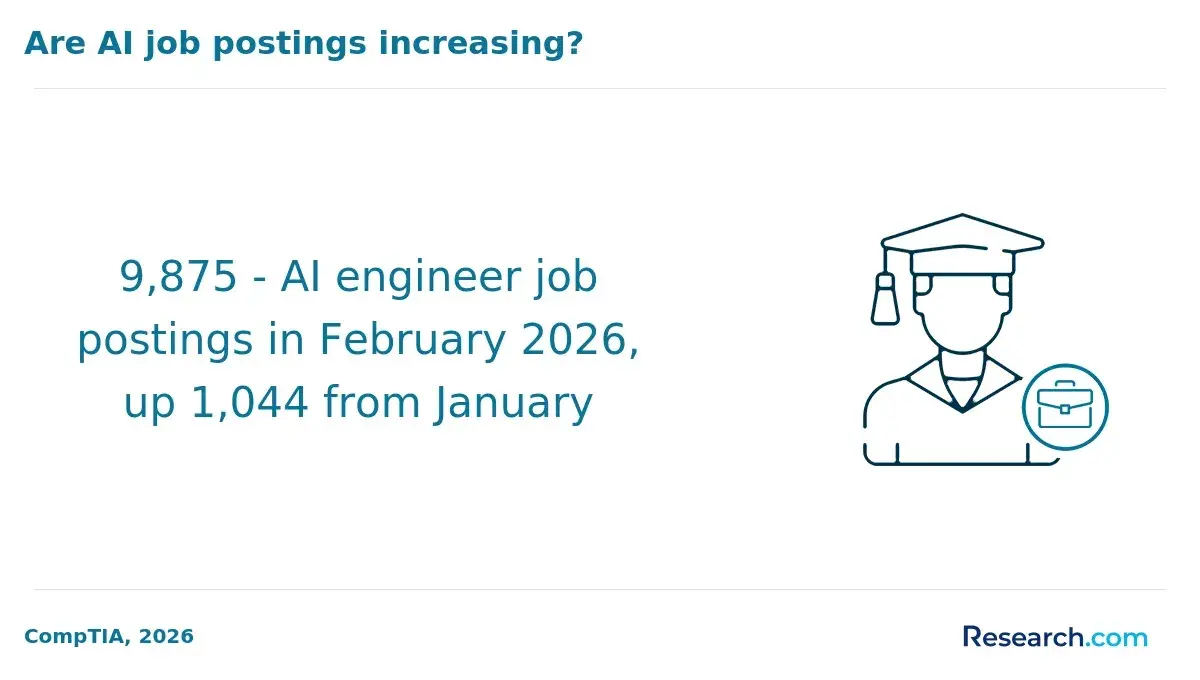
- Growing demand for AI ethics expertise reflects a 40% rise in job postings requiring compliance knowledge in AI-related roles from 2024 to 2025.
Advance Your Career with AI Online Courses
Artificial Intelligence: Implications for Business Strategy
This program provides an introduction to Artificial Intelligence and their implications for business strategy. Earn an official digital certificate.

Oxford Artificial Intelligence Programme
Explore this Oxford Artificial Intelligence programme offered in a flexible learning environment and explore topics like machine learning, automation, and robotics.

Implementing Agentic AI: Building Your Organizational Playbook
This online MIT Agentic AI course offers a practical approach to deploying AI agents in your organization, including a custom playbook. 3 weeks, exclusive launch price.

AI Adoption: Driving Business Value and Impact
This online MIT AI Adoption: Driving Business Value and Impact offers practical frameworks to close the gap between AI potential and business reality.

Artificial Intelligence in Pharma and Biotech
Discover the applications and limitations of artificial intelligence in pharma and biotech with this MIT online short course.

What are AI ethics courses for compliance professionals?
AI ethics courses for compliance professionals are designed to equip teams with the skills needed for responsible governance of AI systems. These programs highlight ethical frameworks for AI compliance professionals, focusing on identifying, assessing, and mitigating risks like bias, privacy breaches, and safety issues.
Training often covers regulatory adherence, transparency, and accountability tailored to AI's evolving applications. Compliance officers learn to audit AI decision-making processes, ensuring alignment with laws such as GDPR and CCPA. This safeguards organizations from ethical and legal pitfalls.
Risk management tools featured include impact assessments and continuous monitoring protocols that embed ethics into AI development lifecycles. The IBM 2025 Cost of a Data Breach Report links strong governance directly to financial risk reduction, as data breaches can average $4.88 million in losses.
These courses vary from practical workshops to advanced certifications, addressing the challenges of managing complex AI environments. They provide actionable strategies to maintain ethical integrity and legal compliance, enhancing organizational trust in AI deployment.
Professionals seeking comprehensive training might consider pursuing a data science degree, which can complement AI ethics training programs for regulatory adherence by deepening technical and analytical expertise.
Advance Your Career with AI Online Courses
Artificial Intelligence: Implications for Business Strategy
This program provides an introduction to Artificial Intelligence and their implications for business strategy. Earn an official digital certificate.
Oxford Artificial Intelligence Programme
Explore this Oxford Artificial Intelligence programme offered in a flexible learning environment and explore topics like machine learning, automation, and robotics.
Implementing Agentic AI: Building Your Organizational Playbook
This online MIT Agentic AI course offers a practical approach to deploying AI agents in your organization, including a custom playbook. 3 weeks, exclusive launch price.
Which accredited programs offer AI ethics training?
Several accredited institutions offer rigorous AI ethics training tailored for compliance professionals. Harvard University provides a professional certificate in "Ethics, Governance, and the Future of Technology," focusing on ethical frameworks relevant to emerging technologies. Stanford University's Center for Internet and Society integrates AI ethics with policy and law, enabling students to tackle regulatory compliance challenges directly.
Georgia Institute of Technology's online program emphasizes AI governance with real-world compliance case studies, addressing the skills gap highlighted by the World Economic Forum's 2025 Future of Jobs Report, which predicts that 39% of workers' core skills will change by 2030. Such specialized training is vital for professionals aiming to stay ahead in compliance roles.
Other respected programs include Carnegie Mellon, which incorporates AI ethics modules within broader AI and data science degrees, blending technical knowledge and ethical governance. Columbia University offers a compact Certificate in Technology, Media, and Communications, focusing specifically on AI ethical issues relevant to compliance officers.
When reviewing top accredited AI ethics courses for compliance professionals, it is important to check for institutional accreditation and relevant coursework covering data privacy, bias mitigation, and regulatory standards. Programs with continuing education units (CEUs) or professional certificates can better support organizational training goals.
For those exploring options, a comprehensive list of AI degree programs includes many accredited offerings in North America.
What online and campus options are available?
Compliance professionals seeking AI ethics courses with online and campus learning options can find a variety of programs tailored to their needs. Online courses provide flexibility, ideal for working professionals, and often include asynchronous modules, live sessions, and case-based learning focusing on regulatory compliance, bias mitigation, and ethical frameworks.
For those interested in data-centric approaches, exploring MS data science online programs can be a valuable complement to ethics education.
Campus-based offerings usually come as part of broader degrees in data science or AI ethics and feature immersive environments with direct faculty interaction and peer collaboration. These programs are well-suited for compliance professionals who want formal credentials or deeper engagement with research methodologies. Certificate programs at leading universities often integrate philosophy, law, and technology.
The decision between online and campus formats often depends on individual professional commitments and learning preferences. Online options allow immediate application of ethics concepts to practical scenarios, which is essential given that McKinsey's 2025 State of AI report found 78% of organizations already use AI in at least one business function. This highlights the urgency of ethics training that addresses real-time AI challenges.
Key factors to consider include:
- Duration and scheduling flexibility
- Depth of regulatory and legal content
- Opportunities for hands-on projects or simulations
- Access to expert instructors with compliance industry backgrounds
Multidisciplinary approaches are increasingly common, preparing professionals for emerging issues like algorithmic transparency and data privacy. Careful evaluation of course curricula is recommended to ensure alignment with specific sectors such as healthcare, finance, or government AI applications. These options represent some of the best AI ethics training programs for compliance professionals in North America.
What topics are covered in AI ethics coursework?
AI ethics coursework offers essential knowledge for compliance professionals, covering ethical frameworks in artificial intelligence compliance such as algorithmic fairness. This involves identifying and addressing biases that impact decision-making processes.
Transparency and explainability are critical components, teaching how to audit AI decisions and communicate them clearly to stakeholders. Privacy and data protection principles focus on responsible data usage and adherence to regulatory requirements for AI ethics training, including GDPR and CCPA.
Accountability frameworks clarify responsibility for AI outcomes and guide organizations in documenting and managing AI risks. Ethical considerations extend to sectors like employment, credit, and healthcare, where biased AI systems can lead to serious discrimination. Real-world case studies emphasize compliance challenges, highlighted by recent enforcement actions on algorithmic bias by authorities like the U.S. Equal Employment Opportunity Commission.
Additional topics include AI governance standards, international regulation, and AI's societal impacts. Professionals develop skills needed to create ethical AI policies, conduct impact assessments, and ensure legal alignment. Those seeking advanced education to navigate this complex landscape may consider programs such as an online data science PhD, which often incorporate these critical subjects into their curricula.
What admission requirements do these programs have?
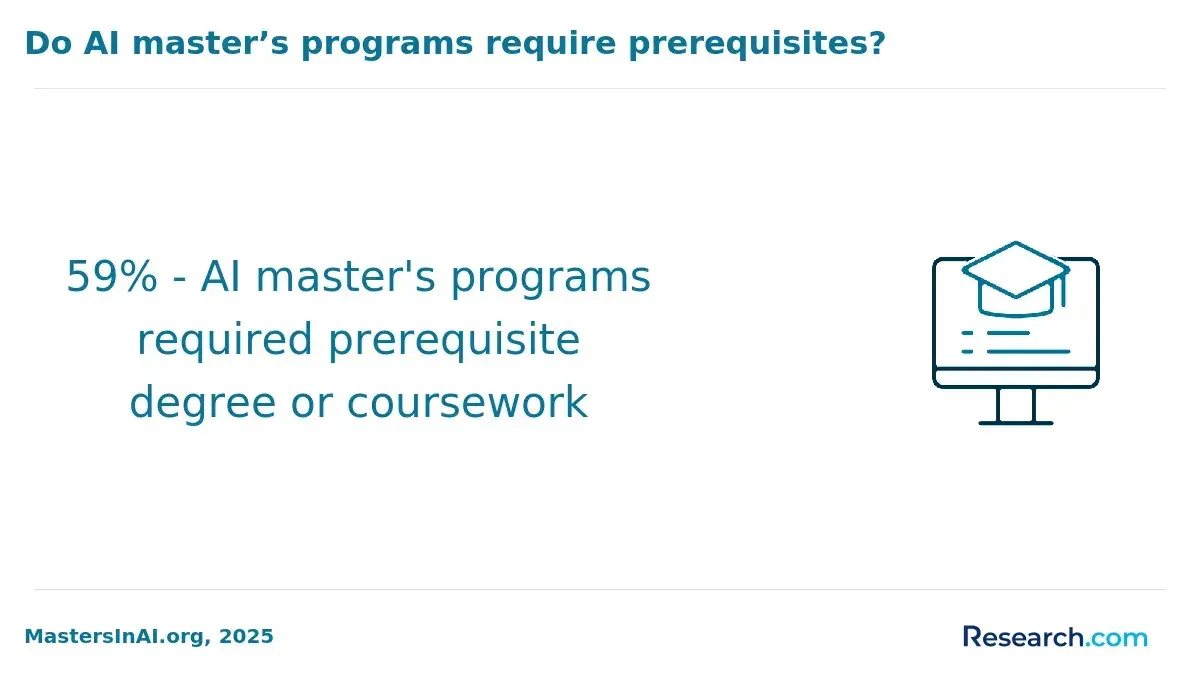
Admission requirements for AI ethics courses aimed at compliance professionals vary by program level and provider. Most advanced certifications or graduate programs typically require a bachelor's degree in relevant fields such as law, business, computer science, or public policy. Prior experience in compliance, risk management, or regulatory roles is often preferred to ensure applicants grasp the ethical frameworks involved.
Applicants usually submit resumes highlighting governance or AI oversight roles and statements of purpose explaining their interest in AI ethics and career relevance. This enables admissions committees to evaluate commitment to addressing bias and fairness risks. These issues align with key challenges outlined in the NIST 2024 AI Risk Management Framework.
Certificate programs without strict degree requirements often require foundational knowledge of AI principles and regulatory environments. Such knowledge can be demonstrated through coursework, professional training, or standardized tests. English language proficiency is commonly required for international programs.
Some courses may request letters of recommendation from supervisors or academic mentors emphasizing candidates' analytical and ethical reasoning skills. Background checks or proof of compliance certifications might be necessary to uphold program standards.
- Bachelor's degree in law, business, computer science, or public policy for advanced programs
- Prior compliance or risk management experience preferred
- Resume and statement of purpose focusing on ai ethics and governance
- Foundational ai knowledge for certificate courses
- Letters of recommendation and background checks for specialized programs
How long do AI ethics courses usually take?
AI ethics courses vary widely in length based on their depth and format. Many introductory courses designed for busy compliance professionals take 4 to 8 hours, often delivered over one or two days. These shorter programs focus on core principles like fairness, transparency, accountability, and data privacy.
More extensive certificate or university programs typically last 4 to 12 weeks. These delve into ethical frameworks, regulatory environments, and case studies, often including assessments or projects. For example, a six-week online course might require 3 to 5 hours weekly, covering issues such as algorithmic bias and privacy laws.
Organizations seeking thorough compliance training often opt for multi-month courses that combine model risk management and privacy compliance with ethics. This approach aligns with the OECD's AI policy guidelines, which emphasize privacy as one of the top AI governance priorities. Consequently, many longer courses stress the relationship between ethics and data privacy obligations.
Hybrid and modular lesson formats accommodate professionals balancing work with ongoing education, allowing self-paced study and review of complex topics like ethical handling of sensitive data in AI applications.
Choosing the right course duration helps learners match educational goals with their schedules without missing key content.
How much do AI ethics courses cost?
AI ethics courses vary significantly in cost, influenced by format, depth, and provider reputation. Online self-paced options generally range from $100 to $600 and suit professionals seeking foundational knowledge without heavy time commitments. Instructor-led university courses or certificate programs typically cost between $1,000 and $3,500 and offer more comprehensive training, including case studies, compliance frameworks, and expert interaction.
Executive education programs target board members and senior management, often starting above $5,000 and exceeding $10,000. These intensive trainings emphasize governance, risk management, and embedding ethical AI policies into corporate strategies. Deloitte's 2025 analysis reveals that a majority of executives expect AI governance to become a board-level responsibility within two years, highlighting the critical need for ethics education at senior levels.
Free or low-cost offerings usually cover only introductory content and lack application to compliance. Professionals aiming for regulated industries or compliance roles should seek certification recognized by industry bodies. Added value may include mentorship, legal perspectives on AI law, or continuing education credits.
When choosing a course, consider:
- Certification relevance to your sector and role
- Course length and quality of instruction
- Availability of practical compliance tools and case studies
- Post-course support or networking opportunities
Investing in AI ethics education supports readiness for evolving governance demands and aligns with increasing board-level expectations as outlined in Deloitte's research on best practices in AI policy.
What jobs can compliance professionals pursue after training?
Compliance professionals with AI ethics training can pursue specialized roles overseeing the ethical deployment and regulatory compliance of AI systems. Positions such as AI compliance analysts, risk managers focused on ethical AI, and policy advisors help ensure AI applications adhere to legal frameworks, addressing challenges like bias, privacy concerns, and transparency.
Graduates may also become AI governance officers responsible for creating corporate policies and ensuring ongoing compliance with evolving AI laws.
Common job titles include:
- AI Ethics Specialist
- Regulatory Compliance Officer for AI
- Data Protection Manager focusing on AI applications
- Technology Risk Analyst with AI oversight
Many professionals integrate AI ethics knowledge into broader roles such as internal auditors or corporate social responsibility managers. Sectors like healthcare and finance increasingly demand experts who understand regulatory and ethical dimensions unique to their industries. For instance, finance compliance officers leverage AI ethics to prevent discriminatory lending algorithms.
LinkedIn's 2025 Workplace Learning Report highlights that 68% of organizations prioritize upskilling to close capability gaps, underscoring the value of AI ethics training as a workforce investment with clear operational returns. Employers see expertise in ethical AI as a competitive advantage in hiring.
This training is more than a credential; it equips compliance professionals with technical and regulatory skills vital for progressing in high-demand roles blending ethics, law, and technology.
What salary can compliance professionals expect in AI ethics roles?
Compliance professionals focusing on AI ethics roles in the U.S. can expect salaries typically ranging from $90,000 to $150,000 annually, influenced by experience, location, and company size. Entry-level positions start around $85,000 to $95,000, while mid-career professionals with expertise in AI governance and responsible AI frameworks earn between $120,000 and $140,000. Senior roles in leading firms may exceed $150,000.
Specialized knowledge in AI ethics policies, algorithmic accountability, and privacy regulations has become increasingly valuable. Lightcast's 2025 labor-market data shows AI governance roles growing faster than general compliance positions, driving higher salary offers.
Job titles such as AI Ethics Officer, Responsible AI Program Manager, and Algorithmic Compliance Specialist reflect this trend. Skills in designing ethical AI audits, conducting impact assessments, and managing ethics committees enhance earning potential. Combining AI ethics with risk management or legal compliance also tends to lead to higher compensation.
Geographically, tech hubs like San Francisco, New York, and Boston offer wages 10-20% above the national average. Holding certifications in AI and data ethics further improves salary prospects and career advancement opportunities.
Investment in AI ethics education positions compliance professionals for accelerated career growth, driven by increasing industry demand and evolving governance standards.
How do you choose the best AI ethics course?
Choosing an AI ethics course involves focusing on compliance challenges specific to your industry or role. Opt for programs offering updated content on key regulatory frameworks such as the EU AI Act and U.S. federal guidelines. Courses that include real-world case studies help illustrate ethical lapses and how to prevent them.
Look for courses with comprehensive coverage of responsible AI governance topics like data privacy, bias mitigation, transparency, and accountability. Instructors should have verified expertise in AI policy or ethics, ideally with published research, ensuring the training is both authoritative and practical.
Course format is important: self-paced modules offer flexibility for busy professionals, while instructor-led classes provide live interaction and networking opportunities. Certification recognized in compliance or risk management circles adds professional value. Although price matters, consider the investment against the growing costs of ignoring ethics—Stanford HAI's AI Index highlights that responsible AI incidents continue to rise year over year.
Additional benefits include ongoing access to course materials, peer discussion forums, and assignments based on real compliance scenarios. Courses that integrate technical AI knowledge with ethical analysis are ideal for those working directly with AI systems. Aligning your choice with these factors prepares you for evolving ethical challenges in AI.
Other Things You Should Know About Artificial Intelligence
In 2027, top courses tackling bias in AI for compliance professionals include the AI Ethics and Society course by MIT and the Fairness and Accountability in AI course offered by Stanford Online. These courses focus on understanding, identifying, and mitigating AI bias.
Transparency in artificial intelligence ethics refers to making AI processes understandable and explainable to users and stakeholders. It helps ensure accountability, allowing people to see how decisions are made and to identify potential errors or biases. Transparent AI systems are critical for building trust and aligning technology with ethical standards.
Yes, decisions made by artificial intelligence systems can be legally challenged, especially when they affect individuals' rights or lead to discrimination. Legal frameworks are evolving to address AI accountability, requiring organizations to provide explanations and justifications for automated decisions. However, the complexity of AI models sometimes makes it difficult to assign responsibility clearly.
Artificial intelligence often processes large amounts of personal data, raising concerns about privacy and data protection. Compliance professionals must ensure AI systems adhere to regulations such as GDPR or CCPA by implementing robust data handling and consent practices. Protecting sensitive information and preventing unauthorized access are central to maintaining ethical AI use.
References
- Why trust GlobalHealth Education? https://globalhealtheducation.com/au/resources/online-vs-on-campus-courses
- Career Paths in Compliance and Regulatory Law: Navigating Legal Responsibilities | EuroBrussels https://www.eurobrussels.com/article/908/career-paths-in-compliance-and-regulatory-law-navigating-legal-responsibilities
- What is a AI Ethics and Compliance Officer? Duties, Median Salary, and AI Ethics and Compliance Officer Jobs Near Me | Snaprecruit https://snaprecruit.com/articles/what-is-a-ai-ethics-and-compliance-officer-duties-median-salary-and-ai-ethics-and-compliance-officer-jobs-near-me.html
- Ethics in AI https://www.oxfordhomestudy.com/courses/ai-courses-online/ethics-in-ai
- Online vs. Campus Learning: Which Is Right for You? - The Hub https://hub.fullsail.edu/articles/online-vs-campus-learning-which-is-right-for-you
- Develop your career in compliance https://www.int-comp.org/learn-and-develop/subject-areas/career-pages-governance-risk-and-compliance/
- Best AI Compliance Certification Guide 2025: Compare AICP, ISO, IAPP & ISACA https://www.exin.com/article/best-ai-certification-guide-2025/
- Best AI Compliance Courses and Certifications in 2025 https://learnprompting.org/blog/ai-compliance-courses-and-certifications
- Online Classes or On Campus: Which is Right for You? - Graduate Programs for Educators https://www.graduateprogram.org/blog/online-classes-or-on-campus-which-is-right-for-you/