2027 Best AI Ethics Courses for Customer Success Managers

Co-Founder and Chief Data Scientist
Customer success managers often face ethical dilemmas when implementing AI-powered tools that influence client interactions and decisions. Misuse or misunderstanding of AI ethics can lead to loss of trust, compliance risks, and damage to brand reputation. Navigating these challenges requires clear knowledge of ethical frameworks and practical guidelines specific to AI applications in customer success.
This article highlights top AI ethics courses designed for customer success professionals, offering flexible and accredited learning options to ensure responsible AI integration and informed decision-making.
Key Things You Should Know
- Ethics courses tailored for customer success managers emphasize responsible ai use, with 72% of programs highlighting transparency and bias mitigation in client interactions.
- Top 2026 curricula integrate real-world case studies to develop ethical decision-making skills essential for maintaining customer trust and regulatory compliance.
- The U.S. workforce demand for ai ethics knowledge in customer success roles is projected to grow by 35% from 2024 to 2026, reflecting increased corporate accountability.
Advance Your Career with AI Online Courses
Artificial Intelligence: Implications for Business Strategy
This program provides an introduction to Artificial Intelligence and their implications for business strategy. Earn an official digital certificate.

Oxford Artificial Intelligence Programme
Explore this Oxford Artificial Intelligence programme offered in a flexible learning environment and explore topics like machine learning, automation, and robotics.

Implementing Agentic AI: Building Your Organizational Playbook
This online MIT Agentic AI course offers a practical approach to deploying AI agents in your organization, including a custom playbook. 3 weeks, exclusive launch price.

AI Adoption: Driving Business Value and Impact
This online MIT AI Adoption: Driving Business Value and Impact offers practical frameworks to close the gap between AI potential and business reality.

Artificial Intelligence in Pharma and Biotech
Discover the applications and limitations of artificial intelligence in pharma and biotech with this MIT online short course.

What is an AI ethics course for customer success managers and who should take it?
An AI ethics course designed for customer success professionals teaches the principles and practical applications of ethical decision-making in AI-related customer roles. These programs emphasize recognizing key issues like data privacy, algorithmic bias, transparency, and fairness when deploying AI tools that affect customer interactions. Participants gain skills to implement policies fostering trust, compliance, and social responsibility in their organizations.
Ethical considerations in AI for customer management are crucial for professionals overseeing AI-driven platforms such as chatbots, recommendation systems, or automated support tools. Relevant participants include current customer success managers, product managers integrating AI, compliance officers, and executives shaping AI strategy. For example, a customer success manager utilizing AI-based sentiment analysis must understand how to mitigate biases that could unfairly impact certain demographic groups.
Newcomers to AI-enhanced customer roles can benefit by acquiring this foundational knowledge, improving their competitive edge. Training typically covers AI governance frameworks, ethical risk assessment, and regulatory compliance related to customer data and AI applications. This kind of AI ethics training for customer success professionals equips them to handle these challenges responsibly.
Why AI ethics matters is highlighted by the IBM Global AI Adoption Index 2024, which reports that 85% of organizations cite customer and client trust as the primary motivation for investing in AI ethics and governance initiatives. For those exploring career options, applied AI degree jobs often require strong expertise in such ethical frameworks to succeed in customer-facing roles.
Advance Your Career with AI Online Courses
Artificial Intelligence: Implications for Business Strategy
This program provides an introduction to Artificial Intelligence and their implications for business strategy. Earn an official digital certificate.
Oxford Artificial Intelligence Programme
Explore this Oxford Artificial Intelligence programme offered in a flexible learning environment and explore topics like machine learning, automation, and robotics.
Implementing Agentic AI: Building Your Organizational Playbook
This online MIT Agentic AI course offers a practical approach to deploying AI agents in your organization, including a custom playbook. 3 weeks, exclusive launch price.
How can AI ethics training help customer success managers use AI tools responsibly?
AI ethics training equips customer success managers with essential skills to ensure the responsible use of AI tools in customer success. With 61% of organizations viewing increased AI regulation and compliance risk as a major barrier, understanding legal frameworks such as the EU AI Act and FTC guidelines is critical. This training helps managers identify ethical risks including bias, privacy violations, and issues of algorithmic transparency.
Managers overseeing AI-driven customer interactions must ensure systems do not generate discriminatory responses, which could harm customer relationships and trigger legal issues. They also learn to respect user data and consent by asking vital questions like whether AI collects data with explicit permission and if customers are informed about automated decisions affecting them. Such transparency builds lasting customer trust.
Ethical AI training for customer success managers promotes critical evaluation of AI outputs, allowing early detection of errors and unintended consequences. This foresight reduces operational risks and upholds service quality. In practice, it enables managers to balance innovation with responsibility, selecting AI features aligned with corporate values and regulatory demands to minimize costly compliance violations.
For professionals interested in advancing their careers, exploring online AI degree programs can deepen understanding of ethical AI practices and prepare them for complex decision-making in customer success roles.
What types of AI ethics courses are best for customer success professionals?
AI ethics training programs for customer success managers emphasize practical aspects of fairness, transparency, and accountability in customer-facing AI systems. These courses typically address how to detect and reduce bias, a key concern since a 2024 World Economic Forum survey revealed that 68% of consumers worry AI will introduce or worsen bias and discrimination in their treatment by companies. Such training is essential for professionals managing customer relationships to ensure equitable experiences.
The best ethical practices courses in AI for customer support professionals often include modules on algorithmic fairness, data privacy, and ethical decision-making frameworks specific to AI. They teach how to audit AI-driven tools for discriminatory outcomes and advocate for diverse client populations. Case studies from industries like retail, finance, and healthcare provide relevant real-world context.
Many programs incorporate hands-on experience with AI monitoring tools and cover regulatory compliance topics such as GDPR and AI-specific legislation. Communication strategies for transparency also play a vital role in building trust with customers. Variations range from short certifications for quick skill acquisition to comprehensive academic offerings, including cross-disciplinary courses blending ethics with customer experience design or data analytics.
Prospective students interested in complementary fields might explore affordable cybersecurity degrees online. For example, you can find details about a reputable cybersecurity online degree that fits well alongside AI ethics expertise.
What topics and case studies do AI ethics courses for customer success usually cover?
AI ethics courses tailored for customer success managers emphasize responsible AI deployment and its impact on business. Key topics include algorithmic fairness, transparency, data privacy, and bias mitigation. These courses explore how unethical AI use can cause customer distrust, legal challenges, and reputational damage through real-world case studies. Such case studies in AI ethics for customer management highlight incidents where biased AI led to unfair treatment or privacy violations.
Students learn to identify ethical risks in AI-driven platforms and develop accountability frameworks. Training also stresses the importance of transparent communication so customers understand AI decision-making processes clearly.
Practical examples span industries like finance, healthcare, and retail. For instance, one case study shows how a financial services firm improved customer engagement by applying ethical AI principles that reduced bias in loan approvals. Another describes how healthcare customer support systems prioritized data privacy and secure AI use to avoid ethical pitfalls.
Accenture's 2024 "AI for Growth" research reveals that companies with mature responsible-AI frameworks are 27% more likely to achieve over 10% revenue growth from AI investments compared to less mature peers, demonstrating the strategic advantage of ethics-driven AI.
Courses also prepare managers to lead ethics-driven AI initiatives, balancing automation with human oversight and managing customer expectations. For those interested in furthering their education in related fields, a cybersecurity online degree can complement knowledge in AI ethics frameworks for customer success.
How do online AI ethics programs compare with campus and corporate training options?
Online ai ethics programs provide flexible, accessible learning options ideal for customer success managers balancing work and education. These programs are typically self-paced, allowing learners to progress according to their own schedules. They emphasize practical application through interactive modules and case studies relevant to roles involving AI-driven client interactions and data privacy issues.
Campus programs offer structured learning with faculty interaction and networking, which can enhance understanding of ai ethics frameworks. However, they often demand significant time and may not focus specifically on customer success applications. Corporate training tends to concentrate on company-specific tools and policies but may lack broader ethical theory and critical thinking development, with quality varying widely by organization.
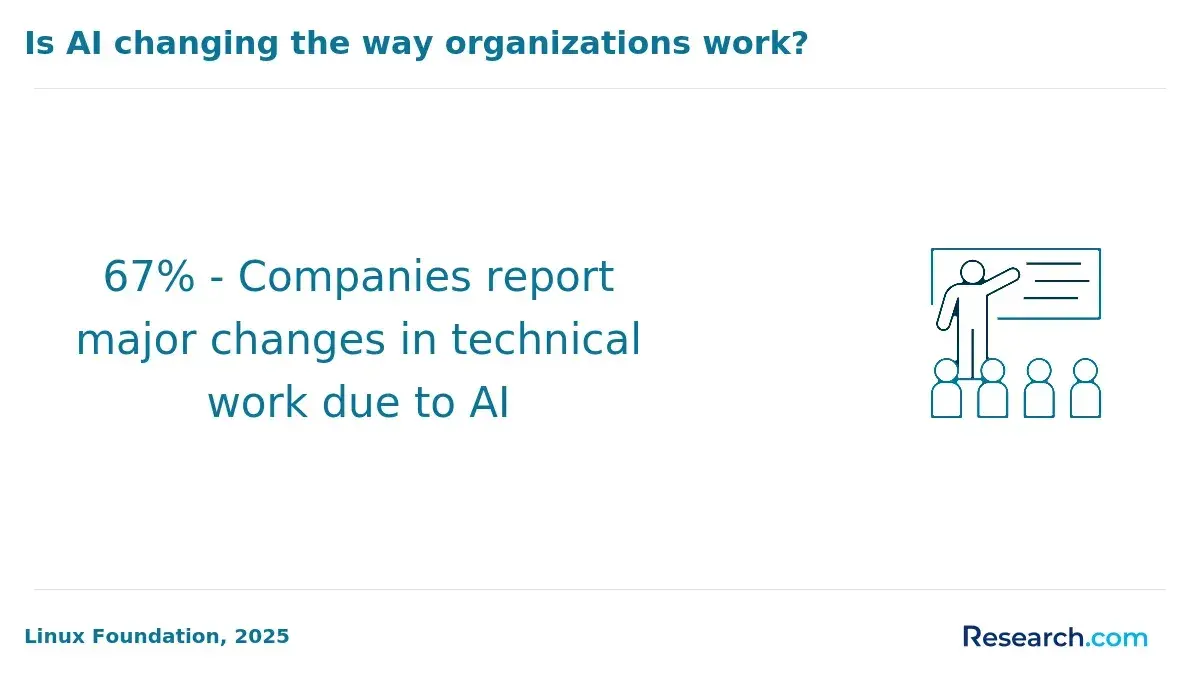
The World Economic Forum Future of Jobs report notes that employment for AI and big-data specialists is expected to grow by 30-35% by 2028, with 42% of core worker skills shifting by 2027 due to AI adoption. This highlights the importance for customer success managers to gain updated theoretical and practical ai ethics skills through relevant programs.
Factors to consider when selecting a program include career stage, learning style, and goals. Online courses often strike the best balance between up-to-date ai ethics content and flexibility, enabling professionals to adapt quickly in evolving workplaces.
What admissions requirements and professional background are needed for these programs?
Admissions for AI ethics courses aimed at customer success managers generally require a bachelor's degree in fields like business, computer science, information technology, or ethics. Many programs also prefer candidates with two to five years of professional experience in customer success, product management, or roles involving AI-powered tools. This practical background helps learners frame ethical challenges in real-world customer interactions and organizational contexts.
Some advanced programs may expect prior coursework or familiarity with foundational AI concepts, data privacy regulations, or digital ethics. Relevant prerequisites include knowledge of machine learning basics, software development processes, or compliance standards to effectively engage with responsible AI frameworks. Institutions often provide preparatory modules for those lacking direct AI experience.
Work experience in cross-functional teams managing AI implementations or customer data improves admission chances. Certifications in project management or IT security can also support applications by demonstrating readiness to address complex AI ethical concerns. According to the LinkedIn Workplace Learning Report 2024, skills related to AI and AI ethics grew by over 60% year-over-year in learning hours, reflecting rising employer demand.
Successful applicants usually combine strong academic credentials with hands-on experience in AI-related technology and customer engagement, underscoring the multidisciplinary nature of ethical AI application in customer success management.
How long do AI ethics courses take and what do they typically cost?
AI ethics courses for customer success managers vary greatly in duration and depth. Many online self-paced modules require between 3 and 10 hours, offering a quick overview. In contrast, more thorough programs with live sessions and assignments usually last 4 to 8 weeks, involving 2 to 4 hours per week. Some certificate programs tied to universities or professional bodies demand 20 to 40 hours, providing a comprehensive understanding of ethical AI use.
Course costs reflect their scope and credentials. Entry-level options typically range from $100 to $500, suitable for busy professionals. Mid-tier courses with interactive content and recognized certificates often cost $500 to $1,500. Advanced or university-affiliated programs can exceed $2,000, underscoring the value of accreditation. Subscription models granting access to multiple courses usually charge $30 to $60 monthly.
Aligning course selection with your career goals and schedule is essential. Shorter courses fit compliance needs, while longer programs prepare managers for complex ethical challenges in AI-driven customer relations.
Customer priorities highlight the importance of ethical AI. Salesforce's State of the Connected Customer 2024 reports that 73% of customers want transparency in AI use, and 80% stress ethical AI practices. These data emphasize the need for quality AI ethics education to maintain trust in the customer success field.
How can I evaluate accreditation, instructor expertise, and program quality in AI ethics?
Verifying accreditation from recognized bodies like the Council for Higher Education Accreditation (CHEA) or the U.S. Department of Education ensures that AI ethics programs meet established academic standards and that your credentials hold professional value. Instructor expertise also plays a crucial role-look for faculty with advanced degrees in ethics, computer science, or related fields, complemented by published research or industry experience.
High-quality programs offer transparent curricula aligned with industry demands. Essential topics include data privacy, algorithmic bias, transparency, and ethical decision-making frameworks. Effective programs often integrate practical case studies relevant to roles such as customer success managers, given that 69% of Customer Success organizations are already using AI, according to Gainsight's 2024 Customer Success Index.
- Does the program include hands-on projects or partnerships with industry?
- Are certifications or continuing education options available for evolving AI ethics standards?
- How current is the syllabus concerning new AI regulations and technologies?
Student feedback and graduate outcomes offer insight into program impact. Consider how alumni apply AI ethics knowledge in customer relationship management and AI-enabled tools. Prioritizing programs that demonstrate measurable outcomes can better prepare you to navigate ethical dilemmas in AI-driven customer success environments.
What career outcomes, job roles, and advancement opportunities follow AI ethics training?
Professionals trained in AI ethics are increasingly in demand for specialized roles within customer success teams, such as AI compliance specialist, ethical AI program manager, and risk mitigation lead. These positions focus on the responsible deployment and oversight of AI-driven customer solutions, requiring skills like bias recognition, transparency, and user privacy protection.
Leadership roles, including director of customer success strategy or chief customer experience officer, prioritize ethical governance of AI tools and offer promising advancement paths. Managers with AI ethics expertise bring strategic value by guiding teams through complex algorithmic challenges, which helps build organizational trust and improves customer retention.
A 2024 ZipRecruiter analysis shows that customer success manager roles requiring AI knowledge typically offer salaries 12-15% higher than similar positions without this expertise, highlighting the financial incentives of specializing in AI ethics.
Additional career opportunities include consulting in AI risk assessment and ethics audits, both expanding fields as companies emphasize ethical AI practices. Many professionals also lead internal training programs to embed these best practices, strengthening their leadership presence and job security.
Gaining AI ethics skills aligns with broader trends in responsible AI use, opening diverse job roles and enhancing career resilience for customer success managers navigating today's technology-driven business environment.
Are there industry certifications or ethical guidelines that customer success managers should know?
Professional certifications offer customer success managers practical expertise in AI governance, bias mitigation, and responsible deployment-key areas for maintaining customer trust when using AI tools. These programs typically cost several hundred to a few thousand dollars, making them a more affordable alternative to university executive courses that can range from several thousand up to tens of thousands of dollars, according to CS Teamland's 2026 overview of AI ethics certification programs.
Leading certifications, such as the Certified Ethics in Artificial Intelligence Professional (CE-AIP), emphasize principles like transparency, data privacy compliance, and detecting unintended bias in AI-driven customer profiling. These credentials equip managers with actionable frameworks to interpret AI-generated insights responsibly and communicate ethical considerations within their teams.
Ethical guidelines for customer success managers build on broader AI ethics principles, including fairness, accountability, and explainability. Managers learn to critically evaluate AI recommendations, validate outputs with human judgment, and identify when AI decisions might negatively affect customers.
Adopting industry-recognized certifications helps teams collaborate effectively with compliance and product groups, ensuring consistent adherence to ethical AI practices across organizations. Applying this knowledge daily reduces risks of unethical use and strengthens relationships in AI-driven customer service environments.
Other Things You Should Know About Artificial Intelligence
The primary ethical concerns involve data privacy, algorithmic bias, and transparency. Customer success managers must ensure that AI systems respect user data and avoid discriminatory outcomes. Maintaining transparency about AI decision-making improves customer trust and accountability.
Customer success managers can stay informed by participating in continuous education, attending industry webinars, and following updates from professional organizations focused on AI ethics. Engaging with research publications and joining relevant discussion forums also helps maintain current knowledge of regulations and best practices.
In 2027, top AI ethics courses for customer success managers include "AI Ethics and Customer Success" on Coursera developed by Stanford University, and MIT’s "AI Ethics: Implications for Business Leadership." Both courses focus on addressing ethical concerns related to AI in business contexts.
Explainability is critical because it allows customer success managers and customers to understand how AI-driven decisions are made. Transparent AI models improve trust and make it easier to identify and correct errors or biases in automated processes.
References
- AI in Post-Sales Customer Experience https://www.deloitte.com/us/en/what-we-do/capabilities/applied-artificial-intelligence/articles/ai-in-customer-experience.html
- Ethical Use of AI https://www.unthealth.edu/oiia/ethical-use-of-ai.html
- AI Certification Costs Explained https://www.ciai.com/post/understanding-the-costs-of-ai-certification
- Customer Success Manager Certification (CCSMP) | Practical CSM https://practicalcsm.com/certified-csm-professional/
- Best AI Ethics Certification Courses for Business Leaders in 2026 https://www.teamland.com/post/best-ai-ethics-certification-courses
- Introduction to AI Ethics https://www.conversationdesigninstitute.com/courses/ai-ethics
- Answering 8 Common Questions About Grad School Requirements https://www.umassglobal.edu/blog-news/answering-8-common-questions-grad-school-requirements
- Accreditation and AI: Ensuring Quality in an Era of Smart Learning https://www.qahe.org/article/accreditation-and-ai-ensuring-quality-in-an-era-of-smart-learning/
- 16 Artificial Intelligence Career Paths https://www.calmu.edu/news/artificial-intelligence-career-paths
- How to use AI ethically in CX and customer service https://www.hirehoratio.com/blog/how-to-use-ai-ethically