2027 Best Generative AI Courses for Senior Leadership Teams

Co-Founder and Chief Data Scientist
Senior leadership teams increasingly face pressure to leverage generative AI for strategic advantage, yet many lack the specialized knowledge to guide informed decision-making. This skills gap can hinder innovation, slow digital transformation, and weaken competitive positioning. Organizations must ensure executives grasp the technology's possibilities and limitations to lead effectively in a rapidly evolving landscape. The article highlights top courses tailored to senior leaders, emphasizing flexible, accredited programs that bridge this expertise divide. Readers will gain insight into options designed to equip leadership with critical generative AI understanding and practical frameworks for successful adoption and oversight.
Key Things You Should Know
- By 2025, over 70% of senior leadership teams plan to integrate generative AI training to better understand its impact on strategic decision-making and operational efficiency.
- Effective courses emphasize hands-on learning with real-world AI tools, helping executives grasp ethical considerations and risk management tied to AI deployment.
- Data shows that leaders trained in generative AI report a 40% improvement in innovation capacity, highlighting the growing necessity of AI fluency in competitive markets.
Advance Your Career with AI Online Courses
Artificial Intelligence: Implications for Business Strategy
This program provides an introduction to Artificial Intelligence and their implications for business strategy. Earn an official digital certificate.

Oxford Artificial Intelligence Programme
Explore this Oxford Artificial Intelligence programme offered in a flexible learning environment and explore topics like machine learning, automation, and robotics.

Implementing Agentic AI: Building Your Organizational Playbook
This online MIT Agentic AI course offers a practical approach to deploying AI agents in your organization, including a custom playbook. 3 weeks, exclusive launch price.

AI Adoption: Driving Business Value and Impact
This online MIT AI Adoption: Driving Business Value and Impact offers practical frameworks to close the gap between AI potential and business reality.

Artificial Intelligence in Pharma and Biotech
Discover the applications and limitations of artificial intelligence in pharma and biotech with this MIT online short course.

What are the best generative AI courses specifically designed for senior leadership teams?
Top generative AI leadership training programs for senior executives emphasize strategic application, risk management, and fostering innovation across businesses. Notable courses like MIT Sloan's "Artificial Intelligence: Implications for Business Strategy" and Stanford's "AI for Leaders" deliver tailored frameworks that blend technical essentials with practical business insights. These programs support decision-makers in grasping generative AI's strengths and limitations.
Core topics often include:
- Understanding generative AI models and their integration within existing IT infrastructures.
- Assessing ethical, legal, and compliance challenges related to AI deployment.
- Crafting AI-driven strategies aligned with organizational objectives.
- Managing cultural and operational transformations due to AI adoption.
According to Gartner, 80% of enterprises will deploy generative AI APIs or applications in production, rising from fewer than 5% a few years earlier. This growth stresses the need for senior leaders to develop practical AI literacy and strategic foresight. Courses often use case studies from industries such as finance, healthcare, and manufacturing to demonstrate real-world outcomes.
Flexible delivery methods-including online, executive workshops, and hybrid models-cater to busy professionals. Some programs also feature hands-on labs or simulated boardroom exercises, enhancing confidence in AI-driven decisions. Successful training bridges executive leadership with data science and IT teams, emphasizing collaboration for effective implementation. For those exploring pathways in related fields, the data science ranking highlights affordable options.
Advance Your Career with AI Online Courses
Artificial Intelligence: Implications for Business Strategy
This program provides an introduction to Artificial Intelligence and their implications for business strategy. Earn an official digital certificate.
Oxford Artificial Intelligence Programme
Explore this Oxford Artificial Intelligence programme offered in a flexible learning environment and explore topics like machine learning, automation, and robotics.
Implementing Agentic AI: Building Your Organizational Playbook
This online MIT Agentic AI course offers a practical approach to deploying AI agents in your organization, including a custom playbook. 3 weeks, exclusive launch price.
How can generative AI education help C-suite and senior executives drive business strategy?
Generative AI training for executive decision making equips C-suite and senior leaders with critical skills to transform business strategy through data-driven insights and innovation leadership. Executives become adept at identifying high-value use cases that unlock new revenue streams, optimize operations, and enhance customer engagement. By leveraging generative AI to enhance business strategy, leaders can tailor products more precisely to market demands and accelerate innovation cycles, reducing time-to-market.
Senior executives also learn to foster a culture of AI adoption by understanding the ethical, risk management, and change management aspects of implementing generative AI technologies. This education helps align AI initiatives with corporate goals, ensuring investments generate measurable business outcomes. For example, trained executives can lead cross-functional teams that integrate AI workflows into existing processes, minimizing disruption and maximizing value.
According to McKinsey Global Institute, organizations adopting AI at scale can achieve a 7-20% EBIT uplift over five years compared to those who do not. Such data helps executives justify investment and guide resource allocation effectively. Additionally, training improves their ability to evaluate AI vendor solutions, platform capabilities, and data governance frameworks, reducing operational risks and facilitating better communication with technical teams.
Key benefits of generative AI education for executives include:
- Identifying AI-driven competitive advantages and growth opportunities
- Managing AI-related ethical and regulatory risks
- Driving innovation by integrating AI workflows into strategic planning
- Leading effective organizational change toward AI adoption
Those interested in advancing their technical knowledge alongside executive skills may explore fields like mechanical engineering degrees online, which often incorporate AI applications in modern engineering problems.
What should senior leaders look for when choosing a generative AI program or provider?
Senior leadership generative ai training programs should emphasize not only technical skills but also governance and ethical considerations. With only 3% of organizations having formal policies for generative AI use, courses must equip leaders to create clear frameworks aligned with organizational values and risk management. When selecting programs, look for curricula that include comprehensive coverage of AI capabilities and limitations to avoid unrealistic expectations.
Key elements of top generative AI providers often include:
- Case studies showing successful AI integration and governance in real business contexts.
- Guidance on regulatory compliance and privacy safeguards specific to generative AI outputs.
- Strategies for oversight such as bias detection, accountability, and transparency.
- Tools to assess and mitigate risks like misinformation, intellectual property breaches, and data security vulnerabilities.
- Interactive exercises for scenario planning and leadership decision-making.
These programs should also be tailored to executive audiences, focusing on strategic alignment rather than just technical knowledge. Flexibility in length and delivery-such as online, hybrid, or in-person formats-helps accommodate different leadership schedules. Providers offering post-course advisory services can assist organizations in applying learned principles to policy development.
For those exploring related educational paths, reputable game design schools online offer alternative technology-focused programs worth considering.
Ultimately, effective senior leadership generative ai training programs enable leaders to balance innovation with responsible AI use, addressing significant gaps in organizational governance revealed by research.
How do online, hybrid, and on-campus generative AI courses compare for senior leaders?
Online, hybrid, and on-campus generative ai training formats for senior leadership offer unique advantages and challenges. Online courses provide maximum flexibility, allowing executives to study at their own pace alongside busy schedules. They typically feature current content and access to global experts but may lack the immersive interaction needed for deep collaboration.
Hybrid models blend remote learning with scheduled in-person sessions, enabling real-time discussion, networking, and practical labs. This balance is especially effective for senior leaders who need structured engagement without losing accessibility. Such formats often emphasize strategic applications of generative ai in leadership, enhancing relevance.
On-campus courses immerse participants in intensive, face-to-face environments that foster immediate feedback and strong peer connections. They suit executives seeking transformational experiences but may require significant time and travel commitments. When comparing online hybrid and on-campus generative ai courses, leaders should weigh these factors alongside convenience and instructional depth.
Investing adequately in AI training matters. A well-known global survey by MIT Sloan Management Review & BCG found companies spending over $500 per employee per year in AI and analytics training were 2.1× more likely to report significant financial benefits from AI initiatives. This underscores the importance of rigorous curriculum and expert instruction.
Executives should also examine course relevance and application opportunities. For tailored advanced education, exploring an online data science doctorate can deepen understanding of generative ai's strategic potential.
What topics and skills do generative AI leadership courses typically cover in the curriculum?
Generative AI leadership courses designed for senior teams cover a broad spectrum of vital topics, equipping executives with practical insights. Core lessons include how generative AI models function, focusing on key machine learning architectures like transformers and large language models, providing leaders with a solid technical foundation to understand AI's potential and limits.
Training emphasizes strategic uses such as driving product innovation, automating processes, and enhancing customer experience. Leaders develop skills to identify viable business applications, estimate ROI, and align AI projects with corporate objectives.
Ethical and regulatory issues are integral, with executives assessing risks related to data privacy, bias reduction, and governance frameworks. Courses address compliance with changing policies and industry standards to promote responsible AI use.
Change management and organizational readiness are also critical, preparing teams to foster AI adoption by building the right culture and upskilling staff while managing resistance.
Data strategy and infrastructure lessons focus on scaling AI securely and maintaining data quality, alongside reviewing security practices against adversarial threats.
Many programs include case studies and simulations to sharpen decision-making under uncertainty and encourage innovation within competitive markets.
Yet, only 24% of global executives say their leadership teams are "highly prepared" to leverage generative AI in commercial settings, according to the 2024 Deloitte State of Generative AI in the Enterprise survey. This highlights the urgent need for focused, advanced leadership education in this field.
What are the common admission requirements for executive or senior-level generative AI programs?
Admission to executive or senior-level generative AI programs typically requires candidates to have substantial professional experience, usually at least 10 years, including a minimum of five years in leadership roles. This experience helps ensure that participants can effectively apply AI strategies within corporate decision-making processes.
Applicants are generally expected to show familiarity with AI terminology and foundational concepts, though advanced technical expertise is not always mandatory. Many programs ask for a detailed professional resume and a statement of purpose outlining goals for generative AI implementation. Some leading business schools also conduct pre-course assessments to evaluate baseline AI knowledge.
Educational qualifications commonly include a bachelor's degree in fields such as business, engineering, or computer science. Some elite programs prefer or require a master's degree or MBA, emphasizing a blend of strategic management and technological insight. Letters of recommendation highlighting leadership skills and innovation in project management may also be requested.
- Demonstrated commitment to digital transformation and prior involvement in AI projects
- Strong leadership capability and the ability to drive organizational ROI using generative AI
With global corporate spending on AI training expected to near $6.3 billion in 2026, according to IDC's Worldwide AI Spending Guide, admission committees increasingly prioritize candidates prepared to lead in AI-driven innovation.
How long do generative AI courses for senior leadership usually take, and what do they cost?
Generative AI courses for senior leadership vary widely in length and depth, ranging from intensive half-day workshops to multi-week programs lasting up to six weeks. These courses may serve as introductory overviews or as comprehensive, hands-on experiences. For example, some executive programs offer 4-8 hour sessions over one or two days that focus on ethical considerations and decision-making. In contrast, more extensive offerings include 15-30 hours of instruction with project work and strategic planning, ideal for leaders integrating AI technologies into their organizations.
Costs differ significantly depending on the course type and provider. Short workshops or seminars typically cost between $1,500 and $5,000 per participant, while executive education programs at top business schools range from $8,000 to $25,000. Online platforms provide flexible, self-paced modules priced between $500 and $2,000, though these often lack tailored senior leadership focus.
Enrollment in executive and non-degree AI courses at leading business schools grew by over 60% between 2022 and 2024, according to the Graduate Management Admission Council (GMAC). This rise indicates strong organizational demand and larger budget commitments for AI leadership training.
Leaders should balance course duration with operational needs and prioritize programs featuring practical case studies and leadership frameworks for immediate application. Checking for post-course strategic support can enhance long-term value and ongoing capability development.
What executive roles, responsibilities, and career paths can generative AI training support?
Generative AI training plays a crucial role for executives such as CEOs, CFOs, COOs, CIOs, and heads of innovation by enhancing their ability to make informed decisions on AI strategy and implementation. Senior leaders across finance, healthcare, manufacturing, and government sectors benefit by expanding their technical literacy to guide AI-driven transformations effectively.
For example, CFOs with generative AI expertise can improve cost efficiency and risk management through predictive analytics. COOs enhance operational workflows by integrating AI insights, while CIOs align AI capabilities with IT infrastructure and cybersecurity priorities. These leaders also manage AI investment evaluations, ethical AI use, and team restructuring to support AI integration. Career trajectories increasingly include roles like Chief AI Officer or Director of AI Strategy, highlighting growing demand for executives proficient in AI.
Generative AI training enables executives to:
- Improve financial forecasting, compliance, and fraud detection in finance.
- Implement AI-driven diagnostics and patient management in healthcare.
- Optimize manufacturing supply chains and predictive maintenance.
- Support government policy-making through enhanced data analysis.
According to EY's 2024 Global AI in Financial Services Survey, 54% of C-suite leaders cite insufficient AI skills among senior decision-makers as a major barrier to scaling AI. This underscores the urgent need for tailored AI education that empowers executives to lead AI adoption confidently and strategically across industries.
What salary outcomes and ROI can senior leaders expect after completing generative AI training?
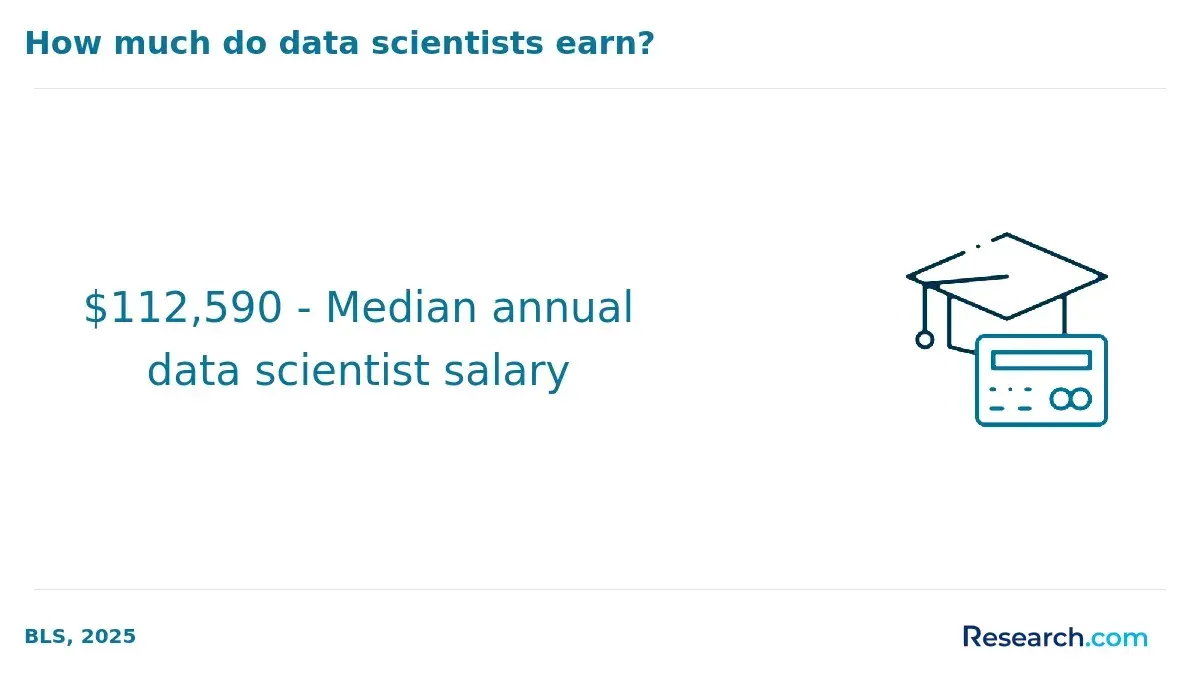
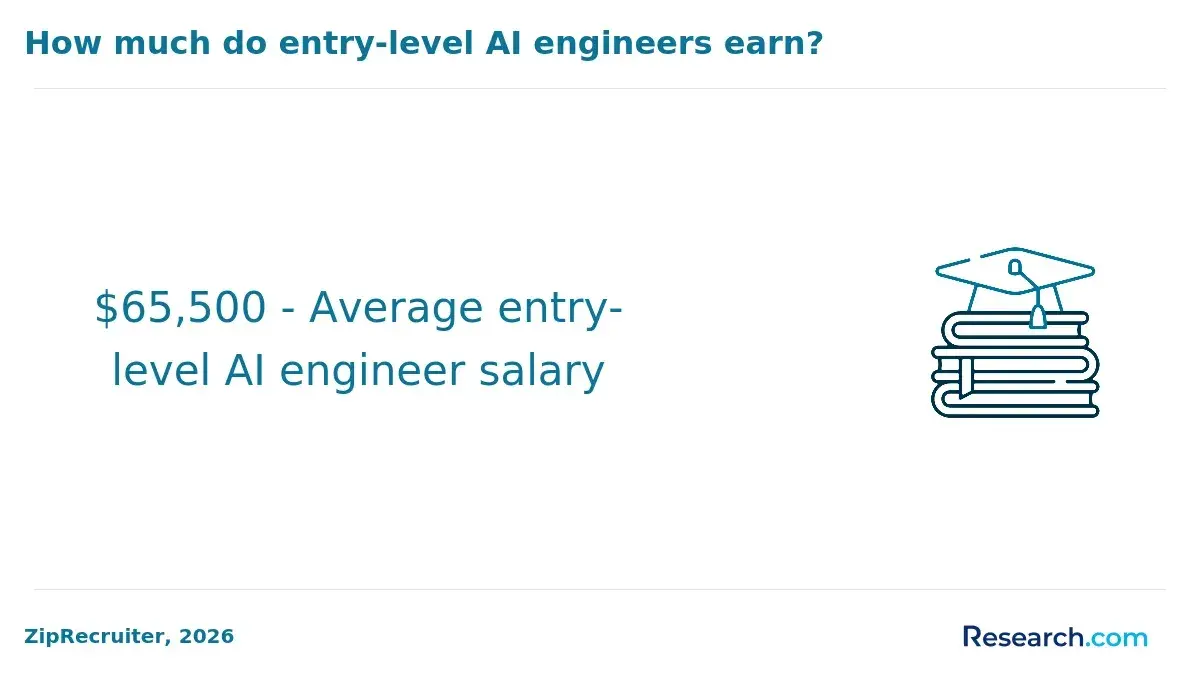
Senior leaders who complete generative AI training often see notable salary boosts, with increases ranging from 10% to 25% depending on their role and organization size. These salary enhancements reflect expanded responsibilities in AI-driven strategy and innovation leadership. Furthermore, executives proficient in generative AI improve their marketability in competitive fields like technology, finance, and healthcare.
Organizations investing in executive generative AI education also realize significant return on investment. McKinsey's 2024 Global AI Survey highlights that companies offering structured AI training to executives are 1.5× more likely to shift from pilot projects to full-scale deployments, driving improved performance and revenue growth. This justifies the expense on executive training programs.
Executives trained in generative AI make better decisions about AI adoption, risk mitigation, and resource allocation. Their enhanced fluency supports leading cross-functional teams and speeds digital transformation. Case studies show leaders using generative AI tools have overseen process automation reducing operational costs by 15% to 30%, boosting profitability.
When evaluating training programs, senior leaders should consider:
- Relevance and practical application of the curriculum
- Inclusion of real-world case studies and strategy workshops
- Engagement with emerging AI governance and ethical issues
Such structured learning equips executives to drive innovation, capture business value, and substantiate salary growth through measurable impact.
How do accreditation, certificates, and badges work for executive generative AI courses?
Accreditation plays a crucial role in executive generative AI courses by confirming they meet established educational standards through reputable institutions or bodies. This verification assures that curriculum design, faculty expertise, and learning outcomes are of high quality and rigor. Executives should prioritize accredited programs to ensure their qualifications hold credibility with corporate HR and leadership boards.
Certificates act as formal evidence of course completion and competency in generative AI. These can be issued by universities, private organizations, or AI companies. For senior leaders, certificates showcase targeted skills that support career advancement or professional growth. Some courses offer tiered certifications reflecting different mastery levels or specializations, adding depth to executive portfolios.
Digital badges provide a flexible, skill-specific form of recognition within broader course frameworks. Easily shareable on professional networks, badges offer faster validation than traditional certificates and align well with the growing emphasis on continuous learning. Gartner's research projects AI-driven platforms will soon deliver a significant portion of corporate learning, underscoring digital credentials' rising importance.
Executives assessing generative AI courses should first verify accreditation, then examine available certificates and badges. Consider if badges support microlearning or just-in-time training that matches evolving organizational AI demands. Transparency around these credentials impacts a course's perceived value and applicability in strategic leadership roles.
Other Things You Should Know About Artificial Intelligence
Senior leaders must understand that ethical considerations in artificial intelligence include data privacy, algorithmic bias, and transparency in AI decision-making. Responsible AI use requires ongoing assessment of these factors to prevent harm and maintain trust. Leadership teams should also consider the societal impact of AI deployment and ensure compliance with relevant regulations.
Common challenges include managing data quality, integrating AI with existing systems, and securing sufficient talent with AI expertise. Additionally, leaders often face difficulties in defining clear AI strategies aligned with business objectives and measuring AI outcomes effectively. Budget constraints and regulatory compliance also pose significant barriers during implementation.
Success is typically measured through defined KPIs such as increased operational efficiency, improved customer experience, and revenue growth attributed to AI solutions. Senior leaders should monitor both quantitative results and qualitative factors like user adoption and ethical compliance. Regular evaluation enables timely adjustments and sustained AI value delivery.
References
- The AI upskilling guide for executives https://www.bvp.com/atlas/the-ai-upskilling-guide-for-executives
- IIT KGP AI Course Fees vs Salary Growth 2026 https://online.iitkgp.ac.in/blog/iit-kgp-ai-course-fees-vs-salary
- Maximize AI Training ROI for Enterprises: A 2026 Guide https://www.techclass.com/resources/learning-and-development-articles/maximizing-ai-training-roi-for-enterprises-a-2026-guide-for-l-and-d-leaders
- AI in the C-Suite: Transforming Business Strategy with Executive Insights https://www.nutanix.com/theforecastbynutanix/business/ai-in-the-c-suite-transforming-business-strategy-with-executive-insights
- Generative AI Leader Certification | Google Skills https://www.skills.google/paths/1951
- Understanding AI job roles and career path | GSA - IT Modernization Centers of Excellence https://coe.gsa.gov/coe/ai-guide-for-government/understanding-ai-job-roles-career-path/
- Generative AI LLM Career Paths in 2026: Roles & Certification https://www.whizlabs.com/blog/generative-ai-llm-career-paths/
- Best Generative AI Courses and Certifications in 2026 https://ryantronier.com/resources/generative-ai-courses/
- Choosing the Right AI Course for Business Leaders https://www.tsa-bildung.de/en/blog/choosing-the-right-ai-course-for-business-leaders
- 7 Things You Need to Know About Generative AI - A Practical Guide for Business Leaders - Avaus https://www.avaus.com/blog/7-things-you-need-to-know-about-generative-ai-a-practical-guide-for-business-leaders/