2027 Best AI Courses for Professionals Without a Tech Background With Certificates

Co-Founder and Chief Data Scientist
Professionals without a tech background often struggle to find credible pathways into the artificial intelligence field due to complex jargon and assumed prior knowledge. Many courses overlook their unique needs, limiting accessibility and career advancement. This gap creates confusion and slows entry into an industry with growing demand for diverse skill sets. Navigating numerous options further complicates the decision-making process for learners seeking recognized credentials.
The article outlines top-rated, flexible AI courses tailored for non-technical professionals, focusing on certification and practical applicability to facilitate a successful career transition.
Key Things You Should Know
- Many 2026 AI courses cater to professionals without a tech background by emphasizing foundational concepts, practical applications, and accessible tools, enabling rapid skill acquisition.
- Over 60% of AI learners in recent surveys prefer courses offering certificates, which significantly enhance employability and career advancement in AI-related fields.
- Top-ranked 2026 programs integrate real-world projects and updated curricula reflecting 2025 advances in AI ethics, machine learning, and automation, supporting industry-ready skills.
Advance Your Career with AI Online Courses
Artificial Intelligence: Implications for Business Strategy
This program provides an introduction to Artificial Intelligence and their implications for business strategy. Earn an official digital certificate.

Oxford Artificial Intelligence Programme
Explore this Oxford Artificial Intelligence programme offered in a flexible learning environment and explore topics like machine learning, automation, and robotics.

Implementing Agentic AI: Building Your Organizational Playbook
This online MIT Agentic AI course offers a practical approach to deploying AI agents in your organization, including a custom playbook. 3 weeks, exclusive launch price.

AI Adoption: Driving Business Value and Impact
This online MIT AI Adoption: Driving Business Value and Impact offers practical frameworks to close the gap between AI potential and business reality.

Artificial Intelligence in Pharma and Biotech
Discover the applications and limitations of artificial intelligence in pharma and biotech with this MIT online short course.

What is an AI course for non-tech professionals, and who are these programs designed for?
An AI course for non-tech professionals focuses on foundational concepts without requiring programming skills. These programs help professionals from marketing, finance, healthcare, human resources, and management acquire practical knowledge to interpret AI outputs, collaborate with technical teams, and use AI tools for better decision-making.
The best artificial intelligence training for business professionals emphasizes real-world applications rather than complex coding or mathematics.
Key topics typically include:
- Core AI concepts such as machine learning, natural language processing, and computer vision explained clearly
- Use cases showcasing AI's impact on business innovation, customer experience, and operational efficiency
- Hands-on experience with user-friendly AI platforms designed for non-programmers
- Ethical considerations and regulatory frameworks governing AI use
These courses benefit professionals aiming to integrate AI into their workflows, managers overseeing AI initiatives, or graduates entering AI-related roles without deep technical backgrounds. For example, a marketing specialist might explore AI-driven customer analytics, while a healthcare administrator learns AI for patient data management.
Demand for AI skills is rapidly increasing. By 2025, 78% of ICT roles include AI competencies, and seven of the ten fastest-growing ICT jobs require AI expertise, highlighting the need for AI literacy and certifications. Those interested can also explore potential income through an artificial intelligence degree salary to assess career prospects.
AI courses for non-technical professionals provide a valuable foundation for adapting to AI-driven workplaces across industries.
Advance Your Career with AI Online Courses
Artificial Intelligence: Implications for Business Strategy
This program provides an introduction to Artificial Intelligence and their implications for business strategy. Earn an official digital certificate.
Oxford Artificial Intelligence Programme
Explore this Oxford Artificial Intelligence programme offered in a flexible learning environment and explore topics like machine learning, automation, and robotics.
Implementing Agentic AI: Building Your Organizational Playbook
This online MIT Agentic AI course offers a practical approach to deploying AI agents in your organization, including a custom playbook. 3 weeks, exclusive launch price.
Which types of AI certificates can professionals earn without a technical background?
Professionals without a technical background can obtain various professional AI certificates for non-technical backgrounds tailored specifically for non-coders and domain experts. These programs focus on foundational AI literacy, applied AI concepts, and managing AI-driven projects rather than extensive programming or math skills. Common certificate types include:
- AI literacy certificates: Introduce essential AI concepts, terminology, and ethical considerations, ideal for HR, marketing, and operations professionals who need to understand AI's impact on workflows and decision-making.
- Applied AI for business certificates: Emphasize using AI tools to solve practical business problems like customer segmentation, task automation, and predictive analytics without requiring coding.
- AI project management certificates: Focus on integrating AI into projects, managing vendors, and assessing risks and benefits, suited for project managers and team leads.
- Data literacy and AI data analysis certificates: Designed for professionals working with data who are not programmers, teaching interpretation of AI outputs and effective communication with technical teams.
By 2025, 77% of employers expect moderate AI proficiency to become a baseline even for non-technical roles such as HR and marketing, highlighting the importance of accessible AI certification programs suitable for professionals without coding skills.
Choosing vendor-neutral certificates with practical applications is advisable. Notable examples include Coursera's AI for Everyone and edX's AI in Business. These credentials empower professionals to leverage AI effectively and meet employer demands without needing software engineering expertise.
An increasing number of educational options allow learning AI-related skills online. For those interested in STEM fields, exploring a mechanical engineering online degree can be a relevant path that often integrates advanced technology and AI applications.
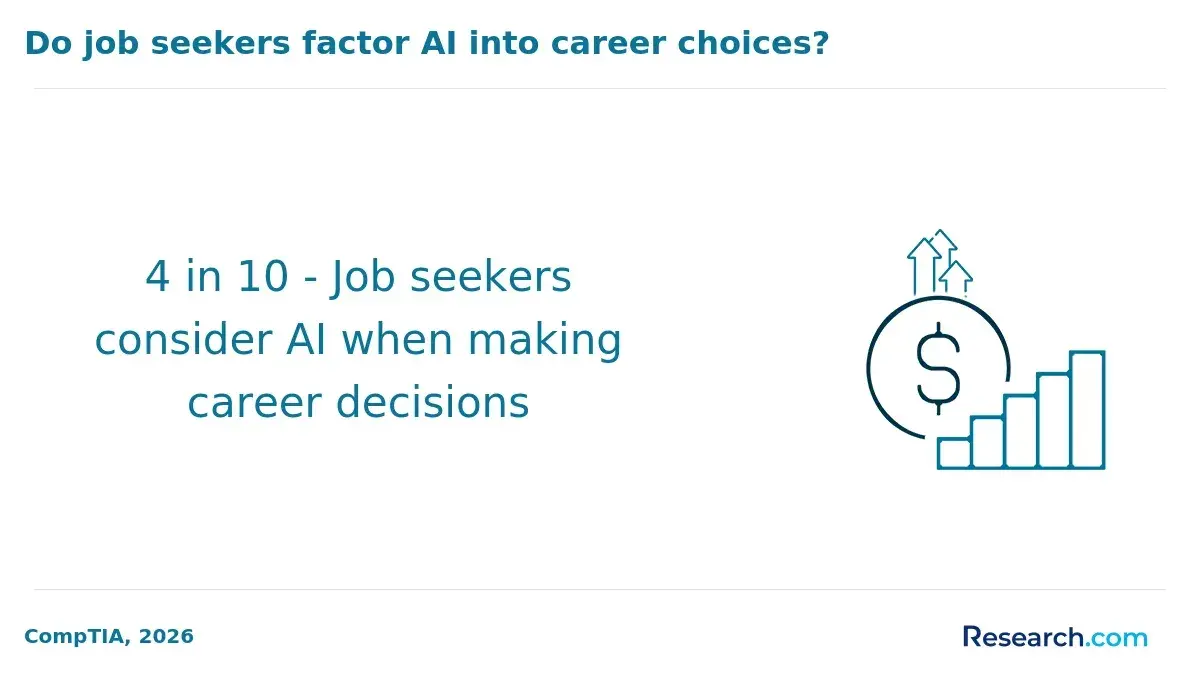
What are the best AI certificate courses for beginners with no coding experience?
The best AI certificate courses for beginners without coding focus on practical knowledge and foundational concepts. Coursera's "AI For Everyone" by Andrew Ng offers a non-technical introduction to AI fundamentals, emphasizing business use cases and implications. It is ideal for professionals seeking to understand AI's impact without programming skills. Another excellent choice is the University of Helsinki's "Elements of AI," which teaches AI basics through interactive, math-free modules.
For those looking for applied knowledge, "IBM AI Foundations for Business" provides hands-on experience with low-code tools, allowing students to create AI solutions without advanced technical expertise. "Microsoft AI Fundamentals" prepares learners for the AI-900 certification, combining theoretical insights with beginner-friendly labs. These top beginner-friendly AI courses with certification address diverse professional needs by emphasizing:
- Understanding AI concepts in real-world contexts
- Evaluating AI applications ethically and operationally
- Developing non-technical skills like AI project management and strategy
Career data shows the increasing importance of AI proficiency: 63% of companies in 2025 considered AI knowledge for promotions and 31% linked it directly to pay raises, according to TechRadar. Certifications from recognized institutions prove readiness to tackle AI-driven business challenges, vital for professionals transitioning into AI-enhanced roles.
Students should opt for programs offering certificates upon completion to validate their skills. Additionally, those interested in related fields may explore the cheapest online cyber security degree to broaden their tech expertise.
How do online AI certificate programs compare with campus options for working adults?
Online AI certificate programs for working professionals offer flexibility that many campus programs cannot match, making it easier to balance career and education. These programs often provide self-paced or part-time schedules, which benefit adults managing full-time jobs. In contrast, campus vs online AI courses for adult learners differ by structure; campus options deliver face-to-face interaction and networking but require a fixed schedule that can be difficult for working adults.
Cost is a significant factor: online certificates generally cost less by eliminating commuting and housing expenses. Accredited universities now provide online AI courses comparable in rigor and recognition to campus programs. Employers increasingly accept online AI certificates, especially those from reputable institutions or industry leaders, while campus degrees may still be favored in research-heavy fields.
Online courses tend to focus on practical, project-based learning suitable for immediate application, whereas campus-based courses often emphasize theoretical frameworks. Accessibility further favors online formats, with beginner-friendly options suited for those without a technical background, an important advantage for many transitioning professionals.
Data from research.org highlights the value of additional benefits like parental leave or health coverage, associated with a 12% to 20% salary increase in AI roles. Choosing programs aligned with employers offering such benefits can improve career prospects.
- Flexible scheduling and lower costs attract working adults to online AI certificates.
- Campus courses offer immersive learning but demand greater time commitment.
- Industry recognition varies, with many reputable online programs gaining acceptance.
- Online certificates emphasize practical skills; campus programs may focus more on theory.
- Non-technical learners find online courses more accessible at entry levels.
For professionals interested in cybersecurity as well, exploring the best cybersecurity courses online with certificates can complement AI skills and enhance employability.
What prerequisites and admissions requirements do AI certificate programs typically have?
AI certificate programs designed for professionals without a technical background generally have minimal prerequisites, making them accessible to learners from various fields. Most require only a high school diploma or equivalent, with no strict demand for prior coding or advanced math skills. However, having a basic understanding of computer operations and high school-level math, such as algebra or statistics, can help students grasp the material more easily.
Admissions often prioritize a candidate's motivation and readiness over technical experience. Applicants may need to submit a personal statement outlining their interest in AI or career objectives. While some programs prefer applicants with a bachelor's degree, many accept those with significant relevant work experience. Online and part-time courses frequently eliminate formal prerequisites to broaden access.
These programs commonly include preparatory modules that cover essential topics like Python programming and data analytics, bridging gaps for non-technical students. For example, beginner-friendly introductions to machine learning fundamentals often precede more advanced algorithmic coursework.
The rapid growth of AI applications-reflected in the federal government's increase from 700 to over 3,600 AI use cases between 2023 and 2025 across 41 agencies-emphasizes employer demand for practical, certificate-based training that highlights applied skills. Prospective students should look for programs offering hands-on projects or internships to translate theory into workplace competencies.
In summary, AI certificate programs for non-technical professionals typically require basic educational qualifications, focus on motivation, and supply foundational training to prepare learners for complex AI concepts.
What core topics and skills do AI courses for non-technical professionals usually cover?
AI courses tailored for non-technical professionals focus on core concepts that build a foundational understanding without requiring programming experience. These programs cover essential aspects such as machine learning basics, neural networks, and natural language processing explained in accessible language.
They also emphasize AI governance frameworks, teaching compliance, risk management, and oversight-skills that saw a 150% increase in demand recently.
Ethics and responsible AI use form a critical component, addressing bias mitigation, fairness, transparency, and privacy concerns. Demand for expertise in these areas increased by 125% last year. Additionally, data literacy is included to help learners interpret datasets, assess data quality, and collaborate effectively with data scientists.
- Introduction to AI fundamentals without requiring coding skills
- AI governance, emphasizing compliance and risk management
- Ethics and responsible AI addressing fairness and privacy
- Data literacy for effective interpretation and teamwork
- AI strategy to align projects with business goals
Non-technical professionals gain the ability to identify AI opportunities and risks relevant to sectors like healthcare, marketing, or finance. This multidisciplinary approach equips learners to support AI-driven projects, enhance organizational decision-making, and promote ethical AI adoption.
Practical knowledge of AI tools for automation also allows professionals to leverage platforms without coding expertise, making them valuable contributors in a rapidly evolving job market.
How long do AI certificate programs take, and what do they typically cost?
AI certificate programs typically range from 3 to 12 months, depending on depth and format. Short courses of 6 to 10 weeks cover foundational topics like machine learning basics or ethical AI practices, while more comprehensive certificates-often offered by universities or professional platforms-require 6 to 12 months of part-time study. These longer programs usually combine video lectures, real-world projects, and assessments to build practical skills.
Costs vary by scope and provider type. Entry-level certificates range from $300 to $1,000, ideal for skill enhancement. Intensive, career-focused programs generally cost between $1,200 and $4,000, while executive or professional certificates from prestigious institutions may exceed $5,000, especially when including personalized mentorship or career services.
- Duration: 6 weeks to 12 months
- Cost: $300 to $5,000+
- Format options: Self-paced or cohort-based
- Focus areas: Ethical AI, machine learning, AI product management
- Benefits: Career advancement, increased employability
Key considerations for prospective students include program format (self-paced vs. cohort-based), instructor expertise, and the presence of ethical AI components. Notably, 97% of organizations are willing to pay up to 10% more for employees trained in ethical AI, reflecting increasing industry demand. Flexibility for working professionals and financial aid availability are also critical factors.
How can professionals verify accreditation and the quality of AI certificate programs?
Accreditation is crucial when selecting an AI certificate program. Ensure the program is endorsed by recognized bodies such as the Accreditation Board for Engineering and Technology (ABET) or regional accreditors like the Middle States Commission on Higher Education (MSCHE). Such accreditation signifies compliance with academic standards and enhances employer confidence.
Examine the curriculum closely to confirm alignment with current industry demands. Essential topics include AI safety, governance, ethics, machine learning fundamentals, and data handling. Programs developed in collaboration with respected universities or industry leaders typically maintain higher quality.
Choose certificate programs that issue verifiable, preferably digital, credentials-such as digital badges or blockchain-linked certificates. These features reduce fraud and allow easy employer verification.
Instructor qualifications and program outcomes provide insight into quality. Look for instructors with strong academic or industry expertise and programs demonstrating measurable learner success, like job placements or promotions. Notably, 41% of employers have reported difficulty recruiting AI talent skilled in safety, governance, and ethics.
Additional factors include student reviews and third-party rankings for transparent feedback on course quality, difficulty, and support. Programs offering ongoing resource access or alumni networks enhance long-term professional growth.
What careers, roles, and industries can AI certificates open for non-tech professionals?
AI certificates expand career opportunities for non-tech professionals by providing practical knowledge applicable across many industries. Roles in business analysis, marketing, human resources, finance, and project management increasingly require AI literacy to enhance decision-making and automate routine tasks. In healthcare, AI skills improve diagnostics, medical data analysis, and patient management systems, while education professionals use AI for personalized learning and performance insights.
Key industries benefiting from AI certification include finance, where AI supports fraud detection and risk management; retail, through customer behavior analysis and inventory optimization; and manufacturing, leveraging AI for predictive maintenance and supply chain automation. Legal practitioners also apply AI for document review and case research, and the public sector uses AI for policy modeling and improved service delivery.
Non-technical roles with AI education include AI project coordinator, data interpreter, AI product manager, AI business consultant, and digital transformation specialist. For instance, marketing managers with AI training use machine learning for targeted campaigns, while HR professionals rely on AI tools for talent acquisition analytics.
Employers increasingly value these AI skills. In 2025, 82% of employers supported AI upskilling through funded programs and dedicated time for AI practice, reflecting the growing necessity of AI fluency beyond technical roles. This trend enables career advancement without prior coding experience, offering strategic and operational positions greater access to AI-driven innovation.
What starting salaries and long-term job outlook can AI-skilled professionals expect?
AI-skilled professionals entering the U.S. job market in 2026 can anticipate starting salaries generally between $80,000 and $110,000 annually, varying by role and industry. For instance, AI analysts or junior machine learning engineers often start near $85,000, while data scientists with AI expertise might earn closer to $100,000. These figures reflect a growing demand for hybrid expertise that combines domain knowledge with AI skills, especially outside traditional tech sectors.
Long-term outlooks for AI careers remain very strong. The U.S. Bureau of Labor Statistics and Glassdoor predict AI-related positions will grow over 30% through 2030, much faster than average occupations. Important sectors embracing AI include healthcare, finance, and manufacturing.
Professionals who invest in upskilling and earn certificates in AI applications relevant to their field can see salary increases to six figures and beyond within five to ten years. Positions such as AI product managers, AI architects, or senior AI consultants may command $130,000 to $180,000. Certifications focusing on ethical AI use and explainability also boost employability.
Industry forecasts emphasize a shift toward hybrid human-AI expertise as essential. Those who merge AI literacy with existing professional skills gain a competitive edge over purely technical or domain specialists.
According to Future Trends in AI Education for Professionals, continuing growth in AI-related skills through 2025 highlights that this hybrid model is a foundational workforce change, making investment in certificate-backed AI education increasingly critical.
Other Things You Should Know About Artificial Intelligence
In 2027, professionals without a tech background can consider AI courses like the University of Oxford's "AI for Business" and Coursera's "AI for Everyone" by Andrew Ng, which provide comprehensive certificates. These courses emphasize accessibility and leverage real-world applications to equip individuals with valuable AI insights.
Professionals without coding skills can contribute in areas like data labeling, AI strategy planning, user experience design, and ethical oversight. Their understanding of business processes, communication, and domain-specific knowledge helps translate AI capabilities into practical applications. This collaboration between tech and non-tech experts is essential for successful AI implementations.
Yes, artificial intelligence certificates tailored for non-technical professionals are increasingly recognized by employers. These certificates demonstrate a candidate's understanding of AI concepts, applications, and strategic implications. They often enhance credibility in roles involving AI oversight, adoption, or cross-functional collaboration, even if they do not demonstrate hands-on programming skills.
Professionals can stay current with AI trends through webinars, online workshops, industry conferences, and specialized short courses offered by universities and professional organizations. Many platforms provide regularly updated content reflecting the latest AI advancements and ethical considerations. Additionally, participating in AI-focused professional networks supports continuous learning and knowledge sharing.
References
- Ultimate Guide: How to Choose the Right AI Training Course to Boost Your Career - ONLC https://www.onlc.com/blog/how-to-choose-ai-training-courses/
- Verification of Registration: https://aimfin.org/accreditation
- AI Certification Costs Explained https://www.ciai.com/post/understanding-the-costs-of-ai-certification
- Why Non-Tech Professionals Should Learn About AI Basics https://anderson.ae/article/why-non-tech-professionals-should-learn-about-ai-basics
- How to Upskill in AI Without a Technical Background - The Case HQ Online https://thecasehq.com/how-to-upskill-in-ai-without-a-technical-background/
- What job opportunities and average salaries can I expect aft... https://forums.h2kinfosys.com/community/main-category-artificial-intelligence/what-job-opportunities-and-average-salaries-can-i-expect-after-completing-an-ai-course/
- Top 10 AI certifications and courses for 2025 https://www.techtarget.com/whatis/feature/10-top-artificial-intelligence-certifications-and-courses
- AI Certificate vs. Degree: Which One Is Right for You - IABAC https://iabac.org/blog/ai-certificate-vs-degree-which-one-is-right-for-you
- Online AI Degrees vs On-Campus: Which Is Right for You in 2026? https://aidegreeonline.com/online-ai-degrees-vs-on-campus-which-is-right-for-you-in-2026/
- AI Certification vs. Traditional Degree: What Actually Gets You Hired in 2026? https://www.nplus.global/blogs/ai-certification-vs-traditional-degree/