2027 Best Agentic AI Courses for Research Teams

Co-Founder and Chief Data Scientist
Research teams often struggle to integrate agentic AI tools due to rapidly evolving technologies and a lack of specialized training. Without tailored education, professionals face delays in project delivery and diminished competitive edge. This challenge is particularly acute for those transitioning from unrelated fields seeking flexible, accredited programs. Identifying suitable courses that balance foundational knowledge with practical applications is essential.
This article reviews top agentic AI courses designed for research teams, focusing on curriculum quality, flexibility, and industry relevance to support effective upskilling and smooth career transitions in this dynamic field.
Key Things You Should Know
- Agentic AI courses in 2026 emphasize practical skills for research teams, integrating real-world applications with advanced theory to enhance collaborative innovation and problem-solving.
- Recent data shows a 42% rise in enrollment for agentic AI programs since 2024, driven by demand for expertise in autonomous decision-making systems within research fields.
- Top courses offer interdisciplinary training, combining machine learning, cognitive science, and ethics to prepare students for responsible AI development and deployment in research environments.
Advance Your Career with AI Online Courses
Artificial Intelligence: Implications for Business Strategy
This program provides an introduction to Artificial Intelligence and their implications for business strategy. Earn an official digital certificate.

Oxford Artificial Intelligence Programme
Explore this Oxford Artificial Intelligence programme offered in a flexible learning environment and explore topics like machine learning, automation, and robotics.

Implementing Agentic AI: Building Your Organizational Playbook
This online MIT Agentic AI course offers a practical approach to deploying AI agents in your organization, including a custom playbook. 3 weeks, exclusive launch price.

AI Adoption: Driving Business Value and Impact
This online MIT AI Adoption: Driving Business Value and Impact offers practical frameworks to close the gap between AI potential and business reality.

Artificial Intelligence in Pharma and Biotech
Discover the applications and limitations of artificial intelligence in pharma and biotech with this MIT online short course.

What is agentic AI and why does it matter for modern research teams?
Agentic AI systems autonomously perform complex tasks and adapt strategies without constant human input, making a notable impact on collaborative research processes. These systems enable research teams to automate repetitive tasks such as experimental design adjustments, literature review synthesis, and data pattern detection. By proactively initiating tasks, agentic AI accelerates workflows and enhances scalability, allowing researchers to concentrate on strategic decisions and result interpretation.
In practical applications for modern research teams, agentic AI can generate and test new variables autonomously within simulation environments. This leads to faster iteration cycles and improved efficiency. According to McKinsey's global survey, organizations using generative and agentic AI report a 3-5% productivity boost and up to 10% quicker research and development timelines, highlighting agentic AI's value in advancing scientific progress.
Key competencies for working with agentic AI include reinforcement learning, multi-agent coordination, and explainability to maintain transparency and ethical standards. Developing these skills prepares professionals to manage AI integration effectively while preserving human oversight.
Prospective students aiming to advance in this field can explore what can you do with an applied artificial intelligence degree to better understand career paths. Building expertise in agentic AI control frameworks and decision-making algorithms directly enhances employability and impact within research environments.
Advance Your Career with AI Online Courses
Artificial Intelligence: Implications for Business Strategy
This program provides an introduction to Artificial Intelligence and their implications for business strategy. Earn an official digital certificate.
Oxford Artificial Intelligence Programme
Explore this Oxford Artificial Intelligence programme offered in a flexible learning environment and explore topics like machine learning, automation, and robotics.
Implementing Agentic AI: Building Your Organizational Playbook
This online MIT Agentic AI course offers a practical approach to deploying AI agents in your organization, including a custom playbook. 3 weeks, exclusive launch price.
What types of agentic AI courses are best for research-focused professionals?
Research professionals gain the most from agentic AI training programs for research professionals that focus on integrating AI agents into autonomous workflows and orchestration systems. Key topics include multi-agent system design, reinforcement learning for adaptive decision-making, and AI orchestration platforms that coordinate various autonomous components. Building a strong foundation in algorithm development combined with practical applications enables researchers to enhance AI agent performance efficiently.
Hands-on projects using agent simulation environments or popular software frameworks equip learners to face advancing research demands. For instance, skills in agent-based modeling and programming languages like Python or Julia are highly transferable. Additional specialized coursework in natural language agent interaction, autonomous robotics, and ethical AI governance deepens technical and contextual expertise.
The market demand is rapidly expanding-LinkedIn's reports indicate a 250% surge in job postings referencing AI agents and autonomous workflows from 2023 to 2024-making scalable agentic AI solutions critical. The best agentic AI courses tailored to research teams also emphasize data-driven evaluation methods and interdisciplinary approaches such as cognitive architectures and human-in-the-loop systems, empowering robust AI agent designs.
Professionals should select programs balancing theoretical knowledge with applied research techniques, cutting-edge tools, and opportunities to network within AI research communities. Familiarity with factors like mechanical engineering degree cost can further aid in navigating educational investments in this field.
How can research teams evaluate and compare top agentic AI programs in the U.S.?
Research teams prioritizing top agentic AI programs for research teams in the U.S. should focus on curriculum relevance, ensuring coverage of advanced tools like autonomous agents, orchestration frameworks, and workflow integration. Programs with hands-on projects simulating real research environments enhance practical skill application beyond theory.
Comparing agentic AI courses for U.S. research teams requires attention to documented outcomes such as alumni success and measurable impact. For instance, a Deloitte study demonstrated a median 37% reduction in time spent on routine tasks among trained teams, a valuable benchmark for productivity improvements.
Key factors include:
- Faculty expertise in agentic AI with direct industry research involvement.
- Flexible formats accommodating working professionals.
- Access to cutting-edge AI research tools and platforms.
- Partnerships with technology providers or research institutions for hands-on exposure.
Program duration and intensity should align with expected skill mastery, with stackable credentials supporting gradual learning. Participant feedback on knowledge transfer and career impact offers further insight. For those exploring tech education alternatives, consider options like the cheapest online PhD in cyber security to complement AI expertise and broaden research capabilities.
What should a high-quality agentic AI curriculum for research teams include?
A high-quality agentic AI curriculum for research teams integrates both conceptual understanding and practical application within research workflows. Essential components of agentic AI training programs include foundational courses on AI architectures that focus on task automation, decision-making algorithms, and adaptive learning systems. These courses provide critical knowledge on how agents operate autonomously in complex environments.
Practical modules emphasize the implementation of agentic AI tools for data collection, hypothesis generation, and literature review automation. For instance, coding exercises to create AI assistants that parse scientific databases or synthesize research findings help translate theory into measurable productivity gains. Recognizing human-AI collaboration dynamics is also key, outlining strategies to optimize workflows, reduce cognitive load, and delegate repetitive tasks efficiently.
Ethics, data privacy, and bias mitigation are essential topics included to ensure responsible AI use. Case studies, such as Boston Consulting Group's experiment reporting a 25-40% faster completion of complex research with maintained or improved quality, demonstrate the tangible benefits. Teams should also learn evaluation metrics tailored to agentic AI performance in research contexts, including accuracy, reliability, and adaptability.
Continuous learning components keep teams updated on rapid AI advancements, emerging tools, and frameworks. Professionals interested in related fields can explore a well-regarded cyber security course to complement their AI knowledge and enhance interdisciplinary skills.
How do online, hybrid, and campus-based agentic AI courses differ for researchers?
Agentic AI courses come in online, hybrid, and campus-based formats, each with benefits tailored to researchers' needs and schedules. Online courses offer exceptional flexibility, supporting self-paced study and access to expert lectures worldwide, which suits professionals managing complex workloads. However, the lack of immediate peer and instructor interaction can limit hands-on feedback and networking opportunities.
Hybrid courses blend remote learning with periodic on-campus sessions, perfect for those who value direct mentorship and collaborative problem-solving alongside remote convenience. These programs often include in-person labs and group projects, which enhance practical skills essential for mastering agentic AI technologies. Campus engagement also provides access to institutional resources and stronger peer connections.
Campus-based programs provide immersive, continuous in-person experiences, ideal for researchers needing frequent hands-on practice, live collaboration, and access to advanced computing infrastructure essential for complex AI orchestration. The main trade-off is the need for relocation or commuting, which may not fit all professionals' circumstances.
As noted by PwC's 2024 Global AI Jobs Barometer, over 40% of tasks in R&D-heavy sectors like pharmaceuticals and financial services are highly automatable or augmentable by AI agents. Choosing the right course format is crucial for researchers aiming to excel with scalable AI agent systems while aligning with their institutional goals and work constraints.
What admission requirements and prerequisite skills do agentic AI programs typically expect?
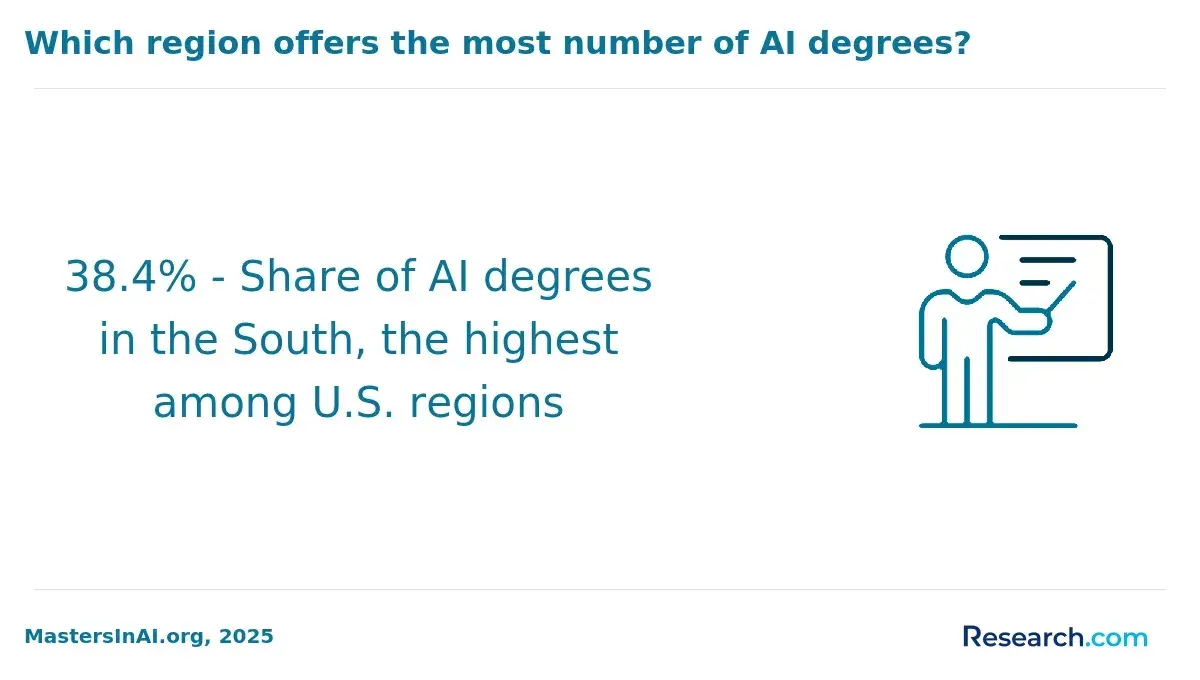
Agentic AI programs demand a solid foundation in computer science, mathematics, and machine learning principles. Admission typically requires a bachelor's degree in computer science, engineering, data science, or related fields. Familiarity with programming languages like Python and experience with AI algorithms are important, alongside practical skills in reinforcement learning, neural networks, and autonomous agent design.
Competency in probabilistic modeling, optimization techniques, and software engineering best practices is crucial. Some programs may require prior exposure to multi-agent systems, robotics, or human-computer interaction to prepare students for complex environments. Experience with cloud computing, containerization, and workflow automation tools further supports successful project work.
Working professionals with AI-related roles or research in autonomous systems often have an advantage. Job experience as machine learning engineers focusing on automation or AI production integration is particularly valued. According to salary data analyzed by Indeed, AI roles emphasizing agent frameworks or agentic AI offer median base salaries 18-25% higher than general machine learning engineer positions, reflecting the demand for these specialized skills.
These insights highlight the technical depth and career potential for those pursuing advanced study or professional growth in agentic AI.
How long do agentic AI courses for research teams take and what do they cost?
Agentic AI education for research teams typically includes both short, intensive courses and longer, in-depth programs. Short courses lasting one to two weeks emphasize practical skills such as automating literature reviews, data extraction, and experiment design using agentic AI tools. More extensive programs, spanning three to six months, focus on the theoretical foundations and advanced development skills needed to build and scale agentic workflows within research settings.
Pricing varies considerably based on course duration, provider reputation, and curriculum depth. Entry-level workshops often cost between $1,000 and $3,000 per participant, catering to immediate, hands-on application. In contrast, comprehensive certifications and university-affiliated courses range from $5,000 to $15,000 or more, often including mentorship, project work, and access to proprietary AI platforms.
Many providers offer team-based discounts for groups of three or more, reducing the cost per person and encouraging collaborative learning. Modular pricing is also common, allowing participants to pay only for specific modules, such as agentic workflow automation or AI ethics tailored to research environments.
With projections indicating that by 2026, 70% of enterprises engaged in major R&D will adopt agentic AI workflows, investing in relevant courses becomes increasingly important. Prospective students should prioritize programs that emphasize hands-on experience aligned with emerging industry demands.
How can learners verify accreditation, instructor expertise, and program credibility in agentic AI?
Prospective students should verify accreditation and instructor expertise when evaluating agentic AI programs. Accredited programs by bodies like ABET or other U.S. Department of Education-recognized regional accreditors ensure that the curriculum meets academic standards and that credits are transferable.
Instructor qualifications matter-seek faculty with documented experience in agentic AI research, publications in peer-reviewed journals, or leadership in AI projects. Industry experience, especially from professionals involved in generative AI, workflow orchestration, or tool integration, enhances teaching quality.
Program credibility is shown through transparency in course content and outcomes. Look for detailed syllabi, clear learning objectives, and student success data. Partnerships with leading AI research organizations or tech companies, alumni testimonials, and documented applied projects offer additional insight.
Corporate investment also signals program relevance. A 2024 IBM Institute for Business Value survey found that 62% of companies investing over $10 million yearly in generative AI fund internal training focused on agents and workflow orchestration, underscoring the growing industry demand.
Inquiries about accreditation, instructor backgrounds, and institutional partnerships during application help ensure transparency. This systematic approach guides prospective learners toward credible, certified education in agentic AI.
What research careers, roles, and industries benefit most from agentic AI training?
Agentic AI training provides crucial advantages for professionals managing complex data and automating cognitive tasks. Knowledge workers in fields like data science, market research, healthcare analytics, and technology development use these skills to accelerate data collection and interpretation. Roles such as research analysts, data engineers, clinical researchers, and innovation strategists benefit significantly from automating repetitive processes.
Industries, including pharmaceuticals and biotech, leverage agentic AI for streamlining literature reviews, hypothesis generation, and designing experiments. Social science research teams also improve efficiency in survey analysis and policy impact studies through targeted AI tool training.
Corporate research and development teams enhance innovation by applying AI-driven scenario simulations and competitive analysis. In academia, professors and graduate students use agentic AI to organize citations, draft manuscripts, and facilitate collaboration.
According to Microsoft's 2024 Work Trend Index, knowledge workers trained in AI copilot and agent skills save an average of 1.2 hours daily on tasks like search, summarization, and coordination. This efficiency contributes to faster project completion and cost savings.
Practical agentic AI training addresses challenges such as reducing time spent on data gathering, improving communication across teams, and strengthening decision-making support. These benefits drive competitive advantage and breakthroughs in research-focused sectors.
What salaries, job outlook, and advancement opportunities follow agentic AI upskilling?
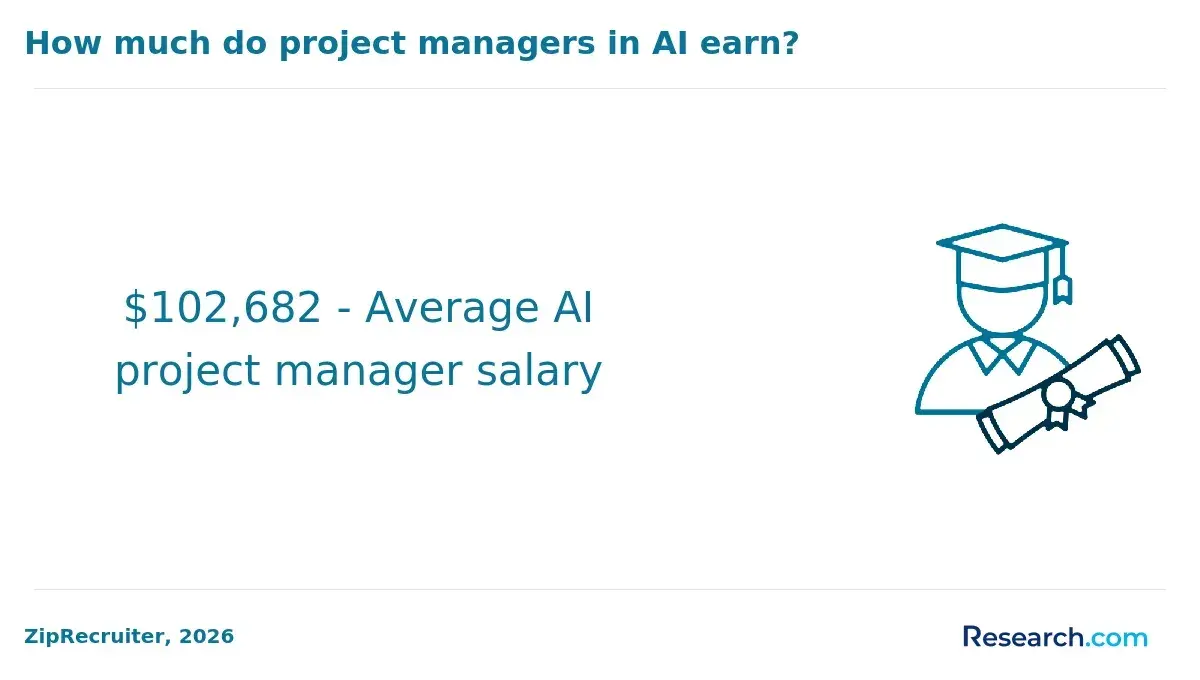
Agentic AI specialization offers lucrative salaries and strong career growth for research professionals in the U.S. Median earnings range from $110,000 to $150,000 annually for data scientists and AI specialists working with agentic systems, with senior positions surpassing $180,000. Roles focused on automation and orchestration attract premium pay due to limited expertise in these advanced fields.
The demand for agentic AI experts is rising rapidly. According to HolonIQ's EdTech Intelligence report, global enrollment in short-form, non-degree AI courses related to agents, automation, and orchestration has increased by more than 90%, signaling broad industry growth fueled by research institutions and private companies eager to implement intelligent agent technologies at scale.
Career advancement often follows a path from junior research engineer or AI analyst to lead AI architect or research team manager. Skills in agent-based systems foster opportunities for interdisciplinary leadership in AI ethics, explainability, and human-agent interaction. Expertise in orchestration frameworks can also position professionals for roles in AI product strategy and technical consulting.
To optimize career trajectory and salary, professionals should obtain certifications in agentic AI tools, keep pace with automation innovations, and demonstrate measurable contributions to research projects. Employers prefer candidates who combine strong technical skills with the ability to manage autonomous AI workflows and collaborate across teams.
Other Things You Should Know About Artificial Intelligence
Ethical considerations in agentic AI focus on issues such as transparency, accountability, and bias mitigation. Developers must ensure that AI systems operate fairly and do not reinforce harmful stereotypes or discrimination. Additionally, understanding the impact on privacy and consent is essential when deploying agentic AI in research contexts.
Agentic AI systems are designed to perform tasks autonomously, but they generally require human oversight to ensure reliability and ethical compliance. Full independence is rare and often discouraged due to risks such as unintended consequences or errors. Human-in-the-loop approaches remain standard to balance autonomy with control.
In 2027, developing and using agentic AI courses for research teams involves navigating ethical considerations such as ensuring transparency, accountability, data privacy, and bias reduction. As AI systems become more autonomous, ethical AI training must emphasize responsible implementation and alignment with human values to mitigate potential risks.
Integrating agentic AI requires overcoming technical, organizational, and cultural barriers. Challenges include data compatibility, ensuring interdisciplinary collaboration, and training staff to work effectively with AI tools. Moreover, resistance to change and concerns about data security can slow adoption in some research environments.
References
- #81: How do we evaluate Agentic AI Systems? Part-1 https://thinklikesocrates.com/2025/09/02/how-do-we-evaluate-agentic-ai-systems-part-1-2/
- Agentic AI Course with Advanced Training and Certification https://www.edureka.co/agentic-ai-training-course
- Agentic AI Development in Higher Education and Implications for Institutional Research https://www.airweb.org/article/2026/04/24/agentic-ai-development-in-higher-ed
- Horizon University College, UAE https://www.hu.ac.ae/it-hub/artificial-intelligence/ai-in-education-generative-agentic-systems
- Building Effective AI Agents https://www.anthropic.com/research/building-effective-agents
- AI Agents vs. Agentic AI: A Conceptual Taxonomy, Applications and Challenges https://arxiv.org/html/2505.10468v1
- Agentic AI and the Transformation of Workforce Dynamics https://nri-na.com/agentic-ai-and-the-transformation-of-workforce-dynamics/
- Understanding Agentic AI and the Growing Impact on Tech Jobs https://motionrecruitment.com/blog/understanding-agentic-ai-and-its-growing-impact-on-tech-jobs
- How AI agents will change research: a scientist’s guide https://www.nature.com/articles/d41586-025-03246-7
- A guide to agentic AI for academic institutions https://www.elsevier.com/academic-and-government/ai-in-research-and-higher-education/how-to-harness-agentic-ai-in-academia