2027 Best Agentic AI Courses for Digital Transformation Leaders

Co-Founder and Chief Data Scientist
Leaders in digital transformation face mounting pressure to integrate agentic artificial intelligence into their organizations efficiently. Many struggle to identify accredited courses that balance technical depth with strategic application, especially when coming from unrelated academic backgrounds. Without targeted education, these professionals risk lagging behind in adopting AI-driven innovations essential for competitive advantage.
This article examines leading agentic Artificial Intelligence courses designed for accessibility, flexibility, and practical impact. It guides readers through options that enable seamless career pivots while equipping them with the skills needed to lead transformative AI initiatives confidently.
Key Things You Should Know
- Agentic AI courses in 2026 emphasize leadership skills that integrate decision-making autonomy with advanced digital transformation strategies, responding to 74% industry demand growth since 2024.
- Many programs prioritize ethical frameworks and real-world applications, ensuring leaders can responsibly implement agentic systems within complex organizational ecosystems.
- Top courses often combine AI theory with hands-on projects, with 68% of graduates reporting increased career advancement opportunities in technology management roles.
Advance Your Career with AI Online Courses
Artificial Intelligence: Implications for Business Strategy
This program provides an introduction to Artificial Intelligence and their implications for business strategy. Earn an official digital certificate.

Oxford Artificial Intelligence Programme
Explore this Oxford Artificial Intelligence programme offered in a flexible learning environment and explore topics like machine learning, automation, and robotics.

Implementing Agentic AI: Building Your Organizational Playbook
This online MIT Agentic AI course offers a practical approach to deploying AI agents in your organization, including a custom playbook. 3 weeks, exclusive launch price.

AI Adoption: Driving Business Value and Impact
This online MIT AI Adoption: Driving Business Value and Impact offers practical frameworks to close the gap between AI potential and business reality.

Artificial Intelligence in Pharma and Biotech
Discover the applications and limitations of artificial intelligence in pharma and biotech with this MIT online short course.

What are the best Agentic AI courses for digital transformation leaders?
Top agentic AI courses for digital transformation leaders focus on strategic application, ethical implications, and technological integration. Leaders seeking the best agentic AI courses for digital transformation leaders should select programs blending theory with hands-on experience in autonomous decision-making systems. Prestigious institutions such as MIT Sloan, Stanford, and the University of Pennsylvania offer training that emphasizes AI-driven leadership frameworks, practical deployment strategies, and governance management.
Key features of top courses include:
- Comprehensive modules on agentic AI concepts such as reinforcement learning and autonomous agents.
- Case studies analyzing digital transformation successes and failures to illustrate AI's role in gaining a competitive edge.
- Training on ethical AI, focusing on bias, transparency, and regulatory compliance within enterprise environments.
- Practical labs using real-world AI tools for designing, executing, and monitoring agentic AI solutions.
According to McKinsey's 2024 global AI survey, companies adopting AI widely are 2.5x more likely to realize substantial EBIT contributions from digital initiatives. Therefore, top agentic artificial intelligence training programs for digital transformation executives often prioritize strategic alignment of AI efforts with business goals and managing cross-functional teams specialized in autonomous systems.
Leaders should assess program curricula for depth in autonomous system design, implementation support, and networking opportunities to develop both technical oversight and leadership capabilities. For those interested in career outcomes, understanding the artificial intelligence degree salary landscape can also guide appropriate educational investments.
Advance Your Career with AI Online Courses
Artificial Intelligence: Implications for Business Strategy
This program provides an introduction to Artificial Intelligence and their implications for business strategy. Earn an official digital certificate.
Oxford Artificial Intelligence Programme
Explore this Oxford Artificial Intelligence programme offered in a flexible learning environment and explore topics like machine learning, automation, and robotics.
Implementing Agentic AI: Building Your Organizational Playbook
This online MIT Agentic AI course offers a practical approach to deploying AI agents in your organization, including a custom playbook. 3 weeks, exclusive launch price.
Which Agentic AI credentials matter for U.S. employers?
Agentic AI certification recognized by U.S. employers, increasingly emphasizes practical skills in autonomous system design, ethical AI governance, and human-agent collaboration. Employers value credentials focused on developing, implementing, and managing AI agents capable of independent operation and decision-making. Training in reinforcement learning, multi-agent systems, and explainable AI aligns well with employer needs as these technologies become integral to business operations.
According to Gartner's CEO survey, 34% of CEOs foresee autonomous or AI agents as a top-three technology driver of business value by 2027, up sharply from 7% the prior year. This highlights the growing demand for professionals skilled in agentic AI frameworks that optimize workflows without constant human oversight, making top agentic AI credentials for American digital leaders essential.
Leading certifications come from recognized organizations offering hands-on training, such as the Association for the Advancement of Artificial Intelligence (AAAI), Stanford's multi-agent systems online courses, and MIT's AI and ethics micro-credentials. Practical projects showcasing deployment of autonomous agents in supply chains, customer engagement, or real-time analytics strengthen candidate profiles.
Ethical AI use and legal compliance are also gaining importance amid rising regulatory scrutiny, requiring digital transformation leaders to understand bias mitigation and transparency in agentic AI. For those exploring advancement options, pursuing an online masters in AI offers a structured path to build these critical competencies.
Are online Agentic AI courses better than campus programs?
Online agentic artificial intelligence courses generally provide greater flexibility and more current content than traditional campus programs, making them ideal for digital transformation leaders seeking the best online agentic artificial intelligence training programs. These online options frequently update curricula to keep pace with rapid advancements in AI agents, unlike campus-based courses constrained by slower academic cycles.
These programs allow professionals to balance work and study effectively, incorporating practical projects, case studies, and simulations that mirror real industry challenges. For instance, BCG's 2024 research found companies piloting AI agents in customer service and operations report productivity gains of 30-50% and customer satisfaction increases of 10-20 points. Embedding such data-driven insights is a hallmark of many online offerings.
Campus programs may still appeal to those who prefer structured mentorship, networking, and collaborative environments, but leading online courses now include live sessions and active communities to bridge this gap. Deciding factors should weigh learning style, schedule flexibility, and relevance of the program's content.
When exploring agentic artificial intelligence courses online vs campus, students should also consider program partnerships with industry leaders and availability of advanced modules on AI integration and automation strategy. Many professionals seeking advanced degrees also explore online masters in data science to complement their AI expertise.
What curriculum should a strong Agentic AI course include?
An agentic AI curriculum for digital transformation leaders combines technical skills, strategic insight, and ethical awareness. Core topics cover foundational concepts such as machine learning models, natural language processing, and reinforcement learning. Practical training focuses on data management, AI tool deployment, and automating decision-making workflows to empower leaders in crafting effective AI strategies.
Comprehensive agentic AI course content for leadership also emphasizes how AI fosters digital transformation through business model innovation, change management, and optimization of operational processes. Leaders learn to evaluate AI's influence on customer experience, supply chains, and product development to unlock new revenue opportunities.
Ethics and governance remain vital components, with courses addressing responsible AI practices, transparency, fairness, and compliance frameworks. Understanding AI risk management equips decision-makers to balance cutting-edge innovation with accountability.
Leadership development in agentic AI includes nurturing human-AI collaboration, designing adaptive organizations, and building cross-functional AI capabilities. Scaling AI projects using measurable KPIs ensures tangible outcomes. Case studies and simulations from industries like finance, healthcare, and manufacturing help translate theory into real-world applications.
According to the 2024 Emeritus-Future of Work report, 74% of executives completing AI leadership programs saw a positive financial ROI within 12 months, with over 40% gaining new revenue streams. For individuals interested in advancing their career with technology, exploring online electrical engineering degrees for veterans can complement AI expertise and support broader digital skills development.
What admission requirements do Agentic AI programs usually ask for?
Agentic AI programs typically require a bachelor's degree in fields like computer science, information technology, engineering, or business analytics. Applicants with professional experience in AI, automation, or digital transformation often have an edge, especially for executive or certificate-based courses.
Standardized test scores, such as the GRE or GMAT, are commonly requested for master's or doctoral programs. However, many institutions waive these requirements for candidates with substantial work experience or leadership roles in AI projects.
Proficiency in programming languages such as Python, R, or Java is frequently mandatory to ensure students can effectively engage with agentic AI algorithms and tools. Knowledge of data analytics, machine learning basics, and cloud platforms is often required, particularly in programs targeting technical leadership.
Applicants must usually submit a statement of purpose outlining their AI career goals, helping admissions committees gauge motivation and program fit. Letters of recommendation from supervisors or academic mentors attesting to the candidate's aptitude for complex AI work are also standard.
Organizations are allocating about 38% of their total learning and development budget to AI and automation-related skills-rising from 22% just a few years ago-according to Deloitte's 2024 Human Capital Trends report. This investment highlights the growing demand for professionals committed to mastering agentic AI competencies, offering a distinct advantage to dedicated learners.
How long do Agentic AI courses take to complete?
Agentic AI courses vary widely in length, typically from a few weeks to up to 12 months, depending on their focus and depth. Shorter programs lasting 4 to 8 weeks often target executives and working professionals, emphasizing strategic applications and leadership in digital transformation. These courses cover high-level integration of agentic AI in areas like IT operations, finance, and customer support.
More in-depth courses that include practical training with agentic AI tools usually run between 3 and 6 months. These combine synchronous and asynchronous learning to fit busy schedules and offer hands-on experience in multi-step workflow automation. Advanced certifications or micro-credentials can extend close to a year, designed for those seeking profound technical expertise or AI system design roles.
Choosing the right course duration depends on your career goals and availability. For example:
- CEOs and senior managers may prefer intensive, shorter courses of 4 to 6 weeks.
- IT professionals and data scientists often opt for 3- to 6-month programs focusing on coding and technical applications.
- Aspiring AI strategy leaders might select modular courses lasting up to a year to develop both managerial and technical skills.
According to IDC's 2024 Worldwide AI and Automation forecast, by 2027 over 60% of large enterprises will implement agentic AI to automate complex workflows. This growing adoption underscores the importance of timely education to master relevant, evolving skills in this field.
What do Agentic AI courses cost, and what financial aid exists?
Agentic AI courses typically range from $500 to over $5,000, depending on the provider, course length, and format. Self-paced online options or certificate programs usually cost between $500 and $1,500, offering flexibility for working professionals. More intensive executive education or specialized training from universities or technology institutes can reach $4,000 to $5,000 or more.
Financial aid opportunities vary widely by institution and platform. Many trusted online education providers, such as Coursera or edX, offer scholarships based on financial need, academic achievement, or professional experience. Employer-sponsored tuition assistance and reimbursement programs also help many learners pursue upskilling without large out-of-pocket costs.
Additional support may come from government-sponsored grants and workforce development funds, including programs under the Workforce Innovation and Opportunity Act (WIOA), which can reduce expenses for eligible learners pursuing agentic AI qualifications. Some providers allow learners to audit courses for free or access limited content without charge, enabling skill exploration before financial commitment.
Addressing leadership gaps in AI governance remains urgent. PwC's 2024 Global Risk Survey found that 79% of risk and compliance leaders believe their organizations lack sufficient AI governance skills, while 72% identify poor leadership understanding of AI risks as a barrier to safe adoption. Investing in agentic AI education that incorporates risk management and ethical governance enhances both individual career prospects and organizational resilience.
Which careers can Agentic AI training support in digital transformation?
Agentic AI training empowers a wide array of professionals critical to digital transformation across industries. Technology roles such as data scientists, machine learning engineers, and AI developers acquire skills to design, deploy, and optimize autonomous AI systems, improving automation, predictive analytics, and decision-making.
Managers and business leaders gain from this expertise by enhancing strategic planning and operational efficiency. The World Economic Forum's 2024 Future of Jobs report anticipates a 44% shift in workers' core skills by 2028, driven by AI and big data. Yet, fewer than 28% of managers have formal AI training, revealing a significant opportunity for those with agentic AI education to bridge this gap.
Other roles benefiting from agentic AI training include product managers, digital transformation leaders, marketing and sales experts, and cybersecurity professionals. These professionals use AI to align adoption with organizational goals, gain customer insights, personalize engagement strategies, and automate threat responses.
Additionally, IT architects, business analysts, innovation managers, and HR professionals involved in workforce planning enhance their ability to navigate AI-driven change effectively. Prospective students should seek programs combining technical skills with strategic application to maximize their impact on digital initiatives.
What salaries do Agentic AI roles offer in the United States?
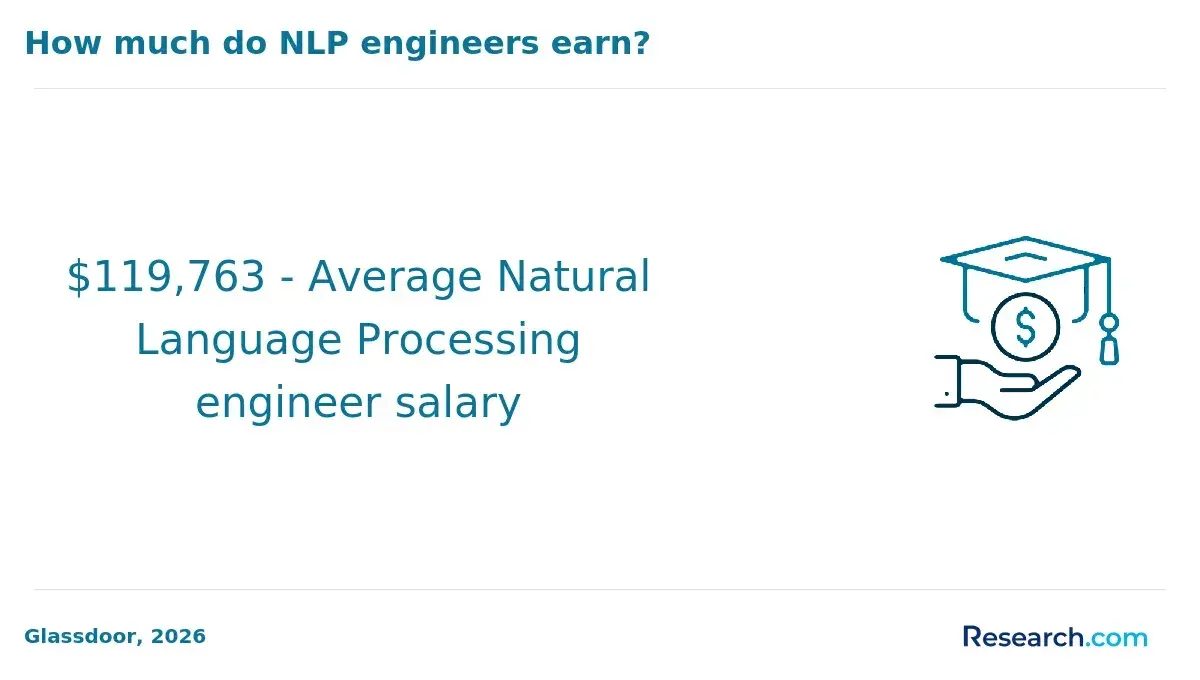
Agentic AI roles in the United States offer highly competitive salaries, reflecting their vital role in digital transformation. Entry-level AI engineers or developers typically earn between $90,000 and $110,000 annually. Mid-career experts like AI architects and data scientists focused on autonomous systems often command salaries from $130,000 to $170,000. Senior positions, including AI product managers or directors responsible for deploying agentic AI solutions across business units, can exceed $200,000 per year, with bonuses and stock options increasing total compensation.
Salary ranges vary by industry and company size. Organizations leading in AI adoption tend to pay at the higher end. According to Accenture's "AI Achievers" study, AI leaders report 1.4x higher revenue growth and 2.2x higher profitability compared to peers, fueling aggressive talent recruitment and retention. Key skills that enhance earning potential include expertise in autonomous decision-making algorithms, reinforcement learning, and AI governance.
Location also influences pay, with tech hubs like Silicon Valley, New York, and Seattle offering premiums to offset higher living costs. For those targeting executive AI roles, combining technical skill with business acumen is crucial for maximizing compensation.
To boost career prospects, candidates should gain practical experience with autonomous AI systems and learn to integrate agentic AI into business processes effectively. Developing these skills aligns with employer demand and salary growth in this dynamic field.
How do you choose a reputable Agentic AI program?
Selecting an agentic AI program requires careful evaluation of key factors to ensure leadership teams gain relevant skills that go beyond technical knowledge. According to KPMG's 2024 CEO Outlook survey, 73% of CEOs value investing in AI skills for leadership as much as AI technology itself. This underscores the importance of courses tailored for decision-makers, focusing on autonomous decision-making, ethical AI use, and human-AI collaboration.
Look for programs with curricula that include case studies and real-world applications showing how AI drives digital business transformation. Diverse learning formats, such as interactive simulations and project-based assignments, enhance practical comprehension.
Instructor credentials matter greatly. Leading programs often feature AI industry veterans or faculty from recognized AI research institutions. This blend of academic rigor and hands-on expertise ensures strategic insight. Flexible delivery options like asynchronous modules help executives and mid-career professionals balance education with busy schedules.
Evaluate alumni outcomes for evidence of graduates advancing into AI leadership roles. Support services such as career counseling and industry networking are vital for maximizing return on investment. Prioritizing these aspects helps prospective students choose agentic AI programs ready to equip them for leadership challenges in digital transformation.
Other Things You Should Know About Artificial Intelligence
Agentic AI courses in 2027 equip leaders with skills to harness AI technologies, fostering innovation and streamlining processes. They focus on strategic leadership skills, enabling leaders to effectively guide their organizations through transformative changes, ensuring successful AI integration while maintaining ethical standards.
Ethical issues such as bias in AI algorithms, data privacy, and transparency are critical concerns for digital transformation leaders. They must ensure AI systems are designed and deployed responsibly to avoid unintended discrimination and protect user information. Establishing clear governance frameworks and promoting ethical AI use is essential to maintain trust and compliance.
Yes, artificial intelligence can enhance customer experience by personalizing interactions, predicting customer needs, and providing 24/7 support through chatbots and virtual assistants. AI analytics also help businesses understand customer behavior to tailor marketing and service strategies effectively, driving higher satisfaction and retention.
Integrating artificial intelligence into current workflows often faces challenges such as data quality issues, resistance to change from employees, and a skills gap in managing AI technologies. Additionally, aligning AI with legacy systems and ensuring scalability can be complex. Successful integration requires strategic planning, stakeholder engagement, and continuous training.
References
- A Guide to Which AI to Use in the Agentic Era https://www.oneusefulthing.org/p/a-guide-to-which-ai-to-use-in-the
- Agentic AI Jobs in 2026: Skills, Careers & Industry Demand https://online.iitkgp.ac.in/blog/agentic-ai-jobs
- AI Agents Job Trends, Salaries & Related Skills https://www.itjobswatch.co.uk/jobs/uk/ai%20agents.do
- How to Use Agentic AI for Employee Training and Education https://www.druidai.com/blog/how-to-use-agentic-ai-for-employee-training
- Agentic AI for Finance: Workflows, Tips, and Case Studies https://rpc.cfainstitute.org/research/the-automation-ahead-content-series/agentic-ai-for-finance
- Agentic AI and the Transformation of Workforce Dynamics https://nri-na.com/agentic-ai-and-the-transformation-of-workforce-dynamics/
- AI Agents, The New Workforce We're Not Quite Ready For (Agentic AI) JOSH BERSIN https://joshbersin.com/2024/09/agentic-ai-ai-agents-the-new-workforce-were-not-quite-ready-for/
- Generative & Agentic AI Certification Course Online | BITS Pilani Digital https://bitspilani-digital.edu.in/certification/generative-ai-agentic-ai-course
- Best AI Agent Courses for C-Level Leaders (2026 Guide) https://aiagentsacademy.ai/blog/best-ai-agent-courses-c-level-leaders-2026
- Agentic AI and the future of digital transformation https://www.tp.com/en-in/insights-list/insightful-articles/india/agentic-ai-and-the-future-of-digital-transformation/