2027 Best AI Strategy Courses for Editorial Leaders

Co-Founder and Chief Data Scientist
Editorial leaders often face challenges integrating artificial intelligence tools effectively while managing teams and content quality under tight deadlines. Many struggle to find flexible courses that suit their schedules and provide practical skills relevant to editorial workflows. Without a clear learning path, transitioning into roles requiring AI expertise can stall, limiting career growth.
This article highlights top AI strategy courses designed specifically for editorial professionals. It aims to guide readers to accredited, adaptable programs that balance technical knowledge with editorial leadership, enabling a seamless pivot into the evolving landscape of artificial intelligence-driven publishing.
Key Things You Should Know
- Top AI strategy courses for editorial leaders emphasize practical applications in content creation and data-driven decision-making, with 65% of programs incorporating real-world case studies by 2025.
- These courses typically cover AI ethics, automation tools, and leadership skills, addressing the 43% growth in AI roles within media industries projected through 2026.
- Flexible online formats and hybrid learning models dominate, catering to working professionals aiming to enhance competitive editorial strategies without disrupting careers.
Advance Your Career with AI Online Courses
Artificial Intelligence: Implications for Business Strategy
This program provides an introduction to Artificial Intelligence and their implications for business strategy. Earn an official digital certificate.

Oxford Artificial Intelligence Programme
Explore this Oxford Artificial Intelligence programme offered in a flexible learning environment and explore topics like machine learning, automation, and robotics.

Implementing Agentic AI: Building Your Organizational Playbook
This online MIT Agentic AI course offers a practical approach to deploying AI agents in your organization, including a custom playbook. 3 weeks, exclusive launch price.

AI Adoption: Driving Business Value and Impact
This online MIT AI Adoption: Driving Business Value and Impact offers practical frameworks to close the gap between AI potential and business reality.

Artificial Intelligence in Pharma and Biotech
Discover the applications and limitations of artificial intelligence in pharma and biotech with this MIT online short course.

What are the best AI strategy courses for editorial leaders?
The best AI strategy courses for editorial leaders in the US focus on practical skills for integrating generative AI into editorial workflows, decision-making, and innovation. Programs like Columbia Journalism School's AI in Journalism emphasize the hands-on use of AI tools to enhance news gathering, fact-checking, and audience engagement.
Northwestern University's Medill School also offers an executive program that helps editorial professionals develop strategic AI adoption frameworks aligned with organizational goals and ethical standards.
With 82% of news publishers worldwide already applying generative AI in editorial or business workflows, selecting top online ai strategy training for editorial professionals is critical. These courses typically cover:
- How generative AI technologies impact content creation
- Approaches to AI ethics and misinformation mitigation
- Data-driven editorial decision frameworks
- Team management through AI-driven transformations
- Measuring AI's effect on audience metrics and monetization
Courses that include case studies from media companies successfully scaling AI provide valuable strategic insights. Executive education with cohort learning and mentorship encourages real-world problem-solving while balancing editorial integrity and innovation.
For professionals seeking to complement these skills, pursuing a data scientist degree can further enhance understanding of AI's technical and analytical aspects.
Advance Your Career with AI Online Courses
Artificial Intelligence: Implications for Business Strategy
This program provides an introduction to Artificial Intelligence and their implications for business strategy. Earn an official digital certificate.
Oxford Artificial Intelligence Programme
Explore this Oxford Artificial Intelligence programme offered in a flexible learning environment and explore topics like machine learning, automation, and robotics.
Implementing Agentic AI: Building Your Organizational Playbook
This online MIT Agentic AI course offers a practical approach to deploying AI agents in your organization, including a custom playbook. 3 weeks, exclusive launch price.
Who should take an AI strategy course for editorial leadership?
Editorial leaders managing newsrooms or digital content teams benefit significantly from AI strategy courses for editorial leaders. These courses help editors, managing editors, and directors of content strategy integrate AI tools effectively for tasks like transcription, copyediting, and summarization. According to a Reuters Institute survey, 56% of news leaders already use AI tools, with another 24% planning their adoption soon. This makes AI training essential for staying competitive and optimizing workflows.
For professionals overseeing digital transformation initiatives, the best artificial intelligence training for editorial management provides insights needed to improve audience engagement and streamline production processes. Senior editors adapting from traditional to digital workflows gain control over editorial quality and standards by understanding AI's potential and limitations.
AI strategy courses also address ethical challenges, teaching leaders to oversee transparency, bias mitigation, and verification in AI-generated content. They offer frameworks for balancing automation with maintaining journalistic integrity, which is critical for those developing editorial policies or training newsroom staff.
Editors aiming to future-proof their careers find AI strategy skills indispensable to anticipate emerging AI trends and keep their teams adaptable. For professionals interested in accessible options, exploring a cheapest online mechanical engineering degree might also open pathways into AI-related technical expertise.
What skills do AI strategy courses teach editorial leaders?
AI strategy courses for editorial leaders equip professionals with essential skills to drive innovation, efficiency, and revenue growth in media organizations. These programs emphasize integrating AI tools into editorial workflows to automate routine tasks such as content curation, fact-checking, and personalized audience engagement. Editors gain fluency in data literacy, enabling them to interpret AI-generated insights that influence editorial decision-making with artificial intelligence.
The curriculum often includes strategic planning to assess AI technologies for scalability and ethical considerations, such as managing bias and ensuring transparency in content creation. Courses highlight the economic impact of AI on newsroom operations, referencing research that generative AI could contribute $240-$340 billion annually to media and entertainment industries through productivity gains and new revenue streams.
Participants learn to collaborate across functions by translating editorial needs into AI-driven solutions, selecting platforms for tasks like automated transcription or sentiment analysis. They also acquire risk management skills to mitigate AI-related disruptions and navigate regulatory challenges.
Practical exercises include scenario planning where editorial leaders design content strategies that leverage AI-driven personalization and workflow automation. Graduates emerge able to align AI initiatives with organizational goals while maintaining editorial integrity and audience trust.
Those interested in advancing their expertise may explore an online PhD in artificial intelligence USA, which provides deeper knowledge supporting AI strategy skills for editorial leadership.
Are online AI strategy courses better than campus programs?
Online AI strategy courses for editorial leaders offer flexible, updated training that suits the fast-changing nature of AI technologies better than many campus programs. Because campus vs online AI strategy training programs differ in their development speed, traditional campus courses can lag in content relevance, whereas online options update curricula rapidly to align with current needs in editorial workflows.
These online courses focus on practical challenges specific to editorial roles, such as content personalization, bias mitigation, and newsroom automation. They often feature real-time projects, peer collaboration, and expert feedback geared toward leadership demands. Campus programs may provide valuable foundational knowledge and interdisciplinary exposure but usually lack immediate applicability to editorial tasks.
Editorial leaders should consider their goals carefully:
- For strategic decision-making and fast application of AI-powered editorial tools, online courses deliver targeted training with case studies.
- Campus offerings are better for in-depth theory combined with networking opportunities but need greater time commitments.
- Hybrid approaches mixing brief online modules and periodic in-person workshops can balance theory and practice.
Choosing programs that frequently refresh content and emphasize hands-on AI integration aligned with newsroom realities will better prepare leaders to drive AI adoption effectively. For professionals seeking related training in cybersecurity, exploring cybersecurity courses may also complement AI strategy expertise.
What should an AI strategy course curriculum include?
AI strategy courses for editorial leaders need to cover both foundational knowledge and advanced topics to ensure practical application. Key areas include machine learning models, natural language processing, and data analytics tailored to content management. Ethical concerns and AI biases must be addressed to help leaders evaluate automated editorial decisions critically.
Curricula should incorporate strategies for integrating AI into existing workflows, balancing efficiency with editorial standards. Essential modules also cover data governance and privacy, equipping leaders to comply with regulations such as GDPR and CCPA. Training on AI-driven audience analytics helps customize content strategies based on engagement metrics.
Given that most professionals prefer online or hybrid formats for executive education, offering flexible course delivery supports busy editors, as noted in the 2024 Wiley/Association of MBA survey. Practical case studies demonstrating successful newsroom AI adoption bridge theory and real-world challenges.
Workshops on AI tool selection, cost-benefit analysis, and cross-functional project management enhance leadership skills. Assessments are designed to measure both technical understanding and strategic decision-making, preparing leaders to champion AI initiatives confidently within their organizations.
What admissions requirements do AI strategy courses usually have?
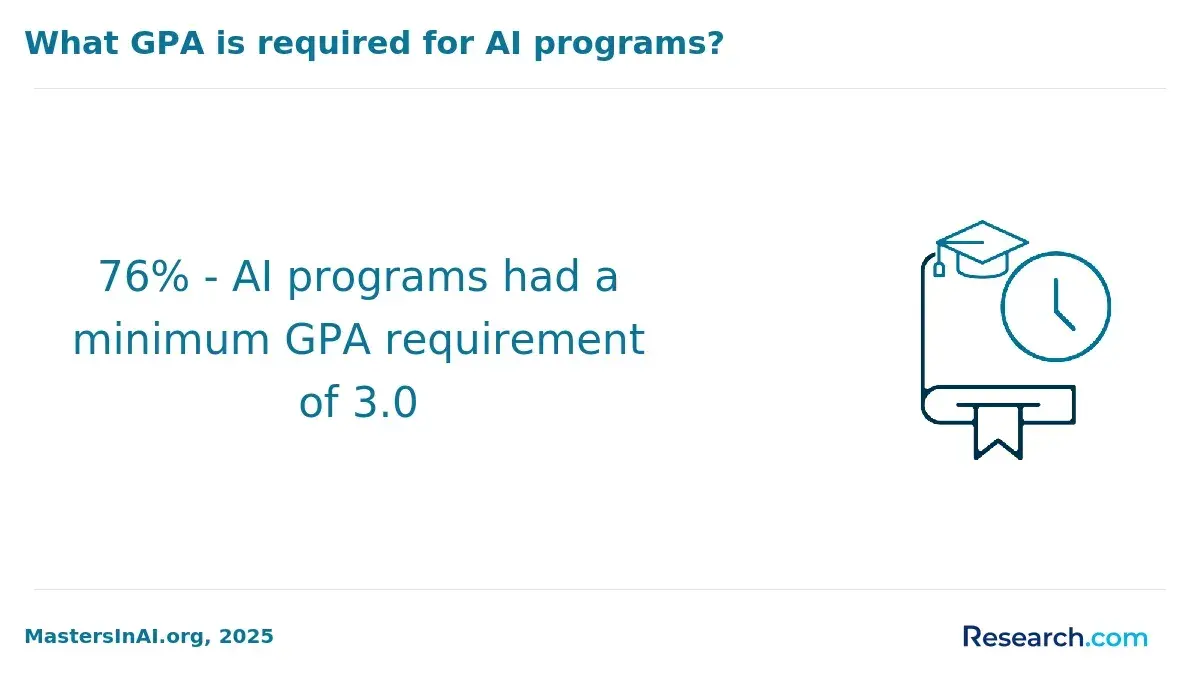
Admissions criteria for AI strategy courses in editorial contexts often require a bachelor's degree in communications, business, technology, or journalism. Many programs prioritize candidates with editorial experience, project management, or digital content strategy skills to ensure participants can effectively apply AI concepts.
Executives and senior editors typically need three to five years of leadership experience. This experience supports practical understanding in decision-making and enhances learning of AI strategy in editorial roles. University-affiliated courses often ask for a CV and a statement of purpose explaining applicants' interest in AI's editorial applications.
While advanced programming skills are usually not required, a basic understanding of data analytics, machine learning, and digital tools is recommended. This foundation helps participants grasp AI's potential without deep technical expertise, aligning with a practical editorial focus.
Some courses include interviews or assessments to evaluate readiness and tailor the curriculum. Admission committees often look for strategic thinking skills related to AI integration in editorial workflows.
Research highlights that businesses investing in formal AI training for leaders are 2.5 times more likely to achieve significant or transformational ROI from AI initiatives, emphasizing the benefit of selecting capable candidates.
How long do AI strategy courses take and what do they cost?
AI strategy courses vary significantly in length and focus, ranging from brief, intensive sessions of 4 to 12 weeks to comprehensive programs lasting 3 to 6 months. The format depends on whether the course addresses high-level strategic frameworks or the operational aspects of AI deployment. For instance, an executive-targeted AI strategy course might be a concise 6-week online module, while media-specific offerings could extend to 4 months and include case studies and hands-on projects tailored to editorial workflows.
Costs reflect the varying scopes and audiences of these courses. Entry-level programs typically range from $500 to $1,500, mid-tier professional courses from $2,000 to $5,000, and premium executive or university-affiliated certifications may exceed $10,000. Media organizations focused on monetization often prefer AI training priced between $3,000 and $7,000, emphasizing practical applications like personalized content recommendations and dynamic paywalls.
According to a 2024 INMA study, news organizations with leaders who completed media-specific AI training were 40% more likely to implement revenue-generating AI technologies. This underscores the advantage of selecting courses tailored to your industry and goals. When evaluating options, consider curriculum depth, instructor expertise, real-world implementation projects, and networking opportunities.
Many programs also offer flexible schedules, including part-time and self-paced options, to fit the needs of working professionals.
What certifications can AI strategy courses lead to?
AI strategy courses often result in professional certificates that demonstrate expertise in managing AI initiatives, integrating AI into business models, and driving digital transformation. Recognized credentials like Certified AI Strategy Professional, AI Business Strategy Certificate, and Executive Certificate in AI Strategy are offered by leading business schools and executive education providers, adding significant value to resumes.
Programs vary in focus: some emphasize technical knowledge of AI concepts, while others concentrate on strategic leadership and decision-making. For editorial leaders, certifications that combine AI strategy with digital transformation and data governance are particularly relevant, addressing challenges related to content curation, audience engagement, and ethical AI use.
Many executive education options deliver these certificates after short, intensive courses lasting from a few days to several weeks. Tuition typically ranges between $3,000 and $7,000. Over 60% of participants report company sponsorship, underlining the professional advancement value these credentials provide.
Some certifications include continuous learning credits and access to alumni networks, supporting ongoing development. Notable examples are the MIT Sloan Artificial Intelligence: Implications for Business Strategy certificate and the Wharton AI For Business Executive Education credential. Choosing a program aligned with career goals and industry recognition ensures practical relevance and competitive advantage in leadership roles.
What jobs can editorial leaders get after AI strategy training?
Editorial leaders trained in AI strategy find opportunities in roles that blend content expertise with technology. Common positions include AI content strategist, editorial data analyst, and head of AI-driven content innovation. These roles focus on integrating AI tools into editorial workflows to boost audience engagement and personalize content. For example, an AI content strategist creates algorithms to tailor articles based on reader behavior, which helps improve retention and subscriptions.
Senior editorial managers with AI skills often advance to influential roles like chief content officer or director of digital strategy in media organizations. These positions require expertise in AI applications such as content curation, automated storytelling, and predictive analytics. Some editorial professionals become consultants advising media companies on implementing AI to enhance editorial quality and operational efficiency.
Expertise in AI strategy also opens doors to emerging roles, including AI ethics officer and AI product manager for content platforms. These positions address challenges such as bias in automated content and building user trust in AI recommendations.
According to PwC's 2024 Global AI Jobs Barometer, roles requiring AI skills offer a 25-30% salary premium on average in advanced economies, especially within content, media, and communications leadership.
How do you choose a credible AI strategy course provider?
Choosing a credible AI strategy course provider involves evaluating key factors to ensure practical value and industry relevance. Start by verifying instructor expertise, focusing on professionals experienced in blending AI with editorial leadership. This includes senior editors who use AI tools in their workflows or consultants specializing in digital media transformation.
Course content should emphasize realistic, actionable uses of AI technology rather than purely theoretical knowledge. According to Deloitte's 2024 Digital Media Trends report, over 70% of routine media content production may be partially automated by AI within five years. Effective programs cover automation tools, ethical concerns, and strategies for managing editorial teams through AI-driven change.
Look for curricula combining live sessions, case studies, practical assignments, and peer collaboration, which help build relevant skills. Flexible schedules and modular content can accommodate working professionals balancing education with job responsibilities.
Accreditation or ties to respected educational or media organizations add credibility, though not always mandatory. Reviews and alumni testimonials provide insight into course effectiveness.
Finally, weigh cost against value. Higher-priced courses might offer exclusive access to industry leaders or advanced tools, while more affordable options with robust practical components and career support can better serve those aiming for immediate job application.
Other Things You Should Know About Artificial Intelligence
AI can enhance editorial decision-making by providing leaders with data-driven insights, automating routine tasks, and analyzing reader engagement metrics. This allows editorial leaders to make informed content strategies, optimize resource allocation, and tailor content to audience preferences in 2027.
Ethical considerations include ensuring AI algorithms do not perpetuate biases or misinformation. Editorial leaders must oversee how AI-generated content is reviewed and verify its accuracy. Transparency about AI use with audiences and safeguarding privacy are essential to maintain trust in editorial integrity.
While AI can automate many repetitive editorial tasks, it is unlikely to fully replace human editors. Human judgment, creativity, and ethical reasoning remain critical for nuanced storytelling and decision-making. AI serves best as a tool that supports editors rather than substitutes them.
Artificial intelligence enables dynamic content personalization by analyzing user behavior and preferences in real time. This helps deliver more relevant articles and recommendations to individual readers, enhancing user engagement and satisfaction. Editorial leaders use AI-driven insights to optimize content strategies accordingly.
References
- 6 courses for IT leaders navigating AI change management https://www.cio.com/article/4044424/6-courses-for-it-leaders-navigating-ai-change-management.html
- Artificial Intelligence Strategy MSc | Brunel University of London https://www.brunel.ac.uk/study/courses/artificial-intelligence-strategy-msc
- Professional AI Training: How to Choose the Right Program https://www.strategicaileader.com/professional-ai-training-how-to-choose-the-right-program/
- Best AI Strategy Courses - Emeritus Online Courses https://emeritus.org/blog/b-best-ai-strategy-courses/
- LIVE IT Training & Certification – 500+ Courses | Readynez https://www.readynez.com/uk/blog/a-strategic-guide-to-choosing-your-ideal-ai-course/
- Ultimate Guide: How to Choose the Right AI Training Course to Boost Your Career - ONLC https://www.onlc.com/blog/how-to-choose-ai-training-courses/
- How Much Does AI Training for Businesses Cost? - Bizzuka https://www.bizzuka.com/how-much-does-ai-training-for-businesses-cost/
- How to Choose an AI Strategy Course Online - The Case HQ Online https://thecasehq.com/how-to-choose-an-ai-strategy-course-online/
- Why Leaders Must Master Human Skills to Get the Most Out of AI - Harvard Business Impact https://www.harvardbusiness.org/insight/climbing-the-high-summits-why-every-leader-must-master-human-skills-to-get-the-most-out-of-ai/
- Which AI course should I do? https://www.afr.com/work-and-careers/education/which-ai-course-should-i-do-20250312-p5lixe