2027 Best NLP Courses With Certificates

Co-Founder and Chief Data Scientist
Professionals with backgrounds outside of computer science often face challenges when attempting to transition into natural language processing (NLP), a cornerstone of artificial intelligence applications. Limited formal training and the fast-evolving nature of the field create barriers to entry, especially for those seeking credible certification to boost employability. Finding flexible and reputable courses with recognized certificates is crucial for career pivots and skill validation. This article presents a curated selection of top NLP courses offering certification, designed to help learners gain relevant expertise and demonstrate their credentials to potential employers effectively.
Key Things You Should Know
- Top NLP courses in 2026 offer certificates recognized by leading tech companies, enhancing employment prospects in the growing AI sector, projected to expand by 35% through 2030.
- Programs focus on practical skills like transformer models, language understanding, and deployment, reflecting 2025 advancements and industry demands for real-world application readiness.
- Accessible online options dominate, with many courses costing under $500 and providing flexible pacing, attracting a diverse range of professionals seeking AI specialization.
Advance Your Career with AI Online Courses
Artificial Intelligence: Implications for Business Strategy
This program provides an introduction to Artificial Intelligence and their implications for business strategy. Earn an official digital certificate.

Oxford Artificial Intelligence Programme
Explore this Oxford Artificial Intelligence programme offered in a flexible learning environment and explore topics like machine learning, automation, and robotics.

Implementing Agentic AI: Building Your Organizational Playbook
This online MIT Agentic AI course offers a practical approach to deploying AI agents in your organization, including a custom playbook. 3 weeks, exclusive launch price.

AI Adoption: Driving Business Value and Impact
This online MIT AI Adoption: Driving Business Value and Impact offers practical frameworks to close the gap between AI potential and business reality.

Artificial Intelligence in Pharma and Biotech
Discover the applications and limitations of artificial intelligence in pharma and biotech with this MIT online short course.

What are the best NLP courses with certificates?
The best certified nlp courses online offer comprehensive training suitable for beginners and experienced professionals. These programs focus on foundational theory, practical Python coding skills, and real-world applications. Stanford University's NLP specialization, for example, includes in-depth lessons on syntax, semantics, and machine learning models, ending with a verified certificate. Similarly, Coursera's "Natural Language Processing with Deep Learning" by deeplearning.ai highlights essential transformer-based techniques for modern language models.
When choosing from the top nlp training programs with certificates, professionals should prioritize courses featuring hands-on projects using popular Python libraries like NLTK, SpaCy, and Hugging Face transformers. Certifications from well-known platforms such as edX, Udacity, and DataCamp enhance credibility, especially when combined with portfolio projects. Specialized tracks cover areas like sentiment analysis, chatbot development, and speech recognition, each requiring tailored coursework and practical experience.
Market demand for certified NLP experts is strong, with the global natural language processing market expected to grow from $29.1 billion in 2024 to $92.7 billion by 2030 at a 21.5% CAGR. To identify the best options, verify the certificate's employer recognition and accreditation. Courses that offer career support, mentor guidance, and up-to-date industry content provide added value. Pricing varies widely-from free introductory classes to paid multi-month programs with certification. For those interested in affordable advanced education, researching the cheapest master in data science can also be beneficial.
Advance Your Career with AI Online Courses
Artificial Intelligence: Implications for Business Strategy
This program provides an introduction to Artificial Intelligence and their implications for business strategy. Earn an official digital certificate.
Oxford Artificial Intelligence Programme
Explore this Oxford Artificial Intelligence programme offered in a flexible learning environment and explore topics like machine learning, automation, and robotics.
Implementing Agentic AI: Building Your Organizational Playbook
This online MIT Agentic AI course offers a practical approach to deploying AI agents in your organization, including a custom playbook. 3 weeks, exclusive launch price.
How do NLP certificates compare with degree programs?
Natural language processing (NLP) certificates offer a more flexible and accelerated route compared to traditional degree courses, enabling professionals to gain targeted skills and practical experience in months rather than years. For those comparing NLP certification programs and degree courses, certificates often include hands-on projects like sentiment analysis, language modeling, and chatbot development, which align directly with employer needs. These programs may cover implementation of transformer architectures or fine-tuning pre-trained models, skills currently in high demand across the tech industry.
University degree programs provide a broader and more comprehensive theoretical foundation in linguistics, computer science, and machine learning, which suits individuals pursuing research or advanced roles. While certificates typically cost significantly less and offer online or part-time formats ideal for working professionals, degrees remain the gold standard for many senior-level positions and research-intensive careers.
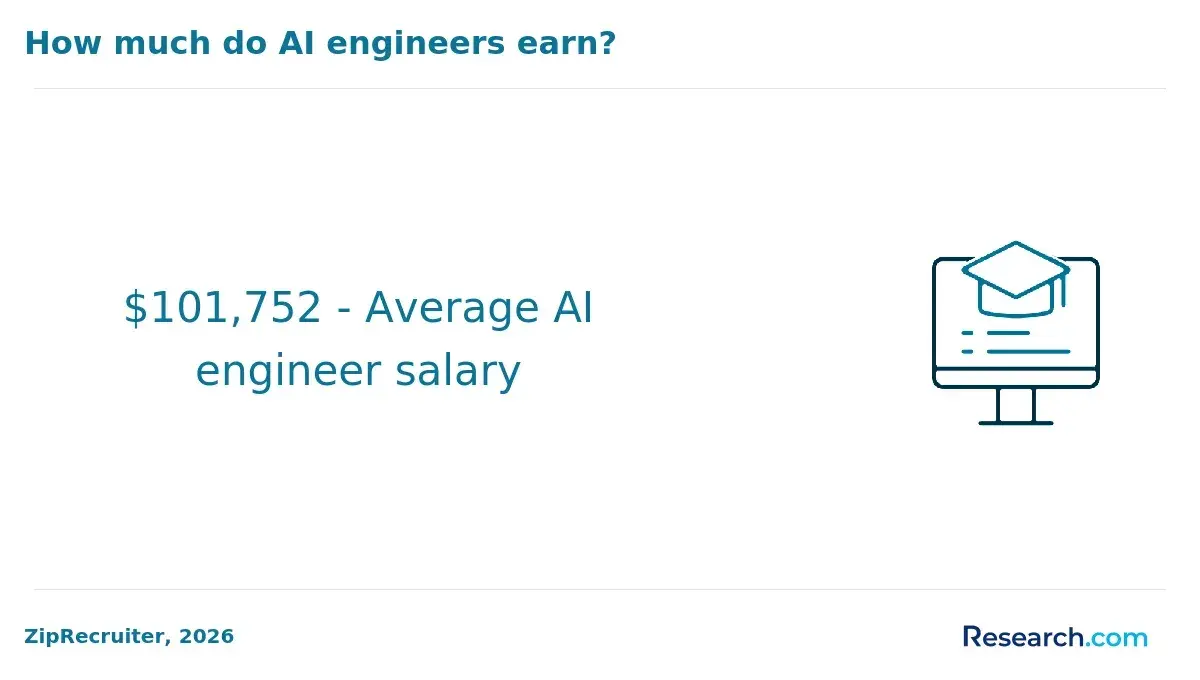
The job market demonstrates strong growth and demand; AI and machine learning engineer roles, including NLP specialists, show increasing median salaries, reflecting the high market value of these skills. Professionals choosing between certifications and degrees should consider career goals, budget, and time constraints. For immediate skill acquisition in practical roles, certificates are advantageous, whereas degrees provide lasting foundational education and research opportunities.
Those interested in broader engineering education might also explore affordable programs such as the online mechanical engineering degree.
What skills does an NLP course teach?
NLP courses develop a range of natural language processing skills essential for working with complex text data. Key techniques include tokenization, stemming, and lemmatization to prepare text for further analysis. Students explore machine learning techniques in NLP courses, including classical n-grams and advanced models such as transformers and attention mechanisms. Practical applications cover sentiment analysis, named entity recognition, and text classification, enabling meaningful insights from unstructured text.
Programming with Python and libraries like NLTK, spaCy, and Hugging Face's Transformers is emphasized. Courses also cover machine learning fundamentals such as classification algorithms, neural networks, and evaluation metrics. Hands-on projects often include speech recognition, text generation, and chatbot development, bridging theory with real-world applications.
Advanced modules dive into linguistic foundations including syntax, semantics, and pragmatics to improve language understanding systems. Data ethics and bias mitigation are usually featured to promote responsible AI deployment. This skill set prepares learners to address challenges across industries like healthcare, finance, and customer service while enhancing career opportunities.
According to the Learner Outcomes report by Coursera, completing professional certificates related to NLP makes learners 24% more likely to report a positive career outcome within 12 months. For those looking to expand their expertise, pursuing an online cybersecurity degree or similar interdisciplinary studies can offer additional advantages in the evolving AI landscape.
Are online NLP certificate programs accredited?
Online NLP certificate programs in the United States generally are not accredited in the same manner as traditional degree programs. Accreditation mainly applies to universities and colleges authorized by recognized educational bodies. Instead, most online NLP certificates come from private providers, professional organizations, or tech companies, focusing on skill validation rather than formal accreditation. Prospective students seeking accredited online neuro linguistic programming courses with certificates should note that many certificates are industry-recognized, demonstrating practical skills valued by employers.
Reputable platforms like Coursera and edX offer certificates upon course completion that support professional development, although these do not carry formal academic accreditation. Specialized groups in natural language processing or artificial intelligence may issue badges or certificates recognized within niche professional circles.
When considering the cost, industry-recognized online NLP certificates typically range from approximately $100 to $2,000, a much more affordable option compared to traditional degrees in data science or AI, which can cost from $30,000 to $80,000+. This cost difference underscores certificates as accessible ways to gain skills without the time and tuition commitment of full degrees.
Employers often prioritize demonstrable skills, project portfolios, and relevant experience over formal accreditation in this fast-evolving field. Accreditation holds more weight for academic credit transfer or graduate pathways. Candidates should view certificates as supplements rather than substitutes for accredited degrees, especially when pursuing advanced credentials such as an online data science PhD.
What are the admission requirements for NLP courses?
Admission requirements for NLP courses typically include a solid foundation in programming and basic mathematics, with most programs expecting proficiency in Python, the dominant language in natural language processing toolkits. Candidates often need prior experience in coding or related technical skills, especially if they lack formal computer science degrees. Some certificate programs require completion of introductory courses in data structures or algorithms, while others accept practical programming experience.
Advanced courses frequently demand knowledge of calculus, linear algebra, and probability, reflecting the underlying mathematics of machine learning models. Many programs recommend or require familiarity with machine learning concepts to help students engage effectively with the material. Those with backgrounds in linguistics or statistics but limited coding skills may need to complete prerequisite courses.
University-affiliated NLP certificate programs sometimes require submission of academic transcripts and letters of recommendation, especially at the graduate level. In contrast, many online platforms offer open enrollment with no formal prerequisites, making them accessible to working professionals seeking to upgrade their skills.
Working professionals should carefully review course prerequisites to avoid gaps in foundational knowledge that can hinder progress. With demand for Artificial Intelligence and machine learning expertise rising-LinkedIn's 2024 Emerging Jobs analysis reports a more than 30% year-over-year increase in AI specialist roles including NLP-meeting these requirements is essential for career growth.
How long do NLP certificate programs take to finish?
NLP certificate programs vary widely in length, typically ranging from 4 weeks to 6 months depending on the course's complexity, format, and the learner's prior knowledge. Introductory, beginner-friendly courses usually last about one month, requiring a few hours each week. In contrast, advanced or professional-level certificates often span 3 to 6 months, incorporating project work, hands-on applications, and deeper theoretical concepts.
Several factors influence program duration:
- Course level: Beginner courses cover foundational topics and are generally shorter. Data shows that entry-level NLP offerings attract a significant portion of learners seeking foundational knowledge.
- Learning format: Self-paced courses can be completed faster by motivated students, while instructor-led or cohort-based formats usually follow fixed timelines, extending the overall duration.
- Depth and specialization: Programs focusing on niche areas like sentiment analysis, transformer architectures, or NLP engineering usually demand more time.
Working professionals should evaluate their availability carefully. Courses with flexible schedules enable balancing study with full-time work. Many platforms now offer modular or micro-credential options that can be stacked to build expertise progressively.
Your choice should align with career goals. Rapid programs suit those exploring NLP interests, whereas lengthier certifications benefit individuals aiming for industry roles requiring practical experience in natural language processing.
How much do NLP courses with certificates cost?
Costs for NLP courses with certificates vary significantly based on the provider and course type. Entry-level, self-paced programs on platforms like Udemy or Coursera generally range from $50 to $200. These courses often include practical exercises and a certificate, ideal for beginners or professionals seeking quick upskilling.
More advanced specializations or professional certificates typically cost between $300 and $2,000. For example, Coursera's advanced NLP and deep learning specializations collectively range from $400 to $1,200, reflecting their comprehensive content and academic rigor. According to Coursera's 2025 catalog analytics, enrollment in these advanced courses has grown by over 60%, highlighting increasing demand in the field.
University and bootcamp programs offering accredited NLP certificates usually charge $2,000 to $5,000. These in-person or hybrid options provide mentorship, networking, and sometimes academic credit, which can be valuable for career advancement.
When choosing a course, consider factors beyond price: course relevance, instructor expertise, and certificate recognition in competitive AI and NLP job markets. Financial aid, scholarships, and subscription models also provide flexible payment options.
What jobs can you get with an NLP certificate?
An NLP certificate qualifies professionals for specialized roles blending data science, software engineering, and linguistics. Common positions include NLP engineer, machine learning engineer, data scientist, and research scientist, focusing on text analysis, sentiment detection, chatbot creation, and language translation.
Entry-level jobs require proficiency in Python and libraries like spaCy or NLTK, alongside foundational knowledge of deep learning models such as transformers. Mid-career roles emphasize hands-on experience with large datasets and algorithms for named entity recognition or speech-to-text systems.
Industries embracing NLP include healthcare, finance, e-commerce, and customer support. For instance, healthcare organizations apply NLP for medical record analysis and predictive diagnostics, while e-commerce platforms use it to enhance product recommendations and customer feedback processing.
University-backed courses like Stanford's Natural Language Processing with Deep Learning (CS224N) boast tens of thousands of global enrollments and are recognized by learners pursuing careers in NLP, as highlighted by upGrad. These credentials strengthen candidates' profiles by validating expertise in advanced techniques.
Key challenges for graduates involve continuous learning due to rapid transformer advancements and adapting NLP models to domain-specific contexts. Certification programs offering targeted projects and internships focusing on real-world data help address these challenges effectively.
Graduates with NLP certificates are well-positioned to create intelligent language-based applications, enhance user interactions, and support scalable data analysis within Artificial Intelligence-led enterprises.
What is the salary outlook for NLP certificate holders?
Salary prospects for NLP certificate holders are very promising, driven by substantial enterprise investment in artificial intelligence skills. Reports from IBM SkillsBuild and the Burning Glass Institute highlight that over 80% of large companies plan to increase spending on AI skills training, including NLP, within the next two years. This growing emphasis creates strong demand for professionals with certified expertise.
In the United States, starting salaries for those with reputable NLP certificates typically fall between $90,000 and $130,000 annually. Mid-career professionals, combining experience with certification, often earn from $130,000 to $170,000, though salaries vary by role, company, and location.
Common positions where NLP certification adds value include machine learning engineer, data scientist, AI engineer, and computational linguist. Employers prefer candidates who complement certificates with practical skills such as Python programming, model deployment, and data preprocessing.
Certification can enhance job prospects and negotiating power for professionals transitioning into NLP or upskilling. Employers often prioritize certified candidates for hiring and promotions, recognizing their focused training and up-to-date knowledge.
Key benefits for NLP certificate holders include:
- Salary increases of approximately 15% to 30% compared to non-certified peers
- Improved career advancement opportunities
- Enhanced competitiveness in AI-driven fields
How do you choose a reputable NLP certificate program?
Evaluating an NLP certificate program requires careful attention to several key factors that ensure the credential aligns with industry needs and equips learners with relevant skills. Programs emphasizing generative AI and large language models (LLMs) are especially valuable, as recent surveys highlight that over one-third of new NLP courses focus on these technologies. Prioritizing up-to-date curriculum content related to transformer architectures and fine-tuning LLMs is crucial for practical learning.
Institutional credibility also matters greatly. Established universities, recognized professional organizations, or reputable industry partners typically offer the most reliable certificates. It's important to verify faculty expertise in recent NLP research or hands-on experience developing generative AI and LLM solutions.
Hands-on experience is essential. Programs that include projects, real-world datasets, and interactive exercises better prepare students for career challenges. This applied learning approach often involves direct work with cutting-edge frameworks that recruiters value.
Additional benefits come from strong post-certification support, such as job placement services and networking opportunities within AI communities or research forums. These connections can enhance career growth beyond just the certificate.
Finally, transparent student feedback and outcome statistics - like job placement rates and skill acquisition metrics - offer insight into a program's true effectiveness. By assessing these factors together, prospective students can select NLP certificates that deliver credible, future-proof credentials.
Other Things You Should Know About Artificial Intelligence
In 2027, top NLP courses offering certificates include "Deep Learning for NLP" by Coursera, "Natural Language Processing Specialization" by Stanford Online, and "NLP with Python" by edX. These courses cover cutting-edge NLP techniques, provide hands-on projects, and offer certification upon completion, ensuring learners gain knowledge and credentials in NLP.
Artificial intelligence systems often require large datasets to train models effectively, which raises concerns about data privacy. Sensitive personal information can be unintentionally exposed or misused if proper safeguards are not implemented. Regulations like GDPR and HIPAA aim to protect data privacy while enabling responsible AI development.
Artificial intelligence can be programmed to follow ethical guidelines, but it lacks human judgment and contextual understanding. Ethical decision-making in AI relies heavily on the data used for training and the values embedded by developers. Ensuring fairness and avoiding bias requires constant oversight and refinement.
Current artificial intelligence systems often struggle with understanding context, common sense reasoning, and handling ambiguous information. They typically excel in narrow tasks but fail to generalize knowledge across different domains. Furthermore, AI models can be data-hungry and computationally intensive.
References
- Which NLP Certification Is Right for You? Practitioner vs Master vs Integrated Tracks Explained for Mumbai, Pune, Delhi, Bangalore, London, New York & Singapore https://www.anildagia.com/solutions/nlp/positioning/which-nlp-certification-is-right-for-you
- NLP Practitioner Salary https://nlptopcoach.com/nlp-practitioner-salary/
- Neuro-linguistic programming - Wikipedia https://en.wikipedia.org/wiki/Neuro-linguistic_programming
- NLP Training | Mindset Coaching Certification | Retreats & Classes https://globalnlptraining.com/
- NLP Practitioner Skills: What You Learn And How You Use Them - NLP-Techniques.ORG https://www.nlp-techniques.org/what-is-nlp/nlp-practitioner-skills/
- NLP Certification Guide https://thoughtlabs.co/nlp-certification-guide/
- NLP Training Courses UK | ABNLP Certification | Accelerate NLP https://accelerate-nlp.com/articles/nlp-training-in-the-uk-a-guide-to-courses-costs-and-credentials
- Four Day NLP Practitioner Training Course - NLP World https://www.nlpworld.co.uk/nlp-practitioner-courses/4-day-nlp-practitioner-training/
- How Long Does It Take to Become an NLP Practitioner? | UKCPD https://ukcpd.co.uk/how-long-does-it-take-to-become-an-nlp-practitioner
- Presentation Skills Using Neuro-Linguistic Programming (NLP) https://www.blueoceanacademy.com/presentation-skills-using-neuro-linguistic-programming-nlp/