2027 Best Agentic AI Courses for Business Process Automation

Co-Founder and Chief Data Scientist
Organizations aiming to streamline operations often struggle with inefficient workflows and resource bottlenecks. Many business professionals lack the technical expertise to implement agentic ai solutions that automate complex tasks. This gap slows digital transformation and hinders competitive advantage in fast-evolving markets. For those transitioning from unrelated fields, finding accessible, accredited courses tailored to agentic ai for business process automation can be challenging.
This article explores top educational options that equip learners with practical skills to design, deploy, and manage autonomous ai systems, enabling them to accelerate operational efficiency and drive innovation in diverse industries.
Key Things You Should Know
- Agentic AI courses in 2026 emphasize practical skills in deploying AI-driven automation, with over 65% of businesses planning to increase AI adoption in process optimization by 2027.
- Top programs integrate ethics and decision-making frameworks, addressing growing concerns about AI accountability and transparency in automated business environments.
- Estimated job growth for AI specialists in business automation reaches 22% through 2030, making such courses essential for future-proofing careers across industries.
Advance Your Career with AI Online Courses
Artificial Intelligence: Implications for Business Strategy
This program provides an introduction to Artificial Intelligence and their implications for business strategy. Earn an official digital certificate.

Oxford Artificial Intelligence Programme
Explore this Oxford Artificial Intelligence programme offered in a flexible learning environment and explore topics like machine learning, automation, and robotics.

Implementing Agentic AI: Building Your Organizational Playbook
This online MIT Agentic AI course offers a practical approach to deploying AI agents in your organization, including a custom playbook. 3 weeks, exclusive launch price.

AI Adoption: Driving Business Value and Impact
This online MIT AI Adoption: Driving Business Value and Impact offers practical frameworks to close the gap between AI potential and business reality.

Artificial Intelligence in Pharma and Biotech
Discover the applications and limitations of artificial intelligence in pharma and biotech with this MIT online short course.

What are agentic AI courses for business process automation?
Agentic AI courses for business process automation teach students to develop autonomous systems that independently make decisions and execute tasks without constant human supervision. These courses focus on intelligent agents that perceive their environment, reason, and act to optimize workflows such as supply chain management, customer service, and document processing. Key skills include programming AI models, integrating automation technologies, and understanding decision-making frameworks within business contexts.
A typical business process automation training using agentic AI includes:
- Developing multi-agent systems that collaborate to solve complex operational issues.
- Leveraging natural language processing and robotic process automation (RPA) to automate communication and repetitive tasks.
- Designing feedback loops to help agents learn and adapt based on real-time data.
Students also address challenges such as managing exceptions in automated processes, ensuring transparency of AI systems, and maintaining security standards. These courses teach how to tailor agentic AI solutions for various industries including finance, healthcare, and manufacturing. Operators who fully scale agentic AI workflows report significant improvements. According to McKinsey's 2024 Global AI Survey, organizations beyond pilot stages achieve a 3.5x higher return on AI investments, demonstrating the value of expertise gained from such training.
For those exploring advanced career options, several AI graduate programs offer pathways to master agentic AI in automation. These programs provide both theoretical foundations and practical experience necessary to build scalable, intelligent automation frameworks in real-world business settings.
Advance Your Career with AI Online Courses
Artificial Intelligence: Implications for Business Strategy
This program provides an introduction to Artificial Intelligence and their implications for business strategy. Earn an official digital certificate.
Oxford Artificial Intelligence Programme
Explore this Oxford Artificial Intelligence programme offered in a flexible learning environment and explore topics like machine learning, automation, and robotics.
Implementing Agentic AI: Building Your Organizational Playbook
This online MIT Agentic AI course offers a practical approach to deploying AI agents in your organization, including a custom playbook. 3 weeks, exclusive launch price.
Which accreditation matters for AI training programs?
Accreditation standards for artificial intelligence training programs play a crucial role in ensuring curriculum quality, instructor expertise, and industry recognition. Business process automation and agentic AI courses accredited by established bodies such as ABET (Accreditation Board for Engineering and Technology) or AACSB (Association to Advance Collegiate Schools of Business) carry added value. These accreditations signify that educational programs meet rigorous standards and effectively prepare students for practical applications in evolving industries.
Recognized certifications in agentic AI business automation courses also add significant credibility. Programs endorsed by institutions like IEEE or the Association for the Advancement of Artificial Intelligence (AAAI) focus on advanced AI technologies relevant to automation. Additionally, vendor-neutral certifications from organizations such as the International Institute of Business Analysis (IIBA) validate skills in managing business processes integrated with AI tools.
When considering AI education, assess whether an institution holds regional or national accreditation, offers endorsements from respected engineering or business bodies, and has a curriculum aligned with current industry trends in autonomous automation. Practical skill validation through certifications alongside theoretical learning further strengthens program value.
Graduates from unaccredited programs may face limited job opportunities since employers favor candidates with verified competencies in a rapidly growing market. According to IDC's 2024 Worldwide AI and Automation Spending Guide, global spending on process-centric AI and automation software will reach $301 billion by 2027, highlighting the demand for accredited education.
For those exploring options, comparing programs with strong accreditation safeguards your investment and career growth. For example, see insights about online mechanical engineering degrees that also emphasize accreditation and affordability.
Are online or campus-based AI courses better for working adults?
Online AI courses provide working adults greater flexibility and accessibility than campus-based programs. They allow learners to juggle professional responsibilities alongside study commitments, which is crucial for those balancing full-time jobs or family life. Many platforms offer asynchronous learning, enabling students to study at their own pace, while synchronous sessions foster interaction with instructors and peers without the need to commute.
Campus-based ai courses deliver immersive experiences through face-to-face networking, hands-on labs, and immediate faculty access. These benefits suit learners who prefer direct mentorship or collaboration in a physical setting. However, inflexible class schedules and required travel can pose challenges for professionals who cannot take extended leave. Additionally, campus programs often have less adaptable pacing, potentially extending completion times.
Choosing the best agentic ai courses for business process automation depends on factors such as career stage and learning preferences. Many online programs emphasize practical projects tied to real-world applications like autonomous process automation, which a Deloitte study highlights can reduce costs by 27% and boost revenue by 12% within three years. This underscores the value of up-to-date and relevant curricula available through online platforms.
Working adults seeking rapid skill acquisition for immediate workplace impact tend to benefit more from online learning's adaptability and targeted content. Conversely, early-career individuals desiring foundational knowledge and networking opportunities might find campus-based courses more advantageous despite their rigidity.
Employers increasingly recognize online certifications, supporting career advancement without interrupting ongoing employment. For those interested, exploring an online master data science program can be a strategic step. Overall, online versus campus-based ai courses for working adults must be weighed considering personal and professional priorities.
What should an agentic AI curriculum for automation include?
An agentic AI business process automation training program must equip students with core technical and practical abilities to design, deploy, and manage autonomous AI systems. This includes foundational knowledge of machine learning algorithms, data structures, natural language processing, and computer vision to handle unstructured data commonly encountered in enterprises. Emphasizing hands-on experience with robotic process automation (RPA) tools and automation platforms bridges theoretical learning with real-world applications.
Developing integration skills-such as connecting AI agents to legacy systems, APIs, and cloud infrastructure-is essential for automating complex workflows from end to end. Additionally, the curriculum should cover risk management, ethical AI practices, transparency, bias mitigation, and regulatory compliance to prepare responsible AI practitioners. Reinforcement learning and real-time feedback enable creating agents that autonomously improve performance over time.
A comprehensive agentic AI curriculum for process automation also highlights process mining and business analytics to pinpoint automation opportunities and gauge their impact. Job markets reflect this trend, with demand for AI automation and agent skills rising by around 320% between early 2023 and early 2025, and median salaries reported 52% higher than general tech roles according to LinkedIn and the World Economic Forum.
Including case studies from finance, supply chain, customer service, and manufacturing, alongside collaboration tools and AI governance frameworks, strengthens learners' ability to lead automation projects effectively. Prospective students interested in related fields may also explore the best military friendly online cybersecurity degrees for complementary career pathways.
What admission requirements do AI certificate and degree programs have?
Admission criteria for AI certificate and degree programs differ by credential type and level. Certificate programs often require a high school diploma or equivalent, while advanced certificates might ask for prior programming knowledge or completion of prerequisite courses. Degree programs, such as bachelor's and master's in AI, generally demand formal qualifications like a secondary education or an undergraduate degree related to the field.
Bachelor's applicants are usually expected to have strong backgrounds in mathematics, computer science, or engineering, and may need standardized test scores (SAT or ACT), recommendation letters, and a personal statement demonstrating their interest in AI and business process automation. Master's programs typically require a relevant bachelor's degree with a minimum GPA, transcripts, and sometimes GRE scores.
Programs accommodating working professionals might allow admissions through portfolio reviews, professional experience, or bridge courses to meet foundational requirements. International students must prove English proficiency, often via TOEFL or IELTS exams.
With Gartner reporting that 73% of enterprises piloted or deployed AI-driven automation and forecasting more than 60% of large automation projects by 2026 will involve autonomous AI, candidates should showcase both technical skills and practical knowledge of AI in business automation to stay competitive.
How long do agentic AI courses usually take to finish?
Agentic AI courses for business process automation generally span 4 to 12 weeks, varying by program depth and format. Shorter courses of 4 to 6 weeks emphasize foundational skills like agentic AI principles, workflow integration, and basic automation tools. These options suit working professionals aiming for quick upskilling without disrupting existing commitments. More extensive courses lasting up to 12 weeks address advanced subjects such as AI governance, risk management, and complex automation frameworks. Some programs include specialized modules on compliance challenges, reflecting industry concerns highlighted in the 2024 PwC survey on AI governance.
This survey reveals a significant skills gap: 82% of large organizations expanding autonomous AI automation cite insufficient internal expertise in AI risk management and governance as a key barrier. This underlines the need for courses that dedicate time to governance and compliance, areas often extending the program beyond just technical training.
When selecting a course duration, consider:
- Compatibility with your current work or study schedule
- Inclusion of practical projects simulating real-world automation challenges
- Emphasis on AI risk management and compliance due to increasing regulatory demands
- Access to personalized mentorship or peer collaboration
Modular courses are another option, allowing learners to proceed at their own pace. Though this may lengthen overall completion time, it enhances understanding of crucial governance topics important for careers in AI automation.
How much do agentic AI courses for business automation cost?
Agentic AI courses for business process automation vary widely in price, from free introductory classes to professional certificates exceeding $2,000. Entry-level courses on platforms like Coursera and edX often allow free auditing of content but charge for certification. Paid training options typically range from $300 to $1,000, targeting professionals who want to enhance skills in automating workflows with AI agents.
More comprehensive bootcamps or instructor-led programs cost between $1,200 and $2,500. These intensive sessions focus on practical deployment of agentic AI for automated reporting, decision support, and process monitoring. Factors impacting costs include access to mentorship, hands-on experience, and project-based learning.
Many employers subsidize or reimburse these courses, recognizing the value of improved productivity. According to an Accenture 2024 report, integrating agentic AI in knowledge work can increase productivity by up to 40%, especially in analysis and routine decision-making tasks. This justifies investing in relevant education to implement AI-driven automation effectively.
Costs vary with course depth and delivery format. Entry-level learners benefit from affordable foundational training, while experienced professionals should consider advanced programs offering real-world applications. Specialized training in AI tools like robotic process automation (RPA) combined with agentic AI may involve additional expenses.
In summary, prices span from free to over $2,000 based on scope and credentialing. Evaluate cost against expected productivity gains to make informed choices.
What jobs can you get after agentic AI training?
Agentic AI training equips individuals for several in-demand roles in business process automation and AI integration. Graduates may pursue careers such as AI automation engineers who design and deploy AI systems to optimize workflows, or process automation analysts who evaluate current operations to identify opportunities for AI enhancements. AI product managers combine technical skills with strategic planning to oversee the implementation of agentic AI tools within organizations.
Technical roles include AI software developers focused on building intelligent agents that perform autonomous tasks, and AI data specialists who manage annotation, training, and model optimization. Consulting careers also arise, advising companies on effective and sustainable adoption of agentic AI strategies.
Key skills for these roles include programming, machine learning, process mapping, and system integration. AI automation engineers often utilize RPA (robotic process automation) tools and AI APIs for end-to-end solutions. Process automation analysts apply data analytics to identify inefficiencies and recommend improvements.
These opportunities span industries like finance, healthcare, manufacturing, and retail. The World Economic Forum's 2024 Future of Jobs report highlights that 44% of workers' skills will be disrupted in five years, with 6 in 10 workers needing training by 2027. AI and automation are top priorities for upskilling investments, emphasizing the growing demand for professionals trained in agentic AI and automation.
What salaries do AI automation roles pay in the United States?
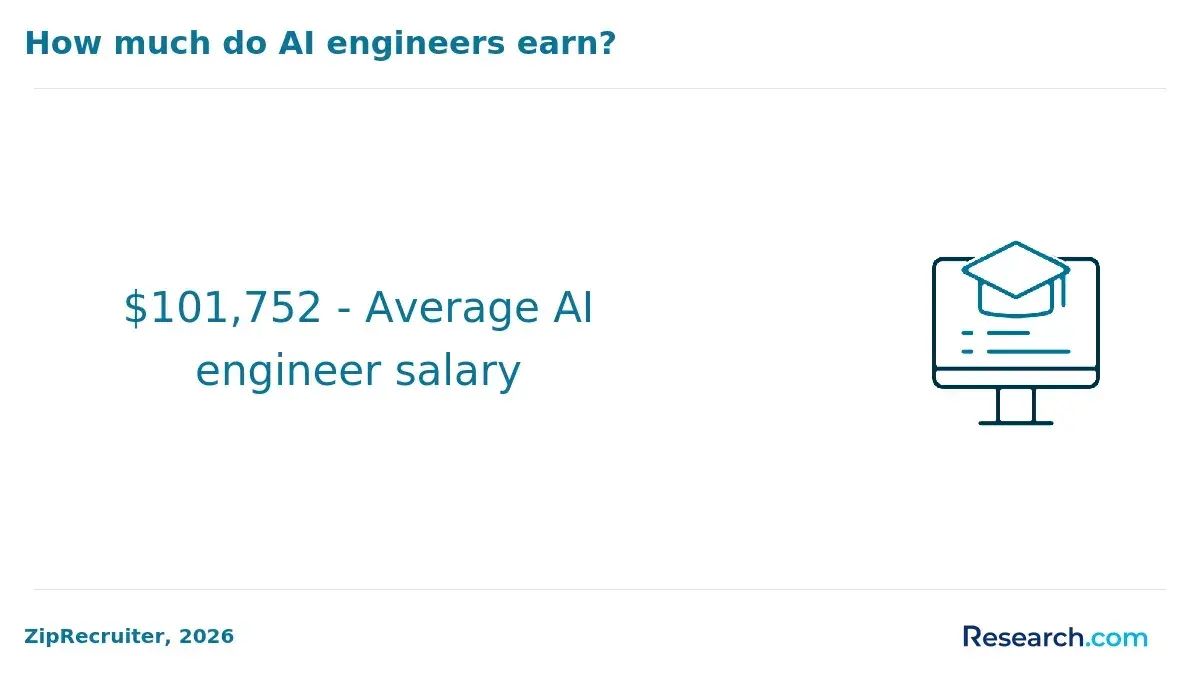
AI automation roles in the United States offer annual salaries typically ranging from $90,000 to over $160,000, depending on experience, specialization, and industry. Entry-level positions, including AI automation analysts or developers, usually start between $90,000 and $110,000 per year. Mid-career professionals skilled in agentic AI systems and process automation can expect between $120,000 and $140,000, while senior-level roles such as AI automation architects or managers often earn upwards of $160,000.
Location significantly impacts salary, with tech hubs like the San Francisco Bay Area, New York, and Seattle offering the highest pay. Industries like finance, healthcare, and manufacturing tend to provide premium compensation due to their adoption of agentic AI automation technologies.
Certifications and education focused on agentic AI considerably boost earning potential. Udemy's data shows a growth of over 500% in enrollments related to AI agents and agentic AI from 2023 to 2024, illustrating strong market demand. Graduates with formal training stand out in competitive job markets and enjoy better salary opportunities.
In addition to agentic AI expertise, skills in AI integration, robotic process automation (RPA), and AI lifecycle management increase marketability and negotiation leverage. Combining these skills helps job seekers secure higher starting salaries and advance more quickly within the AI automation field.
Which certifications help validate agentic AI automation skills?
Certifications validating agentic AI automation skills focus on designing, deploying, and managing autonomous systems that streamline complex business workflows. Essential certifications include the Certified Artificial Intelligence Practitioner (CAIP), which emphasizes practical AI agent applications in business automation and decision-making. The IBM AI Engineering Professional Certificate specializes in AI model deployment and integration with automated workflows. For those seeking a technical edge, the Microsoft Certified: Azure AI Engineer Associate certification tests expertise in developing AI solutions that incorporate agentic automation in cloud environments.
These credentials demonstrate proficiency in critical tools such as reinforcement learning, natural language processing, and robotic process automation (RPA). For example, CAIP holders often automate customer service or supply chain operations, illustrating direct business impact. The Palo Alto Networks Certified AI Security Specialist is increasingly recognized for validating skills in securing automated AI systems, essential for protecting sensitive data handled by agentic AI.
According to Gartner's 2024 Emerging Technologies and Trends report, enterprises deploying agentic AI extensively could boost operating efficiencies by over 20% by 2030. Holding recognized certifications greatly enhances career prospects by proving candidates' ability to architect and manage AI automation.
Prospective learners should seek certifications featuring hands-on projects and strong industry acceptance to effectively implement agentic AI across varied business contexts.
Other Things You Should Know About Artificial Intelligence
Ethical considerations in deploying artificial intelligence include ensuring transparency, fairness, and accountability in automated decision-making. Businesses must avoid biases in AI algorithms that can lead to discriminatory outcomes and protect user privacy when processing data. Compliance with regulations such as GDPR is also critical to maintain ethical standards.
Integration challenges include data quality issues, legacy system compatibility, and the need for skilled personnel to manage AI solutions. Organizations must address resistance to change from employees and ensure clear communication when adopting AI technologies. Additionally, ongoing maintenance and updating of AI models require dedicated resources.
Yes, small businesses can effectively use artificial intelligence to automate tasks such as customer service, inventory management, and marketing analytics. Affordable AI tools and cloud-based services have made these technologies accessible for smaller organizations. Success depends on selecting appropriate solutions aligned with business goals and available expertise.
References
- Top 7 artificial intelligence courses 2025: Comparison of the best online programs https://xd-i.com/en/data-en/ai-courses/
- AI Literacy Programs in Europe – Supporting Article 4 of the EU AI Act https://artificialintelligenceact.eu/ai-literacy-programs/
- Understanding Agentic AI - FREE Online AI Agent Crash Course https://agentacademy.ai/courses/understanding-agentic-ai/
- How to Become an Agentic AI Developer? https://www.projectpro.io/article/agentic-ai-developer/1180
- AI Training & Certification for Employees: How HR Should Evaluate Providers | Sprad Blog https://sprad.io/blog/ai-training-certification-for-employees-how-hr-should-evaluate-providers
- Artificial Intelligence Certificate Programs - MastersInAI.org https://www.mastersinai.org/degrees/ai-certificate-programs/
- Agentic AI https://www.deeplearning.ai/courses/agentic-ai
- International Board for AI Accreditation | Professional Accreditation Body https://www.aiaccreditationboard.org/
- Best AI Courses Online: Free and Paid Options Compared https://hakia.com/news/best-ai-courses-online/
- Agentic AI Foundations for Non-Technical Professionals: Enhancing Productivity and Business Process Automation | Temasek Polytechnic https://www.tp.edu.sg/schools-and-courses/adult-learners/all-courses/short-courses/agentic-ai-foundations-for-non-technical-professionals-enhancing-productivity-and-business-process-automation.html