2027 Best AI Adoption Courses for Executives

Co-Founder and Chief Data Scientist
Executives often struggle to integrate artificial intelligence into business strategies due to a lack of practical knowledge and rapidly evolving technologies. This gap can slow decision-making and reduce competitive advantage. Traditional management training rarely addresses the technical and ethical complexities of AI adoption, leaving leaders unprepared for digital transformation challenges.
As companies demand agile, informed leadership, understanding artificial intelligence fundamentals becomes essential. This article examines top courses designed specifically for executives, highlighting flexible, accredited programs that provide the skills needed to lead AI initiatives effectively and confidently, empowering career pivots into this dynamic industry.
Key Things You Should Know
- Executive AI adoption courses in 2026 emphasize strategic integration, with 72% of participants reporting improved decision-making within six months post-completion.
- Top programs blend technical fundamentals with leadership skills, addressing ethical AI use and regulatory compliance tailored for corporate environments.
- Demand for AI literacy in executives is rising sharply, with a 40% increase in course enrollment since 2024, reflecting urgent market and innovation needs.
Advance Your Career with AI Online Courses
Artificial Intelligence: Implications for Business Strategy
This program provides an introduction to Artificial Intelligence and their implications for business strategy. Earn an official digital certificate.

Oxford Artificial Intelligence Programme
Explore this Oxford Artificial Intelligence programme offered in a flexible learning environment and explore topics like machine learning, automation, and robotics.

Implementing Agentic AI: Building Your Organizational Playbook
This online MIT Agentic AI course offers a practical approach to deploying AI agents in your organization, including a custom playbook. 3 weeks, exclusive launch price.

AI Adoption: Driving Business Value and Impact
This online MIT AI Adoption: Driving Business Value and Impact offers practical frameworks to close the gap between AI potential and business reality.

Artificial Intelligence in Pharma and Biotech
Discover the applications and limitations of artificial intelligence in pharma and biotech with this MIT online short course.

What are the best AI adoption courses for executives and how do they differ?
The best AI adoption courses for executives in the US vary significantly in focus, delivery format, and depth to suit diverse leadership needs. Leading programs, including those from top business schools like MIT Sloan and Stanford Graduate School of Business, emphasize AI strategy, ethical considerations, and integration into existing business models.
These programs often blend case studies with actionable frameworks, enabling executives to evaluate AI's impact on their industries effectively. Popular courses cover AI-driven decision-making, risk management, and workforce transformation.
Top executive AI training programs and their differences lie mainly in format-ranging from in-person to online-duration, which can span weeks to months, and prerequisites such as technical background or leadership experience.
For example, comprehensive certificates may require 100+ learning hours and foundational AI knowledge, whereas executive seminars prioritize high-level strategy over a few days.
IBM's 2024 Global AI Adoption Index reports that 43% of enterprises already use AI and 42% are exploring it, with lack of AI skills as a leading barrier to adoption. This highlights the importance of selecting programs that close the AI knowledge gap among executives by offering practical frameworks and industry-specific insights.
Executives looking for a practical learning route should explore an affordable data science degree to strengthen both leadership and technical understanding for successful AI integration.
Advance Your Career with AI Online Courses
Artificial Intelligence: Implications for Business Strategy
This program provides an introduction to Artificial Intelligence and their implications for business strategy. Earn an official digital certificate.
Oxford Artificial Intelligence Programme
Explore this Oxford Artificial Intelligence programme offered in a flexible learning environment and explore topics like machine learning, automation, and robotics.
Implementing Agentic AI: Building Your Organizational Playbook
This online MIT Agentic AI course offers a practical approach to deploying AI agents in your organization, including a custom playbook. 3 weeks, exclusive launch price.
How can executives choose between AI strategy, leadership, and technical AI adoption programs?
Executives selecting AI adoption programs must consider their role, existing knowledge, and organizational goals. AI strategy programs are designed to align initiatives with business objectives, focusing on market analysis, AI use cases, and implementation roadmaps.
For instance, a CFO aiming to enhance ROI through AI investments would gain from strategic training. This approach fits well within the context of executive decision-making for AI adoption programs.
Leadership training suits executives who manage AI teams or lead cultural change. These programs address ethical issues, change management, and interdepartmental collaboration.
A chief human resources officer guiding workforce transformation through AI-enhanced processes would benefit from leadership-focused education. Comparing AI strategy and leadership training for executives highlights distinct purposes tailored to different roles.
Technical adoption programs provide executives with foundational knowledge of AI technologies, frameworks, and deployment challenges. Understanding these aspects is essential when supervising data science teams or assessing AI vendors. A CTO involved in evaluating AI platforms will find hands-on technical content particularly valuable.
Research such as Deloitte's "State of Generative AI in the Enterprise" survey reveals that 47% of companies cite insufficient employee training and education as the main barrier to AI value, exceeding technology or budget constraints.
Executives should ask: What immediate business issues will the course address? Does the content suit my AI maturity? Will it prepare me to lead or support AI initiatives?
For those exploring educational options, exploring online AI degrees can support career growth and effective program selection.
What should executives look for when evaluating AI adoption courses and providers?
Executives seeking effective criteria for evaluating AI adoption courses for executives should focus on programs that cultivate practical leadership skills in AI strategy and transformation. Key elements to assess include curriculum relevance, instructional expertise, and alignment with specific industry challenges.
Strong programs cover both the technical foundations and organizational change management to prepare leaders for overseeing AI integration across departments.
Top providers of executive AI adoption training programs demonstrate measurable business outcomes through case studies and emphasize hands-on application like scenario planning or pilot project management.
This practical focus helps close the leadership readiness gap, highlighted by the World Economic Forum's "Future of Jobs" report, which notes that although 75% of companies plan AI adoption by 2029, only 27% of leaders feel adequately prepared for these initiatives.
Executive learners must also evaluate provider credentials, including affiliations with reputable academic institutions and industry consortiums. Updated content that reflects current AI trends and ethical considerations is essential.
Flexible delivery formats-blended, online, or in-person-and options for peer networking further enhance learning by sharing diverse perspectives.
For professionals aiming to elevate their expertise, exploring a game development degree program can complement AI skills in related technology fields.
How do online AI adoption courses for executives compare with in-person and hybrid options?
Online AI adoption courses versus in-person executive training offer distinct advantages depending on leaders' needs and schedules. Online courses provide unmatched flexibility with asynchronous content and live Q&A sessions, allowing executives to study at their own pace without geographic limits.
However, they may lack the immediate networking opportunities and direct interactions that foster deeper collaboration and personalized feedback.
In-person training excels by delivering immersive experiences through real-time discussions and peer learning, enhancing practical understanding.
Hybrid AI adoption programs for business leaders combine these benefits by offering foundational online modules alongside scheduled onsite workshops, supporting flexible learning while maintaining valuable face-to-face engagement.
When selecting a course format, decision-makers should align choices with organizational culture and learning objectives. For example, executives aiming to apply AI strategies quickly might prefer hybrid models that reinforce learning through interaction. Those focused on foundational knowledge with minimal disruption often opt for fully online courses.
McKinsey's 2024 Global Survey on AI highlights that companies where senior leaders actively engage with AI are 3.4 times more likely to achieve at least 20% of EBIT from AI initiatives. This underscores that leadership commitment is crucial for maximizing any course's effectiveness, regardless of format.
Also consider curriculum quality, instructor expertise, and chances for practical application-factors that vary greatly by provider. For those exploring related fields, a fastest online cyber security degree may offer complementary skills.
What topics and skills are typically covered in executive AI adoption curricula?
Executive AI adoption programs combine technical, strategic, and ethical topics essential for leading AI-driven transformation. They cover foundational AI concepts like machine learning, natural language processing, and computer vision, enabling executives to understand AI's capabilities and limits.
Strategic training focuses on aligning AI projects with business goals, managing risks, and driving change. Executives explore AI use cases in marketing, operations, and finance to make informed investment decisions. For instance, AI analytics can enhance personalized marketing, while predictive models optimize supply chains.
Data literacy and governance are vital, emphasizing data quality, privacy, and ethical deployment to prevent biases and comply with regulations. This includes frameworks for responsible AI and interpreting AI-generated insights for stakeholders.
Leadership modules develop skills to foster an AI-ready culture, upskill employees, and promote cross-functional collaboration. According to PwC's 2024 Global CEO Survey, 52% of CEOs plan to boost AI workforce training, highlighting the importance of readiness.
Financial modeling and ROI estimation help justify AI investments, while risk assessment addresses cybersecurity and ethical challenges linked to automation.
These comprehensive curricula equip executives to confidently lead sustainable AI initiatives and navigate complex ethical and operational landscapes.
What are the admission requirements and ideal background for executive AI adoption programs?
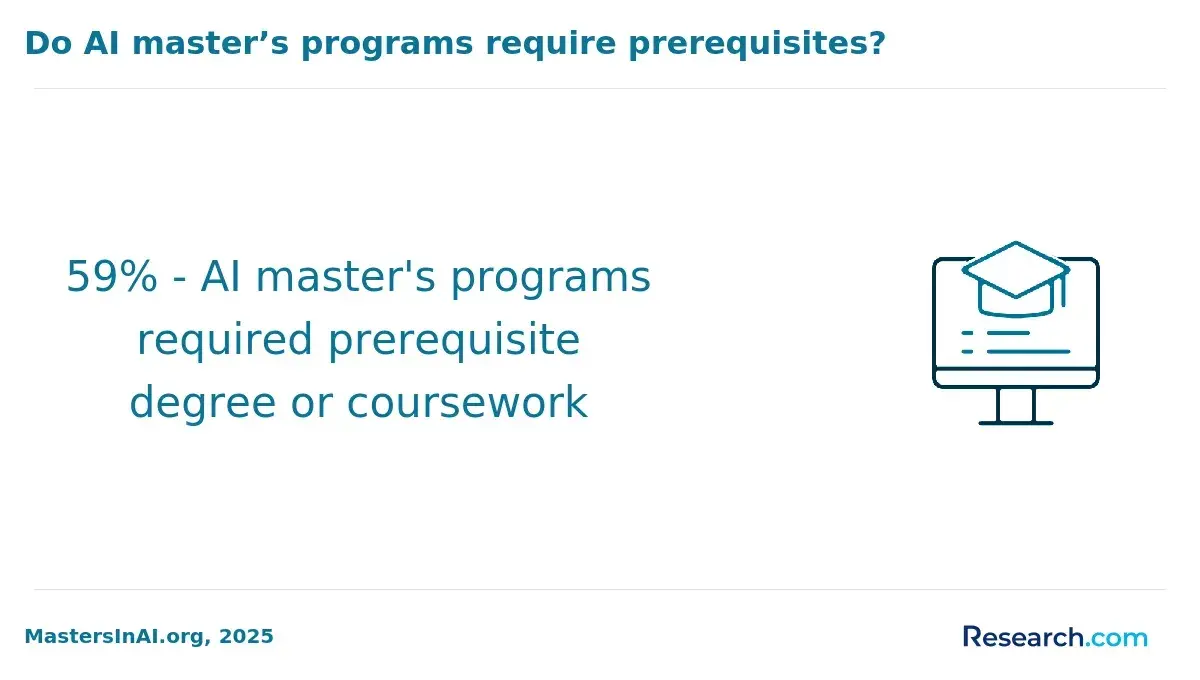
Executive AI adoption programs generally demand significant professional experience, with most requiring 5 to 10 years in leadership or management roles, especially within technology-driven environments.
A bachelor's degree is typically mandatory, while advanced degrees in business administration, engineering, computer science, or related fields enhance an applicant's competitiveness. Candidates with backgrounds in data strategy, digital transformation, or technology consulting often stand out.
Admissions committees emphasize strategic intent to lead AI-driven initiatives, valuing a proven record of innovation, cross-functional team management, and change implementation in complex settings.
Many programs use essays or interviews to evaluate leadership skills and alignment with AI adoption goals. While technical proficiency in AI concepts is beneficial, it is rarely a strict prerequisite as curricula are designed to address such gaps.
Programs also accommodate executives from non-technical sectors like finance, healthcare, or marketing by tailoring AI adoption frameworks to those industries.
According to Poets&Quants for Execs, global business schools have more than doubled their AI-related executive education offerings recently, with AI courses now making up over 15% of open-enrollment portfolios, compared to 5% in prior years.
Applicants should demonstrate leadership impact and a clear vision for AI integration, combining strong communication skills with the ability to merge technical insights and business strategy effectively.
How long do executive AI adoption courses take, and what do they cost?
Executive AI adoption courses range from brief intensive programs lasting one to two days to comprehensive formats extending several weeks or months. For example, some bootcamps feature focused workshops over two to five business days, helping leaders quickly develop strategic AI skills for better decision-making.
In contrast, more extensive certificate programs may span eight to twelve weeks with part-time schedules, allowing executives to maintain professional responsibilities while developing deeper technical knowledge and change management abilities.
Costs vary significantly based on program type and prestige. Multi-day workshops usually charge between $2,500 and $6,000, aimed at rapid skill acquisition and business case development.
Longer executive courses, often delivered by leading business schools or specialized AI education providers, range from $8,000 to $15,000 or more. Pricing depends on factors such as faculty expertise, coaching access, and inclusion of proprietary tools or professional networks.
Executives seeking a strong return on investment should prioritize programs with measurable impact. LinkedIn's Workplace Learning Report highlights a 45% increase in recruiter outreach for executives skilled in AI-related strategy, emphasizing career advantages.
When selecting courses, evaluate curricula for focus on strategic AI use, leadership in AI integration, and real-world implementation examples.
Accessibility is also shaped by delivery choices like online, hybrid, or in-person formats, which influence learning outcomes and flexibility. These factors are crucial for busy professionals balancing career demands and education.
What executive and leadership roles can AI adoption training help you pursue?
AI adoption training equips executives to lead digital transformation and innovation across various business functions. Chief innovation officers integrate AI-driven strategies into product development and operations, while chief data officers use AI to manage complex datasets and support decision-making.
General managers and division heads leverage AI for enhancing efficiency and customer engagement.
Executives in finance, marketing, and human resources benefit from AI adoption as well. Finance leaders apply AI tools for risk assessment and fraud detection.
Marketing professionals use AI for personalized campaigns and customer insights, while HR directors implement AI-driven recruitment and talent management systems. These roles require strategic and operational knowledge of AI technologies.
Leadership positions in change management and organizational development rely on AI adoption training to manage workforce transitions and upskill teams effectively. Compliance officers and risk managers use AI knowledge to address ethical, regulatory, and security challenges, ensuring data integrity and legal compliance.
According to Microsoft and LinkedIn's 2024 Work Trend Index, 79% of leaders in financial services cannot meet business goals without successful AI adoption, highlighting the critical role of AI fluency in executive leadership.
Prospective students aiming for leadership roles should prioritize AI adoption education to stay competitive in evolving industries.
What salary impact and return on investment can executives expect from AI adoption training?
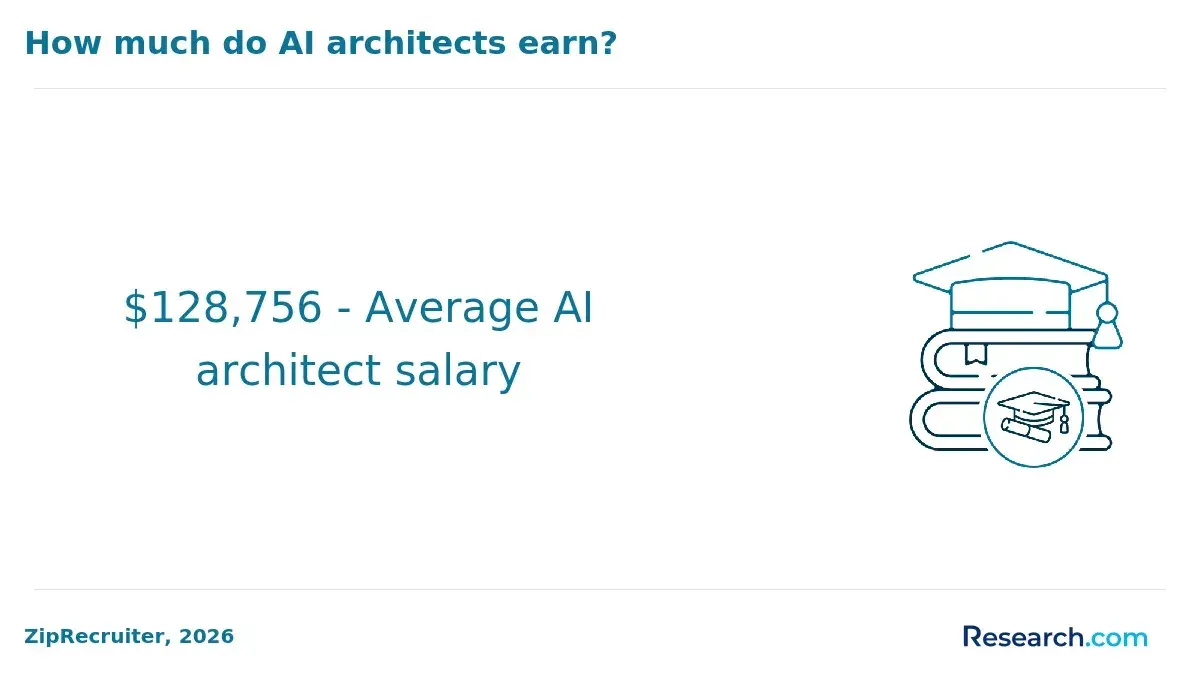
Executives who complete AI adoption training often see salary increases ranging from 15% to 25% compared to their peers without this expertise.
This salary premium reflects the rising demand for leaders who understand the strategic and operational implications of AI integration. Beyond compensation, training delivers strong returns on investment by enhancing organizational performance and reducing risk.
For example, executives with knowledge of AI governance help companies avoid costly compliance failures and ethical issues. IBM's 2024 Global AI Adoption Index reveals that 61% of enterprises have yet to implement formal AI governance or risk management frameworks despite rapid deployment. Closing this capability gap through training increases executive value and firm stability.
Practical benefits of AI adoption training include:
- Leading data-driven transformation projects boosting revenue by 10% to 20% within 12-18 months.
- Identifying automation opportunities that improve operational efficiency by 5% to 15%.
- Accelerating time-to-market for AI-powered products or services by 30% through stronger strategic oversight.
Companies typically recoup training costs within six months due to improved decision-making and competitive advantage. Programs combining technical fundamentals with governance frameworks best enable measurable salary growth and tangible organizational ROI, addressing the critical need for qualified AI leadership in today's business landscape.
Are there recognized credentials or certificates that validate executive AI adoption expertise?
Recognized credentials and certificates validating executive AI adoption expertise are increasingly sought after as they demonstrate an ability to lead AI-driven transformation and align AI strategies with business objectives. Prestigious programs such as MIT Sloan's Artificial Intelligence: Implications for Business Strategy and Stanford's AI in Business offer specialized training and formal acknowledgment.
Other notable credentials include the Certified Artificial Intelligence Executive (CAIE), which covers governance, ethical AI use, and strategic deployment. Certifications from collaborations with major tech companies like IBM or Microsoft combine leadership skills with technical literacy, making them valuable to executives.
Executives should prioritize credentials addressing AI ethics, policy, data governance, and change management. Programs incorporating practical leadership simulations, case studies, and real-world AI adoption scenarios tend to offer the most impactful learning outcomes.
Gartner projects that by 2027, 80% of large enterprises will have formal AI literacy programs-an increase from 20% in 2023-highlighting the growing importance of formal education.
Selecting credentials aligned with specific industries and corporate goals ensures relevance, while verifying accreditation, instructor expertise, and availability of lifelong learning or recertification options is crucial to stay current amid fast AI advancements.
Other Things You Should Know About Artificial Intelligence
In 2027, some recommended AI adoption courses for executives include "AI Strategy and Leadership" at MIT Sloan, "AI for Business Leaders" at Stanford, and "Executive AI Mastery" by BusinessNow Academy. These programs focus on strategic implementation, ethical considerations, and driving innovation through AI.
AI enhances executive decision-making by providing data-driven insights, predictive analytics, and automation of routine tasks. This allows leaders to focus on strategic planning and innovation. However, executives should critically evaluate AI recommendations and maintain human oversight to avoid over-reliance on automated outputs.
Besides technical understanding, executives need strong change management, strategic thinking, and communication skills to successfully lead AI initiatives. They must be able to align AI adoption with business goals, foster a culture receptive to technological change, and effectively manage cross-functional teams.
Successful AI integration requires executives to establish clear objectives, invest in employee training, and ensure data quality. Promoting collaboration between IT and business units and adopting agile project management methods also support smoother implementation. Continuous evaluation and adaptation are essential to keep pace with AI advancements.
References
- A Practical Executive Guide to Turning AI Strategy Into Adoption - Intelligence Briefing https://intelligence-briefing.com/ai-leadership-strategy-governance-adoption-guide/
- Keeping credentials credible in the age of AI - Horasis https://horasis.org/keeping-credentials-credible-in-the-age-of-ai/
- Choosing the Right AI Course for Business Leaders https://www.tsa-bildung.de/en/blog/choosing-the-right-ai-course-for-business-leaders
- AI Certification Programs: Which Ones Matter for Your Career https://www.businessplusai.com/blog/ai-certification-programs-which-ones-matter-for-your-career
- Four AI Upskilling Strategies for Business Leaders https://www.jff.org/blog/four-ai-upskilling-strategies-business-leaders/
- How to Validate Your AI Knowledge Without Being an Expert https://certiprof.com/blogs/news/how-to-validate-your-ai-knowledge-without-being-an-expert-and-stand-out-professionally
- Chief AI Officer Certification | Silicon Valley Certification Hub https://svch.io/
- The AI upskilling guide for executives https://www.bvp.com/atlas/the-ai-upskilling-guide-for-executives
- AI Manager | Course for Digital Leadership https://executiveacademy.at/en/management-training/ai-manager
- Ultimate Guide: How to Choose the Right AI Training Course to Boost Your Career - ONLC https://www.onlc.com/blog/how-to-choose-ai-training-courses/