2027 Best Agentic AI Courses for AI-Powered Reporting

Co-Founder and Chief Data Scientist
Many professionals face challenges transitioning into AI-powered reporting without a relevant technical background. They struggle to find courses that combine agentic AI concepts with practical reporting skills tailored for non-technical learners.
This gap limits their ability to stay competitive in evolving industries that rely on automated data analysis and storytelling. Navigating course options can be overwhelming, especially when seeking accredited programs that fit busy schedules.
This article examines the best agentic AI courses designed for learners pivoting into AI-powered reporting. It aims to guide readers through accredited, flexible educational paths that build essential skills efficiently and effectively.
Key Things You Should Know
- Agentic AI courses in 2026 emphasize autonomous decision-making skills, with 68% of programs integrating real-world reporting projects to enhance practical understanding.
- These courses increasingly focus on ethical AI use and bias mitigation, reflecting a 42% rise in curriculum components addressing responsible AI-powered journalism since 2024.
- Enrollment growth in agentic AI reporting programs exceeds 35% annually, driven by industry demand for professionals skilled in AI-enhanced data analysis and storytelling.
Advance Your Career with AI Online Courses
Artificial Intelligence: Implications for Business Strategy
This program provides an introduction to Artificial Intelligence and their implications for business strategy. Earn an official digital certificate.

Oxford Artificial Intelligence Programme
Explore this Oxford Artificial Intelligence programme offered in a flexible learning environment and explore topics like machine learning, automation, and robotics.

Implementing Agentic AI: Building Your Organizational Playbook
This online MIT Agentic AI course offers a practical approach to deploying AI agents in your organization, including a custom playbook. 3 weeks, exclusive launch price.

AI Adoption: Driving Business Value and Impact
This online MIT AI Adoption: Driving Business Value and Impact offers practical frameworks to close the gap between AI potential and business reality.

Artificial Intelligence in Pharma and Biotech
Discover the applications and limitations of artificial intelligence in pharma and biotech with this MIT online short course.

What is agentic AI and why does it matter for modern news and investigative reporting?
Agentic AI systems operate autonomously to complete complex tasks with minimal human input. Unlike traditional AI models that serve as passive tools, agentic AI can make decisions, adapt to new information, and initiate actions independently.
This shift is significant in newsrooms where agentic AI applications in news reporting transform journalists from mere data gatherers into strategic overseers of AI-driven workflows.
By 2026, generative and agentic AI could automate tasks that account for up to 70% of working hours for journalists and other knowledge workers. This includes routine duties such as monitoring data feeds, fact-checking, transcribing interviews, and drafting story outlines. Using agentic AI allows journalists to focus on investigative angles, ethical judgments, and narrative crafting more effectively.
Agentic AI also enhances investigative journalism by autonomously identifying emerging trends or anomalies in large datasets. Its ability to scrape public records and cross-reference data helps uncover hidden connections and flag suspicious activities requiring deeper human analysis—key advantages for the impact of agentic AI on investigative journalism.
Students and professionals aiming to excel in AI education should develop skills in programming autonomous agents, understanding machine learning algorithms, and integrating these systems in newsroom environments.
Those interested can research top programs by exploring the top US colleges for data science.
Advance Your Career with AI Online Courses
Artificial Intelligence: Implications for Business Strategy
This program provides an introduction to Artificial Intelligence and their implications for business strategy. Earn an official digital certificate.
Oxford Artificial Intelligence Programme
Explore this Oxford Artificial Intelligence programme offered in a flexible learning environment and explore topics like machine learning, automation, and robotics.
Implementing Agentic AI: Building Your Organizational Playbook
This online MIT Agentic AI course offers a practical approach to deploying AI agents in your organization, including a custom playbook. 3 weeks, exclusive launch price.
What makes an AI course specifically valuable for AI-powered reporting and journalism careers?
Value in an AI reporting and journalism course benefits students by focusing on practical skills that align with newsroom workflows.
These courses provide hands-on experience with generative AI models, natural language processing, and automated data analysis, enabling students to produce accurate, ethical, and timely news content. Mastery of AI-driven fact-checking and content verification tools is critical for combating misinformation in journalism.
Essential skills for AI-powered journalism careers include using AI to draft news summaries, transcribe interviews, and generate multimedia content, all while addressing journalism-specific ethical concerns like transparency and bias mitigation.
Current industry trends show that 60% of news organizations worldwide employ agentic AI tools, and over half plan to increase investment in these technologies (Reuters Institute / Oxford "AI in Newsrooms" report).
Curriculum elements often emphasize:
- Training on natural language generation and automated content creation platforms
- Instruction in AI ethics, focusing on editorial accountability
- Techniques for interpreting AI outputs with journalistic scrutiny
- Use of AI for multimedia integration and data-driven storytelling
This approach ensures graduates can incorporate AI technologies effectively into editorial processes while upholding journalistic standards. Prospective students interested in these pathways can explore online AI degrees that emphasize relevant skills for AI-powered reporting careers.
How can you identify the best agentic AI courses for aspiring or working journalists?
Identify the best agentic AI courses for journalists by focusing on curriculum relevance, practical application, and industry alignment.
Prioritize programs emphasizing multi-agent systems and large language model orchestration, as these skills are growing rapidly in AI-related journalism roles. Job postings requiring AI and machine learning expertise have surged over 300% since 2015, highlighting this demand.
Top agentic AI training programs for media professionals often include hands-on projects simulating real-world scenarios, such as AI-aided investigative journalism and automated content generation. Courses that integrate ethics and data privacy are crucial, given journalists' responsibility for trustworthy reporting.
When choosing a course, assess instructor expertise and collaborations with AI companies to ensure access to practical insights and networking. Look for coverage of essential tools like natural language processing, knowledge graphs, and agent coordination frameworks.
Flexibility for working professionals, including part-time and online formats, supports continuous skill development without career disruption.
Certification backed by recognized institutions or AI industry bodies enhances career prospects. Review alumni outcomes and independent testimonials for unbiased evaluation of course effectiveness in equipping journalists with advanced agentic AI capabilities.
Those seeking further advancement might also explore the best online MS in data science programs to deepen their technical foundation.
What types of degrees, certificates, and short courses teach agentic AI for reporting?
Degrees, certificates, and short courses that focus on agentic AI reporting degree programs often fall into three main categories: specialized AI degrees, data journalism tracks, and professional development tailored to AI-driven workflows.
Bachelor's and master's degrees in computer science or data science frequently include advanced electives on multi-agent systems, natural language processing (NLP), and AI ethics, essential for understanding how agentic AI aids in reporting tasks.
Certificates and short courses for agentic AI reporting emphasize practical skills in designing and managing autonomous AI agents. These programs, often offered by universities and professional organizations, include modules on AI-driven document review tools and research synthesis platforms that enhance productivity in investigative reporting.
Short courses and workshops deliver focused instruction on multi-agent AI workflows, which, according to the BCG & MIT Sloan Management Review study on genAI at work, improve productivity by 30-50% in tasks like document review, research synthesis, and data extraction. Practical workshops often cover advanced prompt engineering and AI orchestration tools, enabling rapid adoption of these technologies.
Prospective students should prioritize programs that balance technical AI training with reporting domain expertise, including ethical information gathering, bias mitigation, and source validation. Combining foundational AI knowledge with specialized courses on multi-agent cooperation ensures readiness for evolving AI-powered reporting demands.
For those seeking advanced degree options, comprehensive data analytics masters programs provide a strong foundation relevant to agentic AI and data-driven journalism.
How do online, hybrid, and campus-based agentic AI programs compare for busy reporters?
Agentic AI education for reporters comes in online, hybrid, and campus-based formats, each with unique benefits suited to different working styles. Online programs offer maximum flexibility, ideal for busy journalists who must juggle demanding deadlines.
Such courses allow asynchronous learning, enabling continuous skill development without pausing work. However, these programs may lack immediate feedback and in-person collaboration, which some learners consider essential for mastering AI tools.
Hybrid programs blend online study with occasional face-to-face sessions, balancing flexibility with hands-on learning. This approach supports skill acquisition through workshops and networking, enhancing practical experience with agentic AI applications.
WAN-IFRA research shows automation integrated through these programs can reduce production costs by 20-30% and speed publishing by 10-15%, making them appealing for those needing rapid deployment of AI capabilities.
Campus-based programs create immersive environments where students engage directly with peers and instructors. They deliver in-depth technical training through labs and workshops, ideal for early-career journalists seeking structured schedules and interactive learning. Yet, fixed timetables may challenge full-time professionals balancing work and study.
Choosing a program depends on individual learning preferences and urgency. Hybrid models suit most busy reporters by providing flexibility and interaction. Meanwhile, online courses favor ongoing, self-paced learning, and campus programs meet needs for intensive AI immersion and networking advantages.
What core skills and coursework do top agentic AI reporting programs usually include?
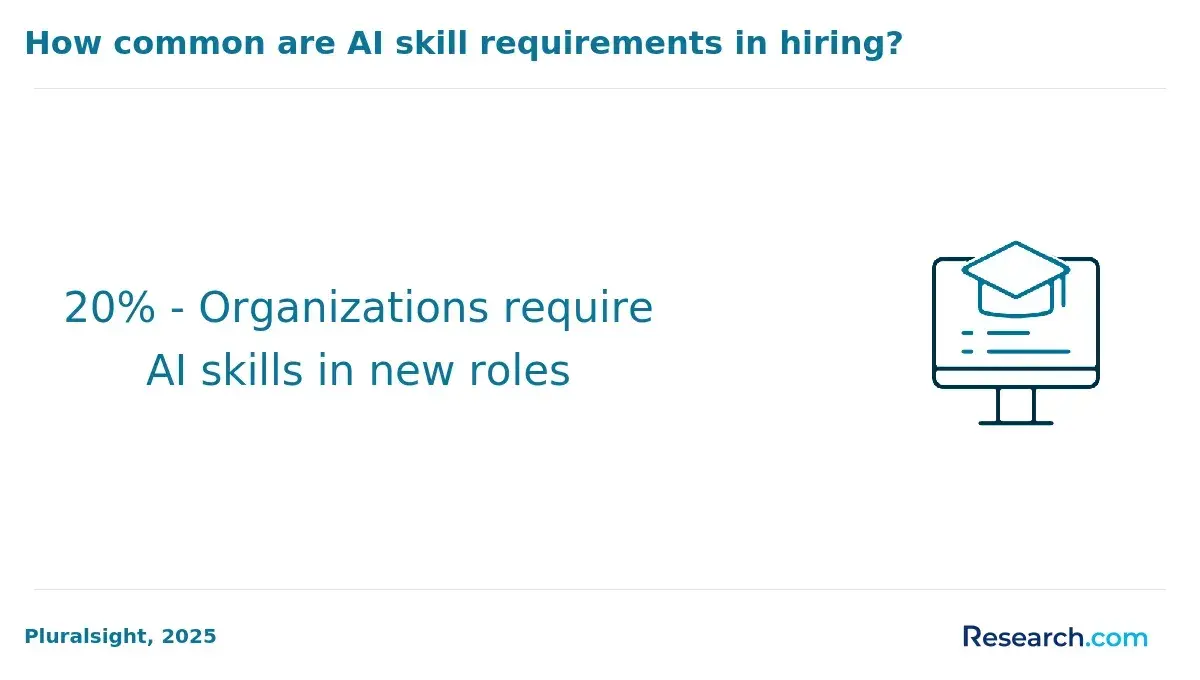
Top agentic AI reporting programs combine technical skills with ethical awareness to prepare students for careers in AI-powered journalism. Core coursework often covers machine learning fundamentals, natural language processing, and data analytics to help reporters interpret AI-generated content effectively.
Practical training with AI tools automating news gathering, fact-checking, and content creation is essential for skill development. Programs also focus on recognizing biases and limitations in AI algorithms, aligning with findings from the 2024 Reuters Institute survey, where 56% of global news leaders identified accuracy, bias, and hallucinations as top risks in AI use.
Ethics and governance play a critical role, with coursework addressing how to identify and reduce misinformation propagated by AI and update editorial policies accordingly. More than 40% of organizations are revising governance policies, making policy competency vital for emerging journalists.
Additional key subjects include:
- Statistical reasoning to assess AI output reliability
- Programming languages like Python or R for customizing AI tools
- Multimodal reporting combining text, audio, and visual AI outputs
- Legal aspects concerning data privacy and intellectual property
These combined skills enable graduates to verify AI-assisted stories, maintain transparency about AI involvement, and innovate to uphold journalistic integrity in a rapidly evolving digital space.
What admission requirements and prior experience do agentic AI journalism programs expect?
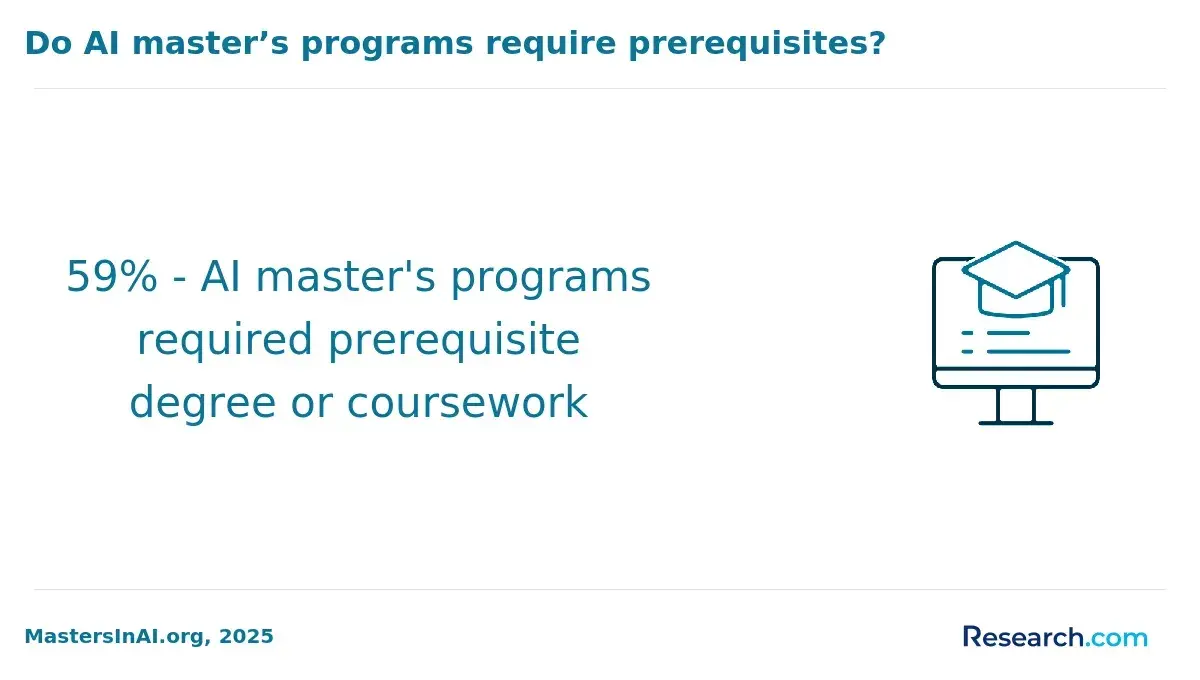
Agentic AI journalism programs typically require applicants to have both journalism and technical skills, often demonstrated through a bachelor's degree in journalism, communications, computer science, data science, or related fields.
Prior experience in media production, reporting, or content creation combined with knowledge of AI concepts such as machine learning and natural language processing is commonly expected. Candidates with programming skills in Python or JavaScript are especially valued where the focus is on agentic system design and large language model (LLM) integration.
Technical prerequisites may include familiarity with AI frameworks, coding related to media workflow automation, or data analytics. Admissions committees often request portfolios featuring AI-driven projects, multimedia journalism, or ethical applications of AI in newsrooms. Examples include reports leveraging AI-generated insights or editorial work demonstrating ethical AI use.
Professional certifications in AI or data analytics can enhance applications but are not always mandatory. Many programs also conduct technical interviews or require problem-solving exercises centered on AI-assisted editorial tool design.
Collaborative programs with tech institutions might expect candidates to complete preparatory modules on AI programming fundamentals and agentic system logic.
The PwC Global AI Jobs and Skills report 2024 highlights that jobs demanding advanced AI skills, including agentic-system design and LLM expertise, offer median salary premiums of 18-25% over non-AI roles in media, marketing, and communications. This reflects the growing value of combining journalism experience with measurable AI competencies.
How long do agentic AI programs for reporters take, and what do they typically cost?
Agentic AI programs for reporters typically last between 8 and 24 weeks, depending on whether they are part-time or full-time.
Shorter courses, around 8 to 12 weeks, cover foundational topics such as natural language processing, prompt engineering, and tool integration. Longer courses, which may extend up to six months, explore complex AI models, ethics, and practical journalism applications in depth.
Costs vary significantly, with entry-level online courses priced between $300 and $600, making them accessible for professionals exploring AI skills. More advanced certificate tracks and bootcamps range from $1,500 to $5,000, offering mentorship and project-based learning.
University-affiliated or specialized AI reporting certifications can exceed $7,000, typically including career services and capstone projects.
Enrollment in AI and data-related courses on major MOOC platforms grew over 40% year-on-year from 2023 to 2024, with AI-agent and LLM engineering tracks among the fastest expanding specializations, according to the Coursera Global Skills Report 2024. This surge brings more learning options and competitive pricing for prospective students.
What career paths, job titles, and newsroom roles use agentic AI skills today?
Agentic AI skills are vital for many roles in newsrooms and related careers focused on AI-powered reporting. Journalists and reporters use these abilities to design, deploy, and manage autonomous agents that gather, verify, and analyze data-enhancing investigative workflows and improving accuracy.
Data journalists automate synthesizing large datasets and producing insightful narratives, which boosts both timeliness and reliability. Newsroom engineers and AI specialists maintain pipelines that combine multiple intelligent agents for automated content generation and fact-checking.
Content strategists utilize agentic AI to optimize topic selection and target audiences by analyzing real-time engagement data.
Editors oversee AI-driven story curation, maintaining ethical standards and maximizing newsroom efficiency. Meanwhile, machine learning engineers and AI product managers in media companies develop agentic systems tailored to journalistic needs, blending technical expertise with domain knowledge.
Researchers and analysts use agentic AI tools for trend forecasting and audience analysis. According to a GitHub and Microsoft survey on developer skills and hiring trends, candidates with practical AI projects, especially featuring deployed agents or automated workflows, have a 1.5 to 2 times higher chance of job offers in AI-driven roles than those listing only coursework.
What salaries and job outlook can journalists with strong agentic AI skills expect?
Journalists with strong agentic AI skills are positioned for competitive salaries and strong job prospects due to AI's growing role in media. The U.S. Bureau of Labor Statistics reports a median annual wage of about $48,370 for reporters and correspondents.
However, those skilled in agentic AI tools, used for data-driven reporting, automated content creation, and enhanced investigative work, can earn between $60,000 and over $90,000, particularly in major cities and niche media sectors.
The future demand for AI-savvy journalists looks promising. A McKinsey Global Institute report highlights that by 2030, AI systems will contribute up to $7.9 trillion in productivity gains in knowledge sectors like media. Journalists using AI to optimize storytelling, automate tasks, and personalize content are increasingly sought after.
Key skills boosting employability include AI-driven data analysis, natural language processing, and robotic process automation. These allow journalists to blend traditional reporting with AI-enhanced workflows, such as real-time insights generation and AI-based source verification.
Challenges persist, including keeping pace with rapidly advancing AI technology and navigating ethical concerns around AI-generated content. Continuous learning and certification in emerging AI tools improve job stability and earning potential.
Prospective professionals should focus on formal education combining journalism and AI, gain internships, and earn certifications to maximize career growth and salaries.
Other Things You Should Know About Artificial Intelligence
In 2027, "AI Journalism Mastery: From Zero to Hero" by FutureSkills is notably recognized as a top course for those looking to enhance their skills in AI-powered reporting. It covers agentic AI tools, ethical considerations, and practical applications for the modern journalist.
While artificial intelligence can automate repetitive tasks such as data sorting and basic content generation, it cannot fully replace human journalists. Human judgment, ethical decision-making, and contextual understanding remain essential in news reporting. AI serves as a complementary tool to enhance efficiency, not a substitute for professional journalists.
Ethical concerns include biased algorithms, misinformation, and transparency issues. AI systems can unintentionally perpetuate existing biases present in training data, which impacts the fairness of reporting. Journalists need to critically evaluate AI outputs and disclose AI's role in content creation to maintain trustworthiness.
Artificial intelligence accelerates investigative journalism by quickly processing large volumes of data to identify patterns and anomalies that humans might miss. AI tools enable reporters to uncover hidden connections in complex datasets, improving the depth and accuracy of investigative stories. This transformation allows more thorough and timely investigations.
References
- AI for Journalists & Media Professionals https://findskill.ai/courses/journalists-and-media/
- Cost Guide: Agentic AI Deployment – Pricing and Planning https://www.gravitee.io/blog/cost-guide-agentic-ai-deployment-pricing-and-planning
- The New Agentic AI Job Roles IT Leaders Need https://nexthink.com/blog/the-new-agentic-ai-job-roles-it-leaders-need
- AI agents in the media environment https://www.retresco.de/en/blog/ai-agents-in-the-media-environment/
- Agentic AI Courses: Top Certifications & Learning Resources 2026 https://planetarylabour.com/articles/agentic-ai-courses
- A guide to agentic AI for academic institutions https://www.elsevier.com/academic-and-government/ai-in-research-and-higher-education/how-to-harness-agentic-ai-in-academia
- How Long to Learn Agentic AI? Timeline, Skills & Roadmap https://www.knowledgehut.com/blog/artificial-intelligence/how-long-does-it-take-to-learn-agentic-ai