2027 Best AI Agent Courses for Brand Teams

Co-Founder and Chief Data Scientist
Brand teams often struggle to integrate artificial intelligence effectively, facing challenges in identifying suitable training that balances technical depth with practical brand applications. Many courses are either too technical or overly general, leaving professionals without the specific skills needed to leverage AI in marketing strategies and customer engagement. This gap slows digital transformation efforts and limits competitive advantage.
The following article explores top courses designed to equip brand teams with relevant AI agent expertise, highlighting flexible, accredited paths that accommodate professionals from unrelated fields. It aims to guide readers in selecting programs that accelerate career pivots into the AI industry.
Key Things You Should Know
- Top AI agent courses in 2026 emphasize practical skills for brand teams, with 65% of programs offering real-world projects to enhance learning outcomes.
- Curricula increasingly integrate marketing analytics and human-AI collaboration to prepare professionals for evolving brand management challenges.
- Employers report a 40% increase in demand for AI-literate brand managers, influencing course content toward advanced natural language processing and automation tools.
Advance Your Career with AI Online Courses
Artificial Intelligence: Implications for Business Strategy
This program provides an introduction to Artificial Intelligence and their implications for business strategy. Earn an official digital certificate.

Oxford Artificial Intelligence Programme
Explore this Oxford Artificial Intelligence programme offered in a flexible learning environment and explore topics like machine learning, automation, and robotics.

Implementing Agentic AI: Building Your Organizational Playbook
This online MIT Agentic AI course offers a practical approach to deploying AI agents in your organization, including a custom playbook. 3 weeks, exclusive launch price.

AI Adoption: Driving Business Value and Impact
This online MIT AI Adoption: Driving Business Value and Impact offers practical frameworks to close the gap between AI potential and business reality.

Artificial Intelligence in Pharma and Biotech
Discover the applications and limitations of artificial intelligence in pharma and biotech with this MIT online short course.

What are AI agent courses for brand teams and how do they differ from general AI programs?
AI agent training programs tailored for brand teams emphasize practical skills that help marketing, sales, and customer experience professionals deploy autonomous AI tools. These tools improve customer interactions and streamline brand operations by automating tasks like inquiry handling, product recommendations, and loyalty program management. Unlike general AI programs, which focus on foundational theories such as machine learning and neural networks, AI agent courses prioritize designing conversational agents, integrating AI-driven analytics with branding strategies, and managing AI workflows that directly impact customer engagement.
The differences between ai agent courses and general ai programs center on application specificity. Brand teams receive hands-on training with platforms for creating chatbots and virtual assistants that align with brand messaging and customer personas. Additionally, curricula often address compliance, ethical considerations, and measuring AI's influence on brand reputation and sales performance.
By 2028, 68% of customer interactions are expected to be managed by autonomous tools, highlighting the need for brand professionals to specialize in AI agent technologies. This makes targeted AI agent training indispensable for those aiming to stay competitive in customer-facing roles. For those exploring pathways in this field, an artificial intelligence major offers foundational knowledge essential for advanced AI applications in branding.
Advance Your Career with AI Online Courses
Artificial Intelligence: Implications for Business Strategy
This program provides an introduction to Artificial Intelligence and their implications for business strategy. Earn an official digital certificate.
Oxford Artificial Intelligence Programme
Explore this Oxford Artificial Intelligence programme offered in a flexible learning environment and explore topics like machine learning, automation, and robotics.
Implementing Agentic AI: Building Your Organizational Playbook
This online MIT Agentic AI course offers a practical approach to deploying AI agents in your organization, including a custom playbook. 3 weeks, exclusive launch price.
What types of AI agent training paths exist for marketing and brand professionals?
AI agent training paths for marketing and brand professionals fall into three key categories: technical proficiency, strategic application, and creative integration. Technical proficiency courses focus on hands-on skills like coding AI algorithms, using machine learning frameworks, and managing data pipelines for automated marketing. These are ideal for those aiming to design or customize AI tools such as predictive customer segmentation or dynamic pricing engines.
Strategic application training emphasizes understanding AI's role in marketing decisions. These programs teach how to interpret AI-generated data insights to optimize campaigns, allocate budgets efficiently, and forecast sales trends. Marketing managers and analysts, particularly those pursuing ai-driven brand management training courses, benefit from learning how to implement tools like chatbots and automate content personalization at scale.
Creative integration courses highlight collaboration between AI and content creation, using AI to generate copy, visuals, and campaign ideas while preserving brand tone. Marketers develop skills to leverage AI agents for rapid ideation and A/B testing, enhancing rather than replacing human creativity.
Organizations investing in these ai agent marketing certification programs often see tangible returns. For example, McKinsey reports companies using AI agents achieve 3-15% revenue uplift, 10-20% higher sales ROI, and up to 37% reduction in marketing costs. Many training programs combine these paths in modular formats, allowing learners to tailor education to roles ranging from data scientists to brand strategists. Prospective students looking to advance their knowledge may consider pursuing the best online masters in artificial intelligence to strengthen their career prospects in this evolving field.
How can brand teams choose the best AI agent course to meet their goals?
Brand teams looking for the best ai agent courses for brand teams should start by defining strategic goals like improving campaign targeting, automating content creation, or enhancing customer analytics. Since marketing adoption of ai agents lags behind IT and customer service, selecting courses with practical, marketing-focused applications is essential. PwC-backed analysis cited by Master of Code highlights that over 50% of organizations use intelligent agents in at least one function, yet marketing teams often face a skills gap.
When choosing how to select ai agent training for brand teams, evaluate courses on curriculum relevance. Look for modules on natural language processing, data-driven decision-making, and ai-powered marketing platforms. Hands-on projects and case studies tailored to brand management ensure applicable skills. Training on ai ethics and compliance is also vital in the digital marketing landscape.
Budget and time commitment vary: some courses offer intensive bootcamps; others provide longer, in-depth study. Verify instructors' credentials and the inclusion of updated ai tools. Courses with peer collaboration or mentorship can accelerate learning. Prefer programs with measurable outcomes like certificates recognized by marketing analytics firms or demonstrated ROI improvement.
Prospective students may also consider related fields to bolster career options, such as cybersecurity degrees. For more information on educational paths, visit cybersecurity degrees.
What curriculum topics do top AI agent courses for brand teams typically cover?
Top AI agent courses for brand teams focus on core skills that integrate AI agent integration strategies for brand management. Key topics include the fundamentals of AI agents, automation benefits in marketing, and customer insight enhancement. Training modules on artificial intelligence for marketing teams often emphasize natural language processing (NLP), enabling the creation of conversational agents that improve personalization and customer service.
Essential modules cover data management and integration, teaching how to handle large datasets and connect AI agents with existing marketing platforms. Understanding AI-driven analytics is crucial, as students learn to interpret insights that guide strategic branding decisions. Hands-on experience with tools like GPT-based models or custom brand bots helps bridge theory and practical application.
Ethical considerations addressing data privacy and responsible AI deployment are integral, as is learning how to scale AI agent solutions for diverse campaigns and channels. With the rapid market growth projected from USD 5.43 billion in 2024 to USD 7.92 billion in 2025 and a 45.82% CAGR forecast through 2034, these courses prepare learners to remain competitive.
For professionals seeking to broaden their expertise, combining AI agent skills with knowledge from related fields is beneficial. For example, exploring cybersecurity courses online can strengthen understanding of data protection within AI-driven marketing environments.
How do online AI agent courses compare with campus and hybrid options for brand teams?
Online ai agent courses provide notable advantages in flexibility and speed compared to campus and hybrid programs, especially for brand teams managing demanding schedules. Unlike traditional semester-based campus courses, online learning allows professionals to study at their own pace while balancing work commitments. Hybrid options offer some flexibility but generally require attendance, which can be restrictive for remote or multitasking teams.
These courses feature up-to-date curricula geared toward evolving applications in marketing, sales, and customer service. Key focuses include deploying intelligent agents for customer support (used by 57% of businesses), AI-driven sales techniques (54%), and cybersecurity workflows (53%), based on PwC data compiled by Master of Code. Online platforms often deliver interactive simulations and real-time feedback, enabling learners to directly apply AI skills to practical workflows.
Which U.S. universities and providers offer reputable, accredited AI agent programs for branding work?
Leading U.S. universities such as Stanford, MIT Sloan School of Management, and Carnegie Mellon offer accredited AI agent programs designed for branding professionals. These programs blend artificial intelligence with marketing strategies, helping brand teams leverage AI for consumer insights, personalized advertising, and enhanced brand engagement. Stanford's AI for Marketing and Product Management course exemplifies this approach by focusing on applying AI agents to solve real-world branding challenges.
Professional learning platforms like Coursera collaborate with top institutions like the University of Pennsylvania and Northwestern University to deliver practical programs in agentic AI for marketing. These courses emphasize skills essential for brand professionals, including customer segmentation and content automation, rather than purely technical instruction.
Business schools increasingly integrate AI agent coursework into broader marketing and digital transformation certificates, addressing common skills gaps faced by branding teams. Over 70% of learners enrolled in Coursera's "Agentic AI Content for Practitioners: Marketing" course identify as non-technical marketing professionals, underscoring a shift toward applied marketing uses of AI agents alongside the technical fundamentals. Reputable providers at the intersection of marketing and AI best enable professionals to achieve measurable ROI from AI agents integrated into branding efforts.
What are the typical admission requirements and prerequisites for AI agent courses for brand teams?
Admission for AI agent courses targeting brand teams typically requires a bachelor's degree in marketing, business, computer science, or a related field. Applicants should have foundational knowledge in data analytics, programming languages like Python, and basic machine learning concepts. Advanced programs may also expect experience in campaign management or digital marketing to apply AI tools effectively in branding.
Prerequisites often include introductory courses in data science or AI fundamentals, ensuring students understand agentic systems-AI agents performing autonomous tasks within brand strategies. Familiarity with APIs and automated workflows is usually essential. Candidates without a technical background are advised to complete boot camps or preparatory workshops to close gaps.
With enterprise software rapidly evolving, experts recommend prioritizing courses focused on practical deployment of agentic AI, as forecasts by Master of Code indicate that by 2028, about 33% of enterprise software will embed agentic capabilities, a steep rise from under 1% in 2024. This trend highlights the necessity for brand teams to develop AI skills compatible with enterprise infrastructures.
Some programs require assessment tests to measure analytical and technical aptitude, while others ask for professional portfolios showcasing AI-related projects or marketing analytics. International applicants may need to demonstrate English proficiency through exams like TOEFL or IELTS, especially for online or hybrid formats. Ultimately, successful admission depends on demonstrating both conceptual understanding of AI agents and the ability to translate AI insights into actionable branding strategies.
How long do AI agent programs for brand professionals take and what do they cost?
AI agent programs for brand professionals vary widely, typically lasting from a few weeks to six months depending on their scope. Short courses designed for immediate use in marketing teams often span 4 to 8 weeks, focusing on automation workflows, practical tools, and integration with brand management systems. More comprehensive certificate programs, covering foundational AI concepts and strategic applications, usually require 3 to 6 months of part-time study.
Pricing depends on program length and features. Entry-level courses generally cost between $500 and $1,200, ideal for individuals or small teams. Mid-tier offerings with certification run from $2,000 to $5,000, while advanced bundles-often including personalized coaching and modules on AI ethics and data governance-can exceed $7,000.
Research from Master of Code suggests AI agents will automate 15-50% of routine business tasks by 2027, highlighting the need for brand teams to adopt AI skill sets quickly. This drives demand for shorter, targeted courses that enable fast reskilling or upskilling. Accelerated formats fit professionals managing ongoing responsibilities.
What careers, roles, and advancement opportunities can AI agent training unlock for brand teams?
Training in AI agents opens diverse career opportunities blending creative strategy with technical skills. Graduates can become AI product managers, brand strategists focused on AI-driven marketing, customer experience architects, or intelligent automation consultants. These roles leverage AI to improve brand messaging, optimize customer interactions, and support data-driven decisions.
Career advancement often moves from tactical roles into leadership positions, such as chief marketing technologists or directors of AI innovation, who align AI initiatives with business goals. Emerging roles like AI compliance officers and ethics advisors address regulatory and trust challenges as brands integrate AI technologies.
According to the 2025 enterprise learning analysis cited in Master of Code's report, key sectors investing in intelligent-agent skills include cybersecurity and support desks (38% each), software development (36%), customer service (34%), and marketing (24%). This highlights demand for crossover professionals combining AI expertise with domain knowledge.
Practical career growth involves mastering AI-powered analytics, natural language processing, and automation platforms used in marketing. Skills such as automating routine queries, monitoring brand reputation via AI, and personalizing customer journeys are critical in competitive markets.
What salaries and job outlook can professionals expect in AI agent-driven brand and marketing roles?
Careers involving AI agent-driven brand and marketing roles offer competitive salaries and robust job growth due to increasing industry demand. Data from Lyzr deployment, as analyzed by Master of Code, shows 46% of AI agent implementations are in tech, with consulting and professional services at 18%, and finance at 12%. This distribution highlights excellent opportunities for brand teams to work with agentic AI across lucrative sectors that prioritize innovative marketing strategies.
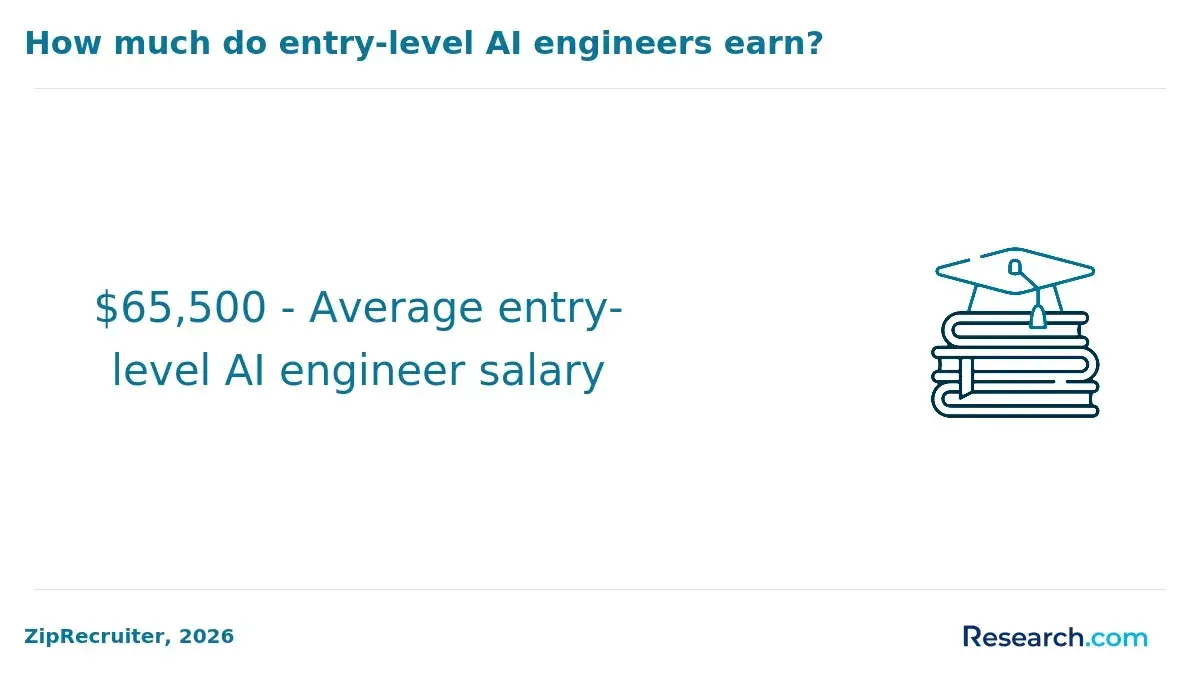
Salary ranges for AI specialists in marketing-related roles in the U.S. vary widely depending on experience, location, and company size. Entry-level jobs using AI tools for customer engagement, campaign automation, or brand analytics typically start between $85,000 and $95,000. Mid-career positions focused on predictive customer modeling or personalized advertising earn from $110,000 to $130,000, while senior roles with leadership and AI integration expertise can surpass $150,000 annually.
The job outlook is positive as AI agent adoption expands across industries. Professionals need to combine traditional marketing knowledge with skills in AI-driven automation and data analysis. Roles often involve strategy development, cross-channel AI deployment, and ROI measurement using AI agents. Success in these roles requires hands-on experience with AI platforms and proficiency in AI ethics and compliance, reflecting the growing emphasis on responsible AI use in branding.
Other Things You Should Know About Artificial Intelligence
Brand teams must be aware of ethical issues such as data privacy, algorithmic bias, and transparency in AI applications. It is important to ensure that AI-driven marketing respects consumer consent and does not perpetuate stereotypes or discrimination. Establishing ethical guidelines helps maintain brand trust and legal compliance.
Artificial intelligence enables personalized content creation and targeted messaging by analyzing consumer data at scale. This allows brand teams to tailor stories that resonate more deeply with individual customers, enhancing engagement and loyalty. AI tools also facilitate real-time interaction through chatbots and dynamic marketing campaigns.
Yes, many AI tools are designed to seamlessly integrate with popular marketing platforms such as CRM systems, social media management, and analytics software. This integration helps brand teams automate workflows, improve data accuracy, and derive actionable insights without replacing their current technology stack.
The top AI agent course for brand teams focused on measuring performance in 2027 is offered by IBM's Skills Academy. The program covers AI-powered analytics, brand performance metrics, and integrates real-world case studies, empowering teams to enhance performance efficiently.
References
- NVIDIA Agentic AI LLMs Certification https://www.nvidia.com/en-us/learn/certification/agentic-ai-professional/
- Gen AI vs AI Agents vs Agentic AI: Key Differences Explained https://www.gupshup.ai/resources/blog/generative-ai-vs-ai-agents-vs-agentic-ai
- 10 AI Agents Every Marketing Team Needs in 2026 https://www.mindstudio.ai/blog/ai-agents-for-marketing-teams
- AI Agents and Automation Course | CIM https://www.cim.co.uk/learn-develop/training-development/training-courses/ai-agents-and-automation/
- Agentic AI vs. generative AI https://www.redhat.com/en/topics/ai/agentic-ai-vs-generative-ai
- Types of AI Agents https://www.luminastudiomarketing.com/articles/types-of-ai-agents
- How to Use AI Agents for Your Digital Marketing | Digital Marketing Institute https://digitalmarketinginstitute.com/blog/how-to-use-ai-agents-for-your-digital-marketing
- Build and Deploy AI Agents to Automate Your Go-to-Market Strategy by Ashley Gross on Maven https://maven.com/ai-workforce-alliance/ai-agents-to-automate-your-go-to-market-strategy
- AI in Marketing Career Path: Skills, Strategy & Roadmap to Future-Proof Growth https://cxl.com/b2b-marketing-career-guide/ai-in-marketing-career-guide/
- AI Agent Development Cost in 2026 [+Team Calculator] https://softteco.com/blog/ai-agent-development-cost