2027 Best Harvard Online AI Courses With Certificates

Co-Founder and Chief Data Scientist
Many aspiring professionals confront the challenge of entering the rapidly evolving field of artificial intelligence without an extensive technical background. Traditional degree programs often demand years of study and significant financial investment, which may not align with career transition timelines or personal commitments. This can leave qualified candidates struggling to demonstrate relevant skills and secure roles in AI-driven industries.
This article reviews Harvard's online AI courses that offer certification, flexibility, and credible instruction. It aims to guide readers toward effective learning options that bolster resumes and facilitate a smoother pivot into the artificial intelligence sector.
Key Things You Should Know
- Harvard's online AI courses for 2026 offer flexible learning with verified certificates recognized globally, enhancing career prospects in the growing AI job market projected to expand 23% by 2030.
- Curriculums integrate cutting-edge AI topics such as machine learning, neural networks, and ethical AI, designed by Harvard faculty and industry experts for practical application.
- Most courses provide access to exclusive Harvard resources, live sessions, and peer networking opportunities, supporting comprehensive skill development for students, professionals, and graduates.
Advance Your Career with AI Online Courses
Artificial Intelligence: Implications for Business Strategy
This program provides an introduction to Artificial Intelligence and their implications for business strategy. Earn an official digital certificate.

Oxford Artificial Intelligence Programme
Explore this Oxford Artificial Intelligence programme offered in a flexible learning environment and explore topics like machine learning, automation, and robotics.

Implementing Agentic AI: Building Your Organizational Playbook
This online MIT Agentic AI course offers a practical approach to deploying AI agents in your organization, including a custom playbook. 3 weeks, exclusive launch price.

AI Adoption: Driving Business Value and Impact
This online MIT AI Adoption: Driving Business Value and Impact offers practical frameworks to close the gap between AI potential and business reality.

Artificial Intelligence in Pharma and Biotech
Discover the applications and limitations of artificial intelligence in pharma and biotech with this MIT online short course.

What Harvard online AI certificates are available and who are they designed for?
Harvard online artificial intelligence certificate programs in 2026 include the Professional Certificate in Data Science and the specialized Professional Certificate in Artificial Intelligence. These programs suit learners ranging from beginners to seasoned professionals focusing on machine learning, natural language processing, and computer vision.
Designed for working professionals, recent graduates, and career changers, Harvard's AI courses offer flexible pacing and practical application via real-world projects. Notably, they cover supervised and unsupervised learning methods useful in industries like healthcare, finance, and technology. They also appeal to data analysts and software engineers seeking to expand their AI skill sets.
The value of these certificates is evident in outcomes: Harvard Online's 2024 Impact Report shows 84% of learners reported positive career or educational impacts within a year of completion. This highlights the programs' relevance and effectiveness for professionals advancing or transitioning into AI-driven fields.
Harvard's curricula also include ethical and societal implications, attracting students interested in responsible technology development. Those considering enrollment should match course content with their professional background and long-term goals, especially if looking at data science degrees as part of their learning pathway.
Who should enroll in Harvard online AI courses varies-from beginners seeking comprehensive introductions to experts aiming to deepen technical expertise and career prospects in artificial intelligence.
Advance Your Career with AI Online Courses
Artificial Intelligence: Implications for Business Strategy
This program provides an introduction to Artificial Intelligence and their implications for business strategy. Earn an official digital certificate.
Oxford Artificial Intelligence Programme
Explore this Oxford Artificial Intelligence programme offered in a flexible learning environment and explore topics like machine learning, automation, and robotics.
Implementing Agentic AI: Building Your Organizational Playbook
This online MIT Agentic AI course offers a practical approach to deploying AI agents in your organization, including a custom playbook. 3 weeks, exclusive launch price.
How do Harvard online AI courses with certificates compare to on-campus AI programs?
Harvard online AI courses with certificates offer a flexible alternative to on-campus programs without sacrificing the rigor or curriculum quality. These courses deliver content through digital platforms designed for both self-paced and scheduled learning, enabling working professionals, graduates, and students nationwide to access Harvard faculty and resources without relocating or disrupting their careers. Comparing Harvard online AI courses versus on-campus programs reveals that while on-campus offerings provide direct networking, research opportunities, and hands-on labs, the online format includes practical assignments, peer collaboration, and sometimes live Q&A to simulate in-person experiences.
The comparative benefits of Harvard online AI certificates extend beyond convenience. McKinsey's 2025 Global AI Talent Report indicates that 62% of AI-adopting companies require formal AI upskilling documentation, up from 41% in 2022. This demonstrates the growing importance of verified digital credentials like those from Harvard.
Employers increasingly value Harvard online certificates as effective proof of competency, especially for technical roles that demand current AI knowledge. For professionals balancing job commitments or geographic limitations, these courses present a credible alternative to traditional training.
Prospective students considering cost-effective routes to AI expertise may explore options such as the cheapest online computer engineering degree, which can complement AI skill development.
Are Harvard online AI certificates accredited and respected by U.S. employers?
Harvard online AI certification recognition in the US job market is strong, especially when credentials come from Harvard's accredited short programs. These certificates reflect completion of rigorous coursework by Harvard faculty and affiliated experts, offering U.S. employers trustworthy proof of specialized skills in artificial intelligence and machine learning.
The certificates are primarily issued through Harvard Extension School or HarvardX, both of which hold institutional accreditation. Many professionals list these certificates on resumes and LinkedIn profiles to validate their expertise or to transition into AI-related careers.
Value of Harvard AI certificates for US employers often rests on the relevance of the certificate and a candidate's demonstrated competence, not the credential alone. Certificates focusing on areas like machine learning, natural language processing, or AI ethics serve as evidence of current practical abilities, which is vital in fast-evolving tech sectors.
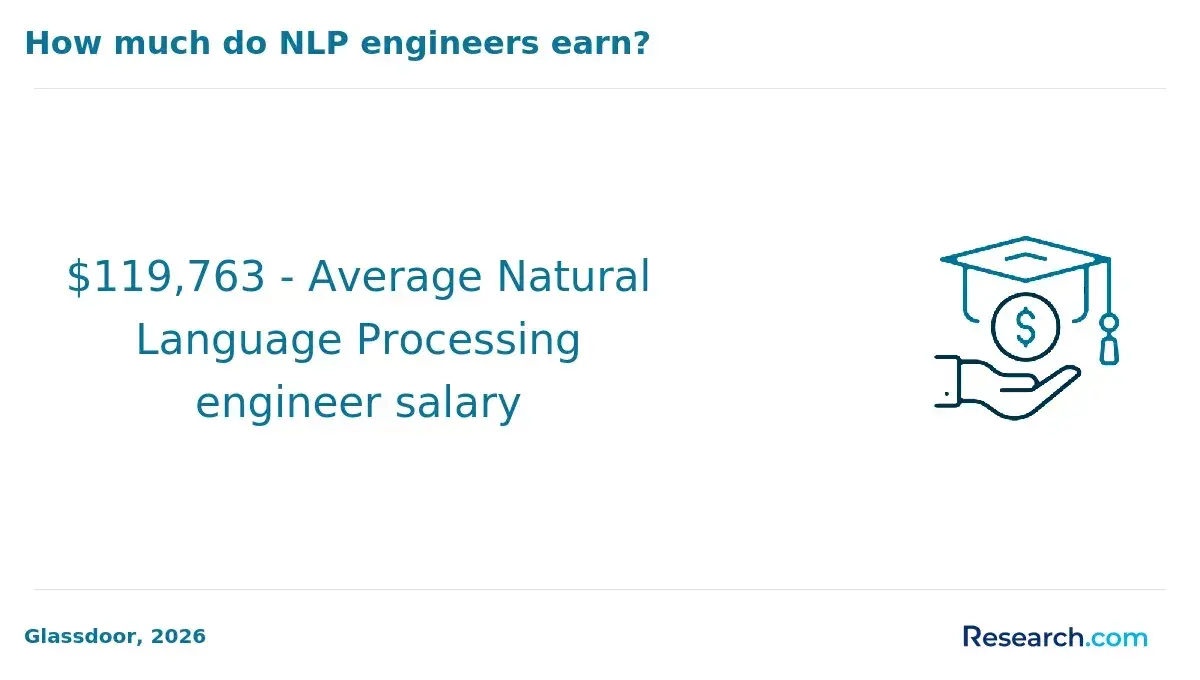
According to data from the IEEE-USA & PayScale AI Skills Compensation Study, the median salary for U.S. professionals holding a graduate-level AI or machine learning certificate is $167,000, about 24% higher than peers without such certification. This underscores employer demand for verified AI skills and the advantage of reputable credentials.
Prospective students should also consider broader educational options like an online masters in data science, which complement AI expertise and enhance career prospects.
Verifying a certificate's accreditation and employer recognition is essential before enrollment to ensure a competitive advantage in hiring and promotion decisions.
What are the admission requirements and prerequisites for Harvard online AI certificates?
Admission requirements for Harvard online AI certificate admission criteria vary widely depending on the program but generally do not require advanced qualifications. Most HarvardX courses, particularly entry-level ones, use open enrollment and expect only a basic understanding of math-especially algebra and discrete math-and some familiarity with programming languages like Python or JavaScript. Several courses also include introductory modules to help students build necessary skills from the ground up.
More advanced certificates or professional graduate certificates affiliated with Harvard Extension School or Harvard Graduate School of Arts and Sciences have stricter prerequisites. Applicants may need a bachelor's degree, prior coursework in data structures, algorithms, linear algebra, and calculus, in addition to demonstrated programming expertise. Some require transcripts, a resume, or a statement of purpose. Completing verified certificates or HarvardX introductory courses can improve admission chances.
Career changers and beginners are encouraged to start with HarvardX entry-level AI courses, which require no formal credentials. Successfully finishing these foundational courses increases the likelihood of moving into a tech role by 49%, according to the edX Outcomes Report, highlighting that course completion outweighs formal prerequisites for many learners. For those lacking the prerequisites for Harvard online AI courses, preparatory courses are often available to build competency before advancing.
For those interested in exploring pathways in AI careers, understanding how to become an AI trainer offers valuable insight into career options and growth.
What will you learn in core Harvard online AI courses, and how are they structured?
Harvard's online AI courses provide a comprehensive foundation in both fundamental and advanced topics essential for careers in data science, engineering, and research. Students explore algorithms behind machine learning models, neural networks, natural language processing, and computer vision. Emphasis is placed on practical skills such as data preprocessing, model evaluation, and deployment, supported by strong mathematical concepts in linear algebra, probability, and statistics.
The course design blends video lectures, interactive coding exercises, and project-based assessments. Learners often build predictive models using real-world datasets to address classification or regression challenges. Case studies demonstrate AI applications in fields like healthcare, finance, and robotics, giving students valuable real-world context and hands-on experience.
Pacing options vary from self-directed study to scheduled cohorts with deadlines and peer collaboration. Many courses end with capstone projects where learners create and implement AI solutions, with certificate options that help professionals validate skills to employers.
According to the O'Reilly Data/AI Salary Survey, 2024, U.S. data scientists who complete advanced AI/ML coursework from top institutions, including online programs, earn about 18% higher salaries than those without such training. This reinforces the career benefits of engaging with a structured Harvard AI curriculum.
How long do Harvard online AI certificate programs take and how much do they cost?
Harvard's online AI certificate programs usually last between 6 and 12 weeks, varying by course focus and learner pace. Introductory programs designed for business leaders or non-technical professionals often require 6 to 8 weeks of part-time study, accommodating full-time executives. More in-depth courses addressing technical skills or strategy formulation may extend up to 12 weeks.
Program costs range significantly, generally starting around $1,600 for entry-level certificates and reaching up to $3,000 for advanced or specialized options. For example, certificates tailored for business executives concentrating on AI strategy can cost about $2,500. Some offerings may include extra fees for premium content or mentorship.
Students should weigh their time commitment and financial investment against their career objectives. Research from BCG and MIT Sloan Management Review shows executives completing AI strategy programs saw an average 12% increase in operating margin within 18 months, highlighting tangible business benefits. Flexible online formats with recorded lectures and interactive projects help balance study with work.
Choosing a shorter program benefits busy professionals seeking practical knowledge, while those wanting strong technical skills might opt for longer courses. Financial aid and employer sponsorship are often available to assist with costs.
Which Harvard online AI certificate should you choose for your specific career goals?
Selecting the right Harvard online AI certificate depends on your career goals and technical background. For those seeking foundational programming and AI knowledge, CS50's Introduction to Artificial Intelligence with Python offers practical coding skills and core algorithms. This program suits software engineers or data analysts aiming to enhance their AI expertise.
Professionals interested in machine learning and data science applications benefit from HarvardX's Data Science: Machine Learning course. It emphasizes supervised and unsupervised learning methods, making it valuable for quantitative analysts, economists, or business intelligence professionals focused on data-driven decision-making.
Leadership and strategy-oriented individuals should explore Harvard's Professional Certificate in Data Science and AI, available on edX. This series covers AI fundamentals alongside ethics and policy, preparing managers and consultants to manage AI projects responsibly.
Key considerations when choosing a program include affordability, hands-on assignments, and verified certification for career impact. Over 4.5 million learners have enrolled in HarvardX courses on edX, demonstrating strong industry recognition and community support (edX Annual Impact Report, 2024).
Prioritize programs that align with your desired expertise-technical mastery or strategic oversight-and assess time commitments relative to your current job and AI skill integration.
What AI and data roles can Harvard online AI certificates help you qualify for?
Harvard online AI certificates prepare learners for key roles such as data analyst, machine learning engineer, AI specialist, data scientist, and business intelligence analyst. These certificates build foundational expertise in algorithms, data processing, and model development, enabling graduates to contribute effectively to AI-driven projects.
Coursework covers practical skills, including designing predictive models, applying natural language processing, and automating data workflows. For example, machine learning engineers develop scalable AI systems, while data scientists use statistical analysis combined with programming to generate insights from complex datasets.
The program also opens pathways to roles in AI ethics and AI product management by addressing AI's societal and business impacts. Such positions demand a blend of technical knowledge and critical thinking, which the curriculum fosters.
Employers increasingly value university-backed credentials in AI and data science. Research from the Burning Glass Institute & Coursera Skills Index notes a median 23% salary increase within 12 months for learners completing university-branded professional certificates in these fields.
This credential benefits recent graduates starting AI careers and professionals seeking to pivot or advance, appealing to employers in technology, finance, healthcare, and government sectors.
What salary ranges and job outlook can AI certificate holders reasonably expect?
AI certificate holders from Harvard's online programs can expect salaries ranging from $90,000 to $160,000 annually, depending on their experience, role, and industry. Entry-level data scientists or machine learning engineers typically start between $90,000 and $110,000, while professionals with three to five years of experience or specialized skills may earn upwards of $130,000 to $160,000. Higher salaries are common for roles such as AI research scientists and AI product managers due to their strategic importance and expertise.
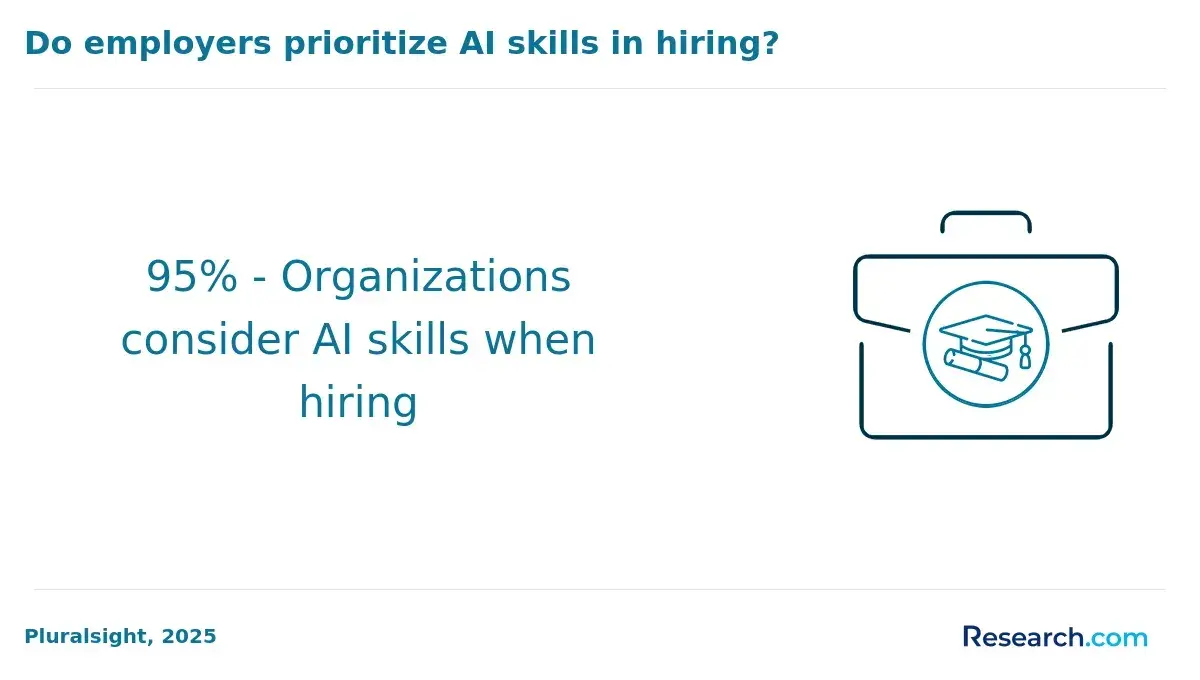
Employers value certificates from prestigious institutions, which enhances hiring prospects. A 2024 SHRM Workplace Learning & Credentials Survey reports that 72% of U.S. hiring managers have increased confidence in candidates holding credentials from universities like Harvard compared to generic certificates. This confidence boosts career advancement and hiring success.
Graduates find opportunities across sectors including finance, healthcare, technology, and autonomous systems. Professionals transitioning from non-technical roles should gain hands-on experience or complementary skills like programming or data analysis for salary growth. Combining the certificate with ongoing education or advanced degrees is advisable for those aiming for AI leadership or research careers.
Key strategies for certificate holders include leveraging the Harvard brand, highlighting project work, and targeting companies focused on AI innovation. Real-world problem solving and demonstrable skills amplify the certificate's impact on salary and career progression.
How can you maximize ROI from a Harvard online AI certificate through networking and portfolios?
Maximizing ROI from a Harvard online AI certificate depends heavily on strategic networking and creating a strong portfolio. While certificates alone don't guarantee job offers, combining them with targeted connections and demonstrable skills greatly enhances employability.
Engage actively in course forums, live sessions, and alumni networks to build relationships with peers and instructors. This can lead to referrals, mentorships, and insider job opportunities. Networking on platforms like specialized LinkedIn groups, where Harvard AI learners and industry professionals gather, boosts visibility with recruiters targeting alternative credentials. Job postings mentioning AI or generative AI skills surged by 182% between 2023 and 2025, yet only 28% required a full degree, demonstrating how certificates plus networking open doors without the time and cost of a degree.
Develop a portfolio showcasing projects completed during your course. Use real-world datasets aligned with your career goals-data analysts can build predictive models, software engineers might focus on automation or NLP applications. Clearly explain your methods, results, and technologies to prove deep expertise beyond just certificate completion.
Maintain your portfolio on popular recruiter platforms like GitHub or personal websites, linked to professional profiles. Highlight teamwork through group projects to demonstrate collaboration skills. Consistently update your profile and portfolio to reflect new projects and skills, ensuring your Harvard online AI certificate remains a valuable career asset.
Other Things You Should Know About Artificial Intelligence
In 2027, Harvard offers several online AI courses with certificates, including "Machine Learning for Everyone," which introduces the basics of machine learning, and "AI Programming with Python," focusing on programming skills. These courses provide comprehensive coverage of foundational AI concepts and technical skills.
Artificial intelligence affects everyday life through applications in areas such as personalized recommendations, virtual assistants, fraud detection, and medical diagnostics. It automates routine tasks, improves decision-making, and enhances user experiences across industries like finance, healthcare, retail, and transportation. AI's integration into daily devices is behind smart home systems and adaptive software that anticipates user needs.
Ethical concerns in artificial intelligence include bias in algorithms, privacy violations, job displacement, and autonomous decision-making without accountability. Ensuring transparency, fairness, and responsible use of AI technologies is crucial to mitigate these risks. Ongoing debates focus on creating regulations that balance innovation with societal protection.
Key skills for working in artificial intelligence include proficiency in programming languages such as Python, understanding of machine learning algorithms, and data analysis expertise. Knowledge of statistics, linear algebra, and neural networks also plays a vital role. Additionally, strong problem-solving abilities and experience with AI frameworks and tools are important for successful implementation.
References
- Best AI Courses for Professionals in the USA https://fueler.io/blog/best-ai-courses-for-professionals-in-the-usa
- First AI-Native Core MBA Course at Harvard https://www.stacyblackman.com/blog/first-ai-native-core-mba-course-at-harvard/
- Computer Science for Artificial Intelligence Professional Certificate https://www.edx.org/certificates/professional-certificate/harvardx-computer-science-for-artifical-intelligence
- Ultimate Guide: How to Choose the Right AI Training Course to Boost Your Career - ONLC https://www.onlc.com/blog/how-to-choose-ai-training-courses/
- AI Security Salary Guide: How Much Can You Earn with an AAISM Certification? https://destcert.com/resources/aaism-salary/
- Maximizing ROI with AI-Driven Process Management https://hbr.org/webinar/2025/04/maximizing-roi-with-ai-driven-process-management
- SISTMR AUSTRALIA https://ausjournal.com/view_article.php
- Inside Harvard Business School's AI-Powered MBA Curriculum https://mbagradschools.com/mba-specializations/harvard-business-school-mba-ai
- Manage Your AI Investments Like a Portfolio | Harvard Business Review - BrianHeger.com https://www.brianheger.com/manage-your-ai-investments-like-a-portfolio-harvard-business-review/
- Harvard’s CORe: Quality and accessible online education — The Filipino Expat https://www.thefilipinoexpat.com/harvards-core-review-quality-and-accessible-online-education/