2027 Best AI Courses for Hospitality AI Adoption Teams

Co-Founder and Chief Data Scientist
Hospitality AI adoption teams often face challenges integrating advanced technologies into existing workflows without disrupting guest experiences. The rapid evolution of AI tools demands a workforce skilled in both hospitality operations and technical competency. Many team members come from non-technical backgrounds, creating a knowledge gap that hinders effective implementation. This gap can stall innovation and reduce competitive advantage.
This article explores the best courses designed for hospitality professionals seeking to gain practical AI skills without needing a prior tech degree. It aims to guide readers through flexible, accredited education paths that enable successful AI adoption in hospitality settings.
Key Things You Should Know
- AI courses for hospitality teams in 2026 emphasize practical applications like customer personalization and operational efficiency, with 68% of programs offering industry-specific case studies.
- Enrollment in hospitality-focused AI programs grew 42% between 2024 and 2025, reflecting rising demand for experts skilled in AI-driven guest experience improvements.
- Top courses integrate cross-disciplinary skills such as data ethics and predictive analytics, ensuring graduates meet evolving compliance and innovation needs in hospitality sectors.
Advance Your Career with AI Online Courses
Artificial Intelligence: Implications for Business Strategy
This program provides an introduction to Artificial Intelligence and their implications for business strategy. Earn an official digital certificate.

Oxford Artificial Intelligence Programme
Explore this Oxford Artificial Intelligence programme offered in a flexible learning environment and explore topics like machine learning, automation, and robotics.

Implementing Agentic AI: Building Your Organizational Playbook
This online MIT Agentic AI course offers a practical approach to deploying AI agents in your organization, including a custom playbook. 3 weeks, exclusive launch price.

AI Adoption: Driving Business Value and Impact
This online MIT AI Adoption: Driving Business Value and Impact offers practical frameworks to close the gap between AI potential and business reality.

Artificial Intelligence in Pharma and Biotech
Discover the applications and limitations of artificial intelligence in pharma and biotech with this MIT online short course.

What is hospitality AI and why are specialized AI courses essential for hotel and tourism teams?
Hospitality AI involves applying artificial intelligence technologies to improve hotel and tourism operations. It supports personalized guest experiences, dynamic pricing, predictive maintenance, chatbots for service, and data-driven marketing. To maximize these benefits, specialized AI training for tourism industry professionals is essential, as it equips teams with the contextual knowledge needed to understand guest behavior, revenue management, and operational workflows.
AI literacy enables professionals to analyze complex data, integrate AI tools smoothly, and tackle challenges like shifting demand or changing customer preferences. For instance, front desk managers can use chatbots to streamline check-in, while revenue managers leverage AI-driven dynamic pricing to boost occupancy and revenues during peak periods. Such practical applications highlight why hospitality AI applications for hotel teams require both technical skills and industry insights.
Demand for AI skills in hospitality is growing swiftly. Statista forecasts that hotel revenues from AI-enhanced personalization, pricing, and service optimization could hit $1.2 trillion annually by 2033, up from around $330 billion. To stay competitive, teams must develop expertise covering technical topics like machine learning basics and data analysis, along with sector-specific knowledge such as guest journey mapping and operations management.
For those interested, exploring data science degrees provides a solid foundation in AI skills applicable to hospitality and beyond.
Advance Your Career with AI Online Courses
Artificial Intelligence: Implications for Business Strategy
This program provides an introduction to Artificial Intelligence and their implications for business strategy. Earn an official digital certificate.
Oxford Artificial Intelligence Programme
Explore this Oxford Artificial Intelligence programme offered in a flexible learning environment and explore topics like machine learning, automation, and robotics.
Implementing Agentic AI: Building Your Organizational Playbook
This online MIT Agentic AI course offers a practical approach to deploying AI agents in your organization, including a custom playbook. 3 weeks, exclusive launch price.
Which types of AI courses best support hospitality AI adoption teams and their specific roles?
Hospitality AI adoption team training courses should address both technical skills and operational integration to meet industry demands. Core offerings include machine learning fundamentals to help team members customize AI models for guest preferences and service improvements. Data analytics and visualization courses are also vital for interpreting large datasets from booking systems, customer feedback, and operational metrics, enabling data-driven decisions within hospitality environments.
For ai skill development for hospitality roles, project management courses focusing on AI lifecycle, risk management, and stakeholder communication are essential. Training in natural language processing (NLP) supports those working on chatbots, conversational AI, and voice assistants that enhance customer service experiences.
Ethics and compliance education tailored to hospitality ensures teams handle guest data responsibly while adhering to legal regulations and privacy standards. Practical workshops on AI tools that integrate with property management systems (PMS) or customer relationship management (CRM) platforms offer hands-on experience to bridge theory with application.
Given the rapid increase in AI-related job postings in the U.S. leisure and hospitality sector-up over 60% between Q1 2023 and Q1 2024-continuous upskilling is critical. Those seeking affordable education options might consider the cheapest online mechanical engineering degree, which can provide a strong technical foundation relevant to AI roles.
Overall, a well-balanced curriculum combining machine learning, NLP, applied analytics, AI ethics, project management, and sector-specific practical training enables hospitality teams to effectively develop and implement AI solutions tailored to complex industry needs.
How do you choose accredited, reputable AI programs focused on hospitality and travel industries?
Accredited AI training programs for hospitality and travel industries demand careful evaluation, starting with verifying institutional accreditation by recognized bodies like the Accreditation Council for Business Schools and Programs (ACBSP) or regional accreditors such as the Middle States Commission on Higher Education. This ensures academic rigor and recognized credentials.
Program content should focus on hospitality AI certification courses in North America with curricula covering dynamic pricing algorithms, customer behavior analysis, marketing automation, and operational optimization tailored to industry needs. Collaborations with hotel chains or travel companies often provide practical case studies and internships, enhancing real-world readiness.
Faculty expertise is critical; instructors with hospitality experience and published research on AI deployments provide relevant and current instruction. Prefer programs offering mentorship or partnerships with hospitality technology vendors to align learning with industry trends.
Measurable outcomes differentiate top programs. Graduates securing hospitality AI roles benefit from education emphasizing proven returns on investment, such as hotels achieving 10-15% revenue uplift and 20-30% labor savings within the first year, according to a NetSuite analysis. Flexible formats like online or hybrid options accommodate working professionals.
Cost considerations relative to potential salary growth are important. For those exploring related fields, the best online cybersecurity degree programs of 2025 offer valuable alternatives with strong career prospects.
What AI skills and topics should a hospitality-focused AI curriculum cover for enterprise adoption?
A hospitality AI curriculum for enterprise adoption must equip staff with essential AI skills for hospitality industry teams, including data analytics, machine learning, natural language processing, and ethical AI use. Frontline employees benefit from understanding how AI-driven tools enhance guest experiences through automated check-ins, personalized recommendations, and voice-activated services.
Back-of-house staff require training in predictive analytics for inventory management and AI-powered workforce scheduling to reduce labor costs effectively.
Practical modules should focus on interpreting AI-generated insights to support operational decisions. For instance, sentiment analysis enables customer service teams to tailor communications in real-time, while anomaly detection supports fraud prevention and quality assurance. Security and privacy training is critical, with staff learning to manage compliance with data protection regulations such as GDPR and CCPA, especially given the sensitivity of guest information.
Operational integration skills foster collaboration with AI vendors, customization of enterprise AI platforms, and troubleshooting. Change management expertise further ensures smooth AI adoption across departments. Structured AI training demonstrated benefits, reducing training time by up to 40% and improving knowledge retention by about 20%, emphasizing the need for role-specific curricula that blend technical and practical skills.
For those looking to expand their technical credentials, an accelerated cyber security degree can complement hospitality AI expertise, enhancing career versatility and addressing growing security concerns within AI systems.
How do online, hybrid, and on-campus AI programs compare for busy hospitality professionals?
Choosing the right course format for hospitality professionals depends heavily on work schedules, learning preferences, and the need for immediate skill application. Online programs provide maximum flexibility, allowing learners to access content anytime, which fits well with the irregular hours common in hospitality roles.
Hybrid programs blend online learning with occasional in-person sessions, offering hands-on experience and peer interaction without demanding a full on-campus commitment. On-campus courses deliver immersive learning and direct instructor access but require significant time away from work, often difficult for professionals juggling shifts.
Research shows short, stackable online AI courses lead to 35% higher completion rates and 25% faster application of skills compared to traditional workshops. This microlearning approach suits hospitality teams aiming to quickly develop practical AI capabilities without long time investments.
Hospitality professionals should align course choices with team availability and urgency to implement AI solutions, prioritizing formats that minimize operational disruption while maximizing skill retention.
What are the typical admission requirements and prerequisites for hospitality-oriented AI courses?
Admission to hospitality-focused artificial intelligence courses generally requires a bachelor's degree in hospitality management, computer science, business analytics, or a related field. Many programs expect foundational skills in data analysis, statistics, and programming languages such as Python or R.
Advanced courses often ask candidates to have prior experience with AI applications or completion of introductory artificial intelligence and machine learning classes. Some institutions also require professional experience in hospitality or tech roles to ensure practical relevance.
Course prerequisites vary by level:
- Entry-level: basic IT skills and familiarity with hospitality operations.
- Intermediate: coursework in data science or business intelligence tools.
- Advanced: demonstrated project experience or a portfolio of AI-related hospitality work.
Key skills emphasized include data management, predictive analytics, and customer experience optimization. Students should become familiar with hospitality-specific AI platforms, such as revenue management systems and guest personalization tools. With an emphasis on real-world application, many courses incorporate case studies requiring knowledge of hospitality workflows and organizational change management.
Research highlights the importance of training budgets. Hotels allocating at least 15% of their AI project budget to staff training and change management are twice as likely to report successful AI implementation compared to those investing less than 5%, according to a 2024 industry survey by NetSuite. This underlines the benefit of choosing courses offering strong training components for both operational teams and leadership.
How long do hospitality AI certificates and degrees take, and what do they cost?
Hospitality AI education options range from short certificate programs to longer degree pathways. Certificates typically take 3 to 6 months and suit working professionals seeking rapid upskilling, while associate or bachelor's degrees focusing on AI in hospitality often require 1 to 2 years, providing a more in-depth theoretical and technical background.
Cost varies widely by program type and institution. Certificate courses can range from $1,000 to $5,000, whereas degree programs generally fall between $10,000 and $40,000, which may include tuition, materials, and lab fees. Public universities usually offer more affordable rates than private schools. Some online and corporate-sponsored programs provide discounts or financing options.
When evaluating programs, students should prioritize curriculum relevance to real-world hospitality AI applications. For instance, shorter certificate courses covering AI-driven revenue management and operations analytics can enhance job performance and career advancement quickly. A study by NetSuite found that a midscale hotel group's AI training led to a 19% revenue per available room (RevPAR) increase and a 16% cut in operating costs within 12 months.
Those balancing employment and study might find micro-credentials with modular content ideal, while comprehensive degrees suit students planning full career shifts. Verifying accreditation and industry recognition is crucial to maximize the program's post-certification value and return on investment.
What hospitality job roles, career paths, and employers benefit most from AI adoption training?
Hospitality roles such as front office managers, revenue analysts, and guest experience coordinators gain the most from AI adoption training. These positions engage closely with operational data and customer interactions, where AI enhances booking systems, demand forecasting, and personalized service delivery. Hotel management, operations, and analytics career paths increasingly demand skills in AI-driven software to improve efficiency and decision-making.
Employers from boutique hotels to large chains see significant benefits when their teams complete AI training. For example, revenue managers rely on AI to refine dynamic pricing strategies, marketing teams use AI insights to segment customers and customize promotions, and food and beverage managers apply AI to reduce waste and optimize supply chains.
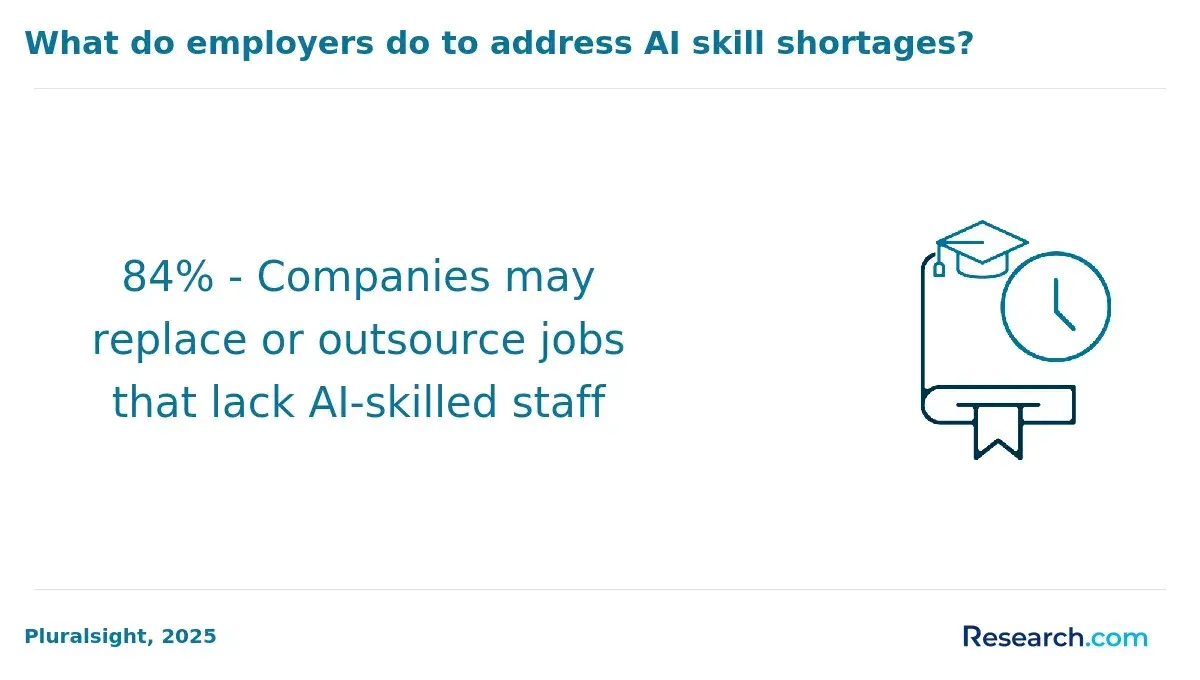
A notable survey by NetSuite found that over half of hospitality leaders cite a lack of internal AI skills as the main barrier to unlocking AI's full potential, outweighing budget or data quality concerns. This highlights the urgent need for comprehensive training across roles to enhance organizational AI literacy.
Practical AI education equips staff to manage chatbots, automate guest requests, and interpret predictive analytics. Professionals aiming to enter or advance in hospitality should pursue courses covering AI applications in property management systems, customer relationship management, and revenue optimization to align with employer expectations and industry standards.
What salary ranges and job outlook can hospitality AI adoption specialists expect in the U.S.?
Hospitality AI adoption specialists in the U.S. earn between $70,000 and $130,000 annually, influenced by experience, education, and job role. Entry-level salaries start near $65,000, while senior specialists or managers with advanced skills may surpass $120,000. This demand reflects the growing automation of routine hospitality tasks through AI technologies.
By 2030, AI is expected to automate or significantly enhance up to 30% of front desk, reservations, and back-office roles. This shift increases the need for professionals who can implement and manage AI systems within hospitality operations, such as AI integration analysts, data strategists, and system trainers.
Job growth in this sector outpaces general hospitality employment, with a premium on combined skills in AI, data analytics, and hospitality management. Career paths include AI project coordinators who oversee deployment and team alignment, and AI data analysts who analyze system outputs to improve customer experience. Both require strong technical expertise and communication skills.
- Certifications in AI applications for hospitality can boost employability and salary offers.
- Targeted education aligned with labor market demands enhances career prospects.
According to eCornell projections, the evolving hospitality landscape offers competitive salaries and growing job opportunities for AI adoption specialists focused on the hospitality industry.
Are there industry-recognized certifications or credentials for hospitality AI implementation professionals?
Certified credentials tailored for professionals implementing artificial intelligence in hospitality validate both technical skills and domain knowledge vital for success. Examples include the Hospitality AI Professional Certificate from industry bodies and vendor-specific AI training programs that blend hospitality operations with AI expertise.
These certifications highlight practical skills such as AI-driven customer analytics, automated service design, and compliance with hospitality data privacy regulations.
Many programs emphasize integrating AI systems with existing hotel management software, minimizing operational disruptions. Reputable certifications often require hands-on projects or case studies demonstrating real-world AI applications in hospitality, which employers increasingly value as evidence of proficiency.
Maintaining a culture of continuous learning around AI benefits hospitality organizations. Companies with ongoing AI training deliver new AI tools 1.5 to 2 times faster than those providing only one-off sessions, according to 2025 data. This highlights the importance of updating credentials regularly to keep pace with rapidly evolving AI technologies.
Aspiring professionals should pursue certifications that provide updates aligned with emerging AI tools and hospitality trends. Combining hospitality management degrees with AI-specific credentials strengthens career prospects by demonstrating expertise in both AI techniques and operational challenges.
Other Things You Should Know About Artificial Intelligence
Artificial intelligence enhances customer experience in hospitality by personalizing services through data analysis and predictive insights. It enables automated chatbots for 24/7 guest support, dynamic pricing strategies, and tailored recommendations, improving guest satisfaction and operational efficiency.
Key challenges include data privacy concerns, integration of AI systems with existing infrastructure, and the need for employee training. Additionally, hospitality teams must manage change effectively and address ethical considerations related to AI-driven decision-making.
Yes, artificial intelligence can significantly reduce operational costs by automating routine tasks such as check-in, room service management, and energy use optimization. It also helps in forecasting demand and managing inventory efficiently, which minimizes waste and enhances resource allocation.
In 2027, AI courses focused on machine learning, data analytics, and personalized customer experiences are key for hospitality teams. Programs from institutions like Stanford and MIT emphasize these aspects, preparing professionals to anticipate and leverage future AI trends effectively in the hospitality industry.
References
- Boost Your Career with Hospitality Industry Certifications https://majc.ai/post/hospitality-industry-certifications/
- The AI Strategy Job Market in 2026: Analysis of 1,859 Postings https://axialsearch.com/insights/ai-strategy-jobs/
- AI Tools for Hospitality Professionals Certification in Oviedo, Spain | IA University https://ia.university/academic-programs/ai-course-hospitality-professionals-certification-oviedo/
- Artificial Intelligence Professional - Training Course | PECB https://pecb.com/en/education-and-certification-for-individuals/ai
- AI in hospitality: How to prepare your hospitality business for the future https://coaxsoft.com/blog/ai-in-hospitality-full-guide
- AI in Hospitality Workshop https://aiireland.ie/ai-in-hospitality-workshop/
- AI for Leadership (C-Level) in Hospitality and Tourism - NOVA FCT Executive Education https://execed.fct.unl.pt/en/intensive_skills_lab/ai-for-leadership-c-level-in-hospitality-and-tourism/
- Hotel & Hospitality Certification Courses with HSMAI Academy https://academy.hsmai.org/online-training-2/
- AI Transformation of Hotel & Hospitality Jobs: The Next Decade | Aeve | By Dragos Diac https://www.aeve.ai/mini-blog/ai-transformation-hotel-hospitality-jobs