2027 Best AI Courses for Retail Executives

Co-Founder and Chief Data Scientist
Retail executives often struggle to harness the potential of artificial intelligence to enhance customer experience, optimize inventory, and boost sales. Rapid technological advancements create pressure to upskill without disrupting ongoing operations. Many lack access to flexible learning options that integrate seamlessly with demanding schedules and diverse professional backgrounds. This gap hampers decision-making and innovation in competitive markets.
This article explores top artificial intelligence courses designed specifically for retail leaders seeking practical, accredited, and adaptable educational paths. It aims to guide professionals in selecting programs that build relevant expertise and drive tangible business outcomes.
Key Things You Should Know
- AI courses for retail executives focus on practical applications like customer analytics, inventory management, and personalized marketing, boosting operational efficiency by up to 40% according to 2025 industry reports.
- Top programs blend data science, machine learning, and sector-specific case studies, enabling executives to lead AI adoption and competitive strategy transformation effectively.
- Demand for AI skills in retail is rising rapidly; LinkedIn reports a 60% increase in retail AI job postings from 2024 to 2025, highlighting the value of specialized education.
Advance Your Career with AI Online Courses
Artificial Intelligence: Implications for Business Strategy
This program provides an introduction to Artificial Intelligence and their implications for business strategy. Earn an official digital certificate.

Oxford Artificial Intelligence Programme
Explore this Oxford Artificial Intelligence programme offered in a flexible learning environment and explore topics like machine learning, automation, and robotics.

Implementing Agentic AI: Building Your Organizational Playbook
This online MIT Agentic AI course offers a practical approach to deploying AI agents in your organization, including a custom playbook. 3 weeks, exclusive launch price.

AI Adoption: Driving Business Value and Impact
This online MIT AI Adoption: Driving Business Value and Impact offers practical frameworks to close the gap between AI potential and business reality.

Artificial Intelligence in Pharma and Biotech
Discover the applications and limitations of artificial intelligence in pharma and biotech with this MIT online short course.

What makes an AI course valuable specifically for retail executives and decision-makers?
An AI course tailored for retail leadership focuses on challenges and strategic goals unique to retail environments. Such courses highlight practical applications of artificial intelligence in retail decision-making like demand forecasting, personalized marketing, and fraud detection to provide actionable insights. This approach helps executives understand how AI drives revenue growth, optimizes inventory, enhances customer experience, and strengthens supply chain resilience.
Effective AI skill development for retail leadership also emphasizes cross-functional adoption. According to McKinsey's report, retailers that scaled AI across IT, marketing, and operations achieved up to a 20% EBIT uplift. Training usually covers organizational change management, ethical considerations, and data governance to prepare executives to lead AI integration successfully.
Executives also learn to evaluate AI project feasibility and ROI by aligning technologies such as machine learning, natural language processing, and computer vision with business objectives. Practical case studies, pilot-to-scale journeys, and vendor assessments clarify implementation risks and benefits.
Flexibility and up-to-date content are essential as retail AI evolves quickly. Modular lessons or continuous learning options ensure leaders remain current with tools, regulations, and market dynamics. For those wondering what jobs can you get with an AI degree, such training builds a strong foundation to connect AI's technical potential with retail strategies and measurable outcomes.
Advance Your Career with AI Online Courses
Artificial Intelligence: Implications for Business Strategy
This program provides an introduction to Artificial Intelligence and their implications for business strategy. Earn an official digital certificate.
Oxford Artificial Intelligence Programme
Explore this Oxford Artificial Intelligence programme offered in a flexible learning environment and explore topics like machine learning, automation, and robotics.
Implementing Agentic AI: Building Your Organizational Playbook
This online MIT Agentic AI course offers a practical approach to deploying AI agents in your organization, including a custom playbook. 3 weeks, exclusive launch price.
Which AI skills do retail executives need to lead data-driven transformation?
Retail executives must acquire core AI skills for retail data-driven leadership to drive transformation effectively. This includes expertise in advanced analytics and machine learning models to optimize demand forecasting, inventory control, and supply chain management. Skills such as time series analysis and predictive modeling allow leaders to anticipate customer demand, reducing stockouts and excess inventory.
Mastery of generative AI is increasingly essential for retail executives. This technology enhances merchandising strategies and enables hyper-personalized marketing campaigns that directly impact sales. According to Accenture, generative AI could unlock up to $400 billion in annual value for the retail sector by 2030, highlighting the importance of these essential artificial intelligence capabilities for retail executives.
Retail leaders must also emphasize ethical AI practices and data governance to uphold compliance and customer trust. Collaboration across departments is crucial for turning AI insights into actionable business strategies with data scientists, marketers, and IT professionals. Integrating AI with ERP and CRM systems supports workflow automation and operational efficiency.
Measuring AI's impact through KPIs and ROI analysis strengthens strategic decisions. For individuals preparing for such roles, pursuing an engineering degree online can provide a valuable foundation in technical and analytical skills relevant to AI leadership in retail.
- Analyzing and applying predictive analytics for demand and inventory management
- Leveraging generative AI for personalized marketing and merchandising
- Implementing ethical AI and data governance frameworks
- Collaborating across departments to align AI initiatives with business goals
- Integrating AI with enterprise software for operational efficiency
- Measuring AI impact through relevant KPIs and ROI analysis
How do the best AI courses for retail executives differ from general AI programs?
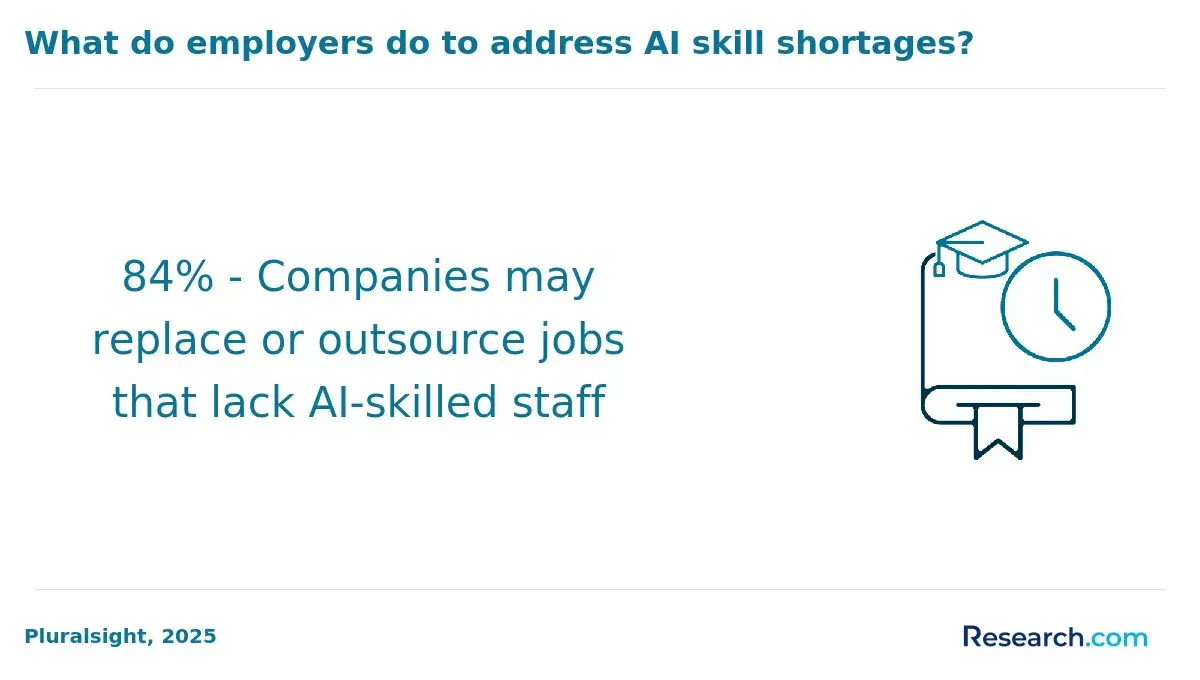
The best AI courses tailored for retail executives focus on applying AI practically within retail business contexts rather than emphasizing technical foundations like programming or data science. According to Deloitte's 2024 "AI in Retail and Consumer Products" survey, 76% of retail leaders see translating AI use cases into business outcomes as their top skills gap, highlighting a need for strategic and operational knowledge over purely technical abilities.
AI education programs designed specifically for retail leaders cover optimizing inventory management, personalizing customer experiences, and improving supply chain logistics. These programs often include case studies on successful AI transformations, frameworks for decision-making, and modules on evaluating AI vendors, managing projects, and integrating AI with existing retail systems.
Challenges addressed in these courses include balancing AI investment costs with expected ROI, ensuring data privacy compliance, and aligning AI initiatives with corporate goals. For example, executives learn to assess AI-driven recommendation engines not just for accuracy but for their impact on sales conversion rates.
In contrast, general AI training usually expects a technical background and focuses on coding or theory, which may not equip retail leaders to make informed strategic decisions. Retail professionals looking to deepen AI literacy alongside business acumen can consider flexible options such as a master of data science online to enhance their expertise.
What types of AI courses are available for retail leaders (short courses, certificates, degrees)?
Retail executives can choose from a variety of AI courses tailored to their schedules and expertise, including short programs, certificate courses, and advanced degrees. Short courses or intensive workshops typically last fewer than five days and emphasize practical strategy and implementation. These fast-track options suit busy leaders who need to quickly understand AI's business impact.
A 2024 IMD survey showed 71% of executives completing such intensive AI strategy programs launched at least one AI initiative within a year, compared to 38% without formal training.
Certificate programs span weeks to months, focusing on AI fundamentals, data analytics, and retail-specific applications like customer personalization and inventory optimization. These certificates provide foundational knowledge without the time commitment of full degrees and are ideal for those seeking applied skills.
For leaders wanting comprehensive AI mastery, graduate degrees such as a Master's in AI, data science, or business analytics offer deep, structured learning, covering areas like AI ethics, advanced machine learning, and operational integration.
Choosing the right course depends on current skill level, time availability, and career objectives. Time-sensitive leaders might prioritize short courses with strategic insights, while those aiming for transformational career growth may pursue online artificial intelligence degrees and certificates for retail executives. Additionally, veterans interested in tech advancement can explore cybersecurity degree online for veterans options as a parallel path within technology education.
How should retail executives compare online, hybrid, and on-campus AI programs?
Retail executives weighing AI education options should focus on flexibility, interaction, and career impact. Online AI programs offer unmatched flexibility-ideal for retail leaders managing busy schedules. According to Coursera's 2025 Global Skills Report, professionals completing online AI certificates saw a 21% rise in recruiter interest and a 12% greater chance of promotion within a year, highlighting the value of adaptable learning paths.
Hybrid formats blend online convenience with occasional on-campus sessions, supporting executives who benefit from face-to-face networking and practical workshops but cannot commit full-time. Hands-on projects in hybrid programs deepen understanding of AI use cases like inventory management and customer analytics, often missing in purely online courses.
On-campus AI programs provide immersive learning with direct access to faculty and peer collaboration. These suit executives seeking structured environments and immediate feedback, though they require significant time and travel investment. Higher tuition costs also warrant careful cost-benefit analysis.
Key factors when comparing programs include how the delivery format affects your schedule, practical application opportunities, networking potential, and measurable career outcomes. Prioritizing programs with strong industry recognition and curricula tailored to retail AI challenges will boost professional growth and return on investment.
Which U.S. universities and business schools offer leading AI-in-retail executive programs?
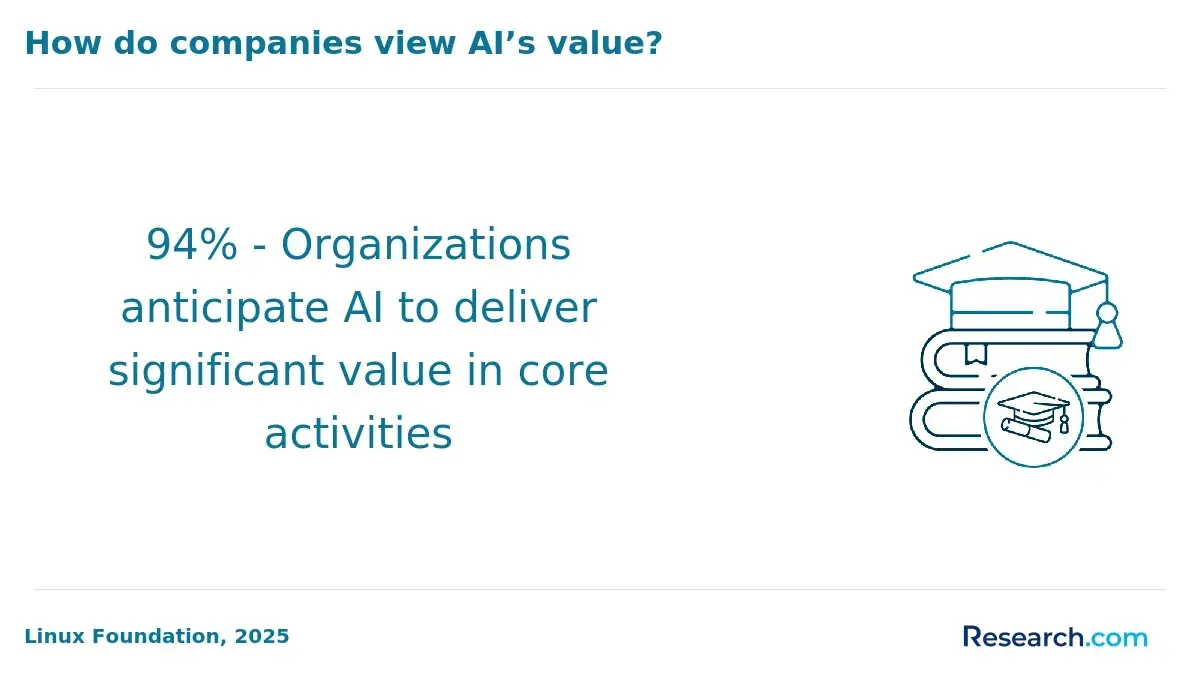
Several leading U.S. business schools offer specialized AI-in-retail executive programs designed to equip retail leaders with practical skills for today's dynamic market. The Massachusetts Institute of Technology (MIT) Sloan School of Management delivers a course centered on AI applications in pricing and assortment optimization, combining analytics with strategic decision-making.
Stanford Graduate School of Business focuses on machine learning use cases that enhance retail supply chains and customer experience.
The University of Chicago Booth School of Business incorporates AI-driven merchandising and shelf optimization strategies into its curriculum. Northwestern University's Kellogg School of Management highlights AI tools for margin improvement using recent retail case studies, while Columbia Business School emphasizes real-time analytics and automation to boost operational efficiency.
These programs address crucial challenges such as demand forecasting and dynamic pricing models, vital for competitive advantage in retail. A Capgemini Research Institute study found retailers applying AI for pricing, assortment, and shelf optimization achieved an 18-20% margin growth over peers without AI adoption.
Prospective students should prioritize programs blending technical AI fundamentals with industry-specific applications. Engaging faculty experts and case-based learning formats ensures education is relevant and actionable. Such executive education prepares retail professionals to leverage AI for tangible business results and innovation.
What core curriculum and retail-focused projects should strong AI courses include?
Strong AI courses for retail executives combine technical fundamentals with retail-specific applications. Core topics include machine learning algorithms, data analytics, natural language processing, and computer vision. These areas focus on practical retail uses such as demand forecasting, customer segmentation, and inventory management through visual recognition systems.
Ethics, data privacy, and regulatory compliance are integral, ensuring executives navigate consumer-facing challenges responsibly. Course projects often highlight AI-driven personalization, fraud detection, and supply chain optimization, demonstrating how AI tools can improve customer engagement, reduce costs, and enhance logistics.
Hands-on experience with platforms like Python, TensorFlow, or Azure AI customized for retail datasets is essential. Research from BCG's AI Upskilling at Scale report shows that organizations investing about $1,500 per employee annually in AI training see a 3.5x higher return on AI initiatives, emphasizing the value of practical, business-linked learning.
Case studies and simulations address real-world obstacles such as integrating AI with legacy systems and analyzing consumer sentiment from social media. By stressing measurable business outcomes and data-driven problem solving, these courses equip retail executives to lead AI transformations effectively.
How can executives verify accreditation and program quality for AI courses in the U.S.?
Executives seeking credible AI courses in the U.S. should verify the institution's accreditation through respected agencies like the Middle States Commission on Higher Education (MSCHE) or the Higher Learning Commission (HLC). This provides assurance that the program meets rigorous academic standards and undergoes continual evaluation.
Additionally, program-specific accreditations from bodies such as the Accreditation Board for Engineering and Technology (ABET) or the Association to Advance Collegiate Schools of Business (AACSB) signal strong AI and business education quality.
Faculty credentials matter greatly; instructors ideally hold advanced degrees in AI-related fields and possess industry experience, ensuring the curriculum aligns with practical retail applications. Courses should integrate up-to-date content involving machine learning for demand forecasting, customer personalization algorithms, and other emerging tools relevant to retail executives.
Global relevance is increasingly critical. According to GMAC's AI for Business Education brief, 62% of new enrollments in AI-for-business executive programs originate from outside the provider's home country. Programs reflecting global retail market diversity and perspectives better prepare executives for international challenges.
Alumni success offers concrete quality indicators. Reviewing graduate employment rates, industry partnerships, and program transparency on completion and career advancement helps assess real-world impact. These factors collectively guide retail leaders toward accredited, high-quality AI education options.
What do AI courses for retail executives typically cost, and what funding options exist?
AI courses for retail executives vary widely in cost, typically ranging from $2,000 to $15,000. Shorter workshops or certificate programs generally fall between $2,000 and $5,000, while more comprehensive executive education-often featuring project-based learning or capstone projects-can exceed $10,000. Top business schools usually charge $12,000 to $15,000 for immersive AI courses tailored to retail strategy, including hands-on application.
Funding options help make these programs more accessible. Employers frequently subsidize executive education within professional development budgets, especially when courses promise measurable business outcomes. Additionally, many institutions provide scholarships, sliding scale fees, or payment plans to reduce upfront costs. Independent learners might find educational loans or partnerships with financial services to spread payments over time.
The format of the course strongly influences its value. According to MIT Sloan's Executive Education outcomes survey, participants completing AI courses with capstone components improved their ability to lead AI implementation by 61%, compared to 29% for lecture-only formats. This highlights the benefits of experiential learning, often justifying higher prices.
Prospective students should carefully evaluate course content and real-world application opportunities. Exploring employer sponsorships or school-offered financial aid before enrolling is advisable to optimize return on investment.
How do AI credentials impact retail executive career paths, salary potential, and job security?
Retail executives with AI credentials are positioned for significant career growth, improved salaries, and greater job security. As data-driven decision-making becomes vital, leaders skilled in AI and data literacy stand out in the evolving retail landscape. According to PwC's 2025 Global CEO Survey, 70% of retail and consumer CEOs expect senior leaders to be fluent in AI by 2027, underscoring its importance.
Executives who earn AI certifications often move into strategic roles such as chief data officer or head of digital transformation. These positions typically offer salaries 15%-25% higher than traditional retail management roles. AI-certified professionals can also negotiate better compensation by showing expertise in automated analytics, supply chain optimization, and personalized customer experiences.
Job security improves as many boards now require AI skills on executive profiles, with 54% having made these updates per PwC. Executives without AI credentials risk stagnation or being replaced by more tech-savvy candidates. For example, leading AI-driven inventory systems or analyzing consumer behavior efficiently requires formal AI knowledge to influence key decisions.
Investing in reputable AI courses that blend technical skills with retail-specific applications helps executives stay competitive. These credentials demonstrate competence to boards and recruiters, enhancing resilience amid rapid digital transformation.
Other Things You Should Know About Artificial Intelligence
One major challenge is integrating AI systems with existing retail technologies, which often require significant customization. Data quality and availability also affect the success of AI projects, as inaccurate or incomplete data can lead to poor decision-making. Additionally, retail executives must manage change resistance within their organizations and ensure compliance with data privacy regulations.
In 2027, top AI courses for retail executives include MIT's AI: Implications for Business Strategy, Harvard's Data Science for Business, and Stanford's AI in Retail workshop. These courses cover AI trends and applications in retail, equipping executives with necessary knowledge and skills.
Ethical concerns include protecting customer privacy, avoiding biased AI algorithms, and ensuring transparency in automated decision-making. Retailers must develop clear policies for data usage and monitor AI outcomes to prevent discrimination or unfair treatment. Compliance with regulations such as GDPR and CCPA is crucial to maintaining consumer trust and legal standing.
The time required varies based on prior experience and program intensity, but most focused AI courses for retail professionals range from a few weeks to several months. Executive-level certificate programs often last between three to six months, balancing foundational AI knowledge with practical retail applications. Continuous practice and project work accelerate proficiency beyond initial course completion.
References
- AI Training in Business: Transform Your Company's Future https://www.bmc.net/blog/general-blog-posts/ai-training-in-business
- AI Training with Funding: How to Finance Your Skill Development https://www.rbreme.com/en/blog/ai-training-funding-guide
- AI essentials for executives | AI training course https://www.dnv.com/training/ai-essentials-for-executives/
- What’s the Best Hands-on AI Training for Non-Technical Leaders (No Coding) in Financial Services? https://neurons-lab.com/articles/whats-the-best-hands-on-ai-training-for-non-technical-leaders-no-coding-in-financial-services/
- Artificial Intelligence and Accreditation: Does It Really Help Us? https://nac-us.org/2025/11/25/artificial-intelligence-and-accreditation-does-it-really-help-us/
- Retail and AI: what are the changes in skills? https://www.neobrain.io/en/blog/retail-ai-skills-changes
- The AI Boom In Executive Education: What You Can Study Right Now At The World's Top B-Schools https://poetsandquantsforexecs.com/exec-ed/the-ai-boom-in-executive-education-what-you-can-study-right-now-at-the-worlds-top-b-schools/
- How Leadership Can Navigate AI-Driven Transformation and Organisational Change Through Purpose, People and Performance https://www.greenfield.lu/resources/how-leadership-can-navigate-ai-driven-transformation-and-organisational-change-through-purpose-people-and-performance/
- Cost Structure and Cash Flow Management for AI Startups | Finro https://www.finrofca.com/news/cost-structure-and-cash-flow-management-for-ai-startups
- AI for Decision Makers: Learning Guide for Executive https://online.iitkgp.ac.in/blog/ai-for-decision-makers-executive