2027 Best AI Courses for Executives Managing AI Adoption

Co-Founder and Chief Data Scientist
Executives face mounting pressure to integrate artificial intelligence tools while managing teams unfamiliar with the technology. Without proper knowledge, decisions risk inefficiency or missed opportunities, slowing digital transformation. Understanding foundational AI concepts and strategic implementation is crucial for leaders to drive innovation confidently and align AI initiatives with business goals.
This article reviews the best AI courses designed for executives seeking to bridge technical gaps and lead AI adoption effectively. It highlights flexible, accredited programs tailored to professionals transitioning from unrelated fields, enabling informed leadership in today's rapidly evolving AI landscape.
Key Things You Should Know
- Executive AI courses in 2026 emphasize leadership skills for managing AI adoption, with 78% of programs including modules on ethical implications and organizational change.
- Data from 2025 shows executive graduates improve AI project success rates by up to 45%, highlighting the value of strategic AI education.
- Top AI programs integrate practical case studies and real-world tools, helping executives bridge technical knowledge gaps and drive effective adoption across enterprises.
Advance Your Career with AI Online Courses
Artificial Intelligence: Implications for Business Strategy
This program provides an introduction to Artificial Intelligence and their implications for business strategy. Earn an official digital certificate.

Oxford Artificial Intelligence Programme
Explore this Oxford Artificial Intelligence programme offered in a flexible learning environment and explore topics like machine learning, automation, and robotics.

Implementing Agentic AI: Building Your Organizational Playbook
This online MIT Agentic AI course offers a practical approach to deploying AI agents in your organization, including a custom playbook. 3 weeks, exclusive launch price.

AI Adoption: Driving Business Value and Impact
This online MIT AI Adoption: Driving Business Value and Impact offers practical frameworks to close the gap between AI potential and business reality.

Artificial Intelligence in Pharma and Biotech
Discover the applications and limitations of artificial intelligence in pharma and biotech with this MIT online short course.

What are the best AI courses for executives managing AI adoption?
Top executive training programs in artificial intelligence adoption focus on strategic integration, ethical use, and workforce transformation without requiring deep technical skills. For example, MIT Sloan's Artificial Intelligence: Implications for Business Strategy guides executives on aligning AI initiatives with business goals and managing risks. Stanford's Executive Program in AI offers frameworks for evaluating AI technologies to drive innovation.
Executives should prioritize courses addressing change management and the workforce impact of AI disruption. The World Economic Forum's 2025 Future of Jobs report projects that AI-enabled technologies will disrupt 44% of workers' core skills by 2030, rising from 36% in 2023. Programs that incorporate this data help leaders strategize reskilling and redeployment.
Governance, security, and ethical frameworks are also key. Harvard's Artificial Intelligence and Business Strategy delivers important insights into regulation and compliance. For added flexibility, Coursera's AI For Everyone by Andrew Ng provides non-technical leaders with foundational knowledge. Professionals seeking to advance their careers might consider gaining an affordable data science degree to complement executive AI education.
Executives managing AI adoption should select programs that:
- Promote collaboration between IT, HR, and business units
- Include case studies on AI successes and failures
- Provide tools to measure AI ROI and operational impact
- Address data privacy and bias mitigation
- Support continuous learning as AI evolves
Advance Your Career with AI Online Courses
Artificial Intelligence: Implications for Business Strategy
This program provides an introduction to Artificial Intelligence and their implications for business strategy. Earn an official digital certificate.
Oxford Artificial Intelligence Programme
Explore this Oxford Artificial Intelligence programme offered in a flexible learning environment and explore topics like machine learning, automation, and robotics.
Implementing Agentic AI: Building Your Organizational Playbook
This online MIT Agentic AI course offers a practical approach to deploying AI agents in your organization, including a custom playbook. 3 weeks, exclusive launch price.
How do executive AI courses differ from degree programs?
Executive courses for managing artificial intelligence adoption target professionals aiming to lead AI initiatives with a practical focus on strategy, leadership, and decision-making. Unlike academic degree programs that emphasize deep technical expertise and theoretical foundations over several years, these courses typically last weeks to a few months and prioritize actionable business insights over extensive programming or research commitments.
Key differences between executive AI training and academic degree programs include:
- Target audience: Executives and senior managers rather than students and researchers.
- Curriculum: Focus on AI governance, ethical issues, business implications, and cross-functional integration alongside high-level technical overviews.
- Learning outcomes: Designed to enable driving AI adoption, managing AI teams, and identifying competitive AI opportunities instead of building AI systems from scratch.
- Format: Modular, flexible, experiential, incorporating case studies, simulations, and real-world applications.
For example, an executive course might teach how to assess organizational AI readiness or implement governance frameworks, whereas degree programs emphasize mastering machine learning algorithms and software development.
The 2024 edX/Anthology survey found that 81% of companies investing in executive AI education reported positive ROI within two years, highlighting the strategic value of such targeted training for business results.
Prospective students should assess whether their goals align more with executive courses for managing artificial intelligence adoption or with degree pathways designed for technical proficiency or research. Those seeking broader academic credentials can explore options in engineering degrees through resources like engineering degrees, which provide foundational technical knowledge alongside AI specialization.
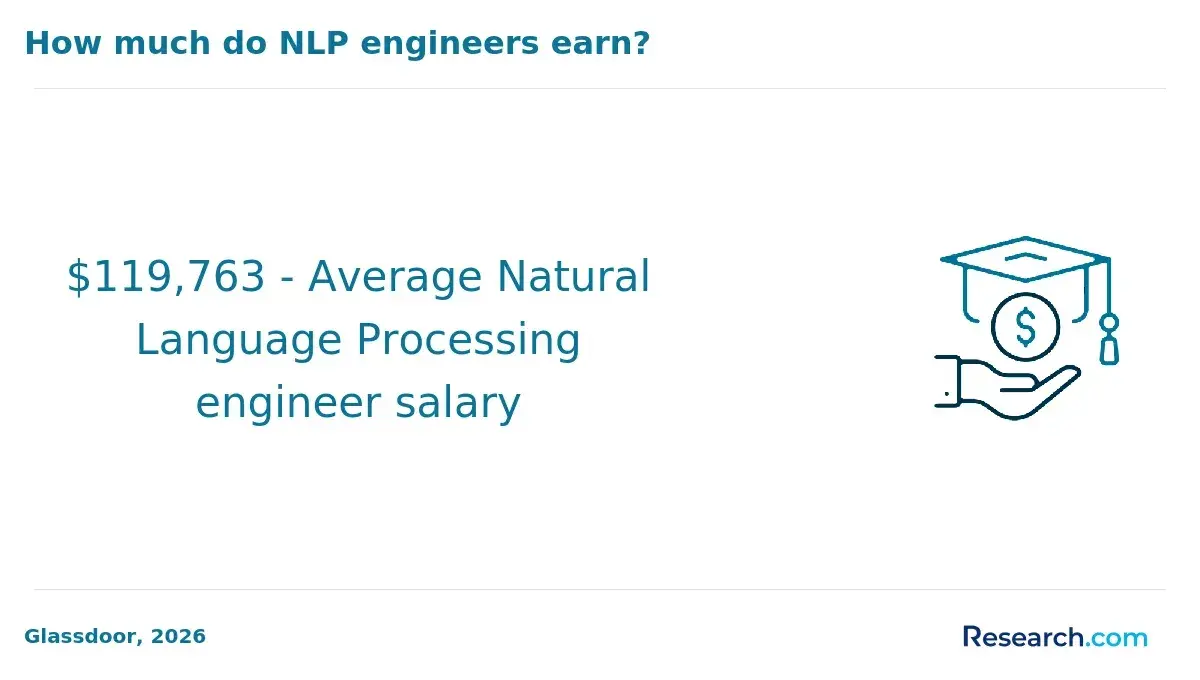
Are online AI courses better than campus programs for executives?
Online AI courses offer exceptional flexibility for executives managing busy schedules and global duties. Many programs provide self-paced or asynchronous options, allowing leaders to study without interrupting work. In contrast, campus programs deliver immersive experiences and networking opportunities but often require significant time away from the office, a challenge for many executives. This distinction is key when considering online AI courses versus campus programs for executives.
Cost considerations also play a major role. According to edX's analysis of AI executive programs, university-branded certificates range from $2,500 to $3,500, with 58% of employers offering partial or full tuition reimbursement. Online formats typically reduce travel and accommodation expenses, making education more affordable and accessible.
Benefits of online AI education for executive leaders include diverse content delivery through interactive platforms, real-time simulations, and virtual global peer interaction. Executives can collaborate with AI specialists worldwide, an experience less common in traditional campus settings. However, campus programs may appeal to those seeking hands-on labs and direct faculty access.
When choosing between formats, executives should consider personal learning preferences, time availability, and specific skill objectives. Hybrid models blend both online and campus benefits to suit diverse needs. For those interested in related technology fields, exploring game design degrees may also offer useful insights into digital innovation.
What topics are covered in executive AI adoption courses?
Executive AI adoption strategy and best practices are crucial for leaders aiming to integrate AI effectively within their organizations. Key areas covered in leadership training include AI strategy development, aligning AI initiatives with business objectives to ensure measurable outcomes. Ethical considerations and data governance also play major roles, emphasizing responsible AI use, risk mitigation, and regulatory compliance to avoid bias and promote transparency.
Courses in AI integration and leadership training for executives often focus on technologies such as machine learning, natural language processing, and automation, enabling informed evaluations of AI tools and vendors. Operational topics include change management to foster AI readiness and overcome resistance, alongside talent management that helps identify skill gaps and nurture internal AI expertise.
Financial modeling is another critical topic, guiding leaders in assessing AI investment returns and budgeting for pilot projects or full deployments. Practical case studies illustrate AI applications in sectors like healthcare, finance, and manufacturing, demonstrating diverse use cases and strategic approaches.
A survey by Deloitte Human Capital Trends highlights a preference among 72% of executives for online or hybrid upskilling formats, yet only 38% feel current offerings meet senior leadership needs. This underscores the demand for targeted programs that balance rapid innovation with enterprise-wide governance.
For professionals interested in expanding their tech knowledge in related areas, exploring cyber security courses online can complement AI leadership skills, enhancing overall digital readiness.
What admissions requirements do executive AI courses usually have?
Applicants to executive AI courses are generally expected to have substantial professional experience, often between 5 and 15 years in leadership, management, or specialized technical roles. Programs focus on candidates with decision-making responsibilities or those actively engaged in AI adoption within their organizations.
Admissions typically require a detailed résumé or CV emphasizing industry experience, along with a statement of purpose outlining goals related to AI integration and business transformation.
Academic requirements vary: some programs accept a bachelor's degree in any field, while more competitive ones prefer backgrounds in business, technology, or data science. Standardized tests like the GRE or GMAT are frequently optional, especially at top business schools such as Harvard, MIT, and Wharton, which often substitute testing with thorough interviews or references to evaluate leadership and strategic thinking.
Letters of recommendation from supervisors or professional contacts are commonly required or encouraged, highlighting the applicant's ability to lead AI-driven initiatives. While some familiarity with AI concepts is assessed, deep technical expertise is not always mandatory.
- Significant leadership experience is crucial.
- Educational background preferences vary by program.
- Strong emphasis on strategic thinking and AI project involvement.
- Growing enrollment at top schools reflects rising demand.
According to GMAC's "AI for Business Courses" review, enrollment at top business schools has increased by 46%, intensifying competition and underscoring the value of demonstrated leadership impact in artificial intelligence projects.
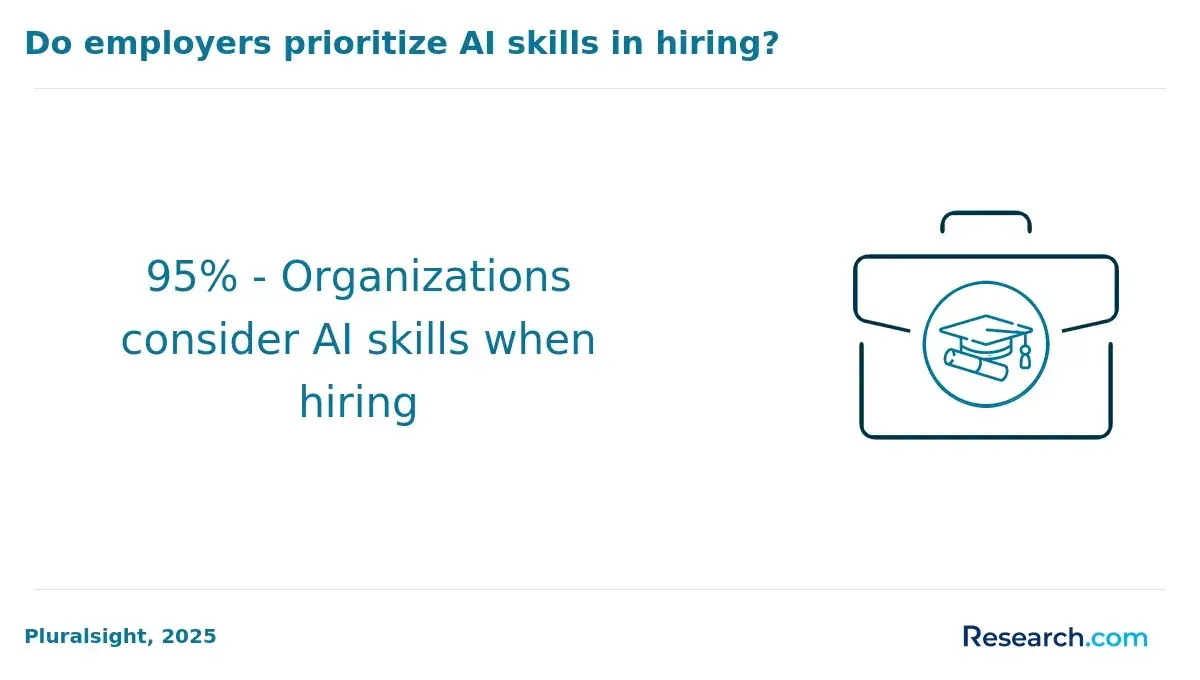
How long do executive AI courses take to complete?
Executive AI courses vary widely in duration, from one day to up to three months, depending on the program's format and depth. Short workshops typically last 8 to 16 hours over one or two days, targeting busy executives who need rapid awareness and practical frameworks on foundational concepts, strategic impacts, and leadership skills for AI adoption.
More comprehensive programs often run from four to twelve weeks and combine live instruction, asynchronous learning, and project work. These blended courses help executives build a deeper technical and organizational understanding, covering topics such as AI strategy, data governance, and change management. Participants usually invest 3-5 hours per week in these courses.
Longer formats extending two to three months or more delve into advanced subjects like machine learning basics, ethical AI use, and AI-driven innovation management. Such programs emphasize case studies, peer collaboration, and actionable implementation plans tailored to industry needs. This approach responds to findings like the IBM 2024 Global AI Adoption Index, which reported that 61% of CEOs see a leadership AI skills gap as a critical barrier.
Executives should choose courses aligned with their knowledge, time, and organizational goals. Quick upskilling is possible with brief sessions, while those responsible for AI integration benefit from longer programs offering strategic and technical fluency. Flexible, modular content also supports balancing learning with busy schedules, enabling effective skill acquisition crucial for overcoming current AI leadership challenges.
How much do executive AI courses cost?
Executive AI courses can vary significantly in price based on factors such as length, provider prestige, and course content depth. Short certificate programs or workshops typically range from $1,500 to $5,000. For instance, a focused three-day executive program on AI strategy may cost around $2,000, appealing to busy professionals seeking targeted, actionable insights. More extensive courses lasting several weeks or offered by well-known institutions often charge between $7,000 and $15,000 or more.
Online courses generally offer lower prices, sometimes starting near $1,000, while hybrid or in-person programs tend to be more expensive due to added networking and hands-on experiences. Some options include personalized coaching or company-specific AI adoption plans, which increase price but also practical value.
Price is only one consideration. The World Economic Forum's 2025 Global Cybersecurity Outlook reports that 54% of organizations deploying AI recently encountered at least one AI-related governance or compliance issue. This highlights why executives should prioritize courses focused on AI risk management, compliance, and governance-topics that require specialized, often higher-cost training.
Executives should assess whether programs cover emerging regulations and ethical AI frameworks. Depending on industry risks and organizational maturity, investing $10,000 or more in comprehensive executive education may help avoid costly compliance failures.
- Availability of corporate packages or group discounts
- Inclusion of case studies relevant to one's sector
- Access to ongoing alumni networks or follow-up resources
Which certifications help executives lead AI adoption?
Executives leading AI adoption benefit from certifications that blend strategic insight with practical integration of AI technologies in business settings. Notable programs include AI for Business Leaders by MIT Sloan, focusing on AI-driven strategy, risk management, and ethical issues. Harvard Business School's Leading with AI and Analytics prepares leaders to leverage data and AI in decision-making effectively.
Certifications like Stanford's AI Strategy and Governance highlight AI ethics, regulation, and organizational change management, which are key to overcoming adoption obstacles. The Certified AI Business Professional (CAIBP) bridges technical and commercial perspectives, helping executives communicate with AI teams and stakeholders.
These programs address challenges such as translating AI concepts into actionable strategies and managing change resistance, supported by real-world case studies for practical learning. A McKinsey Global Survey found organizations with AI-trained senior leaders are 2.5 times more likely to experience revenue growth above 10% from AI initiatives.
Executives should prioritize certifications offering:
- Strategic AI knowledge tailored for non-technical decision-makers
- Governance and ethics frameworks for responsible AI adoption
- Cross-functional AI project management skills
- Outcomes-based, real-world applications
Focusing on programs with strong industry recognition and interdisciplinary curricula positions executives to drive AI adoption successfully and maximize ROI.
What jobs can executives pursue after AI training?
Executives with training in artificial intelligence often occupy strategic leadership roles integrating technological expertise. Positions such as AI program managers oversee projects across departments, ensuring alignment with overall business goals. Chief AI officers are emerging as dedicated C-suite executives responsible for embedding AI into organizational strategy. Additionally, AI product managers steer the development and deployment of AI solutions tailored to specific user needs.
Many executives also shift toward compliance and risk roles, especially in regulated industries like healthcare and finance. According to Accenture's 2024 Technology Vision report, 63% of executives in these sectors highlight the importance of industry-specific AI education for effective compliance and risk management.
Other growing roles include data governance leaders who ensure ethical AI data use and quality, and strategy consultants who help companies adopt AI to improve efficiency and competitive positioning.
- Healthcare executives managing AI-driven patient data analysis while ensuring regulatory compliance
- Financial services leaders deploying AI for fraud detection within strict compliance frameworks
- Public sector leaders optimizing citizen services with AI under applicable legal requirements
Successful executives blend core management skills with AI knowledge, enabling effective communication of complex technologies and leadership of cross-functional teams-opening pathways beyond traditional management roles.
What salary and job outlook apply to AI leadership roles?
AI leadership roles offer rewarding salaries and a strong job market fueled by widespread adoption of artificial intelligence across sectors. Executive positions such as AI directors, chief AI officers, and AI program managers typically earn median salaries between $150,000 and $250,000, with technology and finance industries offering the highest compensation. These roles are critical in aligning AI initiatives with business strategy while managing risks.
The demand for AI leadership is expected to grow rapidly, with a 28% compound annual growth rate projected for AI and data-related micro-credentials targeted at executives from 2024 to 2030, according to HolonIQ's global education market analysis. This highlights the increasing need for formal credentials in AI management and ongoing professional development.
Success in AI leadership depends on balancing technical expertise and strategic vision. Employers seek leaders who can navigate ethical challenges, ensure data governance, and integrate AI across business functions. Practical courses in AI leadership enhance these skills and can boost career advancement and pay.
Job security and career mobility remain strong as industries like healthcare, manufacturing, and retail deepen their reliance on AI solutions. Professionals should consider specialized micro-credentials to stay competitive amid evolving AI governance and market demands.
Other Things You Should Know About Artificial Intelligence
Executives need to understand that ethical considerations in artificial intelligence include fairness, transparency, privacy, and accountability. Bias in AI algorithms can lead to unfair outcomes, so it is vital to prioritize the development and use of unbiased systems. Additionally, ensuring user data privacy and establishing clear responsibility for AI decisions are key factors in ethical AI deployment.
Artificial intelligence can enhance decision-making by providing data-driven insights, predictive analytics, and automation of routine tasks. It can help executives identify trends and risks more quickly than traditional methods. However, decision-makers must balance AI recommendations with human judgment, especially when ethical or strategic considerations are involved.
In 2027, top courses for executives managing AI adoption include MIT's Executive Program in Artificial Intelligence, Stanford's AI Executive Education, and INSEAD's AI for Business Leaders. These programs emphasize strategic integration, ethical considerations, and practical application of AI technologies in business settings.
Ongoing education is critical for executives as artificial intelligence technologies and best practices evolve rapidly. Staying current helps leaders adapt strategies, maintain competitive advantages, and ensure responsible AI use. Continuous learning also supports better risk management and innovation within the organization.
References
- AI for Executives: Top AI Training Programs (2025) https://www.corpoladder.com/blog/ai-strategy-leadership-training-executives
- 16 Artificial Intelligence Career Paths https://www.calmu.edu/news/artificial-intelligence-career-paths
- From the C-Suite to the AI Suite: The Best AI Leadership Courses - Emeritus Online Courses https://emeritus.org/blog/b-best-ai-leadership-courses-csuite/
- The AI upskilling guide for executives https://www.bvp.com/atlas/the-ai-upskilling-guide-for-executives
- Certified AI Strategy and Leadership Executive (CASLE) – AI Professional Institue https://aipro.institute/en/certifications/certified-ai-strategy-and-leadership-executive-casle/
- AI - Artificial Intelligence | London Business School https://www.london.edu/executive-education/ai
- How Much Does AI Training for Businesses Cost? - Bizzuka https://www.bizzuka.com/how-much-does-ai-training-for-businesses-cost/
- How Long Does It Take to Learn AI Completely? https://blog.nobledesktop.com/learn/ai/how-long-do-ai-courses-take
- Certified AI Transformation Leader | CAITL | AI Leader Certifications https://www.usaii.org/artificial-intelligence-certifications/certified-ai-transformation-leader