2027 Best AI Courses for Pharmacovigilance Teams

Co-Founder and Chief Data Scientist
Pharmacovigilance teams face increasing challenges in managing vast amounts of drug safety data efficiently. Manual processing often results in delays, missed signals, and regulatory risks.
Integrating artificial intelligence tools can automate signal detection and risk assessment, improving accuracy and response time. However, professionals without a technical background struggle to find accessible AI training tailored to pharmacovigilance needs.
This article explores the best AI courses designed specifically to equip pharmacovigilance teams with practical skills, enabling them to leverage technology confidently and enhance patient safety outcomes in their workflows.
Key Things You Should Know
- AI courses for pharmacovigilance teams in 2026 emphasize real-world data analysis, improving adverse drug event detection efficiency by up to 40% compared to traditional methods.
- Advanced machine learning techniques in these courses focus on automating case processing, reducing manual workload by nearly 35%, essential for regulatory compliance and safety monitoring.
- Programs increasingly integrate natural language processing for extracting valuable safety signals from unstructured clinical data, reflecting growing industry demand and a 20% annual training enrollment increase.
Advance Your Career with AI Online Courses
Artificial Intelligence: Implications for Business Strategy
This program provides an introduction to Artificial Intelligence and their implications for business strategy. Earn an official digital certificate.

Oxford Artificial Intelligence Programme
Explore this Oxford Artificial Intelligence programme offered in a flexible learning environment and explore topics like machine learning, automation, and robotics.

Implementing Agentic AI: Building Your Organizational Playbook
This online MIT Agentic AI course offers a practical approach to deploying AI agents in your organization, including a custom playbook. 3 weeks, exclusive launch price.

AI Adoption: Driving Business Value and Impact
This online MIT AI Adoption: Driving Business Value and Impact offers practical frameworks to close the gap between AI potential and business reality.

Artificial Intelligence in Pharma and Biotech
Discover the applications and limitations of artificial intelligence in pharma and biotech with this MIT online short course.

What is pharmacovigilance in the era of AI, and why do teams need AI training?
Pharmacovigilance teams ai integration strategies now heavily rely on artificial intelligence to enhance drug safety monitoring and adverse event detection. AI automates labor-intensive tasks such as large-scale case processing and signal detection, increasing accuracy and reducing delays in regulatory compliance.
However, effective use of these advanced tools requires specific AI training for pharmacovigilance professionals to ensure safe implementation and accurate analysis of complex datasets.
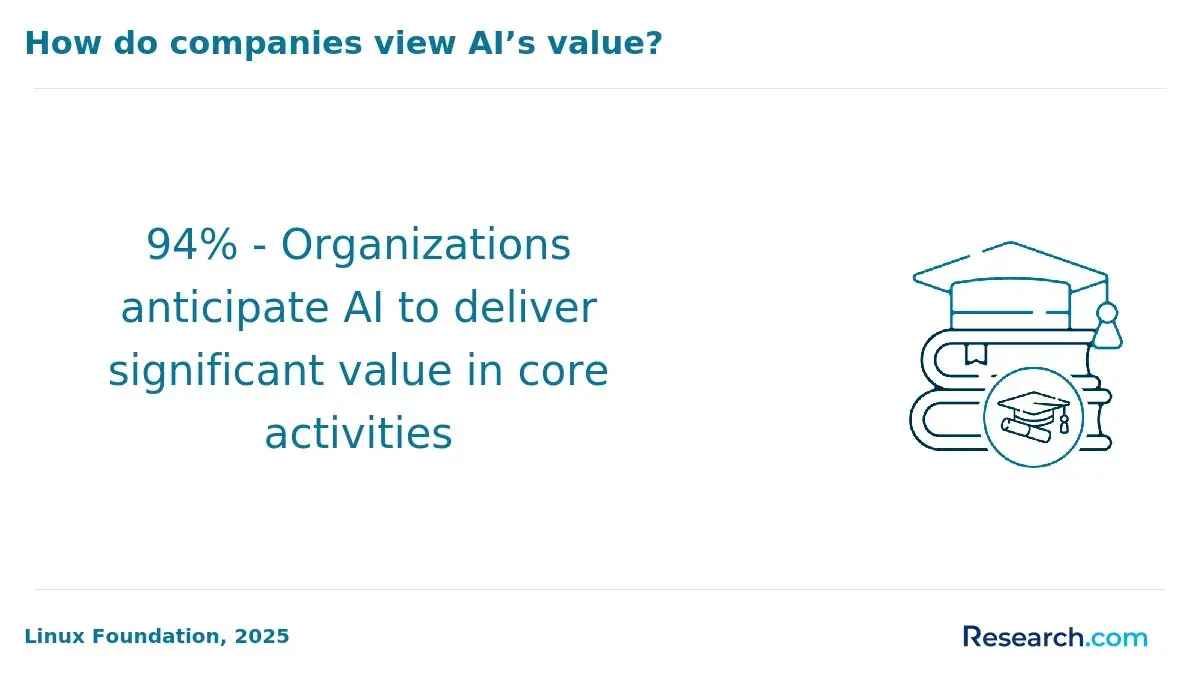
A 2024 Accenture Life Sciences survey found that 68% of pharmacovigilance leaders plan to adopt AI or machine learning technologies by 2027, yet only 31% feel their current workforce has adequate AI skills. This highlights an urgent need for targeted education programs to bridge the skills gap and minimize risks related to errors, bias, or non-compliance.
AI training benefits for pharmacovigilance professionals include:
- Understanding machine learning model outputs and their limitations for signal validation
- Using natural language processing tools to extract data from unstructured reports
- Applying ethical AI practices compliant with regulations such as FDA and EMA guidelines
- Integrating AI seamlessly with existing safety databases and pharmacovigilance systems
Without proper AI expertise, misinterpretation of automated results and overlooked safety signals can jeopardize data integrity. AI training also promotes better collaboration between data scientists and safety experts, enhancing decision-making.
Students and professionals seeking to enter or advance in pharmacovigilance should consider pursuing relevant education, such as those listed in the data science master degree ranking, to meet evolving industry demands and regulatory expectations effectively.
Advance Your Career with AI Online Courses
Artificial Intelligence: Implications for Business Strategy
This program provides an introduction to Artificial Intelligence and their implications for business strategy. Earn an official digital certificate.
Oxford Artificial Intelligence Programme
Explore this Oxford Artificial Intelligence programme offered in a flexible learning environment and explore topics like machine learning, automation, and robotics.
Implementing Agentic AI: Building Your Organizational Playbook
This online MIT Agentic AI course offers a practical approach to deploying AI agents in your organization, including a custom playbook. 3 weeks, exclusive launch price.
What types of AI courses are best for pharmacovigilance and drug safety professionals?
The best AI courses for pharmacovigilance and drug safety professionals focus on practical skills in machine learning, natural language processing, and data analytics tailored to healthcare and regulatory needs.
These programs emphasize automated signal detection, adverse event case processing, and risk management using AI tools. Building a strong foundation in data handling alongside regulatory knowledge is essential.
Core topics in the best training programs in artificial intelligence for drug safety teams include:
- Machine learning algorithms for safety signal detection and prediction
- Text mining and natural language processing applied to medical literature and reports
- Data integration linking clinical trials, electronic health records, and spontaneous reports
- AI-driven causality assessment and risk stratification models
- Regulatory frameworks and compliance for AI in drug safety
Hands-on training with pharmacovigilance databases and AI software, along with case studies on AI implementation challenges, provide valuable experience. Specialized certificate programs covering AI for healthcare or life sciences that include pharmacovigilance modules are especially beneficial. Professionals should seek courses with collaborations involving industry or regulatory agencies for current insights.
According to Global Market Insights, the AI in pharmacovigilance market will expand from USD 1.1 billion in 2023 to over USD 5.0 billion by 2032 with a CAGR above 18%. This growth reflects employer demand for safety professionals with AI literacy.
Thus, courses blending technical AI skills with drug safety expertise better prepare pharmacovigilance teams for evolving technologies and job requirements. Prospective learners looking for affordable options may explore AI degrees suited to their career goals.
How do AI courses for pharmacovigilance differ for beginners, intermediates, and advanced learners?
AI courses for pharmacovigilance beginners vs advanced practitioners differ mainly in focus and complexity, addressing varied competencies at each level.
Beginners concentrate on foundational skills like basic data handling, signal detection, and introductory AI tools used in adverse event case processing. Practical exercises emphasize interpreting AI-generated alerts and standard workflows to build essential data literacy.
Intermediate training expands into advanced analytics, machine learning model evaluation, and validation techniques. Learners work with real-world case studies involving AI output review, anomaly detection, and risk assessment.
This stage sharpens the ability to critically assess AI performance and ensure regulatory compliance, reflecting findings from a DIA pharmacovigilance workforce study where 74% of departments incorporating AI require expertise in data interpretation and AI output validation. These pharmacovigilance AI training levels explained help professionals bridge technical understanding with regulatory needs effectively.
Advanced courses target specialists who lead AI integration and innovation. Topics cover custom algorithm development, automating signal detection, managing large datasets with statistical models, and governance including ethical AI use.
Training also includes managing the AI lifecycle within PV departments and strategic oversight impacting regulatory submissions and cross-functional collaboration.
Choosing the right course aligns with job roles and career goals. Beginners develop foundational competence, intermediates enhance technical and regulatory analysis skills, and advanced learners lead AI adoption and robust system performance.
Many pursuing these paths consider the cheapest online data science masters programs to strengthen their qualifications.
What core AI and data science skills should pharmacovigilance courses teach?
Pharmacovigilance courses must equip students with core skills in artificial intelligence for pharmacovigilance teams that enhance drug safety monitoring and detect adverse events early. Essential data science competencies for pharmacovigilance professionals include machine learning model development, which helps create predictive algorithms to identify potential safety risks.
Mastery of natural language processing is vital for extracting relevant insights from unstructured data such as clinical notes and social media reports. Since pharmacovigilance data is often inconsistent, proficiency in data cleaning and preprocessing is critical.
Statistical methods and data visualization techniques are necessary to interpret artificial intelligence outputs accurately, alongside knowledge of regulatory standards like FDA and EMA to ensure compliance. Training in cloud computing and software languages such as Python, R, and SQL also prepares learners to manage large datasets efficiently.
Courses should incorporate real-world pharmacovigilance scenarios, including signal detection, case narrative reviews, and benefit-risk assessments with AI tools. Hands-on projects using datasets from Phase IV clinical trials or post-marketing surveillance help develop practical expertise.
There is growing demand for these specialized skills; Udemy's 2024 Trends Report noted a 220% global increase in enrollments in AI-focused drug safety courses between 2022 and 2024. Prospective students seeking a solid foundation merging AI and pharmacovigilance applications might also consider pursuing the cheapest online computer science degree to broaden their skill set and career options.
How do online, hybrid, and campus-based AI programs compare for pharmacovigilance teams?
Online, hybrid, and campus-based artificial intelligence programs each offer unique benefits for pharmacovigilance professionals. Online programs provide high flexibility, enabling learners to balance work and study from any location through self-paced modules and interactive resources.
This suits those seeking to upskill without interrupting their current roles, though it may lack hands-on experience and direct mentorship critical for mastering AI applications in drug safety.
Hybrid programs mix online convenience with scheduled in-person sessions, offering practical workshops and peer collaboration. This model supports pharmacovigilance teams aiming to acquire both theoretical knowledge and applied skills, such as AI-driven signal detection and case processing, but requires more planning to manage different formats.
Campus-based programs deliver immersive training with direct faculty access and specialized labs that simulate real-world challenges. These enable immediate feedback and deeper engagement in AI tools for adverse event reporting but demand significant time and location commitment that may not be feasible for all working professionals.
According to Coursera's 2024 Workforce Skills Study, pharmacovigilance professionals completing industry-aligned AI certifications in regulated sectors like pharma reported an average 19% salary increase or role upgrade within a year. Credentials that align closely with industry needs remain highly valued regardless of delivery format.
Which U.S. universities and platforms offer reputable AI courses focused on pharmacovigilance?
Leading U.S. universities and online platforms offer specialized AI courses tailored specifically for pharmacovigilance professionals. MIT Sloan Executive Education's "Artificial Intelligence in Pharma and Biotech" executive program is notable for addressing AI applications across drug safety, regulatory affairs, and clinical operations.
A recent report from MIT Sloan highlights an increase in pharmacovigilance participants to over 60%, up from less than 30%, showing growing industry relevance.
Stanford University integrates machine learning techniques with drug safety monitoring in courses from its AI and biomedical informatics departments. These emphasize practical tools to detect adverse drug reactions and enhance signal detection accuracy.
Johns Hopkins University offers a professional certificate blending AI fundamentals with regulatory science, helping professionals manage compliance while applying AI-driven workflows.
Online platforms like Coursera and edX collaborate with top institutions to deliver courses focused on real-world pharmacovigilance data analysis and predictive modeling. They provide flexible learning paths suited for both beginners and experienced professionals.
Pharmacovigilance teams frequently seek guidance on integrating AI technologies within existing safety processes and maintaining data quality. These programs include hands-on case studies and best practices that ensure model validation and regulatory acceptance.
Choosing the right program that balances AI theory and pharmacovigilance applications, focusing on clinical safety data, regulatory frameworks, and AI ethics, is key to aligning skills with industry standards and compliance requirements.
How can teams evaluate accreditation, regulatory alignment, and quality of AI pharmacovigilance courses?
Teams should verify if AI pharmacovigilance courses are accredited by recognized bodies like the Accreditation Council for Pharmacy Education (ACPE) or equivalent industry organizations.
Accreditation confirms that the curriculum meets strict educational quality and relevance standards. Additionally, courses must align with regulatory guidance from agencies such as the FDA, EMA, or ICH, especially concerning pharmacovigilance and safety case processing, ensuring compliance and applicable expertise.
Quality evaluation involves checking instructor qualifications, course reviews, and the presence of practical components. Effective training often includes case studies, hands-on exercises with real data, and modules covering vendor-specific automation tools, which enhance real-world applicability.
Documented outcomes and industry endorsements add further reliability. Insights from a Veeva Systems customer brief reveal that pharmacovigilance teams completing vendor-led AI training for safety case automation reported a 30-40% reduction in manual processing time within one year, demonstrating tangible benefits.
Training programs should also be regularly updated to reflect advances in AI technology, evolving regulations, and emerging topics such as AI ethics, data privacy, and machine learning explainability. Thoroughly comparing syllabi enables teams to select courses that stay current and comprehensive.
In summary, evaluating AI pharmacovigilance courses requires scrutiny of accreditation, regulatory compliance, instructor expertise, hands-on learning, and proven impact metrics to ensure effective skill development and industry readiness.
What are the typical length, cost, and funding options for AI training in pharmacovigilance?
AI training for pharmacovigilance professionals varies significantly in length and depth. Short, intensive boot camps lasting 2 to 3 weeks focus on specific skills like machine learning and data analytics, ideal for those needing quick skill upgrades.
Standard programs usually run 4 to 12 weeks, while more comprehensive certificate or university-affiliated courses can extend up to 6 months, covering critical regulatory compliance and governance topics essential for this field.
Training costs range widely, from about $1,000 for short workshops to $7,000 or more for in-depth credentialed programs. Many organizations support workforce development by offering employer-sponsored training, grants, or tuition reimbursement.
According to a 2024 Deloitte survey, 82% of companies implementing AI in pharmacovigilance identify regulatory compliance training as the most significant skills gap. This drives investments in contract partnerships and government-funded upskilling programs to close that gap effectively.
When selecting a program, emphasize those with strong compliance and governance content to meet regulatory demands. Balancing course length and cost helps optimize readiness for complex AI applications in pharmacovigilance, supporting career advancement in this rapidly evolving area.
How do AI skills in pharmacovigilance impact roles, salaries, and career advancement?
Expertise in artificial intelligence within pharmacovigilance drives higher salaries, faster career growth, and essential organizational value.
Professionals skilled in AI-powered data analysis, signal detection, and automated reporting accelerate adverse drug reaction identification while ensuring regulatory compliance. This makes them vital to improving patient safety and operational efficiency.
A McKinsey report highlights that biopharma companies with internal AI training academies, including pharmacovigilance teams, are 2.5 times more likely to achieve AI investment returns than those depending solely on external hires. This underscores how employers prioritize cultivating AI talent internally, leading to greater demand and better compensation for specialists.
Salary advantages for those with AI skills in pharmacovigilance range from 15% to 30% higher than peers without such expertise. For instance, AI-enabled safety data scientists and automation analysts often start around $90,000, with potential earnings exceeding $130,000 annually in the U.S., compared to about $70,000 for traditional roles.
Career advancement prospects also improve markedly for professionals who master AI technologies such as machine learning, natural language processing, and model validation. This expertise opens doors to leadership positions in drug safety, data governance, and compliance strategy while bridging pharmacology and data science teams.
Students and working professionals benefit from AI-focused pharmacovigilance courses, which demonstrate both domain knowledge and technical aiAI proficiency, qualities highly sought by employers.
What certifications, microcredentials, or employer-led programs validate AI skills for pharmacovigilance work?
Certification and microcredential programs in AI for pharmacovigilance professionals focus on data analytics, machine learning, and regulatory compliance.
Notable options include the AI in Healthcare Specialization, which covers AI applications in drug safety and adverse event detection. The Certified Specialist in Pharmacovigilance and Artificial Intelligence (CSPAI) credential provides targeted validation of AI skills tailored specifically to this field.
Popular platforms like Coursera and edX offer microcredentials emphasizing foundational AI and machine learning principles, alongside their application to healthcare data systems. These programs are designed for working professionals, enhancing skills in signal detection and risk management workflows.
Employer-led training, especially within pharmaceutical firms and contract research organizations, blends proprietary AI tool instruction with updates on regulatory guidelines. This approach sharpens job-specific competence in AI for pharmacovigilance roles.
Recent industry reports show AI and machine learning skills have surged more than 45% among safety and regulatory specialists, reflecting strong demand. Certifications from recognized organizations such as the DIA, which include AI modules, reinforce professional credibility.
To maximize value, professionals should seek certifications combining AI techniques with pharmacovigilance regulatory knowledge and hands-on projects, such as algorithm development for signal detection or natural language processing on safety reports. Internal company pathways validating AI proficiency complement external credentials, creating comprehensive qualification portfolios.
Other Things You Should Know About Artificial Intelligence
In 2027, top AI courses for pharmacovigilance teams include Stanford's AI for Healthcare specialization, Coursera's AI for Drug Safety Monitoring, and the University of Oxford's Applied AI in Health Sciences. These courses cover AI applications, data analysis, and ethical considerations specific to pharmacovigilance.
Artificial intelligence automates the processing and analysis of large datasets, enabling faster identification of potential safety signals. It enhances the accuracy of case evaluations by using natural language processing to interpret unstructured data. As a result, pharmacovigilance teams can detect risks sooner and allocate resources more effectively.
Artificial intelligence acts as a powerful support tool but does not replace human judgment in pharmacovigilance. AI can rapidly process and organize data, but expert oversight is essential to interpret findings within clinical and regulatory contexts. Human expertise remains critical for decision-making, ethics, and ensuring patient safety.
Teams must ensure compliance with data privacy laws such as HIPAA when using artificial intelligence tools that handle patient information. Ethical considerations include preventing algorithmic bias that could impact decision fairness and maintaining transparency in AI processes. Adherence to regulatory guidelines for drug safety surveillance is also fundamental to lawful and responsible AI use.
References
- Certified AI Pharmacovigilance Specialist (CAIPVS) from Tonex, Inc. | NICCS https://niccs.cisa.gov/training/catalog/tonex/certified-ai-pharmacovigilance-specialist-caipvs
- Upcoming Trends in Drug Safety with AI/ML - Drug Safety and Pharmacovigilance Course https://medipharmsolutions.com/blog/upcoming-trends-in-drug-safety-with-ai-ml/
- AI Applications in Pharmacovigilance and Drug Safety | IntuitionLabs https://intuitionlabs.ai/articles/ai-pharmacovigilance-drug-safety
- Delivering AI in Pharmacovigilance: a Survey of Existing Guidance - Biologit https://www.biologit.com/insights/delivering-ai-in-pharmacovigilance-a-survey-of-existing-guidance/
- AI Training Cost Per Employee 2026 https://www.pertamapartners.com/insights/cost-per-employee-ai-training-budgeting
- Essential Skills for Data Science and AI/ML Professionals - HR Bioanalysis https://www.hrbioanalysis.it/essential-skills-for-data-science-and-ai-ml-professionals/
- AI in Pharmacovigilance Course: Comprehensive Introduction to the Transformative Impact of Artificial Intelligence on Drug Safety and Monitoring https://finance.yahoo.com/sectors/healthcare/articles/ai-pharmacovigilance-course-comprehensive-introduction-081500048.html