2027 Best AI Agent Courses for HR Leaders

Co-Founder and Chief Data Scientist
Human resource leaders face growing pressure to integrate artificial intelligence tools to enhance talent acquisition, employee engagement, and workforce analytics. Many struggle with identifying relevant courses that balance technical depth with strategic management skills. Traditional HR degrees often lack focused training on AI applications, leaving professionals underprepared for evolving demands.
Navigating the variety of educational options can be overwhelming, especially for those pivoting from unrelated fields. This article explores the best AI agent courses tailored for HR leaders, highlighting flexible, accredited programs that equip them to leverage artificial intelligence effectively and drive organizational transformation.
Key Things You Should Know
- AI agent courses for HR leaders in 2026 emphasize practical skills in workforce analytics, with 68% of programs integrating real-world data projects to enhance decision-making.
- During 2024-2025, enrollment in specialized AI courses for HR professionals grew by 42%, reflecting rising industry demand for AI-driven talent management expertise.
- Key course content includes ethical AI use in HR, automation of recruitment tasks, and leveraging predictive analytics to improve retention and diversity outcomes.
Advance Your Career with AI Online Courses
Artificial Intelligence: Implications for Business Strategy
This program provides an introduction to Artificial Intelligence and their implications for business strategy. Earn an official digital certificate.

Oxford Artificial Intelligence Programme
Explore this Oxford Artificial Intelligence programme offered in a flexible learning environment and explore topics like machine learning, automation, and robotics.

Implementing Agentic AI: Building Your Organizational Playbook
This online MIT Agentic AI course offers a practical approach to deploying AI agents in your organization, including a custom playbook. 3 weeks, exclusive launch price.

AI Adoption: Driving Business Value and Impact
This online MIT AI Adoption: Driving Business Value and Impact offers practical frameworks to close the gap between AI potential and business reality.

Artificial Intelligence in Pharma and Biotech
Discover the applications and limitations of artificial intelligence in pharma and biotech with this MIT online short course.

What are the best AI agent courses for HR leaders and how do they differ?
The best ai agent courses for hr leaders emphasize practical uses of generative AI and automation in talent management, recruitment, and employee engagement. Top artificial intelligence training programs for hr professionals vary mainly in curriculum focus, technical rigor, and industry-specific case studies. Some courses highlight AI-powered predictive analytics for workforce planning, while others concentrate on conversational AI and chatbot applications in employee support.
Leading programs typically cover three core areas: AI fundamentals adapted to HR scenarios, hands-on experience with popular AI platforms, and strategic guidance for ethical AI adoption. Many offerings from respected business schools and professional HR associations include modules on bias mitigation and legal compliance, essential for addressing challenges HR leaders face when implementing AI systems.
With only 43% of organizations currently using AI in HR and just 16% having deployed generative AI, as detailed in SHRM's 2025 Talent Trends report, these courses help bridge technical knowledge with strategic readiness. For those new to technical concepts, courses offering step-by-step practical labs and user-friendly tools are beneficial. Advanced programs often include data science components and AI governance frameworks for those leading enterprise-wide digital transformation. Prospective students may also find value in researching the data science major ranking to identify accessible, affordable options aligned with their goals.
Advance Your Career with AI Online Courses
Artificial Intelligence: Implications for Business Strategy
This program provides an introduction to Artificial Intelligence and their implications for business strategy. Earn an official digital certificate.
Oxford Artificial Intelligence Programme
Explore this Oxford Artificial Intelligence programme offered in a flexible learning environment and explore topics like machine learning, automation, and robotics.
Implementing Agentic AI: Building Your Organizational Playbook
This online MIT Agentic AI course offers a practical approach to deploying AI agents in your organization, including a custom playbook. 3 weeks, exclusive launch price.
How can AI agent training specifically improve core HR functions and decision-making?
AI agent training benefits for HR decision-making by enabling more efficient and data-driven management of talent acquisition. Human resource leaders equipped with AI skills can use predictive analytics to identify candidates with the highest success potential, analyzing resume patterns and hiring outcomes to improve candidate prioritization beyond manual methods.
Improving core HR functions with AI agent courses also enhances performance management. AI agents enable continuous monitoring and unbiased assessments, helping HR professionals reduce the impact of human bias and ensure fair promotions and compensation. Personalized employee development plans become feasible by analyzing skills gaps and tailoring learning paths accordingly.
Workforce planning gains precision through AI's ability to forecast staffing needs based on trends like turnover and project demands. HR leaders trained in AI can align hiring strategies precisely with business objectives, avoiding overstaffing or understaffing challenges. Furthermore, AI agent education automates compliance tracking by monitoring labor law updates and highlighting potential risks early, protecting companies from legal issues.
Given that 68% of workers value learning and development support for AI skills per LinkedIn's 2025 Workplace Learning Report, integrating AI agent training into HR curricula meets clear workforce expectations. For professionals interested in expanding their technical expertise, pursuing an online degree in mechanical engineering can also complement AI skills with a strong analytical foundation.
What should HR leaders look for when choosing an AI agent course or certificate?
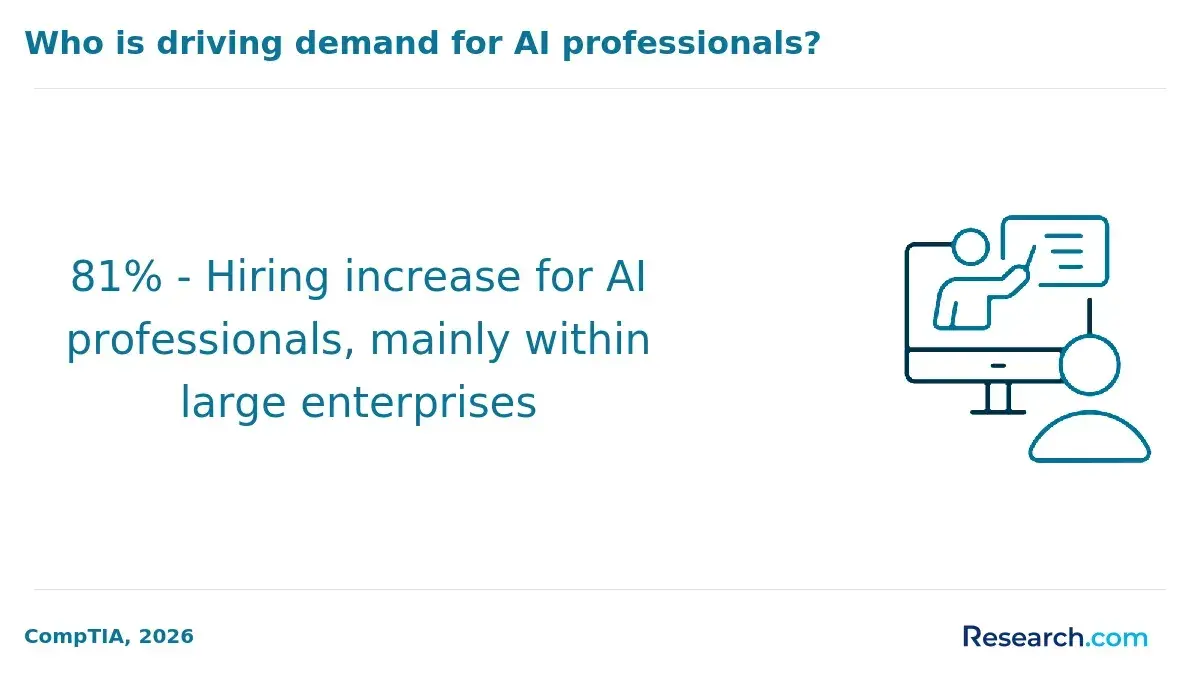
HR leaders selecting an AI agent course should focus on programs that blend technical skills with practical HR applications. Essential topics include machine learning, natural language processing, and AI-driven talent acquisition tools, as 75% of organizations report recruiting as the HR function most impacted by AI, according to Mercer's 2025 Global Talent Trends.
Courses that provide hands-on experience with AI platforms for resume screening, candidate sourcing, and interview automation enhance workplace readiness. Incorporating data privacy and ethical issues, such as AI bias and labor law compliance, is crucial for effective certification for HR leaders in AI agent technology.
Programs affiliated with recognized institutions add credibility, while modular learning options let HR professionals focus on specific topics like AI ethics or integration strategy. Duration and support vary, as short intensive formats suit busy schedules, but ongoing mentorship or AI community access improve long-term skill retention.
Including case studies that demonstrate AI's impact on recruiting funnels and employee engagement fosters deeper strategic insight. Prospective students interested in expanding their expertise may also consider related offerings in data science degrees, which complement AI knowledge in HR contexts.
Are AI agent courses for HR accredited or aligned with recognized professional standards?
AI agent courses aligned with professional HR standards often incorporate frameworks from recognized organizations like the Society for Human Resource Management (SHRM) and the Human Resources Certification Institute (HRCI). These accredited ai agent training programs for HR professionals emphasize competencies such as data-driven decision-making, ethical AI use, and workforce analytics essential for today's HR leaders.
Many accredited universities and professional training organizations include AI modules within their HR certification pathways, helping participants earn credits toward SHRM-CP or SHRM-SCP credentials or comply with HRCI global HR standards. However, several emerging courses from tech-centric platforms or startups prioritize practical, skill-based instruction without formal accreditation, offering vendor-specific certifications valued for hands-on technical proficiency.
The 2025 KPMG CEO Outlook highlights that 69% of executives see their organizations as underprepared for AI adoption due to workforce skill gaps, stressing the need for courses that combine tool usage with recognized certifications to validate expertise and promote career growth.
Prospective learners should seek programs that balance theoretical knowledge with practical application and confirm credit opportunities through SHRM, HRCI, or related bodies. Those interested in foundational computer science skills relevant to AI development may also explore affordable options in computer science degrees as complementary education pathways.
What topics and skills are typically covered in AI agent curricula for HR professionals?
AI agent curricula for HR professionals focus on integrating technology to enhance workforce management and decision-making. These programs cover machine learning fundamentals and natural language processing to automate candidate screening and boost recruitment analytics. Learners gain data literacy skills to interpret HR metrics and apply predictive analytics for forecasting employee turnover and performance.
Ethics and compliance are essential topics, addressing bias mitigation in AI algorithms and ensuring adherence to employment laws when deploying AI tools. Practical training includes configuring AI-driven talent acquisition platforms, chatbots for employee engagement, and automated onboarding systems. This hands-on approach helps reduce manual workloads and improves HR efficiency.
These skills address challenges such as cutting administrative burdens and enhancing decision accuracy. According to McKinsey's 2024 research on generative AI and the future of work, AI could automate 30% of work hours in the U.S. economy by 2030, highlighting its potential to boost productivity in HR. Professionals versed in AI applications position themselves to lead responsible adoption within organizations.
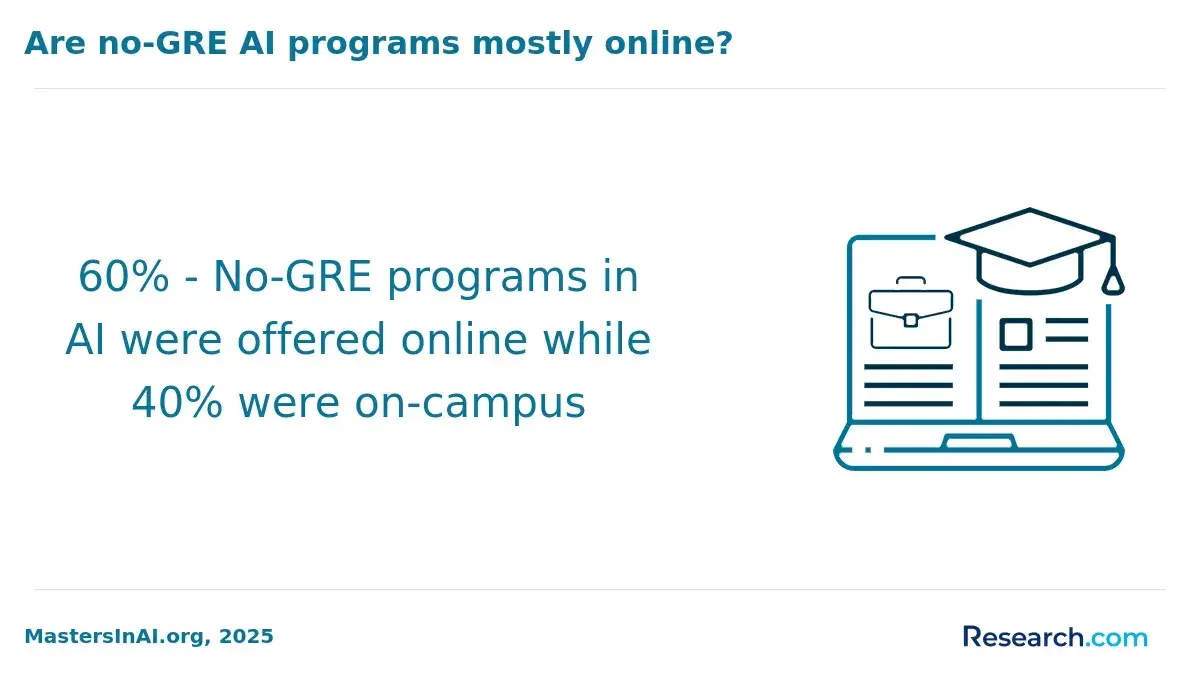
How do online, hybrid, and on-campus AI agent programs for HR compare?
Online AI agent programs for HR provide working professionals with flexibility and cost-efficiency through self-paced modules and virtual collaboration tools. These programs enable learners to access advanced AI concepts without geographic barriers, though they often lack face-to-face interaction critical for networking and hands-on practice with HR technologies.
Hybrid programs combine online coursework with scheduled in-person sessions, offering a balanced learning experience. This approach supports experiential learning with workshops and labs while maintaining flexibility, making it ideal for mid-career professionals who require both remote access and real-time engagement to master AI-driven HR solutions.
On-campus programs immerse students in environments focused on direct mentorship, interaction, and extensive hands-on experience with AI tools. Providing access to institutional resources like AI research labs and partnerships with HR tech companies, these programs cater to those seeking comprehensive skills and strong professional networks despite higher costs and time commitments.
Budget considerations are crucial, especially as 71% of HR leaders list AI and automation among their top three technology priorities for 2025, according to Gartner's 2025 HR Priorities research. Prospective students should evaluate affordability, depth of learning, and networking benefits when selecting a program. Such informed choices support career advancement for those aiming to lead AI integration projects within HR departments.
What are the typical admission requirements, time commitment, and costs for AI agent HR programs?
Admission to ai agent programs designed for HR leaders typically requires a bachelor's degree in human resources, business, or a related field. Candidates often have 2 to 5 years of HR or talent management experience. Advanced certificates or master's programs may also demand foundational knowledge in data analytics or programming languages like Python. While entrance tests or interviews are rare, they may be part of the selection for competitive executive-level courses.
Program duration ranges widely. Shorter certificate courses usually involve 20 to 50 hours of study spread over 1 to 3 months. More comprehensive diplomas or master's degrees take 6 months to 2 years, combining asynchronous coursework and live webinars. Working professionals should plan for about 5 to 10 hours weekly when enrolled in rigorous programs. Part-time options are frequently available to support those balancing work and study.
Costs vary significantly: certificate courses often start around $1,000, while master's degrees with a focus on AI for HR can exceed $30,000. Many employers subsidize fees through professional development budgets. Online platforms may offer tiered pricing, from basic access to premium mentorship or career services.
As AI-related job postings increased by 21% year over year, investing in these programs is key for HR leaders aiming to remain competitive. Carefully consider admissions criteria, duration, and costs to find the best fit for your career goals and schedule.
What career paths, roles, and promotion opportunities can AI agent skills open for HR leaders?
HR leaders with skills in AI agents can unlock new career paths by driving digital transformation within organizations. These professionals can evolve into roles like AI HR strategist, people analytics manager, or talent acquisition technologist, where they use AI to improve recruitment, employee engagement, performance management, and workforce planning.
Expertise in AI also enables HR leaders to pursue executive roles, including Chief Human Resources Officer positions focused on technology integration and AI governance. Many HR professionals transition into consulting, guiding companies on ethical AI use and compliance with data privacy regulations.
Companies increasingly value data-driven decision-making. According to Microsoft's 2025 Work Trend Index, HR leaders who complete 40+ hours of AI training are 1.5 times more likely to feel confident using AI tools, which helps them lead AI adoption projects that improve efficiency and reduce costs. Continuous development in AI is essential for HR professionals aiming to remain competitive and take on leadership positions in the evolving workforce landscape.
What salary ranges and ROI can HR leaders expect after completing AI agent training?
HR leaders who complete AI agent training can expect substantial salary growth, with figures ranging from $75,000 to over $130,000 annually depending on experience, location, and technical skill level. Entry-level professionals with AI expertise generally earn between $75,000 and $90,000, while experienced HR leaders skilled in AI implementation can surpass $120,000. Specialized roles, such as AI-driven workforce analytics managers, often command salaries above $130,000.
Investing in AI agent education in HR offers a strong return on investment beyond salary increases. Workflow automation enables faster case resolution, with self-service and AI assistants reducing response times by up to 60%, according to ServiceNow's 2025 HR benchmarking data. This efficiency translates into significant cost savings and faster organizational decision-making.
For HR leaders, programs offering hands-on AI integration training with tools like natural language processing and predictive analytics are especially valuable. Certifications combined with measurable performance gains justify salary growth and investment. Developing AI skills enhances HR departments' efficiency and strategic impact in today's increasingly data-driven workplace.
How do AI agent certifications and microcredentials support SHRM, HRCI, or other recertification needs?
AI agent certifications and microcredentials play a crucial role in meeting SHRM, HRCI, and other HR recertification requirements by offering targeted, current training aligned with the evolving responsibilities of HR professionals. These credentials demonstrate verified expertise in AI tools that improve HR functions like recruitment, talent management, and employee engagement.
Many certification programs are designed to qualify for Professional Development Credits (PDCs) or continuing education units accepted by SHRM and HRCI. This enables HR leaders to maintain their credentials while acquiring new skills relevant to AI integration.
For instance, a SHRM-certified professional can earn PDCs through an AI-driven talent acquisition microcredential, emphasizing automated screening and unbiased candidate evaluation. Similarly, HRCI credential holders can maintain certification by engaging in courses on AI ethics and compliance, reflecting the growing demand for tech-savvy HR governance. These credentials support both professional standing and AI literacy essential for modern HR leadership, addressing challenges related to rapid technological change and demonstrating measurable workforce impacts.
Other Things You Should Know About Artificial Intelligence
HR leaders often encounter data privacy concerns and employee resistance when deploying artificial intelligence tools. Integrating AI systems with existing HR platforms can also be complex, requiring technical expertise and careful change management. Additionally, ethical considerations around bias in AI algorithms must be addressed to ensure fair HR practices.
Artificial intelligence can both support and hinder diversity and inclusion. Well-designed AI tools help by reducing unconscious bias in hiring and promotion through standardized assessments. However, if AI models are trained on biased data, they may reinforce existing disparities, making continuous monitoring and adjustment essential to achieving equitable outcomes.
The 2027 AI agent courses such as "Ethical AI for HR Leaders" emphasize privacy and ethical use of AI in HR. These courses guide leaders on responsibly integrating AI technologies while upholding data privacy and ethical standards.
Artificial intelligence is designed to support-not replace-human judgment in HR decision-making. While AI can analyze large datasets and provide predictive insights, final decisions involving complex emotions, ethics, and organizational culture require human oversight. Maintaining a balanced human-AI collaboration ensures more reliable and responsible HR outcomes.
References
- 7 Career Advancement Strategies for Employees: How To Implement Them https://www.aihr.com/blog/career-advancement-strategies/
- AI agents for HR: Use cases, components, benefits, capabilities and implementation https://www.leewayhertz.com/ai-agents-for-hr/
- AI Agents in HR: The Next Leap in Human-Centered Leadership | LifeLabs Learning https://www.lifelabslearning.com/blog/the-new-era-of-hr-human-ai-collaboration
- Learning to lead in a hybrid human-AI enterprise https://www.technologyreview.com/2026/06/09/1137830/learning-to-lead-in-a-hybrid-human-ai-enterprise/
- AI+HI Specialty Credential https://www.shrm.org/credentials/specialty-credentials/ai-hi-specialty-credential
- AI Agent Development Cost in India | Concetto Labs https://www.concettolabs.com/blog/cost-to-build-ai-agent/
- 10 AI Agents Every HR Team Needs in 2026 https://www.mindstudio.ai/blog/ai-agents-for-hr-teams
- SHRM vs. HRCI: Which Certification Is Best for You? | Article | Lattice https://lattice.com/articles/shrm-vs-hrci-which-certification-is-best-for-you
- Introducing Our New "AI in HR" Certificate Course JOSH BERSIN https://joshbersin.com/2024/02/introducing-our-new-ai-in-hr-certificate-course/
- Ultimate Guide: How to Choose the Right AI Training Course to Boost Your Career - ONLC https://www.onlc.com/blog/how-to-choose-ai-training-courses/