2027 Generalist MPH vs Biostatistics Concentration for a Quantitative Career

Co-Founder and Chief Data Scientist
A generalist MPH can teach you to interpret public health data, but a biostatistics concentration is more likely to prepare you to conduct the analysis yourself. That distinction matters if you are choosing between program evaluation, epidemiology support, and a specialist analytics career. This guide compares the two routes by coursework, applied experience, career fit, time, and cost. It also shows when neither option offers enough statistical depth - and what to verify before committing to a program.
Key Things You Should Know
- Choose biostatistics for analysis-heavy work: Look for multiple advanced methods courses, programming practice, and a supervised quantitative project - not just a concentration name.
- Choose a generalist MPH for broader practice roles: It can support data-informed program management or evaluation, but introductory statistics alone rarely establishes specialist readiness.
- Compare the full pathway: Prerequisites, access to suitable projects, tuition, and the time needed to build a portfolio may matter more than the concentration label.
What is the difference between a generalist MPH and a biostatistics concentration?
A generalist Master of Public Health (MPH) develops broad population-health practice skills, including epidemiology, policy, communication, and program planning. A biostatistics concentration is a defined course of study within an MPH that puts more emphasis on statistical methods and their application to health data. Both remain professional public health degrees; the concentration is not a separate MS in statistics.
The distinction is one of depth, not whether students encounter numbers. A generalist may learn to interpret a regression result and use it in a program decision. A biostatistics student should have more opportunities to select an analysis, assess its assumptions, manage data, write code, and explain uncertainty. Actual curricula vary, so compare required courses rather than relying on program titles. If admissions flexibility is important, review online MPH programs with flexible entry criteria while checking their quantitative course sequences separately.
Which MPH option is better for a quantitative public health career?
A biostatistics concentration is usually the stronger MPH choice if your target job primarily involves designing analyses, coding, and interpreting statistical models. A generalist MPH can be the better choice if you expect to use data alongside substantial responsibilities in implementation, community partnerships, policy, or management. Neither label substitutes for evidence that you can do the work.
The table compares the options against the responsibility you want to hold, rather than treating one as universally better.
| Target responsibility | Likely better fit | Condition to check |
| Lead routine quantitative analyses | Biostatistics concentration | Advanced methods, coding, and supervised analysis are required |
| Manage programs and interpret evaluation findings | Generalist MPH | Electives and applied work provide adequate data literacy |
| Develop statistical methods or pursue highly technical research roles | Potentially a statistics- or biostatistics-focused MS | Mathematical preparation and research training match the target role |
Starting preparation can reverse the recommendation. Someone who already codes and analyzes health data may gain more from a generalist MPH that fills policy and practice gaps. Someone with strong community-program experience but little statistics may need prerequisite study before a concentrated methods sequence. If speed and breadth matter more than specialist training, compare low-cost fast-track public health study without assuming a shorter curriculum will meet analyst job requirements.
What careers can you pursue with a biostatistics-focused MPH?
Possible roles include public health data analyst, research analyst, evaluation analyst, epidemiology analyst, and some biostatistician positions. Titles are not standardized: one employer may expect an analyst to clean surveillance data and produce dashboards, while another expects study design, advanced modeling, and consultation with investigators. Check postings for the tasks, degree requirements, software, and experience expected.
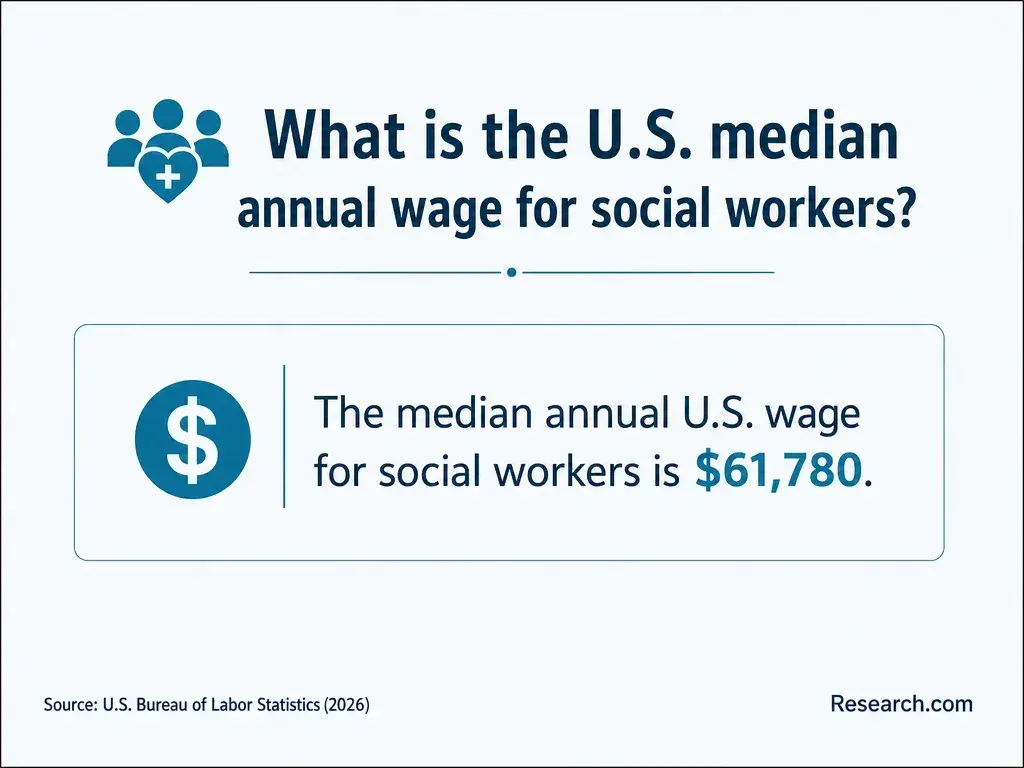
A quantitative MPH can help you enter supervised analysis work, particularly when a practicum or research assistantship produces defensible examples of your methods. Independent statistical leadership may require substantial experience or a more methods-intensive degree. The Bureau of Labor Statistics reports wages for occupations such as statisticians and epidemiologists, not for holders of a particular MPH concentration. Use occupation-wide figures as market context, not an expected starting salary; comparing earnings across MPH career paths is most useful after you identify the specific jobs for which you qualify.
Both routes commonly include public health foundations and introductory epidemiology and biostatistics. A generalist curriculum generally leaves more room for policy, health behavior, management, and cross-disciplinary electives. A biostatistics concentration should offer a coherent progression beyond introductory analysis - potentially covering regression, study design, statistical computing, longitudinal or survival data, and methods for interpreting observational findings. Offerings and required sequences differ by school.
For quantitative work, inspect what students must do in those courses. Useful evidence includes reproducible code, documented data cleaning, model checks, treatment of missing data, and an explanation of why results do or do not support a conclusion. Ask whether the applied practice experience or final project permits a substantial analysis with qualified supervision and appropriate data permissions. One advanced elective is less persuasive than a sequence that culminates in supervised work.
If your goal is to develop new methods rather than apply established ones, compare the MPH syllabus with research-oriented graduate curricula. An MPH need not provide the mathematical and research depth associated with later doctoral study; online public health PhD and DrPH comparisons can help clarify the different research and practice goals, though neither doctorate is a prerequisite for most analyst positions.
Applicants generally need a completed bachelor's degree, but acceptable majors and quantitative prerequisites vary. A biostatistics concentration may require or recommend prior statistics, calculus, or programming; another program may teach introductory material after admission. Distinguish a required prerequisite from preparation that merely makes an applicant more competitive, and ask whether an outstanding course can be completed before enrollment.
If you come from a non-public-health field, show how your experience connects to the work: a computing applicant might document data projects, while a clinician or nonprofit professional might demonstrate sound measurement and interpretation. If grades are a concern, low-GPA public health graduate application strategies can inform preparation, but only the program can determine whether later quantitative coursework or other evidence addresses its admission criteria.
Completion time depends on credit requirements, enrollment pace, prerequisite courses, course rotation, and the applied experience - not simply the concentration name. A biostatistics sequence can take longer than expected if advanced courses have prerequisites or are offered infrequently. A generalist program can also be delayed if an approved field placement is difficult to schedule.
Request a term-by-term plan for your intended pace. Confirm when required methods courses run, whether an analysis project can begin before the final term, and whether fieldwork can fit around employment. If the intended career ultimately requires doctoral-level research training, treat the MPH as one stage rather than assuming it completes the pathway; an online public health doctorate admissions guide can help identify additional preparation to investigate before making a long-term timeline.
There is no reliable concentration-wide price: institutions set charges, and total cost depends on credits, fees, enrollment pace, and whether extra prerequisite courses are necessary. A less expensive generalist MPH may become less economical if you later need substantial outside methods training. Conversely, paying more for a concentration is difficult to justify if your target role primarily calls for broad practice skills.
Ask each school for a written estimate covering tuition, mandatory fees, software or computing costs, and any travel or unpaid fieldwork. Then compare that total with the training you will actually use. If you have not yet completed a bachelor's degree, that earlier expense belongs in the pathway calculation too; comparing public health bachelor's tuition rates is a separate decision from comparing MPH prices.
An online format does not inherently make an MPH less credible. The more useful questions are whether the specific degree is appropriately accredited, whether students receive meaningful statistical feedback, and whether they can complete supervised analysis using suitable data and computing resources. An online program with recorded lectures but little project support may be a poor fit for someone changing into quantitative work.
Check live-session schedules, access to instructors, project supervision, software arrangements, and any campus or fieldwork requirements. Online study does not necessarily mean asynchronous study. Compare the net cost only after reviewing actual eligibility and award conditions; university awards for online public health graduate education may be relevant, but advertised aid should not be counted until the school confirms it applies to you.
Biostatistical analysis is not generally a separately licensed profession in the United States, and an MPH concentration does not itself grant certification. Employers may value demonstrable analytical skill more than an optional public health credential. Requirements can differ for particular positions, especially if a job combines analytics with a separately regulated clinical role.
Do not treat certification as a shortcut around missing methods training. Before paying for either a credential or another degree, compare the stated requirements in your target job postings with your existing skills and portfolio. For readers weighing the expense of further study against potential career paths, budget-conscious MPH study and career outcomes offers financial context; certification eligibility and value still need to be checked with the relevant certifying body and employers.
How can you choose an accredited MPH program for quantitative work?
First confirm the institution's recognized accreditation and check the Council on Education for Public Health (CEPH) listing for the exact school, unit, or program offering the MPH. Do not assume that institution-level accreditation, or CEPH accreditation elsewhere at the university, establishes coverage for the degree you plan to enter.
Then compare the evidence most relevant to your target job: required advanced courses, instructor expertise, programming assignments, access to approved data, project supervision, and examples of positions pursued by graduates. Ask for a degree plan and an itemized cost estimate for your enrollment pattern. Online MPH cost planning options can provide comparison context, but confirm current charges and requirements directly with each school before enrolling.
Other Things You Should Know About Public Health
Possibly. Ask the program whether changes are permitted, which completed courses will count, and whether prerequisite sequencing would delay graduation.
No single package fits every employer. Prioritize sound analysis and reproducible workflows, then check job postings for the tools used in your target roles.
It may help someone who already has substantial analytical or public health experience. It is less likely to replace a degree when a posting requires one or when you need extensive supervised training.
Only with appropriate permission. Remove restricted or identifiable information, follow data-use agreements, and ask your supervisor what methods and outputs you may share.
- MPH Program Concentration Options | Tufts School of Medicine https://medicine.tufts.edu/academics/public-health/mph-program-overview/mph-concentrations
- MPH Epidemiology vs Public Health Practice | Enrollment Services https://www.utmb.edu/spph/about-us/home/news/2026/03/02/mph-epidemiology-vs-public-health-practice
- MPH Biostatistics | ufl.edu https://phhp.ufl.edu/academics/masters-programs/mph/mph-concentrations/mph-biostatistics/
- Careers | Biostatistics - University of Washington https://www.biostat.washington.edu/academics/careers
- MPH vs. SM | Degrees & Programs | Harvard T.H. Chan School of Public Health https://hsph.harvard.edu/degrees-and-programs/mph-vs-sm/
- Practicum and Thesis/Capstone | Rollins School of Public Health at Emory University https://mch.emory.edu/current-students/practicum-and-thesis-capstone/
- Master of Public Health - Biostatistics Concentration, (MPH) https://catalog.memphis.edu/preview_program.php