2027 Best AI Adoption Courses for Life Sciences Strategy Teams

Co-Founder and Chief Data Scientist
Life sciences strategy teams often face challenges integrating artificial intelligence into their workflows due to rapid technological advancements and a lack of specialized training. This gap slows innovation and limits the ability to leverage data-driven insights effectively. Professionals transitioning from non-technical backgrounds can find it difficult to identify credible, flexible learning options that fit their schedules and career goals. Selecting the right course is crucial to gaining practical skills and understanding AI's impact on the life sciences sector.
This article highlights the best AI adoption courses designed for life sciences strategy teams and guides readers toward informed, strategic education choices.
Key Things You Should Know
- Advanced ai adoption courses for life sciences strategy teams emphasize integrating ai-driven data analytics to improve drug development timelines by up to 30%, reflecting 2025 industry trends.
- Training increasingly focuses on regulatory compliance and ethical considerations as 65% of participants report challenges navigating AI in clinical research environments.
- Programs highlight interdisciplinary collaboration skills, proven to enhance project success rates by over 25% in recent life sciences ai applications.
Advance Your Career with AI Online Courses
Artificial Intelligence: Implications for Business Strategy
This program provides an introduction to Artificial Intelligence and their implications for business strategy. Earn an official digital certificate.

Oxford Artificial Intelligence Programme
Explore this Oxford Artificial Intelligence programme offered in a flexible learning environment and explore topics like machine learning, automation, and robotics.

Implementing Agentic AI: Building Your Organizational Playbook
This online MIT Agentic AI course offers a practical approach to deploying AI agents in your organization, including a custom playbook. 3 weeks, exclusive launch price.

AI Adoption: Driving Business Value and Impact
This online MIT AI Adoption: Driving Business Value and Impact offers practical frameworks to close the gap between AI potential and business reality.

Artificial Intelligence in Pharma and Biotech
Discover the applications and limitations of artificial intelligence in pharma and biotech with this MIT online short course.

What are the best AI adoption courses for life sciences strategy teams in the U.S.?
The best AI adoption courses for life sciences strategy teams in the U.S. focus on practical healthcare and pharmaceutical applications. Leading programs from institutions like MIT Sloan and the University of California, San Francisco emphasize AI-driven drug discovery, clinical trial optimization, and supply chain improvements. These top life sciences AI training programs for U.S. strategy professionals integrate data science, machine learning, and healthcare operations management to develop in-demand skills.
Specialized certificates from platforms such as Stanford and Johns Hopkins target healthcare AI areas like predictive analytics, health informatics, and regulatory compliance. These courses incorporate hands-on labs and real-world datasets, enabling teams to bridge AI theory and practice effectively.
Healthcare and life sciences organizations reported an average of more than 170 AI models in production, expected to rise to 182, highlighting the need for scalable deployment and continuous monitoring taught in these programs.
Students should select courses blending:
- Technical proficiency in machine learning frameworks and data governance
- Industry-specific regulatory knowledge and ethical AI usage
- Strategic decision-making skills tailored to life sciences challenges
Programs with live projects or internships provide valuable exposure to complex AI implementation challenges like data heterogeneity and stakeholder alignment. For those exploring career paths, resources on what can you do with an applied artificial intelligence degree offer further insights.
Advance Your Career with AI Online Courses
Artificial Intelligence: Implications for Business Strategy
This program provides an introduction to Artificial Intelligence and their implications for business strategy. Earn an official digital certificate.
Oxford Artificial Intelligence Programme
Explore this Oxford Artificial Intelligence programme offered in a flexible learning environment and explore topics like machine learning, automation, and robotics.
Implementing Agentic AI: Building Your Organizational Playbook
This online MIT Agentic AI course offers a practical approach to deploying AI agents in your organization, including a custom playbook. 3 weeks, exclusive launch price.
How do AI adoption programs for life sciences differ from general AI courses?
AI adoption strategies tailored to life sciences teams focus on domain-specific challenges like drug discovery optimization, patient data privacy, and compliance with healthcare regulations. These life sciences-specific artificial intelligence training programs include modules on AI-driven biomarker identification and clinical trial simulation, which are typically absent from general AI curricula.
Such programs train on specialized datasets like genomics, proteomics, and real-world evidence, requiring deeper knowledge of biological variability and clinical endpoints. This approach contrasts with the generic datasets used in broad AI courses that often emphasize image recognition or natural language processing unrelated to biomedical data.
Additionally, these training programs integrate ethics and regulatory affairs, addressing FDA guidelines and HIPAA compliance. This critical understanding ensures AI solutions meet patient safety and treatment efficacy standards-areas often overlooked in generic AI education.
The economic demand for this expertise is substantial, with global AI in life sciences revenue expected to grow from $5.7 billion in 2024 to $29.2 billion by 2034, at approximately 17.9% compound annual growth (Future Market Insights). Professionals trained in navigating both AI mechanics and life sciences complexities are essential for this expanding market.
Practical AI adoption in life sciences also requires cross-disciplinary collaboration among clinicians, data scientists, and regulatory experts. Training stresses teamwork, translational skills, and change management within healthcare organizations, unlike the more isolated technical focus found in general AI programs.
Prospective students seeking specialized knowledge may consider pursuing an AI masters degree to gain relevant skills for careers in this field.
What types of degrees and certificates cover AI for life sciences strategy?
Degrees and certificates covering artificial intelligence for life sciences strategy often merge disciplines like data science, computational biology, and healthcare innovation. Graduate programs, such as a Master's in bioinformatics, computational biology, or data science with life sciences specialization, emphasize core AI concepts including algorithms, machine learning, and predictive modeling. These degrees equip students to apply AI techniques in areas like biological data analysis, clinical trial design, and drug discovery pipelines.
For professionals seeking focused, practical skills, ai-focused certificates for life sciences professionals provide targeted training. Examples include certificates in artificial intelligence in healthcare, biomedical data science, or AI-driven drug development. These programs highlight hands-on experience with AI tools that accelerate preclinical and clinical workflows.
Degrees in pharmaceutical sciences or healthcare management with AI or data analytics concentrations prepare strategists to lead AI adoption within organizations, addressing regulatory, ethical, and economic challenges alongside technical knowledge.
The AI-enabled drug discovery market, projected to grow from about $0.8 billion in 2023 to $4.9 billion by 2028, is driving demand for programs integrating AI applications in drug development, biomarker discovery, and clinical decision support. Prospective students should evaluate faculty expertise, interdisciplinary project opportunities, and industry partnerships. Flexible certificate courses also serve well for skill upgrades without full degree commitment.
Additional information on advanced education can be found in AI PhD programs that align with these trends and career goals.
How do online AI adoption courses compare with campus-based options for life sciences teams?
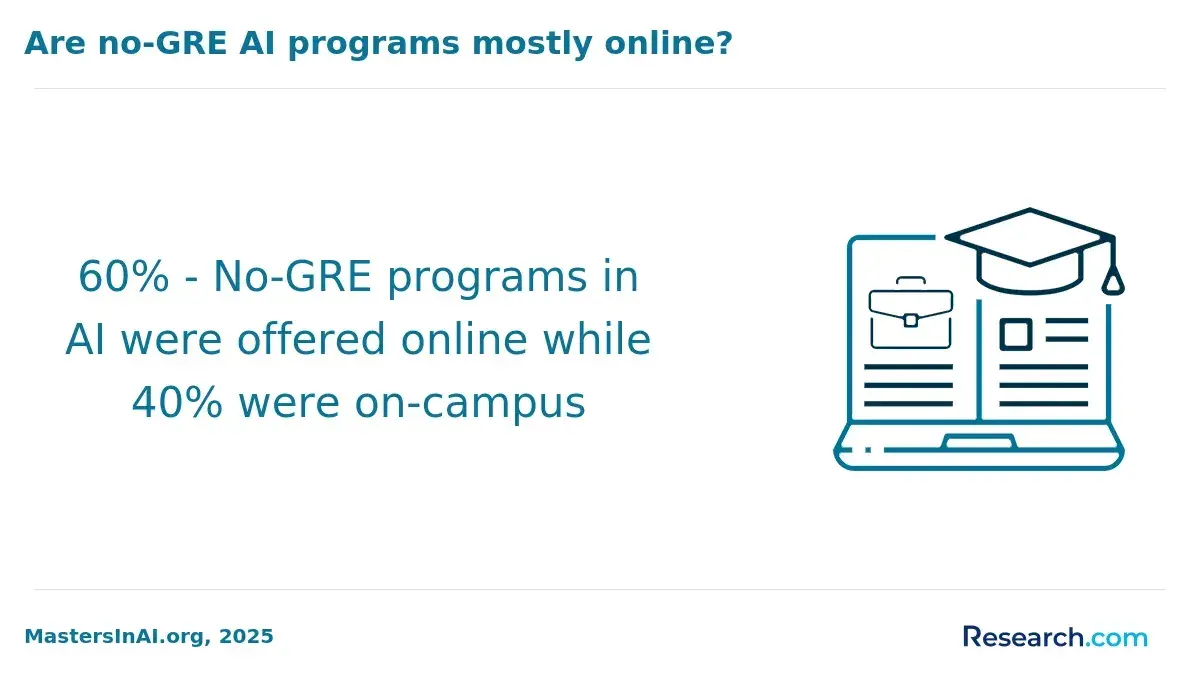
Online ai adoption courses for life sciences teams offer flexibility and scalability that campus-based programs typically cannot match. These courses provide access to specialized content tailored to industry-specific needs, without geographic or scheduling constraints. Their modular design allows participants to focus on key areas such as AI-driven drug discovery, patient data analytics, or market strategy optimization. This approach is highly advantageous for life sciences strategy teams managing active projects alongside ongoing education.
Campus-based ai training programs for life sciences strategy deliver immersive experiences with direct faculty and peer interaction, fostering collaboration essential in multidisciplinary environments. They often include hands-on labs and opportunities to engage in university-affiliated research, which can deepen practical understanding. However, these programs demand substantial time commitment and may require relocation, which can be challenging for working professionals.
Hybrid models that combine virtual modules with occasional on-site sessions offer a practical middle ground, balancing flexibility with direct engagement. Teams should carefully evaluate factors like course accreditation, instructor expertise, and case studies focused on regulatory and ethical compliance. Online courses also excel in quickly integrating emerging AI trends critical for go-to-market strategies; notably, 81% of AI-mature healthcare and life sciences enterprises reported improved marketing efficiency after scaling AI initiatives.
For professionals considering career growth, understanding the AI trainer salary and career paths can provide valuable context when selecting an education format suited to their goals.
What core curriculum and skills do AI adoption courses for life sciences usually include?
AI adoption courses designed for life sciences strategy teams emphasize both domain expertise and technical skills. Key areas typically include bioinformatics AI applications, data analysis techniques, and developing machine learning models tailored to biological data. Foundational training covers data preprocessing steps such as cleaning, normalization, and integrating large-scale genomic or clinical datasets, which are crucial before implementing AI models.
Programs also focus on model customization and interpretation, allowing learners to tailor AI tools for specific research goals like drug discovery or personalized medicine. Many courses integrate practical experience using AI frameworks and languages such as Python, TensorFlow, and PyTorch to strengthen hands-on skills.
Addressing challenges like imbalanced datasets, data privacy compliance, and model reproducibility prepares participants for regulatory requirements and translational research impact. Additionally, soft skills like project management and interdisciplinary collaboration are included to help teams integrate AI effectively within R&D workflows.
According to the 2024 Future of AI in Life Sciences Research and Training webinar, training in AI for bioinformatics leads in demand among life science researchers, ahead of model customization and data preparation. This highlights the need for education that bridges computational methods with biological knowledge.
Successful AI adoption courses blend algorithmic understanding with real-world biological applications and regulatory insight, helping life sciences professionals implement AI strategies both effectively and ethically.
Which accreditation and quality standards matter for AI programs in life sciences education?
Accreditation for AI programs in life sciences should focus on data governance, ethical compliance, and curriculum relevance. Healthcare IT News 2024 AI adoption report highlights data governance and compliance as the primary barriers to achieving transformational AI in healthcare and life sciences. Prospective students in the U.S. should seek programs accredited by recognized bodies emphasizing these aspects.
Accreditation from organizations such as the Commission on Accreditation of Healthcare Management Education (CAHME) or regional accreditors recognized by the Department of Education provides assurance of educational quality. Programs tailored to AI and life sciences must also align with standards from groups like the Institute of Electrical and Electronics Engineers (IEEE) or the Association for Computing Machinery (ACM), which focus on AI ethics and data standards frameworks.
Important quality indicators include:
- Coursework covering AI data governance frameworks, including HIPAA compliance and FDA digital health guidelines
- Risk management modules addressing AI bias, transparency, and model validation
- Hands-on training in regulatory environments impacting biomedical AI applications
- Faculty involvement with current industry certifications or active AI research in life sciences
- Partnerships with healthcare organizations to provide real-world AI governance experience
Neglecting accreditation factors related to data governance and compliance puts graduates at a disadvantage in managing legal and ethical challenges in life sciences AI, where errors can have serious financial and patient safety consequences.
What are typical admission requirements and prerequisites for AI adoption courses in life sciences?
Admission requirements for AI adoption courses in life sciences strategy teams typically combine academic credentials with relevant professional experience. Most programs expect a bachelor's degree in biology, chemistry, computer science, data science, engineering, or related fields. Advanced courses may require a master's degree or equivalent experience in technical or life sciences disciplines. Applicants should demonstrate knowledge of statistics, programming languages like Python or R, and bioinformatics.
Proficiency in data analysis and familiarity with machine learning concepts are common prerequisites. Some programs ask candidates to complete preliminary modules on AI basics or submit samples of analytical work. Preference is often given to professionals from pharmaceutical companies, biotech firms, or academic research labs, especially those involved in strategic planning or AI integration projects.
According to a National Academies analysis, organizations investing in structured AI training and upskilling programs report higher success in integrating AI into research and decision-making than those relying on informal learning. This highlights the value of completing well-designed educational programs.
Additional requirements may include coding assessments, case study submissions, letters of recommendation, or statements of purpose detailing candidates' strategic goals for AI adoption. Meeting these standards ensures teams are prepared to use advanced AI applications that foster innovation in life sciences strategy.
How long do AI adoption programs take, and what tuition and fees should students expect?
AI adoption programs for life sciences strategy teams typically last from 3 to 12 months, depending on course intensity and depth. Short-term certificates or focused workshops usually run 3 to 6 months, offering foundational AI skills for professionals. More advanced options, such as postgraduate certificates or professional master's degrees, extend to 9-12 months and cover AI applications, data analytics, and bioinformatics in depth.
Tuition costs vary widely by program type and institution:
- Certificate programs: $2,000 to $7,000
- Master's-level programs: $15,000 to $40,000
- Top-tier and specialized training: fees exceeding $40,000
Many programs offer flexible payment plans or employer-sponsored tuition assistance, which prospective students should investigate. Additionally, students should budget for software licenses and cloud computing fees, potentially adding several hundred to a few thousand dollars annually. Time commitment for self-study and projects beyond classes is also important to consider.
Life science professionals with AI skills see a 20-30% wage premium compared to peers in similar roles without AI expertise. Roles such as computational biology and bioinformatics particularly benefit from this salary advantage, making these credentials valuable investments.
Choosing a program aligned with your career goals helps ensure timely completion. Rapid reskilling may suit short courses, while long-term strategic roles benefit from extended, comprehensive programs that provide needed AI skills in life sciences.
What career paths, roles, and employers value AI adoption training in life sciences strategy?
Careers focused on ai adoption training within life sciences strategy involve diverse roles across pharmaceutical companies, biotech firms, healthcare providers, and specialized consultancies. Key positions include strategy managers, innovation leads, data scientists, and digital transformation consultants who drive the integration and scaling of ai solutions to improve drug development, patient outcomes, and operational efficiency.
Employers increasingly seek candidates with expertise in ai adoption to meet competitive healthcare and life sciences goals. Leading biopharma companies prioritize strategy teams that connect scientific research with ai-driven insights for optimizing clinical trials and regulatory processes. Healthcare systems value innovation officers skilled in deploying ai for precision medicine and population health, while consultancies need professionals experienced in organizational ai maturity and change management.
Data from Healthcare IT News's 2024 AI maturity study highlights that 82% of AI-mature organizations in healthcare and life sciences saw better revenue growth outcomes after expanding ai use, underscoring the importance of skills that move projects beyond pilots to enterprise-wide implementations with measurable ROI.
Professionals and graduates should focus on building competencies in:
- Strategic planning incorporating ai technology roadmaps.
- Operational roles applying predictive modeling and automation.
- Consulting on ai adoption frameworks and governance.
What salary ranges and job outlook can graduates expect in AI-enabled life sciences strategy roles?
Graduates entering AI-enabled life sciences strategy roles often start with salaries between $90,000 and $130,000 annually. Professionals with 3 to 7 years of experience typically earn from $130,000 to $180,000, while senior-level experts or strategic leads managing AI integration projects can make over $200,000, depending on the organization's size and location. These ranges highlight the strong demand for skills in AI applications such as predictive modeling, clinical trial optimization, and drug discovery analytics.
The job outlook remains strong due to continuous advances in AI that improve research and decision-making workflows. Studies show generative AI and foundation models can reduce literature review and data analysis time by up to 70% in certain life sciences tasks, making it essential for professionals to update their technical skills regularly.
Desired candidates typically combine expertise in life sciences with proficiency in AI tools like machine learning frameworks, natural language processing, and data visualization. Employment opportunities exist across pharmaceutical companies, biotech startups, contract research organizations, and health tech firms.
Additional benefits often include performance bonuses and stock options, especially in private companies. Building a portfolio demonstrating practical AI strategy application and ongoing learning greatly improves chances of securing high-paying, stable roles.
Other Things You Should Know About Artificial Intelligence
In 2027, leading AI adoption courses for life sciences strategy teams include those offered by MIT Sloan Executive Education, Stanford Center for Professional Development, and Coursera's AI for Life Sciences specialization. These courses focus on AI integration, data management, analytics, and strategic decision-making within the life sciences domain.
Life sciences teams must address issues such as data privacy, bias in AI algorithms, and transparency in decision processes. Ensuring compliance with healthcare regulations and ethical standards is critical when deploying AI. Responsible AI use includes accountability for outcomes and maintaining patient safety.
One key challenge is the integration of AI tools with existing legacy systems, which can be complex and costly. Teams also face difficulty in acquiring quality data and training staff with the technical expertise needed for effective AI adoption. Change management and organizational readiness are additional hurdles.
Interdisciplinary collaboration is essential as AI projects require input from data scientists, biologists, clinicians, and business strategists. Combining domain knowledge with technical skills fosters innovation and ensures solutions are practical and aligned with strategic goals. Collaborative teams improve AI model accuracy and applicability.
References
- Life sciences face ‘scientific content crisis’ in AI adoption https://www.drugtargetreview.com/life-sciences-face-scientific-content-crisis-in-ai-adoption/681361.article
- A Workforce Strategy to Leverage AI in Life Sciences https://www.haystalentsolutions.com/-/ai-life-sciences
- AI Is Routine for College Students, Despite Campus Limits https://news.gallup.com/poll/704090/routine-college-students-despite-campus-limits.aspx
- The Future of Quality Assurance in Online and AI-Driven Learning: Ensuring Trust, Innovation, and Global Standards https://iacde.org/uncategorized/the-future-of-quality-assurance-in-online-and-ai-driven-learning-ensuring-trust-innovation-and-global-standards/
- AI Jobs in Life Sciences: A 2026 Salary and Career Guide for Europe | Panda https://www.panda-int.com/insights/ai-jobs-in-life-sciences-your-quick-salary-guide-for-2026/
- Artificial Intelligence for Molecular Sciences (Master) https://www.tu-braunschweig.de/en/degree-programmes/artificial-intelligence-for-molecular-sciences-master
- AI in life sciences: 6 takeaways for strategy, risk and real-world use https://rsmus.com/insights/industries/life-sciences/ai-in-life-sciences-6-takeaways-strategy-risk-real-world-use.html
- How Emerging AI Capabilities Are Reshaping Life Sciences https://gleecus.com/blogs/emerging-ai-capabilities-reshaping-life-sciences/
- The Cost Implications of AI in Postsecondary Education | HESA https://higheredstrategy.com/the-cost-implications-of-ai-in-postsecondary-education/
- Artificial intelligence for life sciences: A comprehensive guide and future trends https://www.the-innovation.org/article/doi/10.59717/j.xinn-life.2024.100105