2027 DrPH Admissions After an MHA: Public Health Preparation to Verify

Co-Founder and Chief Data Scientist
An MHA can prepare you to manage healthcare organizations, but DrPH admissions committees may also expect evidence that you can lead population-health work. That distinction matters if your experience is mainly in hospital operations, finance, or quality improvement. This guide helps MHA graduates determine whether they can apply, identify preparation they may need, and assess whether a practice-focused doctorate fits their goals. Use it to compare program requirements before investing in prerequisites, applications, or a doctoral project that may not serve your career.
Key Things You Should Know
- An MHA may satisfy a DrPH program's master's-degree requirement; an MPH is not a universal prerequisite. Confirm how each program evaluates MHA coursework and professional experience.
- Admission eligibility, competitiveness, and doctoral readiness are different: document population-health responsibilities, methods preparation, leadership decisions, and access to a feasible applied project.
- Verify the specific DrPH's accreditation coverage, required visits, project rules, and full cost before applying; institutional accreditation alone does not establish CEPH coverage.
What is a DrPH, and how does an MHA prepare you for admission?
A Doctor of Public Health, or DrPH, is generally a practice-focused doctorate for experienced professionals who want to lead programs, policy, and organizational change affecting populations. An MHA typically emphasizes healthcare administration: operations, finance, strategy, and management. The degrees overlap in leadership, but managing a health system is not automatically the same as designing or evaluating a population-health intervention.
For an MHA graduate, the strongest connection is often a specific responsibility: leading a prevention initiative, coordinating with a health department, evaluating access across communities, or using organizational data to address a defined population need. Describe the decision you owned, the partners involved, and how you assessed results - not just your title or department. If your principal goal is to produce original research rather than lead applied practice, start by comparing DrPH and PhD program goals.
Can you apply to a DrPH program with an MHA degree?
Often, yes - but an MHA does not confer automatic eligibility. Some DrPH programs accept a relevant master's degree; others specify an MPH, require particular public health competencies, or assess non-MPH applicants individually. The admissions office must confirm whether your MHA qualifies for the entry term you want.
Meeting the degree rule is only the first test. A candidate with substantial responsibility for community partnerships or population-health strategy may be more competitive than one whose work has stayed entirely within internal billing or staffing. That does not make healthcare operations experience irrelevant: it means your application must show how it supports the DrPH's public health purpose. If a program requires preparation you lack, online MPH programs by admissions accessibility can be a starting point for exploring a bridge - but accessible admission does not establish that an MPH is necessary or that its courses will satisfy a particular DrPH.
What DrPH admission requirements should MHA graduates verify?
Compare each program's published rules with your transcripts and résumé, then request written clarification where a rule is ambiguous. The distinction between a formal requirement and a preferred qualification can determine whether you should apply now or prepare first.
The following checks are especially important for an MHA applicant:
- Degree and coursework: Ask whether the MHA qualifies, whether a minimum GPA applies, and whether prior courses can satisfy named public health requirements.
- Experience: Ask how the school defines qualifying practice, leadership, full-time work, and any post-master's experience; report responsibilities and outcomes rather than relying on a job title.
- Application evidence: Confirm the required statements, résumé, recommendations, interview, writing sample, and any current test policy.
- Project readiness: Ask whether applicants must identify a practice problem, employer partner, project site, or prospective supervisor before admission.
Build a short evidence file linking your MHA courses, work products, and leadership decisions to each requirement. If obtaining references is an obstacle, information on public health graduate entry without reference letters may help you consider another preparation route; it does not change a DrPH program's recommendation policy.
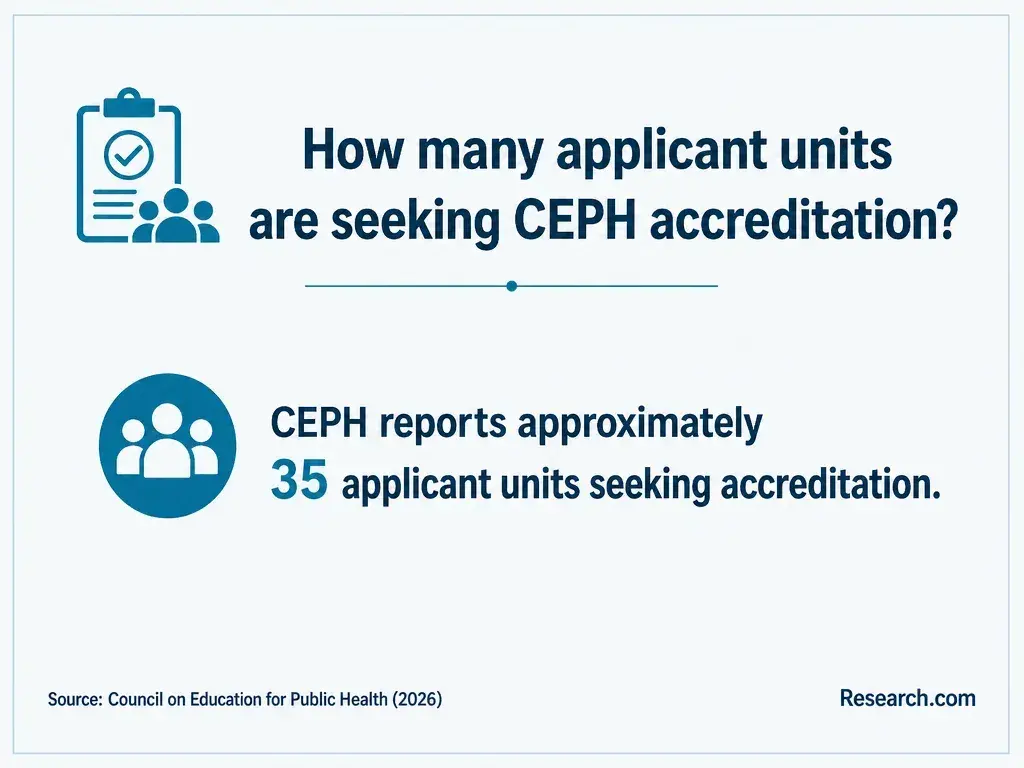
Institutional accreditation concerns the university as a whole. Council on Education for Public Health (CEPH) accreditation concerns a defined public health school, unit, or program. Neither the university's status nor a related degree's status, by itself, proves that the DrPH you are considering falls within CEPH's accredited scope.
Check the university's institutional status, then review CEPH's directory and the school's description of the accredited unit and degrees. Confirm the DrPH's exact name and organizational home with the program if the scope is unclear. This matters particularly when a university offers several health-related degrees: the criteria used in comparing online undergraduate public health programs cannot establish accreditation coverage for its doctorate. Ask whether accreditation status affects any employer, certification, or reimbursement rule relevant to you rather than assuming the same rule applies everywhere.
An MHA transcript may show policy, finance, and organizational methods without demonstrating epidemiology, biostatistics, population-health theory, or program evaluation at the level a DrPH expects. Requirements vary: a school may require named courses before enrollment, offer foundational coursework within the doctorate, accept documented equivalents, or make an individual determination.
Send admissions staff course titles, syllabi, and transcripts, and ask which gaps are required for admission, which can be completed after admission, and which are recommendations. If quantitative preparation is the gap, working-professional pathways into biostatistics study can help you assess training options, but a full additional degree is rarely the default answer to a single course requirement. Choose a course only after the DrPH confirms whether it will count.
DrPH study typically extends beyond management technique to the use of evidence and partnerships in public health decisions. Depending on the program, coursework and applied work may address systems leadership, policy analysis, community engagement, evaluation, ethics, and communicating evidence to decision-makers. An MHA graduate should look closely at how the curriculum connects those skills to population-level outcomes rather than assuming that advanced healthcare management courses provide the same training.
Examine the required applied project: what problem can it address, who approves the site, what access or partner agreement is needed, and how is the work assessed? Access to workplace data is not automatically permission to use it for doctoral work; confidentiality, data-use terms, and institutional or partner review may apply. If you primarily need foundational public health coursework rather than doctoral-level leadership development, finding a lower-cost online MPH program may be a more proportionate option.
Online delivery may reduce commuting, but it does not necessarily make a DrPH self-paced. Live seminars, group work, short campus residencies, project-site meetings, and fixed progression milestones can all affect an MHA graduate's ability to stay employed. Campus-based study may offer more in-person collaboration but require a substantial change in location or work schedule.
Ask for a sample term schedule, residency calendar, typical project meeting expectations, and leave-of-absence policy. Compare those obligations with your actual work hours - not only the advertised delivery label. For financial planning, material on university awards for online public health graduate education can prompt useful aid questions, but a master's-level award should not be assumed available for a DrPH.
There is no reliable universal completion time or price for an MHA-to-DrPH path. Required credits, course availability, enrollment pace, transfer policy, residency visits, and the time needed to approve and complete an applied project all matter. An MHA may provide useful preparation without reducing the doctoral credits or tuition owed.
Request a program-specific estimate that separates tuition from mandatory fees, travel, project expenses, and any charges that continue while a project is unfinished. The comparison below shows why a quoted tuition rate alone is insufficient.
| Cost or time component | What to confirm |
| Coursework | Credits required, tuition basis, course sequence, and permitted enrollment pace |
| Attendance | Required campus visits, travel, lodging, and time away from work |
| Applied project | Approval timeline, site-related expenses, and continuation or enrollment charges |
| Financial support | Doctoral aid eligibility, employer reimbursement limits, and renewal conditions |
Ask your employer whether doctoral study and any project at work qualify for support. Guidance on employer tuition support for epidemiology doctorates offers questions to adapt, not evidence that your DrPH or employer will provide the same benefit.
An MHA-DrPH combination may support work leading population-health initiatives in health systems, public agencies, nonprofits, or other organizations. Relevant responsibilities can include setting strategy, managing cross-sector partnerships, overseeing evaluation, and translating findings into policy or operational decisions. Hiring and advancement still depend on the role's requirements, your practice record, and the employer's budget and authority structure.
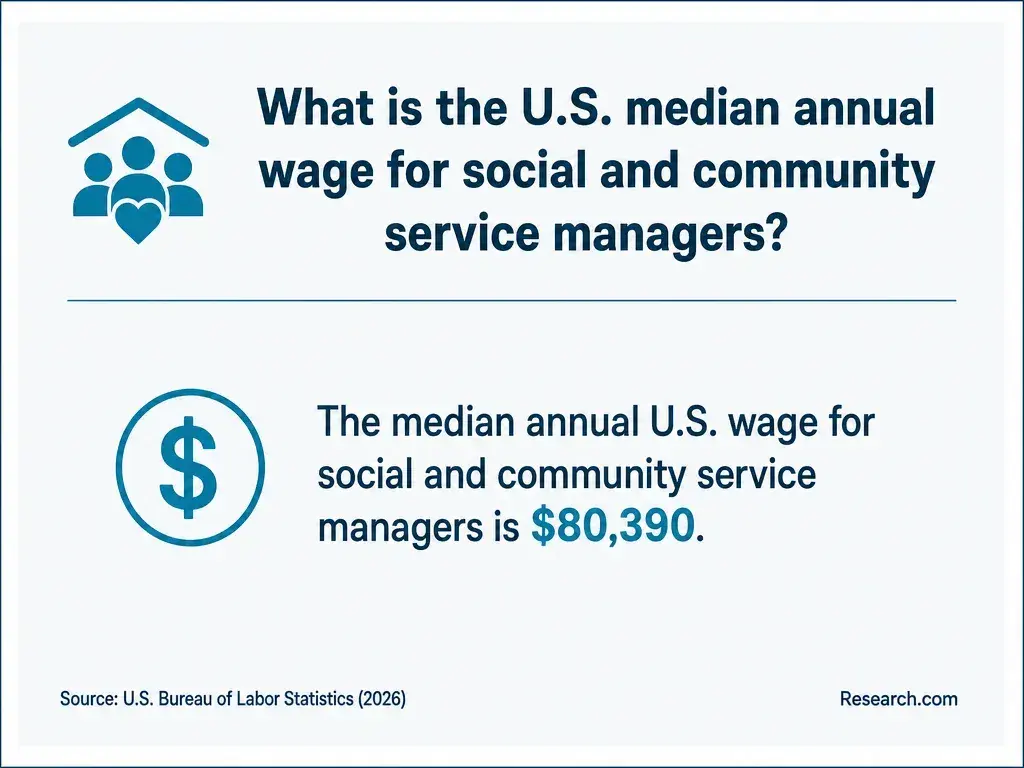
Do not treat an occupational median as a DrPH graduate's expected salary. The U.S. Bureau of Labor Statistics reports wages by occupation - not by an MHA-plus-DrPH combination - and a broad healthcare management category can include jobs unrelated to public health leadership. For a proposed next job, compare actual postings, location, seniority, and compensation structure; MPH career pay comparisons can provide context, but they cannot establish the return on a DrPH. If you already qualify for the responsibilities you want, a focused project or employer-supported leadership development may offer a less costly path.
Do DrPH graduates need public health licenses or professional certifications?
A DrPH is an academic degree, not a general license to practice public health or provide clinical care. Whether you need a license depends on the job - for example, regulated clinical duties retain their own state-specific requirements. Employers may value a public health certification, but its eligibility rules and benefits are separate from DrPH admission and graduation.
Check the current rules of the relevant certifying body before planning around a credential such as Certified in Public Health (CPH), Certified Health Education Specialist (CHES), or Master Certified Health Education Specialist (MCHES). If a particular certification is your main goal, a doctorate may be unnecessary. Evaluate its eligibility pathway first; finding a lower-cost online MPH program would ordinarily be one possible comparison, but do not enroll in another degree until you know whether your existing education and experience already qualify.
Other Things You Should Know About Public Health
Possibly, but admission with an MHA and acceptance of its credits are separate decisions. Request a written evaluation of any proposed transfer credits and ask whether they reduce required coursework or only count as electives.
It may, if the program accepts professional work and you can explain the problem, methods, limitations, and your contribution. Remove confidential information and obtain any required employer permission before submitting it.
It can meet a doctoral-degree preference for some practice-oriented teaching roles, but hiring depends on the institution, subject, teaching experience, and scholarly or professional record. A DrPH does not guarantee a faculty appointment.
Ask about leave approval, maximum time to degree, course availability after returning, and whether project or funding arrangements survive a pause. Get the applicable policy for your entry term before enrolling.
- Analysis of CEPH-accredited online public health doctoral programs and MPH degree holder demand - PMC https://pmc.ncbi.nlm.nih.gov/articles/PMC10248437/
- DrPH Public Health Policy & Management Admissions Criteria | Zuckerman College of Public Health https://publichealth.arizona.edu/admissions/graduate/criteria/drph-phpm
- Doctor of Public Health | DrPH | Johns Hopkins https://publichealth.jhu.edu/academics/drph
- FAQs | School of Public Health | University of Illinois Chicago https://publichealth.uic.edu/academics/public-health-degrees/drph/faqs/
- Master of Health Care Administration Program | Des Moines University Academic Catalog https://catalog.dmu.edu/health-sciences/health-care-administration-mha/
- Environmental Health Concentration, (MPH) | memphis.edu https://catalog.memphis.edu/preview_program.php
- Master of Public Health Program (MPH) - JHU catalogue https://e-catalogue.jhu.edu/public-health/departments/master-public-health/
- Program: Health Administration (MHA) - USC Catalogue https://catalogue.usc.edu/preview_program.php
- DrPH Admissions Requirements | UNC Gillings School of Global Public Health https://sph.unc.edu/hpm/hpm-drph-admissions/