2027 DrPH Programs: Reviewing Applied Faculty and Mentor Experience

Co-Founder and Chief Data Scientist
A DrPH mentor can shape whether your doctoral work becomes a useful public health improvement - or a project that never gets access to the people, decisions, or data it needs. For experienced practitioners comparing programs, faculty credentials alone reveal little about the supervision available for applied work. This guide explains how to assess a mentor's practice experience, project support, and professional connections alongside accreditation, scheduling, cost, and career fit. You will leave with specific questions to put to programs before committing.
Key Things You Should Know
- Prioritize faculty who have led or evaluated work in settings like yours and can explain how they supervise organizational change, partnerships, and applied doctoral projects.
- Verify who will mentor your project, how often you can meet, what happens if that person leaves, and whether your proposed site will approve the work; a faculty biography establishes none of these.
- Compare the full cost and time commitment against a defined career goal. A DrPH does not itself confer promotion, licensure, or access to a project site.
What Is a DrPH Degree and How Does It Differ From a PhD in Public Health?
A Doctor of Public Health (DrPH) is generally designed for experienced professionals preparing to lead, improve, and evaluate population-health practice. A public health PhD generally emphasizes producing original research and developing as an independent scholar. Both can involve rigorous methods and a dissertation, but their intended work and supervision may differ substantially by program.
For this decision, ask what faculty regularly do, not just what degrees they hold. A mentor who has managed a health department initiative may be especially useful for a DrPH project involving budgets and implementation.
A researcher whose primary work is causal inference may be a better fit for a PhD applicant seeking intensive methodological training. The public health doctoral degree comparison guide can help frame the initial choice; the university's current curriculum and faculty assignments must settle it.
How Do You Evaluate Faculty and Mentor Experience in DrPH Programs?
The strongest evidence is a match between a faculty member's demonstrated practice, the work you want to do, and the supervision the program can actually provide. Read biographies for specific responsibilities: Did faculty direct programs, negotiate with community partners, oversee evaluation, manage public budgets, or implement policy? Publications can show expertise, but they do not by themselves demonstrate experience guiding organizational change.
Then examine mentorship as a working arrangement rather than a name on a website. Ask the program director and potential mentors these questions:
- Who selects the primary mentor and project committee, and when are those assignments confirmed?
- What recent applied projects has this mentor supervised, and what decisions or deliverables did students produce?
- How frequently do mentors review project plans and drafts, and who provides methods or subject-matter support outside their expertise?
- What happens if a mentor becomes unavailable or a project partner withdraws?
- What approvals are needed before using workplace data, engaging community members, or sharing a deliverable?
Ask to speak with current students or recent graduates about feedback turnaround and the difference between advertised and actual access to faculty. If your project depends on an employer or community organization, identify its decision-maker and confirm that the school permits the proposed arrangement. Faculty contacts cannot substitute for site permission or data access.
Also distinguish a mentor's ability to advise from a promise of funding. Applicants considering a research-heavy alternative can review epidemiology doctoral scholarships and employer benefits, but should request written terms for any support offered by their own program.
What Accreditation Should You Look for in a DrPH Program?
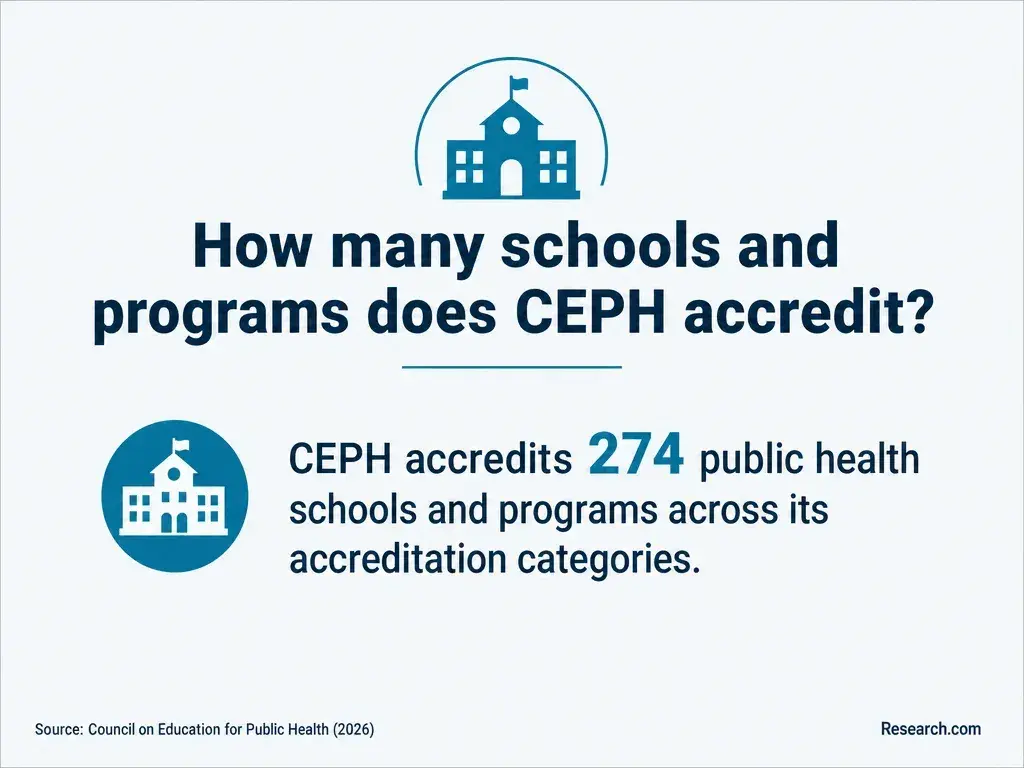
Check both the university's institutional accreditation and the Council on Education for Public Health (CEPH) accreditation status of the relevant school, unit, or program. Do not infer that a DrPH is covered merely because its university offers another CEPH-accredited public health degree. Confirm the accreditor's listed scope and ask the school whether the exact DrPH and your intended entry term are included.
Accreditation is a quality-assurance baseline, not evidence that a particular mentor is available or well matched to your project. When comparing affordable distance learning public health degrees, apply the same scope check to each option before weighing convenience or price. Request the current student handbook as well: project approvals, advisor changes, and graduation policies affect the mentorship you will receive.
Requirements vary. Programs may ask for a prior graduate degree, relevant professional experience, recommendations, a statement of goals, and evidence of quantitative preparation; none of those requirements has a universal threshold across DrPH programs.
Some specify what counts as qualifying experience or when it must have been earned. Check each program's current admissions page rather than assuming an MPH or a managerial title is mandatory everywhere.
Show the scope of your work: decisions you influenced, teams or partnerships you coordinated, budgets or programs you managed, and how you used evidence to improve practice. An applicant with a credible project setting and clear leadership purpose may be better prepared for applied doctoral work than someone whose résumé lists a senior title without comparable responsibilities.
If you do not meet a stated requirement, ask admissions whether a waiver, preparatory course, or later application is possible before relying on reviewing conditional public health graduate entry as an analogy. Master's-entry policies do not establish DrPH eligibility.
DrPH curricula commonly connect leadership and management with policy, population-health evidence, implementation, evaluation, and communication. The useful question is how students practice those skills: Do they test a feasible change strategy, work with stakeholders, interpret imperfect operational data, and revise recommendations after feedback? Request course descriptions and examples of permitted project outputs rather than treating a course title as proof of applied depth.
For a proposed project at a health department or nonprofit, look for faculty who can help distinguish a service-improvement decision from a research question. They should be able to guide stakeholder involvement, realistic measures, confidentiality, and the appropriate institutional or partner review.
If prior academic performance does not reflect your current methods ability, document subsequent coursework or evaluated projects; guidance on public health graduate admission after academic setbacks may help you organize that evidence, although DrPH policies differ.
Delivery format changes how mentorship happens, not whether an applied project needs sustained supervision and a workable site. An online student may be able to continue working locally, while a campus student may have easier access to in-person faculty meetings. Either format may require live seminars, group work, residencies, travel, or meetings with a project partner.
Ask for a sample term schedule, residency calendar, typical mentor-meeting arrangements, and project-site rules. If your employer cannot release you for required sessions, an apparently flexible program may be impractical. Conversely, a well-structured remote advising process may matter more than physical proximity to campus.
If you need foundational public health preparation rather than doctoral leadership training, inexpensive online MPH study pathways may be a more proportionate option. Compare their actual scheduling obligations, too; online does not necessarily mean asynchronous.
Completion time depends on enrollment pace, course sequencing, project approvals, and how quickly a partner can support the work. Published tuition alone omits fees, required travel, additional terms of enrollment, and time away from paid work. Ask for a term-by-term degree plan and a written estimate based on your expected pace, including charges if the project extends beyond coursework.
Compare that estimate with employer education assistance and any service obligation attached to it. A lower-priced program can become more costly if required visits or delayed project approval are incompatible with your job. For a less extensive alternative, public health master's cost and completion planning offers a useful framework, but do not apply a master's price or timeline to a doctorate.
A DrPH can support progression toward responsibilities such as public health program leadership, health department administration, policy implementation, organizational evaluation, or population-health strategy in a health system or nonprofit.
Employers will still assess the setting-specific experience, management record, technical skills, and authority needed for each position. The degree is most persuasive when an applied project demonstrates decisions and results relevant to the work you seek.
If you are seeking your first public health role, a doctorate is usually a poor substitute for supervised experience. An undergraduate route, including online public health bachelor's programs with accelerated courses for someone who still needs a first degree, may be more appropriate than a DrPH. Experienced practitioners aiming primarily to conduct independent research should instead examine PhD supervision and funding.
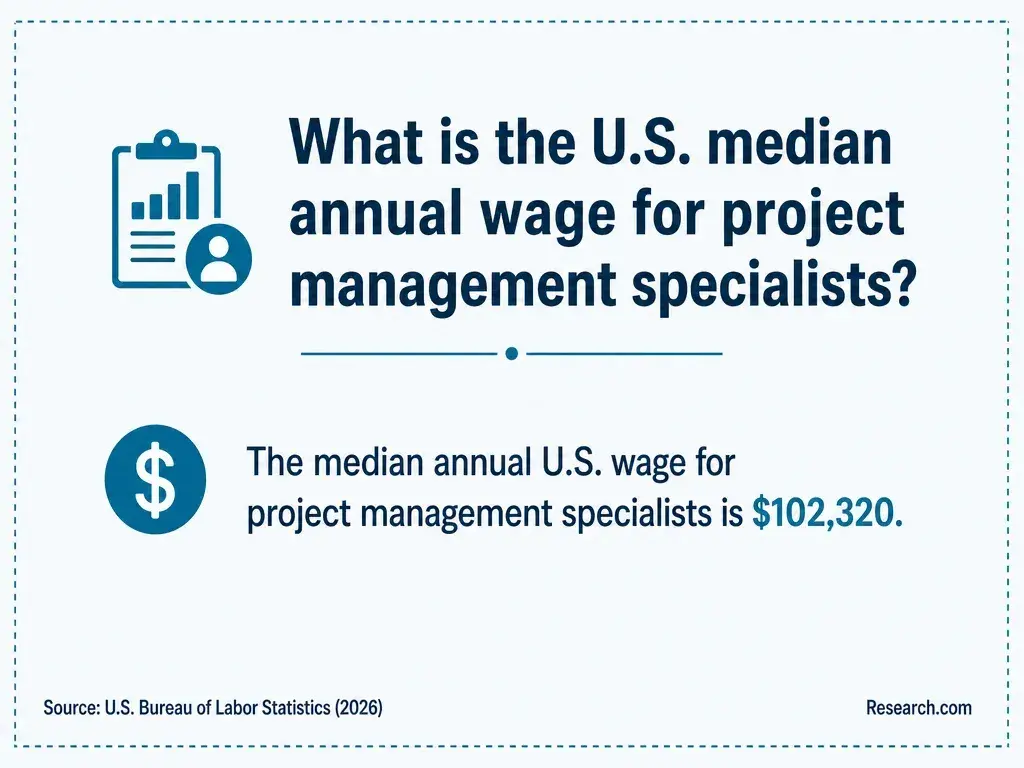
There is no reliable single salary or job-growth figure for "DrPH graduates": employers hire into occupations, and compensation varies with role, sector, location, and experience. The U.S. Bureau of Labor Statistics reports wages and projections for defined occupations, not for holders of a particular public health doctorate.
Compare its most recent occupation-specific figures with actual postings for the roles you would pursue; do not treat an occupational median as a predicted raise.
For an internal promotion, ask your employer whether the target position requires a doctorate and where it falls on the pay scale. If an MPH would meet the requirement, MPH career pay comparisons can provide additional context, but they cannot establish the financial return on a DrPH. Weigh any possible pay change against the full cost and the experience you could gain while studying.
Do DrPH Graduates Need Licensure or Professional Certifications?
A DrPH does not itself grant a clinical license, and there is no general license required simply to hold the degree. A specific job may require an existing clinical license or prefer a professional certification; verify that requirement in the job posting and with the responsible licensing board or certifying organization. Credentials such as Certified in Public Health (CPH) have their own eligibility and examination rules.
If the role you want is defined by research training rather than practice leadership or licensure, compare its qualifications with the supervision and funding described for affordable online public health PhD programs. Neither doctoral degree should be chosen as a substitute for checking a regulated profession's requirements.
Other Things You Should Know About Public Health
Possibly, but obtain program approval and your employer's permission first. Confirm who owns the data and deliverables, what may be shared, and whether additional review is required.
Yes, if the program permits it. Send a brief description of your practice problem and ask about expertise and availability. A positive conversation is not an advisor assignment or an admissions commitment.
Sometimes, but do not assume so. Ask whether a methods specialist, committee member, or approved external practitioner can provide complementary guidance.
Ask for the written advisor-reassignment policy and whether another faculty member could support your topic. A program with several plausible mentors offers a stronger contingency than one dependent on a single person.
- Walden University's Guide to Doctoral Capstone Projects https://www.waldenu.edu/online-doctoral-programs/resource/guide-to-doctoral-capstone-projects
- FAQs | Johns Hopkins | Bloomberg School of Public Health https://publichealth.jhu.edu/academics/explore-programs/doctoral-degrees/doctor-of-public-health-drph/faqs
- Choosing a PhD or a DrPH: Key Differences | NYU School of Global Public Health https://publichealth.nyu.edu/events-news/news/2024/10/10/choosing-phd-or-drph-key-differences
- What is the Difference Between a DrPH and a PhD? | Fairfield University https://www.fairfield.edu/news/insights/nursing-health-studies/difference-between-drph-and-phd.html
- Doctor of Public Health (DrPH) | Rutgers School of Public Health https://sph.rutgers.edu/academics/degree-programs/doctor-public-health-drph
- DrPH Program Leadership and Operating Guidelines | Fay W. Boozman College of Public Health https://publichealth.uams.edu/future-students/academics/doctoral/drph/drph-program-leadership-and-operating-guidelines/