2027 Fastest Online MSN in Care Coordination Programs

Co-Founder and Chief Data Scientist
The nursing profession is at a critical juncture. With 40% of RNs reporting plans to leave the profession, it’s clear that systemic issues are taking a toll. Yet, this very frustration is what qualifies experienced nurses for leadership. It signals an intuitive grasp of system-level problems and a deep-seated drive to fix them. Earning an online MSN in care coordination enables you to translate frontline insight into executive-level impact.
This guide, crafted by career planning experts, is your roadmap. We’ll cover program lengths, costs, curriculum, career paths, and how to choose the right program for your accelerated journey into healthcare leadership.
What are the benefits of getting a fast online MSN in care coordination program?
- It moves your career from direct patient care into a strategic leadership role where you design and manage the systems of care.
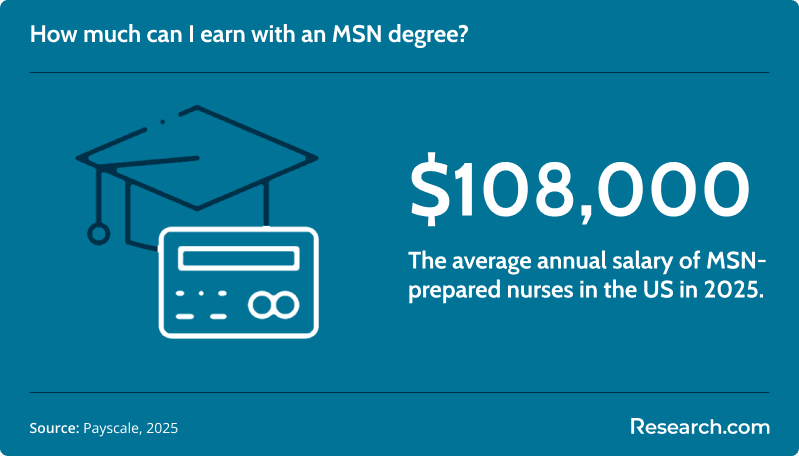
- The degree unlocks a significant increase in your earning potential, with the average annual salary for MSN-prepared nurses reaching $108,000.
- You gain the ability to improve health outcomes for entire patient populations, fixing the root causes of problems you've witnessed firsthand.
What can I expect from a fast online MSN in care coordination program?
You can expect a curriculum focused entirely on systems thinking, leadership, and management. Let's be very clear: this is not a Nurse Practitioner (NP) program. It does not provide advanced clinical training, and it does not lead to diagnostic or prescriptive authority.
Instead, this degree equips you with a completely different toolkit. You will learn the principles of quality improvement, healthcare policy, and financial management. You'll learn how to utilize data to analyze care processes, identify inefficiencies, and design more effective workflows.
The entire program is designed to transform you from a hands-on clinician into a strategic leader who manages the system of care, rather than the individual patient. It's about becoming an architect of a more efficient and effective healthcare environment.
Where can I work with a fast online MSN in care coordination program?
Your skills will be in demand across the entire healthcare landscape, far beyond the walls of a hospital. You can expect to find leadership roles in large health systems, insurance companies, managed care organizations, and public health agencies.
The industry's shift toward value-based care means that any organization focused on patient outcomes and cost-efficiency needs this expertise. This includes long-term care facilities, home health agencies, and outpatient clinic networks.
As new models, such as Accountable Care Organizations (ACOs), continue to grow, the demand for leaders who can coordinate care across various settings is increasing. Your MSN prepares you for a versatile career with opportunities in almost any part of the healthcare sector.
How much can I make with a fast online MSN in care coordination program?
You can expect to earn a salary in line with other MSN-prepared nurses, which averages around $108,000 per year. Earning an online MSN in care coordination is the direct path into this higher pay bracket, representing a significant increase over most BSN-level roles.
Of course, your specific salary will be influenced by your location, the type of employer, and your years of experience. The key is that this degree positions you as a driver of financial and quality outcomes. When you can prove your ability to reduce readmissions or improve efficiency, you gain powerful leverage for both salary negotiation and future advancement.
- List of the Fastest Online MSN in Care Coordination Programs for 2027 List of Programs
- How long does it take to complete a fast online MSN in care coordination program? Program Length
- How does a fast online MSN in care coordination program compare to an on-campus program? How does a fast online MSN in care coordination program compare to an on-campus program?
- What is the average cost of a fast online MSN in care coordination program? Program Cost
- What are the financial aid options for students enrolling in a fast online MSN in care coordination program? Financial Aid
- What are the prerequisites for enrolling in a fast online MSN in care coordination program? Requirements
- What courses are typically in a fast online MSN in care coordination program? What courses are typically in a fast online MSN in care coordination program?
- What types of specializations are available in a fast online MSN in care coordination program? What types of specializations are available in a fast online MSN in care coordination program?
- How to choose the best and fastest online MSN in care coordination program? How to choose the best and fastest online MSN in care coordination program?
- What career paths are available for graduates of a fast online MSN in care coordination program? What career paths are available for graduates of a fast online MSN in care coordination program?
- What is the job market for graduates with a fast online MSN in care coordination program? Job Outlook
- What Challenges Should You Consider Before Enrolling? What Challenges Should You Consider Before Enrolling?
- How does an online MSN in care coordination differ from a direct-entry nurse practitioner degree? How does an online MSN in care coordination differ from a direct-entry nurse practitioner degree?
- What common misconceptions exist about online MSN in care coordination programs? What common misconceptions exist about online MSN in care coordination programs?
- How does an online MSN in care coordination pave the way for advanced practice opportunities? How does an online MSN in care coordination pave the way for advanced practice opportunities?
Fastest Online MSN in Care Coordination Programs for 2027
An online MSN in care coordination is built for registered nurses who want to move from bedside care into systems-level roles that improve care transitions, reduce fragmentation, manage complex patient needs, and support population health goals. For working nurses, the biggest question is usually practical: Which accredited program can be completed quickly without sacrificing quality, practicum preparation, or employer recognition?
This guide compares fast online and hybrid MSN pathways related to care coordination, case management, population health, and public health nursing. You will learn how long these programs take, what they cost, what admissions requirements to expect, how online programs compare with campus programs, and which career paths may fit your goals after graduation.
Quick answer: What is the fastest online MSN in care coordination?
The fastest options in this list can be completed in as little as 11-30 months, depending on the school, course load, transfer policies, practicum timing, and whether the program uses a self-paced format. Most BSN-to-MSN care coordination, case management, or population health programs take about 18 to 24 months, while RN-to-MSN bridge routes generally require about 24 to 36 months.
Before choosing the shortest program, verify three essentials: programmatic nursing accreditation, practicum support, and whether the curriculum matches the roles you want, such as care coordination manager, transitional care manager, patient navigator, population health nurse, or quality improvement specialist.
How these programs were reviewed
Choosing an MSN program is a major academic and financial decision, so rankings should be based on clear data rather than marketing language. Research.com evaluates schools using education, cost, and outcomes data from established sources.
Our review draws from the IPEDS database and the National Center for Education Statistics (NCES), online program information from Peterson's database, and cost and graduate outcome data from the federal College Scorecard. For more detail on how factors are weighted, see our ranking methodology.
| Program | Best fit | Program length | Credits | Accreditation |
| Capella University | Nurses who want a flexible, self-paced option | 11-30 months | 54 quarter credits | CCNE |
| Nebraska Methodist College | Nurses interested in systems, public health, and complex care | 24 months | 39 credits | CCNE |
| Framingham State University | Local nurses who prefer a hybrid case management format | 2-4 years | 40 semester hours | NLN CNEA |
| Post University | Nurses seeking case management and patient advocacy skills | 16-24 months | 36 credits | CCNE |
| Caldwell University | Working nurses who want asynchronous population health courses | 2 years | 36 credits | CCNE |
1. Capella University
Capella University offers an online MSN in Care Coordination for BSN-prepared nurses who are comfortable with independent learning and want significant scheduling control. Its FlexPath format is the main differentiator, allowing qualified students to move through coursework at their own pace and use prior professional knowledge to progress more efficiently.
The program is designed for nurses preparing for formal care coordination responsibilities. Coursework emphasizes ethical and legal standards, data-informed decision-making, practice gap analysis, and interprofessional leadership. Students also complete 200 practicum hours, giving them structured experience applying care coordination concepts in a real healthcare setting.
- Program Length: 11-30 months
- Required Quarter Credits to Graduate: 54
- Cost per Quarter Credit: $465, or $2,985 per 12-week session for the FlexPath option
- Accreditation: Commission on Collegiate Nursing Education (CCNE)
2. Nebraska Methodist College
Nebraska Methodist College provides an online MSN with a Care Coordinator track for BSN-prepared nurses who want to connect clinical care, health systems, and public health. The program is especially relevant for nurses interested in patients with complex diseases and communities that need more coordinated services.
The curriculum focuses on scholarly inquiry, interprofessional teamwork, safety, cost-effectiveness, and navigating healthcare systems. Students complete a group-selected evidence-based project, which helps them apply research to practice and contribute to professional discussion in care coordination.
- Program Length: 24 months
- Required Credits to Graduate: 39
- Cost per Credit: $588
- Accreditation: Commission on Collegiate Nursing Education (CCNE)
3. Framingham State University
Framingham State University offers a hybrid MSN with a concentration in Nursing Case Management. Because it combines online coursework with campus-based interaction, it may be a better choice for nearby BSN-prepared nurses who want flexibility but still value in-person engagement.
The program develops case management expertise through coursework in healthcare policy, research, ethics, and technology. Its 2-4 year completion window gives working nurses room to balance graduate study with professional and personal responsibilities.
- Program Length: 2-4 years
- Concentration: Nursing Case Management
- Required Semester Hours to Graduate: 40
- Cost per Credit: $561.67
- Accreditation: National League for Nursing Commission for Nursing Education Accreditation (NLN CNEA)
4. Post University
Post University’s online Master of Science in Nursing with a Case Management Specialization is designed for BSN-prepared nurses who want practical training in advocacy, care planning, service coordination, and patient-centered case management.
Students study case management models, life care planning, evidence evaluation, and collaborative practice. The program also provides one-on-one support from a student success advisor, which may be useful for nurses balancing graduate school with shift work or family obligations.
- Program Length: 16-24 months
- Required Credits to Graduate: 36
- Cost per Credit: $588
- Accreditation: Commission on Collegiate Nursing Education (CCNE)
5. Caldwell University
Caldwell University offers a fully online MSN in Population Health for working BSN-prepared nurses interested in care coordination, quality improvement, project management, and leadership roles across healthcare organizations.
The program uses asynchronous 7-week courses, which can help students fit graduate work around unpredictable nursing schedules. Coursework emphasizes data use, health trend identification, disease prevention, and population-focused strategies for hospitals, public health departments, and health systems.
- Program Length: 2 years
- Required Credits to Graduate: 36
- Cost per Credit: $564
- Accreditation: Commission on Collegiate Nursing Education (CCNE)
6. Chamberlain University
Chamberlain University’s online MSN Population Health specialization is structured for working nurses who want to evaluate health needs at the community, organizational, and global levels. Its Practicum Commitment™ is a notable feature because practicum placement is often one of the most stressful parts of an online nursing graduate program.
The program emphasizes applied assignments instead of exams and focuses on outcome evaluation, health equity, and real-world population health competencies. This format may appeal to nurses who prefer practice-based demonstrations of learning.
- Program Length: 2 years
- Required Credits to Graduate: 36
- Cost per Credit: $720
- Accreditation: Commission on Collegiate Nursing Education (CCNE)
7. Jacksonville State University
Jacksonville State University’s online MSN in Population Health prepares nurses to work with vulnerable populations and address changing community health needs. Students select a population focus, such as geriatrics or adults with chronic illnesses, and use that focus throughout the program.
The curriculum supports both direct care improvement and broader community assessment. Graduates are prepared for practice, education, and management roles that involve prevention, health promotion, disaster management, and support for at-risk communities.
- Program Length: ~2 years
- Required Credits to Graduate: 38
- Cost per Credit: $434
- Accreditation: Commission on Collegiate Nursing Education (CCNE)
8. Worcester State University
Worcester State University offers an online MSN in Public and Population Health for nurses who want to lead community health initiatives and sustainable systems change. The program is built around an innovative, nationally recognized curriculum.
Students may shape their studies through global and cross-cultural health or health systems transformation. The curriculum includes evidence-informed models, service to vulnerable populations, intensive practicum work, and opportunities connected to teaching or global service.
- Program Length: 18 months
- Specializations: Global and Cross-Cultural Health; Health Systems Transformation
- Required Credits to Graduate: 35
- Cost per Credit: $504
- Accreditation: Commission on Collegiate Nursing Education (CCNE)
9. McKendree University
McKendree University offers a 100% online MSN in Population Health for BSN-prepared nurses seeking flexibility and a focused leadership pathway. Its mix of 8-week and 16-week courses supports both full-time and part-time study.
The program prepares students to examine health disparities, assess quality initiatives, and lead evidence-based improvements. Students complete 150 total practicum hours, allowing them to build applied experience aligned with their career goals.
- Program Length: ~2 years
- Required Credits to Graduate: 33
- Cost per Credit: $495
- Accreditation: Commission on Collegiate Nursing Education (CCNE)
10. University at Albany
The University at Albany’s online MS in Population Health Nursing combines online study with in-person clinical experiences. It is intended for nurses who want to build public health experience while learning to address social determinants of health.
The required health disparities concentration helps students develop multicultural competence, data analysis skills, community assessment abilities, and advocacy strategies. Graduates may pursue roles in health departments, community organizations, schools, and other settings serving vulnerable populations.
- Program Length: 2-3 years
- Concentration: Health Disparities
- Required Credits to Graduate: 42
- Cost per Credit: $540.38 in-state; $634.38 out-of-state
- Accreditation: Commission on Collegiate Nursing Education (CCNE)
How long does it take to complete a fast online MSN in care coordination program?
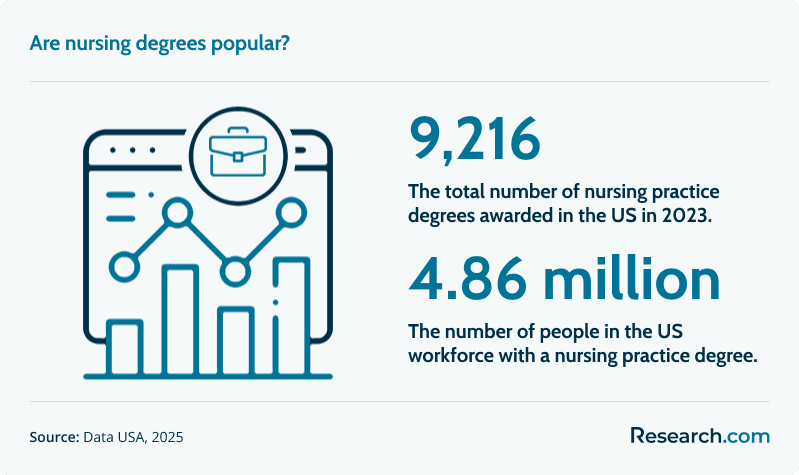
Most BSN-to-MSN programs in care coordination, case management, population health, or public health nursing can be finished in about 18 to 24 months. RN-to-MSN bridge programs for nurses with an associate degree commonly take about 24 to 36 months. In 2023, there were 9,216 nursing practice degrees awarded in the U.S., reflecting the continued movement of nurses into advanced education and specialized leadership preparation.
“Fast” does not mean easy. Accelerated MSN programs compress graduate-level reading, projects, practicum work, and leadership assignments into a demanding schedule. They are best suited for nurses who can plan ahead, protect study time, and communicate early with employers and family members about workload.
| Pathway | Typical completion time | Best for | Main trade-off |
| BSN-to-MSN | About 18 to 24 months | RNs who already hold a BSN | Fastest standard route, but graduate workload starts immediately |
| RN-to-MSN bridge | About 24 to 36 months | RNs with an ADN or nursing diploma | Longer timeline because bridge coursework is usually required |
| Self-paced MSN format | Varies by progress and policies | Highly organized nurses with strong prior knowledge | Flexibility can help motivated students, but it requires discipline |
| Hybrid MSN | Varies by school | Nurses who want online coursework plus some in-person learning | Less location flexibility than a fully online program |
How this path differs from specialized clinical practice
An MSN in care coordination is not the same as preparing for a highly specialized bedside role. For example, a nurse researching how to become an operating room nurse is usually focused on perioperative clinical expertise. Care coordination programs, by contrast, train nurses to improve the processes, communication systems, and resource connections that shape patient outcomes across settings.
The degree shifts your focus from one patient encounter to the larger care journey. You learn to evaluate data, reduce gaps in care, support quality improvement, and coordinate teams that may include nurses, physicians, social workers, discharge planners, pharmacists, insurers, and community agencies.
How does a fast online MSN in care coordination compare to an on-campus program?
An accredited online MSN can offer the same academic standards as an on-campus program, but the learning experience is different. Online formats give working nurses more control over when they study, while campus programs provide more scheduled face-to-face interaction. The right choice depends on your work schedule, learning style, location, and need for structure.
Nurses comparing accelerated graduate pathways may also want to review the fastest BSN to MSN online programs, especially if speed and flexibility are top priorities.
| Factor | Online MSN | On-campus MSN |
| Schedule flexibility | Usually stronger for working nurses | Often tied to fixed class times |
| Networking | Built through discussion boards, virtual meetings, group projects, faculty access, and alumni tools | Often easier through in-person classes, campus events, and local clinical contacts |
| Practicum planning | May require local placement coordination; support varies by school | May use established regional partnerships |
| Employer perception | Strong when the program is properly accredited | Strong when the program is properly accredited |
| Best fit | Self-directed learners who need flexibility | Students who prefer structured in-person learning |
Accreditation matters more than the delivery format
Employers are generally more concerned with accreditation and program quality than whether your classes were online or on campus. For nursing graduate programs, look for programmatic accreditation from the Commission on Collegiate Nursing Education or the Accreditation Commission for Education in Nursing (ACEN).
Accreditation helps confirm that the curriculum, faculty qualifications, outcomes, and student supports meet recognized standards. It can also affect employer reimbursement, transferability, eligibility for some post-graduate options, and professional credibility.
What is the average cost of a fast online MSN in care coordination program?
Total tuition for an online MSN in care coordination can range from around $20,000 to $40,000, although a representative group of competitive programs falls closer to about $16,500 to $27,000. The final amount depends on credit requirements, per-credit tuition, residency rules, fees, practicum expenses, books, and whether you can transfer credits.
Do not compare programs by tuition rate alone. A lower per-credit price can still result in a higher total cost if the program requires more credits or charges additional fees. Ask each school for a full cost estimate before applying.
If you are still moving toward RN licensure, a fast track LVN to RN bridge program online may help you reach the RN stage more efficiently before pursuing graduate-level nursing education.
| Cost factor | Why it matters | Question to ask |
| Per-credit tuition | This is the visible price, but not the whole cost | What is the current tuition per credit or quarter credit? |
| Total credits required | More credits can increase total tuition even if the rate is lower | How many credits must I complete after transfer evaluation? |
| University fees | Technology, graduation, clinical, or student service fees can add up | Which fees are mandatory for online graduate nursing students? |
| Practicum expenses | Students may need travel, documentation, background checks, or compliance materials | What out-of-pocket practicum costs should I expect? |
| Time to completion | Longer enrollment can increase indirect costs | Can I realistically finish within the advertised timeline? |
How to think about ROI without overestimating outcomes
The cost question should be paired with a return-on-investment question: Will this program help you qualify for roles that match your salary goals, schedule preferences, and long-term career plan? The average annual salary of MSN-prepared nurses is $108,000, but individual earnings vary by employer, region, role, experience, and negotiation.
A care coordination MSN can be financially worthwhile when it helps you move into leadership, quality, population health, or case management roles that offer better pay, more sustainable work, or clearer advancement. It is not a guaranteed salary increase, so compare program cost with actual job postings in your area before enrolling.
What financial aid options are available for fast online MSN in care coordination students?
Common funding options include federal aid, graduate nursing scholarships, employer tuition reimbursement, federal loans, private loans, payment plans, and professional association awards. The strongest strategy usually combines several sources instead of relying on one.
| Funding option | How it can help | What to check first |
| Federal aid | May provide access to federal student loans and other aid options | Complete the Free Application for Federal Student Aid (FAFSA) |
| University scholarships | Can reduce out-of-pocket tuition costs | Ask whether graduate nursing students are eligible and whether awards renew |
| External scholarships | May be available through nursing organizations, foundations, or community groups | Confirm deadlines, eligibility, and required essays or recommendations |
| Employer reimbursement | Can be one of the most valuable benefits for working nurses | Ask HR about annual limits, grade requirements, and work commitments |
| Loans | Can fill funding gaps after scholarships and reimbursement | Compare interest rates, repayment timelines, and total borrowing costs |
How to make the case for employer tuition reimbursement
Many hospitals and healthcare systems support graduate education because they need nurses who can improve quality, coordination, patient flow, and care transitions. When requesting tuition reimbursement, connect the degree to measurable organizational goals rather than presenting it only as a personal career step.
If your background includes emergency medical services, an accelerated online paramedic to RN bridge program can be a practical earlier step toward advanced nursing roles. For MSN reimbursement, explain how care coordination training can help your unit or organization address gaps in discharge planning, readmission prevention, patient education, chronic disease management, or interdisciplinary communication.
What are the prerequisites for enrolling in a fast online MSN in care coordination program?
Most fast online MSN programs require a nursing credential, an active RN license, a minimum undergraduate GPA, and professional nursing experience. Admissions teams want evidence that you can handle graduate coursework and apply advanced concepts to real clinical or organizational problems.
Nurses who want to combine advanced nursing education with business leadership may also compare the shortest MSN MBA dual degree online programs, particularly if they are aiming for broader administrative or executive roles.
| Requirement | Typical expectation | Why it matters |
| Prior nursing degree | A BSN for BSN-to-MSN programs, or an ADN or diploma for RN-to-MSN bridge programs | Determines which pathway you qualify for |
| RN license | Active, unencumbered Registered Nurse license in the U.S. | Confirms professional eligibility for graduate nursing study |
| GPA | Often a cumulative undergraduate GPA of 3.0 or higher, with some provisional options | Helps schools assess academic readiness |
| Clinical experience | Often at least one to two years of clinical nursing experience | Provides the practical context needed for systems-level coursework |
| Application materials | May include transcripts, resume, personal statement, references, and license verification | Shows fit, motivation, and professional direction |
Your work experience can strengthen your application
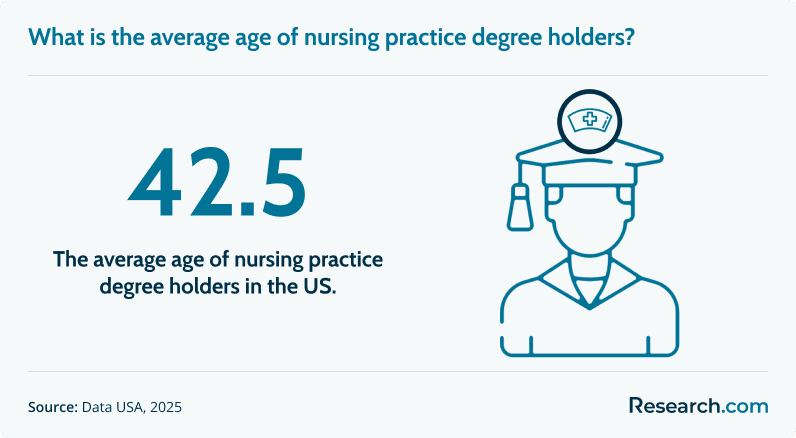
If you have been away from school for several years, that does not automatically weaken your application. The average age for nursing practice degree holders in the U.S. is 42.5, and many graduate nursing students bring substantial clinical experience to the classroom.
Use your personal statement to show how frontline nursing shaped your interest in care coordination. Describe problems you have observed, such as poor handoffs, fragmented discharge planning, limited patient education, or repeated barriers for high-risk populations. If you want to strengthen your academic profile before applying, one of the best online medical certificate programs may help you build recent academic momentum.
What courses are typically included in a fast online MSN in care coordination program?
An MSN in care coordination gives nurses a healthcare leadership toolkit. Instead of focusing only on individual patient care, the curriculum teaches you to evaluate systems, coordinate services, use data, improve quality, and communicate across disciplines.
| Course area | What you learn | How it applies in care coordination |
| Organizational leadership | Change management, team leadership, communication, and collaboration | Leading practice changes and aligning multiple departments around patient needs |
| Healthcare policy and advocacy | How rules, payment models, and public policy influence care delivery | Advocating for patients and improving organizational processes |
| Quality improvement and safety | Methods for identifying errors, reducing variation, and improving outcomes | Designing safer handoffs, discharge processes, and follow-up systems |
| Health informatics and data analysis | Using technology and data to track outcomes and guide decisions | Monitoring population trends, readmission patterns, and care gaps |
| Population health | Strategies for improving outcomes across groups and communities | Addressing chronic illness, disparities, prevention, and access barriers |
| Practicum or capstone | Applied work in a healthcare or community setting | Turning coursework into a measurable improvement project or leadership experience |
How coursework becomes career value
The degree helps you translate clinical knowledge into the language of healthcare operations. You learn how to explain why a workflow fails, how to use evidence to recommend change, and how to connect quality goals with cost, safety, and patient experience.
These skills can apply across many roles in the broader healthcare careers list, especially positions that require communication between frontline staff and administrators.
What specializations are available in a fast online MSN in care coordination program?
Many care coordination-related MSN programs do not offer a long list of formal tracks. Instead, students often specialize through practicum placements, capstone topics, population focus, electives, and project design. This can be useful if you already know the patient group or care setting you want to serve.
| Possible focus area | Best for nurses interested in | Example application |
| Geriatric care coordination | Older adults, chronic illness, long-term care, and transitions | Improving discharge planning for older adults moving from hospital to home health |
| Chronic disease management | Patients with conditions such as diabetes, heart failure, or COPD | Building follow-up systems to reduce missed appointments and care gaps |
| Care transitions | Hospital discharge, skilled nursing, home health, and outpatient follow-up | Strengthening handoff processes between inpatient and community providers |
| Public or population health | Community programs, disparities, prevention, and health promotion | Designing interventions for vulnerable populations |
| Insurance or utilization settings | Coverage, utilization review, and resource coordination | Helping patients access appropriate services while navigating payer requirements |
How to build a useful niche
A self-directed specialization can be an advantage if you make intentional choices. Select practicum sites, project topics, and mentors that connect directly to your next role. For example, if your local market has demand for geriatric care, chronic disease management, or transitional care, your capstone and practicum should produce evidence that you can work in those areas.
How should you choose the best and fastest online MSN in care coordination program?
The best program is not always the shortest or cheapest. A strong choice is accredited, affordable for your situation, realistic for your schedule, aligned with your target roles, and transparent about practicum expectations.
| Selection factor | Why it matters | What to ask before enrolling |
| Accreditation | Protects degree credibility and employer recognition | Is the nursing program accredited by CCNE, ACEN, or another recognized nursing accreditor? |
| Program length | Affects time to graduation and workload intensity | What percentage of students finish in the advertised timeframe? |
| Practicum support | Can determine whether you graduate on schedule | Does the school help secure sites and preceptors, or is that my responsibility? |
| Faculty expertise | Experienced faculty can connect theory to real care coordination work | Do faculty have backgrounds in case management, population health, quality, or health systems leadership? |
| Total cost | Tuition is only one part of affordability | What is the full estimated program cost, including fees and practicum expenses? |
| Career alignment | Different programs emphasize care coordination, case management, public health, or population health | Which roles do graduates typically pursue? |
Who should choose this MSN path?
- Choose this path if you want to improve care systems, coordinate services, manage transitions, analyze outcomes, or lead quality-focused projects.
- Consider another path if your main goal is diagnosis, prescribing, and advanced direct patient care through a nurse practitioner role.
- Consider nurse executive options if you are primarily interested in staffing, budgets, operations, and high-level administration.
- Consider nursing informatics if your strongest interest is health technology, data systems, and electronic health record design.
Common mistakes to avoid
| Mistake | Why it can hurt you | Better approach |
| Choosing only by speed | The shortest program may not offer the practicum support or focus you need | Compare length, accreditation, curriculum, support, and outcomes together |
| Ignoring accreditation | An unaccredited or poorly recognized program can limit employer confidence | Verify nursing accreditation before applying |
| Looking only at tuition per credit | Total cost depends on credits, fees, and time in school | Request a full program cost estimate |
| Assuming online means easier | Accelerated online courses can be more demanding because they require self-management | Plan weekly study blocks before the term starts |
| Waiting too long on practicum planning | Delayed site approval can delay graduation | Ask about placement steps during the admissions process |
| Relying only on rankings | A highly ranked program may not fit your location, schedule, or career goal | Use rankings as a starting point, not the final decision |
What career paths are available after a fast online MSN in care coordination program?
Graduates can move into roles that connect clinical care, patient support, quality improvement, and health system operations. Early roles may involve direct coordination with patients and families, while advanced roles often include team leadership, program development, outcome tracking, and strategy.
Because job titles vary by employer, search by function as well as title. Useful search terms include care coordination, case management, transitional care, patient navigation, clinical integration, quality improvement, population health, and health disparities.
| Role | Typical focus | Good fit for nurses who want to |
| Patient Navigator | Helping patients move through services, appointments, education, and follow-up | Work closely with patients while improving access and continuity |
| Transitional Care Manager | Coordinating movement between hospital, home, skilled nursing, outpatient, or community services | Reduce gaps during high-risk handoffs |
| Case Manager | Assessing needs, planning services, coordinating resources, and supporting outcomes | Combine advocacy, planning, and interdisciplinary communication |
| Quality Improvement Specialist | Evaluating workflows, safety issues, and performance data | Design process improvements that affect many patients |
| Manager of Care Coordination | Supervising teams and improving departmental care coordination processes | Lead staff and manage programs |
| Director of Population Health | Improving outcomes for defined patient populations | Shape strategy across programs, departments, or communities |
How to position yourself for leadership roles
When applying, translate bedside experience into leadership language. Instead of only listing clinical duties, highlight workflow improvements, discharge planning contributions, patient education projects, interdisciplinary collaboration, data use, or committee work.
Care coordination roles differ from other advanced nursing positions. For example, nurses comparing leadership options may also want to understand what a clinical nurse leader is and how that role differs from care coordination, case management, and population health leadership.
What is the job market for graduates with a fast online MSN in care coordination?
The market for nurses with care coordination, case management, quality improvement, and population health skills is supported by healthcare’s continued shift toward value-based care. Employers need professionals who can improve outcomes, coordinate services, support high-risk patients, and manage transitions across increasingly complex care settings.
Workforce changes also matter. With more than 25% of all RNs planning to retire or leave nursing within the next five years, healthcare organizations will need experienced nurses who can move into leadership and coordination roles. This does not guarantee a specific job, but it does make systems-level nursing skills highly relevant.
How to future-proof your career
Care coordination is closely connected to population health and community health. Graduates who can work across hospitals, outpatient networks, public health agencies, insurers, and community organizations may have broader opportunities than those who search only for traditional hospital roles.
Understanding what a community health nurse does can help you see how care coordination leadership supports frontline community work, especially when addressing chronic illness, access barriers, health education, and vulnerable populations.
What challenges should you consider before enrolling?
Fast online MSN programs are convenient, but they are not low-effort. The biggest challenges are time management, practicum planning, virtual collaboration, and the pressure of completing graduate-level assignments while continuing to work as a nurse.
| Challenge | Why it matters | How to prepare |
| Accelerated pace | Shorter timelines can mean heavier weekly workloads | Review sample syllabi and estimate weekly study hours before enrolling |
| Self-directed learning | Online courses require consistent discipline | Create a weekly schedule and protect study blocks |
| Practicum placement | Finding a site or preceptor can take time | Ask about placement support before applying |
| Virtual networking | Relationships may take more effort online | Attend webinars, participate actively, and connect with faculty early |
| Technology requirements | Online learning depends on reliable access and comfort with digital platforms | Confirm software, hardware, and internet requirements |
| Cost pressure | Graduate tuition can affect finances for years | Compare aid, reimbursement, and options such as the cheapest online nursing programs |
What do graduates say about fast online MSN in care coordination programs?
-
: "
Before graduate school, I understood bedside care but not the reasoning behind many administrative decisions. The program helped me understand healthcare finance, policy, and systems thinking. I can now participate in leadership meetings and contribute meaningfully to planning conversations.
Aoife
"
-
: "
I treated tuition as a career investment, and the move paid off sooner than I expected. After becoming a transitional care manager, my salary increased by nearly 30%. The degree helped me access a role that better supports my family and my long-term goals.
Javier
"
-
: "
I was exhausted by the emotional and physical demands of bedside nursing. This MSN gave me a way to turn that frustration into quality improvement work. Now I can design changes that improve care for large groups of patients, and that has been deeply rewarding.
Leonnie
"
What emerging trends are shaping online MSN in care coordination programs?
Online MSN programs in care coordination are increasingly emphasizing data-informed practice, telehealth-aware care models, virtual collaboration, quality improvement, and population health. These trends reflect the realities of modern healthcare: patients move across multiple settings, care teams often communicate digitally, and organizations need nurses who can use evidence and outcomes data to improve systems.
Programs may also use simulation, analytics tools, adaptive online coursework, and employer or clinical partnerships to connect academic work with current practice. Affordability remains an important consideration, so students should compare program quality with cost and review resources such as affordable online nursing programs before committing.
How do online MSN in care coordination programs support mentorship and networking?
Strong online programs create networking through faculty advising, virtual office hours, discussion boards, group projects, alumni connections, career services, and practicum relationships. The experience may not feel the same as campus networking, but engaged students can still build useful professional relationships.
To get the most value, participate early and consistently. Ask faculty about career paths, connect with classmates who work in different settings, attend virtual events, and use practicum projects to meet leaders in care coordination, quality, case management, and population health. When comparing schools, also consider cost and support resources alongside lists of the most affordable online nursing programs.
How does an online MSN in care coordination differ from a direct-entry nurse practitioner degree?
An MSN in care coordination is designed for licensed nurses who want leadership, systems management, quality improvement, and population health skills. A direct-entry nurse practitioner degree is aimed at preparing students for advanced clinical practice, diagnosis, treatment planning, and patient care responsibilities tied to NP preparation.
The distinction matters. If you want to prescribe, diagnose, and provide advanced direct clinical care, a nurse practitioner route may be more appropriate. If you want to improve care transitions, coordinate services, manage patient populations, and lead process changes, care coordination is a better fit. Students comparing clinical advanced practice routes can review the top direct-entry nurse practitioner degrees.
What misconceptions exist about online MSN in care coordination programs?
A common misconception is that an online MSN in care coordination is simply another version of a nurse practitioner program. It is not. Care coordination programs focus on systems, processes, quality, advocacy, and interdisciplinary care rather than expanded clinical diagnosis or prescribing authority.
Another misconception is that online programs are less rigorous. Accredited online nursing programs must meet recognized academic and professional standards. The better question is not whether the format is online, but whether the program is accredited, well supported, affordable, and aligned with your intended role. If you are researching advanced practice routes for non-nurses, see direct entry NP programs for non-nurses.
Can an online MSN in care coordination lead to advanced practice opportunities?
An MSN in care coordination can create a foundation for doctoral study, leadership development, quality improvement, and population health work. However, it should not be treated as a substitute for a nurse practitioner program if your goal is advanced clinical practice licensure.
Some graduates later pursue doctoral-level preparation, including accelerated DNP programs, especially if they want deeper leadership, practice innovation, research translation, or executive-level preparation. Before choosing a program, confirm whether your MSN concentration supports the doctoral pathway you may want later.
Key Insights
- The fastest listed pathway can be completed in 11-30 months, but most BSN-to-MSN programs take about 18 to 24 months.
- Accreditation is non-negotiable. Employers and graduate programs care more about recognized nursing accreditation than whether courses are online or on campus.
- Care coordination is a systems-focused MSN path, not a nurse practitioner route. It prepares nurses for leadership in transitions, quality, case management, and population health.
- Total cost matters more than per-credit tuition. Compare credits, fees, practicum expenses, and time to completion before deciding.
- Practicum support can make or break your timeline. Ask schools exactly how site and preceptor placement works before enrolling.
- The best program is the one that fits your target role. Case management, population health, public health, and care coordination programs overlap, but they do not always prepare students for the same jobs.
References:
- American Association of Colleges of Nursing. (2025). Nursing Shortage Fact Sheet. Retrieved July 17, 2025, from AACN.
- Bureau of Labor Statistics. (2025). Occupational Employment and Wage Statistics (OEWS) Profiles. U.S. Department of Labor. Retrieved July 17, 2025, from BLS.
- Bureau of Labor Statistics. (2025). Registered Nurses. U.S. Department of Labor, Occupational Outlook Handbook. Retrieved July 17, 2025, from BLS.
- Data USA. (2025). Registered Nursing. Retrieved July 17, 2025, from Data USA.
- National Council of State Boards of Nursing. (2025). 2024 Study Highlights. Retrieved July 17, 2025, from NCSBN.
- National Council of State Boards of Nursing. (2025). Active RN licenses. Retrieved July 17, 2025, from NCSBN.
- Payscale. (2025). Master of Science in Nursing (MSN) Degree. Retrieved July 17, 2025, from Payscale.
- U.S. Census Bureau. (2021, April 5). Who Are Our Health Care Workers? Retrieved July 17, 2025, from U.S. Census Bureau.
- University of St. Augustine for Health Sciences. (2024). Nursing Shortage: A 2024 Data Study Reveals Key Insights. Retrieved July 17, 2025, from University of St. Augustine for Health Sciences.
Other Things You Should Know About the Fastest Online MSN in Care Coordination Programs
In 2027, the fastest online MSN in Care Coordination programs typically include accelerated coursework, flexible scheduling, and interactive online platforms. These programs focus on equipping students with skills in case management, patient advocacy, and healthcare systems navigation, often providing completion timelines as short as 12-18 months.
Online MSN in Care Coordination students in 2027 generally have access to support services such as virtual tutoring, academic advising, technical support for online platforms, and career counseling. These services are designed to enhance the online learning experience and ensure that students can successfully complete their programs.
The fastest online MSN in Care Coordination programs for 2027 typically range from 12 to 18 months. These accelerated programs are designed to accommodate working professionals seeking to advance their education rapidly. Students often balance coursework with their career to gain efficient and practical skills in care coordination.