2027 Best LPN Programs in Tennessee – Accredited Online LPN Programs

Co-Founder and Chief Data Scientist
Choosing an online or hybrid LPN program in Tennessee is a licensure decision, not just a school-search task. The program you choose affects whether you can sit for the NCLEX-PN, where you can complete clinical training, how much debt you may take on, and how quickly you can begin working in practical nursing. In 2025, Tennessee had 22,120 licensed practical nurses, and students entering this field need to compare programs carefully before committing time and money.
This guide is designed for Tennessee students who want a practical path into nursing, working adults comparing flexible LPN options, and current LPNs considering bridge programs. You will learn what online LPN programs can and cannot do, how Tennessee licensure works, what programs cost, which schools are worth reviewing, what employers expect, and how to evaluate whether an LPN pathway makes sense for your long-term nursing goals.
Quick answer: What should you know about online LPN programs in Tennessee?
Online LPN programs in Tennessee are usually hybrid programs: students may complete some coursework online, but clinical training and skills labs must be completed in person. Most programs prepare students for the NCLEX-PN and practical nursing licensure, but only state-approved programs should be used for Tennessee licensure eligibility. Typical program lengths range from 12 to 18 months, and reported program costs range from $2,150 to $34,500.
Key benefits of online LPN education
- More scheduling flexibility: Hybrid and online coursework can help students balance nursing school with work, caregiving, or transportation limits.
- Access to practical nursing careers: Graduates may pursue work in hospitals, nursing homes, clinics, schools, correctional facilities, specialized clinics, military healthcare, and home health settings.
- Preparation for core nursing duties: Programs generally cover patient care, pharmacology, medical-surgical nursing, maternal-child care, and clinical judgment.
- A clear entry point into nursing: The LPN route is usually shorter than RN education, making it a practical first credential for students who want to enter healthcare sooner.
- Competitive earning potential: Tennessee LPNs have an average salary of around $46,540, though actual pay varies by employer, city, experience, shift, and setting.
What can I expect from an online LPN program in Tennessee?
An online LPN program in Tennessee should be viewed as a blended nursing program. Lectures, assignments, exams, and discussion activities may be delivered online, but practical nursing cannot be learned fully at a distance. Students still need supervised clinical experiences, skills checks, simulations, and direct patient-care practice that meet Tennessee Board of Nursing expectations.
The curriculum commonly includes fundamentals of nursing, pharmacology, medical-surgical nursing, maternal and child health, mental health concepts, gerontology, pediatric nursing, infection control, communication, documentation, and legal and ethical responsibilities. Programs are designed to prepare graduates for the NCLEX-PN and entry-level practical nursing practice.
Most Tennessee LPN programs take 12 to 18 months, depending on whether the student attends full time or part time. Costs vary widely, with online LPN programs in Tennessee generally ranging from $2,150 to $34,500. Before enrolling, students should confirm program approval, clinical placement expectations, total cost, exam pass outcomes, and whether the program is intended for first-time LPN licensure or for current LPNs seeking an advanced nursing pathway.
Where can I work with an LPN license in Tennessee?
Licensed practical nurses in Tennessee work in many care settings, but the job responsibilities depend on employer policies, patient population, and state scope-of-practice rules. Common duties include taking vital signs, administering certain medications, monitoring patient conditions, assisting with activities of daily living, documenting care, supporting wound care, and communicating changes to RNs, physicians, and other healthcare professionals.
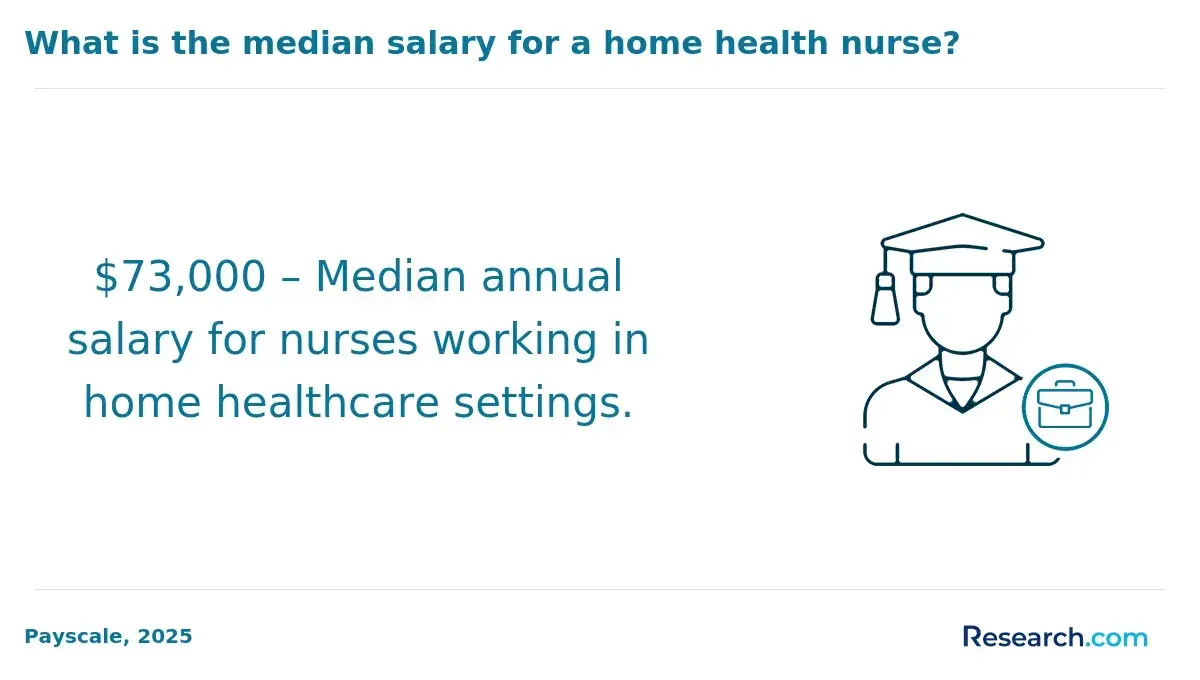
Common employment settings for Tennessee LPNs include hospitals, nursing homes, long-term care centers, rehabilitation facilities, outpatient clinics, physician offices, home health agencies, schools, correctional facilities, specialty clinics, and military healthcare environments. Nursing homes and long-term care facilities accounted for 14.2% of LPNs in 2025, according to the BLS.
Students who want to train and work near larger LPN communities may want to pay attention to local employer networks. Tennessee counties with the highest number of LPNs include:
- Shelby: 1,795
- Knox: 1,507
- Rutherford: 1,167
- Davidson: 1,139
- Hamilton: 1,002
How much can I make with an LPN license in Tennessee?
The average LPN salary in Tennessee is $46,540. Local pay can differ by region: LPNs in Nashville average $49,320 annually, while LPNs in Memphis average about $46,960. These differences reflect local demand, employer type, shift availability, cost of living, and the concentration of healthcare facilities.
Salary should not be evaluated in isolation. Tennessee is the 10th least expensive state to live in compared to the national average, so some students may find the LPN pathway financially practical when they compare training cost, time to employment, and local wages. However, no program can guarantee a specific salary or job placement outcome.
- Best Online LPN Programs in Tennessee for 2027
- How long does it take to become an LPN in Tennessee?
- Online LPN vs. campus LPN programs in Tennessee
- Average cost of online LPN programs in Tennessee
- Financial aid for online LPN students in Tennessee
- Admission requirements for online LPN programs
- Typical courses in Tennessee LPN programs
- LPN specialization options
- How to choose the best online LPN program in Tennessee
- How to become an LPN in Tennessee
- Career paths for Tennessee LPN graduates
- Career placement and student success support
- Regulatory trends affecting online LPN programs
- Tennessee job market for LPN graduates
- Online LPN programs compared with RN pathways
- Advanced nursing degree options for LPNs
- Program outcomes and quality indicators
- Complementary healthcare certifications
- Faculty qualifications and online teaching quality
- Return on investment for online LPN education
- Student support services in online LPN programs
- Advancement opportunities for Tennessee LPNs
- What Tennessee employers expect from LPN graduates
- How license requirements shape LPN programs
- How online programs build clinical competency
- Common challenges in online LPN programs and how to handle them
How do we rank our schools?
Research.com rankings are built to help students compare education options with transparency. The process uses established data sources such as the IPEDS database, Peterson’s database, the College Scorecard database, and the National Center for Education Statistics. These sources support comparisons of institutional data, program characteristics, and student-facing outcomes. To understand how Research.com evaluates schools and programs, review the Research.com methodology page.
Best Online LPN Programs in Tennessee for 2027
The programs below include Tennessee options, hybrid practical nursing programs, nearby out-of-state options, and online bridge pathways that may be relevant to Tennessee learners. Students seeking initial Tennessee LPN licensure should verify Tennessee Board of Nursing approval before enrolling. Current LPNs considering RN or BSN advancement should confirm whether a bridge program meets their state, employer, and clinical-placement needs.
| Program | Best for | Length | Cost information | Credential or outcome |
| Tennessee College of Applied Technology | Students seeking a Tennessee practical nursing option with classroom and clinical training | 16 months | $256 per hour | Certificate; NCLEX-PN eligibility |
| Fortis College- Virginia | Students comparing hybrid practical nursing programs outside Tennessee | 15 to 18 months | $24,843 total cost | Practical nursing preparation; NCLEX-PN preparation |
| University of Arkansas | Current LPNs who want an online LPN to BSN pathway | Two to three years | $329.22 per credit hour | Bachelor of Science in Nursing pathway |
| Western Kentucky University | LPNs seeking an ASN bridge option | Two years | $551 per credit | Associate of Science in Nursing pathway |
| Mountain Empire Community College | Students comparing regional practical nursing certificate options | One to two years | $162.11 in-state; $362.21 out-of-state | Certificate in Practical Nursing; NCLEX-PN eligibility |
1. Tennessee College of Applied Technology
Tennessee College of Applied Technology in Crump offers a practical nursing program built around licensure preparation and entry-level nursing employment. The program includes 1,296 clock hours over 16 months and combines classroom instruction with clinical learning. Applicants need a high school diploma or GED, and graduates may sit for the NCLEX-PN. Students complete theoretical coursework and hands-on nursing training before earning a certificate.
- Program length: 16 months
- Tracks or course focus areas: Worker Characteristic, Advanced Professional Vocational Relations, Pediatric Nursing
- Cost per hour: $256
- Required hours: 1296 hours
- Licensure outcome: Preparation for the National Council Licensure Examination (NCLEX-PN)
2. Fortis College- Virginia
Fortis College in Norfolk, Virginia, offers a practical nursing program designed for students preparing for entry-level PN work. The curriculum includes classroom theory, lab instruction, and clinical experiences in healthcare settings. The program uses a hybrid structure, with most learning conducted on campus and selected coursework available online. Students should confirm whether an out-of-state program supports their intended licensure plan before enrolling.
- Program length: 15 to 18 months
- Tracks or course focus areas: Obstetric Nursing, Medical/Surgical Nursing, Emergency Care
- Total cost: $24,843
- Required credits: 82 quarter credits
- Accreditation: Accrediting Bureau of Health Education Schools (ABHES)
3. University of Arkansas
The University of Arkansas offers an online LPN to Bachelor of Science in Nursing program for licensed practical nurses who want to move toward broader nursing responsibilities. The program is designed to strengthen clinical reasoning, analytical thinking, and professional nursing skills. Accredited by the Commission on Collegiate Nursing Education, the program is structured for working nurses and allows practicums to be completed in students’ geographic areas.
- Program length: Two to three years
- Tracks or course focus areas: Clinical Skills for Professional Nurses, Therapeutic and Interprofessional Communication, Older Adult Nursing
- Cost per credit hour: $329.22
- Required credits: 120 credit hours
- Accreditation: Commission on Collegiate Nursing Education (CCNE)
4. Western Kentucky University
Western Kentucky University offers an LPN to ASN Bridge Program for licensed practical nurses who want to complete an Associate of Science in Nursing. The pathway includes online lecture courses, challenge exams, credit for prior learning, and clinical options. Didactic coursework is offered online, while clinical requirements may be completed on campus or in local clinical facilities. LPNs may receive credit for prior learning after meeting program requirements and submitting proof of licensure.
- Program length: Two years
- Tracks or course focus areas: Pediatric Nursing, Medical/Surgical Nursing, Maternal Newborn Nursing
- Cost per credit: $551
- Required hours: 61 hours
- Accreditation: Southern Association of Colleges and Schools Commission on Colleges (SACSCOC)
5. Mountain Empire Community College
Mountain Empire Community College offers a Practical Nursing Program that uses classroom instruction, clinical practice, and simulated learning. The program is structured as a three-semester, 51-credit certificate pathway. Graduates earn a Certificate in Practical Nursing and may take the NCLEX-PN. MECC is regionally accredited by the Southern Association of Colleges and Schools Commission on Colleges.
- Program length: One to two years
- Tracks or course focus areas: Care of Pediatric Clients, Care of Maternal and Newborn Clients, Nutrition and Diet Therapy
- Cost per credit: $162.11 in-state, $362.21 out-of-state
- Required credits: 51 credits
- Accreditation: SACSCOC
Key findings
- Tennessee LPN programs often take about a year and combine classroom learning with supervised practice.
- Online LPN programs in Tennessee can cost from $2,150 to $34,500.
- Common coursework includes Nursing Fundamentals, Pharmacology, Medical-Surgical Nursing, and related clinical courses.
- Graduates may work in hospitals, long-term care facilities, physician offices, schools, clinics, home health, and other care settings.
- The Tennessee job market for LPN graduates is projected to grow by 17% through 2030.
How long does it take to become an LPN in Tennessee?
Many Tennessee LPN programs take about a year, although hybrid and part-time formats may take longer. The usual timeline includes admission requirements, completion of a state-approved practical nursing program, clinical training, graduation, NCLEX-PN preparation, passing the NCLEX-PN, and state license application processing.
Students comparing practical nursing with bridge routes should understand the distinction. A first-time LPN program prepares you for LPN licensure, while a 2 semester LPN to RN program online is generally intended for licensed practical nurses who want to move toward registered nursing. In 2025, Tennessee's LPN education and examination process continued to show competitive first-time pass rates on the licensing examination.
| Stage | What happens | Decision point |
| Before applying | Complete prerequisites, gather records, prepare for possible admissions testing | Confirm whether the program is approved for Tennessee licensure |
| During the program | Complete online coursework, labs, simulations, and in-person clinical training | Make sure clinical sites are realistic for your location and schedule |
| After graduation | Prepare for and take the NCLEX-PN | Ask the school about recent NCLEX-PN pass rates and remediation support |
| Licensure application | Submit required documents, fees, transcripts, exam results, and background-check materials | Follow Tennessee Board of Nursing instructions exactly |
How does an online LPN degree compare to an on-campus program?
Online and campus-based LPN programs can both prepare students for practical nursing, but they create different learning experiences. The best choice depends on your schedule, location, study habits, clinical-site access, and need for in-person support.
| Factor | Online or hybrid LPN program | On-campus LPN program | Best choice when... |
| Schedule | More flexibility for lectures, assignments, and study time | Fixed class times and regular campus attendance | Choose online or hybrid if you need more control over weekly study time |
| Clinical training | Still requires in-person labs or clinical placements | Clinical expectations are usually built around campus and local partners | Choose the format with accessible clinical sites |
| Learning style | Requires self-discipline, time management, and comfort with technology | Provides more face-to-face structure and immediate classroom interaction | Choose campus if you learn best through frequent in-person instruction |
| Networking | May rely on online discussion, virtual meetings, and local clinical contacts | Offers more direct contact with classmates, faculty, and campus staff | Choose campus if peer interaction is a priority |
| Cost | May reduce commuting or relocation costs | May include more travel, campus fees, or housing costs | Compare total cost, not tuition alone |
| Technology | Requires reliable internet, a suitable computer, and comfort with online platforms | May require less online platform use, though many courses still use digital tools | Choose online only if your technology setup is dependable |
What is the average cost of an online LPN program in Tennessee?
Online LPN programs in Tennessee generally cost between $2,150 and $34,500. The final price depends on school type, program length, tuition structure, clinical fees, books, supplies, uniforms, background checks, drug screenings, exam fees, transportation, and whether the program charges separate lab or technology fees.
Public programs are often less expensive than private options, but the lowest tuition is not always the lowest total cost. A cheaper program that requires long travel to clinical sites, extra semesters, or limited student support may cost more in the long run. Students should request a full program cost sheet before applying.
What are the financial aid options for students enrolling in online LPN programs in Tennessee?
Financial aid can make an LPN program more manageable, but availability depends on the school, program type, enrollment status, and student eligibility. Always confirm that the program participates in the aid source you plan to use before assuming you can apply funds toward tuition.
- Tennessee Nurses Foundation aid: The Tennessee Nurses Foundation provides grants and scholarships that may support students pursuing nursing education.
- FAFSA and federal student aid: Students who submit the FAFSA may qualify for federal grants, loans, or work-study funds, depending on eligibility and the school’s participation.
- Work-study programs: Work-study can help students cover expenses while gaining work experience, although availability varies by institution.
- Local foundations and community organizations: County, city, hospital, and nonprofit scholarship programs may support practical nursing students in Tennessee.
- Employer tuition assistance: Some healthcare employers help employees pay for nursing education, especially when the training aligns with workforce needs.
Questions to ask about LPN program costs
- What is the full program cost from admission to graduation?
- Are books, uniforms, supplies, background checks, and exam fees included?
- Does the program qualify for federal financial aid?
- Are scholarships available specifically for practical nursing students?
- Will I need to travel to clinical sites, and how often?
- What happens financially if I fail or need to repeat a course?
What are the prerequisites for enrolling in an online LPN program in Tennessee?
Admission requirements vary by school, but most Tennessee LPN programs expect applicants to prove academic readiness, health clearance, and suitability for clinical training. Students who are new to nursing should also learn what to expect in the first year of nursing school before applying, because practical nursing programs move quickly.
- High school diploma or GED: Applicants usually need proof of high school completion or an equivalent credential.
- Background check and drug screening: Programs commonly require these checks because clinical sites must protect patient safety.
- Prerequisite coursework: Some schools require biology, anatomy, physiology, or related foundational courses before admission.
- Health and immunization records: Students may need to document required immunizations and health status before clinical placement.
- CPR certification: Some programs require current CPR certification before students begin clinical work.
- Technology readiness: Online students need a reliable computer, stable internet, and the ability to use the school’s learning platform.
- Admissions exam: Some programs use the Test of Essential Academic Skills (TEAS) or another exam to evaluate readiness.
What courses are typically in an online LPN program in Tennessee?
Practical nursing programs focus on the knowledge and hands-on skills needed for safe entry-level nursing practice. Coursework can also create a foundation for later nursing advancement, including LPN to BSN programs.
| Course area | What students learn | Why it matters in practice |
| Nursing Fundamentals | Basic patient care, safety, infection control, mobility, hygiene, and documentation | Builds the core skills used in nearly every LPN role |
| Pharmacology | Medication administration, dosage calculations, medication effects, and patient monitoring | Supports safe medication-related care within the LPN scope |
| Medical-Surgical Nursing | Care for patients with common medical and surgical conditions | Prepares students for hospitals, clinics, rehab, and long-term care settings |
| Maternal and Child Health | Care for pregnant patients, newborns, children, and families | Introduces family-centered care and developmental considerations |
| Mental Health Nursing | Communication, behavioral health concepts, and support for patients with mental health needs | Helps students respond compassionately and safely to behavioral health concerns |
| Gerontology Nursing | Care of older adults and age-related health issues | Connects directly to long-term care and rehabilitation employment |
| Pediatric Nursing | Health needs of infants, children, and adolescents | Prepares students for pediatric and family-care environments |
| Community Health Nursing | Health promotion, prevention, and care in community settings | Shows how nursing supports population and community well-being |
| Leadership and Management | Basic supervision, communication, teamwork, and prioritization | Supports advancement into charge or supervisory responsibilities |
| Legal and Ethical Issues in Nursing | Patient rights, confidentiality, scope of practice, and professional accountability | Helps students avoid unsafe or unauthorized practice |
What types of specializations are available in an online LPN program in Tennessee?
Most LPN programs are generalist programs because practical nurses need broad skills across patient populations. Some schools, however, may include focused electives, clinical experiences, or course emphasis areas that help students explore specific settings.
- Pediatric nursing: Focuses on care for infants, children, and adolescents.
- Gerontology nursing: Emphasizes care for older adults and age-related health concerns.
- Mental health nursing: Builds communication and care skills for patients with behavioral health needs.
- Maternal and child health: Covers care for pregnant patients, newborns, children, and families.
- Orthopedic nursing: Introduces care for patients with musculoskeletal injuries or conditions.
Students should not choose an LPN program based only on a specialization label. Licensure preparation, clinical quality, faculty support, NCLEX-PN outcomes, and employer connections are usually more important.
How to choose the best online LPN programs in Tennessee?
The first step is verifying whether the school is approved for the licensure goal you are pursuing. The Tennessee Board of Nursing provides a list of approved practical nursing schools in 2027. If your goal is Tennessee LPN licensure, do not rely on marketing language alone; confirm board approval directly.
| Selection factor | Why it matters | What to ask before enrolling |
| Board approval | Determines whether the program supports Tennessee licensure eligibility | Is this program approved by the Tennessee Board of Nursing for practical nursing? |
| Accreditation | Signals educational quality and may affect transfer or advancement options | Who accredits the institution and the nursing program? |
| NCLEX-PN preparation | The exam is required for practical nursing licensure | What support is available for NCLEX-PN preparation and remediation? |
| Clinical placement | Online coursework does not replace hands-on patient-care training | Where are clinical sites located, and who arranges placement? |
| Total cost | Fees, supplies, transportation, and repeated courses can change affordability | Can I receive a full cost breakdown before applying? |
| Schedule fit | LPN programs are demanding even when lectures are online | How many hours per week should I expect for class, study, labs, and clinicals? |
| Student support | Online students need advising, tutoring, tech help, and career guidance | What support is available outside regular business hours? |
| Outcomes | Completion, licensure, and job-placement data help reveal program quality | What are the recent completion and licensure outcomes? |
Common mistakes to avoid when choosing an LPN program
- Assuming “online” means fully remote: Practical nursing requires in-person clinical competency.
- Ignoring Tennessee Board of Nursing approval: A program that is convenient may not meet your licensure needs.
- Comparing only tuition: Add fees, supplies, travel, testing, and lost work time.
- Choosing the fastest program without checking outcomes: Speed is useful only if the program prepares students effectively.
- Overlooking clinical logistics: A far-away clinical site can make even an online program difficult to complete.
- Assuming admission equals graduation: Ask about academic support, remediation, and policies for repeating courses.
How to become an LPN in Tennessee?
To become an LPN in Tennessee, you must complete the required education, pass the licensing exam, and apply for licensure through the state. The process is straightforward, but each step must be completed correctly.
- Complete an approved practical nursing program: Finish a Tennessee-approved LPN program or another program that the Tennessee Board of Nursing accepts for licensure. Programs typically include classroom instruction, labs, and clinical experience.
- Pass the NCLEX-PN: The National Council Licensure Examination for Practical Nurses is administered by the National Council of State Boards of Nursing. It evaluates knowledge in areas such as patient care, pharmacology, nutrition, infection control, and mental health nursing. Tennessee had a pass rate of 75.89% in July 2025, exceeding the national average.
- Apply for Tennessee licensure: Submit the required application, fee, official transcripts, NCLEX-PN results, and criminal background check materials. After approval, maintain the license by following Tennessee renewal requirements.
What career paths are available for graduates of online LPN programs in Tennessee?
Graduates of online or hybrid LPN programs in Tennessee can pursue practical nursing roles in many healthcare settings. Some LPNs later continue into RN, BSN, or graduate nursing pathways, including options such as direct entry nurse practitioner programs for students planning a longer nursing career.
- Hospital nursing: LPNs may support patient care, take vital signs, administer permitted medications, and communicate with supervising clinicians.
- Nursing homes and long-term care facilities: LPNs often care for older adults or patients who need ongoing support in nursing homes, assisted living, and rehabilitation centers.
- Physician offices and clinics: Duties may include preparing patients, updating histories, measuring vital signs, and assisting with minor procedures.
- Home health care: LPNs may provide patient care in private homes, monitor health conditions, and support families with care routines.
- Schools and educational institutions: LPNs may support student health services, medication administration, and response to health issues during the school day.
- Correctional facilities: LPNs may provide healthcare services to incarcerated individuals under facility protocols.
- Specialized clinics: LPNs can work in specialty areas such as dermatology, cardiology, orthopedics, or other focused practice settings.
- Military healthcare: LPNs may pursue care roles that serve military members and families.
How do online LPN programs support career placement and student success?
Strong online LPN programs do more than deliver lectures. They help students move from coursework to clinical readiness and employment. Career support may include resume guidance, interview preparation, job-search coaching, clinical-placement assistance, employer introductions, and networking opportunities with local healthcare organizations.
Students should ask whether the program has active relationships with hospitals, long-term care facilities, clinics, and other employers in their area. Those exploring related healthcare pathways may also compare allied health options such as the best medical assistant programs in Tennessee.
How do current regulatory trends affect online LPN programs in Tennessee?
Online LPN programs must adapt to state nursing-board expectations, clinical placement requirements, patient-safety standards, and licensure procedures. Because nursing education is tied to public safety, programs cannot simply move all training online. They must document clinical competency, verify skills, and keep coursework aligned with current nursing practice.
Prospective students should review program approval status before applying and again before enrolling, especially when considering fast or out-of-state options. Students who want a shorter route should still verify quality and licensure alignment when comparing fast-track medical LPN options.
What is the job market for graduates of online LPN programs in Tennessee?
The job outlook for graduates of online LPN programs in Tennessee is positive, with projected 11% growth through 2032, according to data published by Projections Central and the BLS. This equals about 2,470 new job openings annually for LPNs in the state. The job market is supported by ongoing healthcare needs in long-term care, outpatient care, home health, rehabilitation, and other patient-care settings.
Students should still evaluate local demand before choosing a program. Rural areas, metro hospitals, long-term care employers, and clinics may offer different schedules, responsibilities, and pay. If you are still deciding whether nursing is the right profession, reviewing reasons to pursue a career in nursing can help you clarify your motivation before enrolling.
How do online LPN programs compare to RN pathways in Tennessee?
LPN and RN pathways both lead to nursing work, but they differ in training length, scope, responsibility, and advancement potential. LPN programs are usually shorter and focused on practical nursing care. RN programs, including Associate Degree in Nursing and Bachelor of Science in Nursing options, involve deeper clinical theory and broader responsibility.
| Pathway | Typical length | Best for | Trade-off |
| LPN program | 12 to 18 months | Students who want a faster entry into nursing | Shorter training, but a narrower scope than RN practice |
| ADN or RN pathway | Two to four years | Students seeking broader nursing responsibilities | More time in school, but more advancement options |
| LPN-to-RN bridge | Varies by program | Licensed LPNs ready to move into registered nursing | Requires additional coursework, clinical training, and licensure steps |
| LPN-to-BSN pathway | Varies by program | LPNs who want a bachelor’s-level nursing credential | Longer route, but may support leadership or graduate-study goals |
Many Tennessee students use LPN licensure as a first step, then pursue RN education later. If your long-term goal is registered nursing, review the full process for how to become a registered nurse in Tennessee before choosing your first program.
Are there opportunities for LPNs in Tennessee to pursue advanced nursing degrees?
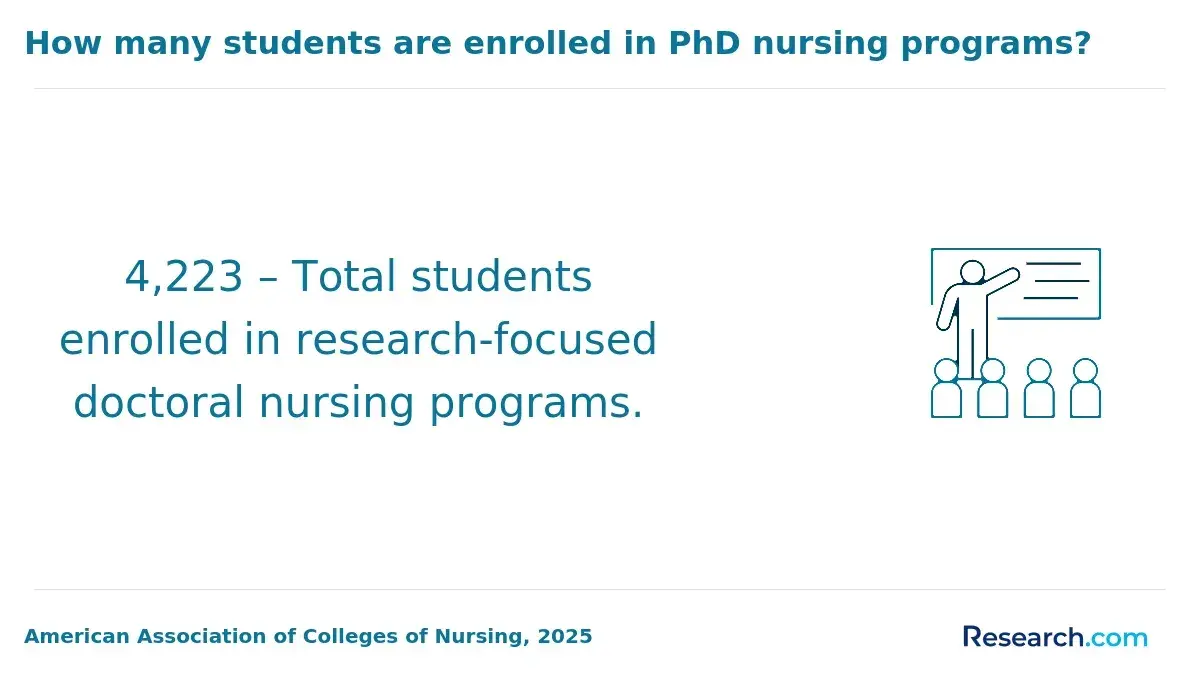
Yes. LPNs who want broader responsibility can continue into RN, BSN, and eventually graduate nursing pathways. A common progression is LPN to RN, then RN to BSN, followed by specialized graduate study if the nurse wants advanced practice, leadership, education, or specialty roles.
LPNs interested in advanced practice should understand that becoming a nurse practitioner requires additional nursing education beyond the LPN level. Students comparing long-term options can review the best nurse practitioner programs in Tennessee to understand what advanced study may involve later.
How do program outcomes reflect the quality of online LPN programs in Tennessee?
Program outcomes are one of the clearest ways to judge whether an LPN program supports student success. Students should examine NCLEX-PN pass rates, completion rates, clinical placement support, job placement information, student support resources, and graduate satisfaction. These indicators are especially important for online students because distance learning requires strong structure and timely support.
Outcome data should be interpreted carefully. A high pass rate may reflect strong instruction, selective admissions, effective exam preparation, or a combination of factors. A lower completion rate may signal academic difficulty, limited support, scheduling conflicts, or clinical-placement barriers. For a broader licensure overview, students can review how to become a certified LPN in Tennessee through this guide on how to become an LPN in Tennessee.
Can LPNs benefit from complementary healthcare certifications in Tennessee?
Complementary certifications can help LPNs strengthen specific skills, but they should support a realistic career goal. Examples may include training related to geriatrics, IV therapy, wound care, nutrition education, or community health, depending on employer needs and scope-of-practice rules.
Certifications are most useful when they align with the setting where you plan to work. An LPN in long-term care may benefit from gerontology-related training, while an LPN in outpatient care may gain value from patient education or specialty-clinic experience. LPNs interested in broader wellness roles can also explore how to become a nutritionist in Tennessee to understand a separate but related healthcare pathway.
How do faculty qualifications and innovative teaching strategies impact online LPN program success in Tennessee?
Faculty quality matters in every nursing program, but it is especially important in online and hybrid formats. Students need instructors who can explain clinical concepts clearly, provide timely feedback, evaluate skills fairly, and connect online learning to bedside practice.
Effective online LPN instruction may include case-based assignments, virtual simulation, live review sessions, recorded demonstrations, structured lab checkoffs, and clinical debriefing. These tools can strengthen clinical judgment, but they do not replace in-person practice. Students comparing practical nursing with broader nursing school options can review the best nursing schools in Tennessee for additional context.
What is the return on investment for online LPN education in Tennessee?
The return on investment for an online LPN program depends on total program cost, time to completion, exam success, employment timeline, wages, and whether you plan to use LPN licensure as a stepping stone. A lower-cost program can offer strong value if it is approved, has accessible clinical placements, and prepares students well for the NCLEX-PN.
Students should compare the cost range of $2,150 to $34,500 with the Tennessee average LPN salary of $46,540, while remembering that wages vary by area and employer. ROI may improve if the program helps you enter the workforce sooner, limits commuting costs, or allows you to keep working while studying. Long-term ROI may also change if you pursue RN, BSN, or specialty nursing roles. For comparison with a specialized nursing career, review the nurse midwife education requirements in Tennessee.
What student support services are available in online LPN programs in Tennessee?
Online LPN students should look for support services before enrollment, not after problems arise. Helpful services may include academic advising, tutoring, technology support, library access, skills-lab assistance, clinical coordination, mental health resources, career advising, and NCLEX-PN preparation.
Support availability can be a deciding factor for students balancing work and family obligations. Ask whether help is available in the evenings or weekends, how quickly instructors respond, and what happens if a student struggles in a clinical course. Students who want broader nursing program comparisons can explore the best online nursing programs in Tennessee.
What are some advancement opportunities for LPNs in Tennessee?
LPNs in Tennessee can build on their first nursing credential in several ways. The right advancement route depends on whether you want higher-level clinical responsibility, a specialty area, supervisory duties, or eventual graduate education.
- LPN-to-RN or RN-to-BSN pathways: Bridge programs can help practical nurses move toward registered nursing. Some students also compare RN to BSN no clinicals options when planning later advancement.
- Specialty certifications: LPNs may pursue focused credentials in areas such as geriatrics, pediatrics, IV therapy, or other employer-relevant skills.
- Supervisory roles: With experience and additional education, some LPNs move into charge, team lead, or supervisory positions in long-term care or other settings.
- Graduate nursing preparation: LPNs with long-term advanced-practice goals should plan early because they will need additional nursing credentials before applying to graduate programs.
What do employers in Tennessee expect from online LPN program graduates?
Tennessee employers expect online LPN graduates to be clinically safe, professional, reliable, and ready to learn on the job. Because the word “online” can raise questions about hands-on preparation, graduates should be ready to explain their clinical training, skills-lab experience, simulations, and patient-care exposure.
Employers commonly value medication safety, documentation accuracy, communication, compassion, punctuality, teamwork, infection-control awareness, and the ability to escalate patient concerns appropriately. Candidates who understand career progression may also stand out. For example, reviewing the easiest nurse practitioner specialty can help students understand how early nursing roles may connect to later professional goals.
How do Tennessee nursing license requirements influence online LPN programs?
Tennessee nursing license requirements shape how online LPN programs design coursework, clinical training, documentation, and exam preparation. Programs must prepare students for safe practice and NCLEX-PN eligibility, which is why clinical instruction remains essential even when lectures are online.
Before enrolling, students should confirm that the program’s curriculum, clinical hours, faculty oversight, and graduate eligibility align with Tennessee requirements. This is especially important for out-of-state, private, or accelerated programs.
How do online LPN programs ensure clinical competency through remote learning?
Online LPN programs support clinical competency through a combination of virtual instruction and required in-person skill development. Students may use virtual simulations, case studies, recorded demonstrations, online quizzes, and interactive decision-making activities to build knowledge before applying it in labs and clinical settings.
Competency is ultimately verified through supervised practice, skills checkoffs, preceptor feedback, and clinical evaluation. A program should be able to explain how it confirms that students can perform required nursing skills safely. LPNs who later want advanced practice can review how to become a nurse practitioner in Tennessee to understand how clinical expectations expand over time.
What challenges do online LPN programs have, and how can you overcome them?
Online LPN programs can be convenient, but they are not easy. Students must manage demanding coursework, clinical expectations, technology requirements, and personal responsibilities at the same time.
| Challenge | Why it causes problems | How to handle it |
| Staying motivated | Online students may procrastinate without a daily classroom routine | Create a weekly study schedule, use deadlines, and form a study group |
| Limited hands-on access | Nursing skills require practice, not just reading or videos | Choose a program with strong lab requirements and reliable clinical partnerships |
| Technology issues | Unstable internet or unfamiliar software can disrupt learning | Check computer requirements early and learn the online platform before classes intensify |
| Isolation | Students may feel disconnected from instructors and peers | Participate in discussion boards, live sessions, office hours, and peer groups |
| Competing responsibilities | Work and family demands can conflict with labs, clinicals, and exams | Arrange childcare, work flexibility, transportation, and backup plans before the term begins |
| Choosing based on easy admission | A program that is easy to enter may still be difficult to finish or may have weak outcomes | If comparing the easiest LPN program to get into, still verify approval, clinical quality, costs, and outcomes |
Related Articles for Nearby States
- 2027 Best LPN Programs in Kentucky – Accredited Online LPN Programs
- 2027 Best LPN Programs in Mississippi – Accredited Online LPN Programs
- 2027 Best LPN Programs in Alabama – Accredited Online LPN Programs
- 2027 Best LPN Programs in Georgia – Accredited Online LPN Programs
- 2027 Best LPN Programs in North Carolina – Accredited Online LPN Programs
- 2027 Best LPN Programs in Missouri – Accredited Online LPN Programs
- 2027 Best LPN Programs in Arkansas – Accredited Online LPN Programs
- 2027 Best LPN Programs in Virginia – Accredited Online LPN Programs
- 2027 Best LPN Programs in Indiana – Accredited Online LPN Programs
- 2027 Best LPN Programs in South Carolina – Accredited Online LPN Programs
Key Insights
- Online LPN programs are usually hybrid, not fully remote. You may study theory online, but clinical training and skills verification must happen in person.
- Board approval is the first filter. If your goal is Tennessee licensure, confirm that the program meets Tennessee Board of Nursing requirements before considering cost, convenience, or speed.
- Program cost varies widely. Tennessee online LPN programs range from $2,150 to $34,500, so compare total cost rather than tuition alone.
- The LPN pathway is a practical entry point into nursing. Programs typically take 12 to 18 months and can lead to work in hospitals, long-term care, clinics, home health, schools, and other settings.
- Salary depends on location and employer. Tennessee LPNs average $46,540, with Nashville at $49,320 and Memphis at $46,960, but individual offers vary.
- Outcomes matter more than marketing claims. Ask every school about NCLEX-PN pass rates, completion rates, clinical placement, student support, and job-placement help.
- LPN licensure can be a stepping stone. Many students use practical nursing experience before moving into RN, BSN, or advanced nursing pathways.
References:
- Accreditation Commission for Education in Nursing. (2025). Accredited nursing program directory. https://www.acenursing.org/accreditedprograms
- Commission on Collegiate Nursing Education. (2025). Directory of CCNE-accredited nursing programs. https://www.aacnnursing.org/ccne-accreditation
- National Council of State Boards of Nursing. (2025). NCLEX examination statistics. https://www.ncsbn.org/public-files/2024_NCLEXExamStats_Final.pdf
- National Council of State Boards of Nursing. (2025). NCLEX-PN examination information. https://www.ncsbn.org/nclex.htm
- Tennessee Department of Health. (2025). RN and LPN licensure applications. https://www.tn.gov/health/health-program-areas/health-professional-boards/nursing-board/nursing-board/applications.html
- U.S. Bureau of Labor Statistics. (2025). Occupational Outlook Handbook: Licensed Practical and Licensed Vocational Nurses. https://www.bls.gov/ooh/healthcare/licensed-practical-and-licensed-vocational-nurses.htm
- U.S. Bureau of Labor Statistics. (2025). Occupational Employment and Wage Statistics: Licensed Practical and Licensed Vocational Nurses. https://www.bls.gov/oes/current/oes292061.htm
- U.S. Bureau of Labor Statistics. (2025). Occupational Outlook Handbook: Healthcare occupations. https://www.bls.gov/ooh/healthcare/home.htm
- U.S. Bureau of Labor Statistics. (2025). Licensed practical and licensed vocational nurses. https://www.bls.gov/ooh/healthcare/licensed-practical-and-licensed-vocational-nurses.htm
- ZipRecruiter. (2026). Licensed practical nurse salary in Tennessee. https://www.ziprecruiter.com/Salaries/Licensed-Practical-Nurse-Salary--in-Tennessee
Other Things You Should Know About Being an LPN in Tennessee
To enroll in Tennessee’s top online LPN programs in 2027, applicants generally need a high school diploma or GED, pass a background check, and complete prerequisite courses in biology and math. Additionally, strong communication skills and a commitment to care are highly valued by these programs.
In 2027, Tennessee offers several online and hybrid LPN programs. Institutions like Tennessee College of Applied Technology provide flexible learning options, blending virtual classes with hands-on training. These programs cater to diverse student needs, ensuring accessibility while maintaining crucial clinical practice components required for licensure.
Financial aid for online LPN programs in Tennessee may include federal and state grants, scholarships, and student loans. Notable options are the Tennessee Student Assistance Award and the Federal Pell Grant. Check specific program eligibility criteria for additional institution-specific scholarships.
Most Tennessee LPN programs require proof of MMR, varicella, hepatitis B, influenza, and a recent TB test before clinical placement. Many also require a drug screen, CPR certification from the American Heart Association, and a physical exam signed by a licensed provider before enrollment or the first nursing course.