How to Become a Board-Certified Oncology Pharmacist

Co-Founder and Chief Data Scientist
Becoming a board-certified oncology pharmacist requires more than an interest in cancer care: you need a pharmacist license, substantial oncology practice or qualifying residency training, and a passing score on a specialty exam.
The route you choose affects how soon you can qualify and how much additional training you take on. This guide explains the Board Certified Oncology Pharmacist (BCOP) pathways, what each stage involves, and how to compare programs and costs before committing.
Key Things You Should Know
- BCOP certification comes after pharmacist licensure. Board of Pharmacy Specialties eligibility can be met through qualifying oncology practice experience or a recognized residency pathway; a Pharm.D. alone is not enough.
- A typical residency route adds a postgraduate year one (PGY1) residency and a postgraduate year two (PGY2) oncology residency after pharmacy school. Experience-based routes can take longer but may suit pharmacists already working in oncology.
- The Bureau of Labor Statistics reports median pay of $140,910 in May 2025 for pharmacists and projects 5% growth from 2025-2035. Those figures cover pharmacists broadly, not BCOP-certified specialists specifically.
What does a board-certified oncology pharmacist do?
An oncology pharmacist helps patients and care teams use cancer medications safely and effectively. Depending on the setting, the work may include reviewing treatment regimens, assessing interactions and organ-function changes, recommending supportive care, monitoring adverse effects, and counseling patients. Oncology pharmacists may work in hospitals, infusion centers, ambulatory cancer clinics, or specialty pharmacies.
BCOP is a specialty credential awarded by the Board of Pharmacy Specialties (BPS). It signals that a licensed pharmacist has met oncology-specific eligibility requirements and passed an examination. It does not expand the pharmacist's legal scope of practice; state law, employer policies, and any applicable collaborative practice agreement still govern what the pharmacist may do.
If your goal is to support medication operations rather than make pharmacist-level clinical decisions, a pharmacy technician route may be more appropriate. Compare the duties and credential limits before considering affordable short pharmacy programs; a technician credential does not lead directly to BCOP eligibility.
What are the requirements to become a board-certified oncology pharmacist?
The sequence is pharmacist education, state licensure, qualifying oncology training or practice, and BCOP examination. BPS also requires applicants to meet its current eligibility and professional standing rules. Because eligibility policies can change, confirm the requirements in the BPS oncology pharmacy candidate guide before planning an application.
The main eligibility routes differ in how they combine residency and practice. This comparison shows why the quickest route for an established pharmacist may differ from the route a student pursues.
| BCOP eligibility route | Oncology preparation | Best suited to |
| Practice experience | Four years of practice experience, with at least 50% of time in oncology pharmacy activities | Licensed pharmacists building oncology responsibilities through employment |
| PGY1 plus experience | A qualifying PGY1 residency followed by two years of qualifying oncology practice experience | Pharmacists with broad residency training who enter oncology practice |
| PGY2 oncology residency | A qualifying PGY2 oncology pharmacy residency | Pharmacists pursuing concentrated specialty training |
Meeting a route's time requirement is not the same as passing the BCOP exam. Keep records of positions, dates, duties, and the share of work devoted to oncology so you can substantiate your experience. If you have not started pharmacy school, first check pharmacy degree entry requirements; admissions eligibility and BCOP eligibility are separate decisions.
What degree do you need to become an oncology pharmacist?
For the standard U.S.-educated route, you need a Doctor of Pharmacy (Pharm.D.) from a professional program accredited by the Accreditation Council for Pharmacy Education (ACPE), followed by pharmacist licensure. Pre-pharmacy courses are preparation for admission, not the professional degree. A bachelor's degree is not universally required for Pharm.D. admission; prerequisite and degree requirements vary by school.
A pharmaceutical sciences, pharmacology, or pharmacy technician degree does not, by itself, qualify someone for pharmacist licensure. Internationally educated pharmacists have a different credential-evaluation and licensure process and should check the requirements of the state where they intend to practice.
If you already have substantial science coursework, compare Pharm.D. programs for students with a pre-pharmacy background against each school's current prerequisite rules. The receiving school decides which courses count; previous study does not automatically shorten its professional curriculum.
BCOP is certification for pharmacists, not a substitute for a state pharmacist license. After completing the required education and experiential training, a graduate must satisfy the relevant state board's application, examination, and other requirements. The North American Pharmacist Licensure Examination (NAPLEX) assesses pharmacy practice knowledge; a jurisdiction may also require a jurisprudence examination or another assessment. Passing an exam alone does not issue a license.
Licensure rules vary by jurisdiction, including intern registration, background checks, and jurisprudence requirements. Some jurisdictions began moving from the Multistate Pharmacy Jurisprudence Examination (MPJE) to the Uniform Multistate Pharmacy Jurisprudence Examination (UMPJE) in 2026, so check the current rules of the board where you will apply rather than assuming every state uses the MPJE.
Plan earlier coursework with licensure in mind, but keep the decisions distinct. Guidance on how to transfer coursework toward pharmacy prerequisites can help you ask an admissions office the right questions; only the school can decide whether that credit satisfies its requirements, and transfer approval does not establish licensure eligibility.
A PGY1 pharmacy residency develops broad clinical practice skills. A PGY2 oncology pharmacy residency provides focused cancer-care training and is the direct residency route described in BPS oncology eligibility criteria. A qualifying PGY1 alone does not establish BCOP eligibility: the PGY1 route also requires the specified period of oncology practice experience.
Check the residency's current accreditation and BPS recognition before relying on it for eligibility. Also verify its entry requirements, application process, and participation in the ASHP Match where applicable. A fellowship may provide valuable research or industry experience, but do not assume BPS treats it as an interchangeable substitute for an oncology pharmacy residency.
Pharm.D. delivery format is a separate choice from postgraduate training. If you plan to choose an online Pharm.D. program, verify its ACPE professional-program status and in-person clinical requirements; online coursework does not turn a subsequent oncology residency into remote training.
Pharm.D. education builds the foundation: pharmacology, therapeutics, medication safety, patient assessment, communication, and supervised practice. Its introductory and advanced pharmacy practice experiences expose students to real care settings. Oncology electives or rotations can help you test your interest, but they are not equivalent to a PGY2 oncology residency or BCOP certification.
Oncology residency training goes deeper into cancer regimens, treatment-related toxicities, supportive care, evidence appraisal, and care across settings. Programs may differ in exposure to adult or pediatric patients, hematologic malignancies, outpatient clinics, infusion services, research, and teaching. Review each residency's actual rotation schedule and learning goals rather than assuming every "oncology" program offers the same experience.
If you are selecting a Pharm.D. program first, compare its experiential opportunities alongside pharmacy program application requirements. An oncology rotation can be useful preparation, but admission to a Pharm.D. program does not promise a particular rotation placement or a future residency position.
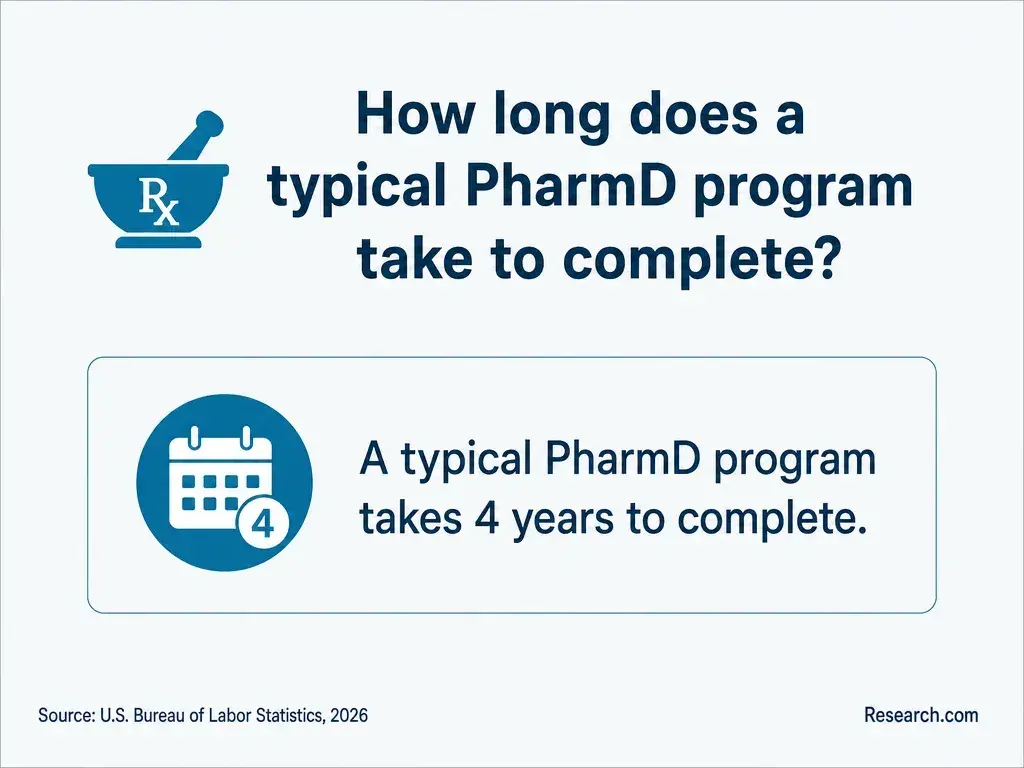
Time depends on your starting point and BCOP eligibility route. A conventional Pharm.D. professional curriculum commonly takes four academic years after required pre-pharmacy study; school-specific pathways differ. Licensure follows graduation and completion of the applicable board process. From there, the PGY1-plus-PGY2 route typically adds two residency years before an eligible pharmacist applies for and passes the BCOP exam.
An experience-based route requires four years of qualifying practice, while a qualifying PGY1 followed by oncology practice requires two years of that experience. These are eligibility routes, not guaranteed certification dates: job duties must qualify, and examination scheduling and results affect timing.
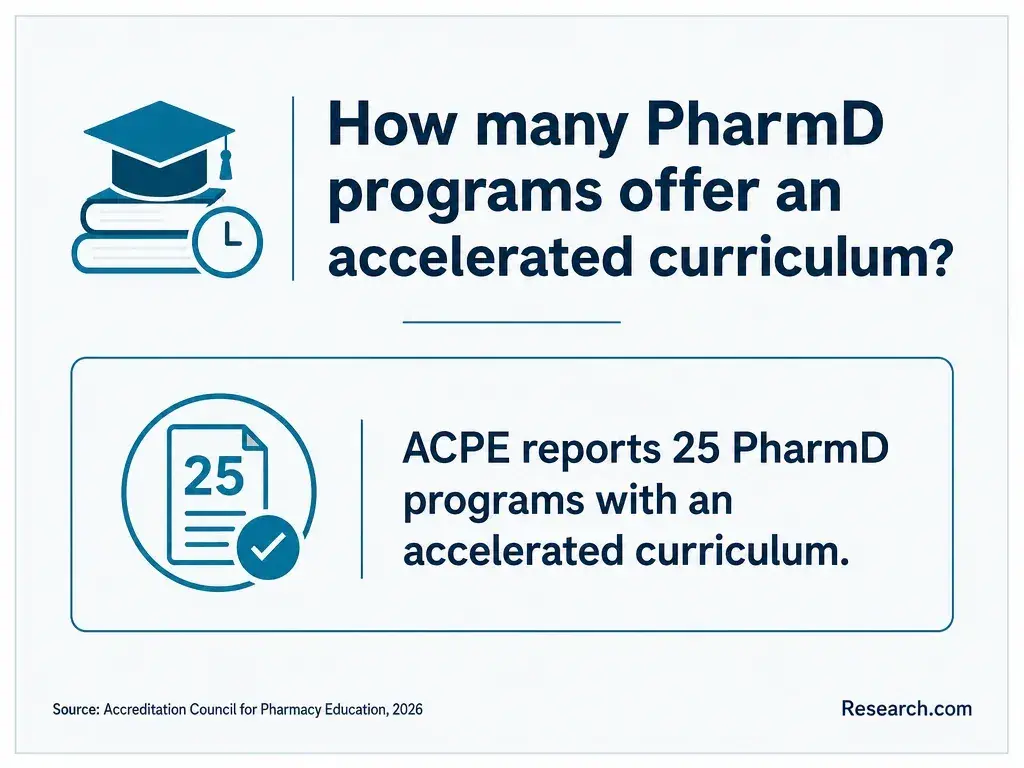
For a student, Pharm.D. programs for a faster path may reduce the academic calendar, but compare prerequisite requirements, workload, cost, and clinical scheduling. An accelerated degree does not eliminate licensure or BPS requirements.
There is no single national price for becoming a BCOP. Your total depends on Pharm.D. tuition and fees, prior prerequisite coursework, living costs, clinical travel, licensing expenses, and the BPS application and examination charges in effect when you apply. Residencies generally provide a stipend, but taking one can still mean a lower income than immediate full-time pharmacist employment; an experience-based route may avoid that trade-off but take longer to establish eligibility.
Use each school's current cost of attendance - not advertised tuition alone - when comparing pharmacy program tuition options. Ask about required campus visits, rotation-related travel or housing, and costs excluded from published tuition. For federal borrowing, check rules for your aid year and student classification: changes beginning July 1, 2026, affect access to graduate and professional loans for many new borrowers, so older assumptions about Grad PLUS availability may not apply.
Oncology pharmacists may work in inpatient cancer services, ambulatory oncology clinics, infusion centers, specialty pharmacies, health systems, or roles involving clinical research and medication-use policy. Hiring requirements vary: some employers prefer or require residency training or BCOP certification, while others consider licensed pharmacists with relevant experience. BCOP can strengthen evidence of specialty expertise, but it does not guarantee a position or raise.
The Bureau of Labor Statistics reports median annual pay of $140,910 in May 2025 for pharmacists, with 5% projected job growth from 2025-2035 and about 12,500 openings per year. These occupation-wide figures cannot predict oncology pharmacist pay or demand in a particular market. Compare actual job postings by setting and location, including their licensure, residency, and certification expectations.
If your intended career is laboratory cancer research rather than pharmacist-led medication care, compare that goal with other graduate study before committing to a Pharm.D. An online doctorate time to completion comparison may clarify the opportunity cost, but a non-Pharm.D. doctorate is not a route to pharmacist licensure or BCOP.
How should you choose an accredited oncology pharmacy program?
Choose the next program in your pathway, not simply the one with the most prominent oncology label. Prospective students need to evaluate an ACPE-accredited professional Pharm.D. program; licensed pharmacists comparing residencies need to evaluate current residency accreditation, oncology training, and fit with BPS eligibility. Institutional accreditation and distance-education authorization are separate checks and do not replace ACPE professional-program accreditation.
Use these checks before accepting an offer or building a certification timeline:
- Confirm the Pharm.D. program's current ACPE status, or the residency's current accreditation and BPS eligibility fit, using the responsible organization's records.
- Ask which oncology rotations or practice experiences are available, how placements are assigned, and whether travel or relocation may be necessary.
- Compare the full educational cost or residency stipend with living expenses, foregone earnings, and any required time away from work.
- Review the state board rules where you expect to seek licensure and, for distance study, verify state authorization and clinical-placement restrictions separately.
- For an experience-based BCOP route, ask whether your proposed job duties and documentation will demonstrate the required oncology practice.
Be cautious of a short course presented as a shortcut to specialty certification. When researching how quickly can an online pharmacy degree be completed, identify the exact credential being offered: a short pharmacy-related program is not necessarily an ACPE-accredited Pharm.D. and cannot replace pharmacist licensure or qualifying BCOP preparation.
Other Things You Should Know About PharmD
A student can describe an interest in oncology or an oncology rotation, but should not represent themselves as a licensed pharmacist or BCOP-certified specialist. Clinical activities remain subject to supervision and applicable law.
Yes. BCOP is an ongoing credential with BPS maintenance and recertification requirements. Check the current BPS rules and deadlines when you become certified.
Do not assume it will. BCOP is a pharmacist specialty credential; ask BPS whether particular experience qualifies before relying on student, intern, or technician work in an eligibility plan.
BCOP is not a universal legal requirement for oncology-related pharmacist work. The pharmacist must practice within their license and applicable rules; employers determine any additional training or certification they require for a role.
- Oregon Board of Pharmacy: Apply for Pharmacist License https://www.oregon.gov/pharmacy/pages/apply-license.aspx
- How to prepare for and apply to Pharmacy Residency Programs | Texas A&M University Irma Lerma Rangel College of Pharmacy https://pharmacy.tamu.edu/residency/residency-plan.html
- Examination Scoring | bpsweb.org https://bpsweb.org/examination-scoring/
- PGY2 Oncology Pharmacy Residency | Pharmacy Services https://uamshealth.com/pharmacy-services/pharmacy-residencies/pgy2-oncology-residency/
- Call to action: Pharmacists needed for cancer care https://www.pharmacist.com/APhA-Press-Releases/call-to-action-pharmacists-needed-for-cancer-care
- PGY2 Application Process | cityofhope.org https://www.cityofhope.org/academics/fellowships-and-residencies/pharmacy-residency-programs/pgy2-oncology-specialty-residency/pgy2-application-process
- From PGY1 Resident to PGY2 Oncology Resident | hoparx.org https://careers.hoparx.org/career-resources/on-the-job-3/from-pgy1-resident-to-pgy2-oncology-resident-oncology-pharmacy-career-path-75