
2027 Most Valuable Online Colleges Programs Ranking in Boulder, CO

Co-Founder and Chief Data Scientist
Choosing the right college program can feel overwhelming, especially when looking for options in Boulder, CO. This article introduces the 2027 Most Valuable Online Colleges Programs Ranking in Boulder, CO, created by the Research.com team of data scientists to help you make well-informed decisions.
By exploring this ranking, you'll discover which online degree programs offer the best value and career potential. Whether you're starting fresh or advancing your education, understanding these options can boost your confidence in pursuing a degree that truly matters.
Investing in education opens doors to new opportunities and growth, making this guide a helpful step toward your future success.
Key benefits of getting online degrees in Boulder
- Graduates in Boulder with an online bachelor's degree earn an average salary of $55,000, while those with a master's can expect around $75,000, showing clear financial benefits as degree levels increase.
- A University of Colorado Boulder online nursing graduate started as a registered nurse and quickly advanced to a nurse manager role, highlighting strong career growth opportunities.
- Online degree graduates from institutions like Colorado State University Pueblo enjoy flexible schedules and lower costs, making education more accessible without sacrificing quality compared to traditional programs.
- 2027 Most Valuable Online Colleges Programs Ranking in Boulder, CO
- What can I expect from online degrees in Boulder?
- How much can I make with online degrees in Boulder?
What can I expect from online degrees in Boulder?
Students pursuing an online degree in Boulder can anticipate flexible learning schedules designed to accommodate working professionals and those managing multiple responsibilities. Graduates from the University of Colorado Boulder frequently describe a blend of smaller, interactive classes alongside larger lectures, which fosters both personalized support and a sense of belonging within a broader academic community. The reliable local technology infrastructure ensures smooth access to course materials and live sessions, reducing frustrations often associated with remote learning.
Many online learners benefit from accessible academic advising and career services, available virtually or through occasional on-campus visits, helping them connect with resources tailored to their professional goals. Tuition generally aligns with in-state rates at institutions like the University of Colorado Boulder, making advanced education more affordable for local residents. Students often report feeling empowered by the combination of rigorous coursework and the support networks available, which together nurture both academic success and personal growth in Boulder's vibrant educational ecosystem.
How much can I make with online degrees in Boulder?
Graduates with online bachelor's degrees in Boulder commonly earn between $60,000 and $85,000 annually, depending on their field and experience. For instance, those completing programs in computer science or business administration from well-regarded institutions like the University of Colorado Boulder often find themselves in this salary range shortly after graduation.
Master's degree holders, such as those with an online MBA or degrees in computer information systems, typically start with salaries between $75,000 and $100,000 per year in Boulder's competitive job market. Many graduates from local colleges report securing roles in tech companies, consulting firms, or renewable energy startups that reflect these figures.
The local job market rewards online degree holders with median wages about 10% higher than the national average for professional roles. This advantage, combined with the flexible study options, allows online learners to gain experience while increasing earnings-boosting both career growth and lifetime income.
- Many Boulder institutions collaborate with accredited online programs, allowing students to earn recognized degrees without moving.
- Tuition for online bachelor's degrees in Boulder ranges from $15,000 to $30,000, with scholarships and financial aid available for Colorado residents.
- About 70% of online degree graduates find jobs in their field within six months after graduation in Boulder's strong job market.
- Early-career salaries average $55,000 annually, while STEM and business grads often earn over $65,000 starting.
- Mid-career salaries typically range from $85,000 to $95,000, reflecting Boulder's competitive labor market and cost of living.
- Regional accreditation is essential for credit transfer, graduate school options, and employer recognition of online degrees.
Completing an online degree in Boulder typically ranges from two to four years for undergraduate programs and one to three years for graduate studies. For instance, many Boulder online learners pursuing bachelor's degrees at well-known local colleges find that full-time study often takes around three to four years. Accelerated tracks offered by these institutions allow graduates to finish in as little as two to three years, especially if they bring transfer credits or enroll year-round.
Graduate students in Boulder frequently experience master's programs lasting between 18 and 36 months. These programs are designed to accommodate busy professionals, with flexible part-time options extending timelines but maintaining accessibility. Many graduates appreciate how this flexibility eases the challenge of balancing work, family, and education.
Students at Boulder's prominent colleges report satisfaction in managing their pacing while achieving their goals efficiently. These institutions emphasize adaptable course schedules, making the dream of earning a respected degree online both feasible and rewarding in Boulder's supportive educational environment.
On-campus degree programs in Boulder, such as those at the University of Colorado Boulder, offer students a traditional academic environment where they attend classes in person. Graduates often recall the benefits of direct interaction with professors and peers, active participation in campus events, and access to facilities like libraries and laboratories that foster collaborative and hands-on learning experiences. These opportunities prove particularly valuable for fields like engineering or natural sciences, where practical engagement enhances understanding.
Conversely, online degree programs provide significant flexibility by delivering coursework digitally, which appeals to students balancing work or family commitments. Many Boulder residents appreciate how online learning fits their schedules, allowing them to study asynchronously without the constraints of fixed class times. While online students may miss daily campus interactions, they frequently mention the convenience of avoiding commuting costs and gaining access to accredited programs from local institutions or partner universities nationwide.
Cost considerations also play a role; on-campus tuition at CU Boulder typically ranges from $12,500 for in-state students to over $38,000 for out-of-state, while online programs maintain similar tuition with potential savings on housing and transportation. Ultimately, the choice depends on personal circumstances and preferred learning styles, with both formats delivering quality education rooted in Boulder's academic landscape.
The average cost of an online degree in Boulder typically centers around $42,315, reflecting median tuition expenses for both in-state and out-of-state students at institutions like the University of Colorado Boulder. Graduates often recall balancing this investment with the convenience of studying remotely, benefiting from Boulder's vibrant academic community without incurring costs associated with commuting or housing. This median total cost positions Boulder's online programs as competitive options for learners seeking quality education within Colorado.
For those exploring affordable online college programs Boulder Colorado has to offer, understanding tuition dynamics is crucial. While graduate degrees may present higher per-credit fees, the overall financial commitment remains manageable, especially when combined with scholarships or employer support. Students appreciate that alongside tuition, additional fees-such as technology or registration charges-may add to expenses but are typically balanced by savings elsewhere.
Many prospective students find it helpful to compare local offerings with national averages and discover resources. For example, learners interested in accelerated pathways might consider programs promoted through platforms like best accelerated online associates business degree programs to reduce time and cost. Such options underscore the accessibility of degree attainment in Boulder's evolving online education landscape.
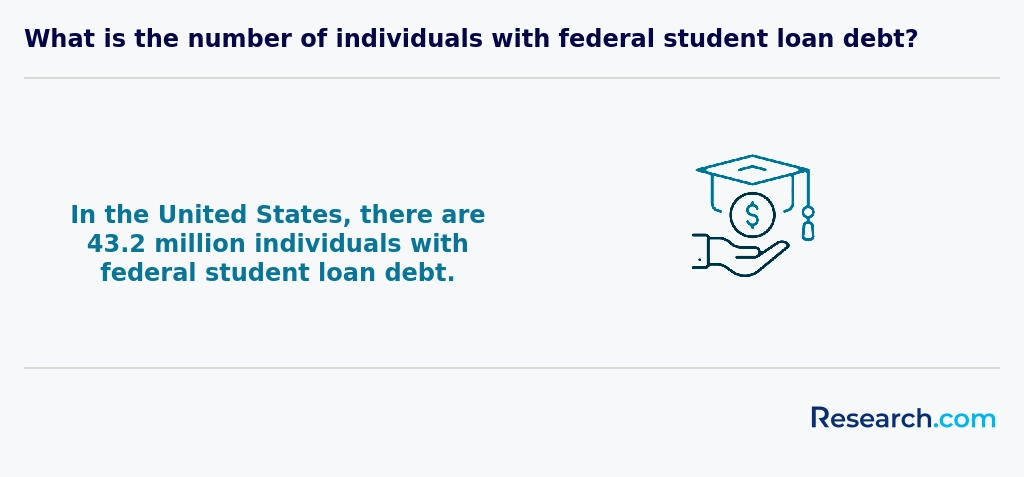
Students pursuing online degrees in Boulder commonly access federal financial aid by filing the Free Application for Federal Student Aid (FAFSA). Many undergraduates benefit from Federal Pell Grants, which provide up to $7,395 per year without requiring repayment, easing the financial strain of tuition and fees. Additionally, federal student loans offer manageable interest rates and flexible repayment schedules compared to private lending options.
Colorado's state programs, such as the Colorado Opportunity Scholarship Initiative (COSI), deliver substantial grant and scholarship funds to eligible residents, supporting online education pursuits. The University of Colorado system, a favored choice for Boulder students, supplements state aid with merit-based scholarships that reward academic excellence or unique qualifications, helping reduce per-credit tuition costs that typically range from $350 to $450 for in-state learners.
Many graduates share that employer tuition assistance, especially prevalent in Boulder's tech and green energy sectors, significantly eased their financial commitments while studying part-time. Veterans and their families often tap into VA benefits, including the GI Bill, ensuring access to quality online programs. Together, these diverse options create a supportive financial environment for Boulder's online degree seekers.
Prospective students enrolling in online degree programs in Boulder must first demonstrate completion of a high school diploma or an equivalent certification such as a GED. Many find this requirement straightforward, recalling how graduates from local institutions like the University of Colorado Boulder relied on this fundamental step to gain admission. Typically, undergraduate applicants need to meet specific GPA thresholds, often between 2.0 and 3.0, reflecting the competitive nature of Boulder's academic environment.
Some Boulder-based programs still request standardized test scores such as the SAT or ACT; however, numerous schools have embraced test-optional policies since 2020, easing entry barriers for those with strong academic records in other areas. Graduate applicants must present a relevant bachelor's degree and often supplement their files with letters of recommendation and statements of purpose. Many MBA candidates share that professional experience significantly strengthened their applications.
Moreover, students pursuing online studies in Boulder emphasize the importance of technological readiness, such as dependable internet access and compatible devices, to thrive in digital classrooms. Those engaging with Boulder's vibrant online education community often appreciate clear guidance on tuition costs and financial aid, noting how securing scholarships or FAFSA support made their educational journeys both accessible and rewarding.

Online degree programs in Boulder typically include a balanced mix of foundational and specialized courses that reflect both academic rigor and regional industry needs. Students enrolled in online college courses Boulder Colorado often start with core subjects such as English composition, college algebra, statistics, and introductory psychology. These courses equip learners with critical communication and analytical skills essential for professional success.
Graduates from prominent Boulder institutions frequently highlight how business-related courses in finance, marketing, and entrepreneurship prepare them for roles within the city's dynamic startup ecosystem. Similarly, students pursuing degrees related to computer science engage deeply with programming languages, cybersecurity, and database management, mirroring Boulder's vibrant tech sector.
Environmental studies programs incorporate sustainability and climate science, aligning with the community's strong environmental focus. For those exploring education degrees, coursework in curriculum design and instructional technology addresses both local and broader pedagogical demands. Those looking into certifications that pay well will find these programs integrate practical experience with flexible online study formats ideal for Boulder's busy professionals.
Choosing the best online degree programs Boulder CO requires focusing on regional accreditation to ensure your degree holds weight with local employers and supports credit transfers. Graduates from institutions like the University of Colorado Boulder often highlight how this recognition enhanced their job prospects within Boulder's competitive technology and environmental sectors.
Aligning your program choice with Boulder's key industries, such as green energy and tech, is critical. For example, students passionate about these fields have found success in online programs that integrate practical skills and local market demands, boosting both satisfaction and employability. Exploring relevant college majors can guide this alignment effectively.
Flexibility is another cornerstone; asynchronous formats allow learners balancing work or family time to thrive, while access to academic advising and career support services tailored for online learners enhances persistence and success. Furthermore, affordable online colleges Boulder Colorado offer competitive tuition and financial aid opportunities, which graduates often cite as vital to completing their degrees without undue stress.

Graduates holding online degrees in Boulder find themselves well-positioned in a variety of career paths tailored to the region's diverse economy. Those with backgrounds in information technology and cybersecurity often secure roles at tech companies thriving in Boulder's innovative landscape, benefiting from opportunities to work remotely or with flexible schedules. Many online degree career opportunities in Boulder CO also extend into aerospace engineering and project management, with significant employers such as Ball Aerospace welcoming skilled graduates for technical and leadership positions.
Graduates from institutions like the University of Colorado Boulder frequently pursue careers in education, counseling, and social services, leveraging their online credentials to contribute deeply to the local community. The area's environmental science and sustainability sectors provide meaningful work for those passionate about conservation and ecological projects, often with non-profits and government agencies.
Healthcare administration and nursing represent additional promising avenues, supported by the local medical network. Those interested in accelerating their educational journey should explore fast track degree programs that complement Boulder's economy and expand the best jobs for online graduates Boulder Colorado.
Boulder's job market offers promising prospects for graduates holding online degrees, driven by a thriving tech ecosystem and diverse economic sectors. Graduates from institutions like the University of Colorado Boulder often find roles in technology, healthcare, and business fields, where flexibility and adaptability are highly regarded. For example, many online degree holders share positive experiences securing positions in startups and established companies, with starting salaries in technology-related fields reaching around $65,000 annually. This dynamic employment atmosphere characterizes the Boulder employment outlook for online graduates, where skills in IT, renewable energy, and health administration are in demand.
Opportunities for those with online general degrees also extend into small business ventures and public health initiatives. Local economic reports underscore the value placed on practical experience and networking within Boulder's professional community. Students enrolled in 1 year master's programs online appreciate the city's supportive entrepreneurial climate, which fosters career growth and real-world engagement essential for career advancement.
2027 Most Valuable Online Colleges Programs Ranking in Boulder, CO
Investing in your education is a significant decision that can influence your career and personal growth, and the Research.com team recognizes the importance of making well-informed choices. To support students seeking high-quality online college programs in Boulder, CO, we have carefully developed the "2027 Most Valuable Online Colleges Programs Ranking in Boulder, CO." Our dedication to quality, credibility, and accuracy is demonstrated through rigorous research and detailed analysis.
We utilized the following reputable data sources to ensure a comprehensive and trustworthy ranking:
By consulting this ranking, readers will access valuable insights into the most valuable online college programs in Boulder, enabling them to make confident and informed educational choices. For more details on how this ranking was created, please visit our Research.com methodology page.


Frequently Asked Questions
Students in Boulder can maximize their online learning experience by leveraging the strong local internet infrastructure, including Boulder's high average broadband speeds of over 100 Mbps, which supports smooth video conferencing and resource access (FCC, 2023). Engaging actively with peers and instructors via virtual discussion boards and scheduled group work fosters a sense of community important for motivation. Utilizing local libraries such as the Boulder Public Library for quiet study environments also enhances focus outside the home. Additionally, students should integrate time-management tools to balance studies with work or personal commitments, a strategy shown to improve retention by 20% in online learners nationwide (NACADA, 2022).
Preparing for the job market after completing an online degree in Boulder involves more than just earning your diploma. It's essential to build a strong professional network, especially in industries thriving locally such as tech, aerospace, and renewable energy. According to the Boulder Chamber, nearly 18% of jobs are tech-related, making local internships and virtual networking vital.
Additionally, utilize Boulder's career services and online job platforms tailored to Colorado employers. Employers increasingly value soft skills and practical experience, so consider volunteering or project-based work to enhance your resume.
Staying informed about Boulder's labor market trends through resources like the Colorado Department of Labor adds a strategic edge to your job search.
Employers in Boulder increasingly prioritize a blend of technical and soft skills in graduates, reflecting the city's dynamic economy. According to the Boulder Economic Council, problem-solving, communication, and adaptability rank among the top skills sought by local employers. These abilities are crucial due to the presence of tech firms like Google and startups emphasizing innovation.
Data from Colorado's Department of Labor shows strong demand for graduates with digital literacy, including proficiency in data analysis and software development. Additionally, teamwork and critical thinking are valued, especially in Boulder's collaborative work environments.
For online degree students, focusing on these skills can enhance employability in Boulder's competitive job market.
Finding internships in Boulder starts with leveraging local resources and networks. The city hosts a vibrant tech and startup scene, with companies like Google and IBM maintaining offices nearby. According to the Boulder Chamber of Commerce, internships in sectors such as technology, outdoor recreation, and environmental sciences are particularly common.
Students should explore university career centers like those at the University of Colorado Boulder, which often provide listings and connections to internship opportunities even for online degree students.
Online platforms such as Handshake and LinkedIn are also key tools, allowing students to filter for Boulder internships specifically. Additionally, local job fairs and networking events organized by community groups can provide direct access to employers seeking interns in the area.
In Boulder, an online degree can significantly enhance career mobility and advancement. The city's growing industries, such as technology and aerospace, value higher education credentials, especially from accredited institutions. According to the U.S. Bureau of Labor Statistics, individuals with bachelor's degrees in Colorado earn approximately 20% more than those with only a high school diploma. Employers in Boulder increasingly recognize online degrees as valid credentials, particularly when linked to local universities or well-known programs.
Online degrees offer flexibility, allowing working professionals to gain skills without interrupting their careers. This can lead to quicker promotions or transitions into higher-level roles. Data from the Colorado Department of Higher Education shows that Boulder workers with advanced degrees experience lower unemployment rates and greater job stability compared to those with less education.
When choosing between a thesis and a non-thesis online degree program in Boulder, consider your career goals and learning preferences. A thesis program emphasizes research and can be ideal if you plan to pursue a PhD or a career in academia. Boulder's University of Colorado campuses often offer thesis options in graduate programs, reflecting strong research facilities.
Non-thesis programs focus more on coursework and practical skills, which may suit working professionals aiming to advance in industry. According to the Colorado Department of Higher Education, Boulder has seen a 12% growth in online program enrollment, highlighting diverse student needs.
Evaluate the program's flexibility, faculty expertise, and how each path aligns with your future plans.
Students based in Boulder seeking study abroad options often consider programs linked to their online degree institutions. Many universities offering online degrees in Boulder, including the University of Colorado Boulder, provide exchange programs or partnerships with universities overseas. These partnerships enable students to complete part of their coursework internationally, often with credit transfer. According to the university's Study Abroad office, over 500 programs are available in more than 70 countries.
Online learners can also explore virtual exchange programs, which have grown since 2020, allowing global collaboration without travel. Financial aid and scholarships specifically for Boulder students interested in study abroad opportunities remain accessible, making international education more affordable.
Boulder offers numerous part-time job opportunities that complement online degree studies. Many students find roles in tech companies, startups, or research labs, benefiting from Boulder's reputation as a tech hub. According to Boulder Economic Council, about 40% of local jobs are in technology and innovation sectors, which align well with degrees in computer science, engineering, or business.
Retail and customer service positions are also common, offering flexible hours. Additionally, Boulder's strong outdoor and tourism industries provide seasonal work that fits various schedules.
University-affiliated roles, such as tutoring or research assistantships, can enhance academic experience while earning income.
Online students pursuing degrees in Boulder have access to diverse networking opportunities despite physical distance. Many institutions, including the University of Colorado Boulder, offer virtual career fairs, workshops, and alumni networking events specifically designed for remote learners. These facilitate connections with local professionals and peers within Colorado's vibrant economic sectors.
Boulder's strong tech and startup ecosystem, featuring over 400 startups according to the Boulder Chamber of Commerce, presents valuable digital meetups and industry-specific webinars accessible to online students. Additionally, online learners can join local professional organizations like the Boulder Economic Council or virtual chapters of national groups, promoting career growth and mentorship.
The blend of institutional support and community resources helps online students in Boulder expand their professional networks effectively in 2024.
Alumni networks play a crucial role in supporting online degree students in Boulder by providing access to professional connections and mentoring opportunities. These networks often include graduates from local institutions such as the University of Colorado Boulder, which has over 250,000 alumni worldwide. Through organized events and online platforms, students can engage with experienced professionals who offer career advice and job leads.
Strong alumni networks also enhance internships and job placement rates for Boulder students. According to recent figures from the Boulder Chamber of Commerce, 65% of jobs in the area are filled through referrals, highlighting the practical value of these connections.
Moreover, alumni involvement encourages lifelong learning and networking, which are essential for career advancement in today's competitive job market.
Customizing an online degree program in Boulder involves selecting courses and specializations that align directly with your career goals. Many Boulder institutions offer flexible curricula allowing students to choose electives or focus areas within a major. For example, the University of Colorado Boulder provides options for interdisciplinary study and certificate programs that complement degree tracks. This flexibility helps tailor education to specific industries like technology, environmental science, or business.
Additionally, students can engage in internships or project-based learning remotely, enhancing practical skills relevant to local job markets. Academic advisors at Boulder schools support personalized course planning to ensure alignment with employment objectives.
Online students in Boulder often face challenges related to balancing coursework with personal and professional responsibilities. Time management is a common issue, as many learners juggle jobs or family care while studying. According to the National Center for Education Statistics, around 60% of online students nationwide report difficulties in maintaining this balance.
Another challenge revolves around limited access to local academic resources. Although Boulder hosts reputable institutions, remote learners may struggle to connect with campus services such as libraries or counseling tailored to online education.
Technical issues also affect students, especially those in areas with inconsistent internet connectivity. While Boulder generally benefits from reliable service, some neighborhoods still report outages or slow speeds, impacting online class participation.
Writing a winning application for an online degree program in Boulder begins with understanding the local higher education landscape. Universities like the University of Colorado Boulder emphasize clear, concise personal statements and strong academic records. According to the National Center for Education Statistics, Boulder applicants face competitive admission rates, making every detail count.
Highlight your connection to Boulder or reasons for choosing its programs, as many schools value local engagement. Submitting all required documents early and tailoring essays to reflect your career goals improves your chances. Finally, consider requesting letters of recommendation from professionals who know your academic potential well.
Students pursuing online degrees in Boulder can gain practical experience through several avenues. Many local employers in industries such as technology, environmental science, and aerospace offer internships and cooperative education programs that online students can apply for. According to the Boulder Economic Council, internships increase job placement by up to 20% after graduation.
Additionally, students can participate in virtual labs or project-based courses offered by Boulder's online programs. These simulate real-world challenges and develop hands-on skills. Networking events and workshops hosted by Boulder's professional organizations provide further opportunities for experience and connections.
Volunteering with Boulder nonprofits also helps build skills relevant to many fields while studying remotely.
Choosing the right concentration within an online degree program in Boulder requires careful consideration of your career goals and local job market trends. Boulder's economy is strong in technology, environmental science, and business sectors, with the University of Colorado Boulder offering a variety of specialized online options. According to the Boulder Economic Council, tech jobs in the area grew by 7% in 2023, highlighting the value of tech-related concentrations.
Assess your personal interests alongside job demand. Research available concentrations at local institutions and compare curriculum relevance. Consider programs offering internships or networking opportunities in Boulder's industries.
Finally, ensure the concentration aligns with national accreditation standards to guarantee quality education and future employment opportunities.
- 2027 Most Valuable Online Colleges Programs Ranking in Denver, CO
- 2027 Most Valuable Online Colleges Programs Ranking in Fort Collins, CO
- 2027 Most Valuable Online Colleges Programs Ranking in Greeley, CO
- 2027 Most Valuable Online Colleges Programs Ranking in Colorado Springs, CO
- 2027 Most Valuable Online Colleges Programs Ranking in Grand Junction, CO
- 2027 Most Valuable Online Colleges Programs Ranking in Albuquerque, NM
- 2027 Most Valuable Online Colleges Programs Ranking in Salt Lake City, UT
- 2027 Most Valuable Online Colleges Programs Ranking in Wichita, KS
- 2027 Most Valuable Online Colleges Programs Ranking in Manhattan, KS
- 2027 Most Valuable Online Colleges Programs Ranking in Flagstaff, AZ
- These 21 companies will help you with tuition to earn your college degree https://www.thepennyhoarder.com/make-money/side-gigs/jobs-that-pay-for-college/
- Rock Wall Climbing Challenges by Matt Barrow https://everlastclimbing.com/blogs/everlast-climbing/rock-wall-climbing-challenges-by-matt-barrow
- For students - Studyportals https://studyportals.com/for-students/
- Know more about thesis vs non- thesis: what is the difference? https://studyfans.com/en/blogs/816
- University of Colorado Boulder Tuition and Financial Aid https://www.prepscholar.com/sat/s/colleges/University-of-Colorado-Boulder-tuition-financial-aid
- What are the top 10 skills that'll get you a job when you graduate? https://targetjobs.co.uk/careers-advice/skills-for-getting-a-job/what-are-top-10-skills-thatll-get-you-job-when-you-graduate
- Application Instructions University of Colorado Boulder - University of Colorado Athletics https://cubuffs.com/sports/2017/8/9/application-instructions-university-of-colorado-boulder
- Build Your Career with a Goal-Oriented Development Plan – Step by Step https://sundancecollege.com/blog/goal-oriented-career-development-plan-guide/
- Work for the City of Boulder | City of Boulder https://bouldercolorado.gov/work-for-boulder
- How CU Boulder drives 71% alumni engagement with their Forever Buffs Network platform https://gravyty.com/resources/case-studies/cu-boulder-71-alumni-engagement-forever-buffs-network-platform/





